

 Summarize this article with:





What is DHI hair transplant?
Written by Novin Ariana
A receding hairline rarely changes overnight. It usually happens slowly – more scalp in bright light, thinner density at the crown, or styling tricks that stop working. That is why one of the most common questions from international patients is simple: what is DHI hair transplant, and is it actually better than other methods?
DHI stands for Direct Hair Implantation. It is an advanced hair transplant technique that uses a specialized implantation pen to place hair grafts directly into the recipient area. Instead of creating channels first and then placing the grafts afterward, the surgeon or medical team implants the follicles in a more controlled, direct way. For patients, that usually means more precision in angle, direction, and depth – three details that make a major difference when the goal is a natural-looking hairline.
This matters most for people who do not just want more hair. They want hair that looks believable up close, styles naturally, and fits their age, face shape, and long-term appearance.
What You Read
What is DHI hair transplant and how does it work?
A DHI hair transplant begins with extracting healthy grafts, usually from the donor area at the back or sides of the scalp. These follicles are genetically more resistant to hair loss, which is why they are used to restore thinning or bald areas.
Once the grafts are collected, they are loaded into a Choi implanter pen or a similar device. This tool allows the practitioner to implant the graft directly into the scalp with controlled placement. The key difference is the implantation stage. In standard approaches, channels may be opened before the grafts are inserted. In DHI, those steps are combined more closely through the implanter system.
That added control can be especially useful in the frontal hairline, temple area, and other highly visible zones where artistry matters as much as technique. The angle of each graft affects how the final result frames the face. If those angles look unnatural, even a high graft count may not look right.
Why patients choose DHI over other methods?
For many patients, DHI is attractive because it combines restoration with refinement. It is often chosen by people who want density in a focused area rather than very broad coverage, although suitability always depends on the degree of hair loss and donor supply.
One reason DHI is popular is precision. The implantation pen gives the team more control over the placement of individual follicles. That can support denser-looking results in selected areas and help create softer, more natural hairline transitions.
Another reason is the recovery profile. Many patients find the healing process manageable, especially when the procedure is performed by an experienced team using modern protocols. There can also be less handling time for grafts during implantation, which is a practical advantage when follicle quality and survival are priorities.
That said, DHI is not automatically the best option for every patient. If someone has extensive baldness and needs very large coverage, another method such as Sapphire FUE may be recommended depending on the treatment plan. The right approach is based on scalp condition, hair characteristics, donor strength, and the type of result the patient wants.

DHI vs FUE: what is the difference?
This is where confusion often starts, because DHI is closely related to FUE rather than completely separate from it. FUE stands for Follicular Unit Extraction, which refers to how grafts are removed from the donor area. In most DHI procedures, the graft extraction is still done using FUE principles.
The main difference is how the grafts are implanted. In conventional FUE, the recipient channels are typically created first, and then the grafts are placed into those sites. In DHI, the implanter pen is used to place grafts directly with a high level of control.
So the better question is not whether DHI or FUE is good. Both can produce excellent results. The real question is which implantation technique is more appropriate for the patient in front of the surgeon.
Patients with early to moderate hair loss, those prioritizing hairline design, or those seeking a refined, high-density result in smaller areas may be strong candidates for DHI. Patients needing wide coverage may benefit from a different strategy. Good clinics explain this clearly instead of pushing one method for everyone.
Ready to change how you look and feel?
Get your consultation now — your new self is waiting.
Who is a good candidate for a DHI hair transplant?
DHI may be a strong fit for men and women who have stable donor hair and want targeted restoration with careful design. It is commonly considered for receding hairlines, thinning in the front, crown refinement, eyebrow restoration, and selected cases where shaving preferences or existing hair preservation matter.
Hair texture also plays a role. Thick, curly, or wavy hair can create better visual coverage in some cases, while finer hair may require a more strategic density plan. Skin-to-hair contrast matters too. Dark hair on a light scalp usually needs especially thoughtful placement to look natural.
The best candidates are also realistic about outcomes. A transplant redistributes existing hair. It does not create unlimited new follicles. If donor reserves are weak, the plan has to be conservative and intelligent.
A proper consultation should assess your pattern of loss, medical history, age, family history, and likely future progression. This is particularly important for younger patients, because an aggressive hairline at 25 can look unnatural at 40 if future loss continues behind it.
What to expect during the procedure
Most DHI procedures are performed under local anesthesia. The day usually starts with consultation, design, and preparation. The hairline is mapped based on facial proportions, age, and goals, not just patient preference alone. This design stage matters more than many people realize.
After anesthesia, the team extracts the grafts from the donor area. Those grafts are then sorted and prepared before implantation. During the DHI stage, each follicle is implanted with the pen device into the recipient area according to the treatment design.
The process can take several hours depending on the number of grafts. For international patients, this is one reason package-based care is valuable. A well-coordinated experience with airport support, hotel stay, VIP transfers, and clear aftercare instructions removes much of the stress around having treatment abroad. For many patients visiting Turkey, convenience is not a luxury add-on. It is part of feeling safe and focused.
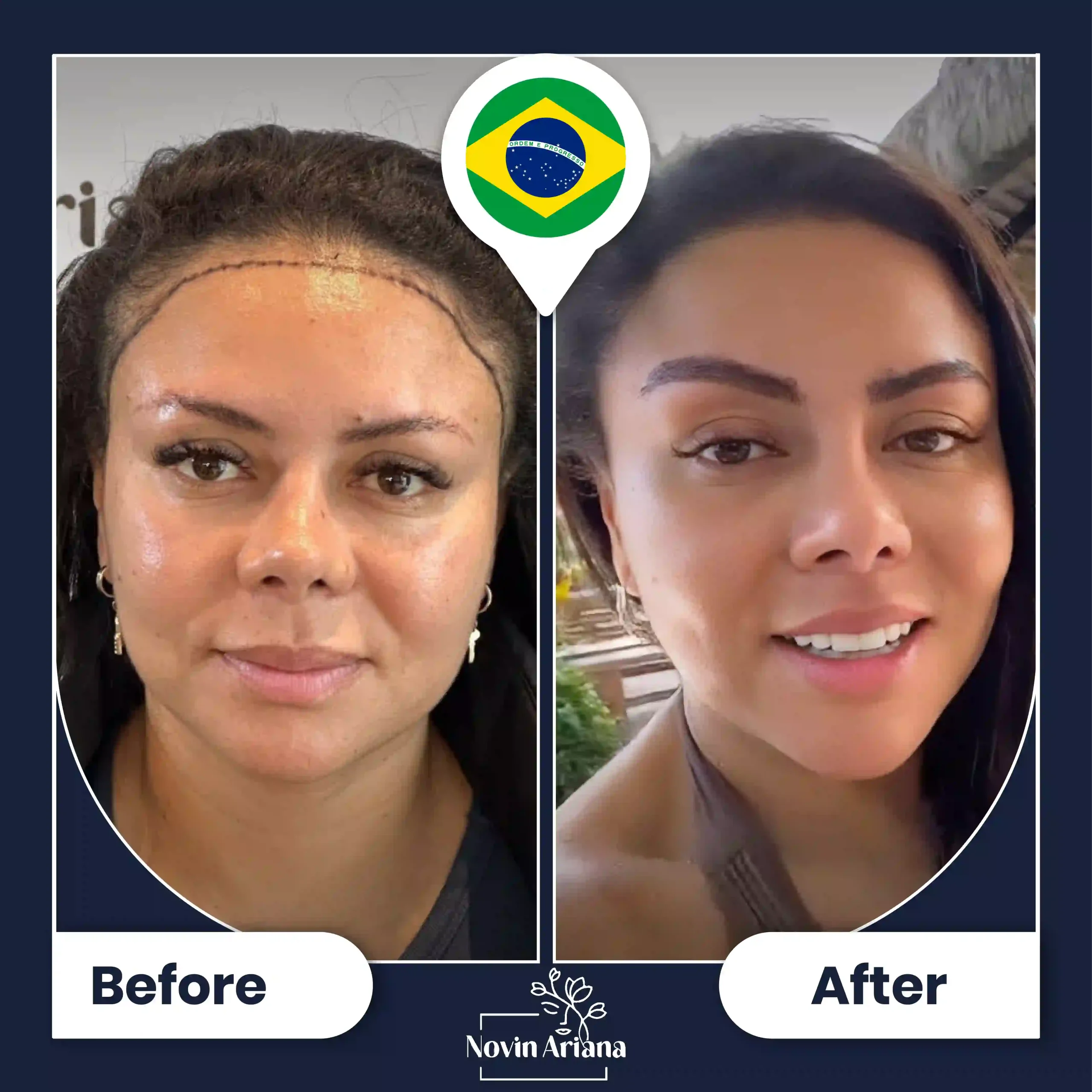
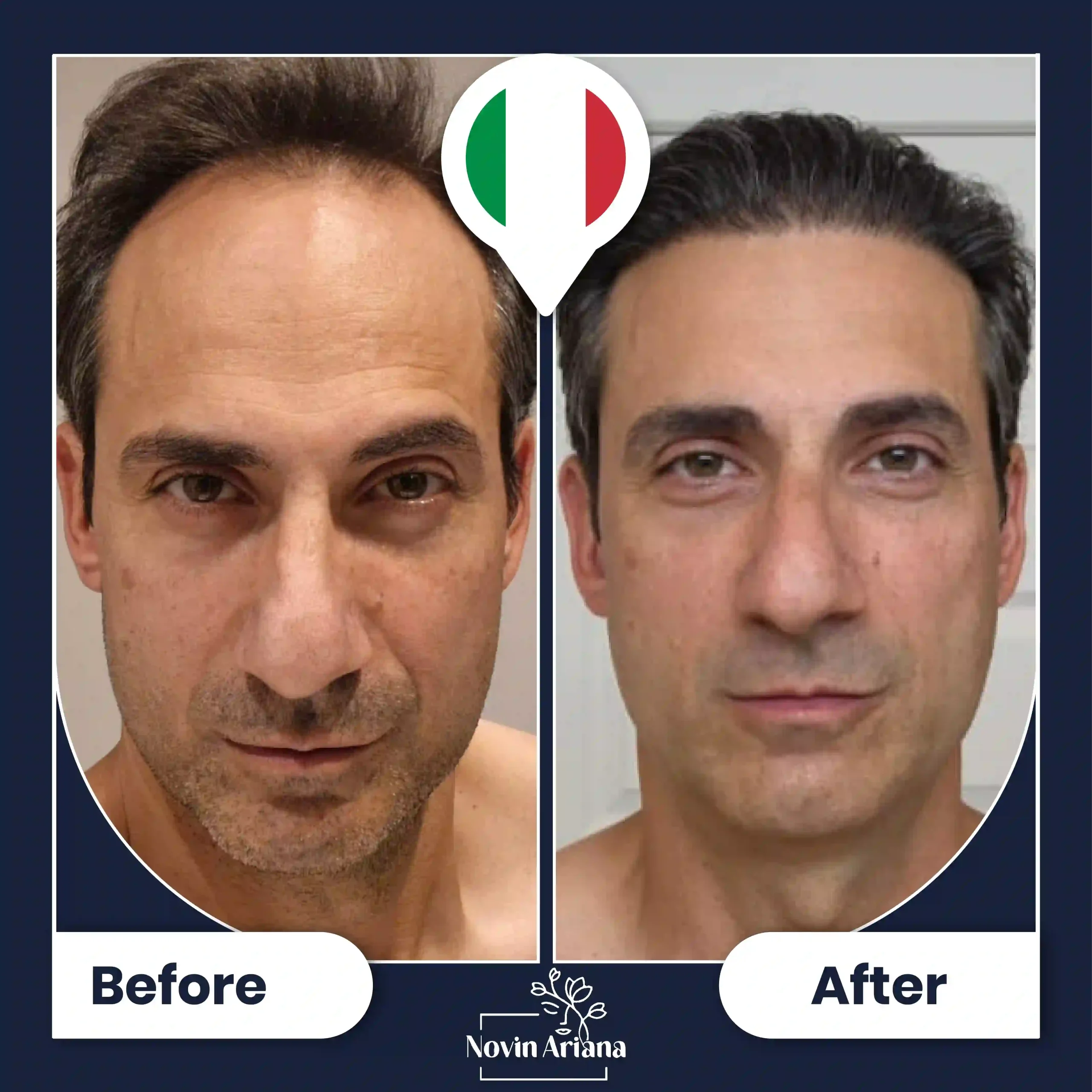
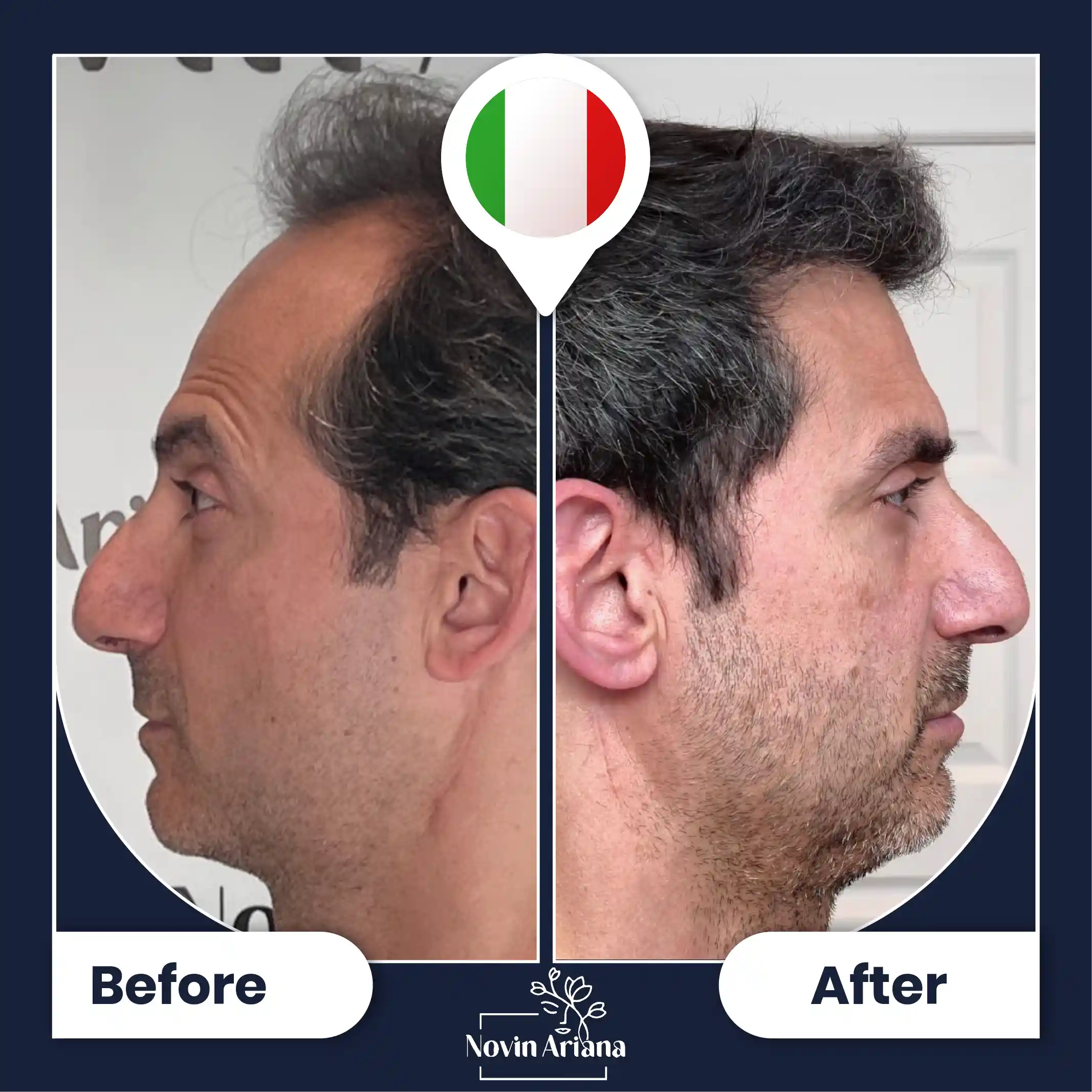
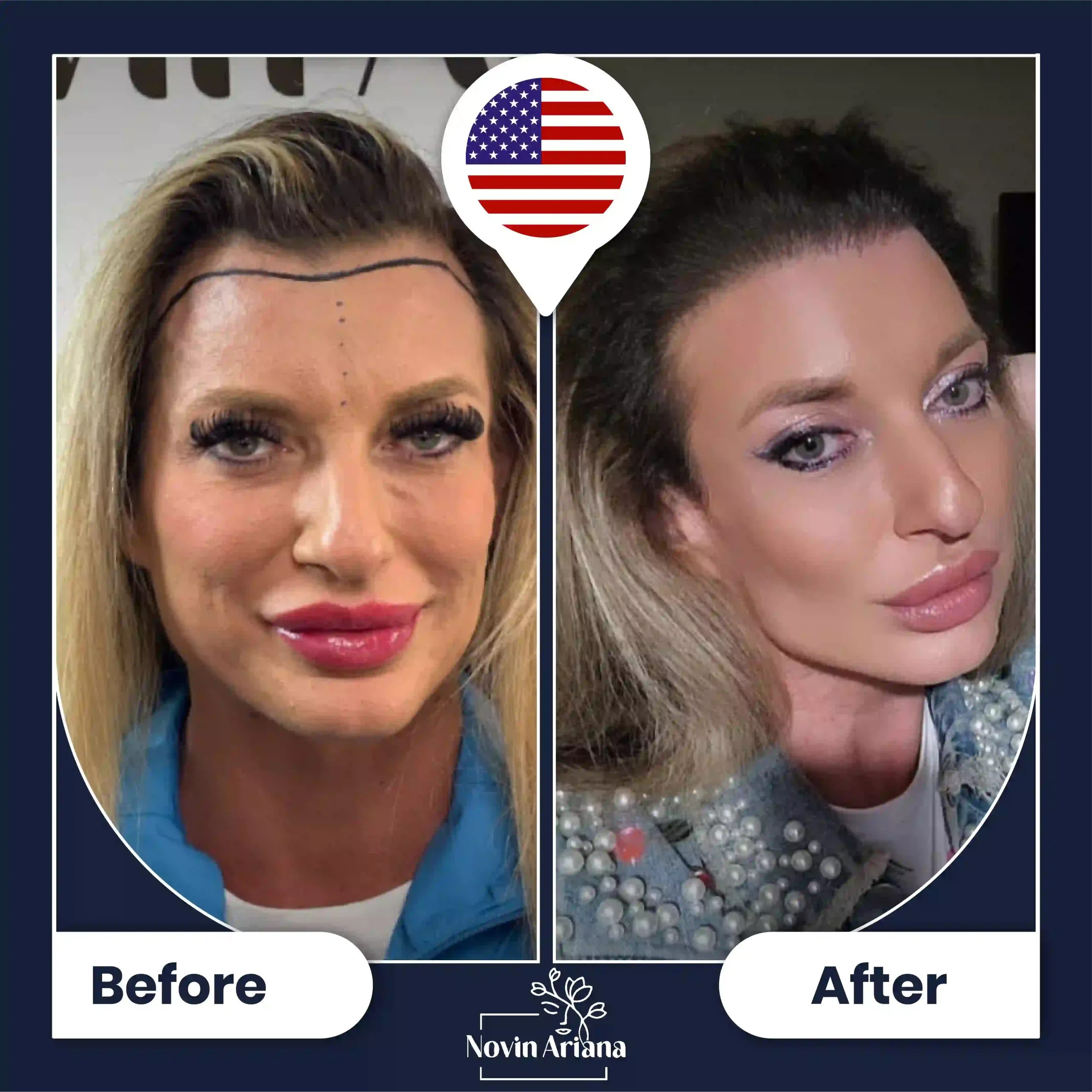
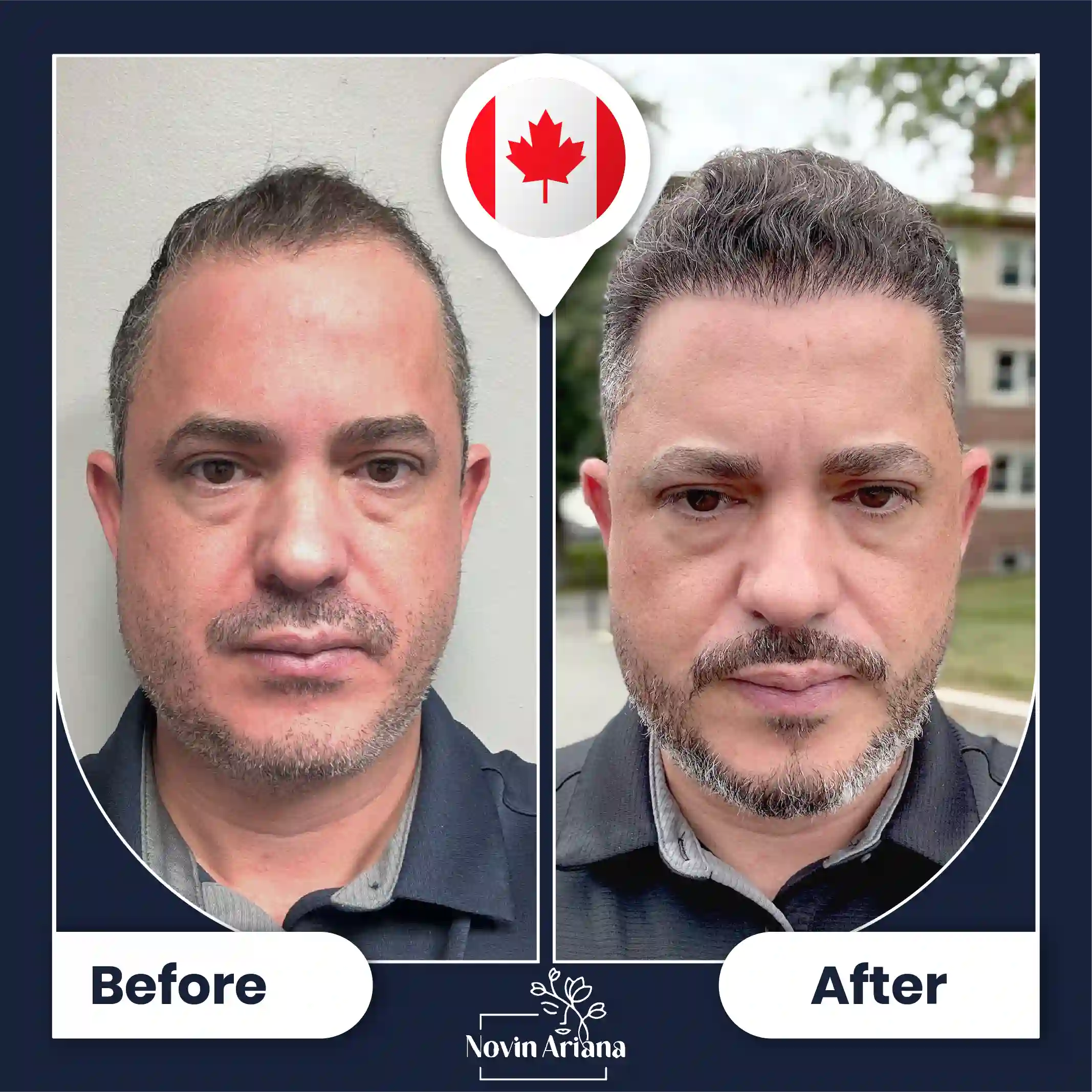
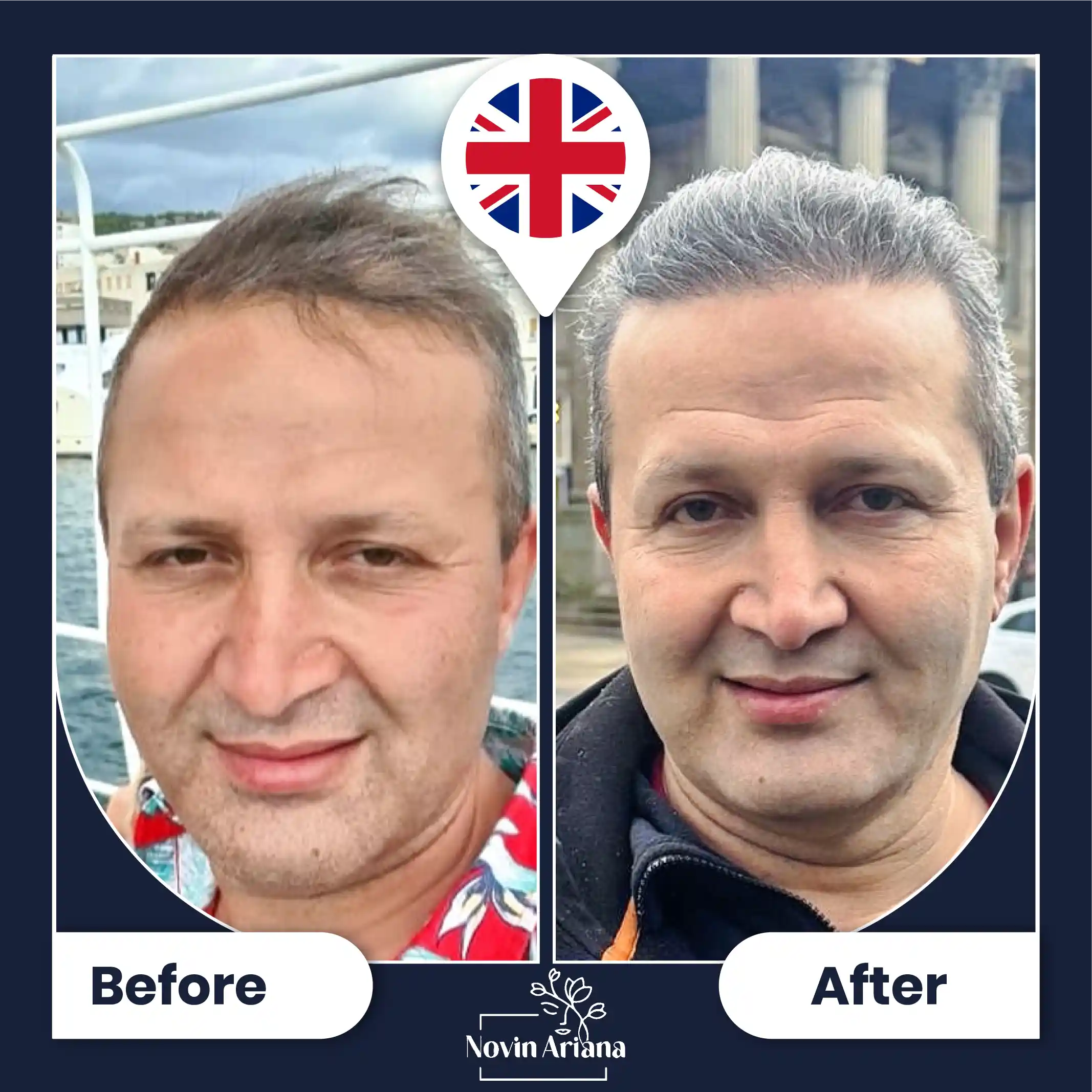
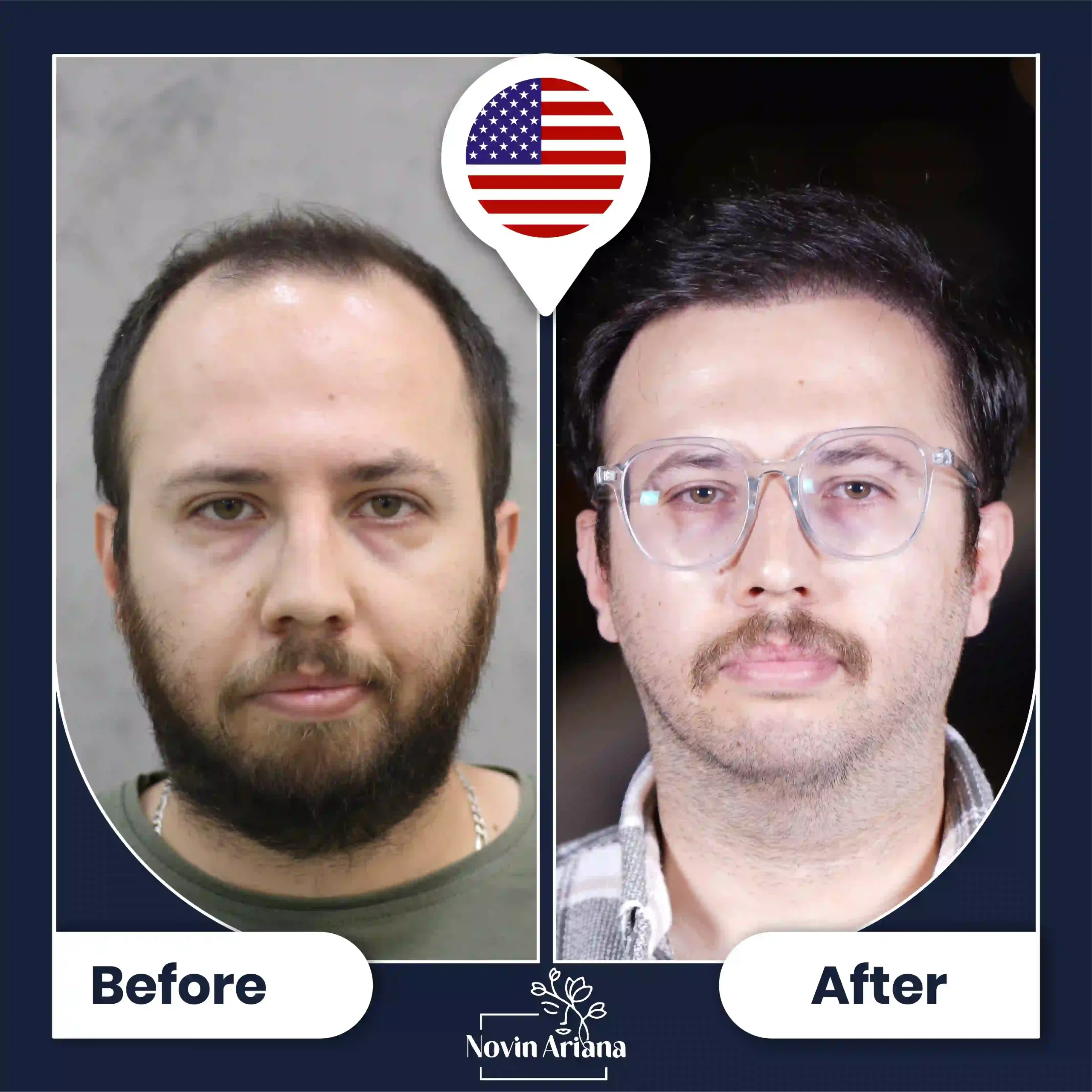
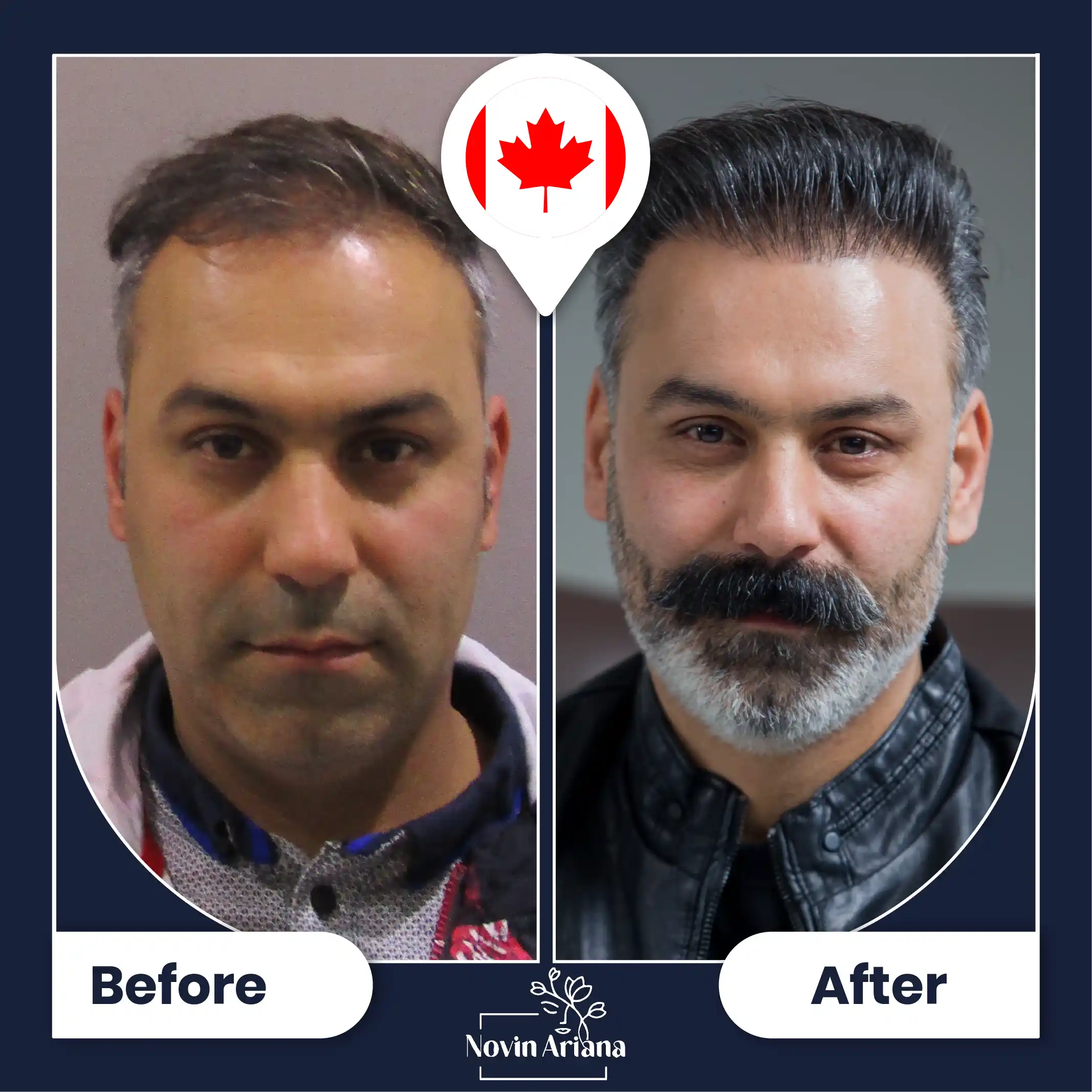
Recovery and results timeline
Recovery after DHI is usually straightforward, but patients should still expect some temporary redness, sensitivity, and scabbing in the treated area. These early signs are normal. Following washing instructions and post-op guidance carefully is essential during the first days.
Within a few weeks, many transplanted hairs shed. This can be alarming if you are not prepared for it, but it is part of the normal cycle. The follicles remain in place under the skin and begin producing new hair over time.
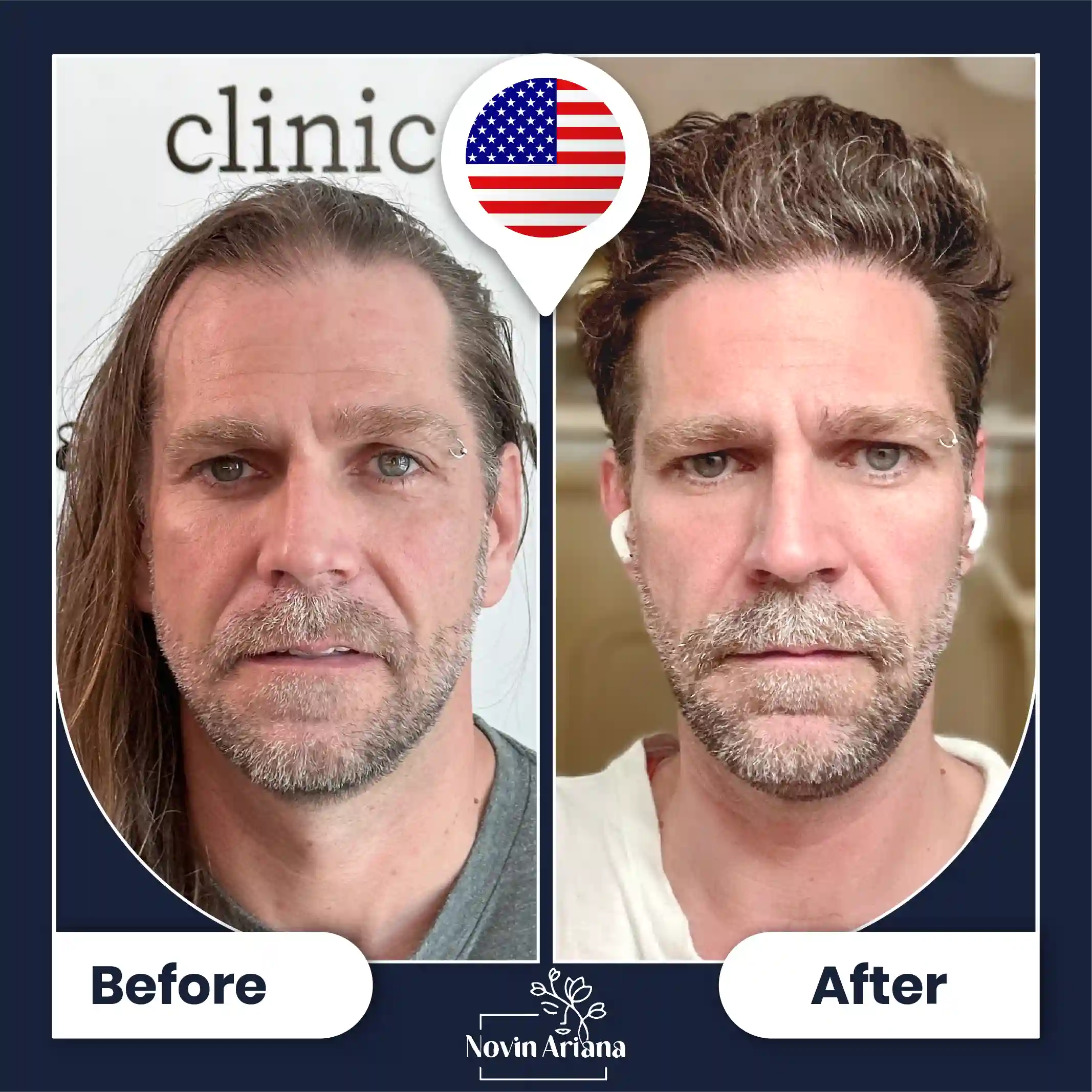
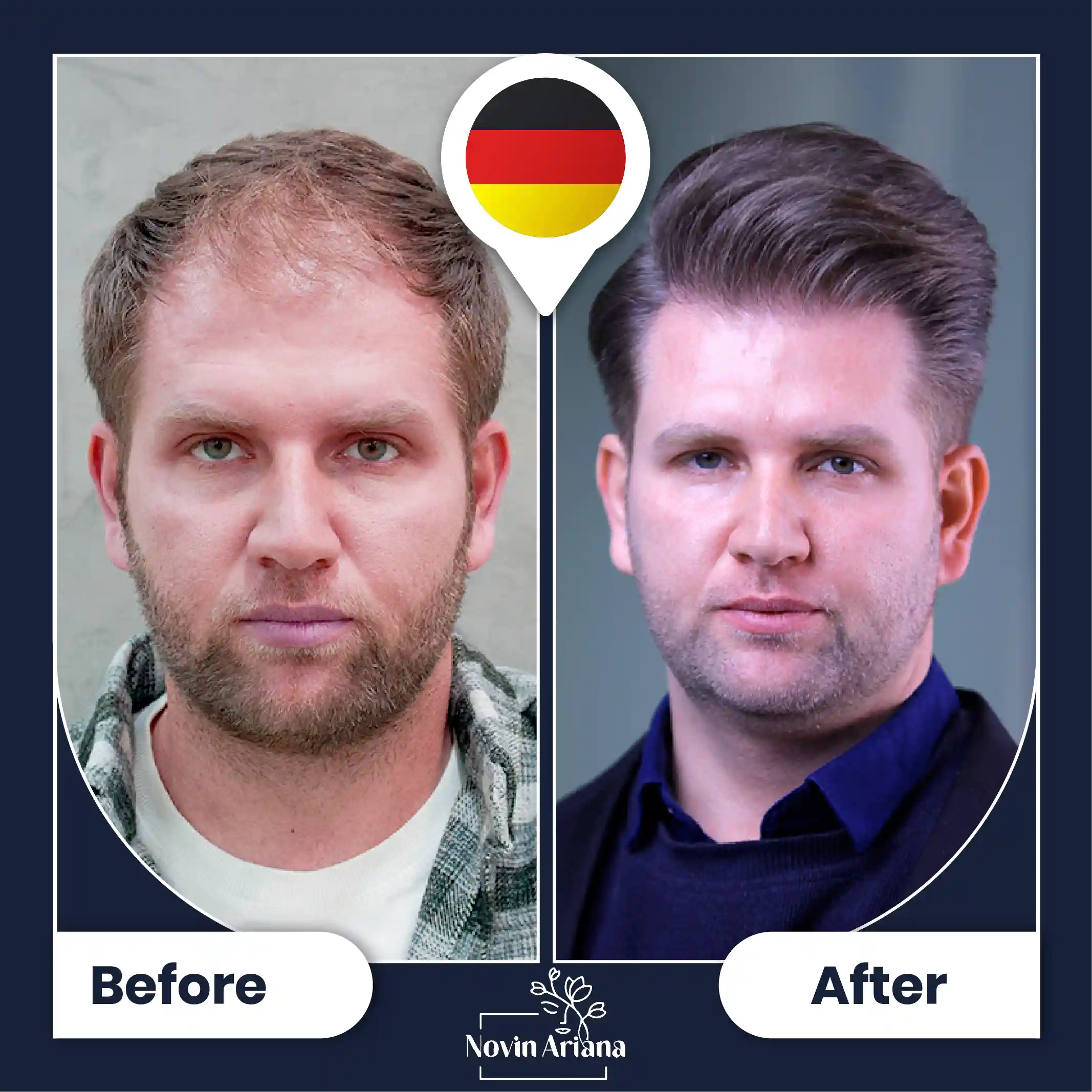
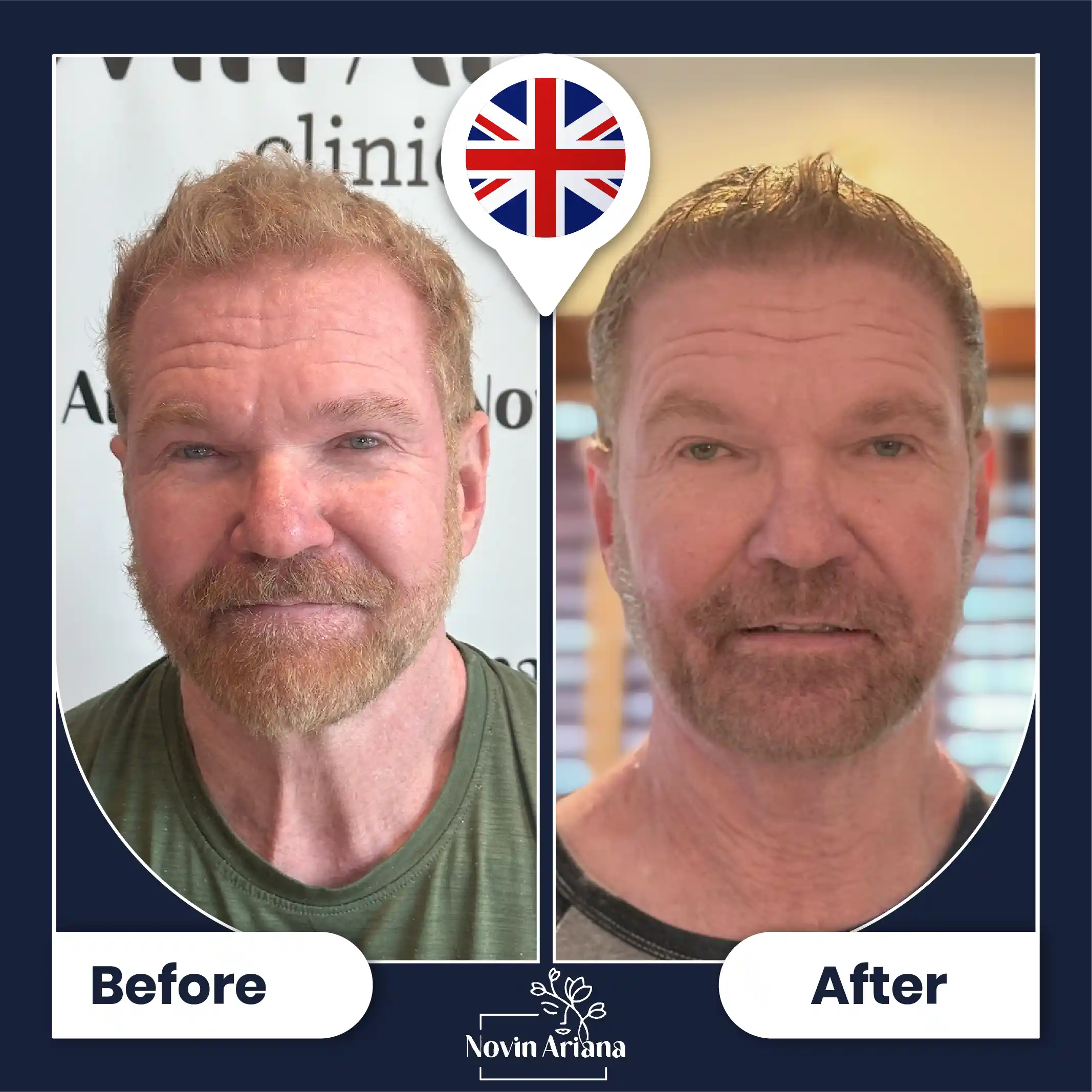
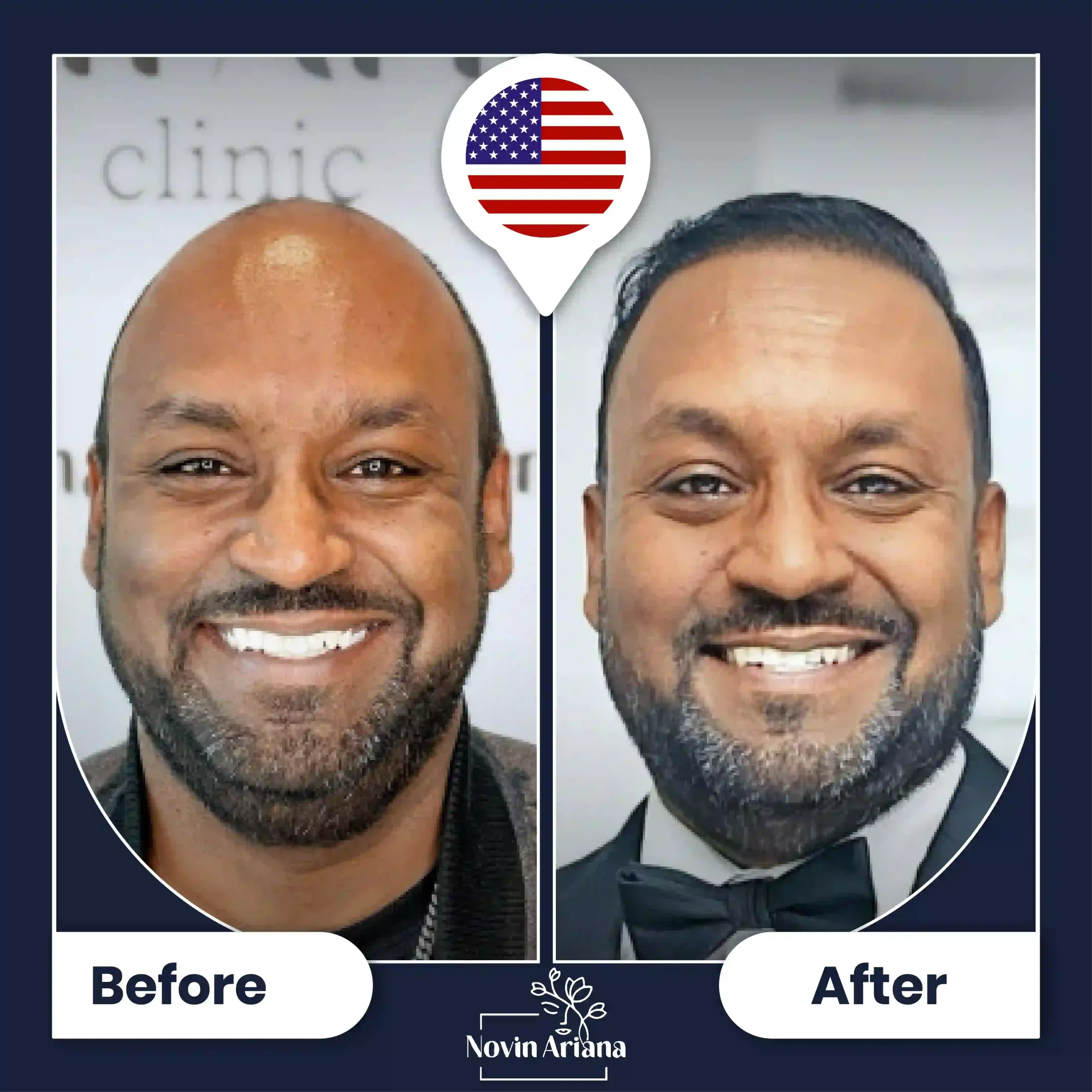
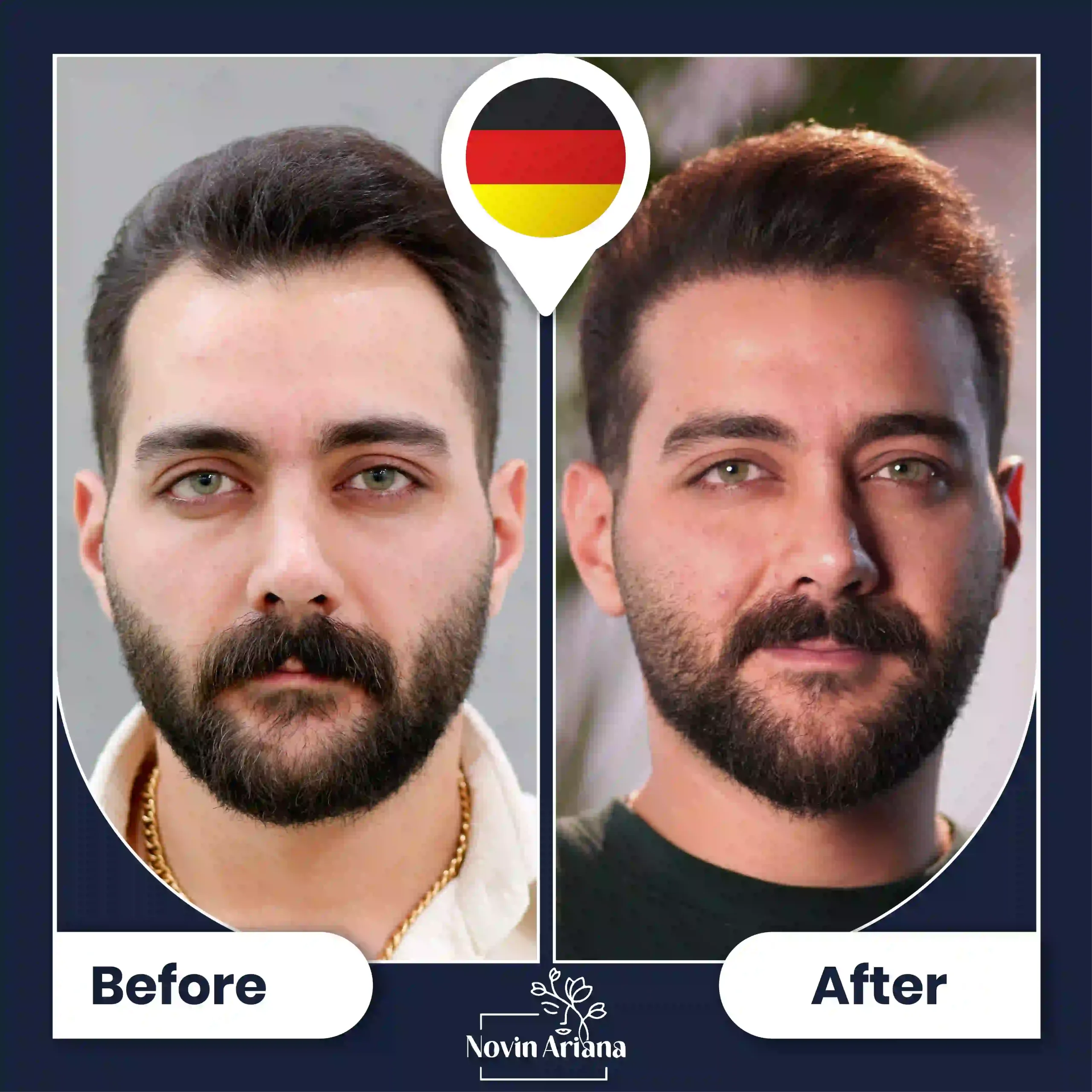
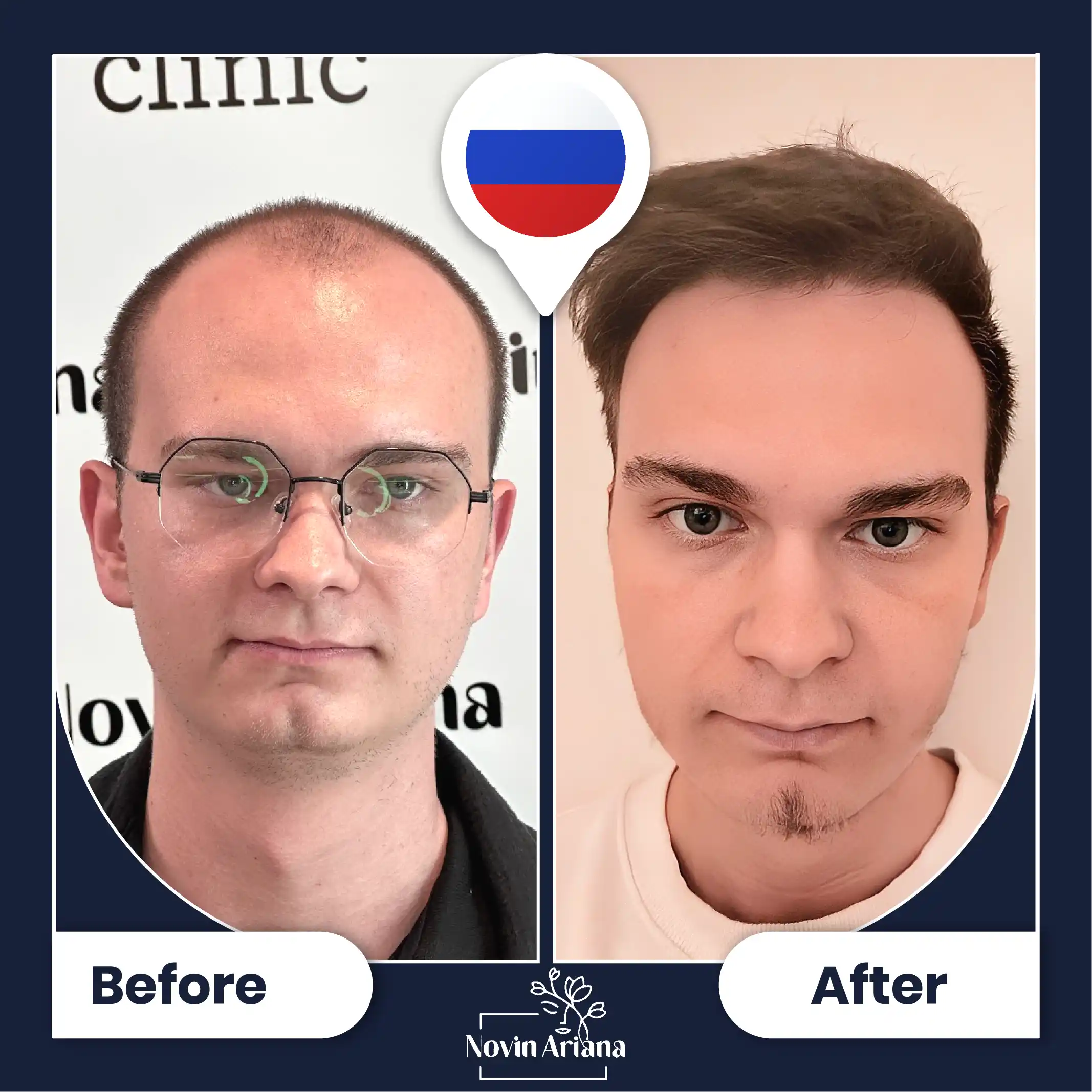
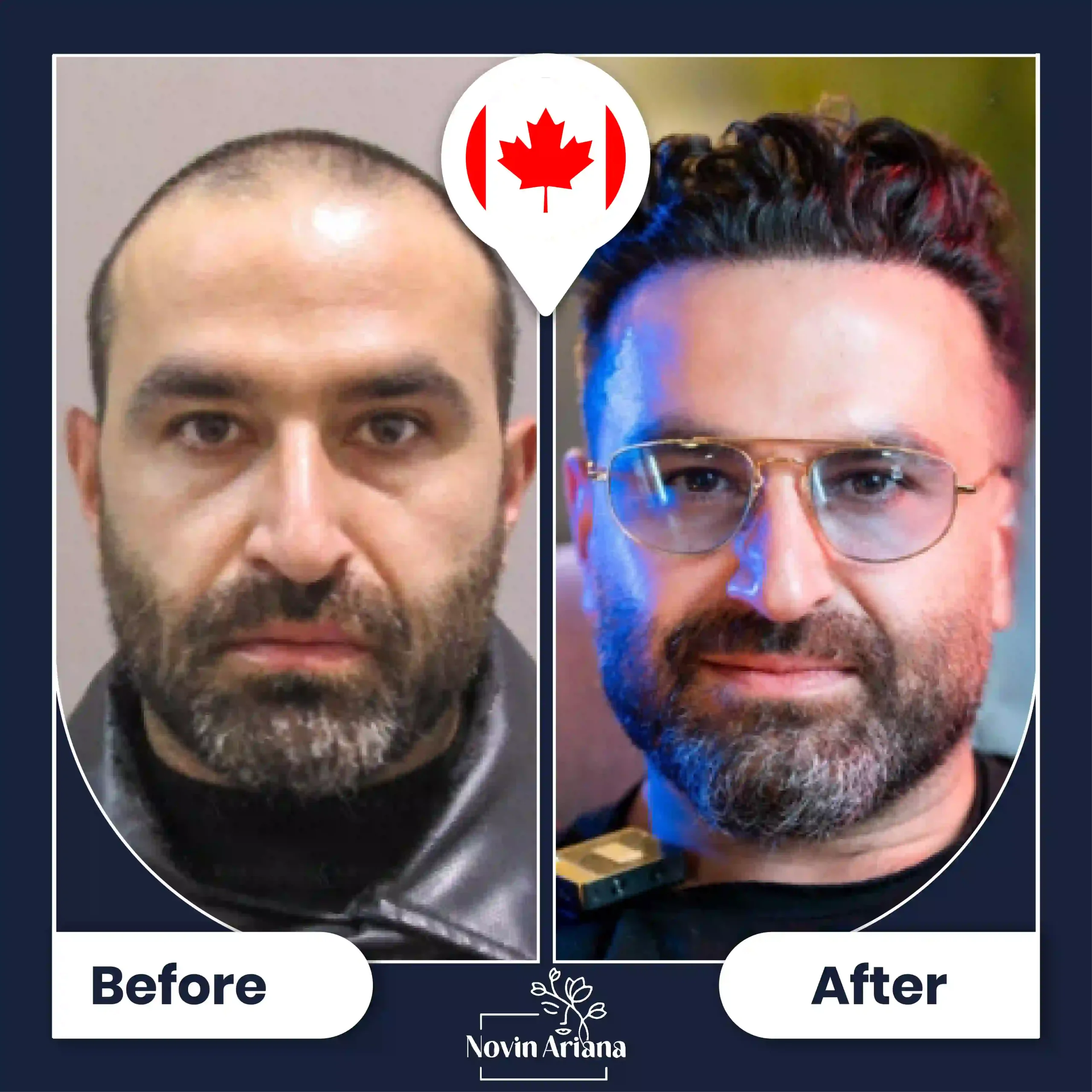
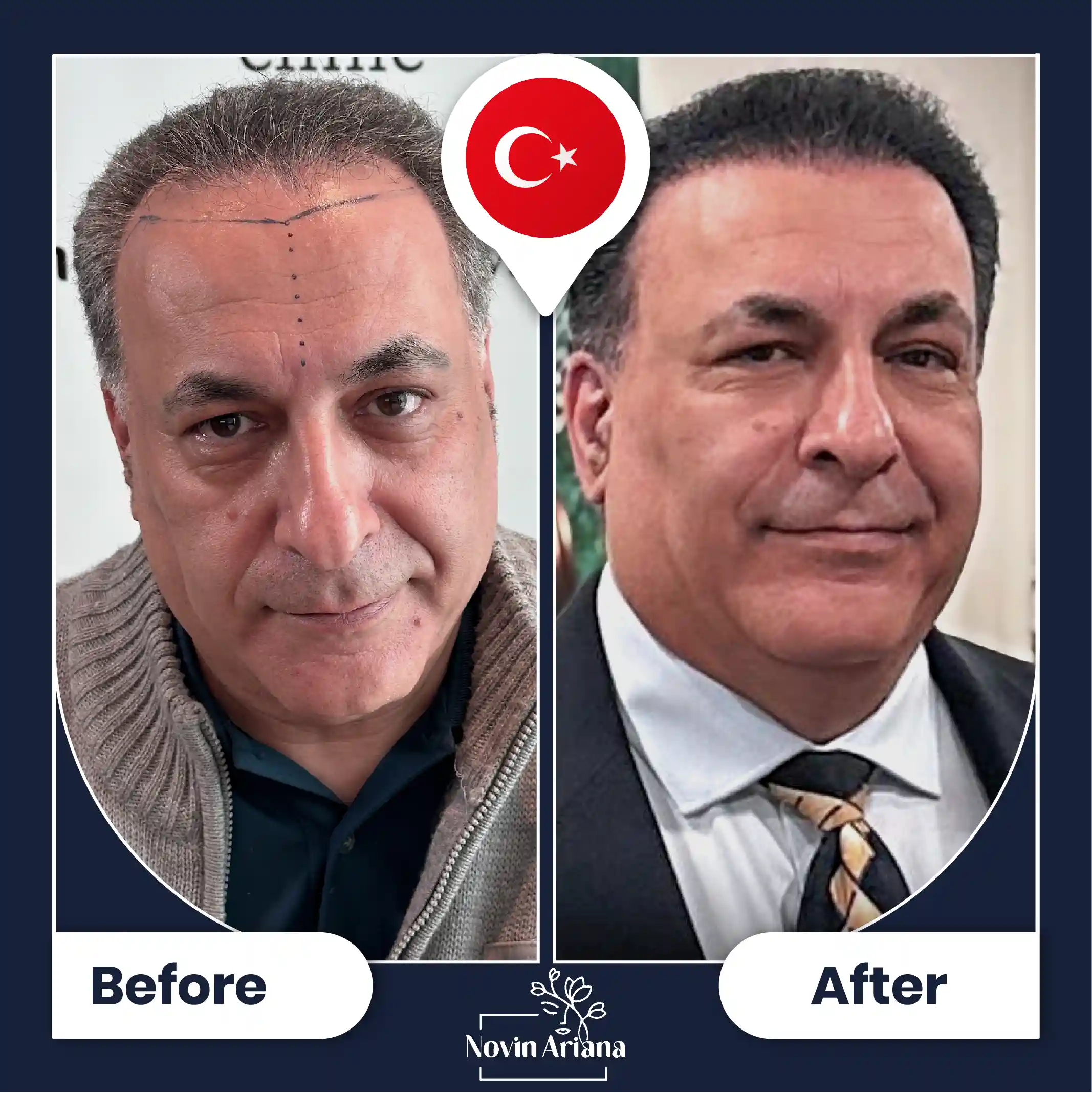
Visible regrowth often starts around the third or fourth month. More noticeable improvement usually appears between six and nine months, with final maturation continuing up to 12 months or longer in some cases. Hairline work often requires patience because subtle refinement becomes clearer as the hair thickens and softens.
Results also depend on aftercare, individual healing, hair characteristics, and the quality of the planning. Technique matters, but so does judgment.
The benefits of choosing DHI in Turkey
Turkey has become one of the world’s most recognized destinations for hair transplantation because it offers a rare combination of surgical volume, competitive pricing, and patient-focused hospitality. For many international patients, the appeal is not only affordability. It is access to experienced teams who perform these procedures every day in a highly structured setting.
When done at a premium clinic, DHI in Turkey can offer advanced planning, natural design, comfortable treatment, and a full travel-to-recovery pathway in one package. That means consultation, procedure, accommodation, transfers, and ongoing follow-up are coordinated instead of left to the patient to organize alone.
At Novin Ariana Health Clinic, that journey is designed to feel both clinical and comfortable – the standard patients expect when traveling abroad for a visible, confidence-driven procedure.
Ready to change how you look and feel?
Get your consultation now — your new self is waiting.
Is DHI worth it?
If your priority is natural placement, careful hairline artistry, and a premium treatment experience, DHI can absolutely be worth considering. If your primary concern is maximizing graft numbers over a very large area, another technique may be more suitable. The best answer depends on your pattern of hair loss and the quality of your donor area, not marketing language.
The most successful patients are usually the ones who ask better questions. Not just what is DHI hair transplant, but who will design my hairline, how is graft survival protected, what result is realistic for my donor supply, and what support will I have after I go home.
A great hair transplant should restore more than hair. It should restore certainty when you look in the mirror, and confidence when you walk into the room.