
Hair Transplant


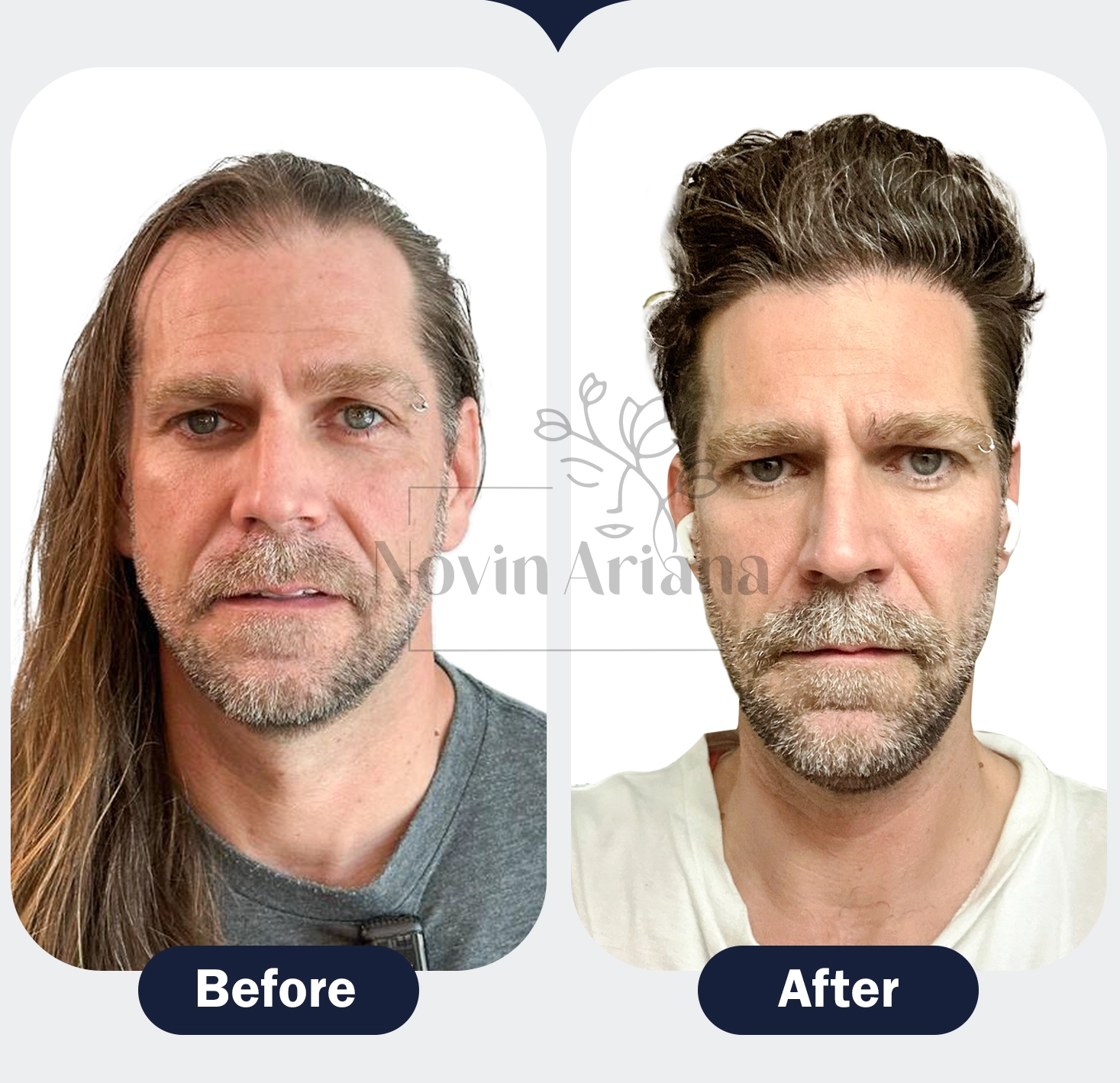
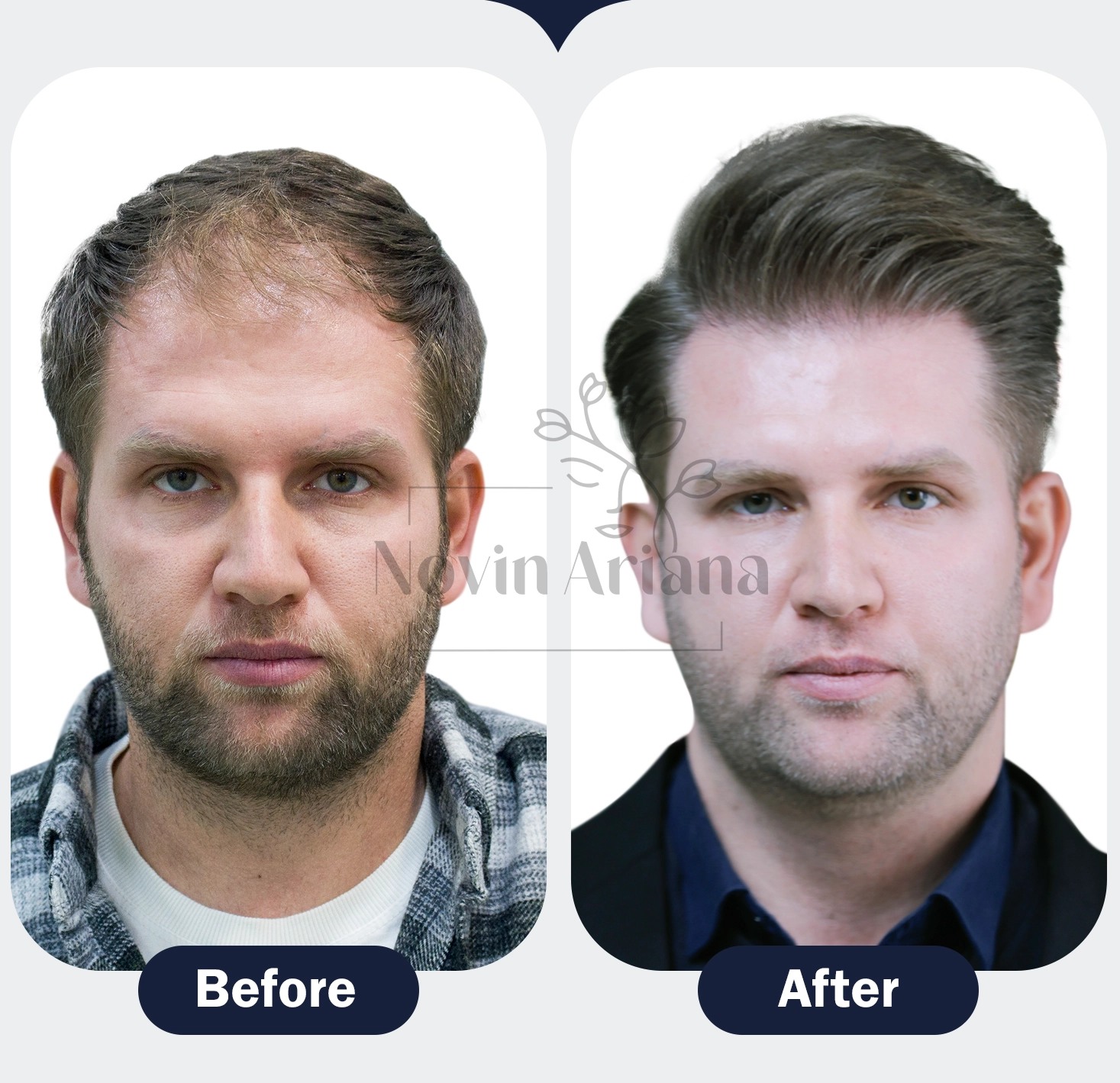
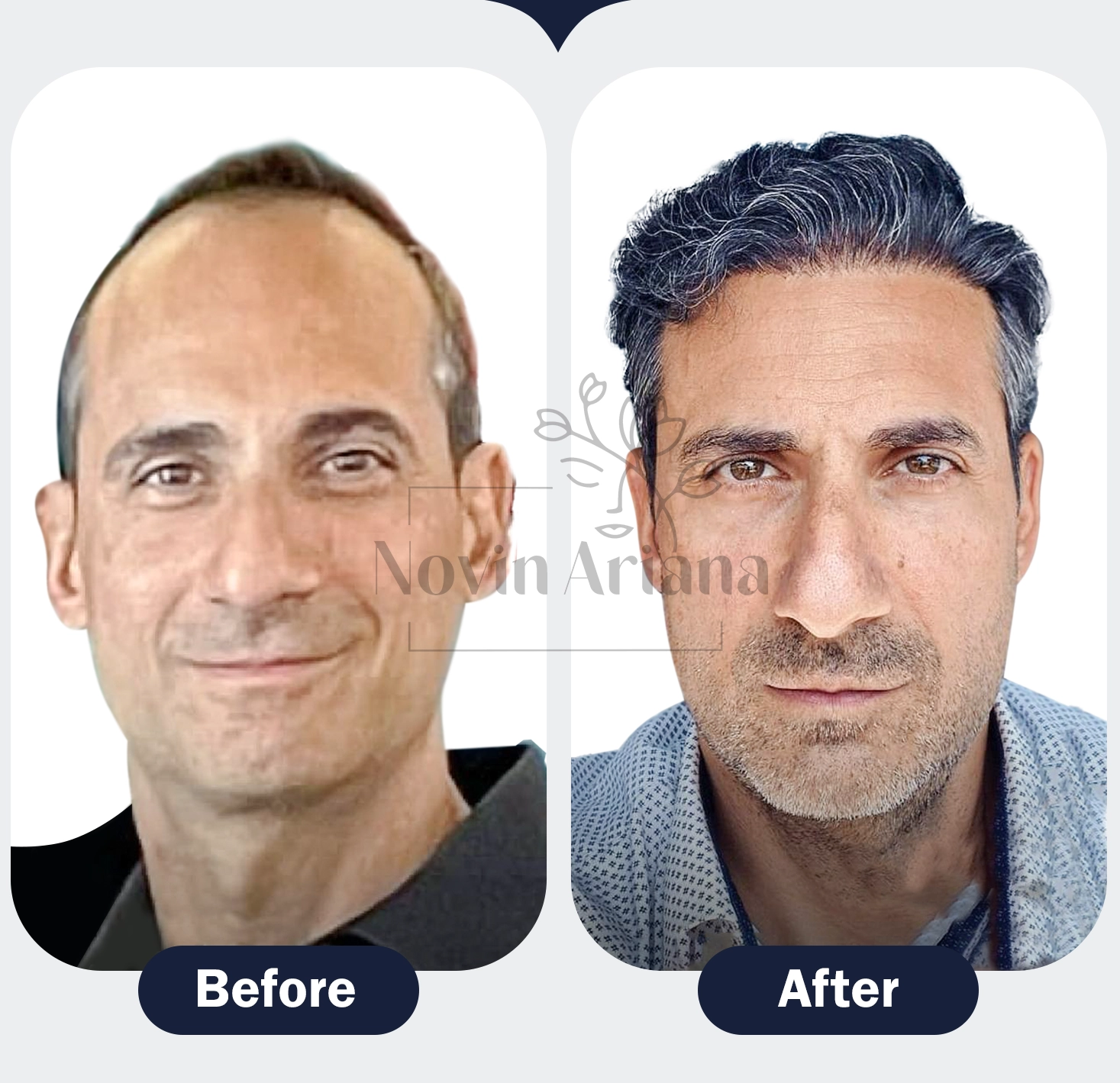
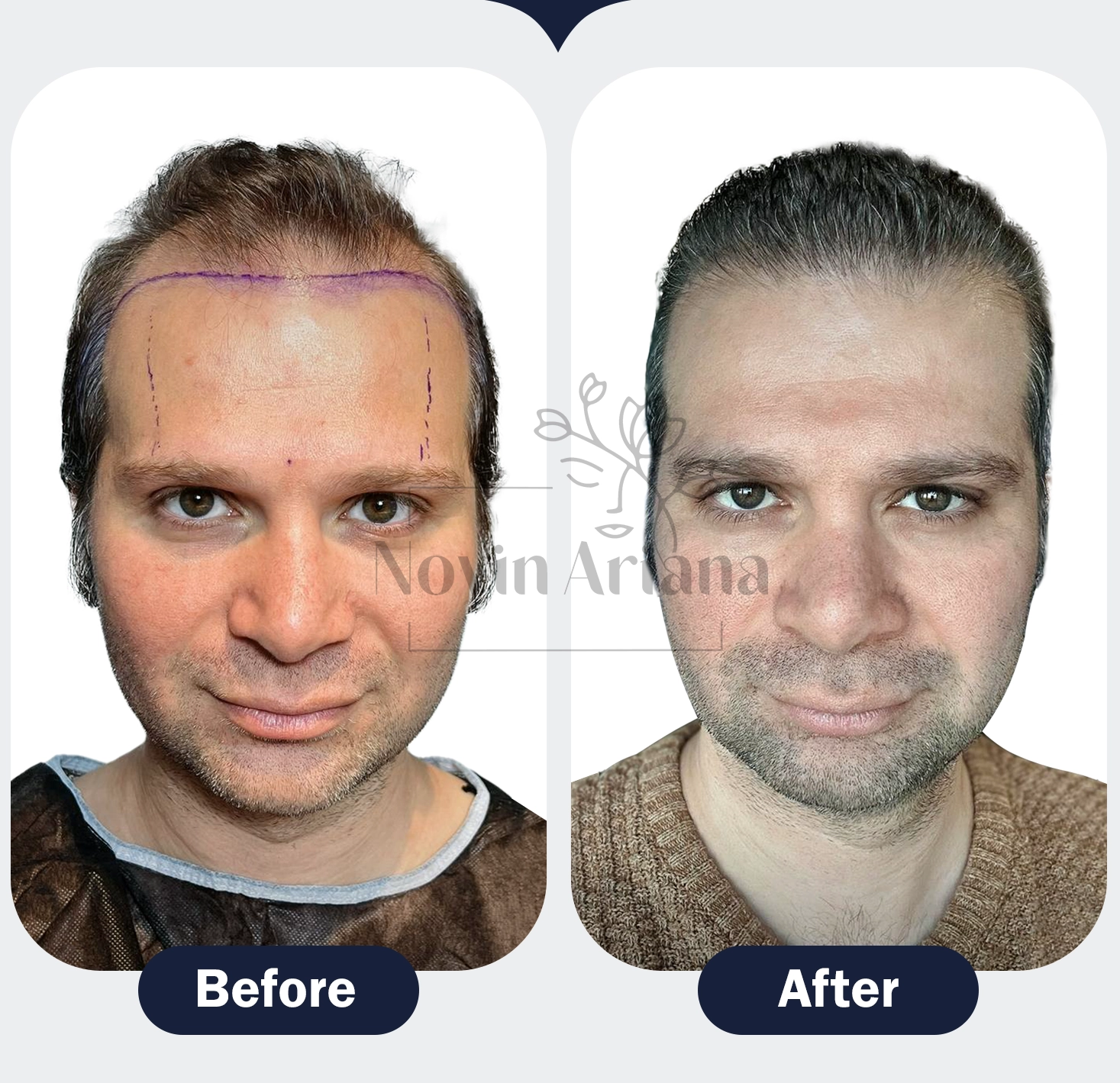
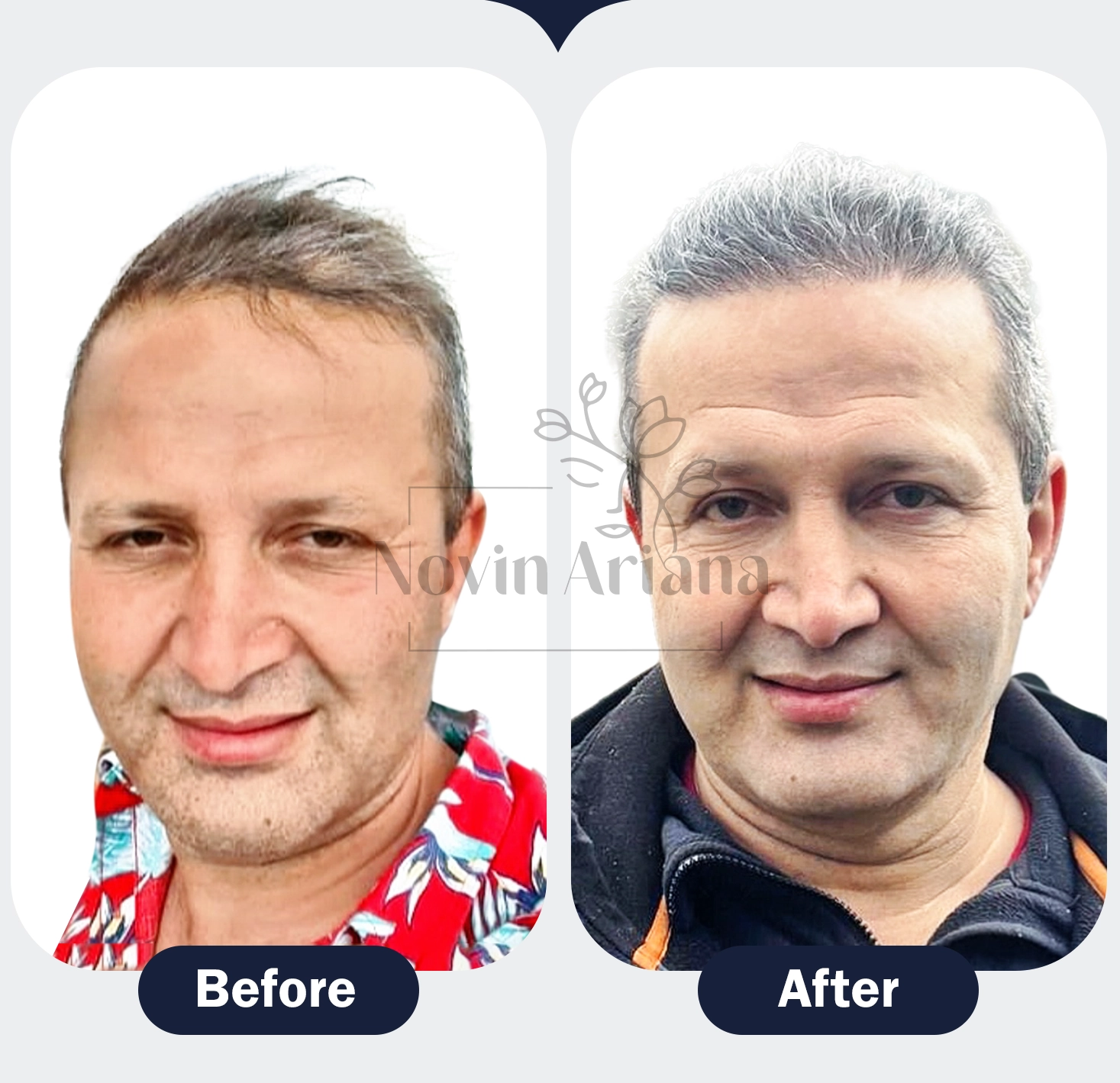
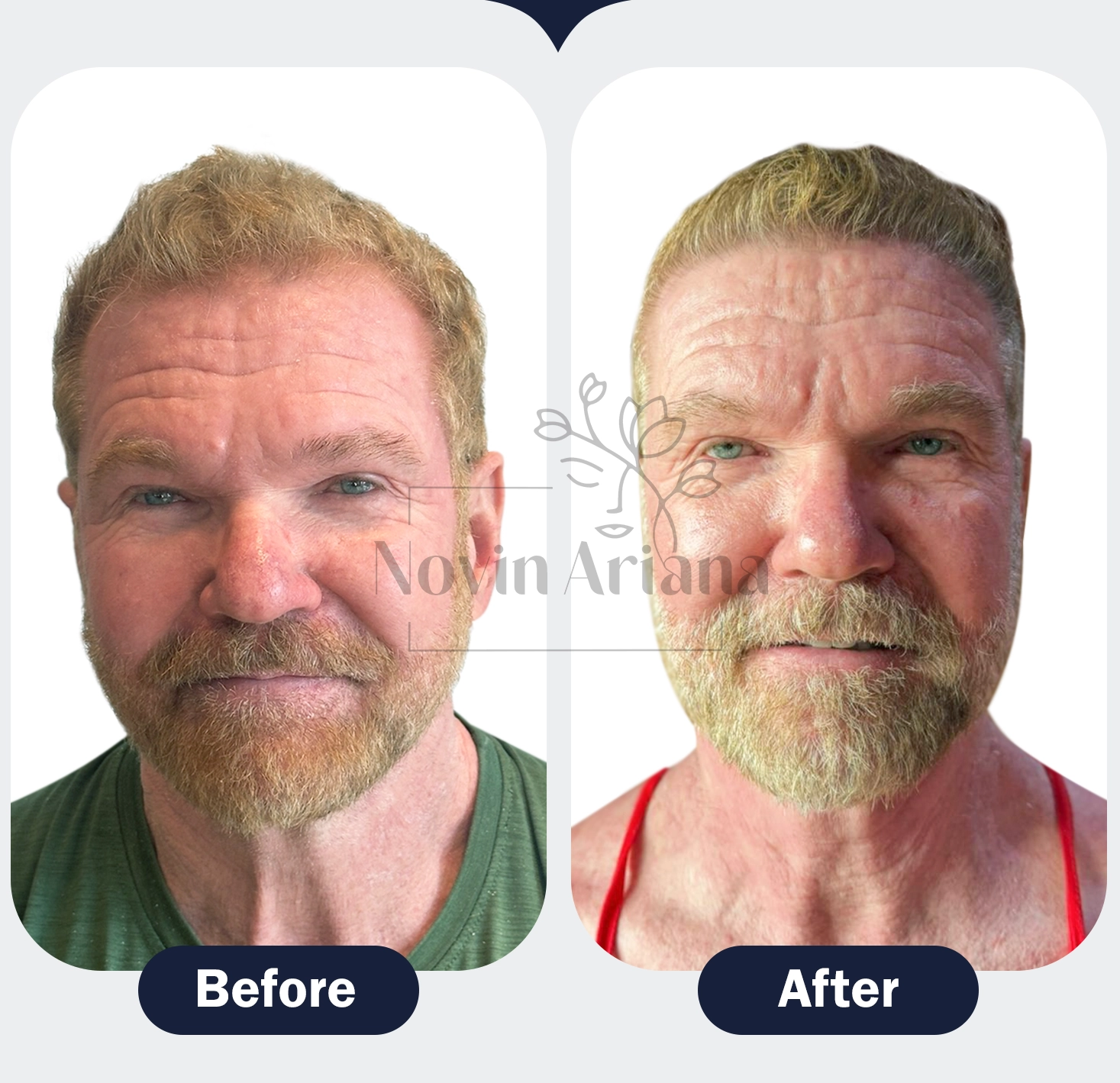
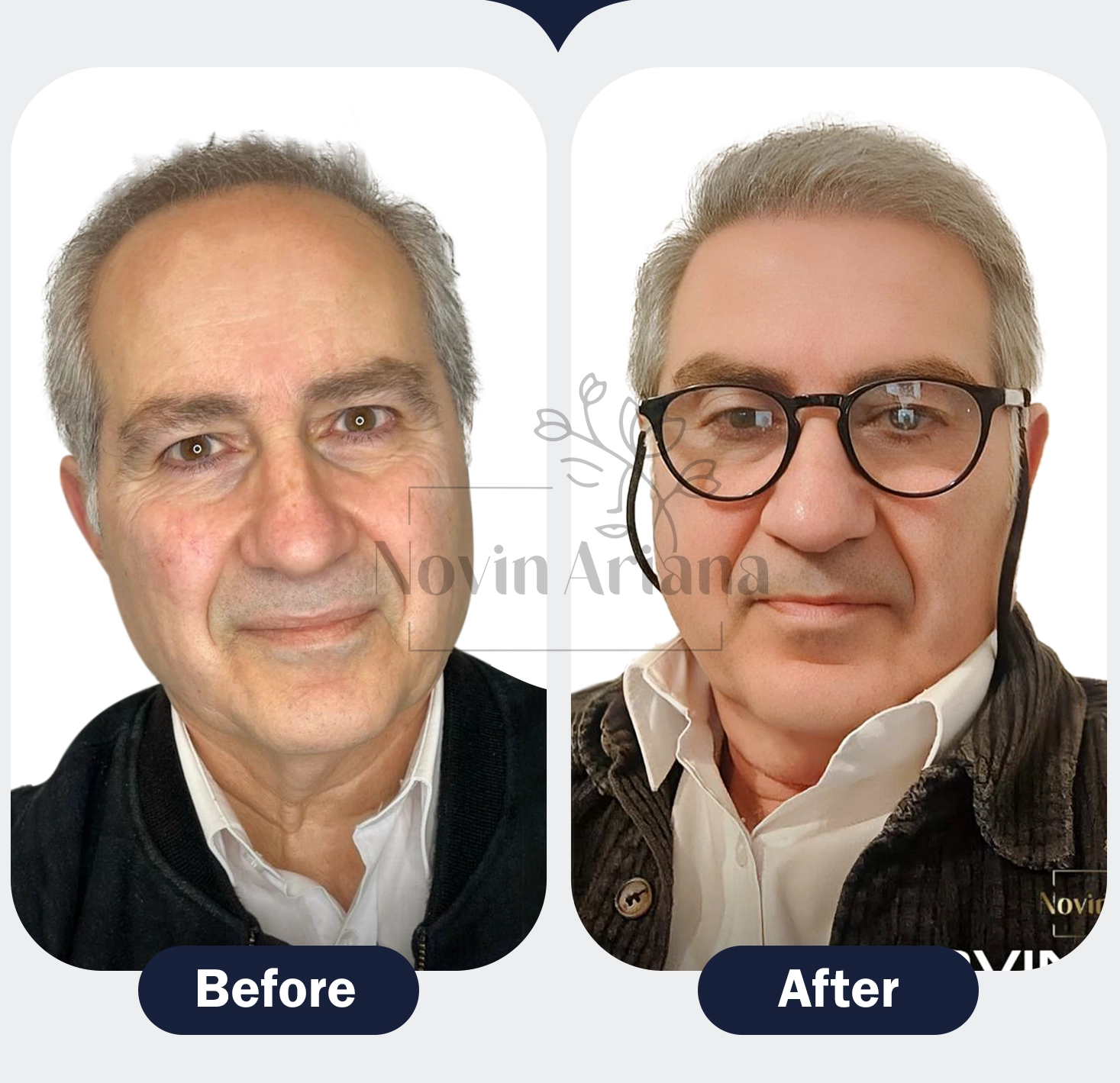
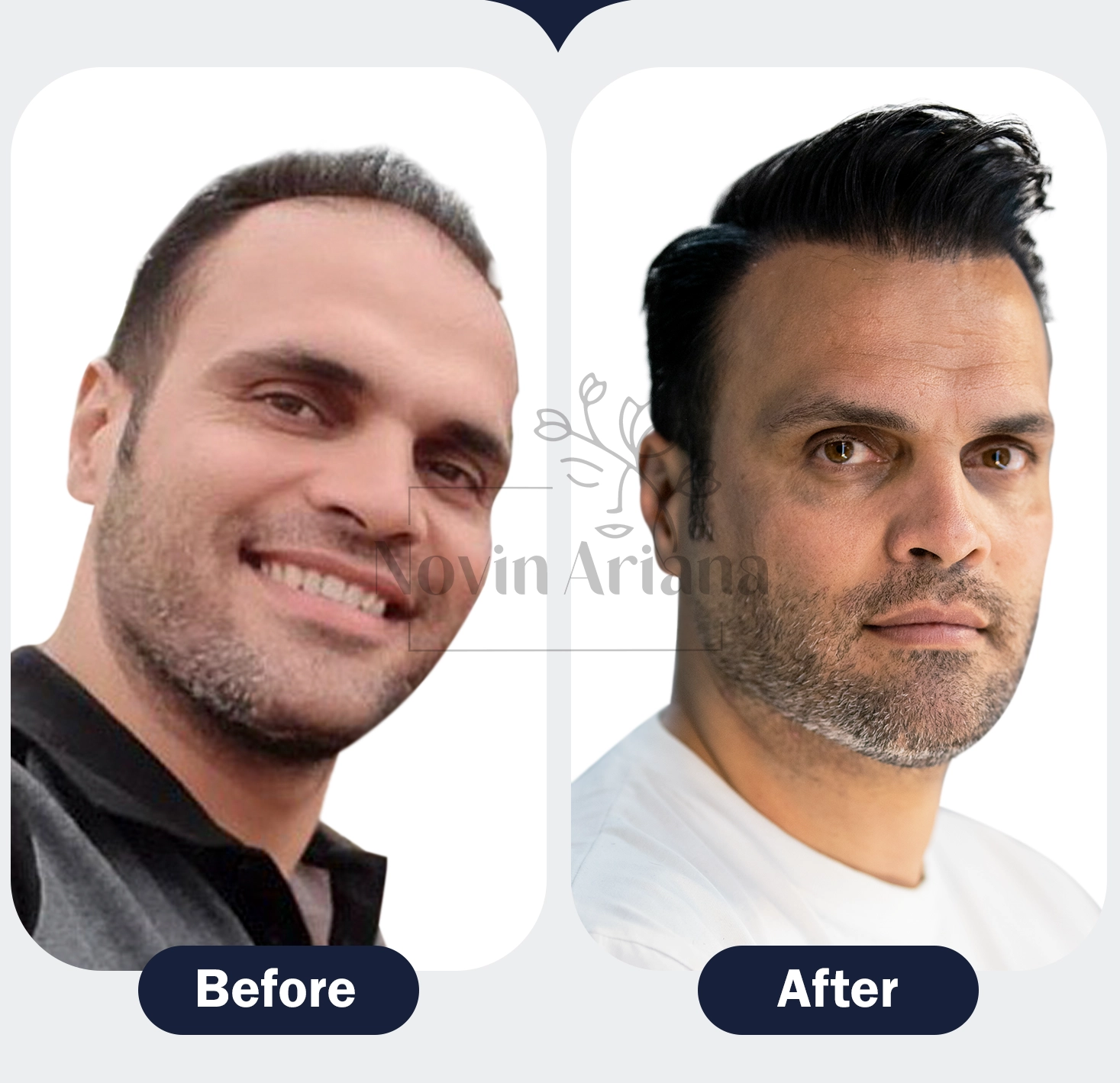
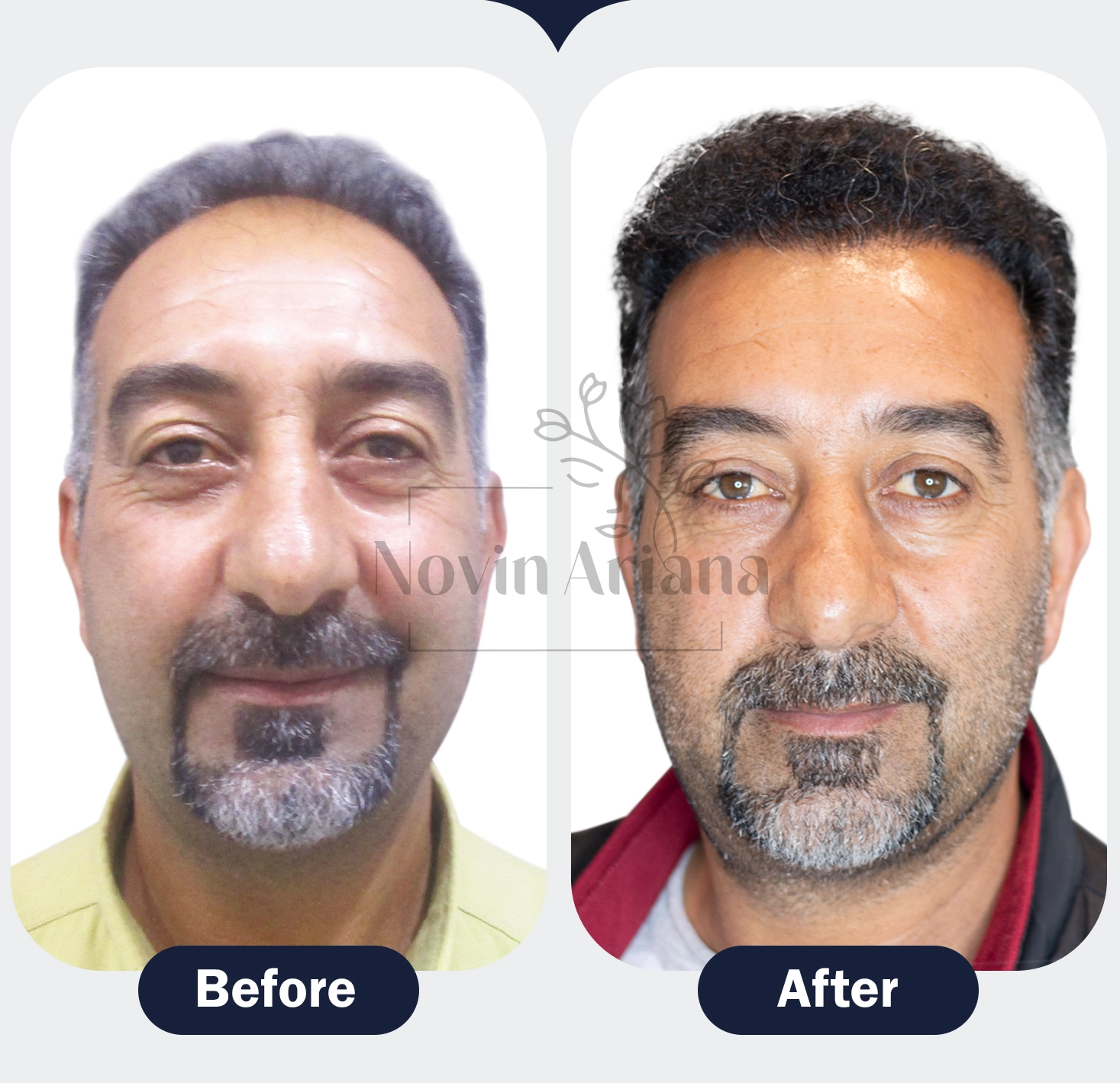
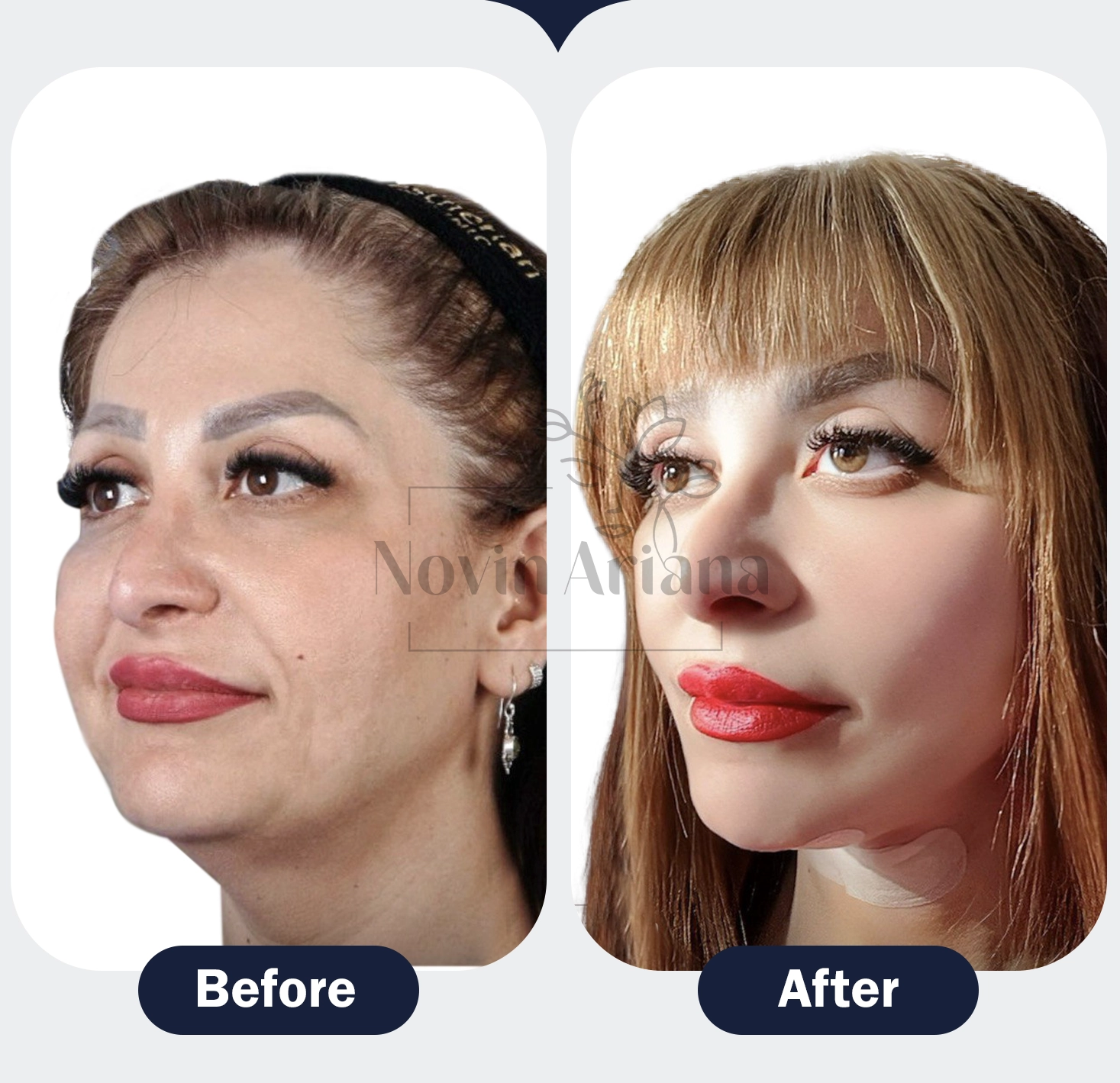
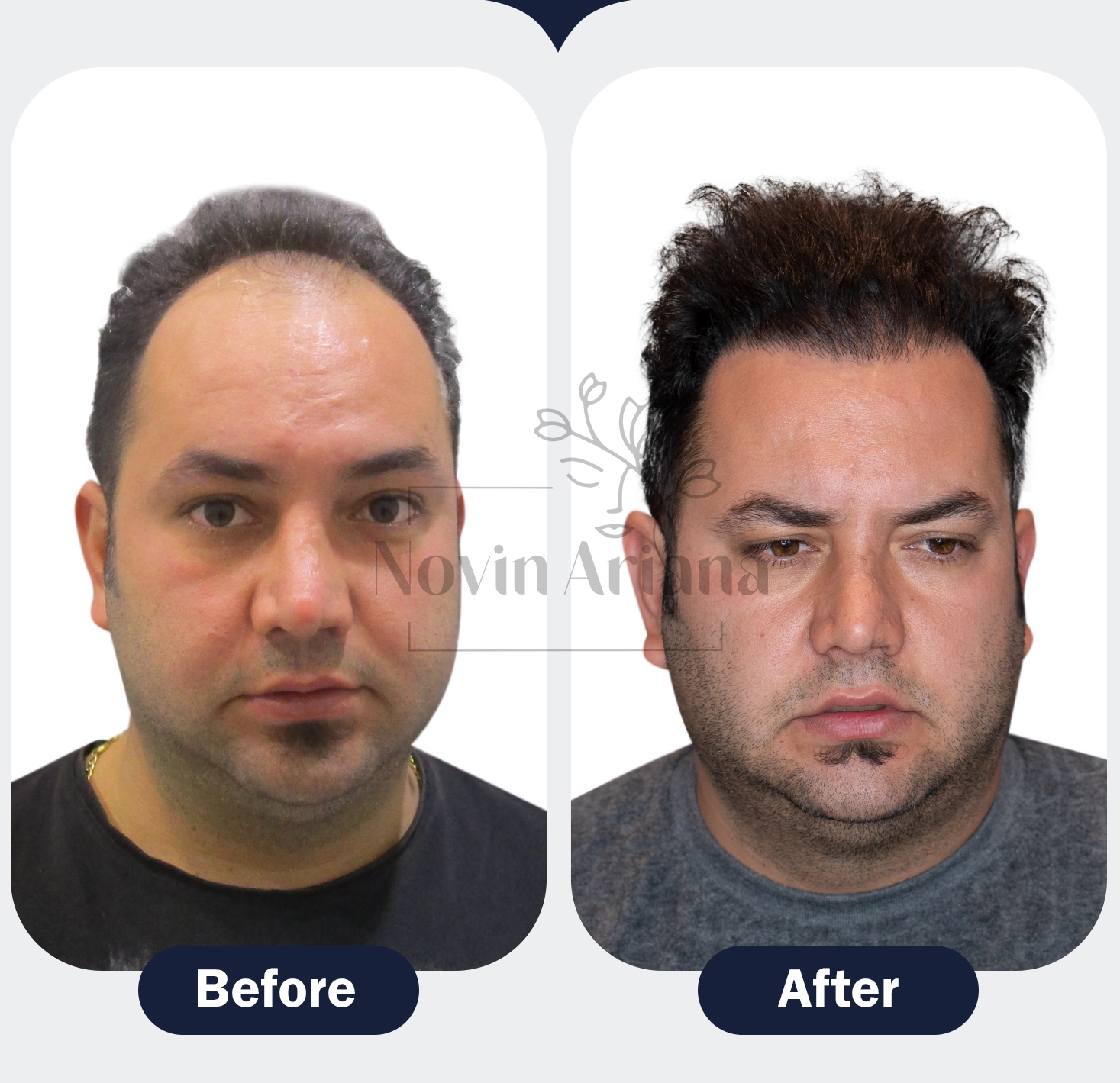
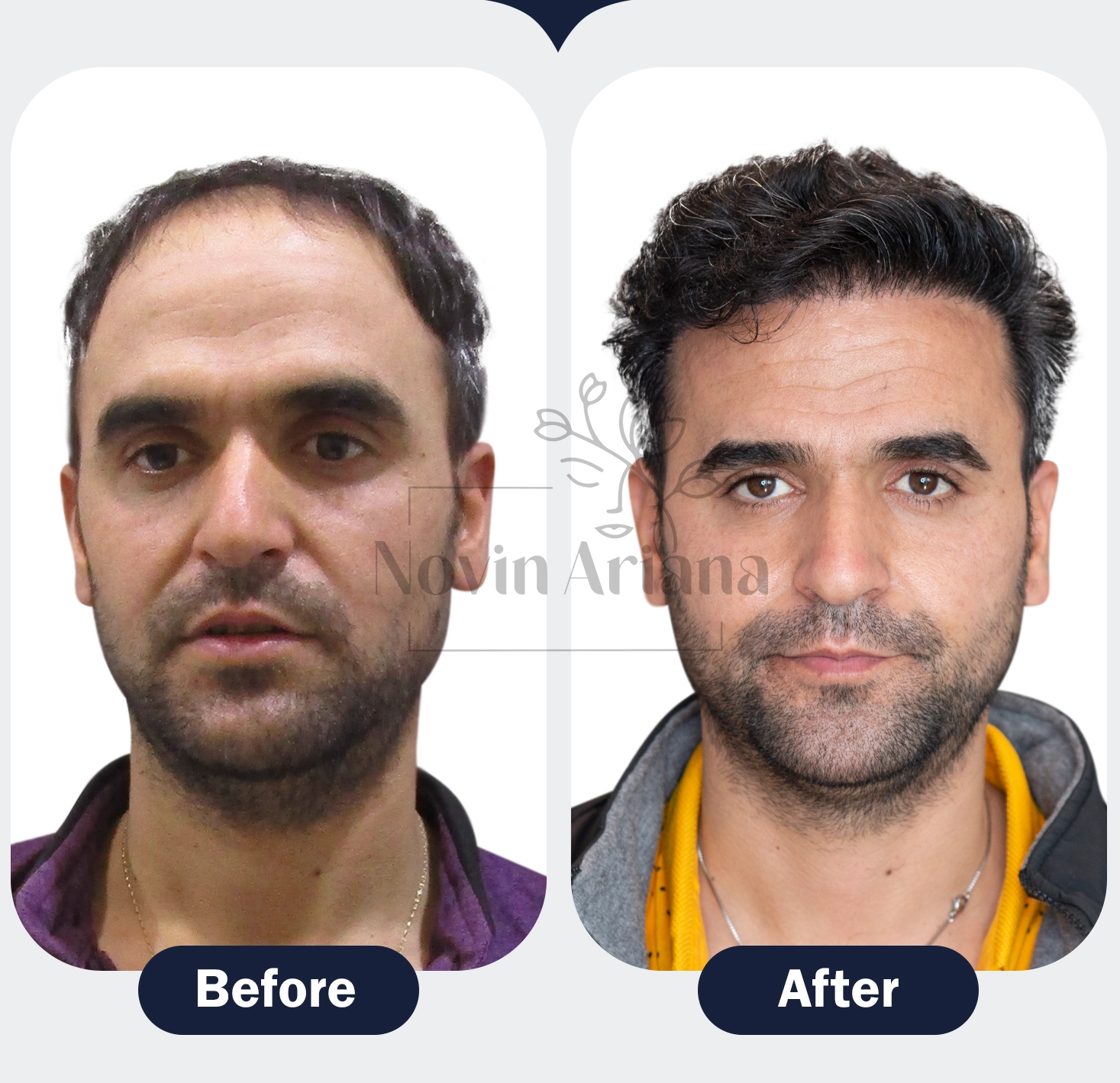

45+
Expert Consultant

10,000 +
Excellent Reviews

40,000 +
Patient Worldwide

15+
Years of experience


The Best Hair Transplant in Turkey
Novin Ariana Clinic in Istanbul offers advanced hair transplant techniques, including DHI and Sapphire FUE, for natural, lasting results. Our expert team provides full care, from consultation to post-op support, with transparent pricing. Trusted by thousands of international patients.
What our patients say


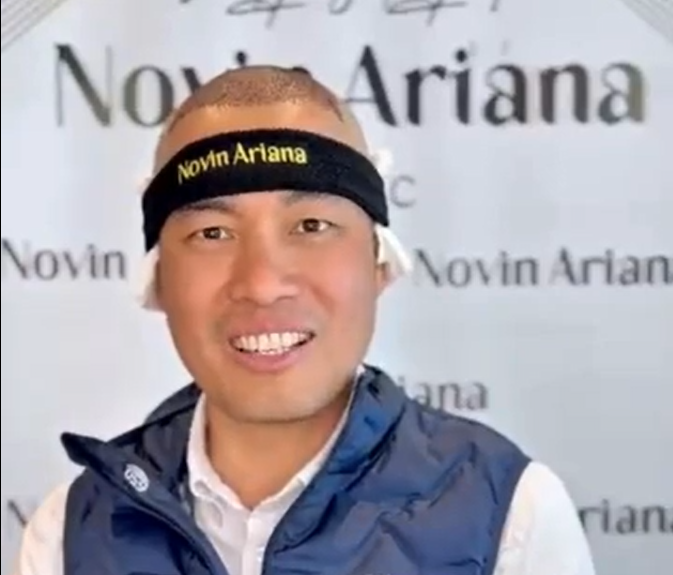
I had a fantastic experience at Ariana Clinic for my hair transplant! The clinic was impeccably clean, and the staff was incredibly professional and experienced. They were responsive to all my questions and concerns, making me feel confident every step of the way. I'm thrilled with the results so far and highly recommend their services to anyone considering a hair transplant.

Pejman Pakzamir
PatientGet In Touch
Do not hesitate to contact us using the form below!
Get In Touch
Do not hesitate to contact us using the form below!
Frequently Asked Questions
Our representatives for all countries are 24/7 available to support you at time.
Yes, hair transplants are considered permanent. The hair follicles that are transplanted during the procedure are taken from areas of the scalp where hair is resistant to hair loss, such as the back or sides of the head. These follicles retain their natural growth properties even when relocated to thinning or balding areas. As a result, the transplanted hair typically continues to grow for the long term, providing a lasting solution to hair loss.
However, it's important to note that while the transplanted hair itself is permanent, hair loss can still occur in untreated areas over time. To maintain a whole, natural appearance, some individuals may require additional treatments in the future.
For the best results, it's essential to choose an experienced surgeon, follow post-procedure care instructions, and consider any other factors, such as lifestyle and health, that could affect the outcome.
At Novin Ariana, yes, we guarantee the results of your hair transplant. Our procedures are designed to provide permanent and natural-looking results. The hair follicles we transplant are taken from areas that are resistant to hair loss, ensuring they continue to grow over the long term.
We are committed to your satisfaction, and our team of experts will work with you every step of the way to ensure the best possible outcome. While the transplanted hair is permanent, it’s important to follow our post-surgery care instructions and maintain a healthy lifestyle to maximize the results.
1. Consultation and Planning Initial
Consultation: The surgeon evaluates the scalp and discusses expectations to determine if the patient is a good candidate for the procedure.
Personalized Plan: A tailored treatment plan is created based on the number of grafts required and the chosen method.
2. Preparation Local
Anesthesia: The scalp is numbed with local anesthesia to ensure a comfortable procedure.
Donor Area Identification: Healthy hair follicles are identified, usually from the back or sides of the head, which are resistant to hair loss.
3. Hair Transplantation Methods
(Follicular Unit Extraction):
Extraction: Individual hair follicles are extracted from the donor area using a small, specialized punch tool.
Preparation of the Recipient Area: Tiny incisions are made in the recipient (balding or thinning) area where the follicles will be implanted.
Transplanting: The extracted follicles are carefully implanted one by one into the recipient area. This method results in minimal scarring and a natural appearance.
DHI (Direct Hair Implantation):
Extraction: Similar to FUE, individual hair follicles are extracted from the donor area.
Implantation with Choi Pen: Instead of creating incisions first, the follicles are directly implanted into the recipient area using a specialized tool called the Choi Implanter Pen. This method ensures greater precision in placing the follicles and can result in a faster recovery time.
No Incisions Needed: DHI implants the follicles directly, preserving the natural angle and direction of the hair.
4. Post-Procedure Care
Recovery: Recovery time is typically short, with most patients returning to their routine within a few days. However, the transplanted hair will shed in the first few weeks before new growth begins.
Follow-Up: Aftercare instructions must be followed, such as avoiding direct sun exposure and not touching the transplanted area.
5. Results in Hair
Growth: Transplanted hair will shed within a few weeks, but new hair will begin to grow after several months. Full results are generally visible within 6–12 months.
Maintenance: Additional sessions may be necessary to achieve the desired fullness in the future.
At Novin Ariana, we work on a per-session basis, which makes our hair transplant procedures much more affordable than the per-graft pricing model commonly used in Turkey. While many clinics charge based on the number of grafts, we offer a more cost-effective solution by pricing based on the entire session. This allows you to receive the treatment you need without worrying about extra costs per graft.
To get an exact price for your session, we recommend scheduling a consultation, where we can assess your specific needs and give you a clear, customized quote.
No, a hair transplant cannot remove grey hair. A hair transplant moves your existing hair follicles from a donor area (usually the back or sides of the scalp) to thinning or bald areas. It does not change hair color, so transplanted hair will retain the color of the donor hair.
If your goal is to reduce the appearance of grey hair, options include:
Hair dye or coloring treatments
Medical treatments (limited, mostly experimental)
PRP or supplements (may improve hair health, but don’t reverse greying)
Grey hair is caused by a loss of pigment (melanin) in hair follicles, which a transplant does not affect.
Hair transplants at our clinic are not painful at all, as we use sedation instead of just local anesthesia. This ensures that patients remain relaxed and completely comfortable throughout the entire procedure. Sedation helps in preventing any discomfort, making the experience much more pleasant compared to traditional local anesthesia methods.
With sedation, you won't feel any pain or discomfort during the procedure, and you'll be in a calm, relaxed state. After the procedure, there may be some mild soreness, but this can be managed easily with prescribed pain medication.
Overall, the process is designed to be as pain-free as possible, ensuring a smooth and comfortable experience from start to finish.
What is a hair transplant?
A procedure that moves hair follicles from a donor area to thinning or balding areas to restore natural hair growth and a fuller appearance.
What are the primary methods?
FUE (Follicular Unit Extraction): Individual follicles are extracted and implanted, leaving tiny, dot-like scars.
DHI (Direct Hair Implantation): Follicles are implanted directly using a Choi Pen; this is more precise and results in a faster recovery.
How does it work?
Consultation → Scalp preparation → Follicle extraction → Implantation → Post-procedure care. Full results appear after several months.
What are the benefits?
Permanent solution to hair-resistant follicles
Natural-looking results
Minimal downtime and scarring
When it comes to hair transplant procedures in Turkey, Novin Ariana is one of the best choices. Turkey is known for offering high-quality hair transplants, and Novin Ariana stands out for several reasons:
1. Advanced Techniques
FUE (Follicular Unit Extraction): This method is precise, leaves minimal scarring, and gives natural-looking results.
DHI (Direct Hair Implantation): This technique allows for faster recovery and more accurate placement of hair follicles.
2. Experienced Surgeons
Novin Ariana has skilled surgeons who are experts in both FUE and DHI techniques, ensuring the best results for each patient.
3. Personalized Consultation
Before the procedure, Novin Ariana provides a tailored consultation to meet each patient’s needs and expectations.
4. Modern Facilities
The clinic uses state-of-the-art equipment and adheres to international safety and hygiene standards, providing top-quality care.
5. Affordable Pricing
Hair transplants in Turkey are more affordable than in many other countries, and Novin Ariana offers excellent value with clear and transparent pricing.
6. High Success Rate
The clinic has a strong track record of successful hair transplants, ensuring patients are satisfied with the results.
If you’re considering a hair transplant in Turkey, Novin Ariana is definitely one of the top clinics to choose from for its expertise, advanced methods, and excellent care.
Both FUE (Follicular Unit Extraction) and DHI (Direct Hair Implantation) are excellent hair transplant methods, but they have some differences that may make one more suitable for your needs. Here’s a simple comparison to help you decide which is best for you:
FUE (Follicular Unit Extraction)
- How it Works: Individual hair follicles are extracted from the donor area using a small, specialized tool and then implanted into the recipient area.
- Pros:
- Less scarring: The scars are tiny and dot-like, making them less noticeable.
- Widely available: FUE is a popular and well-established technique used by many clinics.
- Suitable for large areas: It can cover larger areas of hair loss efficiently.
- Cons:
- Longer recovery: Some patients might experience a slightly longer healing time compared to DHI.
DHI (Direct Hair Implantation)
- How it Works: Similar to FUE, follicles are extracted from the donor area, but instead of creating incisions first, the hair follicles are directly implanted using a specialized tool called a Choi Implanter Pen.
- Pros:
- No need for incisions: This method doesn’t require creating incisions, which may reduce recovery time.
- More precision: The Choi Pen allows for exact placement of hair follicles, ensuring natural hair direction and angles.
- Faster recovery: Due to the less invasive nature of DHI, recovery time is often quicker compared to FUE.
- Cons:
- More expensive: DHI can be slightly more expensive due to the specialized tools and techniques.
- Suitable for smaller areas: While effective for smaller, targeted areas, it may not be as fast as FUE for covering larger areas.
Which is Best for You?
- FUE may be ideal if you have significant hair loss over a large area and want a well-established, effective technique with minimal scarring.
- DHI is best if you want a more precise, less invasive procedure with faster recovery, especially for smaller areas of hair loss or if you want to ensure very natural hair growth angles.
Both techniques are highly effective, so it ultimately depends on your individual needs, preferences, and budget. Your doctor can help recommend the best option based on your specific case.
Hair transplants in Turkey are relatively cheap compared to other countries, but the quality of care and results are still excellent. Here are some reasons why:
1. Lower Operating Costs
Labour Costs: The cost of medical professionals, staff, and services in Turkey is generally lower than in Western countries, which helps keep prices affordable without compromising on quality.
Facility Costs: Healthcare and clinic facility costs in Turkey are also lower, contributing to more affordable pricing.
2. Competitive Market
Turkey has become a global hub for medical tourism, particularly for hair transplants. With a large number of clinics offering the same high-quality services, there is more competition, which drives prices down to attract international patients.
3. Government Support
The Turkish government promotes medical tourism, offering incentives to clinics and medical professionals to attract patients from around the world. This contributes to the lower overall costs for patients.
4. High Volume of Procedures
Due to the popularity of hair transplants in Turkey, many clinics perform a high volume of procedures. This allows them to reduce prices while still maintaining profitability.
5. Currency Exchange Rates
The exchange rate between the Turkish Lira and other major currencies (such as the Euro, USD, or GBP) often works in favour of international patients, making the overall cost lower for those coming from countries with stronger currencies.
6. Skilled Surgeons
Turkey is home to many experienced and highly skilled hair transplant surgeons, many of whom have received international training. Despite the lower costs, the expertise and results are on par with those of more expensive countries.
7. Focus on Medical Tourism
Turkey has become a leading destination for medical tourism, with clinics catering specifically to international patients. This focus on attracting foreign customers allows for competitive pricing while ensuring high standards of care.
In summary, hair transplants in Turkey are affordable due to lower operating costs, a competitive market, government support, and favourable exchange rates, all while maintaining high standards of quality and expertise.
Yes, transplanted hair can fall out, but this is a regular part of the process. Here’s a breakdown of what typically happens:
Why Transplanted Hair Falls Out:
Shedding Phase (Shock Loss):
After a hair transplant, the transplanted hair typically falls out within the first few weeks to months. This is called shock loss, and it’s a temporary phase. The hair follicles are not lost permanently, and new hair will begin to grow from them after some time.
Normal Hair Growth Cycle:
Hair grows in cycles: anagen (growth), catagen (transitional), and telogen (resting). After the transplant, the follicles enter the resting phase, causing the newly transplanted hair to shed. This is followed by the regrowth phase, where new hair starts to emerge from the transplanted follicles.
When Transplanted Hair Is Likely to Stay:
Permanent Growth: Once the hair follicles settle and start growing new hair, they should remain in place for the long term. These follicles are typically taken from areas of the scalp that are resistant to hair loss, so they continue to grow permanently.
Proper Aftercare: Following the aftercare instructions from the surgeon is crucial. Avoiding infections, trauma to the scalp, and managing any swelling or irritation will support the growth of transplanted hair.
What Can Cause Permanent Loss of Transplanted Hair:
Poor Surgical Technique: If the transplant procedure isn’t done correctly or the follicles aren’t appropriately implanted, they may not survive.
Infections or Scalp Damage: If there’s an infection or the scalp is improperly cared for post-surgery, it could prevent the follicles from taking root and growing.
Further Hair Loss in Non-Transplanted Areas: Even though the transplanted hair will grow back, natural hair in untreated areas might continue to thin or fall out, which can give the appearance that the transplant was unsuccessful.
In general, transplanted hair will not fall out permanently. It’s a temporary shedding phase that’s followed by new growth. Full results are typically visible within 6-12 months.
Hair transplant surgery started in the early 1950s. The first known attempt to transplant hair was performed by a Japanese dermatologist named Dr. Shoji Okuda in the 1930s, but it wasn't until 1952 that modern hair transplantation techniques began to take shape.
Key Milestones:
1952 - Dr. Norman Orentreich:
The modern hair transplant procedure is credited to Dr. Norman Orentreich, a New York dermatologist. He developed the technique of "punch grafting", where small rounds of hair follicles were transplanted from the donor area (usually the back of the head) to balding areas. This marked the beginning of hair transplantation as we know it today.
1970s - Advancements in Technique:
Throughout the 1970s, the procedure evolved with improvements in surgical techniques and tools. Minigrafts and micrografts were developed to create a more natural-looking result compared to the earlier, more obvious results of punch grafts.
1990s - Introduction of FUE:
In the 1990s, the FUE (Follicular Unit Extraction) method was introduced, allowing for the extraction of individual follicles rather than entire plugs of skin. This significantly improved the results, reduced scarring, and made the procedure less invasive.
2000s - DHI and Advanced Techniques:
The DHI (Direct Hair Implantation) technique was developed later, offering a more precise and less invasive method for placing follicles without the need for incisions. These innovations have made hair transplants more accessible and successful than ever before.
Since the 1950s, hair transplant surgery has advanced significantly, with more refined techniques and technologies that ensure better outcomes and faster recovery times. Today, hair transplant surgery is a widely accepted and effective solution for hair loss.
No, a hair transplant should not damage existing hair if done correctly. However, there are a few factors to consider:
How a Hair Transplant is Performed:
Donor Area: The hair follicles for transplantation are typically taken from areas of the scalp that are resistant to hair loss (usually the back or sides of the head). The extraction process involves removing individual hair follicles, and this should not harm the surrounding hair in the donor area.
Recipient Area: In FUE (Follicular Unit Extraction) and DHI (Direct Hair Implantation), the surgeon makes small incisions or uses a tool (like the Choi Implanter Pen) to insert the follicles. These incisions are tiny, and they are strategically placed in the balding or thinning areas without damaging existing hair.
Potential Risks to Existing Hair:
Trauma During Surgery: In rare cases, if too much pressure or trauma is applied during the transplant, it could lead to temporary damage to the surrounding hair. However, this is uncommon when a skilled and experienced surgeon does the procedure.
Shock Loss: After the procedure, some patients experience shock loss, where existing hair around the transplanted area may fall out temporarily. This is a regular part of the process and does not indicate permanent damage. The hair typically grows back after a few months.
Poor Technique or Aftercare: If the procedure is not performed correctly or aftercare instructions aren’t followed, there may be an increased risk of damage to existing hair. For example, excessive handling of the hair during extraction or improper care during recovery could lead to some hair loss.
How to Prevent Damage to Existing Hair:
Choose an Experienced Surgeon: Ensure that the procedure is performed by a qualified, experienced surgeon who understands how to handle the scalp and hair follicles carefully.
Follow Aftercare Instructions: After the procedure, it’s essential to follow the surgeon’s aftercare guidelines to avoid trauma to both the transplanted and existing hair.
In summary, when done correctly, a hair transplant should not damage existing hair. Temporary shedding due to shock loss may occur, but the hair will typically grow back, and the transplanted follicles will continue to thrive.
Yes, you can gently touch your hair 7 days after a hair transplant, but you should still be very careful.
Here's what you should know:
Grafts are mostly secure by day 7, but aggressive rubbing or scratching can still dislodge them.
It's usually safe to gently wash your hair with mild shampoo as instructed by your surgeon.
Avoid scratching the scalp if it's itchy; pat gently instead.
Avoid rubbing with a towel or using intense water pressure on the graft area.
Use only the pads of your fingers, not nails, if you must touch the area.
Always follow your surgeon's specific instructions, as healing can vary.
A hair transplant is generally considered safe, primarily when performed by a qualified, experienced surgeon. However, like any medical procedure, it does carry some risks.
Common (but usually minor) risks include:
Swelling of the scalp or forehead
Infection at the donor or recipient sites
Bleeding or scabbing
Itching or numbness (usually temporary)
Shock loss – temporary shedding of existing hair
Unnatural hairline or poor growth if done poorly
Rare but more serious risks:
Scarring, especially with FUT (strip method)
Cysts or folliculitis (inflamed hair follicles)
Permanent numbness in the donor area (rare)
How to reduce the risk:
Choose a certified, experienced hair transplant surgeon
Follow post-operative instructions carefully
Ensure the clinic follows strict hygiene standards
The failure rate of a hair transplant is relatively low when performed by an experienced surgeon — but it's not zero.
🔹 Average Failure Rate:
Typically, 5–10% under ideal conditions. In
poor-quality clinics or unskilled hands, failure rates can go above 20%
🔹 What counts as "failure"?
Grafts don't grow properly.y Hair
looks unnatural (wrong angle, density, or hairline shape)
Significant shock loss without regrowth
Scarring or poor healing
🔹 Common Causes of Failure:
Inexperienced surgeon or team
Poor graft handling (e.g., drying out or crushing grafts)
Improper patient aftercare
Smoking or medical conditions affecting blood flow
Overharvesting from the donor area
🔹 How to minimize the risk:
Choose a highly reputable clinic with verified before-and-after results
Follow aftercare instructions precisely
Avoid smoking, alcohol, and intense activity during healing
Ensure you're a good candidate (healthy scalp, realistic expectations)
For complete coverage of a bald or thinning scalp, most patients need 3,000–4,500 grafts. The exact number depends on factors like hair density, scalp size, and desired thickness.