

 Summarize this article with:





Hair transplant consultation: what to expect?
Written by Novin Ariana
Most people start thinking seriously about hair restoration at the same moment they stop liking their photos. A good hair transplant consultation is where that private concern turns into a real treatment plan, with answers about your hair loss pattern, donor strength, expected density, timeline, and whether traveling abroad makes sense for you.
For international patients, the consultation matters even more. You are not just choosing a procedure. You are choosing a clinic team, a destination, a level of support, and the kind of result you will live with every day. That is why the best consultations do not feel rushed or vague. They feel precise, reassuring, and tailored to your goals.
What You Read
Why a hair transplant consultation matters
A transplant is not a one-size-fits-all treatment. Two people with similar hairlines can need very different plans depending on age, hair caliber, donor capacity, progression of loss, and styling preferences. The consultation is where those details are assessed.
It is also where unrealistic expectations get corrected before they become expensive mistakes. If your donor area is limited, your surgeon should say so. If your hair loss is still advancing quickly, that should shape the design and density strategy. If medication or non-surgical support may improve your outcome, that should be part of the conversation too.
For patients considering treatment in Turkey, this step is especially valuable because it helps you compare more than price. A lower quote means very little if the plan is generic, the graft estimate is inflated, or the aftercare is weak. A serious consultation should leave you feeling informed, not pressured.
What happens during a hair transplant consultation
The consultation usually begins with a review of your hair loss history. You may be asked when the thinning began, whether it runs in your family, what treatments you have tried, and whether your loss has been gradual or sudden. Your medical history also matters, including scalp conditions, medications, smoking habits, and any prior procedures.
From there, the provider evaluates your donor area, usually the back and sides of the scalp where follicles are more resistant to hair loss. This is one of the most important parts of the process. A strong donor area gives the team more flexibility in rebuilding the hairline, filling the crown, or improving overall density. A weaker donor area may require a more conservative design.
A quality consultation should also include an assessment of hair characteristics. Thick hair, curly hair, and lighter scalp-to-hair contrast can create the appearance of fuller coverage with fewer grafts. Fine, straight hair may require a different approach. These details affect planning far more than many patients realize.
Then comes the cosmetic design discussion. This is where your ideal hairline gets translated into something medically realistic and age-appropriate. A very low, aggressive hairline may look appealing in a sketch, but if it does not suit your facial proportions or future hair loss pattern, it can create problems later. Natural-looking results usually come from restraint, not excess.
Questions your consultation should answer
By the end of the process, you should have clear answers to a few essentials. First, are you a good candidate right now? Not everyone is. Some patients need to stabilize hair loss first, and others may benefit from a different treatment approach.
Second, how many grafts are likely needed, and for which zones? You should understand whether the focus is the frontal line, mid-scalp, crown, temples, or a combination. A broad estimate without a zone-based explanation is less helpful than it sounds.
Third, which method fits your case best? FUE, Sapphire FUE, and DHI all have strengths, but the right choice depends on your pattern of loss, your styling goals, and how much density is being targeted. The best clinics explain why a method suits you rather than pushing one option on everyone.
Fourth, what should you realistically expect after surgery? That includes density, timeline, shedding phase, growth milestones, and aftercare. Hair transplants require patience. If a consultation makes the process sound instant, that is a warning sign.
Ready to change how you look and feel?
Get your consultation now — your new self is waiting.
Virtual vs in-person consultation
For overseas patients, the first consultation is often done remotely. This is practical and, in many cases, enough to build an initial treatment plan. Clear photos of the front, top, sides, donor area, and crown can help the medical team estimate graft count and assess suitability before you travel.
Still, a virtual consultation has limits. Lighting, angles, and hair length can affect how your case appears. That is why the strongest international clinics use the remote consultation to prepare your plan, then confirm details in person before surgery.
This combination works well for medical tourism because it balances convenience with safety. You get a clear idea of treatment scope, package details, and expected cost before booking flights, while still allowing the clinic to make final adjustments once you arrive.
What to prepare before your consultation
A little preparation can make your consultation much more useful. Send recent photos in natural light, with dry hair and no fibers or concealers. Be honest about previous treatments, including PRP, medications, or prior transplant work. If you smoke or have a medical condition, mention that early rather than after travel is arranged.
You should also think about your goals in practical terms. Are you most concerned about a receding hairline in close-up photos? Is your crown visible under bright office lighting? Do you want fuller framing at the temples, or is your main concern overall density? Specific goals help the team create a plan that feels personal instead of generic.
This is also the right moment to ask logistical questions. International patients often want to know how long they need to stay, when they can return to work, whether airport transfers and hotel accommodation are included, and what kind of follow-up is available after they return home. Those details matter because a premium result is only part of the experience. The journey itself should feel organized and supported.
Red flags to watch for
Not every hair transplant consultation is created to protect the patient. Some are designed mainly to close the sale. If you are comparing clinics, pay attention to how the consultation is handled.
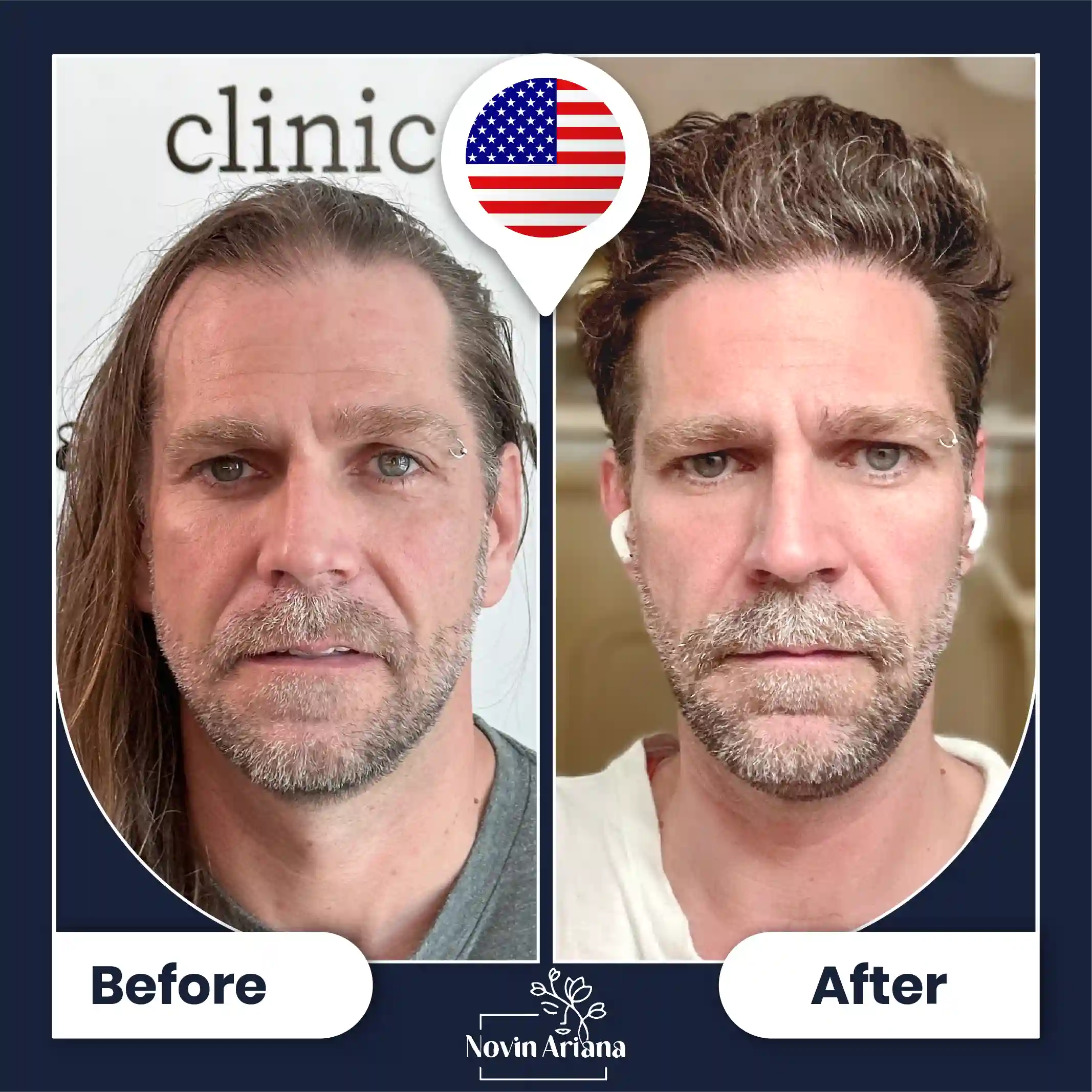
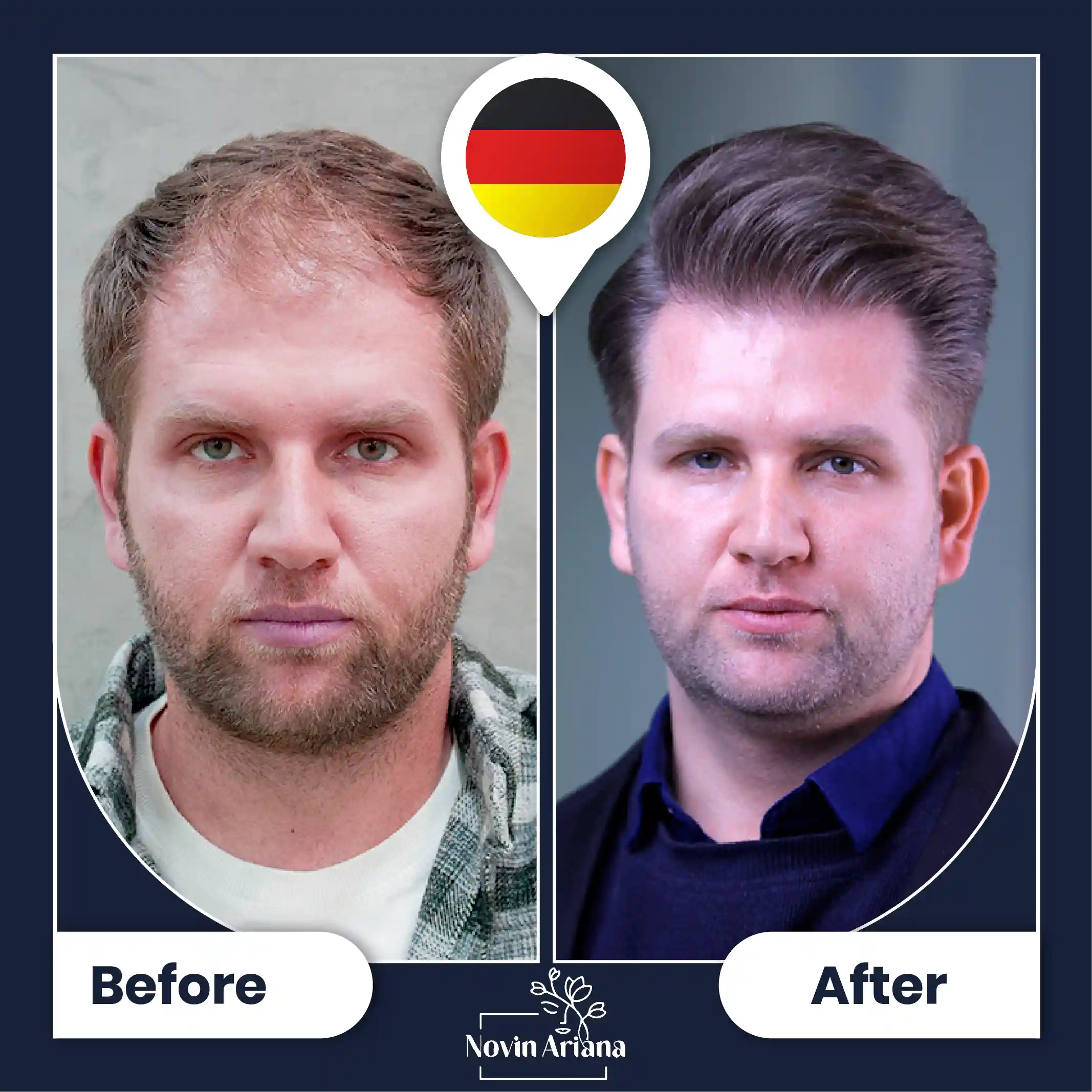
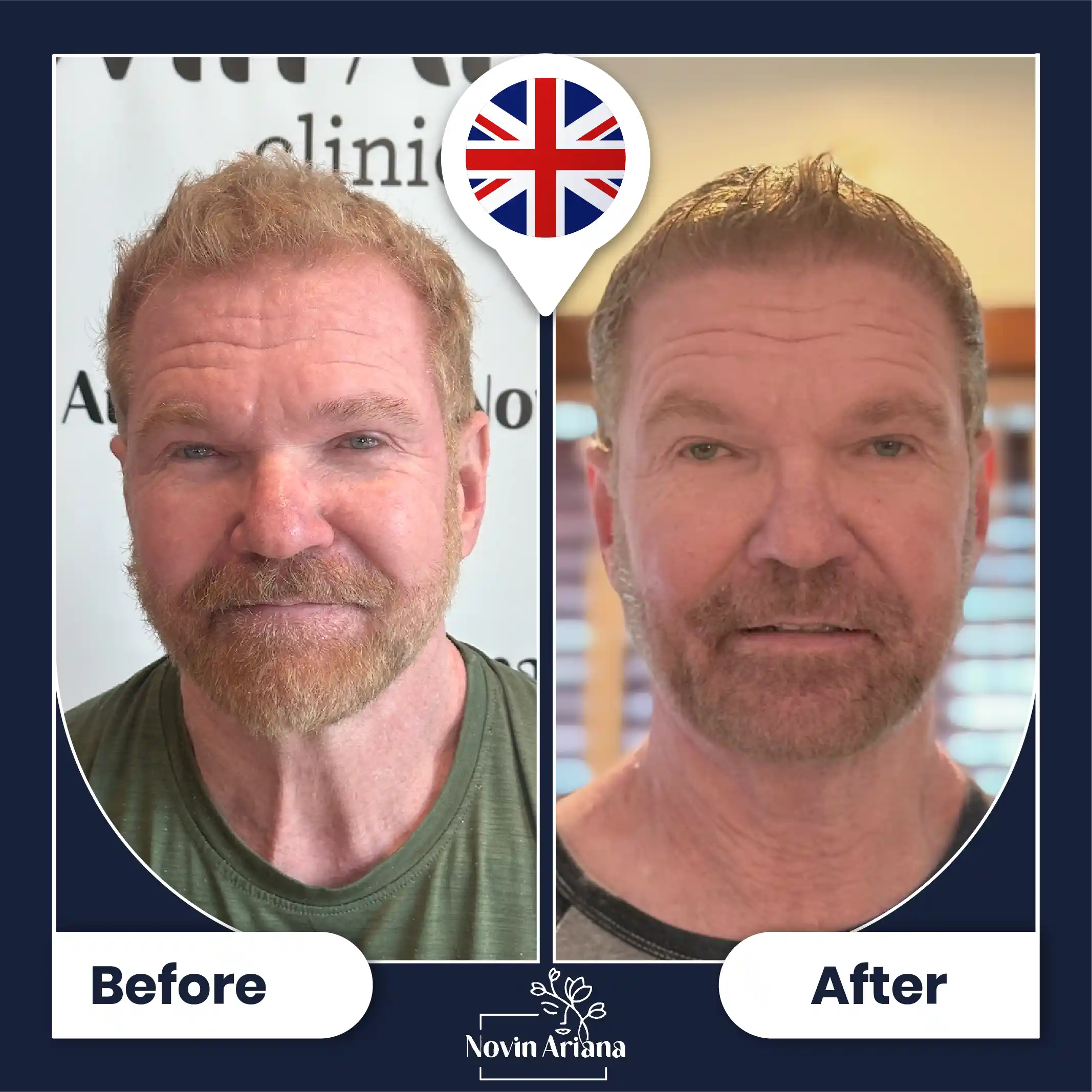
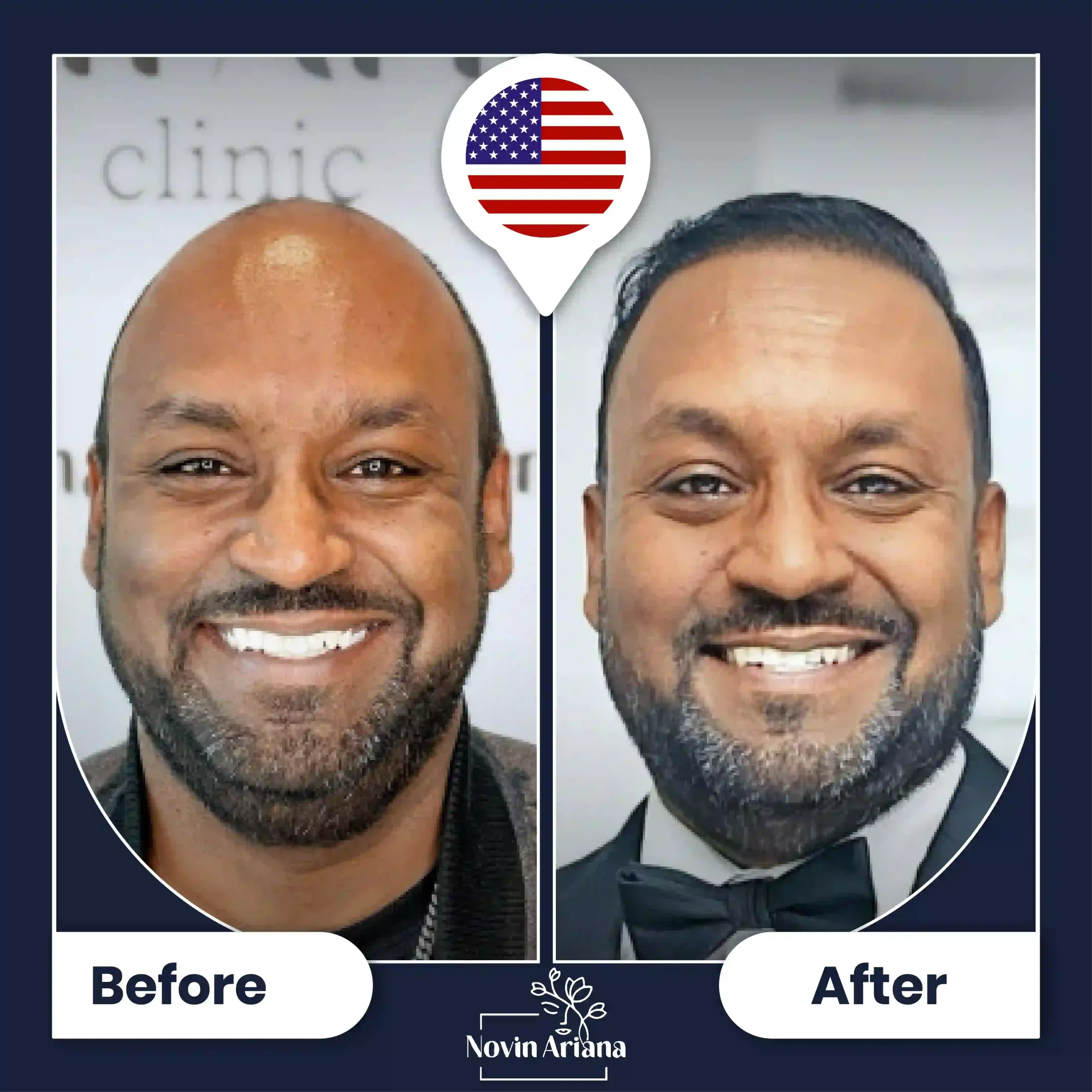
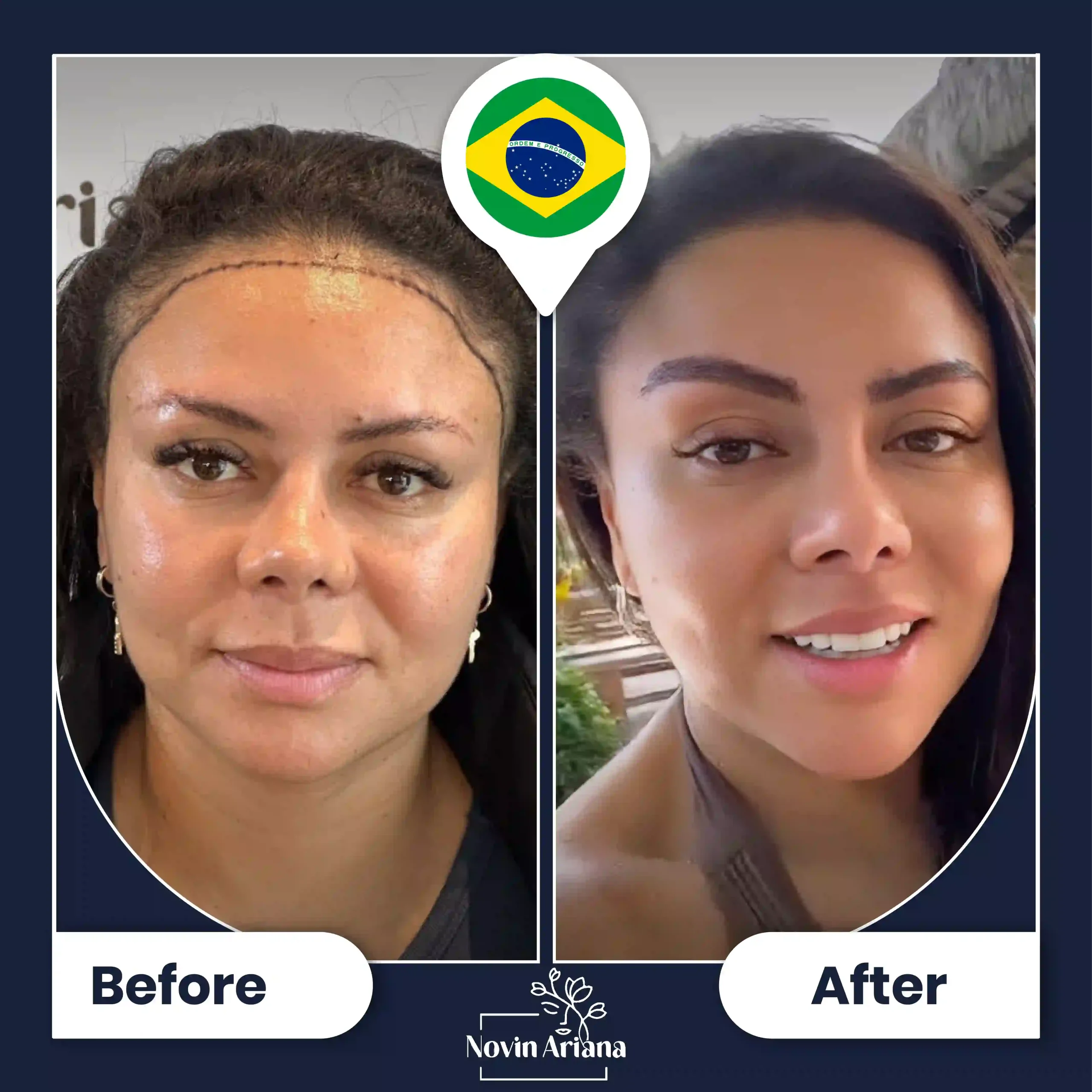
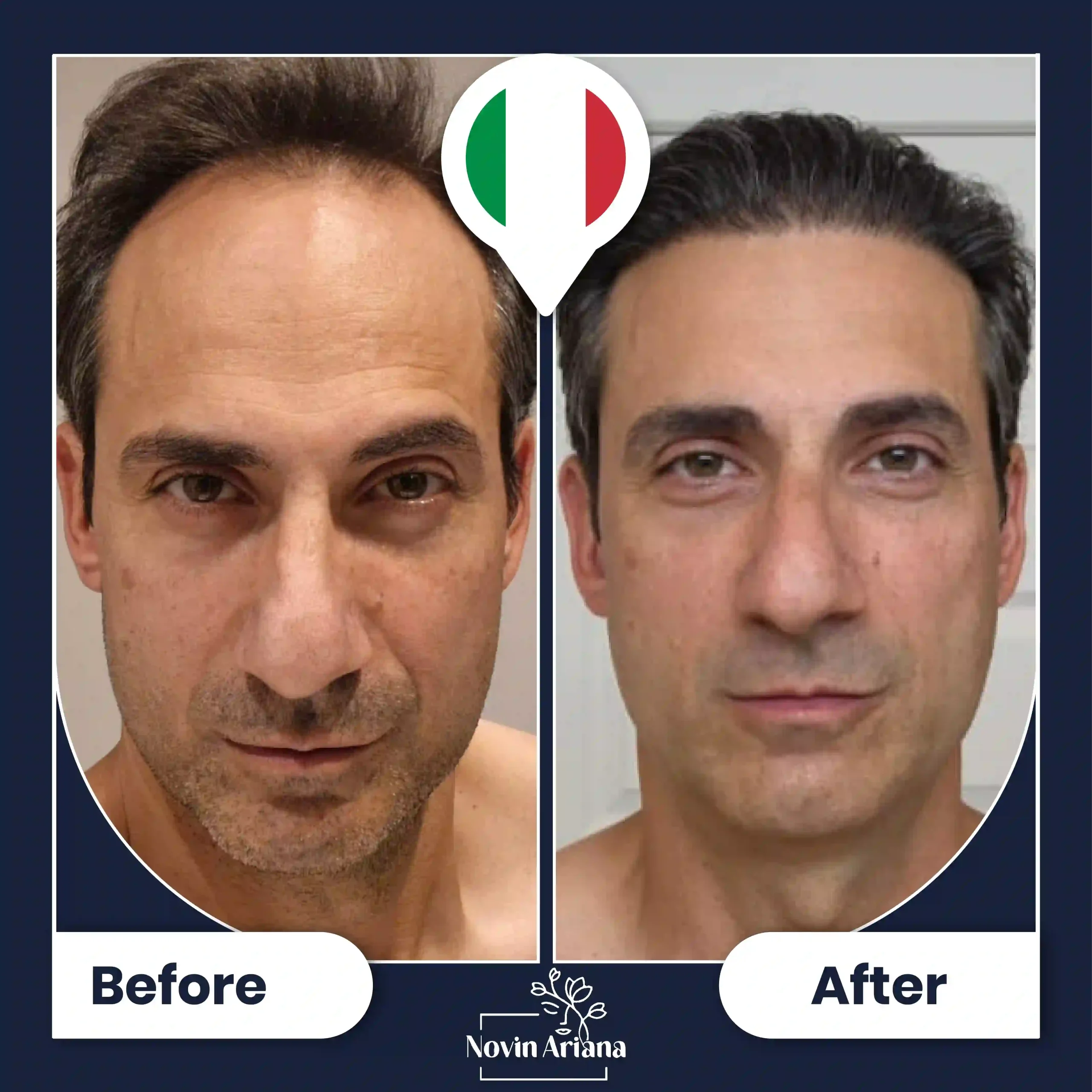
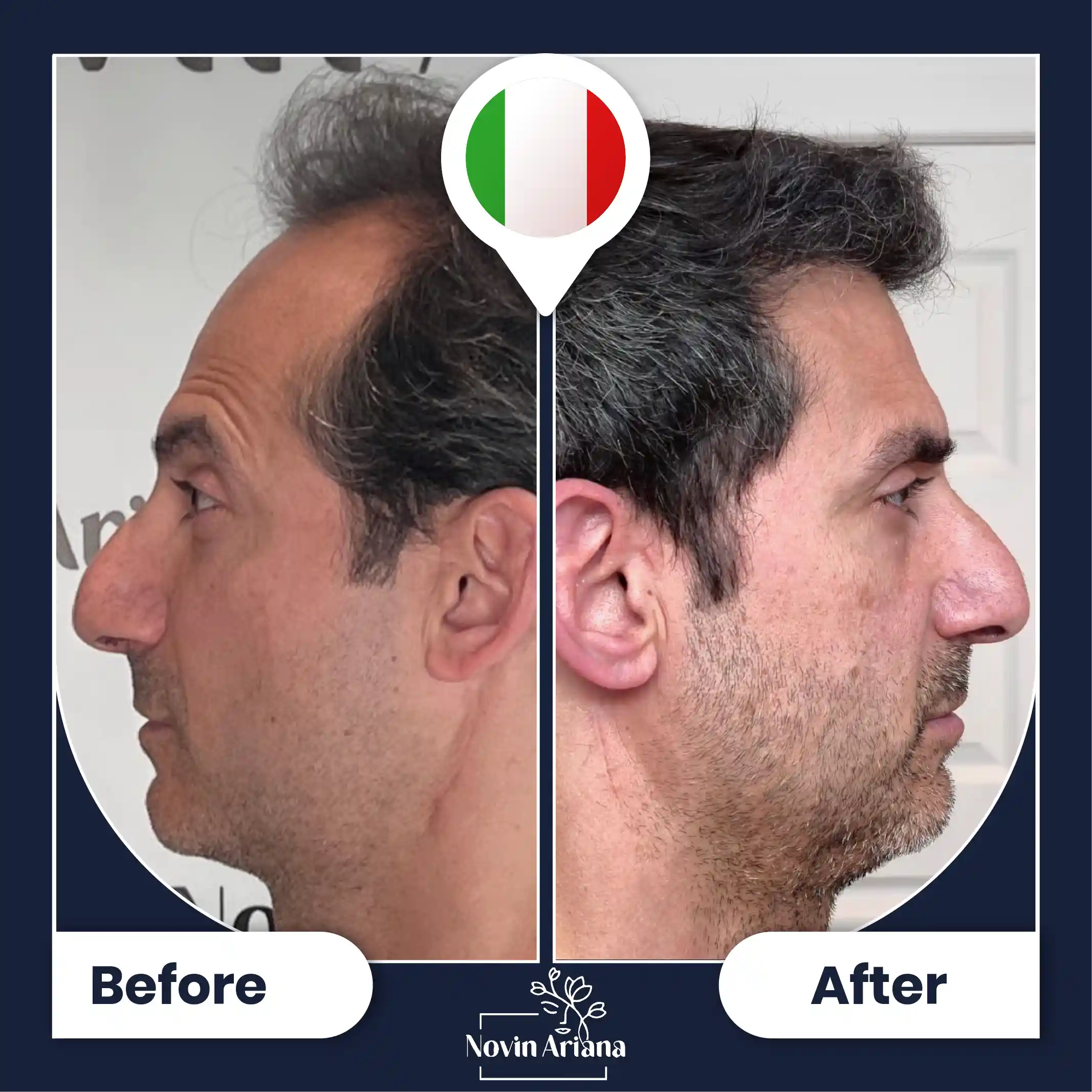
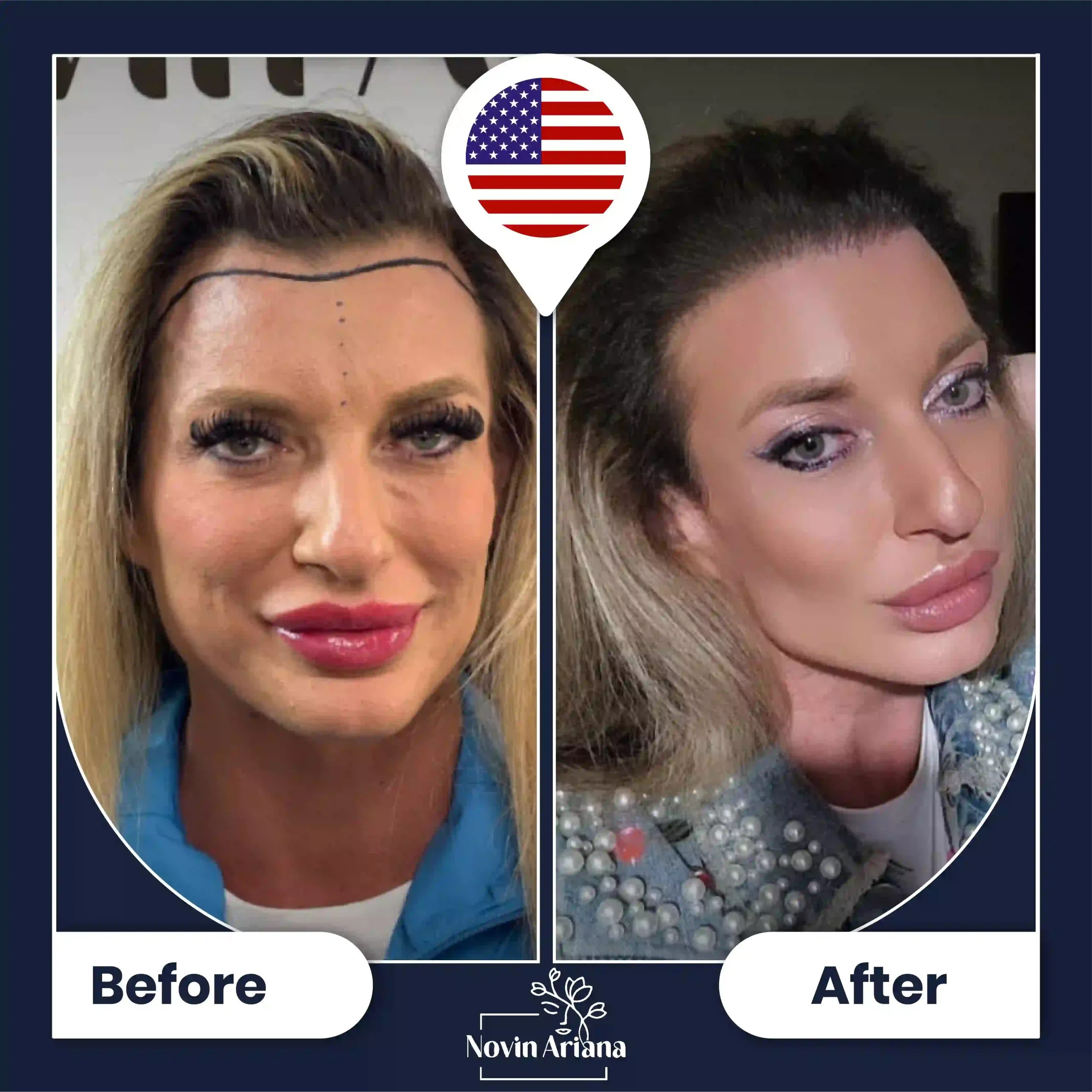
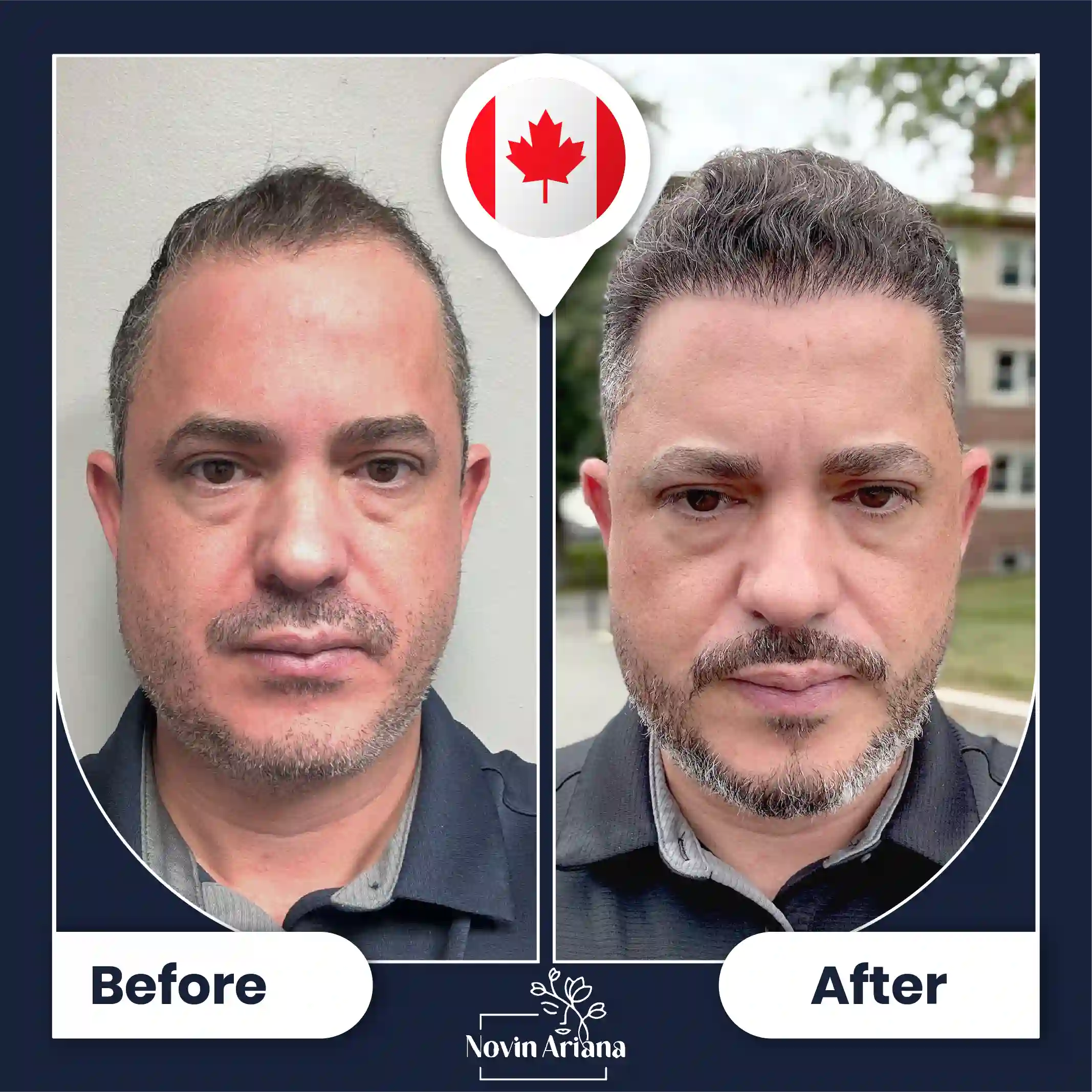
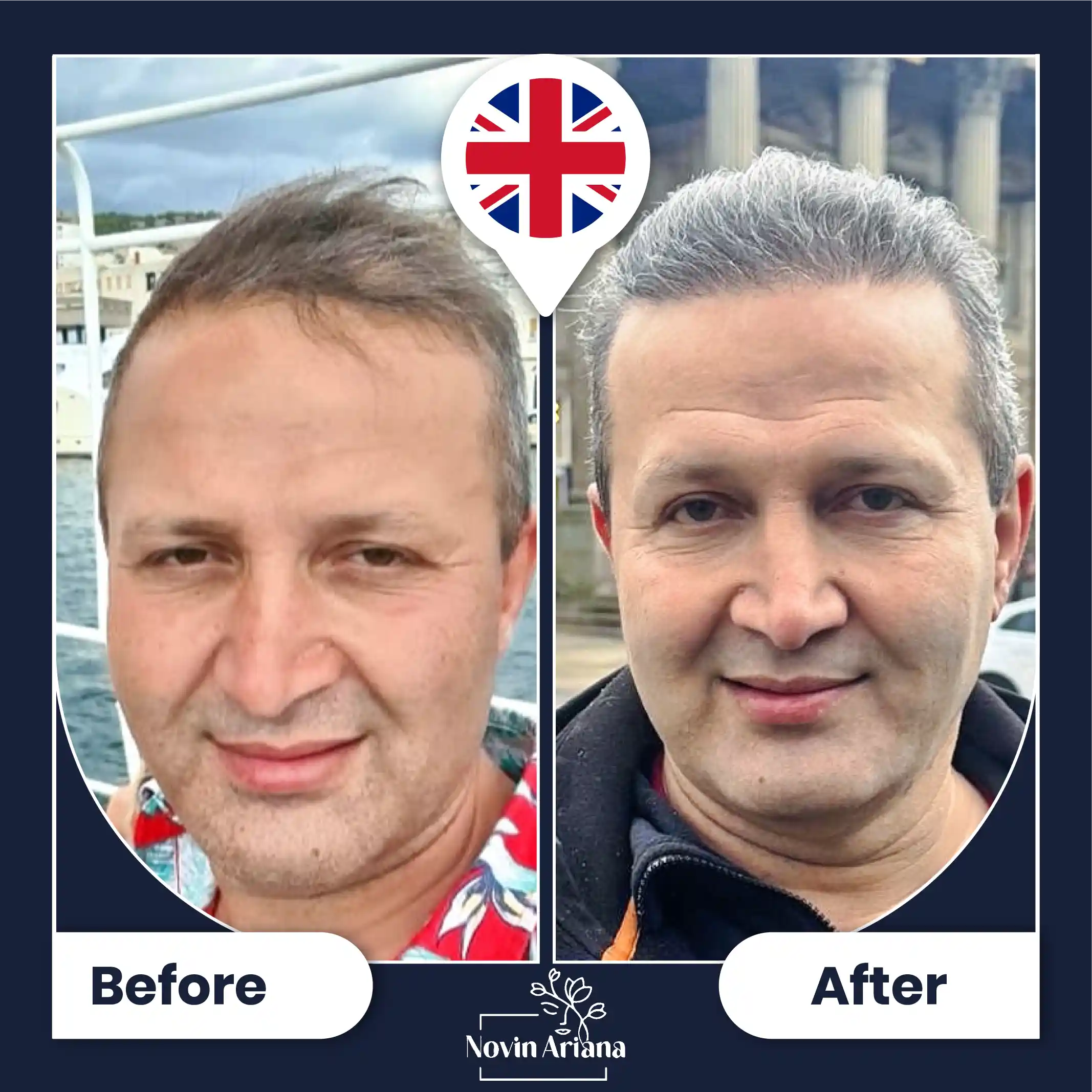
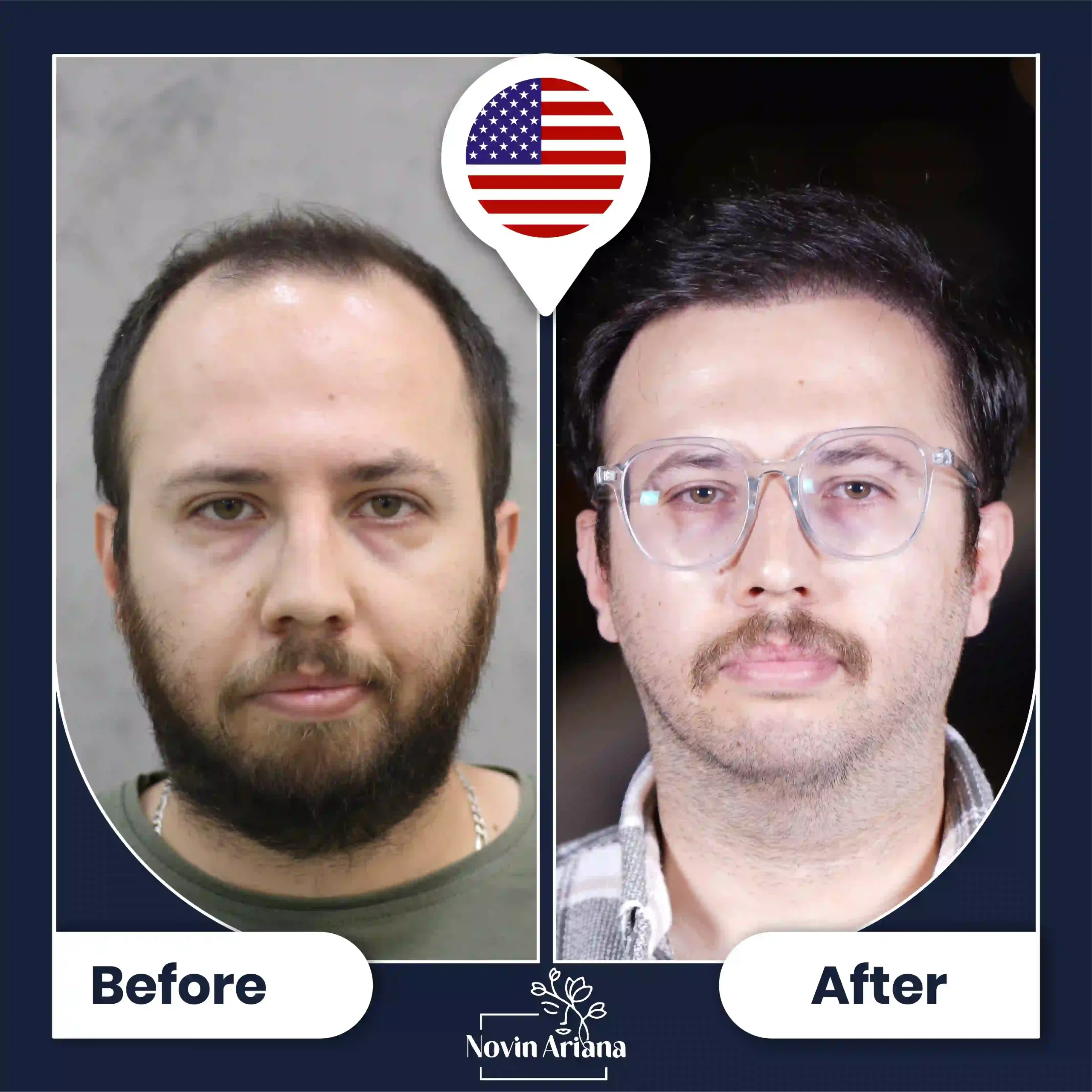
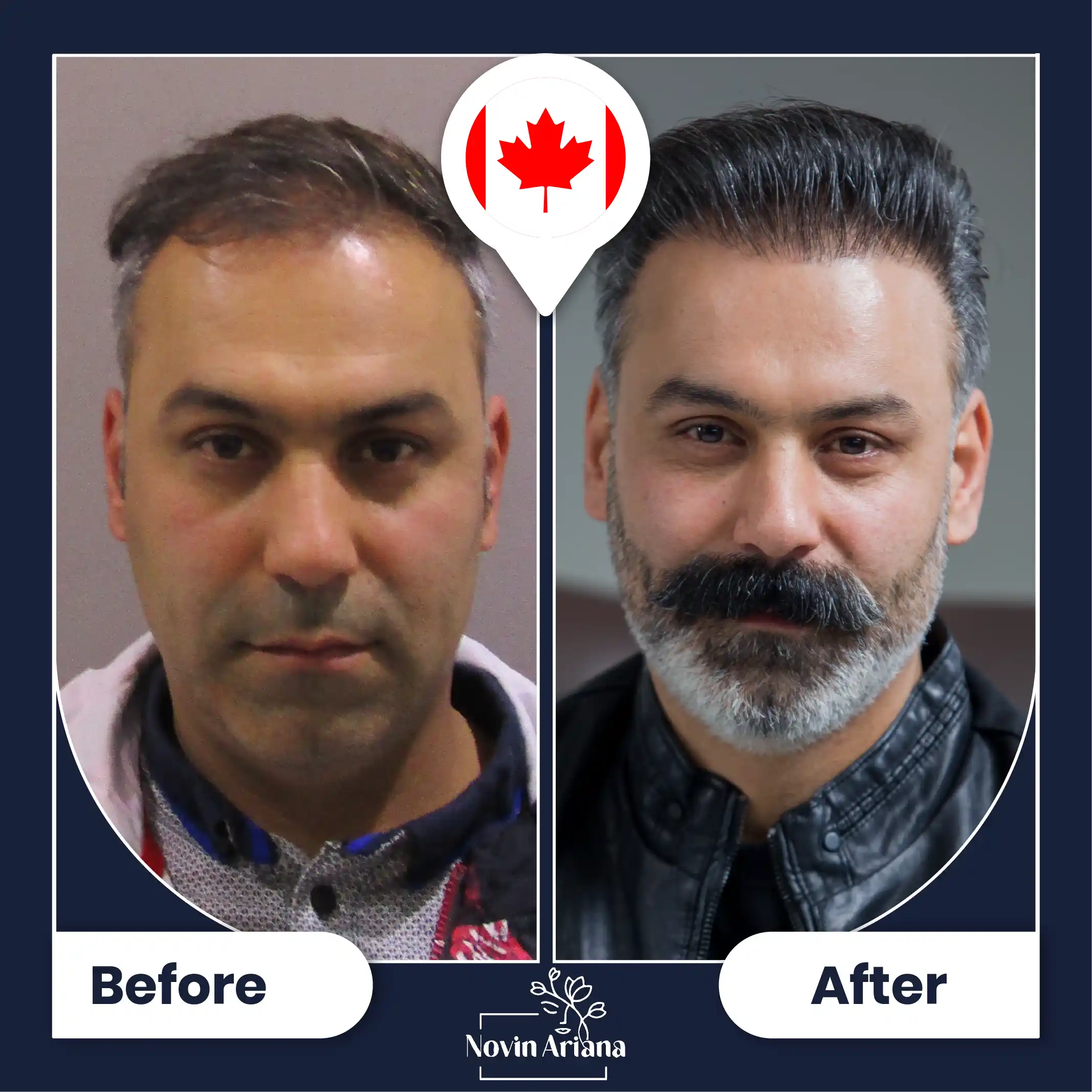
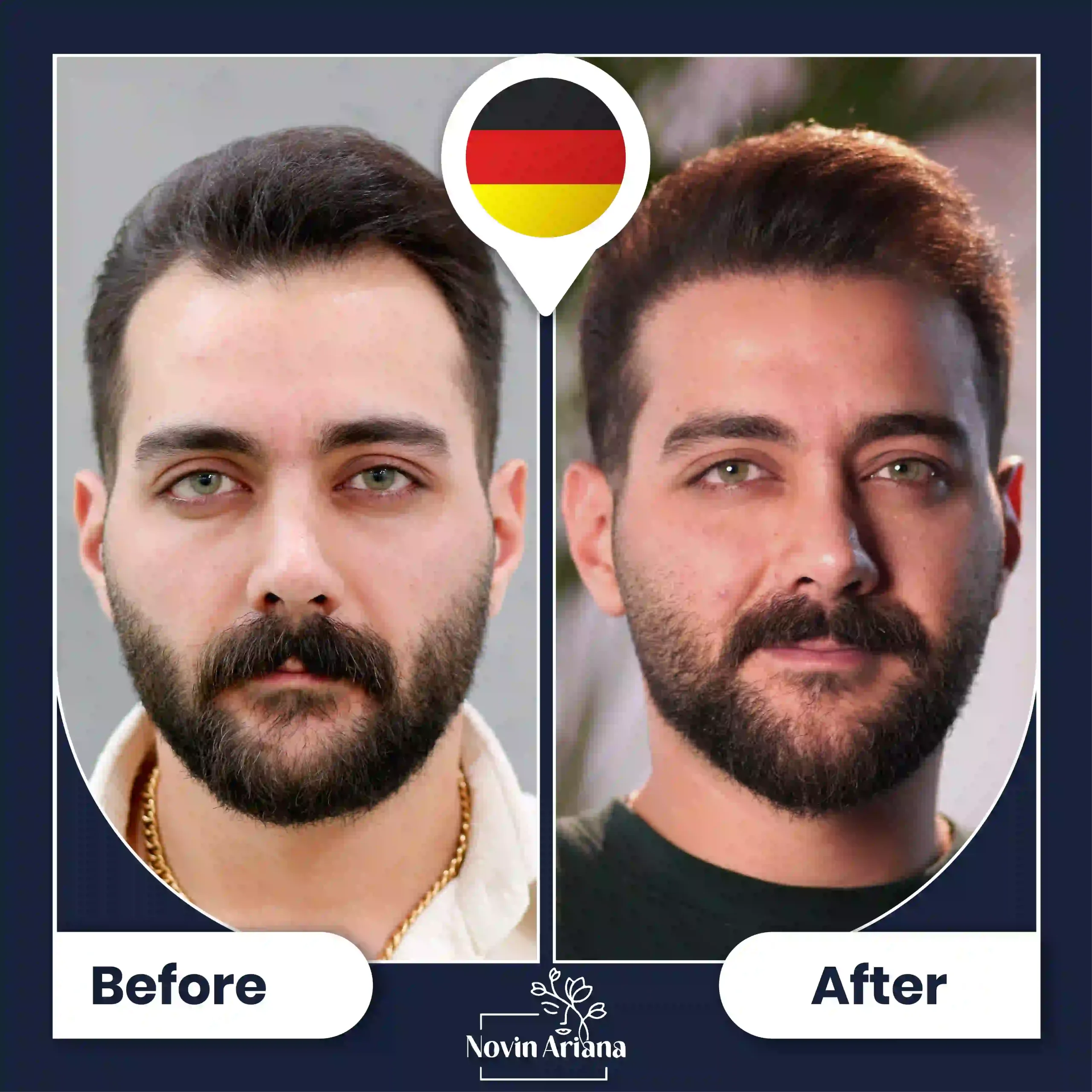
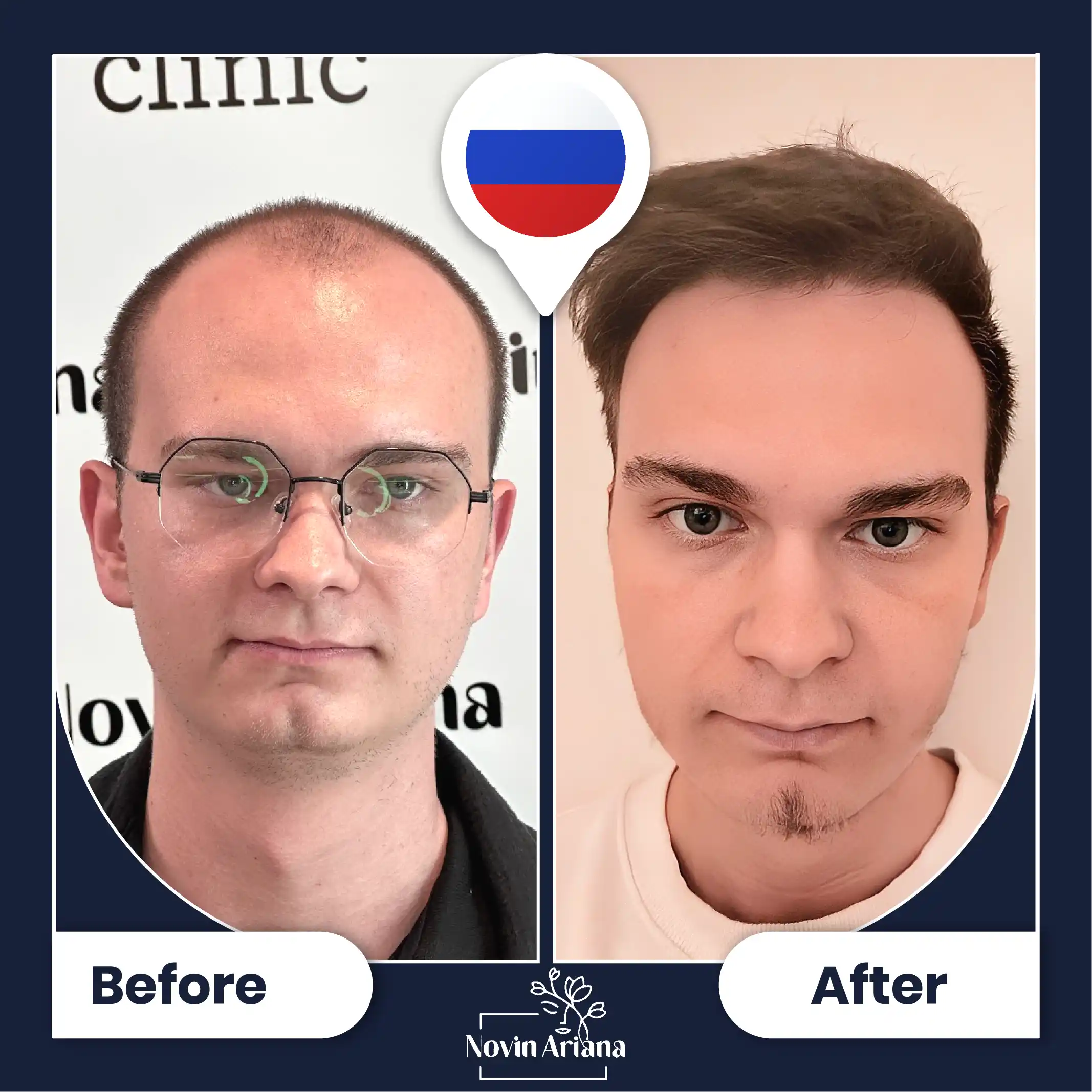
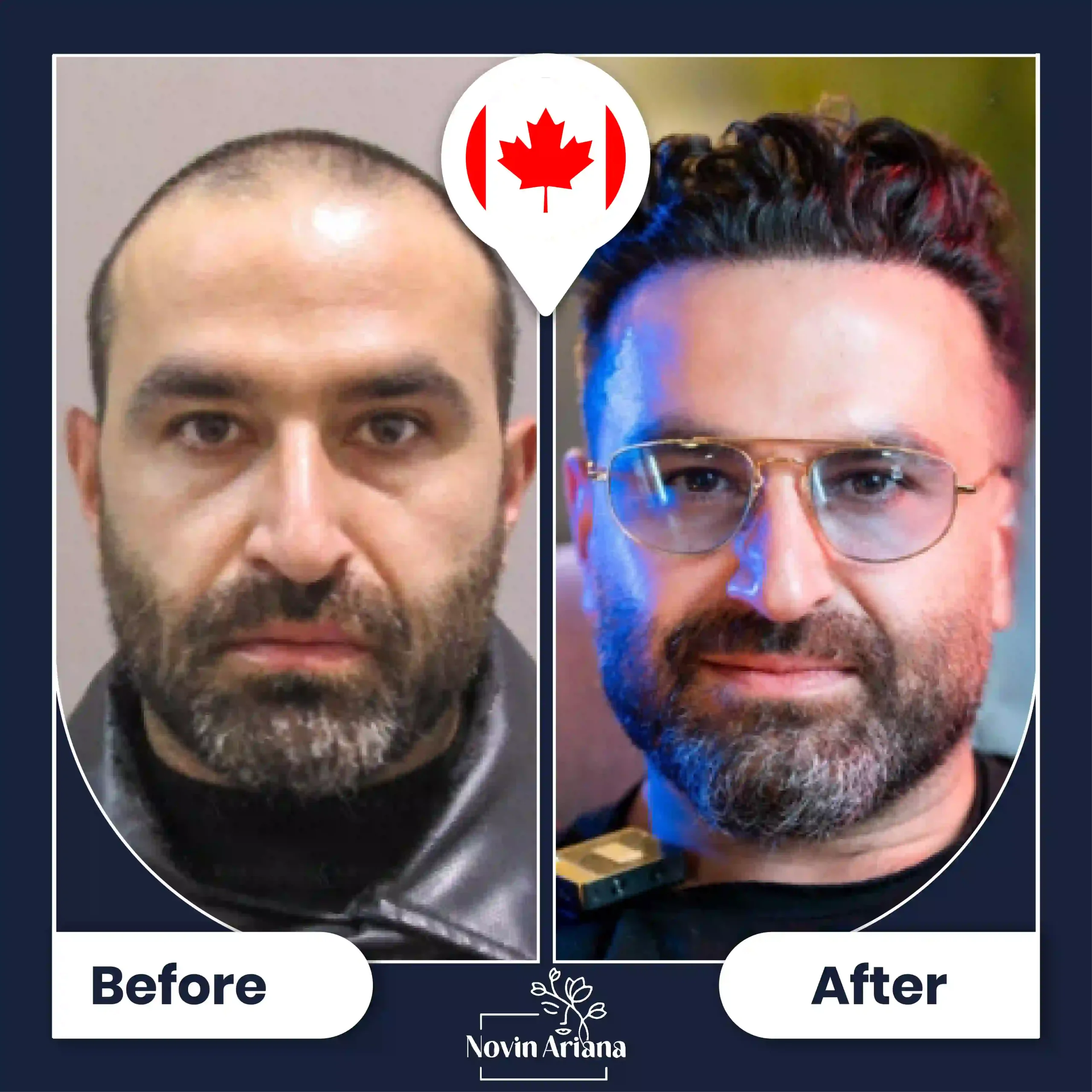
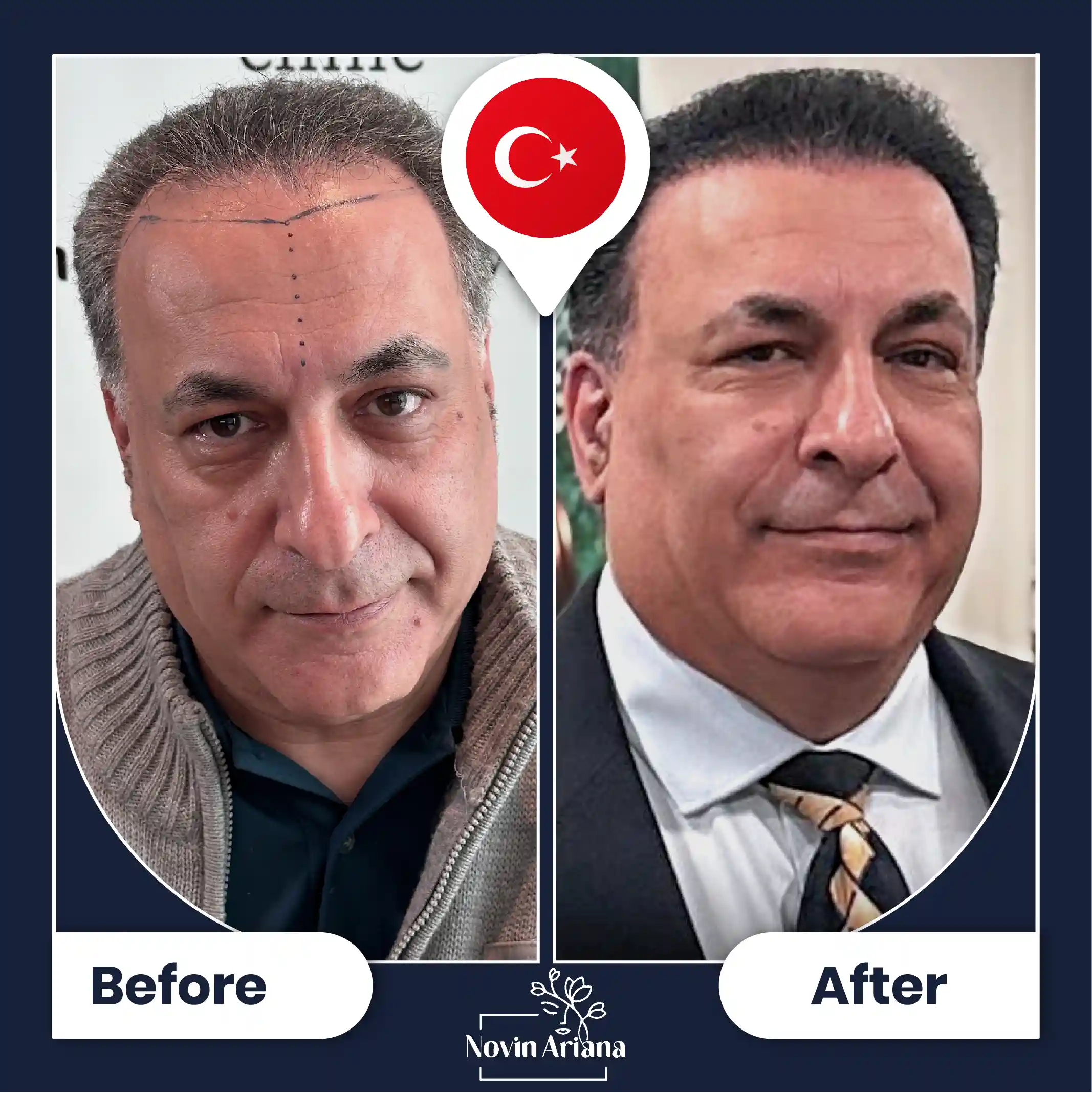
Be cautious if the provider promises a very high graft number without clearly explaining donor limits. Be cautious if everyone seems to receive the same treatment recommendation. And be cautious if natural results are discussed in vague terms while before-and-after evidence is either missing or overly curated.
Another concern is when aftercare gets little attention. Surgery is one day. Growth takes months. You should know what support is available during washing, shedding, early healing, and long-term follow-up. International patients need that reassurance even more, because most of the recovery happens back home.
Understanding Hair Transplant Consultation Cost
Before committing to a procedure, understanding the hair transplant consultation cost is essential. Fees vary considerably depending on location, clinic prestige, and the depth of assessment offered. Some clinics provide complimentary initial consultations, while others charge between £50–£200 for a comprehensive diagnostic evaluation.
A paid consultation often delivers greater value — including detailed scalp analysis, photographic trichoscopy, and a fully itemised treatment proposal. Think of it as an investment in informed decision-making rather than an expenditure.
Always clarify what the hair transplant consultation cost covers before booking. Transparency at this stage reflects the integrity of the clinic overall.
Free Hair Transplant Consultation at Novin Ariana
Concerned about hair transplant consultation cost? At Novin Ariana, your initial consultation is completely free. No hidden fees, no obligations — just expert guidance from experienced specialists dedicated to your hair restoration journey.
Book your time now and take the first step toward renewed confidence.
Ready to change how you look and feel?
Get your consultation now — your new self is waiting.
Why consultation quality often reflects clinic quality
In aesthetic medicine, the consultation is usually the first real sign of how the clinic operates. If communication is clear, responsive, and medically grounded before booking, that often carries through the rest of the journey. If it feels rushed, generic, or overly sales-driven, that usually does not improve later.
For patients traveling to Turkey, the ideal experience combines surgical expertise with concierge-level organization. You want a clinic that can evaluate your case accurately, explain your options plainly, and coordinate the practical details without making you chase answers. That is especially valuable when your treatment package includes accommodation, transfers, and structured follow-up.
At Novin Ariana Health Clinic, this service-led model is central to the patient experience. The goal is not just to schedule a procedure, but to create a treatment path that feels medically sound, comfortable, and worth traveling for.
The best consultation leaves you calmer, not more confused
A strong consultation should not overwhelm you with jargon or push you toward a fast decision. It should make the path clearer. You should come away understanding whether you are a good candidate, what kind of result is realistic, what the travel process looks like, and what level of support you can expect after surgery.
That clarity matters because hair restoration is both medical and personal. You are investing in appearance, confidence, and daily self-perception. The right clinic will treat that decision with the seriousness it deserves.
If you are considering treatment abroad, do not judge a consultation by how exciting it sounds. Judge it by how specific, honest, and reassuring it feels. The best results usually begin with exactly that kind of conversation.
The Importance of a Hair Transplant Consultation
Taking the first step toward hair restoration begins with a thorough consultation. This initial assessment allows trichological specialists to evaluate donor density, scalp laxity, and the Norwood classification of your hair loss — forming the clinical foundation for a personalised treatment plan.
For those seeking a hair transplant consultation in the UK, options are plentiful. A hair transplant consultation in London typically offers access to highly accredited clinics with cutting-edge follicular unit extraction (FUE) technology. Similarly, a hair transplant consultation in Manchester provides access to experienced surgeons in a more accessible, often more affordable setting.
Beyond British borders, many patients explore a hair transplant consultation in Turkey, where internationally recognised clinics offer competitive pricing without compromising on procedural rigour. Across the Atlantic, a hair transplant consultation in Toronto draws patients seeking North American standards of care within a regulated medical framework.
Wherever you begin your journey, searching for a hair transplant consultation near me is the pragmatic first move. Proximity facilitates follow-up appointments, pre-operative assessments, and post-operative monitoring — all critical to a successful outcome.
Choose a clinic that prioritises candidacy assessment over sales-driven agendas. You can Also fill the hair transplant consultation form below to get a free online hair transplant consultation now!