
Beard Transplantation
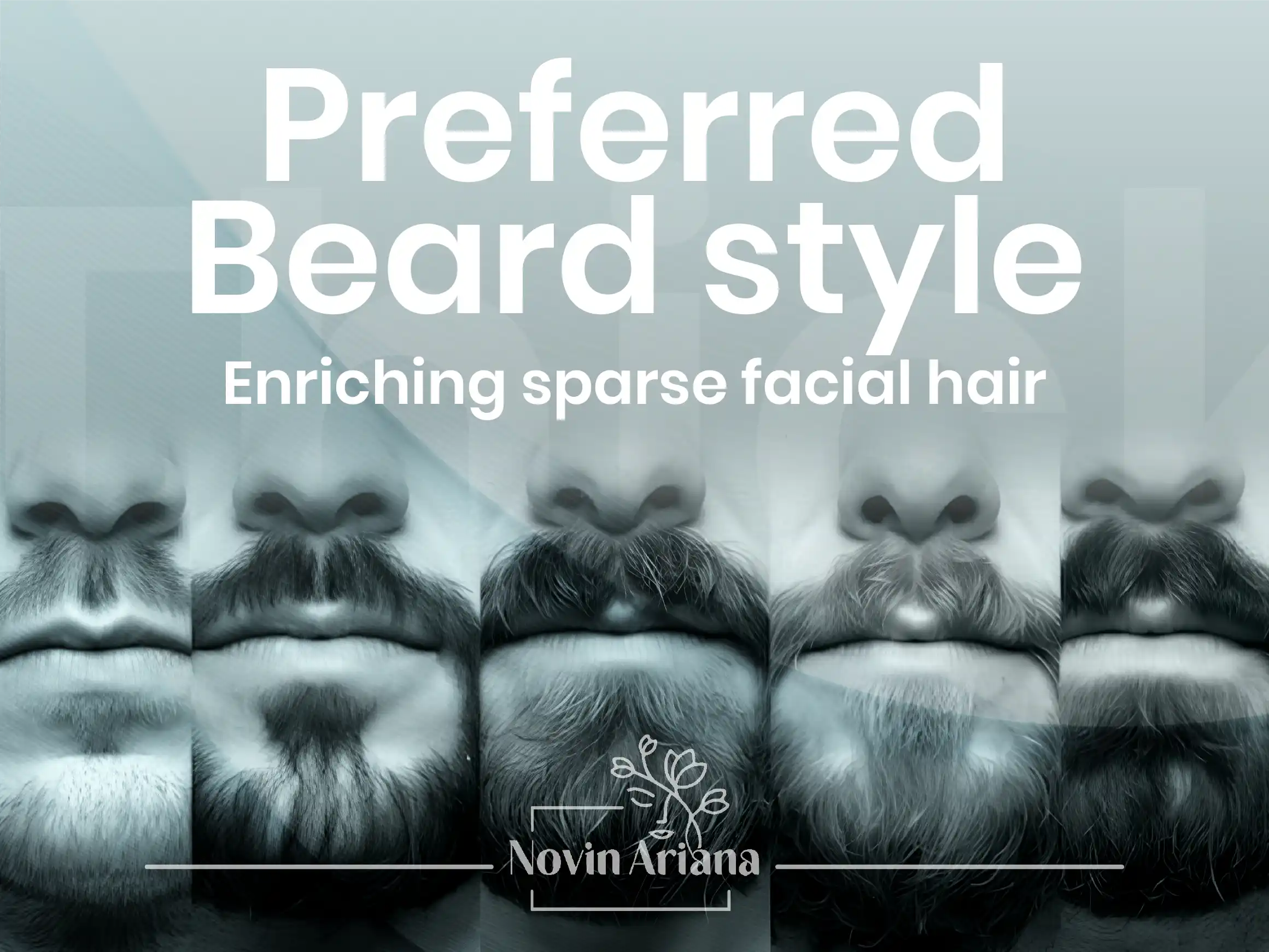
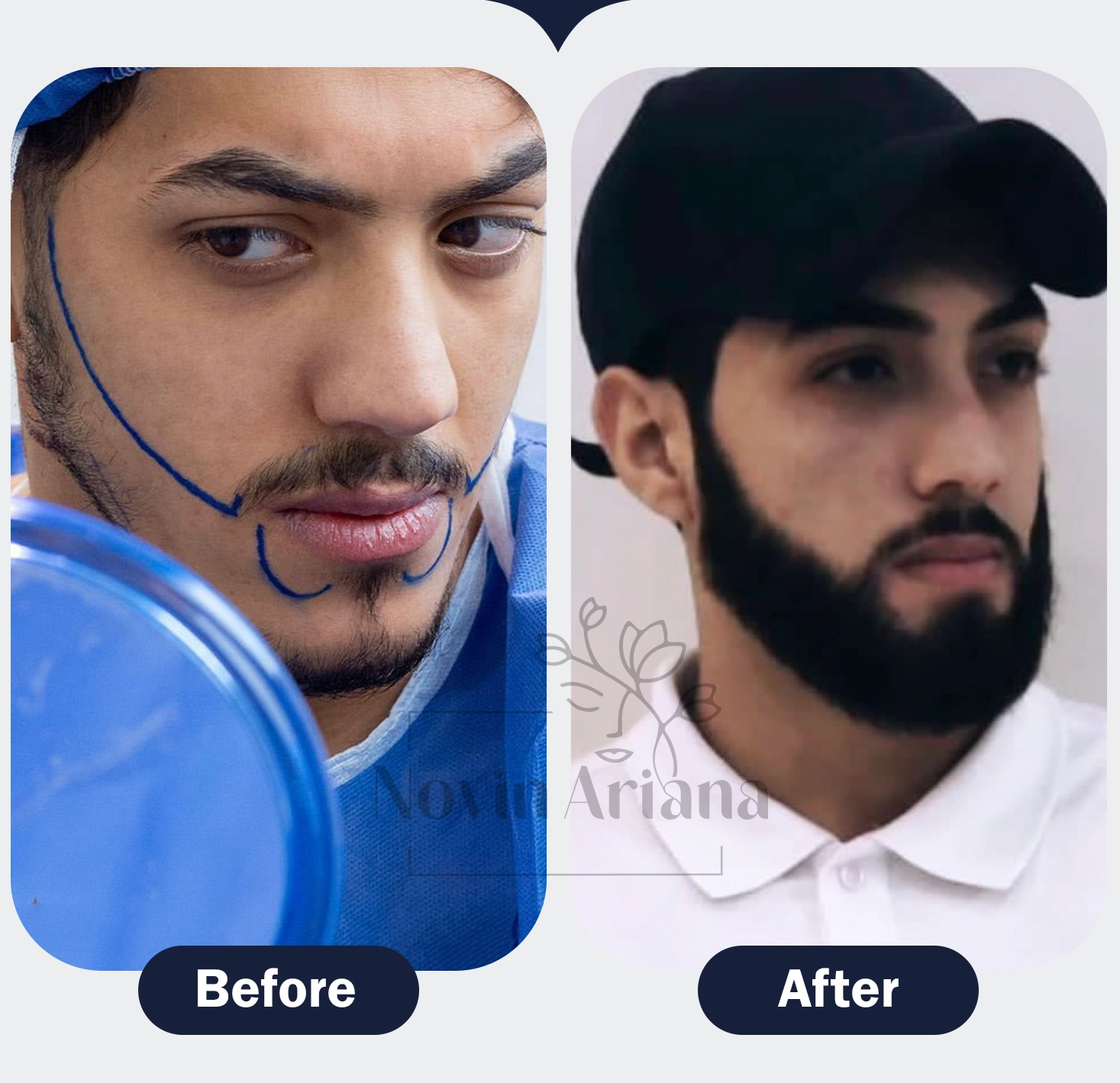
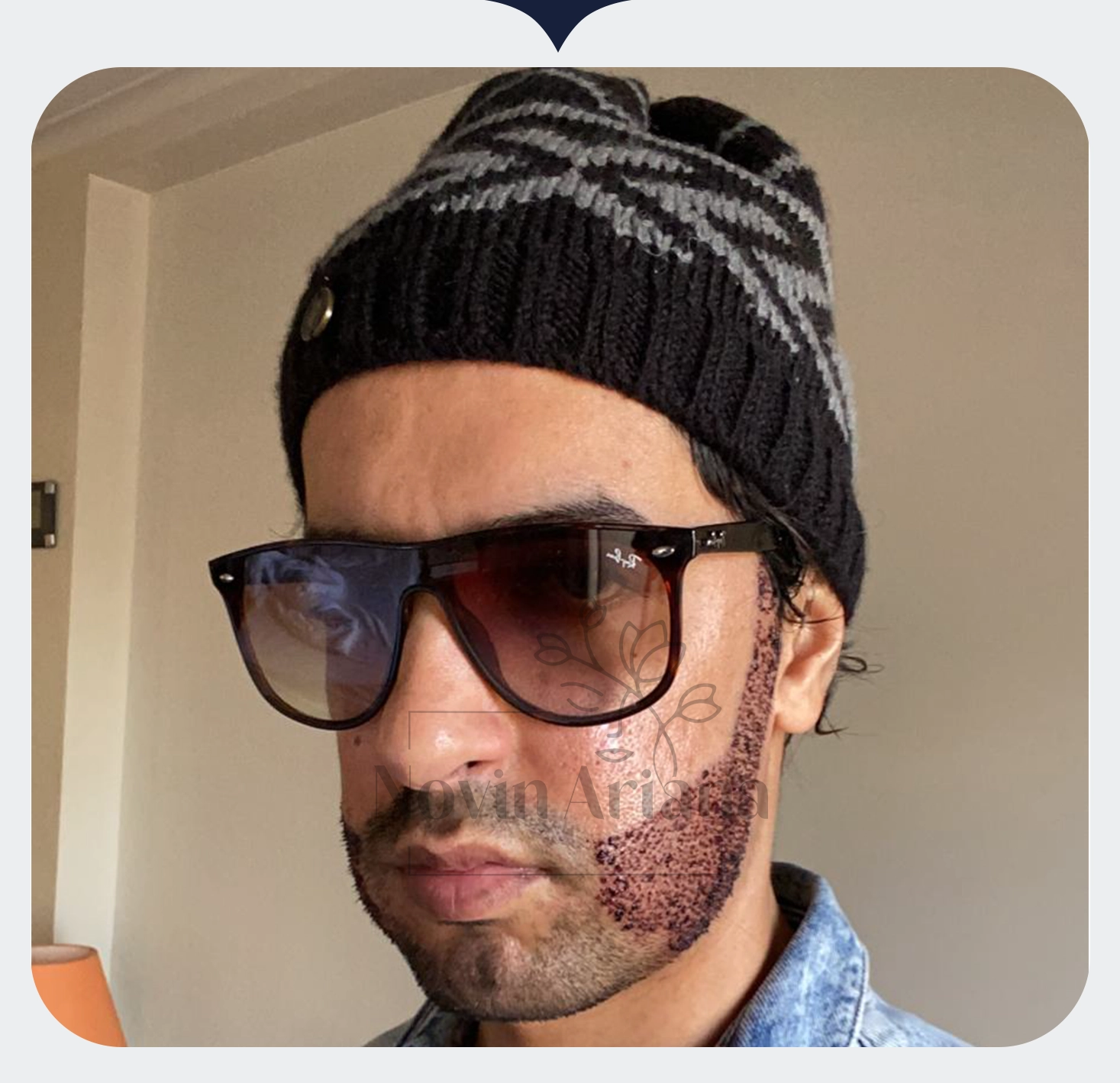
A beard transplant is a transformative procedure to enrich sparse facial hair. Whether to thicken a patchy beard or conceal scars within the beard area, this procedure offers a customized solution. It involves harvesting hair grafts from other body areas and meticulously transplanting them to the desired facial or body regions. Patients have the flexibility to select their preferred beard style.
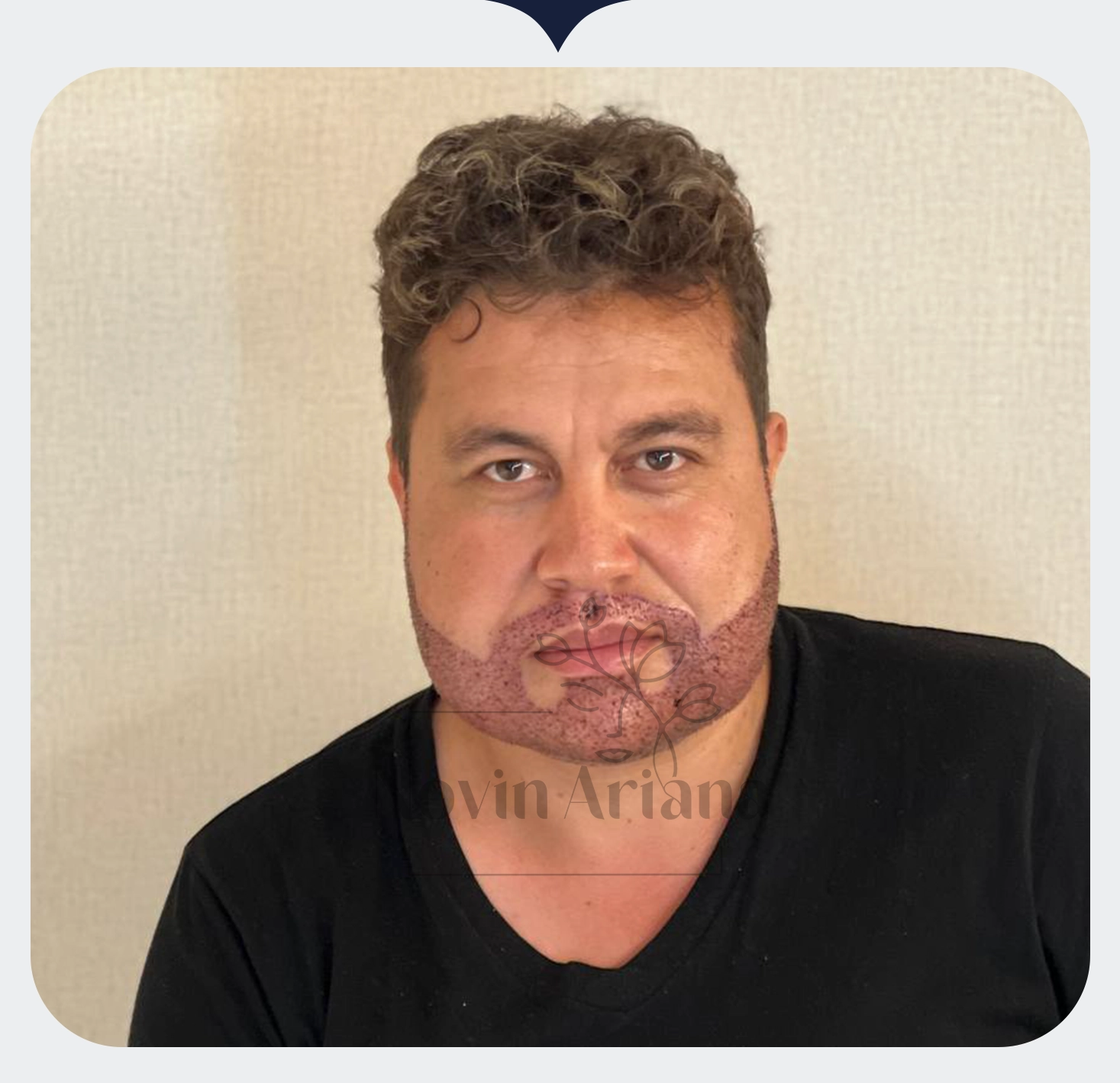
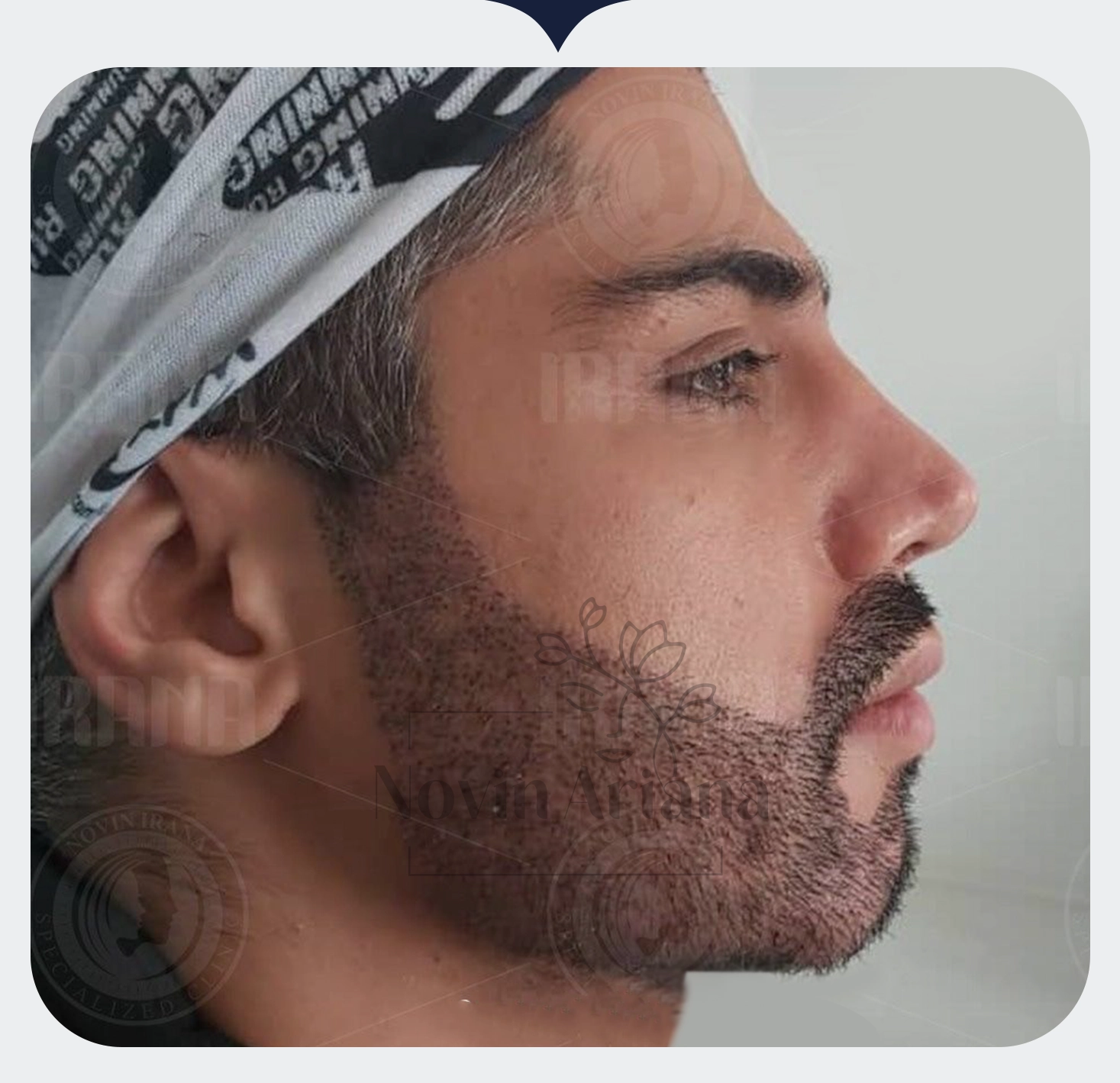
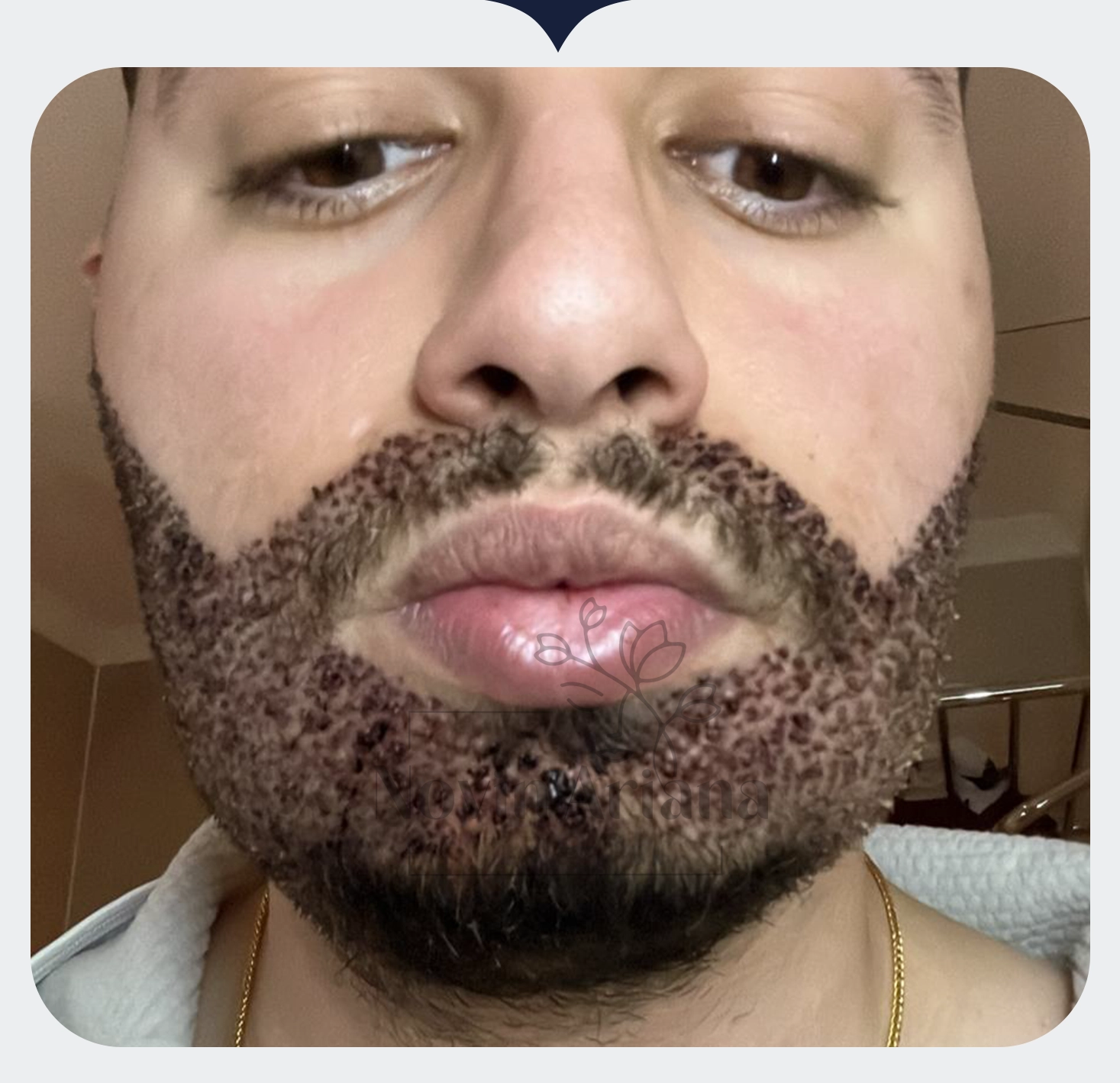
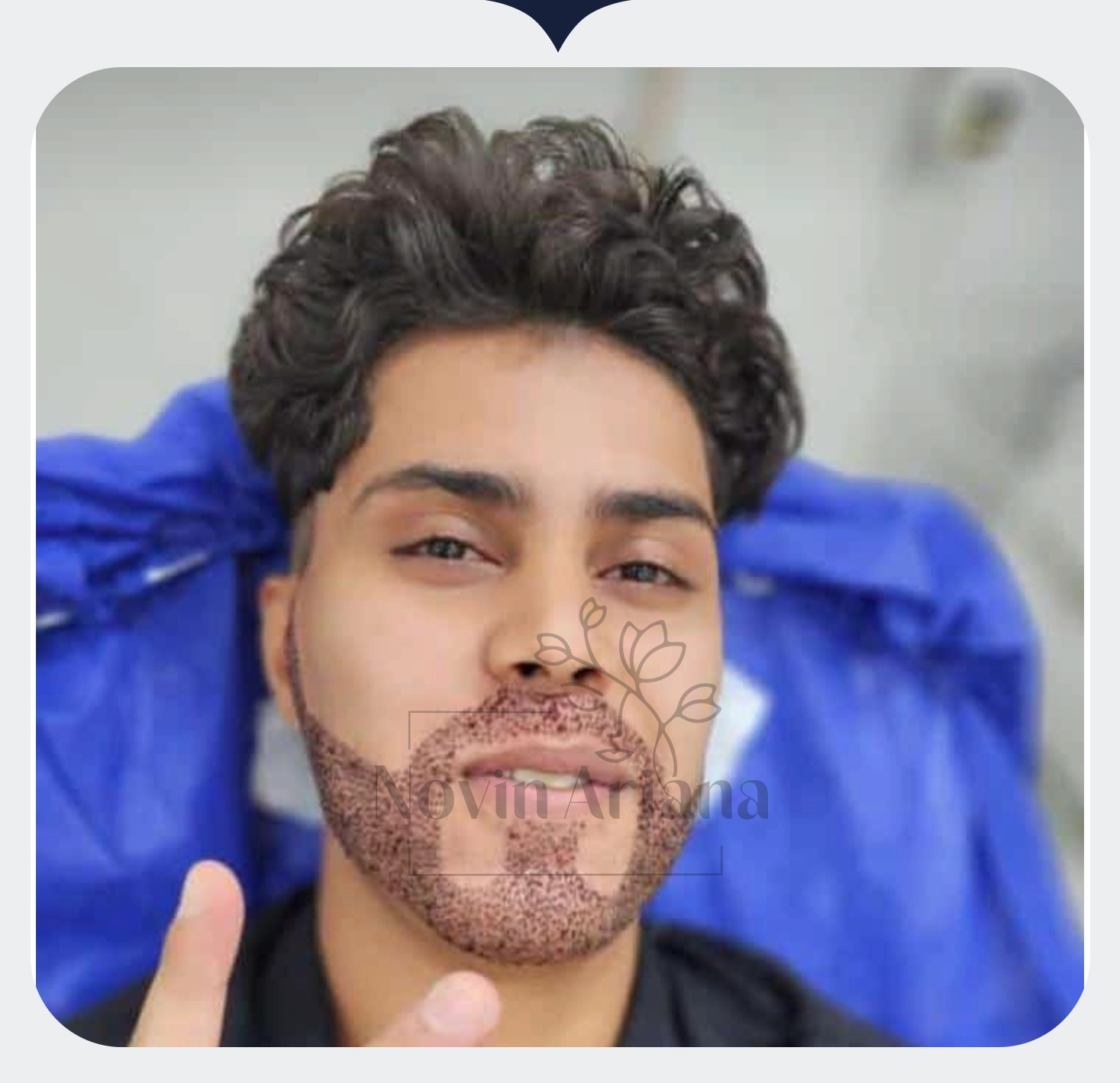

Is a beard transplant worth it?
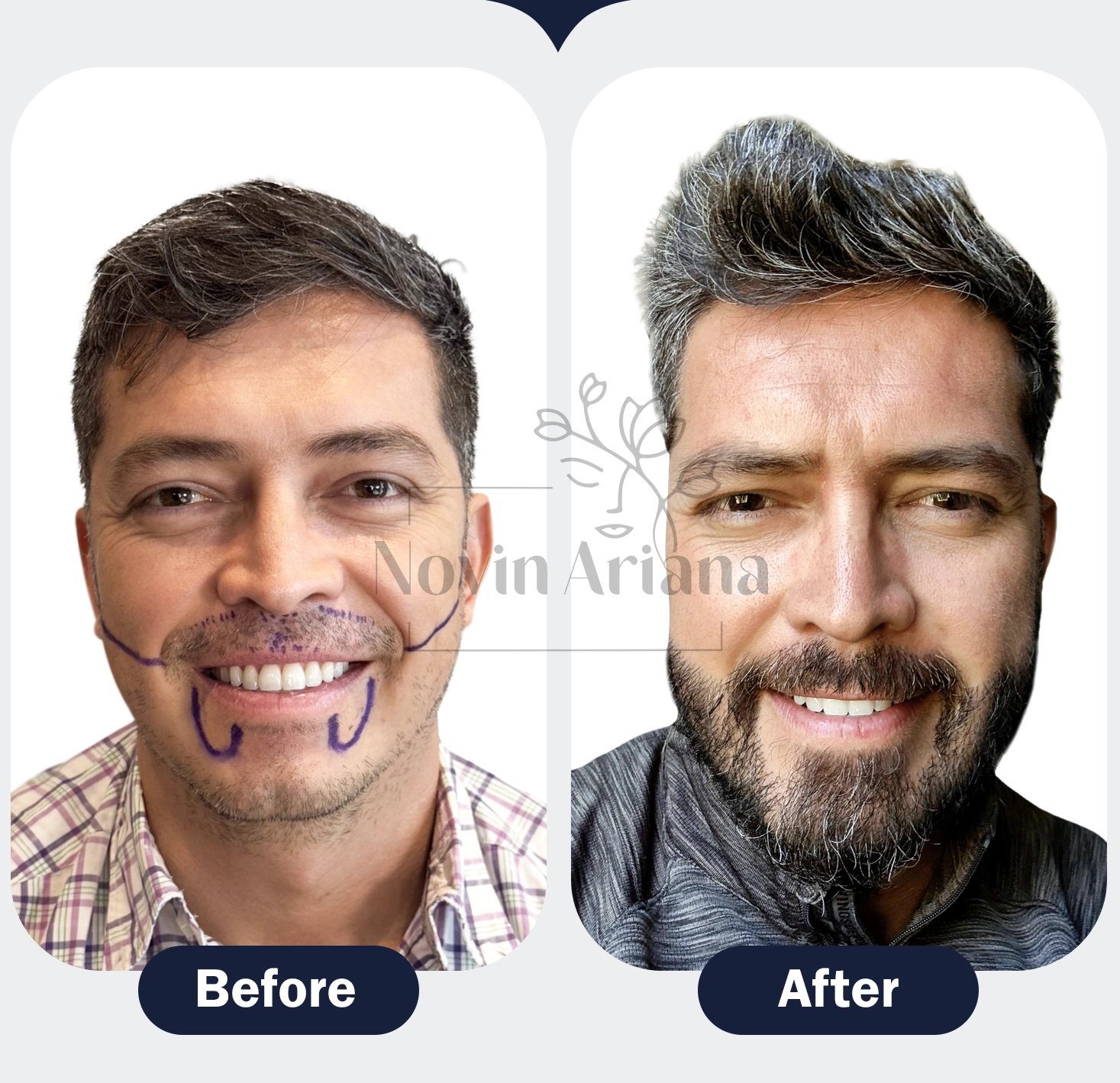
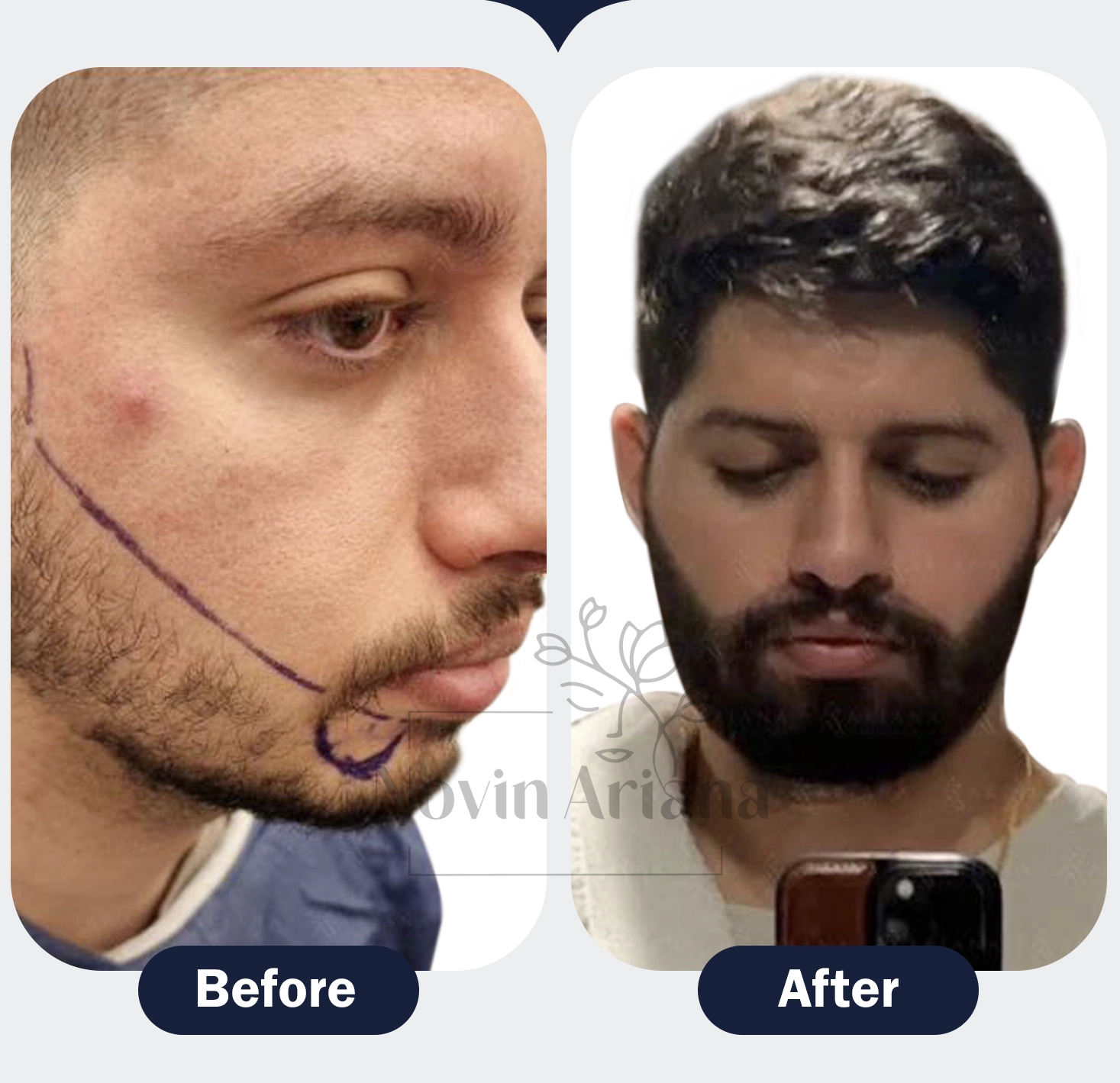
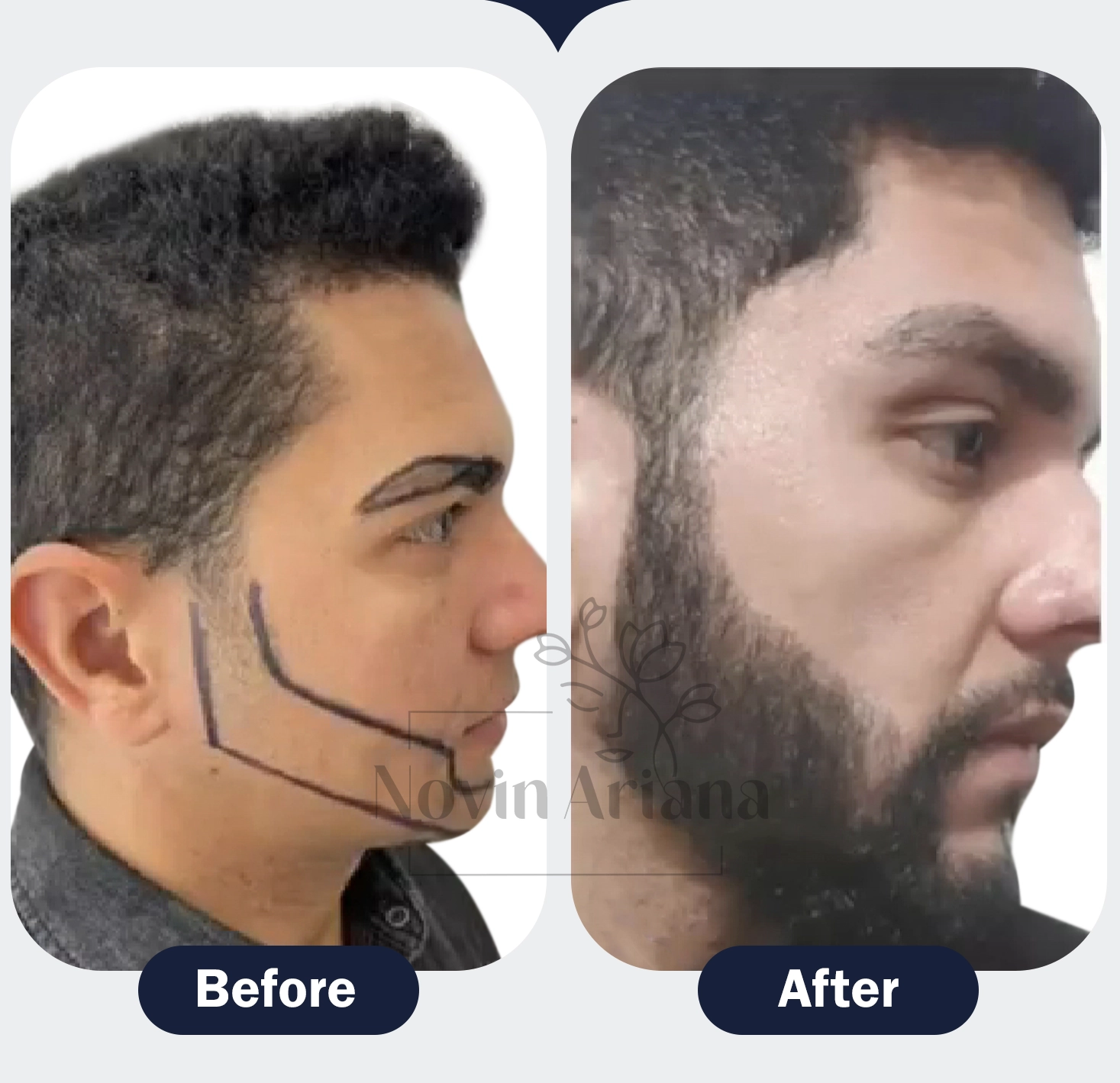
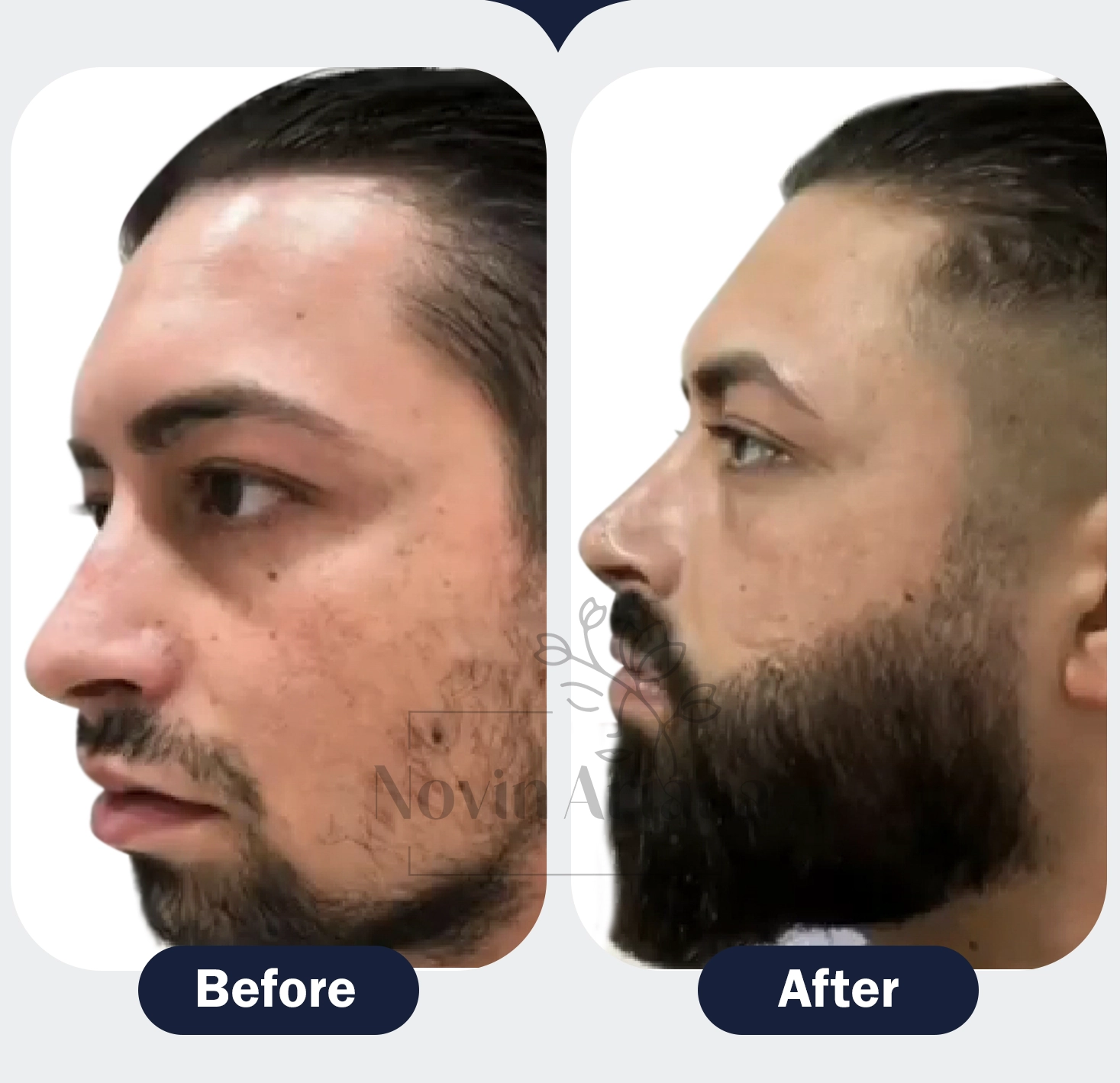
A beard transplant is worth it for many individuals seeking fuller, well-defined facial hair. It offers a permanent solution for patchy or thin beards by transplanting hair follicles—usually from the scalp—into the beard area. The results are natural-looking and long-lasting, with most patients achieving full growth within 9 to 12 months. Beard transplants can dramatically enhance facial aesthetics and boost self-confidence. When performed by experienced surgeons, the procedure has a high success rate and minimal downtime, making it a worthwhile investment for many.
How long do beard transplants last?
Beard transplants provide permanent results. Once the hair follicles are transplanted, they come from areas on your scalp that are genetically resistant to hair loss. These transplanted hairs will continue to grow naturally for a lifetime, just like your natural beard. After the initial shedding phase, which occurs within the first few weeks, new hair grows around 3 to 6 months. Full results are typically visible within 9 to 12 months, offering a long-term, natural-looking solution for beard restoration.

What is the success rate of a beard transplant?
The success rate of a beard transplant is typically very high, with over 90% graft survival when performed by an experienced surgeon. Advanced techniques like FUE (Follicular Unit Extraction) or DHI (Direct Hair Implantation) ensure precise placement of each hair follicle, resulting in natural growth patterns and minimal scarring. Most patients achieve full beard growth within 9 to 12 months, with optimal density and coverage. Proper post-op care and overall health can also impact the success rate.
How will be my beard transplant with Novin Ariana?
01
Free Consultation
Begin your journey with a personalized no-cost consultation to discuss your treatment goals and options.
02
Booking Flight Tickets
We assist in arranging your flights to ensure a smooth start to your medical travel experience.
03
Arrival in turkey, accommodation at 5 star hotel & vIP transfer
Enjoy VIP airport transfers and a luxurious 5-star hotel stay for a comfortable and welcoming arrival.
How painful is a beard transplant?
A beard transplant is generally not painful due to local anesthesia, which numbs the donor and recipient areas. During the procedure, patients typically experience only mild discomfort or pressure. After the surgery, there may be some swelling, redness, and slight tenderness, but these symptoms are temporary and subside within a few days. Over-the-counter pain medications are usually sufficient to manage any post-op discomfort. Most patients find the procedure well-tolerated, with minimal pain and a quick recovery time.


Do beard transplants look fake?
No, beard transplants do not look fake when performed by a skilled and experienced surgeon. Advanced techniques like DHI (Direct Hair Implantation) and FUE (Follicular Unit Extraction) allow for the precise placement of hair follicles, ensuring a natural appearance that matches your facial features. The transplanted hairs’ direction, angle, and density are carefully controlled to mimic natural beard growth. Once fully healed, the results blend seamlessly with your natural facial hair, giving you a complete, realistic-looking beard.

How much does a beard transplant cost in Turkey?
The cost of a beard transplant in Turkey typically ranges from $1,500 to $3,000, depending on the clinic, the number of grafts needed, and the surgeon’s experience. Turkey is a popular destination for beard transplants due to its high-quality medical care, advanced techniques like FUE and DHI, and competitive pricing. Many clinics offer all-inclusive packages that cover accommodation, transfers, and aftercare, making Turkey an affordable and convenient option for international patients seeking a natural-looking, permanent beard restoration.
| Beard Transplant Turkey | $1,250 – $4,000 |
|---|---|
| Beard Transplant UK (England) | $5,000 – $12,000 |
| Beard Transplant United States | $6,000 – $10,000 |
| Beard Transplant Germany | $5,000 – $9,000 |
| Beard Transplant Spain | $4,000 – $7,500 |
| Beard Transplant France | $4,500 – $8,500 |
| Beard Transplant Ireland | $5,500 - $7,500 |


Where to get a Beard transplant?
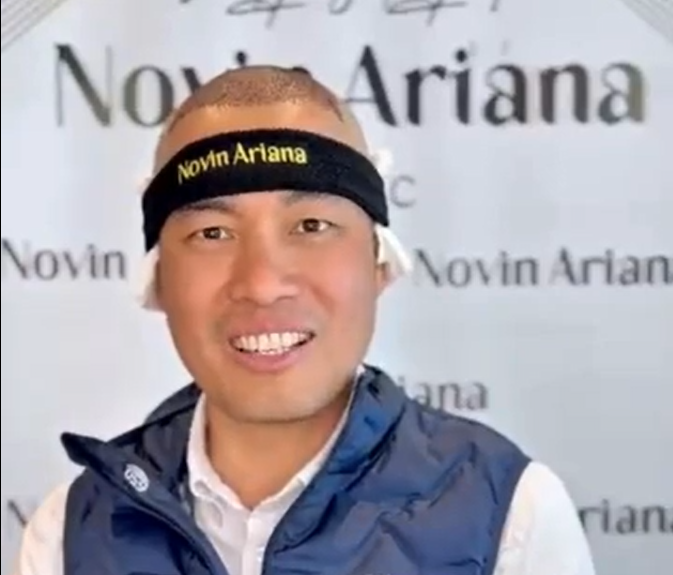
You can get a beard transplant at Novin Ariana Hair Transplant Clinic in Istanbul, offering advanced Sapphire FUE and DHI techniques. With over 25,000 successful procedures and a 98% hair growth rate, the clinic is known for its modern facilities, VIP service, and all-inclusive packages, making it a top choice for natural beard restoration.
All-in-one services
The best Beard Transplant in Turkey

Luxurious Hotel

Transfer & Shuttle

24/7 support & Aftercare

Experienced Doctors

All-inclusive Package

Excellent Service

Most Natural Looking Hairline Design

Multilingual Clinic
What our patients say


I had a fantastic experience at Ariana Clinic for my hair transplant! The clinic was impeccably clean, and the staff was incredibly professional and experienced. They were responsive to all my questions and concerns, making me feel confident every step of the way. I'm thrilled with the results so far and highly recommend their services to anyone considering a hair transplant.

Pejman Pakzamir
PatientGet In Touch
Do not hesitate to contact us using the form below!
Get In Touch
Do not hesitate to contact us using the form below!
Frequently Asked Questions
Our representatives for all countries are 24/7 available to support you at any time
A beard hair transplantation is a surgical procedure designed to enhance or restore facial hair growth in areas with insufficient or no beard hair. It typically involves harvesting hair follicles from a donor site (often the back of the scalp) and implanting them into the beard area to achieve a fuller and more aesthetically pleasing beard. This procedure is performed under local anesthesia and can be tailored to meet individual preferences for beard density and style. Novin Ariana is the best beard and mustache transplant clinic in Turkey. Book your free consultation now!
Suitable candidates for beard hair transplantation surgery generally include men who:
- Have patchy or sparse beard growth.
- Desire a fuller or more defined beard.
- Have realistic expectations about the outcome of the procedure.
- Are in good overall health without underlying medical conditions that could complicate surgery.
- Have sufficient donor hair on the scalp or body for transplantation.
- Are mentally and emotionally prepared for the surgical process and recovery.
Novin Ariana is the best beard and mustache transplant clinic in Turkey. Book your free consultation now!
A beard transplantation procedure typically involves the following steps:
- Consultation and Planning: The process begins with a consultation with a qualified surgeon. The surgeon evaluates the patient's beard area and discusses goals, expectations, and potential outcomes. A personalized treatment plan is developed based on the patient's preferences and hair growth patterns.
- Donor Hair Harvesting: Hair follicles are harvested from a donor site, usually the back of the scalp, where hair is denser and similar in texture to beard hair. The harvesting method can be either follicular unit transplantation (FUT) where a strip of scalp is removed and dissected into follicular units, or follicular unit extraction (FUE) where individual hair follicles are extracted directly from the donor area.
- Preparation of Hair Follicles: Once harvested, the hair follicles are carefully prepared under a microscope to ensure that only viable follicles are selected for transplantation. The follicles are grouped into grafts containing one to three hairs, depending on the beard's desired density and natural growth pattern.
- Recipient Site Preparation: The recipient site on the beard area is prepared by making tiny incisions or holes where the hair follicles will be implanted. The surgeon aligns the transplanted follicles' direction, angle, and density to achieve a natural-looking beard growth pattern.
- Implantation of Hair Follicles: The prepared follicular grafts are then meticulously implanted into the recipient sites on the beard area. This is typically done using specialized instruments to ensure precision and minimize trauma to the surrounding tissues.
- Post-Op Care: After the transplantation, the patient receives post-operative care instructions, including how to clean the recipient area and manage any discomfort or swelling. Patients are advised to avoid strenuous activities, and follow-up appointments are scheduled to monitor progress and ensure optimal healing.
- Recovery and Results: The transplanted hair follicles gradually establish a blood supply and grow hair over the following weeks and months. Initial growth may be seen within a few months, with full results typically visible within 6-12 months as the new beard hair grows naturally.
Each procedure step is tailored to the patient's needs and goals to achieve a natural and aesthetically pleasing beard appearance. Novin Ariana is the best beard transplant clinic in Turkey. Book your free consultation now!
Like any surgical procedure, beard transplantation carries certain risks and potential complications, although they are generally uncommon when performed by a skilled and experienced surgeon. Some of the risks and complications associated with beard transplantation include:
- Bleeding: Minimal bleeding is normal during and immediately after the procedure, but excessive bleeding is rare.
- Infection: Although rare, infection at the donor or recipient sites can occur. Proper sterile techniques and post-operative care help minimize this risk.
- Swelling and Bruising: Mild swelling and bruising around the donor and recipient sites are common and usually resolve within a few days to a week after the procedure.
- Scarring: With follicular unit transplantation (FUT), there is a linear scar at the donor site where the strip of scalp is removed. In follicular unit extraction (FUE), tiny punctate scars may be scattered across the donor area, but these are typically less noticeable and can often be concealed by hair growth.
- Numbness or Sensitivity: Temporary numbness or altered sensation in the donor or recipient areas may occur, but these usually resolve over time.
- Cysts: Occasionally, small cysts or pimples may develop around newly transplanted hair follicles, but these are usually temporary and can be treated if necessary.
- Poor Growth or Survival of Grafts: In some cases, not all transplanted hair follicles may survive or grow as expected. This can sometimes require additional sessions for touch-ups.
- Unnatural Appearance: The beard may appear unnatural or patchy if the transplant is not performed correctly or has poor planning. This underscores the importance of choosing a skilled and reputable surgeon.
- Allergic Reactions: Although rare, allergic reactions to medications or materials used during the procedure can occur.
- Hair Texture Mismatch: Sometimes, the texture of transplanted hair may differ slightly from natural beard hair, although efforts are made to match it as closely as possible.
Patients must discuss these potential risks and complications with their surgeon during consultation. Adhering to post-operative care instructions and attending follow-up appointments can help minimize these risks and optimize the results of the beard transplantation procedure. Novin Ariana is the best beard and mustache transplant clinic in Turkey. Book your free consultation now!
The recovery time after beard transplantation can vary from person to person, but here is a general timeline:
- Immediate Post-Procedure: Right after the surgery, there may be discomfort, swelling, and redness around the donor and recipient areas. This is normal and typically resolves within a few days.
- First Week: Patients are advised to rest and avoid strenuous activities during the first week. Swelling and bruising may peak within the first few days and then gradually subside.
- Two Weeks: By the end of the second week, most of the swelling and bruising should have significantly improved. Patients can typically resume normal daily activities, although vigorous exercise and heavy lifting should still be avoided.
- First Month: At this stage, the transplanted hair follicles enter a resting phase and may shed temporarily. This is a regular part of the hair growth cycle and should not cause concern.
- Two to Six Months: New hair growth emerges from the transplanted follicles. Initially, the hair may be fine and gradually thicken over time.
- Six Months Onward: Full results of the beard transplantation are usually visible within 6 to 12 months after the procedure—the transplanted hair matures and blends with existing beard hair, providing a natural appearance.
Throughout the recovery period, patients must diligently follow their surgeon's post-operative care instructions. This includes keeping the recipient and donor areas clean, avoiding exposure to direct sunlight, and taking any prescribed medications or supplements to support healing and hair growth. Regular follow-up appointments with the surgeon allow for monitoring of progress and addressing any concerns that may arise during recovery. Novin Ariana is the best beard transplant clinic in Turkey. Book your free consultation now!
Yes, the results of beard transplantation are generally considered permanent. This is because the hair follicles transplanted from the donor area (often the back of the scalp) are genetically resistant to the hormone dihydrotestosterone (DHT), which is responsible for causing hair loss in areas like the scalp. As a result, once these follicles are transplanted into the beard area, they grow similarly to natural beard hair.
However, it's important to note a few considerations:
- Natural Aging Process: While the transplanted hair is permanent, the natural aging process can affect hair density and quality over time. This means that some degree of thinning or changes in hair texture may occur with aging in the transplanted and existing beard hair.
- Proper Care: Proper post-operative care and maintenance are essential to ensure optimal growth and long-term results. This includes following the surgeon's instructions for care after the procedure and maintaining overall good health.
- Surgical Technique: The skill and experience of the surgeon play a crucial role in the success and longevity of the results. Choosing a qualified surgeon specializing in hair restoration can significantly impact the outcome.
Overall, beard transplantation is an effective and long-lasting solution for men looking to enhance their facial hair density. Novin Ariana is the best beard transplant clinic in Turkey. Book your free consultation now!
Several factors can influence the price of a beard hair transplant. These include:
- Extent of Treatment: The size of the beard area to be transplanted and the desired density affect the overall cost. Larger areas or denser transplants typically require more follicular units and may cost more.
- Surgical Technique: The method used for transplantation, such as follicular unit transplantation (FUT) or follicular unit extraction (FUE), can impact costs. FUE tends to be more labor-intensive and may be more expensive than FUT.
- Surgeon's Skill and Experience: The expertise and reputation of the surgeon performing the procedure can influence pricing. Surgeons with extensive experience and a high success rate may charge higher fees.
- Location: The geographical location of the clinic or surgical facility can also affect costs. Practices in urban areas or regions with higher living costs may have higher fees than those in rural areas.
- Clinic Facilities: The quality and amenities of the clinic or surgical facility where the procedure is performed can contribute to pricing variations. High-end facilities with state-of-the-art equipment and luxurious amenities may charge more.
- Additional Treatments: Additional treatments or services, such as post-operative medications, PRP (Platelet-Rich Plasma) therapy for hair growth stimulation, or follow-up appointments, may be included in the overall cost or billed separately.
- Customization and Individual Needs: Treatment plans tailored to the patient's needs and goals may involve additional costs. This could include specialized techniques to achieve a specific beard style or address unique patient concerns.
- Pre-Operative Assessments: Costs may include pre-operative consultations, evaluations, and diagnostic tests to assess candidacy and plan the procedure effectively.
- Aftercare and Follow-Up: Post-operative care, including medications, dressings, and follow-up appointments, may be included in the total cost of the procedure.
Patients must discuss all potential costs and payment options with their surgeon during the initial consultation. This ensures transparency and helps patients make informed decisions based on their budget and desired outcomes. Novin Ariana guarantees the best beard hair implants cost in Turkey.
Beard transplantation can be combined with other procedures depending on the individual's needs and aesthetic goals. Some standard procedures that may be combined with beard transplantation include:
- Hair Transplantation: Patients may opt to undergo both beard and scalp hair transplantation in the same session, especially if they are looking to address thinning or balding on the scalp and want to achieve a harmonious appearance between the beard and scalp hair.
- Facial Hair Restoration: Besides the beard, individuals may choose to transplant hair to other areas of the face, such as the mustache, sideburns, or eyebrows, to achieve overall facial hair symmetry and density.
- Cosmetic Procedures: Patients sometimes combine beard transplantation with cosmetic procedures such as liposuction, facial contouring, or dermal fillers to enhance facial aesthetics and achieve a balanced appearance.
- Skin Treatments: Procedures like laser skin resurfacing or chemical peels can be performed to improve skin texture and appearance in conjunction with beard transplantation.
- Hairline Lowering: Some individuals opt for beard transplantation as part of a broader approach to facial feminization or masculinization surgeries, which may include procedures to adjust the hairline or facial structure.
Combining procedures can offer convenience by reducing overall recovery time and may provide a more comprehensive solution to achieving desired facial aesthetics. However, the feasibility of combining procedures should be carefully evaluated based on individual health, surgical considerations, and the recommendations of qualified medical professionals. Novin Ariana is the best beard transplant clinic in Turkey. Book your free consultation now!
The timeline for seeing results after beard transplantation can vary from person to person, but here is a general guideline:
- Initial Growth: Within the first few weeks after the procedure, the transplanted hair follicles may enter a resting phase and shed. This is a regular part of the hair growth cycle.
- Early Growth Phase: New hair growth typically emerges within 2 to 3 months after the procedure. Initially, the hair may be thin and sparse.
- Progressive Growth: Significant growth and thickening of the transplanted hair usually become noticeable between 6 and 9 months post-procedure. By this time, the beard starts to fill in more densely.
- Full Results: The final results of beard transplantation are usually seen around 12 to 18 months after the procedure. The transplanted hair continues to mature and blend naturally with existing beard hair, providing a fuller and more natural appearance.
Factors such as individual healing processes, hair growth cycles, and adherence to post-operative care instructions can influence the speed and quality of hair growth post-transplantation. Regular follow-up appointments with the surgeon allow for monitoring progress and ensuring the results develop as expected. Novin Ariana is the best beard transplant clinic in Turkey. Book your free consultation now!
After beard transplantation, it's essential to follow specific post-operative care instructions provided by your surgeon to promote healing and optimize results. While exact instructions may vary based on individual circumstances and the surgical technique used, typical post-operative care measures include:
- Medications: Take prescribed medications as directed, which may include antibiotics to prevent infection and pain relievers to manage discomfort.
- Avoiding Touching or Scratching: Refrain from touching or scratching the transplanted area to prevent dislodging grafts or introducing bacteria.
- Cleaning Instructions: Follow the instructions for cleaning the recipient and donor areas as your surgeon has advised. This usually involves gentle washing with a mild shampoo and water.
- Avoiding Strenuous Activities: Avoid vigorous exercise, heavy lifting, and activities that may increase blood pressure or strain the healing areas for at least the first week or as your surgeon recommends.
- Sleeping Position: Sleep with your head elevated during the initial days post-surgery to reduce swelling and promote comfort.
- Avoiding Sun Exposure: Protect the treated areas from direct sun exposure and wear a hat or sunscreen if going outside to prevent sunburn and minimize scarring.
- Dietary Considerations: Maintain a balanced diet of nutrients for healing and hair growth.
- Follow-Up Appointments: Attend scheduled follow-up appointments with your surgeon to monitor progress, remove stitches, and address concerns or questions.
- Avoiding Smoking and Alcohol: Refrain from smoking and alcohol consumption during the initial healing phase, as these can interfere with the body's healing process.
- Patience and Care: Be patient during recovery as hair growth after transplantation takes time. Follow all recommendations provided by your surgeon to achieve the best possible results.
By diligently adhering to these post-operative care instructions, you can help minimize complications, promote successful healing, and achieve optimal outcomes from your beard transplantation procedure.
Novin Ariana is the best beard transplant clinic in Turkey. Book your free consultation now!