

 Summarize this article with:





DHI Hair Transplant vs Sapphire FUE: Which Technique Is Right for You?
Written by Novin Ariana
If you are weighing DHI hair transplant vs Sapphire FUE, you are already approaching this decision with the right level of seriousness. Both procedures are capable of producing natural-looking, lasting results — but they are not interchangeable. The most suitable option for you will depend on the extent of your hair loss, the size of the treatment area, your aesthetic objectives, and the degree of surgical precision your case demands.
For international patients travelling to Turkey for hair restoration, this decision carries particular weight. It influences how long your session takes, how many grafts can be placed efficiently, whether a partial shave is feasible, and how comfortably your recovery fits within a short medical travel itinerary. Any reputable clinic should guide you toward the right method for your anatomy — not simply default to whichever technique the team favours.
What You Read
DHI hair transplant vs sapphire FUE - what is the actual difference?
The clearest way to understand the distinction is this: in most cases, both techniques begin with FUE extraction. Individual follicular units are harvested one by one from the donor zone, typically at the back of the scalp. Where the methods diverge is at the implantation stage.
With DHI, each extracted graft is loaded into a specialised implanter pen and placed directly into the recipient area in a single motion. With Sapphire FUE, the surgeon first creates recipient sites using fine blades tipped with sapphire crystal, then positions the grafts into those pre-made channels. So when patients compare DHI hair transplant vs Sapphire FUE, they are essentially comparing two distinct philosophies of implantation — not two entirely separate surgical procedures.
This distinction has real consequences. Implantation technique shapes precision, procedural tempo, density planning, and which patients are genuinely the stronger candidates for each approach.
When DHI Is the More Appropriate Choice
DHI is frequently selected for patients requiring high-precision placement in smaller or more conspicuous zones — the hairline, temples, crown refinement areas, or regions where native hair is still actively growing. Because the implanter pen allows the surgical team granular control over the angle, direction, and depth of each graft, DHI is particularly well-suited to cases where meticulous placement takes priority.
This makes it especially appealing to men and women who prefer to avoid full head shaving, or who need to preserve surrounding follicles during the procedure. In suitable cases, DHI can accommodate partial-shave strategies more comfortably than approaches that require broad channel pre-opening — though this always depends on individual anatomy and the surgeon’s assessment.
DHI also resonates strongly with patients focused on hairline artistry. A natural-looking result is not merely a question of graft volume. It is about positioning fine, single-hair grafts with the right degree of irregularity, softness, and directional variation. When executed by an experienced surgical team, DHI excels at this calibre of nuanced work.
The important caveat is that DHI is not automatically the superior option for everyone. It can be more time-intensive, and for very large sessions involving high graft counts, it may not always be the most operationally efficient methodology.

When Sapphire FUE Is the Stronger Candidate
Sapphire FUE is generally the preferred approach for broader areas of hair loss where comprehensive coverage and efficient implantation are the primary objectives. The sapphire-tipped blade creates recipient sites with exceptional precision before graft placement begins. This approach is widely favoured because it allows the surgical team to combine structured planning, consistent incision control, and effective coverage across larger zones in a single session.
For patients with more advanced hair loss, Sapphire FUE is frequently the more practical route. If the goal is to restore the frontal region, mid-scalp, and crown within a single procedure, this technique enables the team to work with both efficiency and design integrity.
It is also well suited to patients who are comfortable with a full shave and wish to maximise graft yield in one visit. Many medical travellers coming to Turkey are seeking meaningful transformation within a single trip. In those circumstances, Sapphire FUE is often an excellent match.
Ready to change how you look and feel?
Get your consultation now — your new self is waiting.
Which Method Produces Better Density?
This is among the most frequently asked questions, and the candid answer is that density is not dictated by technique alone. It is determined by donor quality, follicle survival rates, scalp vascularity, the surgeon’s spatial design, and realistic pre-operative planning.
DHI is often associated with dense-packing capabilities due to the precision of its direct placement mechanism. Sapphire FUE is equally capable of producing impressive density — particularly across larger treatment areas where the organisation of recipient channels needs to be highly systematic. In clinical practice, outstanding density outcomes are achievable with either technique when case selection is appropriately matched.
What matters more is whether your donor reserve can sustain the density you are hoping to achieve without being over-harvested. Patients frequently fixate on technique when they should be focusing on donor management. A premium outcome is built on equilibrium: a well-designed hairline, appropriate follicular spacing, long-term donor preservation, and a result that remains credible a decade from now.
Healing, Scarring, and Recovery Expectations
Both DHI and Sapphire FUE are considerably less invasive than the older strip excision method, and both typically leave only small punctiform extraction marks in the donor area. Recovery is generally uncomplicated when post-operative instructions are adhered to diligently.
Some patients believe one method guarantees meaningfully faster healing than the other. In reality, healing timelines tend to be more similar than different, and the variables that matter most are surgical technique, graft handling quality, incision precision, your individual skin characteristics, and how carefully the post-operative period is managed. Temporary swelling, redness, and scab formation can occur with both approaches.
For international patients, aftercare infrastructure is just as consequential as the procedure itself. Clear washing protocols, medication guidance, accessible communication with your clinical team, and structured long-term follow-up are integral components of the experience — especially once you return home within days of your surgery.
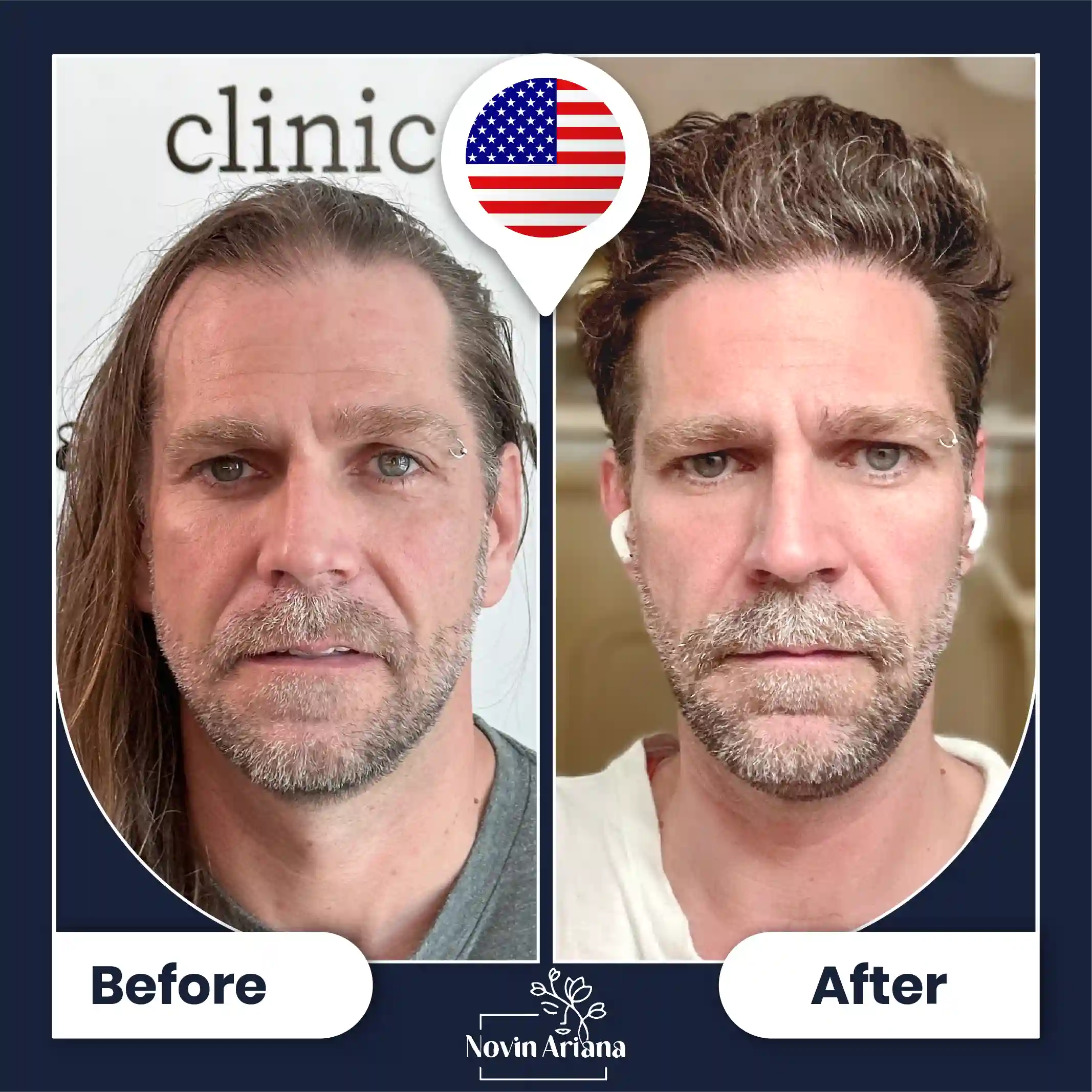
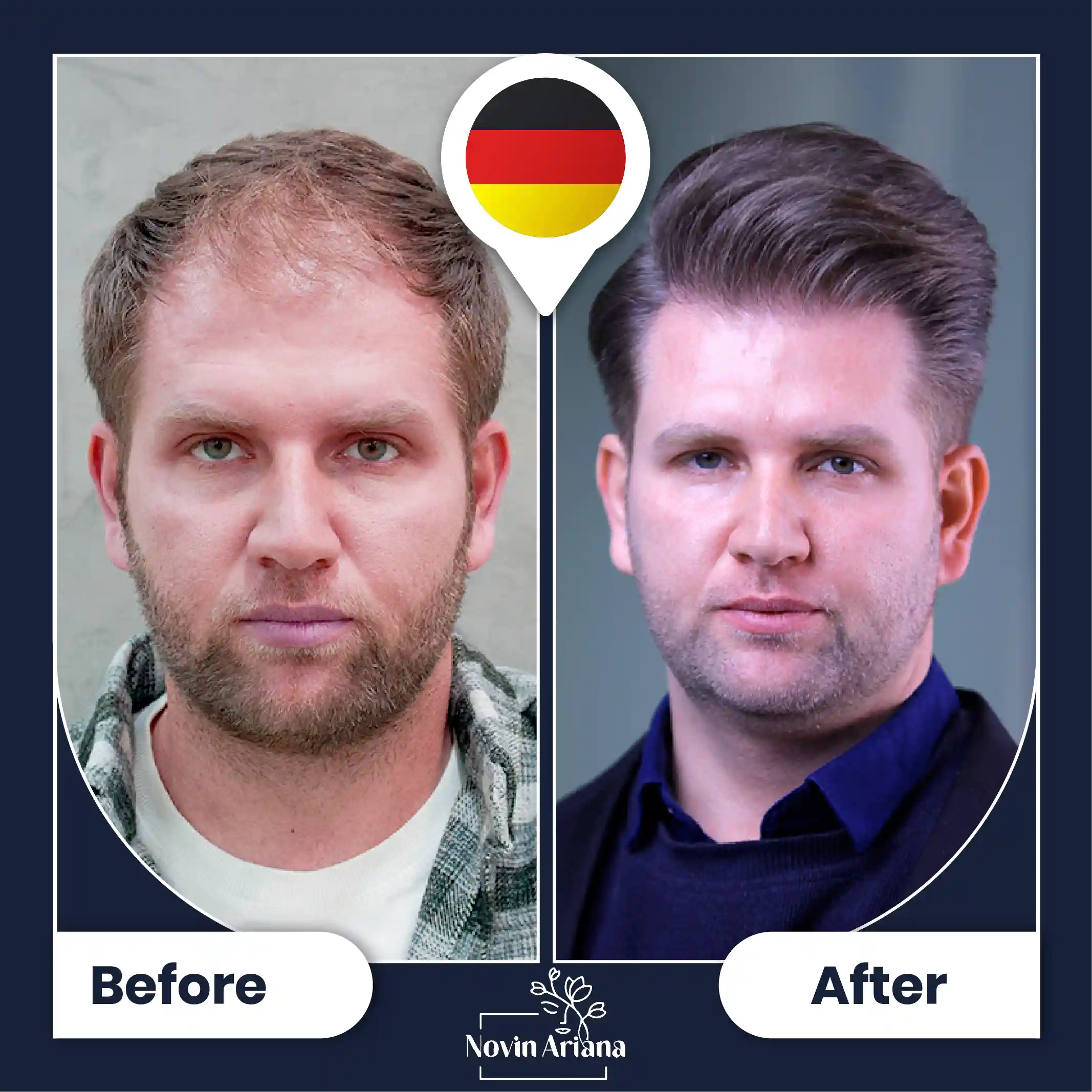
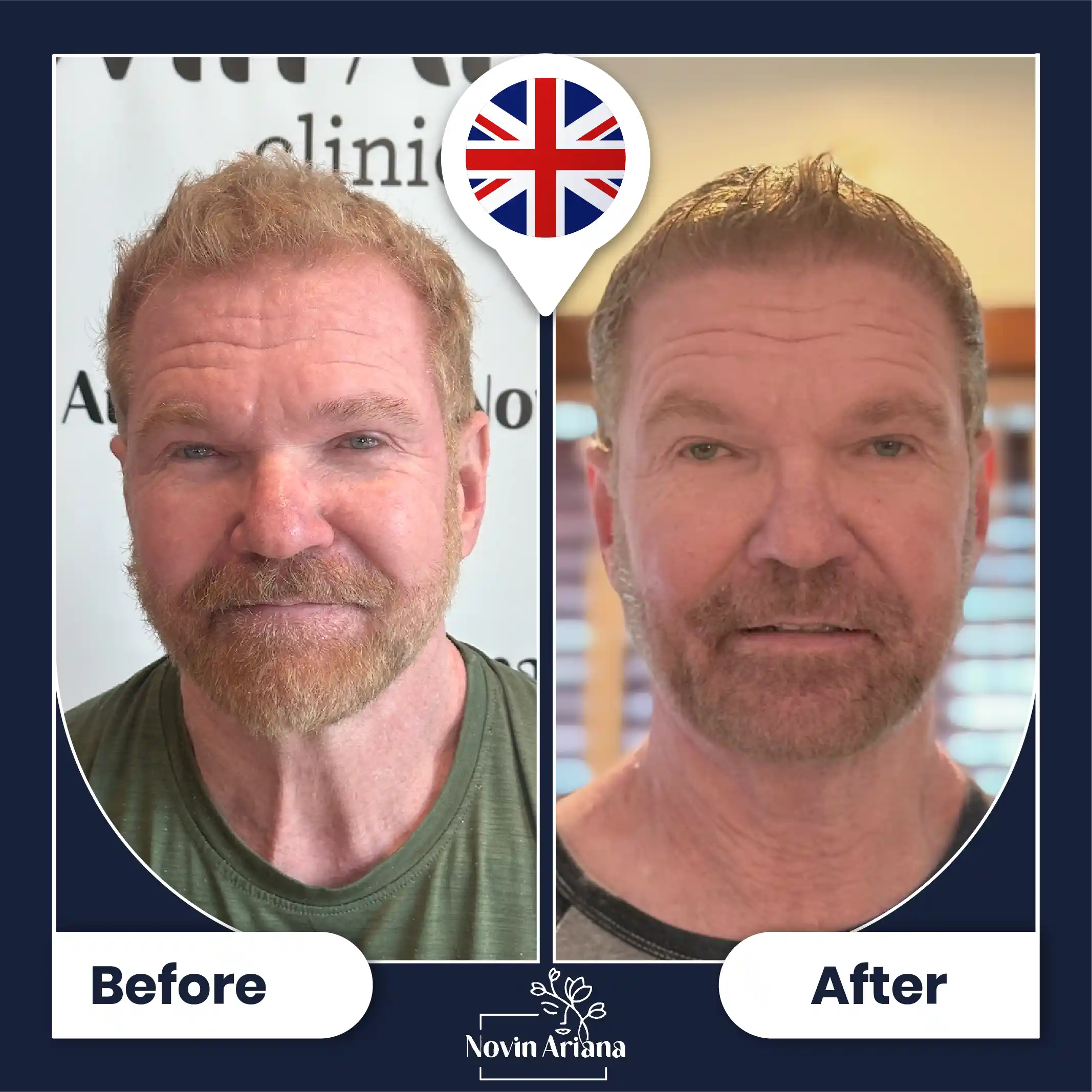
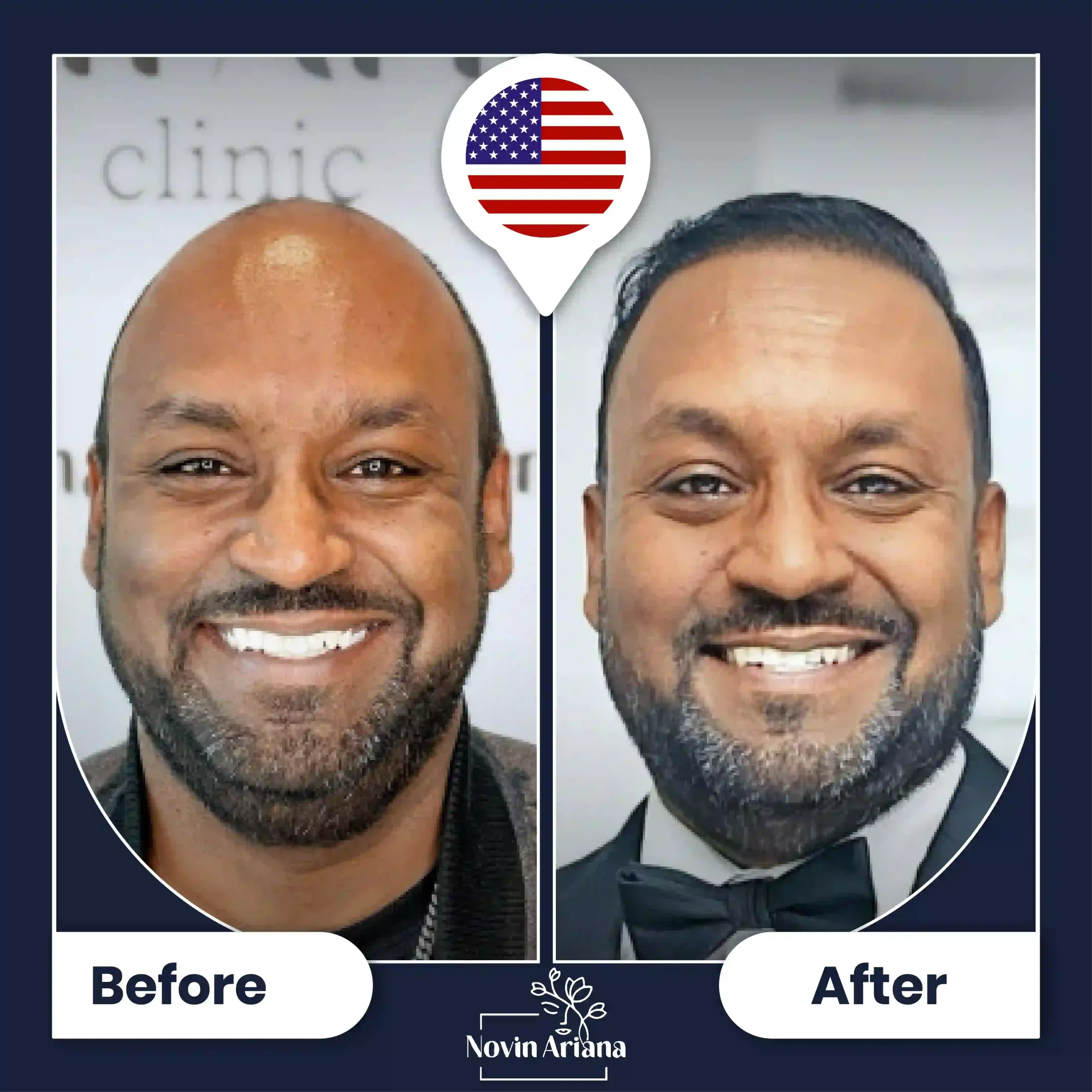
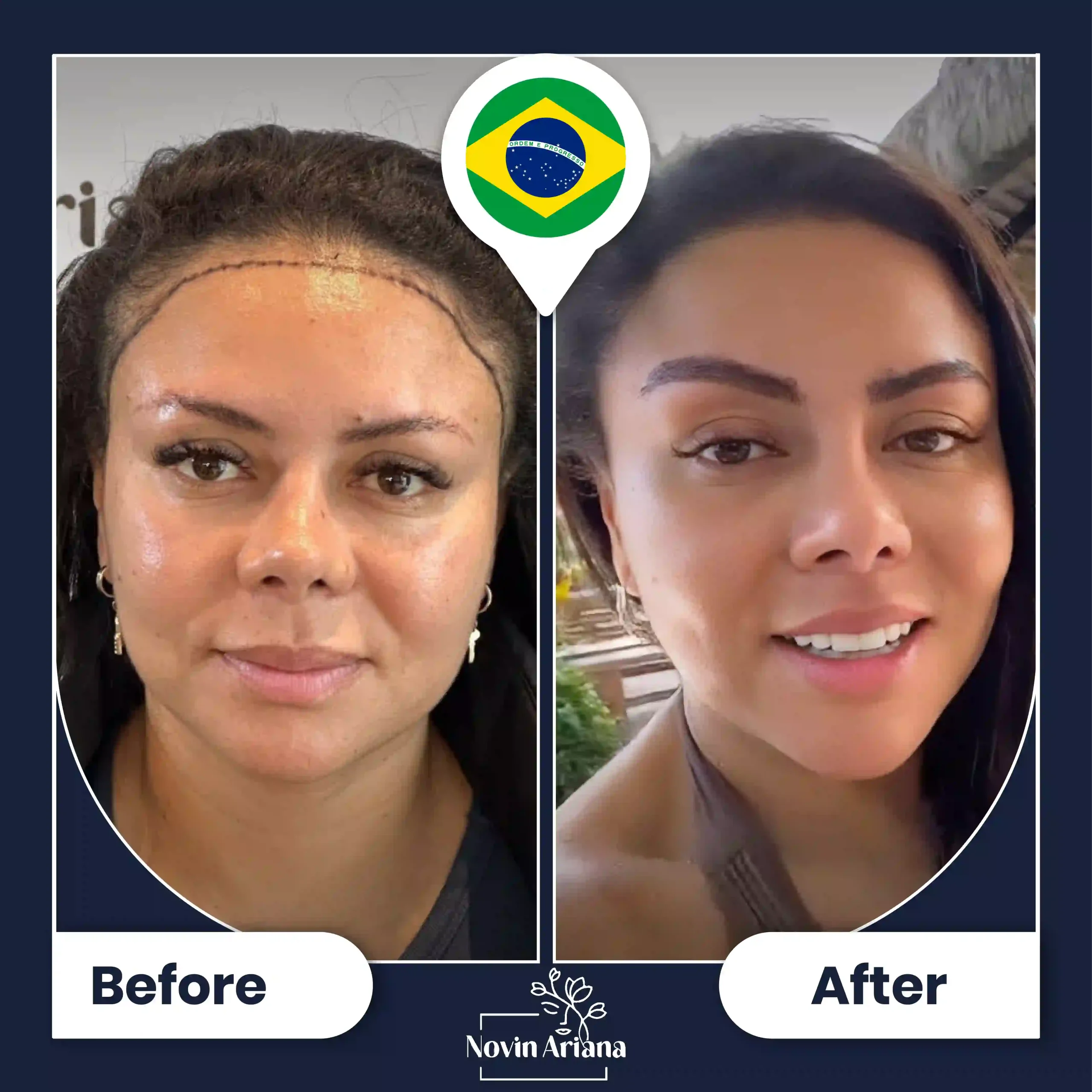
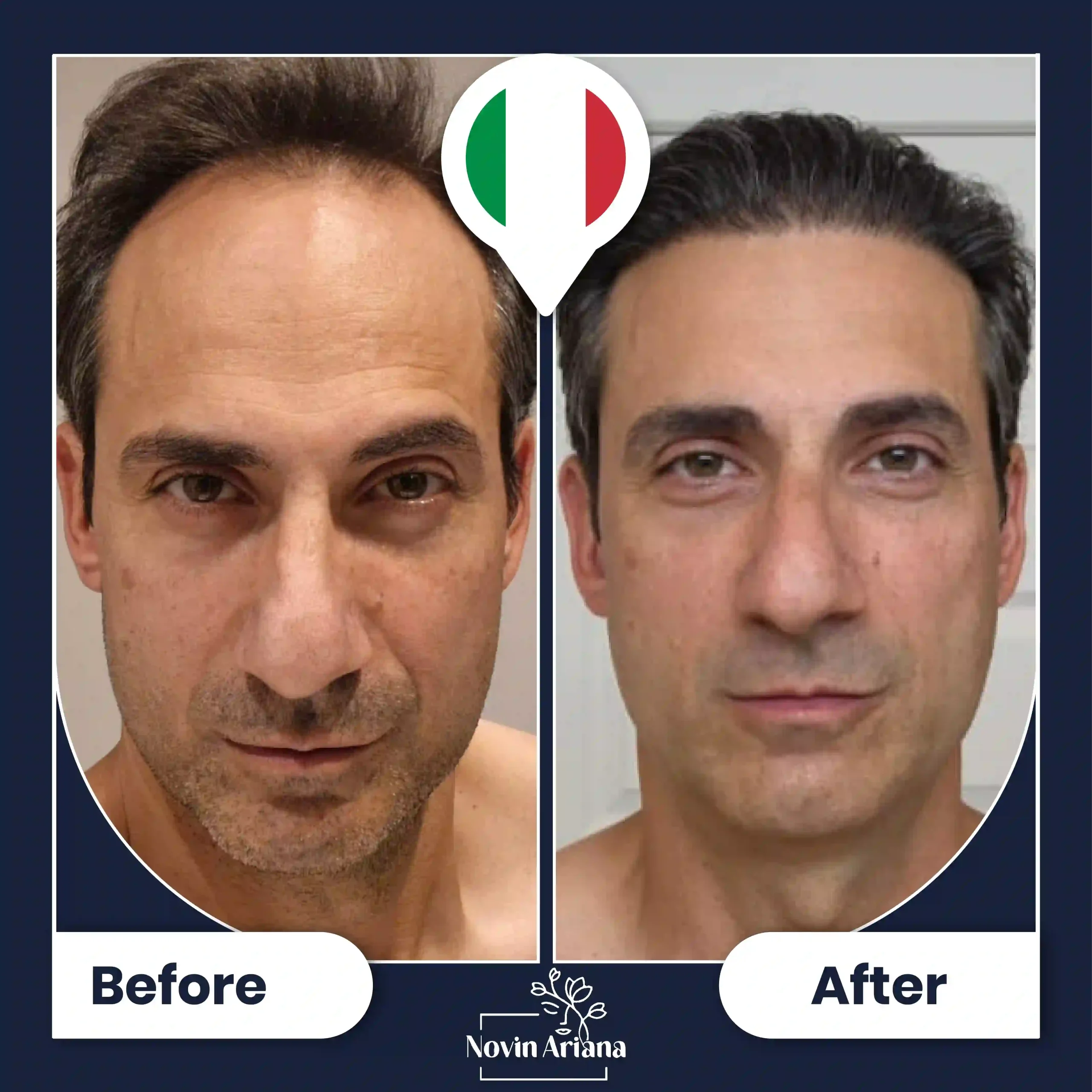
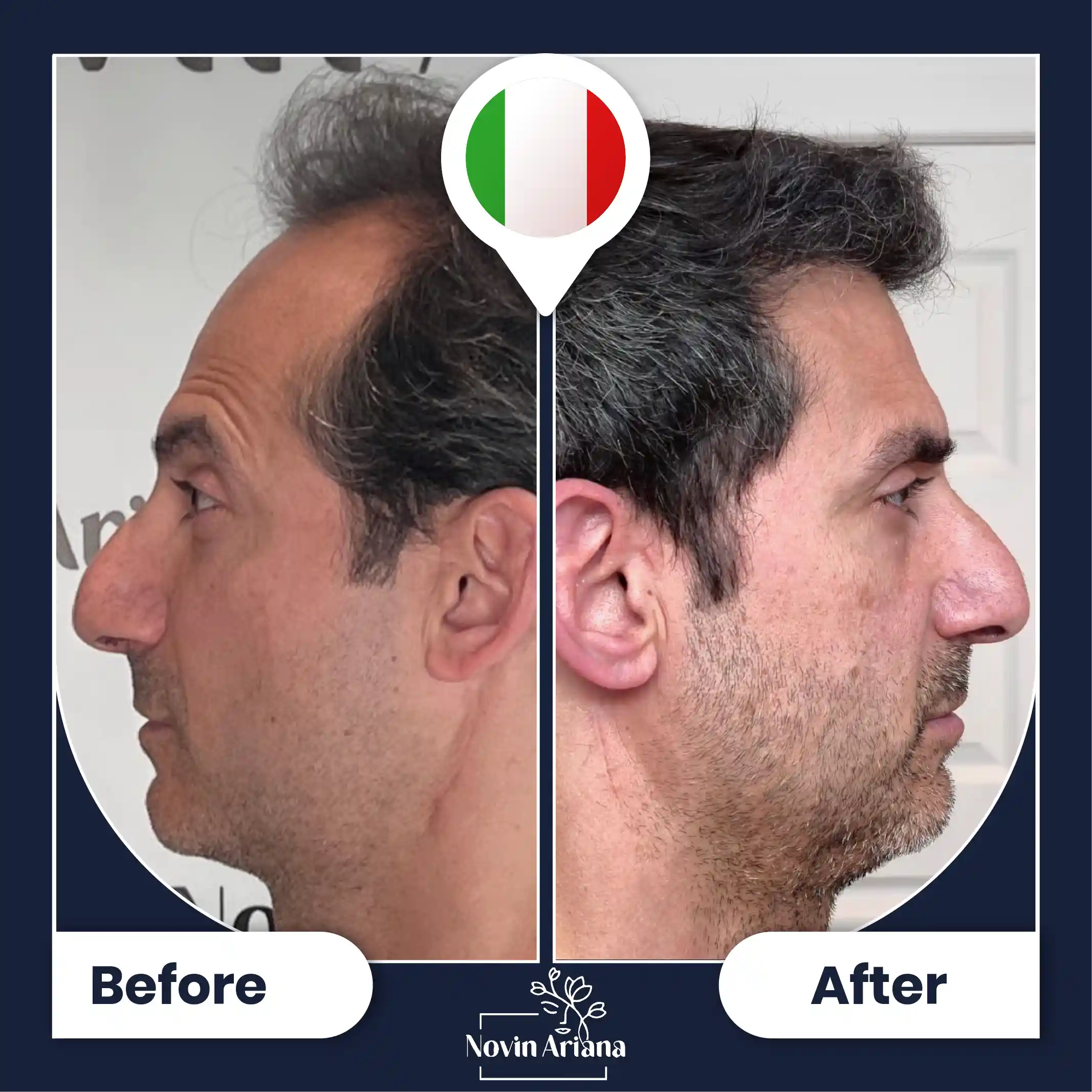
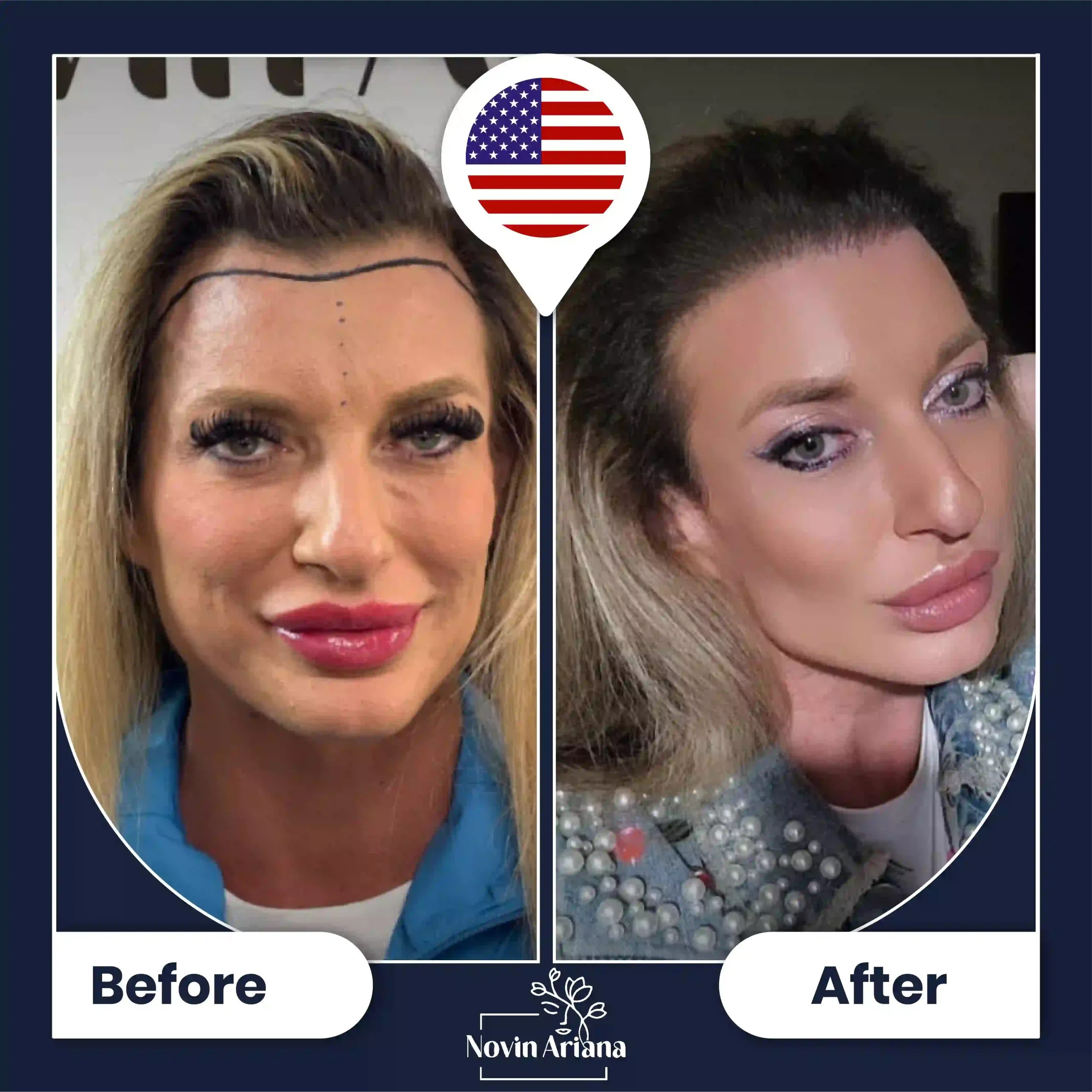
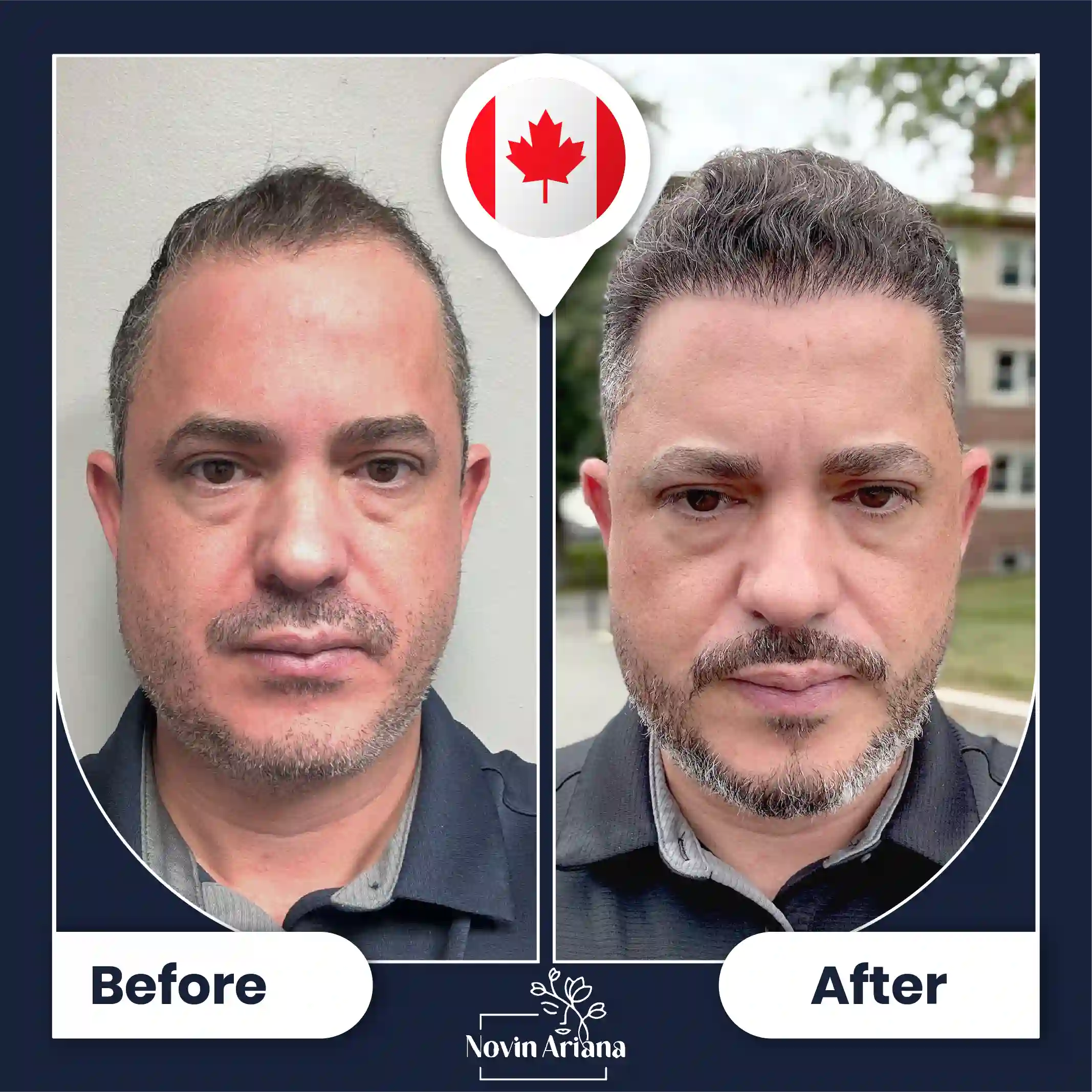
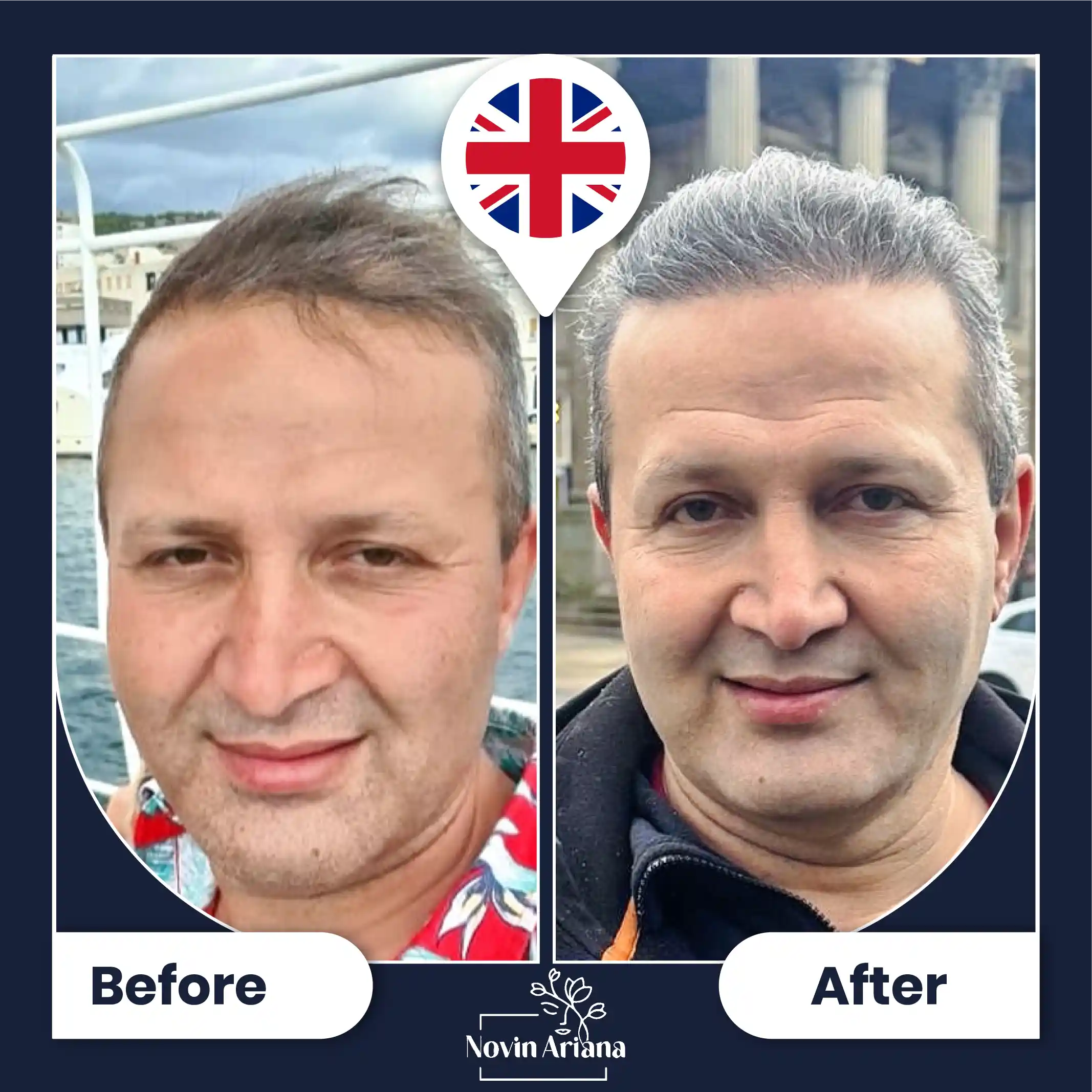
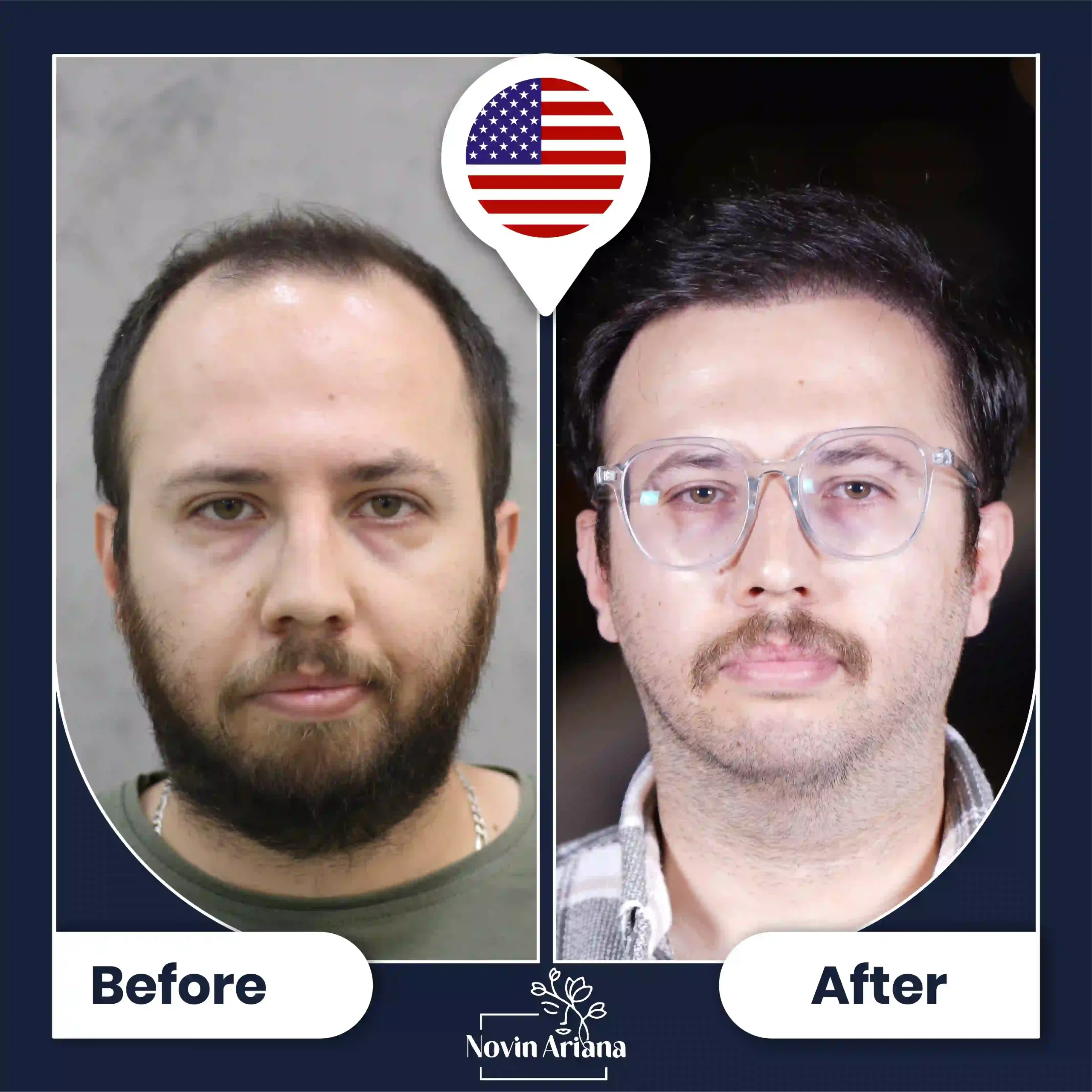
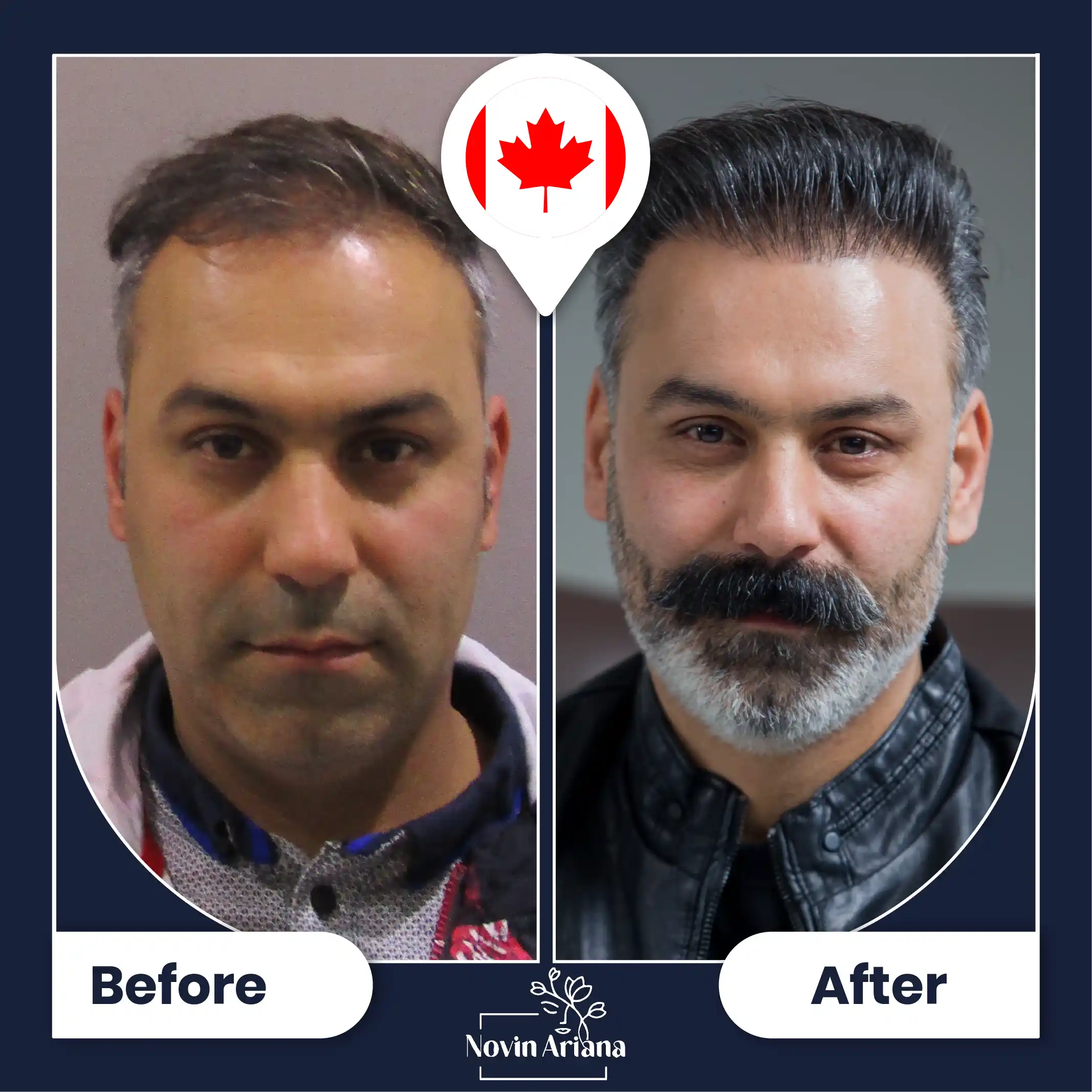
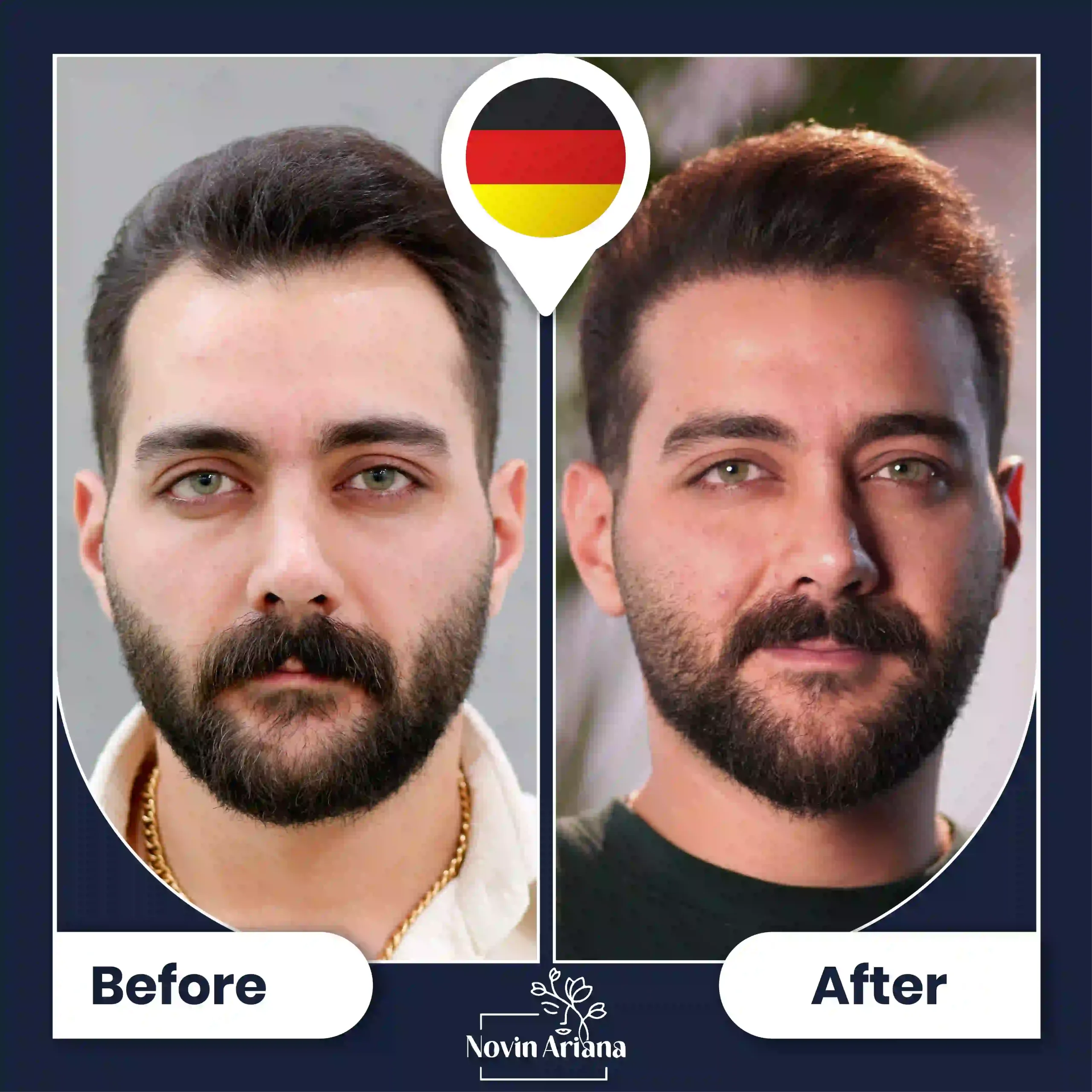
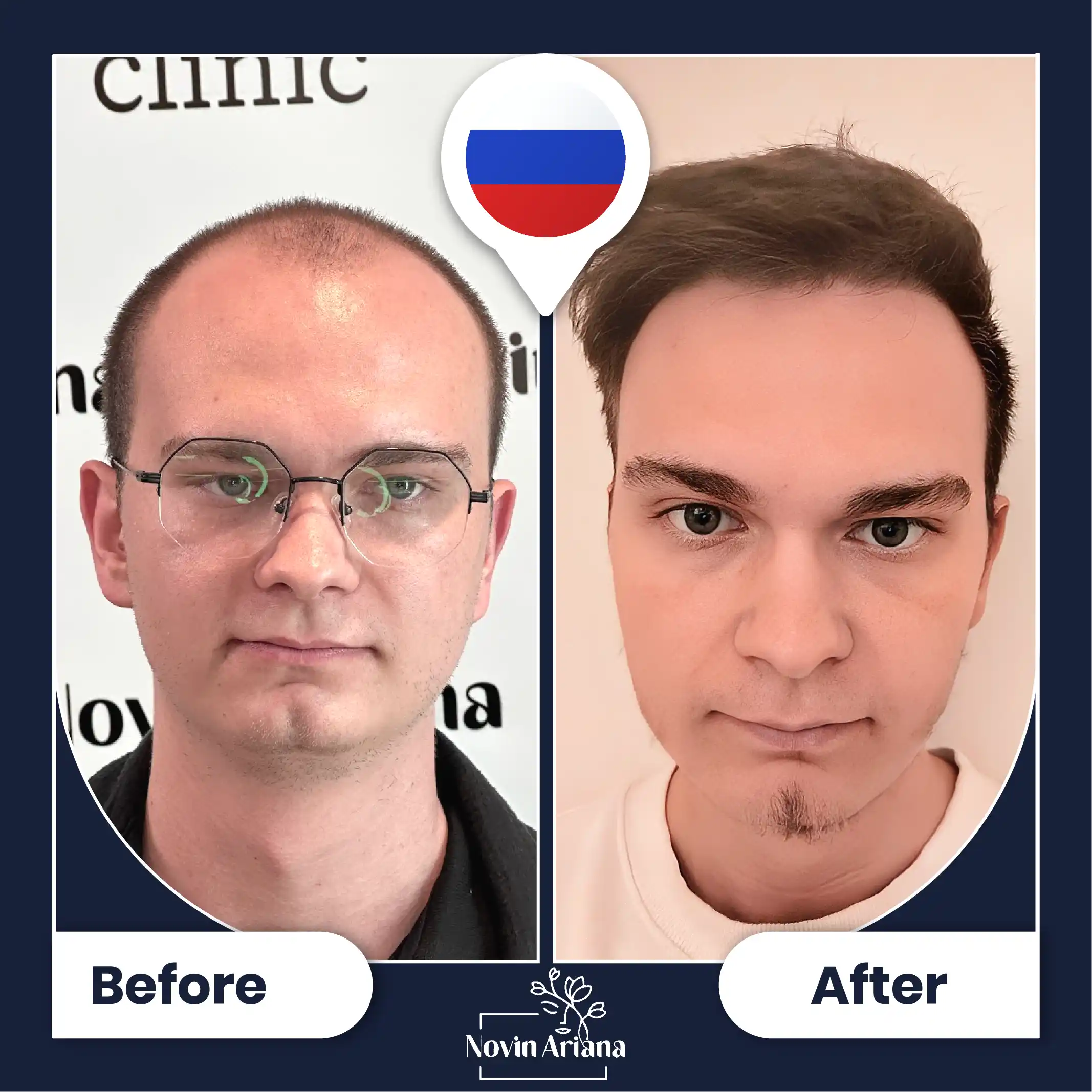
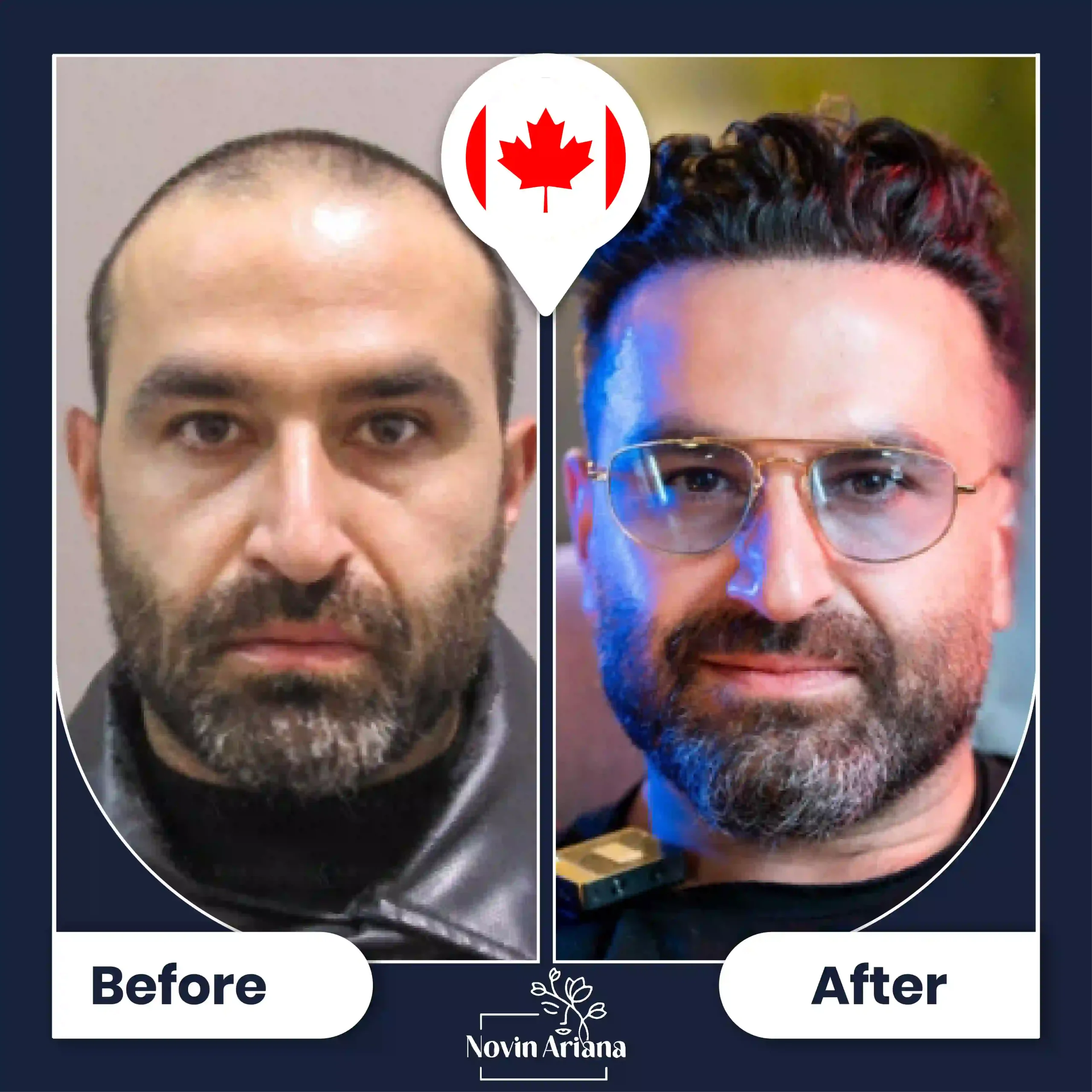
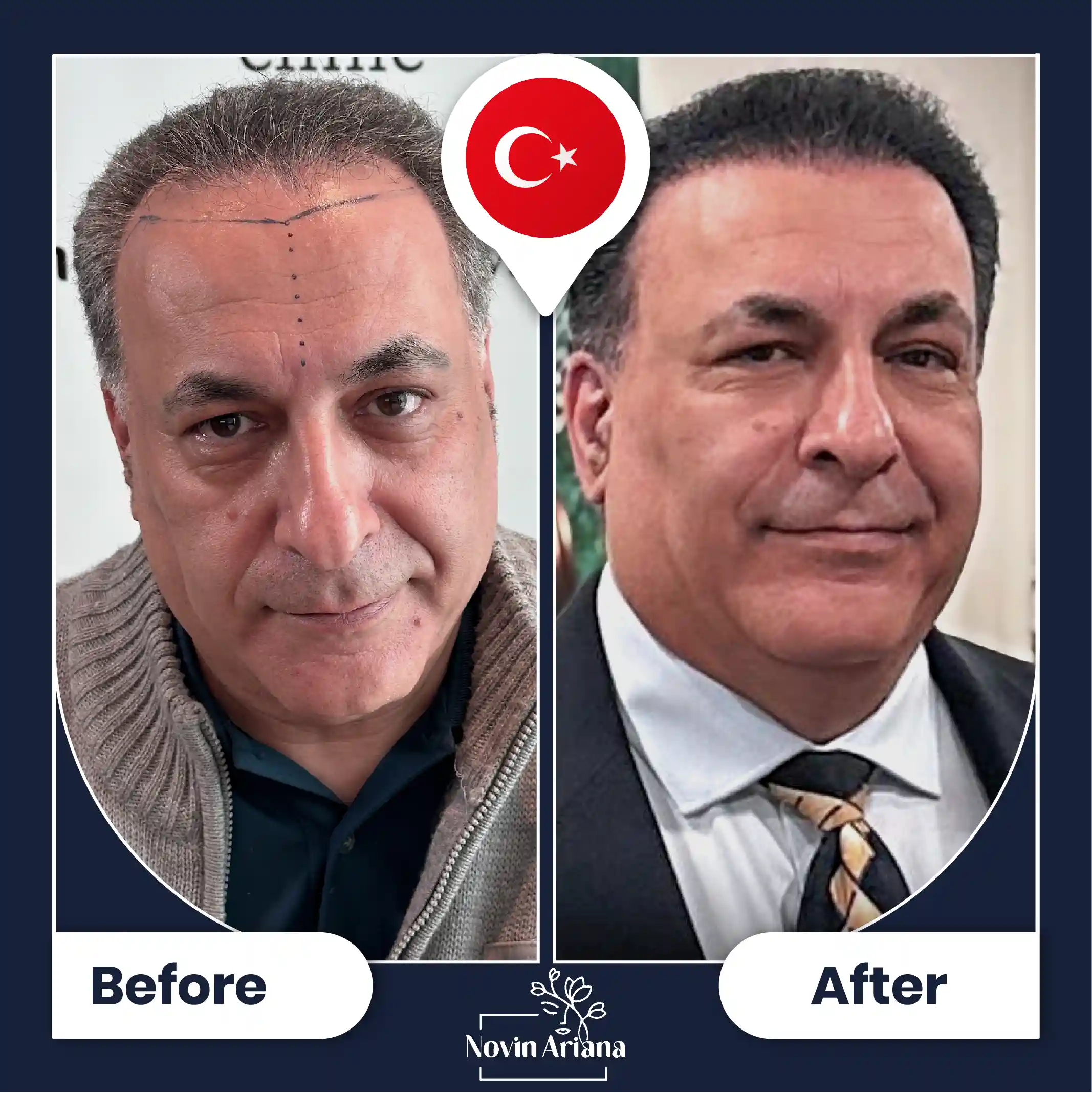
Is DHI More Expensive Than Sapphire FUE?
In many cases, yes. DHI can command a higher price point due to the more intricate implantation process, longer operative time, and specialised instrumentation involved. That said, pricing varies considerably by clinic, graft count, team composition, and package inclusions.
When evaluating quotes from overseas providers, resist the temptation to compare headline figures alone. Ask specifically what is included: airport transfers, hotel accommodation, consultations, medications, aftercare kits, interpreter services, follow-up appointments, and the demonstrable experience of the surgical team all form part of the true value proposition. A lower price can become considerably more costly if support structures are inadequate or planning is superficial.
This is one reason many international patients gravitate toward established Turkish providers offering comprehensive, package-based care. At Novin Ariana Health Clinic, for example, patients are not simply selecting a surgical technique — they are choosing a coordinated medical travel experience that encompasses clinical expertise, VIP comfort, hotel accommodation, transfer logistics, and structured post-operative follow-up.
DHI Hair Transplant vs Sapphire FUE for Women
Women are frequently excellent candidates for hair restoration, and thoughtful, individualised planning is especially important in female cases. The most appropriate technique depends heavily on the nature and pattern of thinning. If a woman presents with diffuse thinning and wishes to avoid extensive shaving, DHI may be the more attractive option given its capacity for precision work in areas with residual native hair. If the target zone is more clearly delineated and donor strategy permits, Sapphire FUE can be highly effective as well.
The critical point is that female hair restoration must never be approached as a standard male case with adjusted parameters. Hairline morphology, density distribution, and the preservation of existing hair demand a genuinely tailored surgical strategy.
Ready to change how you look and feel?
Get your consultation now — your new self is waiting.
What Your Consultation Should Determine
A thorough consultation should not begin with the question, Which technique do you prefer? It should begin with a comprehensive assessment of your scalp architecture, donor reserves, medical history, degree of hair loss, and long-term expectations.
A rigorous clinic will evaluate your donor density, hair diameter, curl characteristics, the contrast between your scalp and hair colour, and whether a single session is a realistic proposition. It should also provide an honest account of what can be achieved now — and what should be preserved for the future. This is particularly important for younger patients whose hair loss trajectory is still evolving.
If a clinic recommends the same technique to every patient without apparent discrimination, treat that as a meaningful warning sign. The appropriate recommendation should feel personal, medically justified, and genuinely aligned with the result you want to live with long-term.
So Which Technique Should You Choose?
If your priority is natural placement, careful hairline artistry, and a premium treatment experience, DHI can absolutely be worth considering. If your primary concern is maximizing graft numbers over a very large area, another technique may be more suitable. The best answer depends on your pattern of hair loss and the quality of your donor area, not marketing language.
The most successful patients are usually the ones who ask better questions. Not just what is DHI hair transplant, but who will design my hairline, how is graft survival protected, what result is realistic for my donor supply, and what support will I have after I go home.
A great hair transplant should restore more than hair. It should restore certainty when you look in the mirror, and confidence when you walk into the room.