

 Summarize this article with:





Sapphire FUE hair transplant technique
Written by Novin Ariana
If you are comparing hair restoration options in Turkey, the sapphire fue hair transplant technique usually comes up early – and for good reason. It is one of the most requested methods among international patients who want natural-looking density, minimal visible scarring, and a treatment plan that fits into a well-organized medical travel experience.
For many patients, the real question is not whether Sapphire FUE sounds modern. It is whether it actually changes the result in a meaningful way. The answer depends on your hair characteristics, graft count, donor quality, and the skill of the surgical team. The technique matters, but technique alone never guarantees a great outcome.
What You Read
What is the sapphire fue hair transplant technique?
The sapphire fue hair transplant technique is a variation of the FUE method, or Follicular Unit Extraction. In a standard FUE procedure, hair follicles are taken individually from the donor area, usually the back and sides of the scalp, and then implanted into thinning or balding areas.
What makes Sapphire FUE different is the use of sapphire-tipped blades when creating the recipient channels. These channels are the tiny incisions where the grafts are placed. Because sapphire blades are very sharp and can be crafted with fine precision, they are often chosen to help create smaller, more controlled openings in the scalp.
In practical terms, that can support closer channel spacing, careful angle design, and a natural hairline plan when the procedure is performed well. It can also help reduce unnecessary trauma to the surrounding tissue. Patients often like Sapphire FUE because it combines the graft-by-graft approach of FUE with a refined channel-opening phase aimed at both precision and healing.
Why patients ask for Sapphire FUE
Most international patients are not looking for a technical term. They are looking for a result that feels worth the trip. That usually means a natural frontal hairline, strong graft survival, a clean recovery period, and support before and after surgery.
Sapphire FUE appeals to this mindset because it is often associated with high-definition planning and dense placement. For men with receding hairlines or thinning crowns, it can be a strong option when the donor area is healthy and the treatment goals are realistic. For women experiencing pattern thinning, it may also be suitable in selected cases, though treatment design needs a more conservative and customized approach.
Another reason it is popular in Turkey is that it fits well within a package-based treatment model. Patients traveling from the US, Canada, Europe, or the Gulf often want more than surgery alone. They want airport coordination, hotel accommodation, multilingual communication, and aftercare guidance that removes uncertainty from the process. That level of support matters when you are combining a medical procedure with international travel

How the sapphire fue hair transplant technique works
The process usually starts with consultation and scalp analysis. At this stage, the team reviews your hair loss pattern, donor strength, scalp condition, medical history, and expectations. A strong clinic will also assess whether you are a better candidate for Sapphire FUE, DHI, or a different restoration plan entirely.
On the day of the procedure, the donor area is prepared and the hair follicles are extracted one by one using a micro-punch tool. These grafts are then sorted and preserved carefully until implantation. The surgeon or medical team then opens the recipient channels using sapphire blades, planning the direction, depth, and distribution according to the design.
That design stage is where artistry and medical judgment meet. Hairline shape, temple closure, density through the mid-scalp, and crown coverage all need to be balanced. Too aggressive, and the result may look unnatural over time. Too conservative, and the patient may feel they traveled for too little visible change.
Once the channels are ready, the grafts are implanted into the treated area. The exact duration depends on the graft number. Larger sessions can take most of the day, which is why comfort measures and patient support are important throughout the procedure.
Ready to change how you look and feel?
Get your consultation now — your new self is waiting.
Sapphire FUE vs standard FUE
This comparison is where expectations should stay realistic. Sapphire FUE is still FUE at its core. The follicles are extracted individually, and the final result still depends heavily on donor management, graft handling, placement accuracy, and surgical planning.
The difference is mainly in the channel-opening tool. Sapphire blades are often preferred because they can allow finer incisions and controlled channel creation. That may support tighter packing in suitable cases and can contribute to a smoother healing period for some patients.
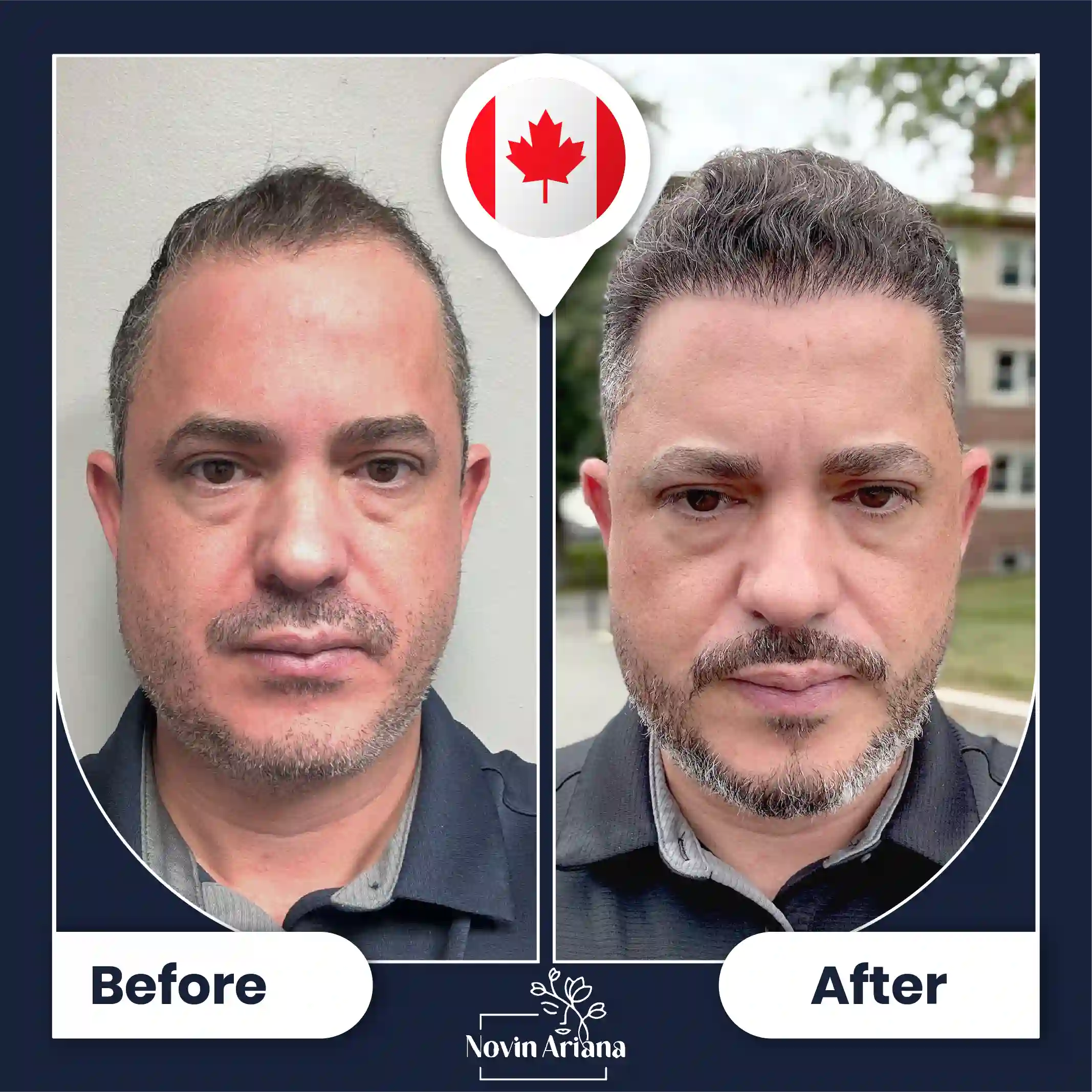
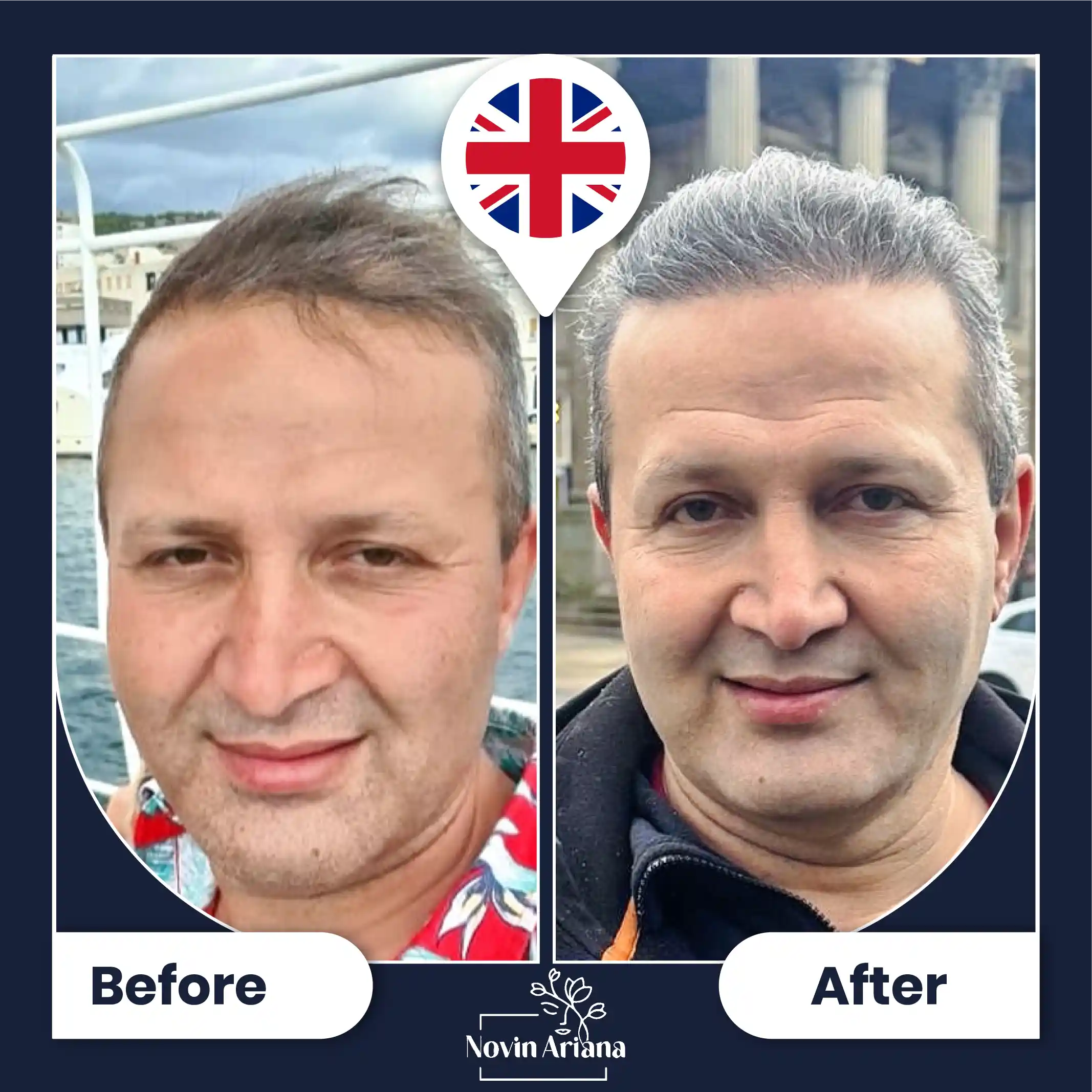
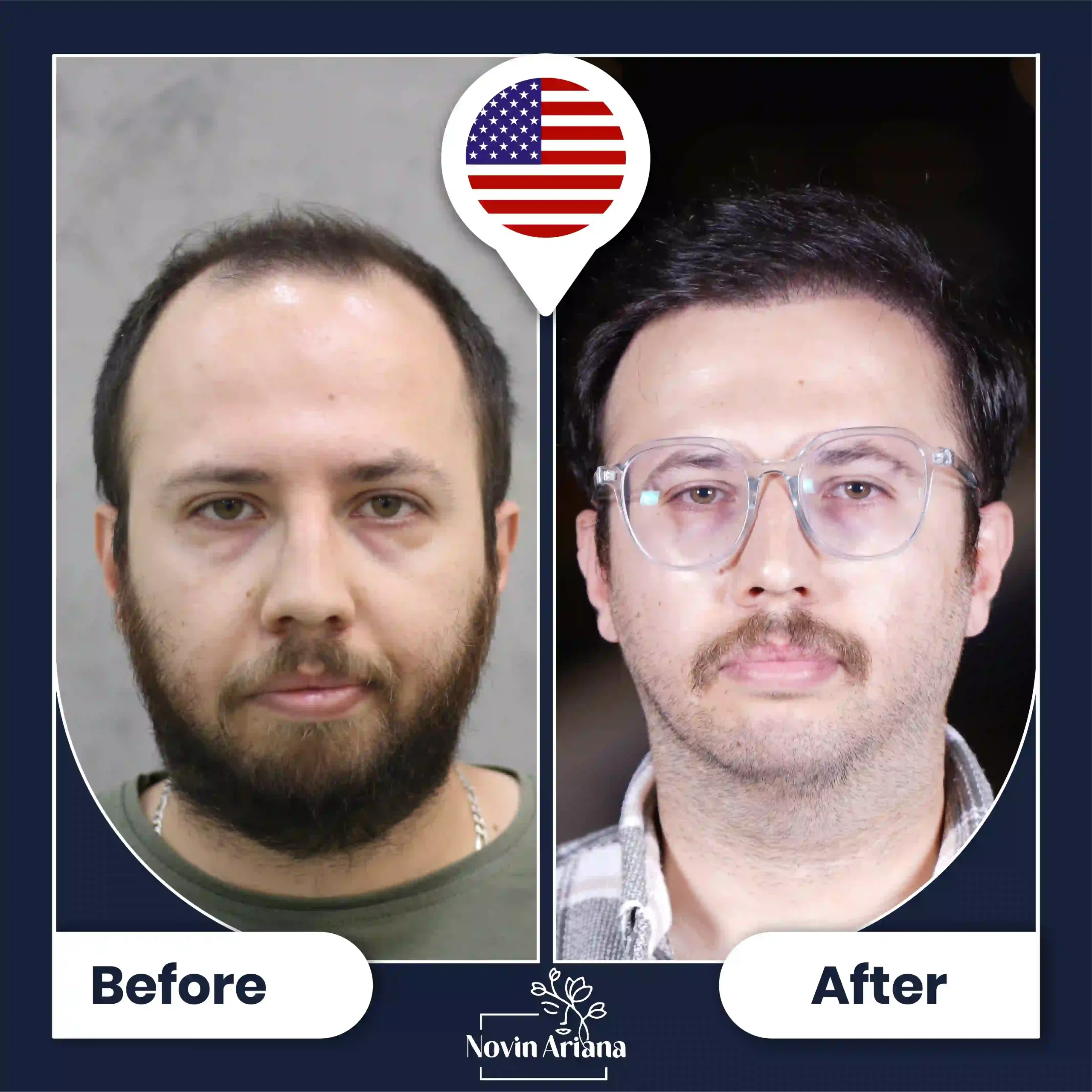
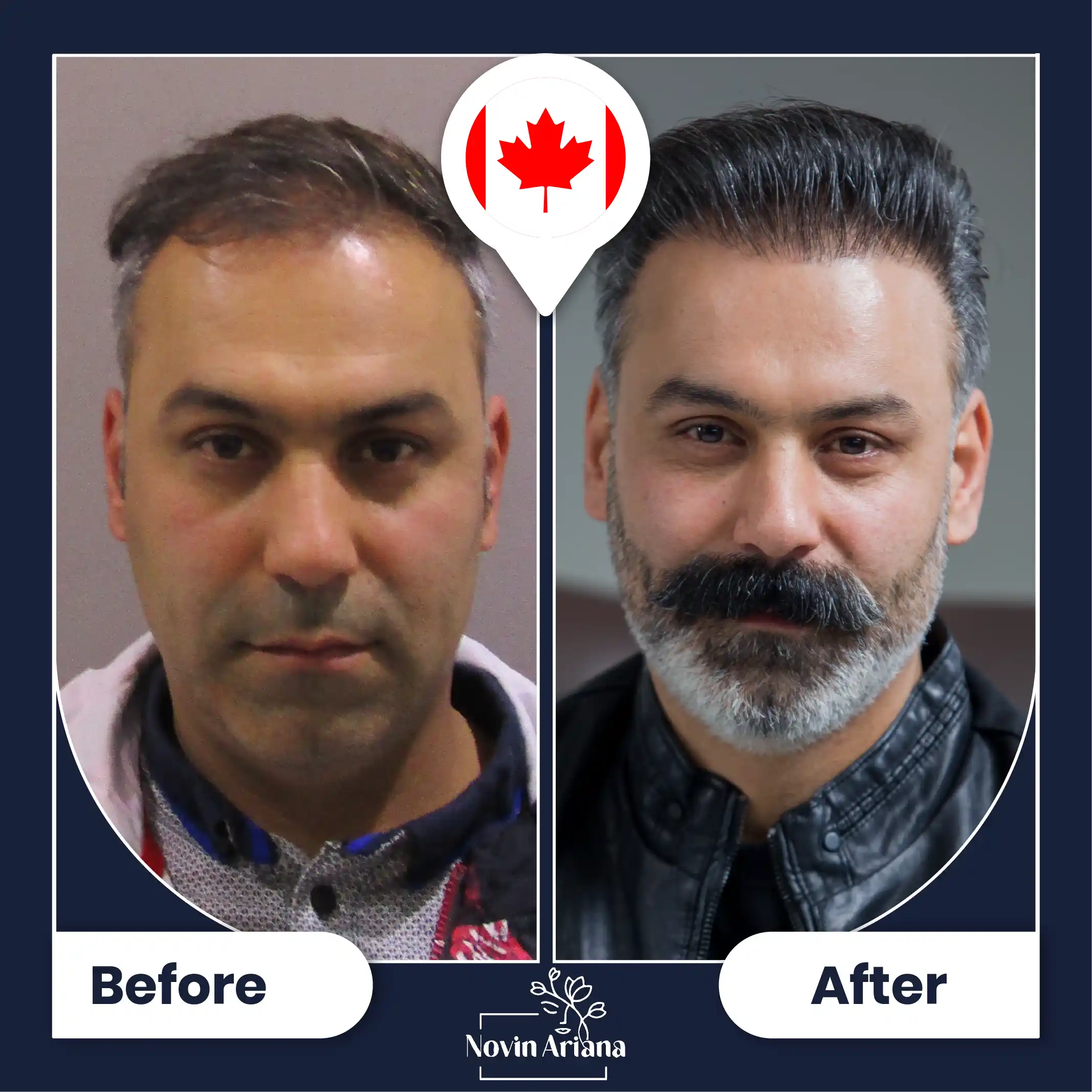
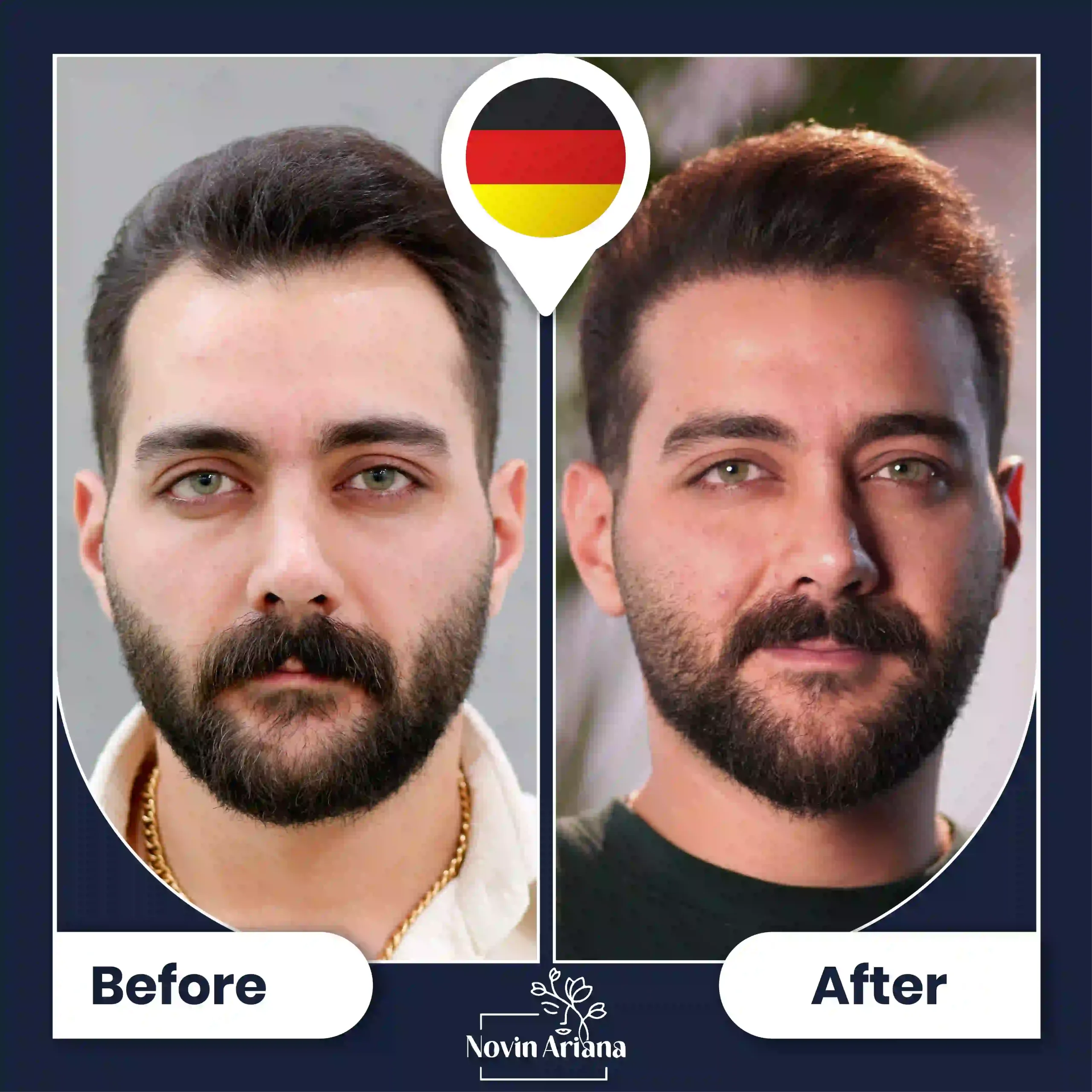
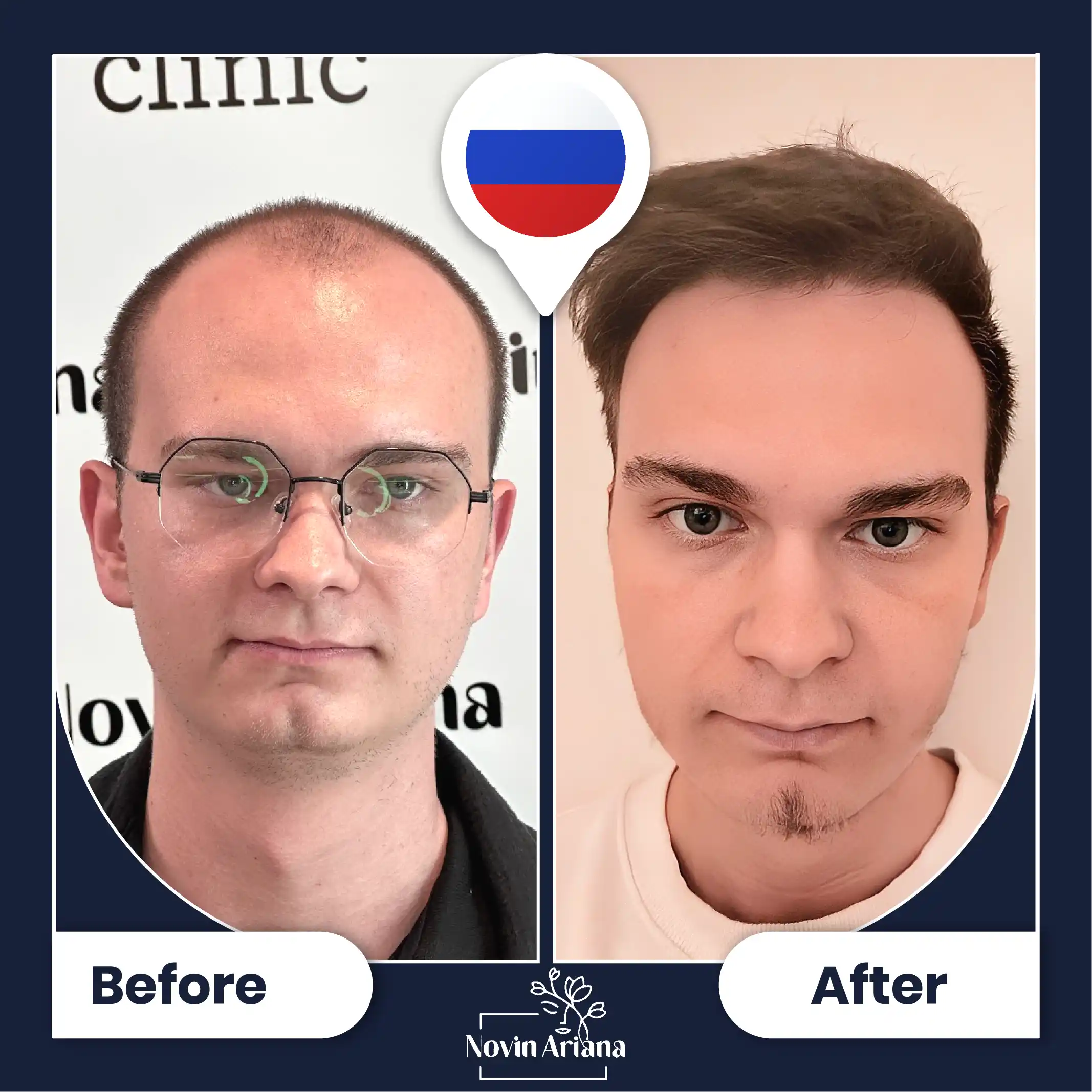
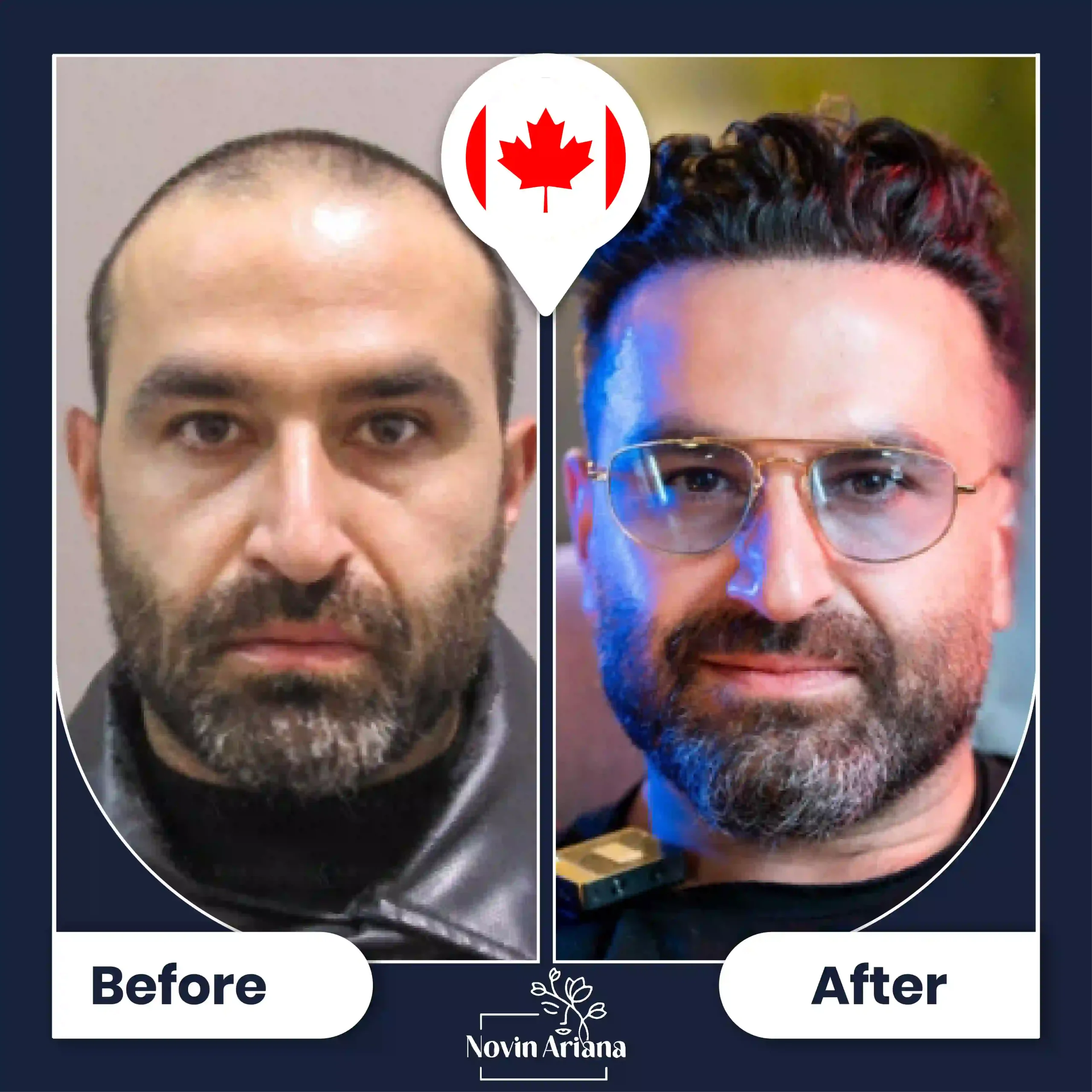
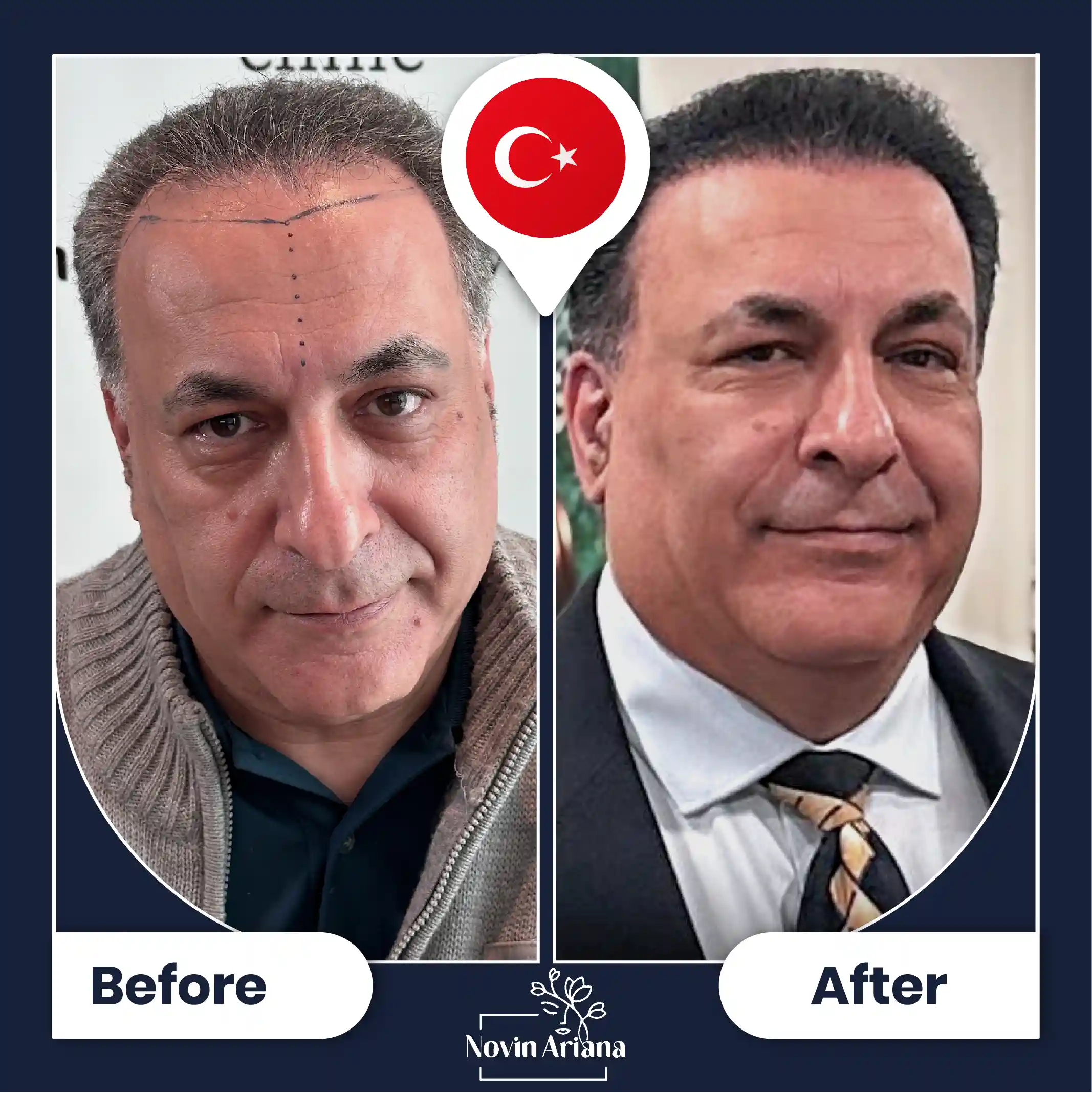
Still, the tool is not the whole story. A poorly planned Sapphire FUE case can underperform, while a well-executed standard FUE can look excellent. Patients should not choose based on the blade name alone. They should look at the clinic’s consistency, hairline design quality, before-and-after results, medical team experience, and aftercare system.
Who is a good candidate?
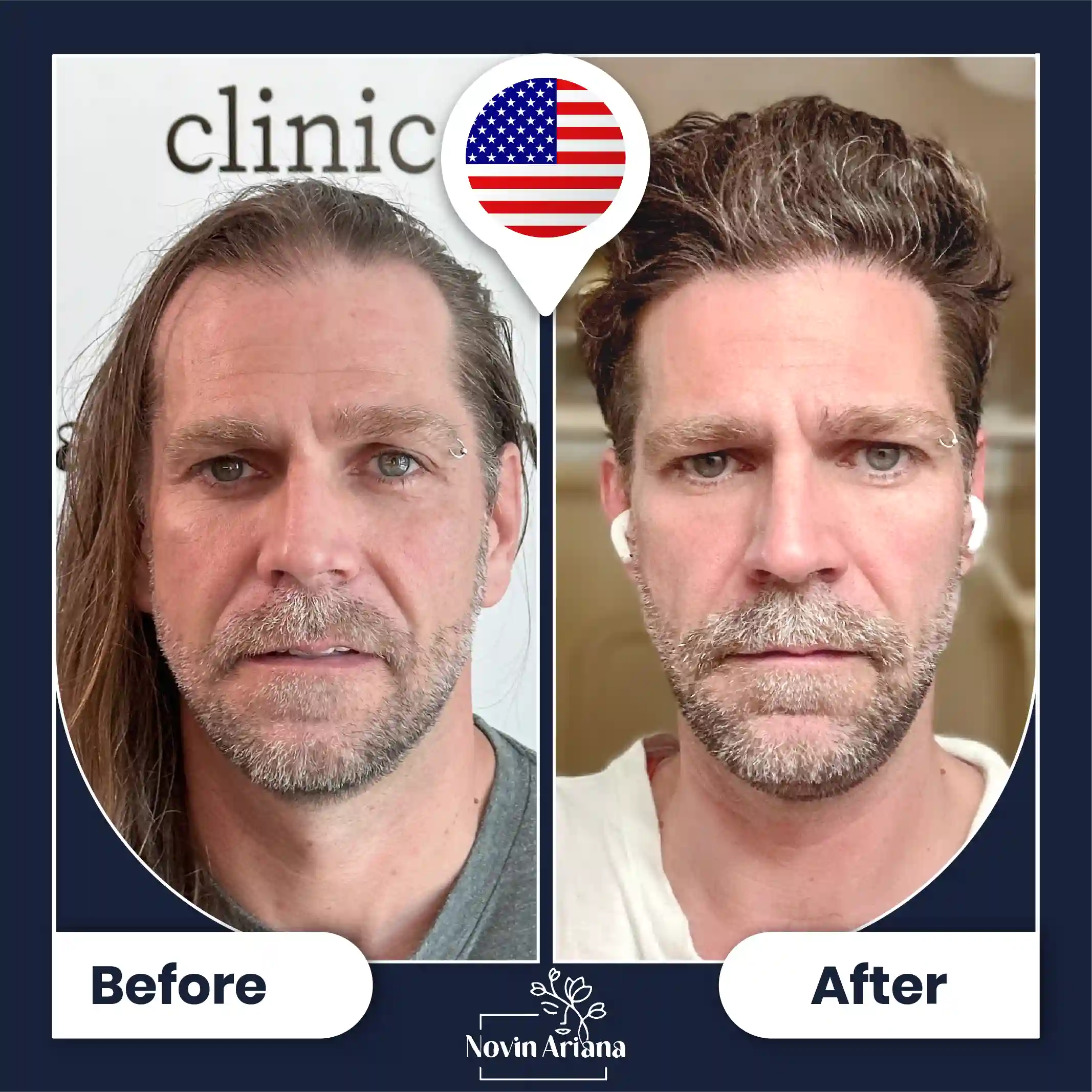
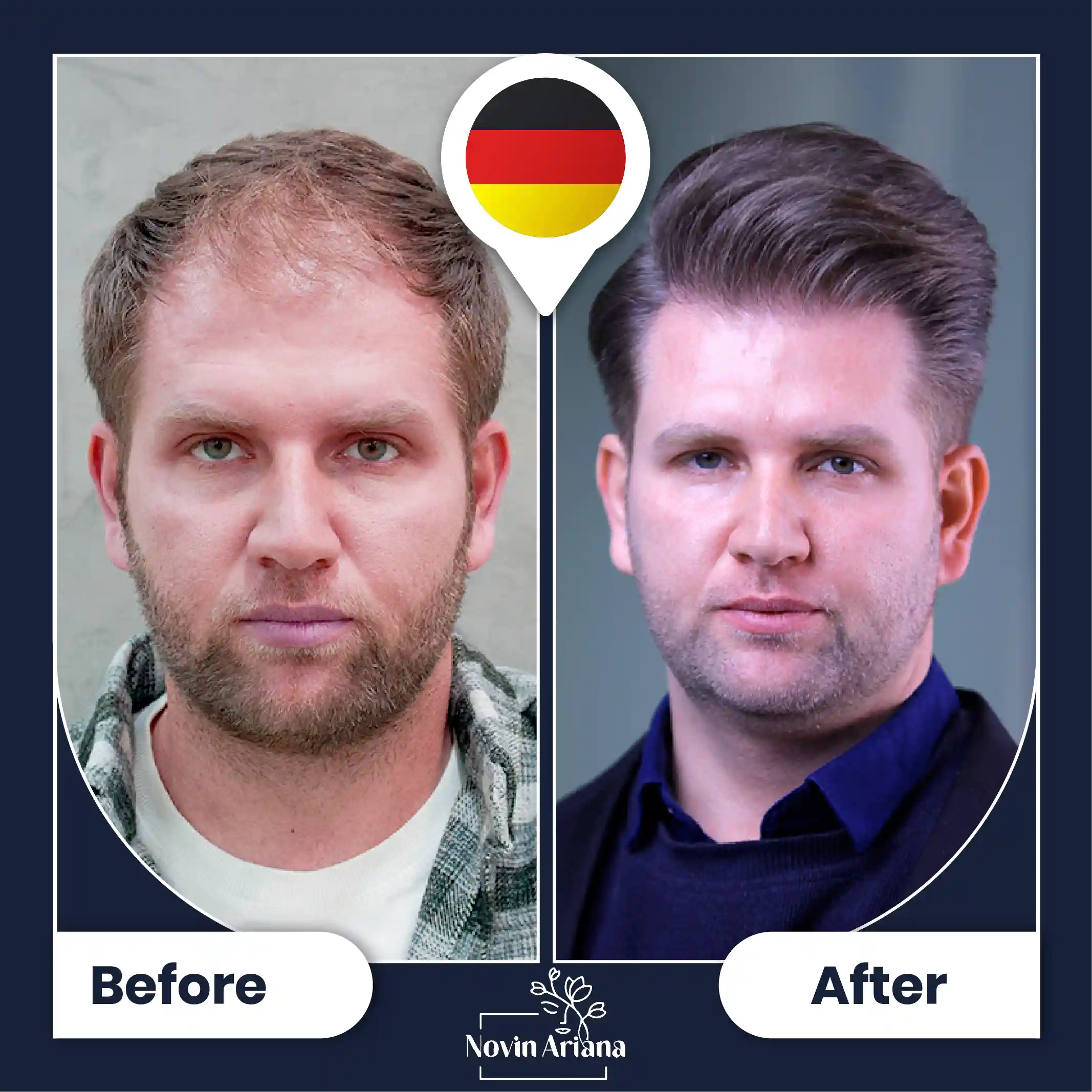
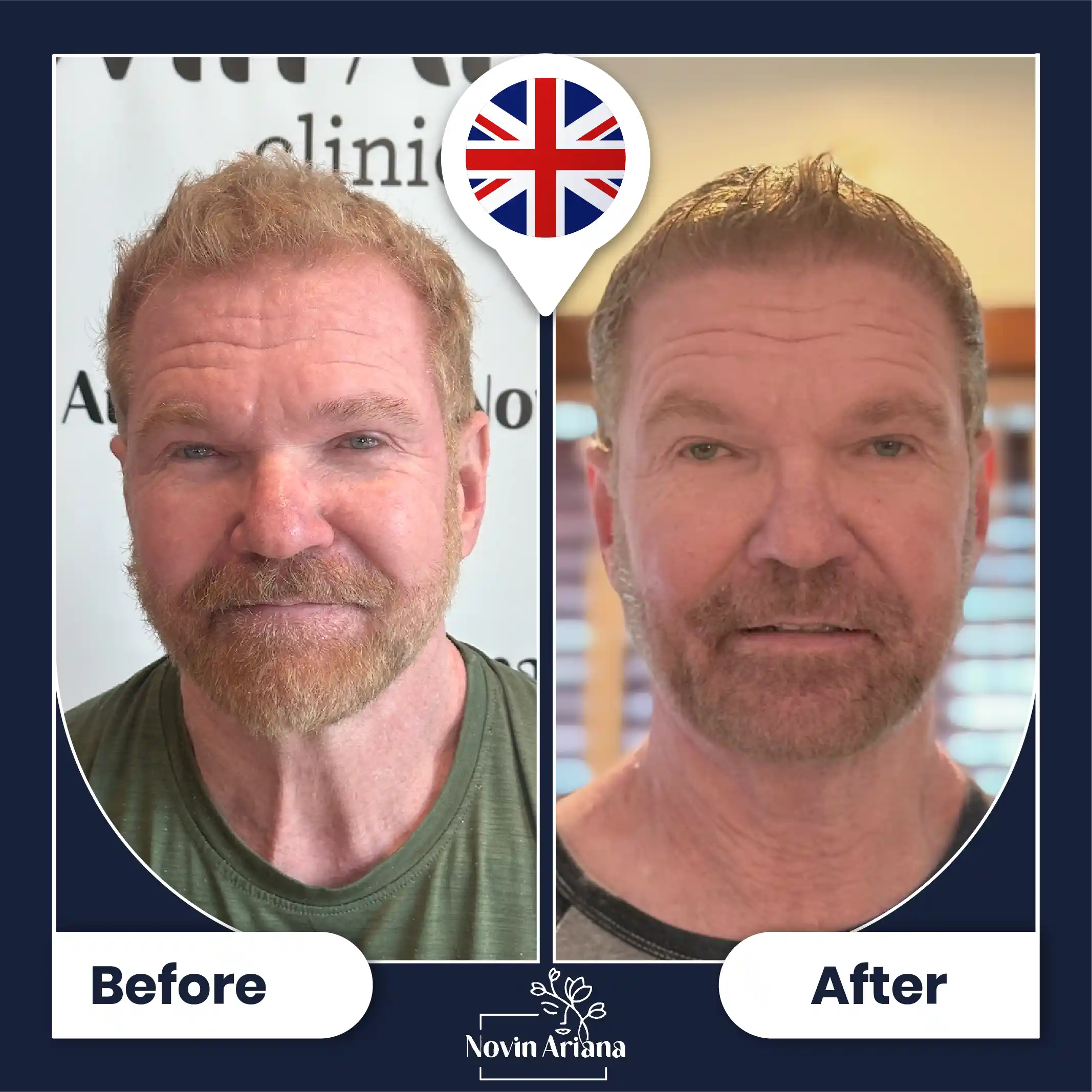
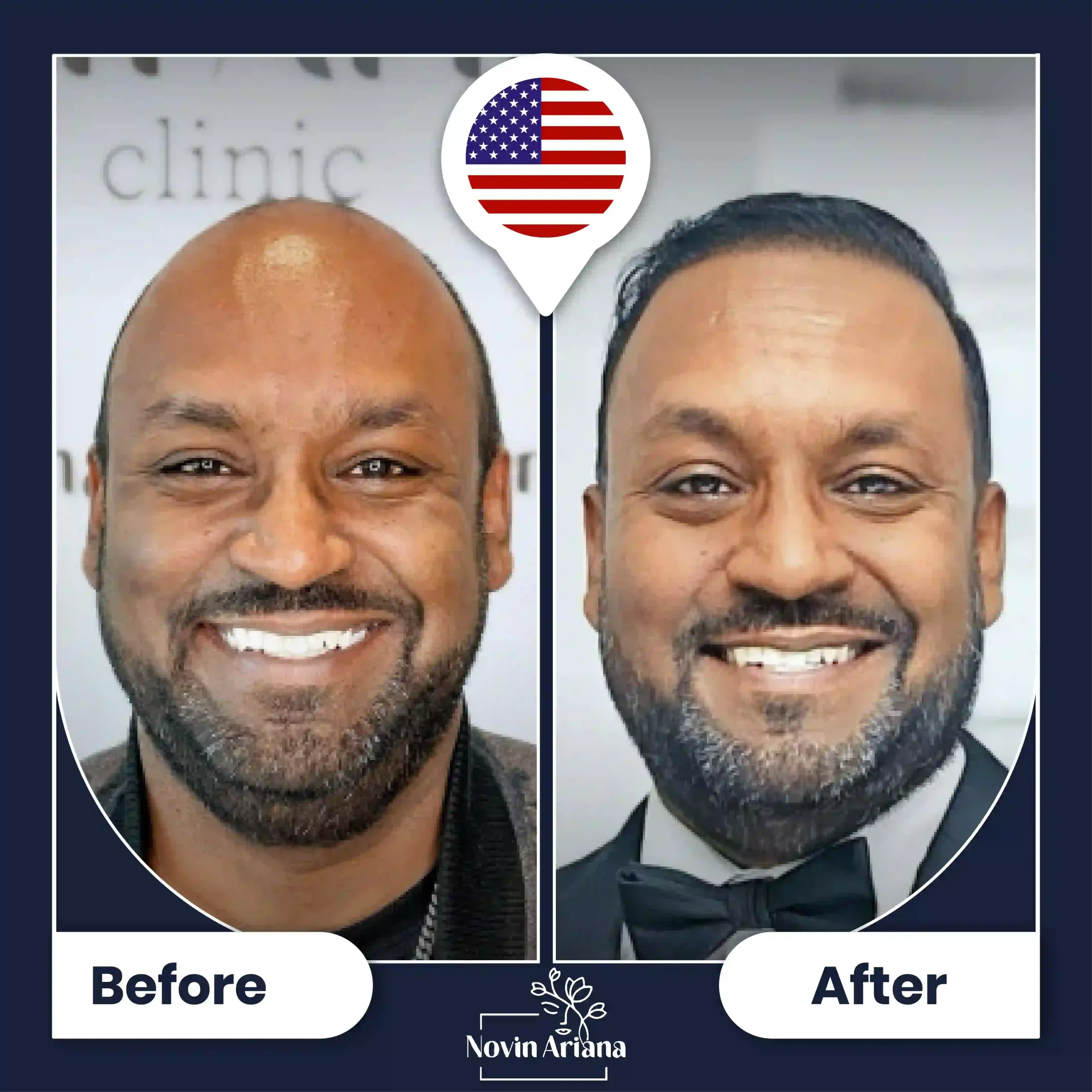
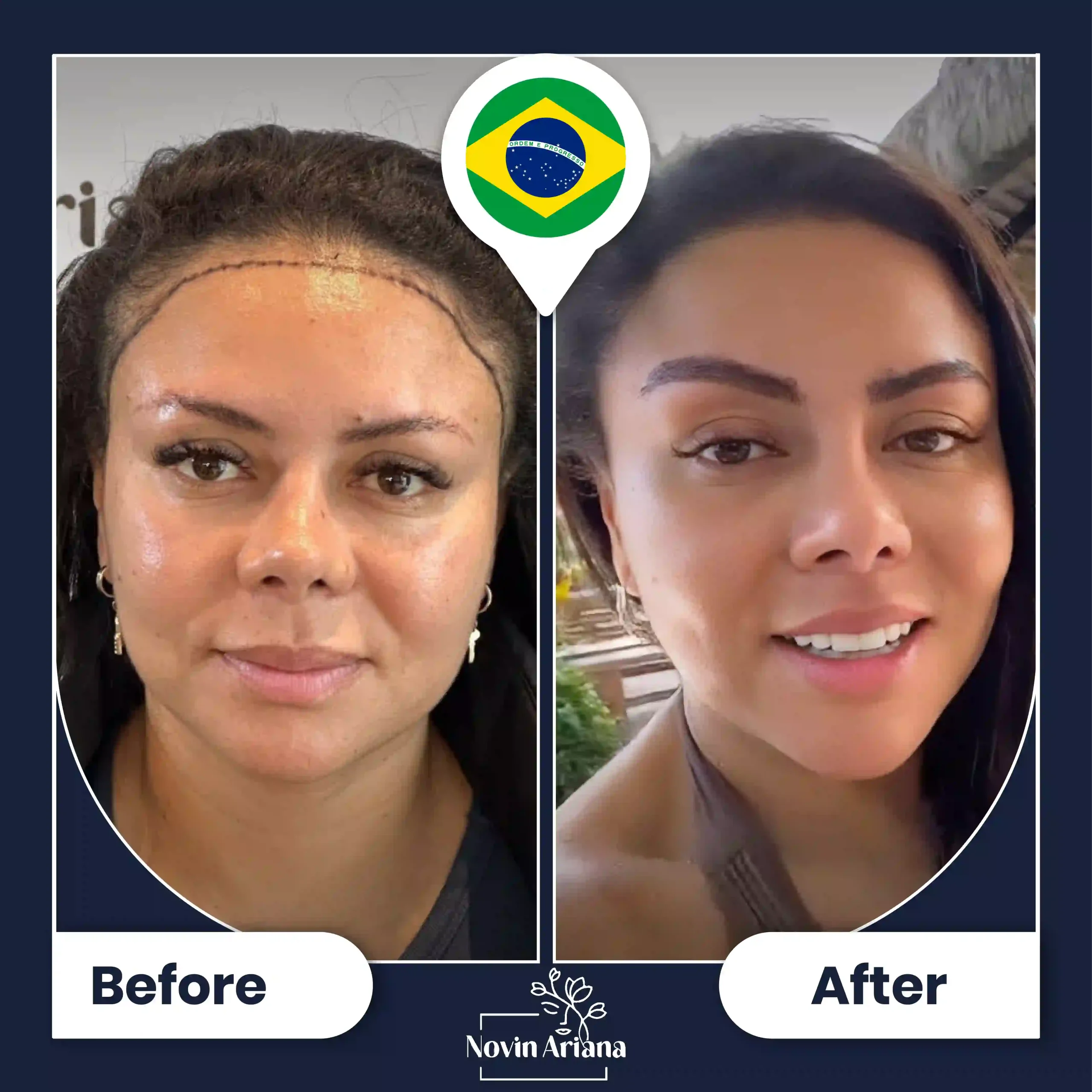
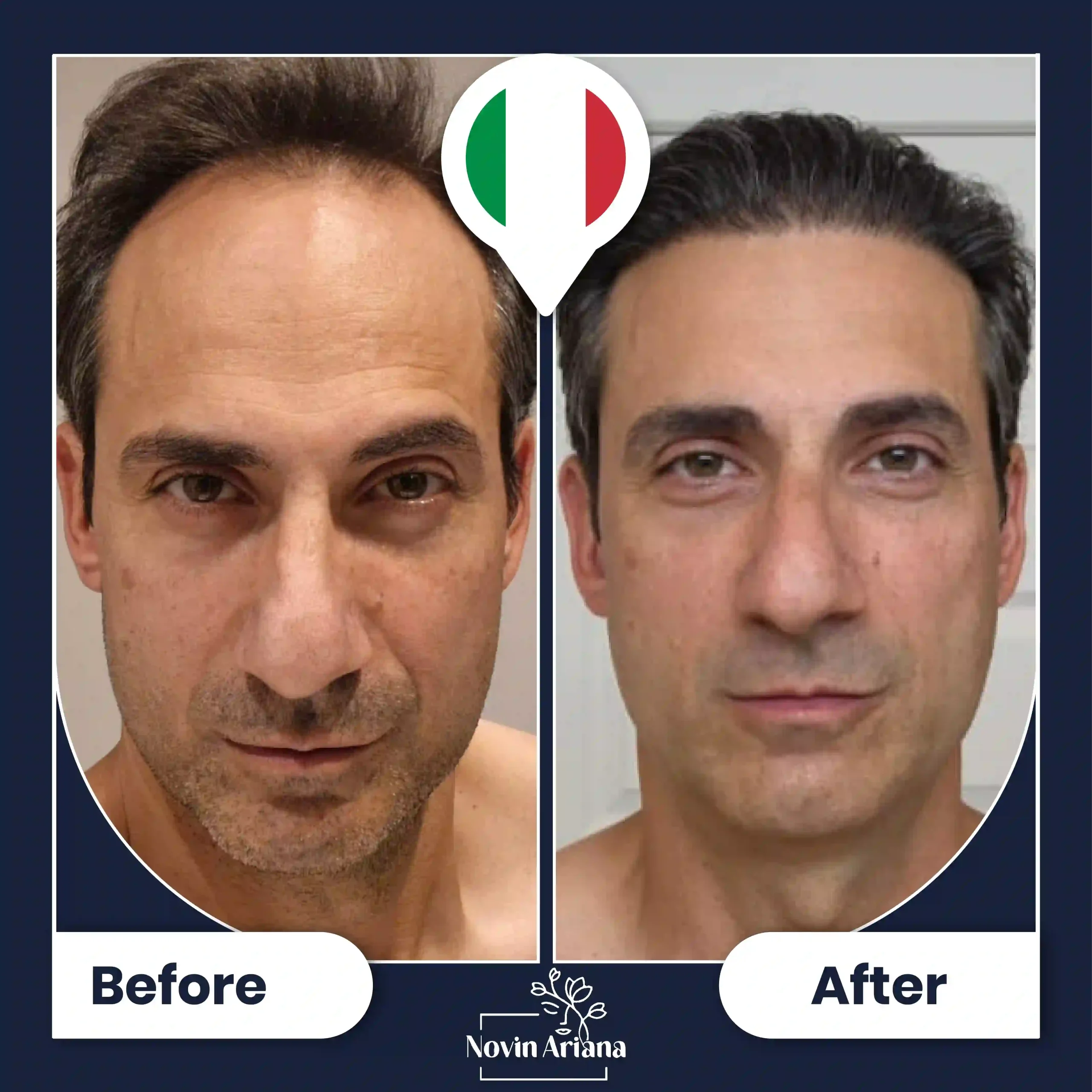
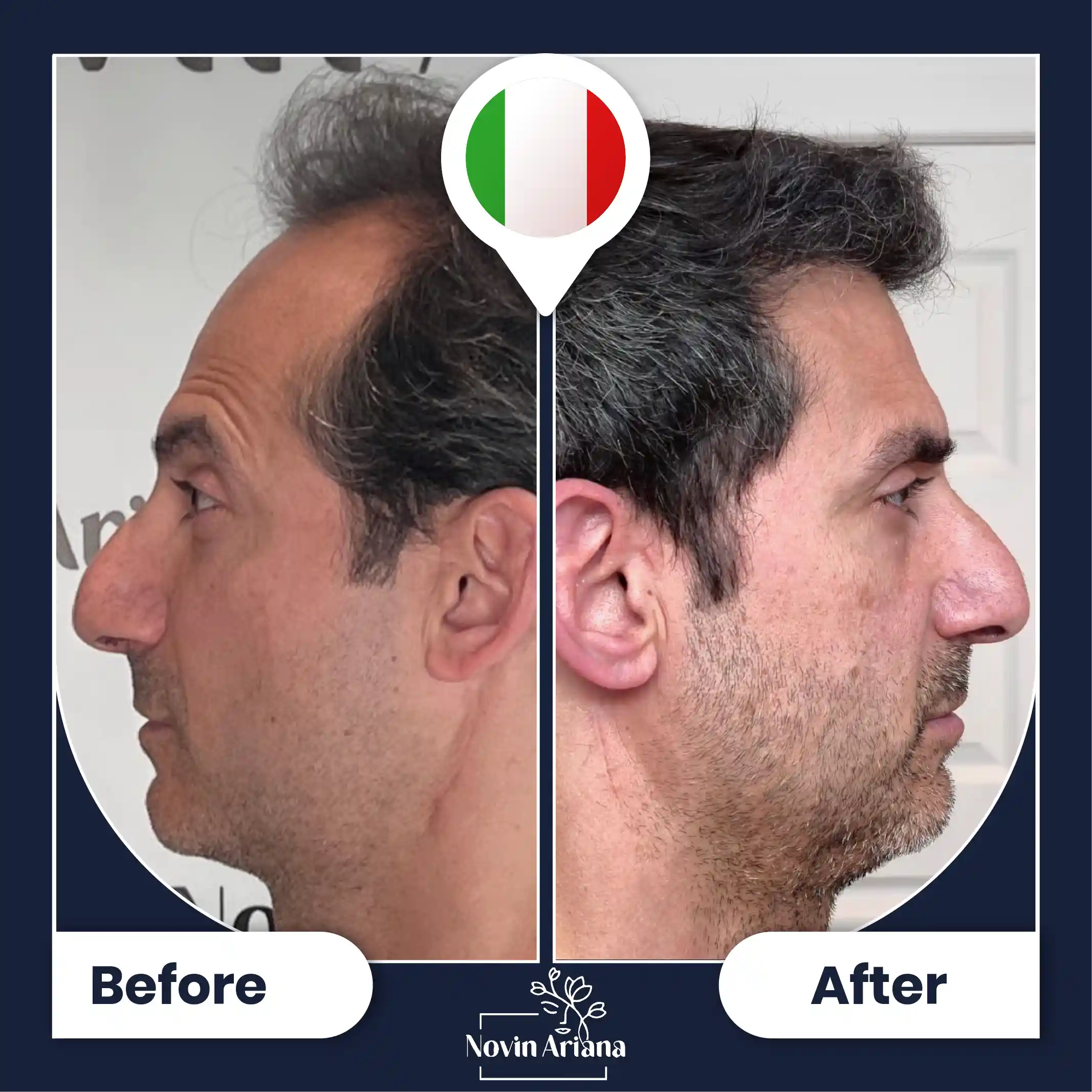
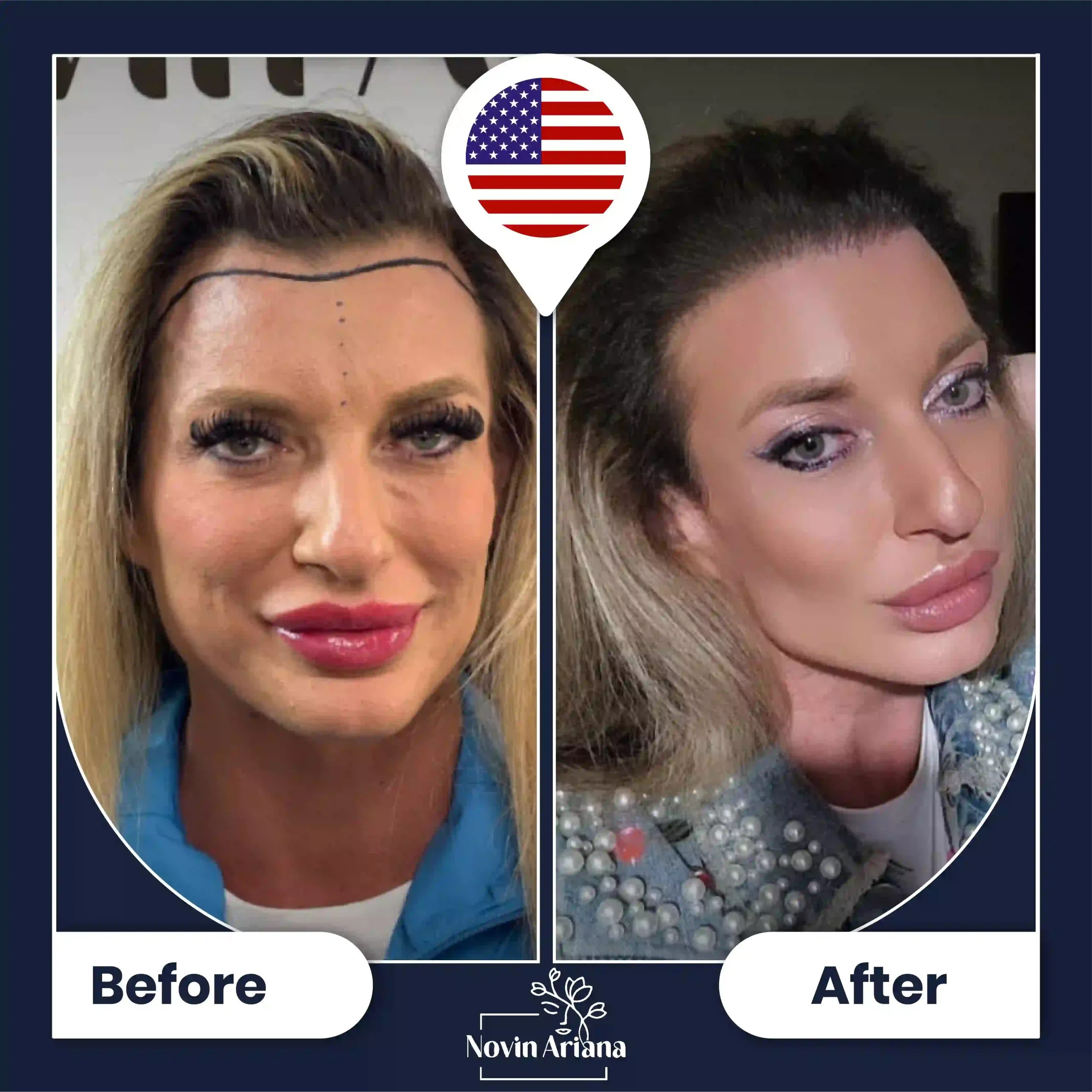
Sapphire FUE can work well for adults with stable donor hair and patterned hair loss who want a natural restoration rather than an artificial, overly dense front line. It is often used for receding temples, frontal hairline correction, mid-scalp thinning, and crown work, although crown cases sometimes need more than one session depending on size and donor reserves.
Good candidates usually have enough healthy donor follicles to meet their goals. They also understand that coverage and density are not the same thing. A large bald area can often be improved significantly, but not every patient can achieve the look of full teenage density.
Some patients need extra caution. Very advanced hair loss, weak donor zones, active scalp disease, unrealistic expectations, or untreated medical causes of shedding can affect whether the procedure is advisable. That is why proper assessment matters more than marketing language.
Recovery and timeline
Recovery after the sapphire fue hair transplant technique is usually straightforward, but it still requires discipline. In the first few days, mild redness, tenderness, and small scabs in the recipient area are normal. The donor area also needs careful washing and protection.
Most patients can return to light daily activity within a short period, but they need to follow washing instructions closely and avoid friction, intense exercise, and anything that could disturb the grafts early on. Short-term shedding of transplanted hairs is also expected. This can be unsettling if you are not prepared for it, but it is a normal part of the cycle.
Visible new growth often starts gradually after a few months. Noticeable improvement typically builds between the fourth and eighth month, with fuller maturation continuing up to 12 months and sometimes longer for crown areas. Patience is part of the treatment.
Why technique and travel support should be evaluated together
For international patients, a hair transplant is never just a procedure. It is a timeline, a trip, a financial decision, and a trust decision. That is why the best experience comes from evaluating both the surgical method and the patient journey.
A premium provider should help you understand how many grafts may be needed, what kind of density is realistic, how long you should stay in Turkey, what the recovery schedule looks like, and how follow-up will continue after you return home. This is where brands like Novin Ariana Health Clinic position their value clearly – not just around the procedure itself, but around the full package of consultation, travel coordination, accommodation, VIP transfers, treatment, and long-term follow-up.
That kind of structure can make a major difference, especially if this is your first elective procedure abroad. When the logistics are handled well, patients can focus on the result instead of managing every detail alone.
Ready to change how you look and feel?
Get your consultation now — your new self is waiting.
Is Sapphire FUE the best choice?
Sometimes yes, sometimes no. If your main concern is precise channel creation, natural angle control, and a modern FUE-based approach, Sapphire FUE can be an excellent option. If your case calls for direct implantation in a specific pattern, DHI may also deserve consideration. The right choice depends on your scalp, hair type, area of loss, and restoration goals.
The best question is not which method sounds most advanced. It is which method is most appropriate for your case in the hands of a team that can show consistent, natural results.
A good hair transplant should still look like your hair – just restored with planning, restraint, and enough expertise to make the change feel natural every time you see yourself in the mirror.
So Which Technique Should You Choose?
If your priority is natural placement, careful hairline artistry, and a premium treatment experience, DHI can absolutely be worth considering. If your primary concern is maximizing graft numbers over a very large area, another technique may be more suitable. The best answer depends on your pattern of hair loss and the quality of your donor area, not marketing language.
The most successful patients are usually the ones who ask better questions. Not just what is DHI hair transplant, but who will design my hairline, how is graft survival protected, what result is realistic for my donor supply, and what support will I have after I go home.
A great hair transplant should restore more than hair. It should restore certainty when you look in the mirror, and confidence when you walk into the room.