

 Summarize this article with:





Do hair transplants in Turkey work?
Written by Novin Ariana
If you are asking do hair transplants in Turkey work, you are probably not looking for hype. You want to know whether the results are real, whether the savings come with risk, and whether traveling abroad for treatment is actually worth it. The short answer is yes, hair transplants in Turkey can work very well. The better answer is that success depends far less on the country itself and far more on the clinic, the surgeon, the technique, and the quality of aftercare.
Turkey has become one of the most recognized destinations for hair restoration because it combines high procedure volume, experienced medical teams, and pricing that is often far more accessible than in the US or UK. That said, not every clinic delivers the same standard. Excellent outcomes and disappointing ones can both be found in the same city. That is why smart patients look beyond price alone.
What You Read
Why do hair transplants in Turkey work for so many patients?
The main reason is specialization. In Turkey, hair transplantation is not an occasional side service in many clinics. It is a core treatment, performed daily, often by teams with extensive experience in FUE, Sapphire FUE, and DHI techniques. Repetition matters in aesthetic medicine. Clinics that treat international patients at scale often refine every part of the process, from graft extraction and hairline design to recovery support and follow-up.
There is also a practical advantage. Because Turkey has built a strong medical tourism infrastructure, many providers offer complete packages that remove the stress of planning treatment abroad. For patients flying in from the US, Europe, Canada, or the Gulf, that convenience is not a small detail. Airport transfers, hotel stays, interpreter support, consultation, procedure day, and aftercare planning all shape the overall experience.
Cost is another reason people look seriously at Turkey. Lower operating costs and high treatment volume allow clinics to offer procedures at rates that are often far below what patients would pay domestically. Lower cost alone does not create good results, but it does make advanced treatment more attainable.
Why do people go to turkey for hair transplants?
Losing your hair is deeply personal. For millions of people, it quietly erodes confidence in a way that’s hard to articulate to anyone who hasn’t experienced it. So when a solution exists — an effective, permanent one — people will travel to find it. Increasingly, that journey leads to Turkey.
The most obvious reason is cost. A hair transplant in Turkey can run a fraction of what the same procedure costs in the UK, the US, or Western Europe. We’re talking thousands saved, not hundreds. For many people, that difference isn’t trivial — it’s the difference between affording the procedure at all or not.
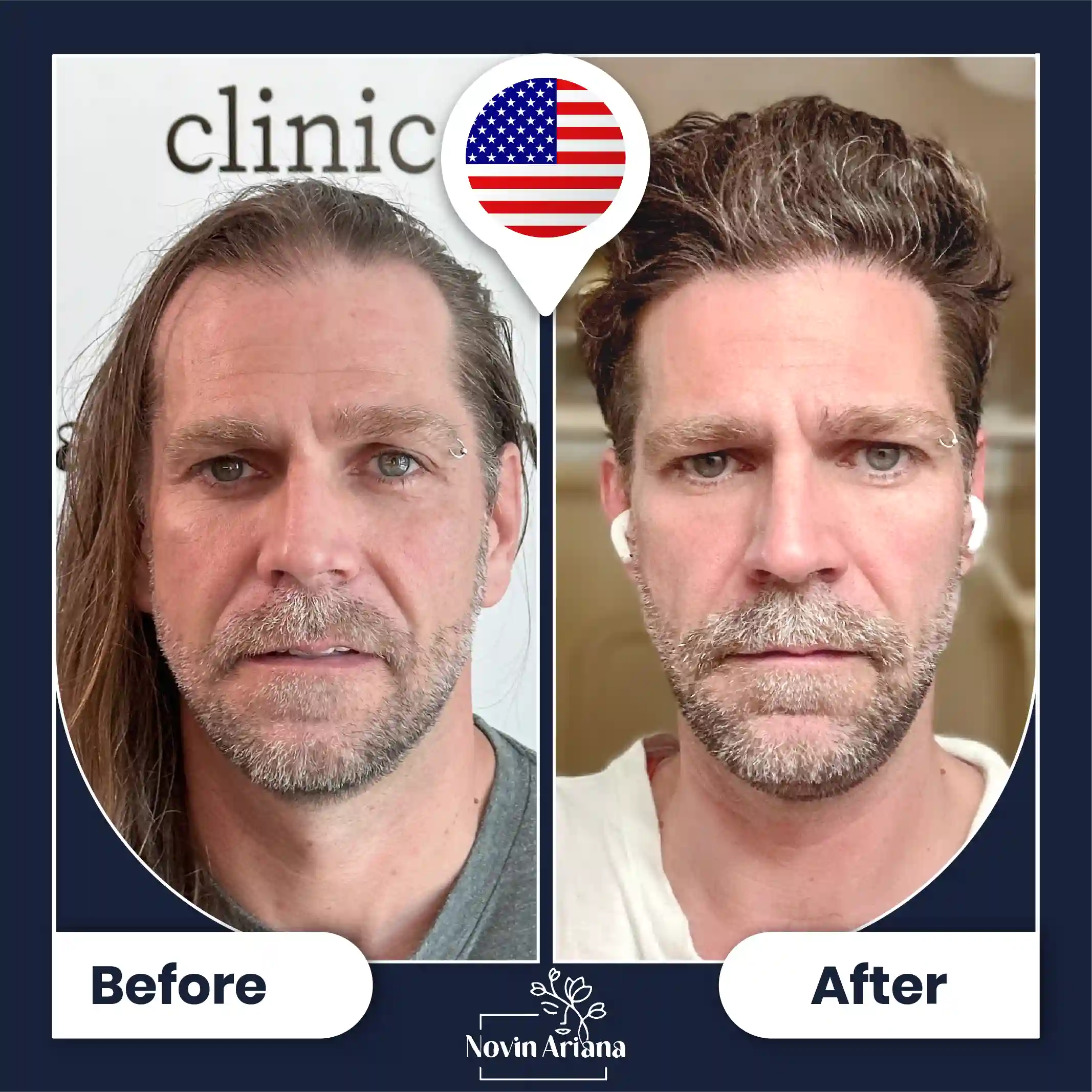
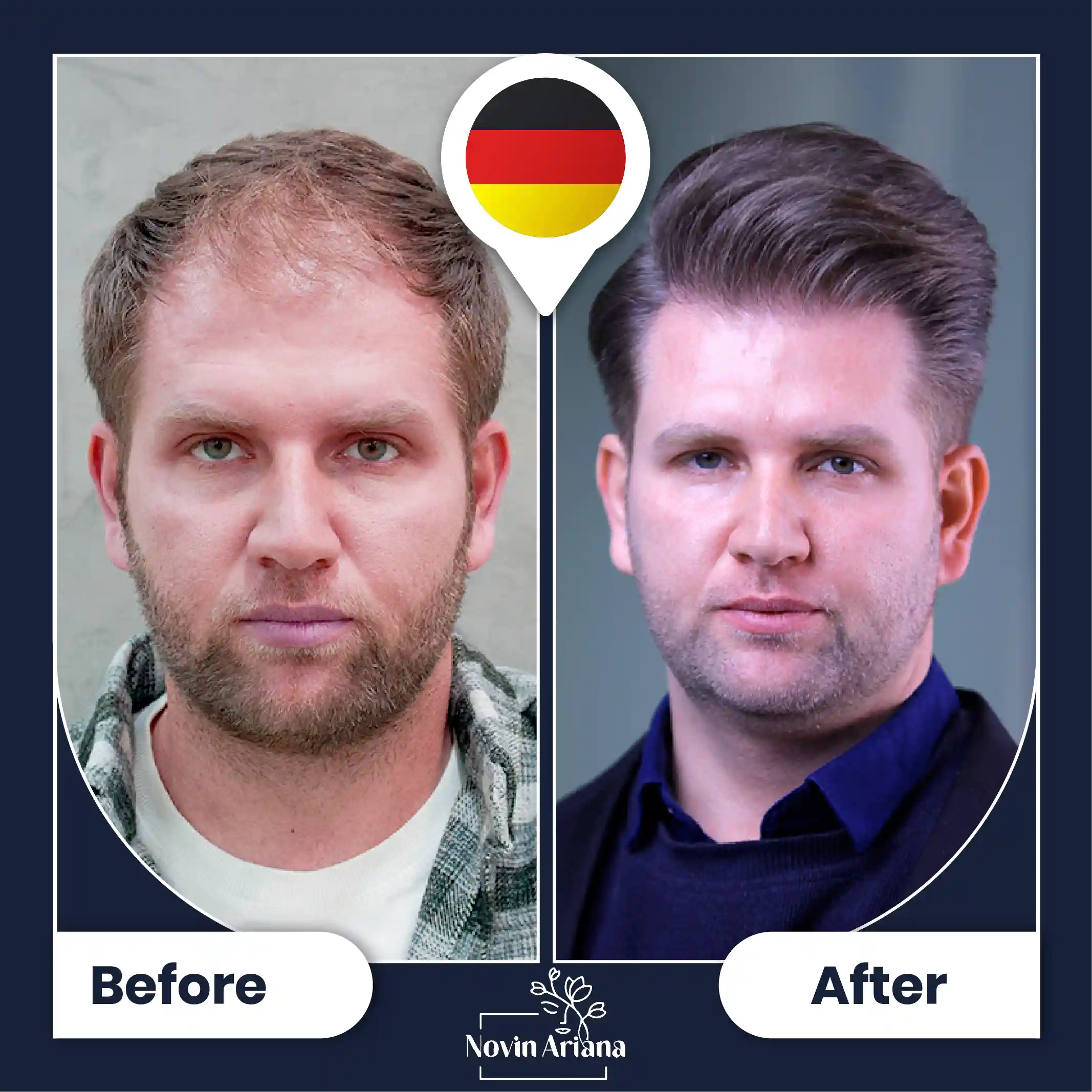
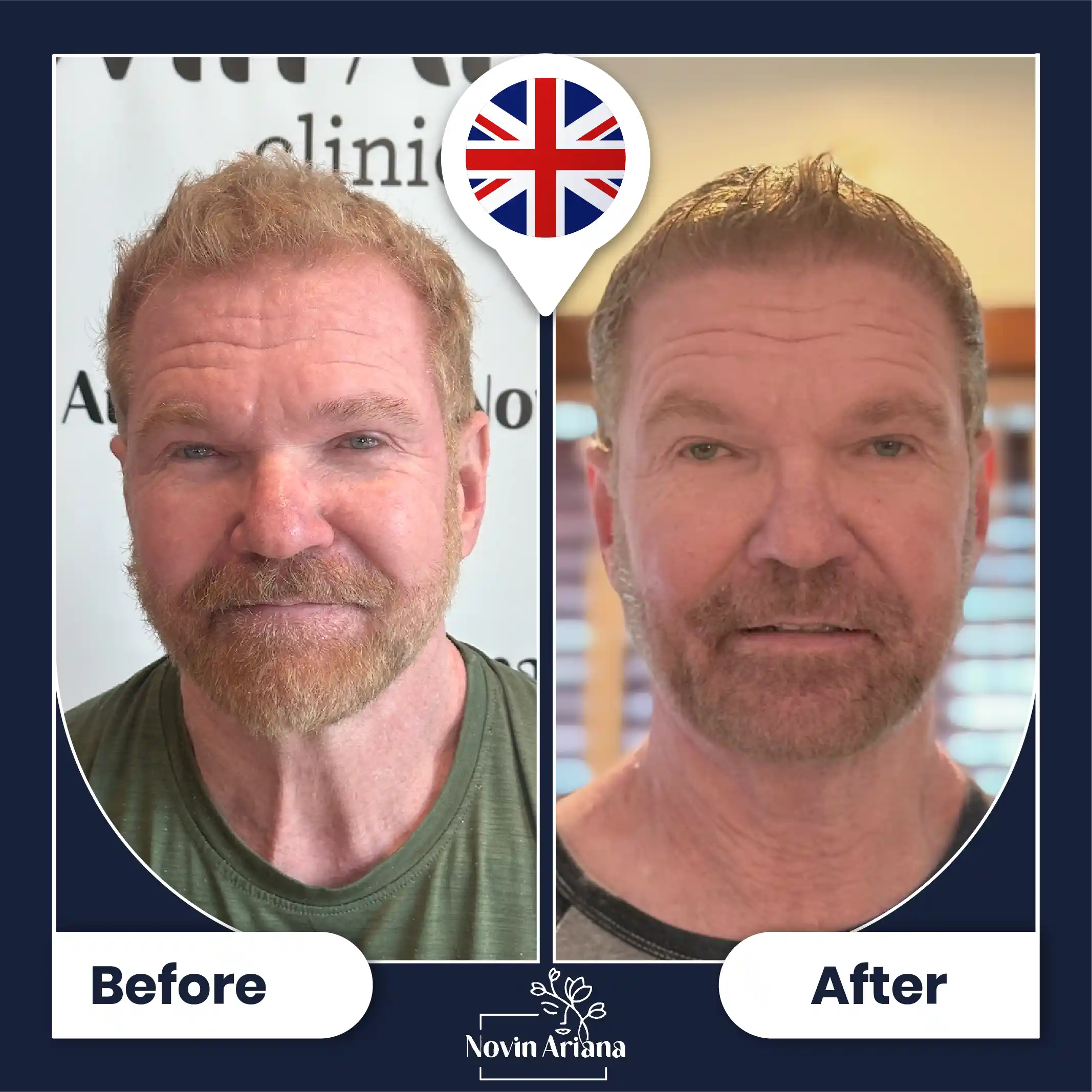
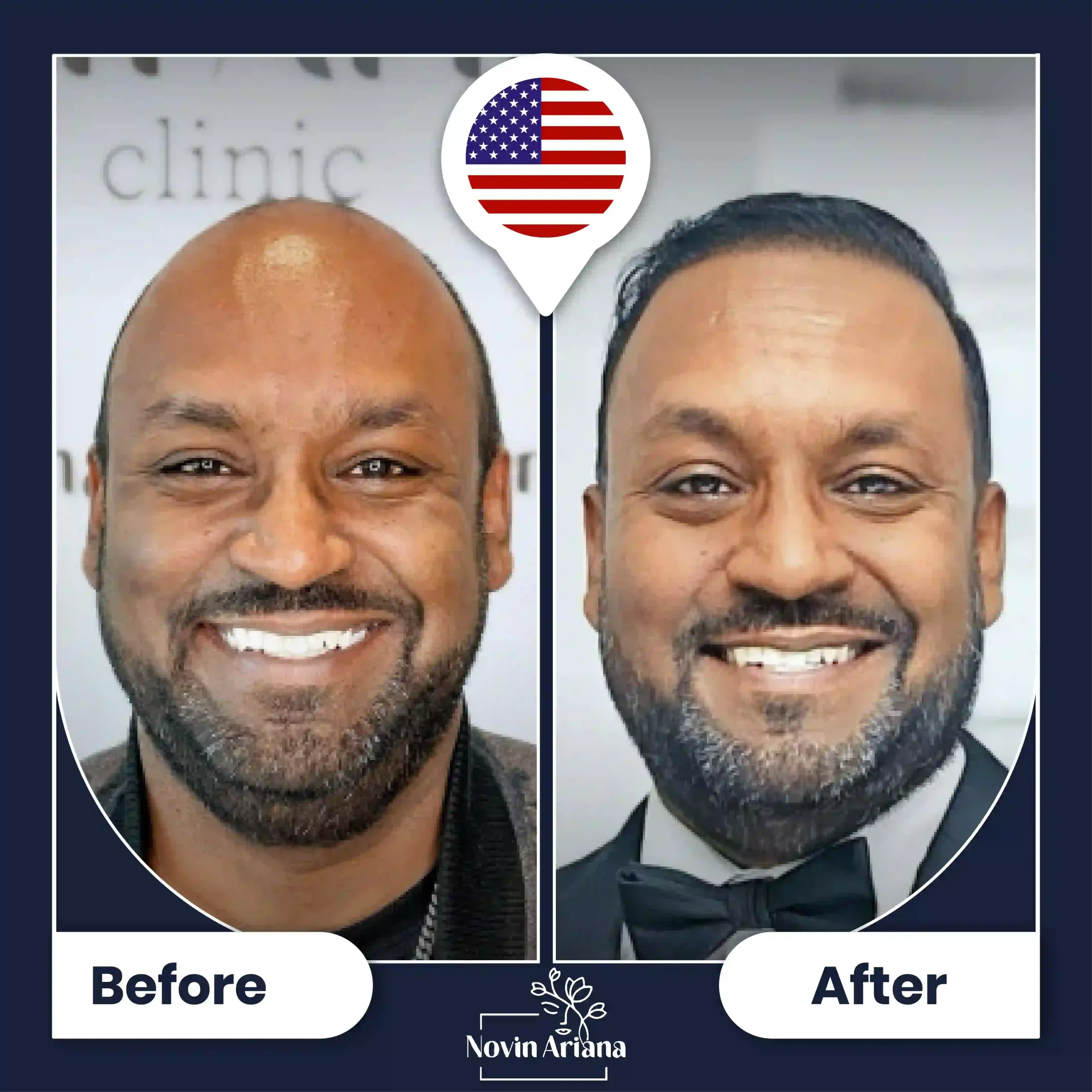
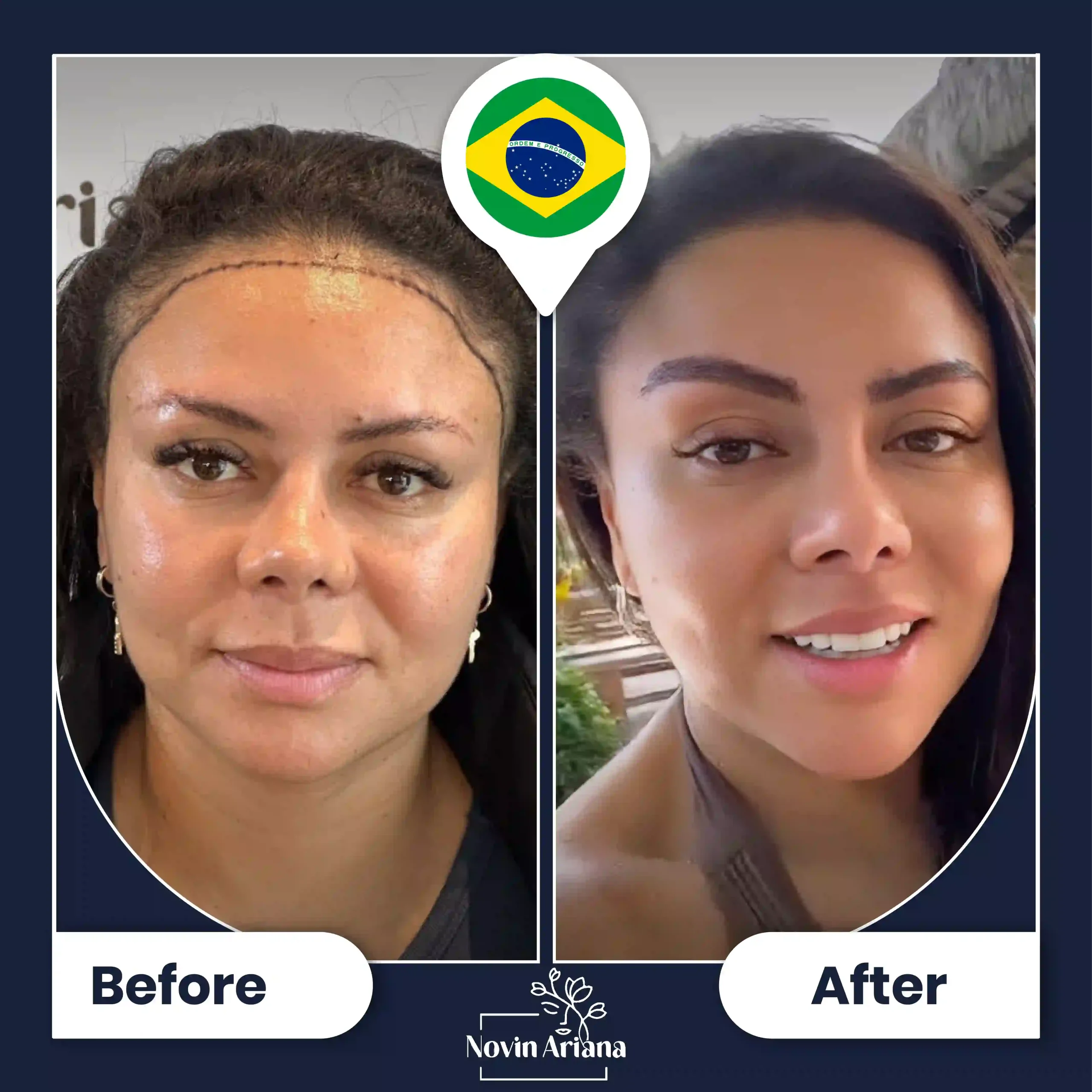
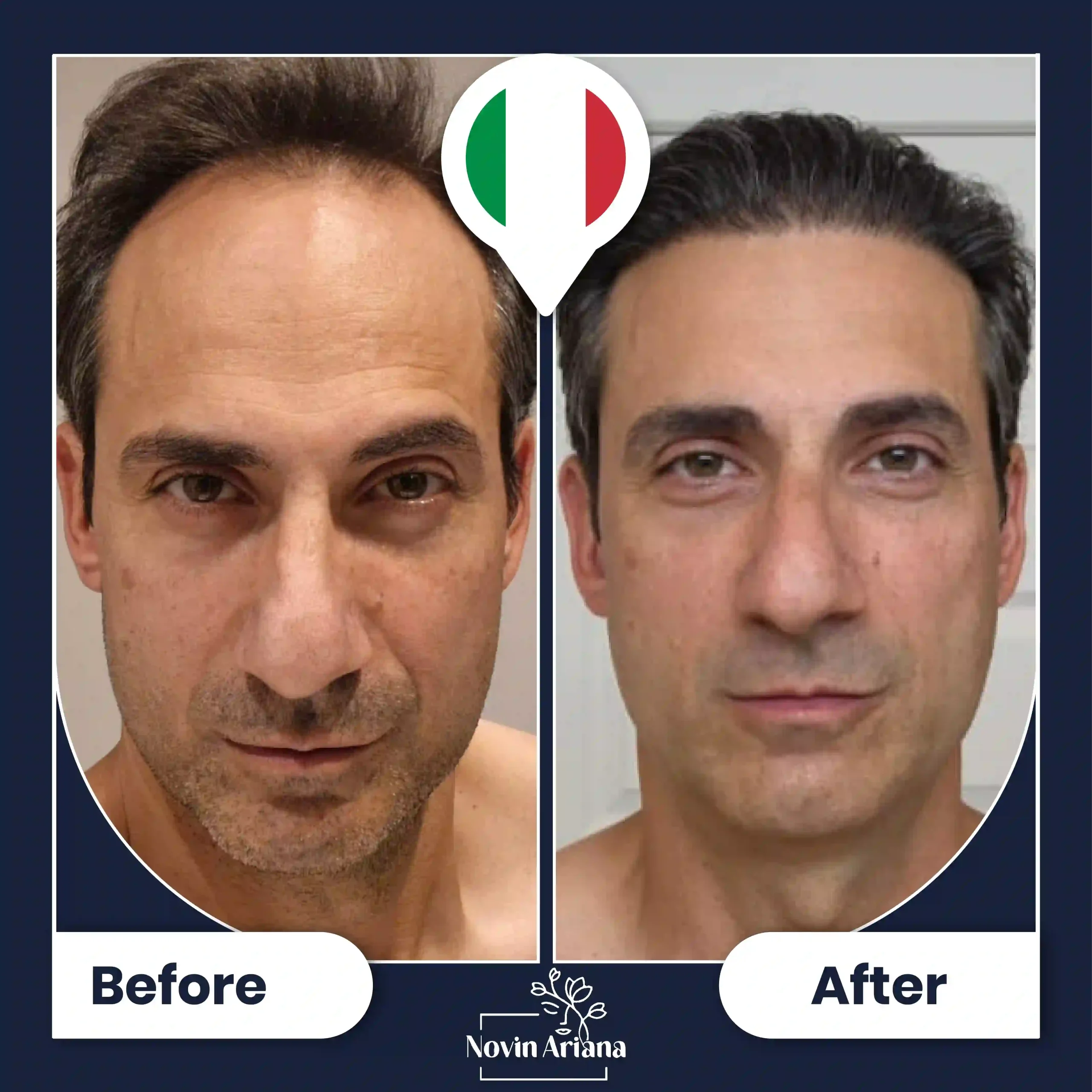
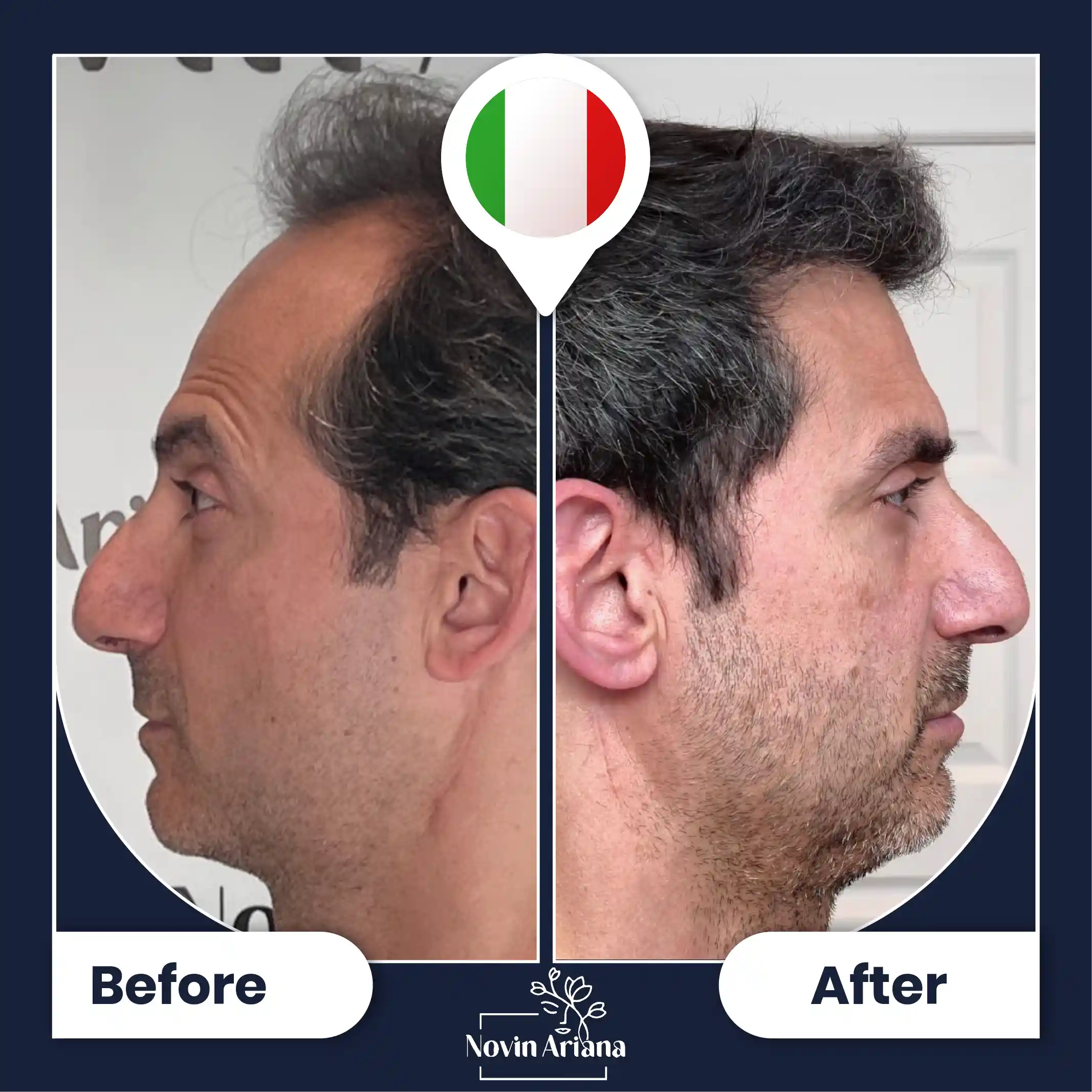
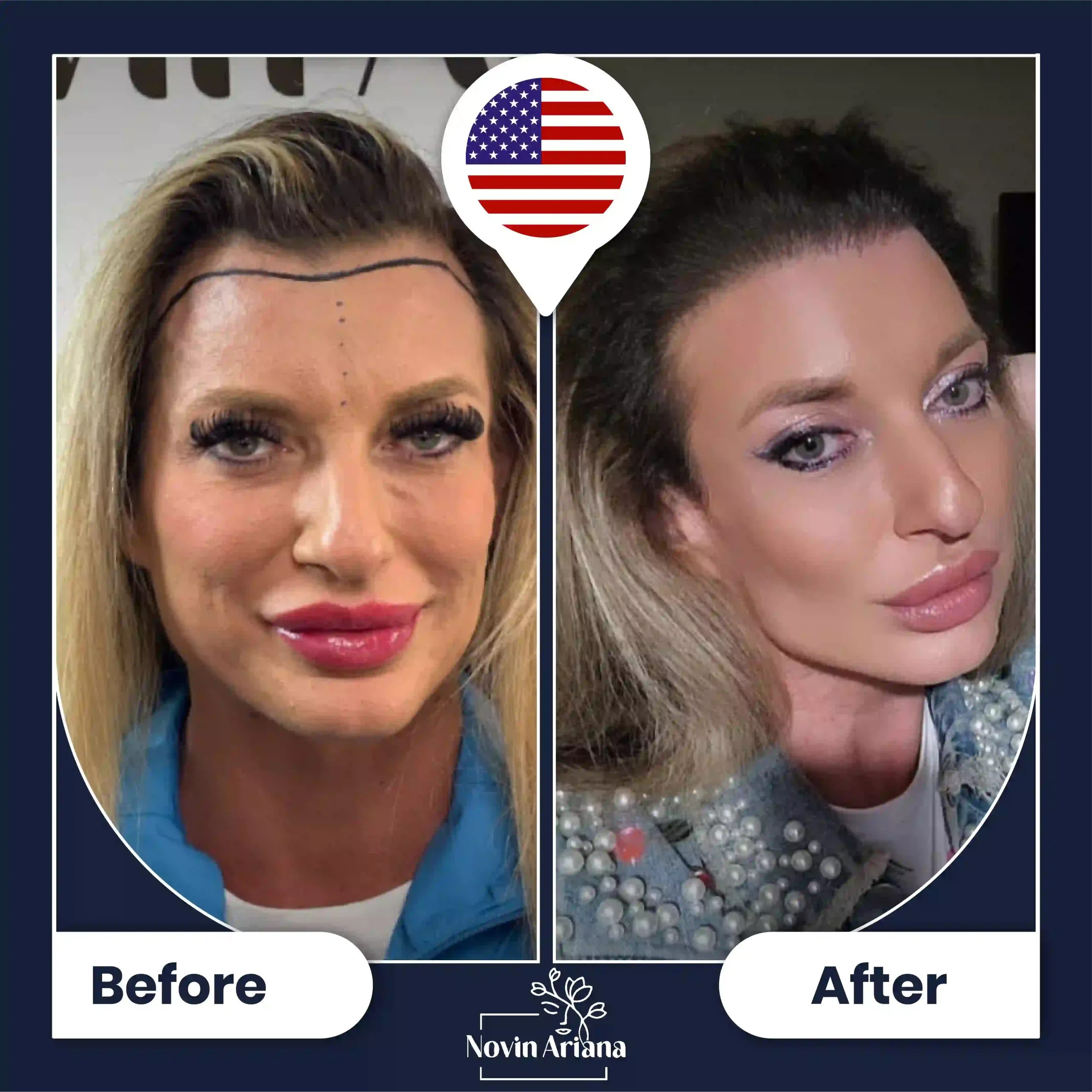
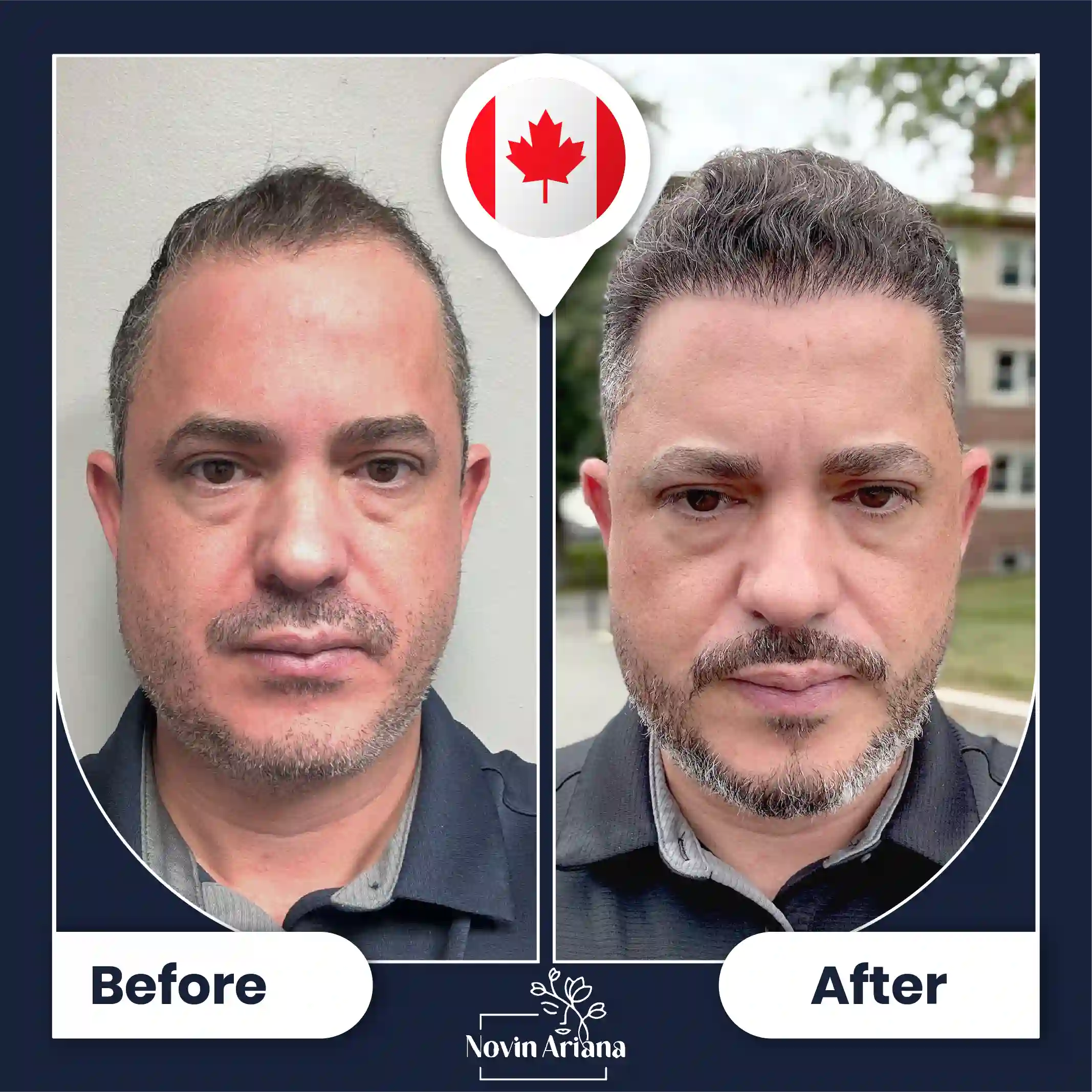
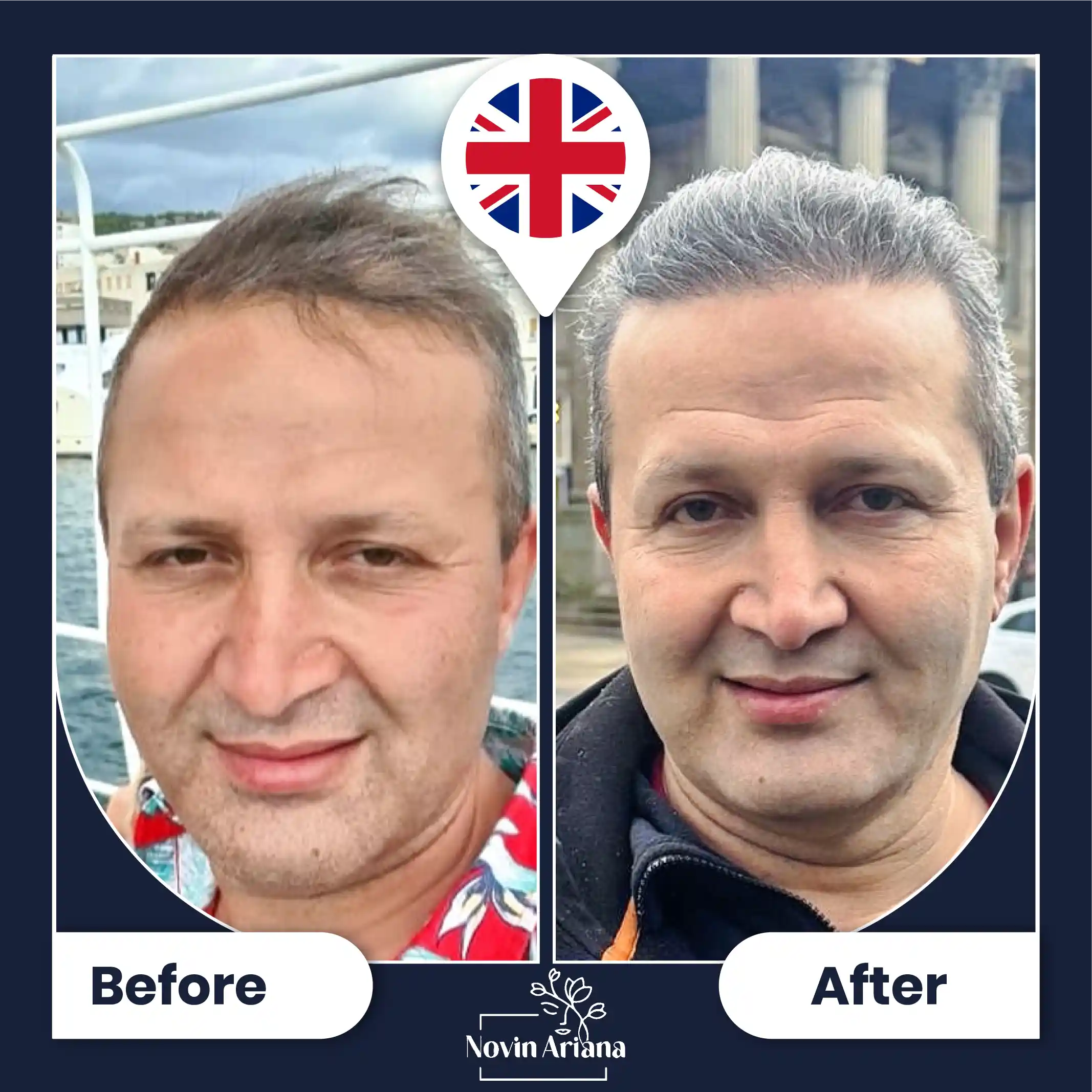
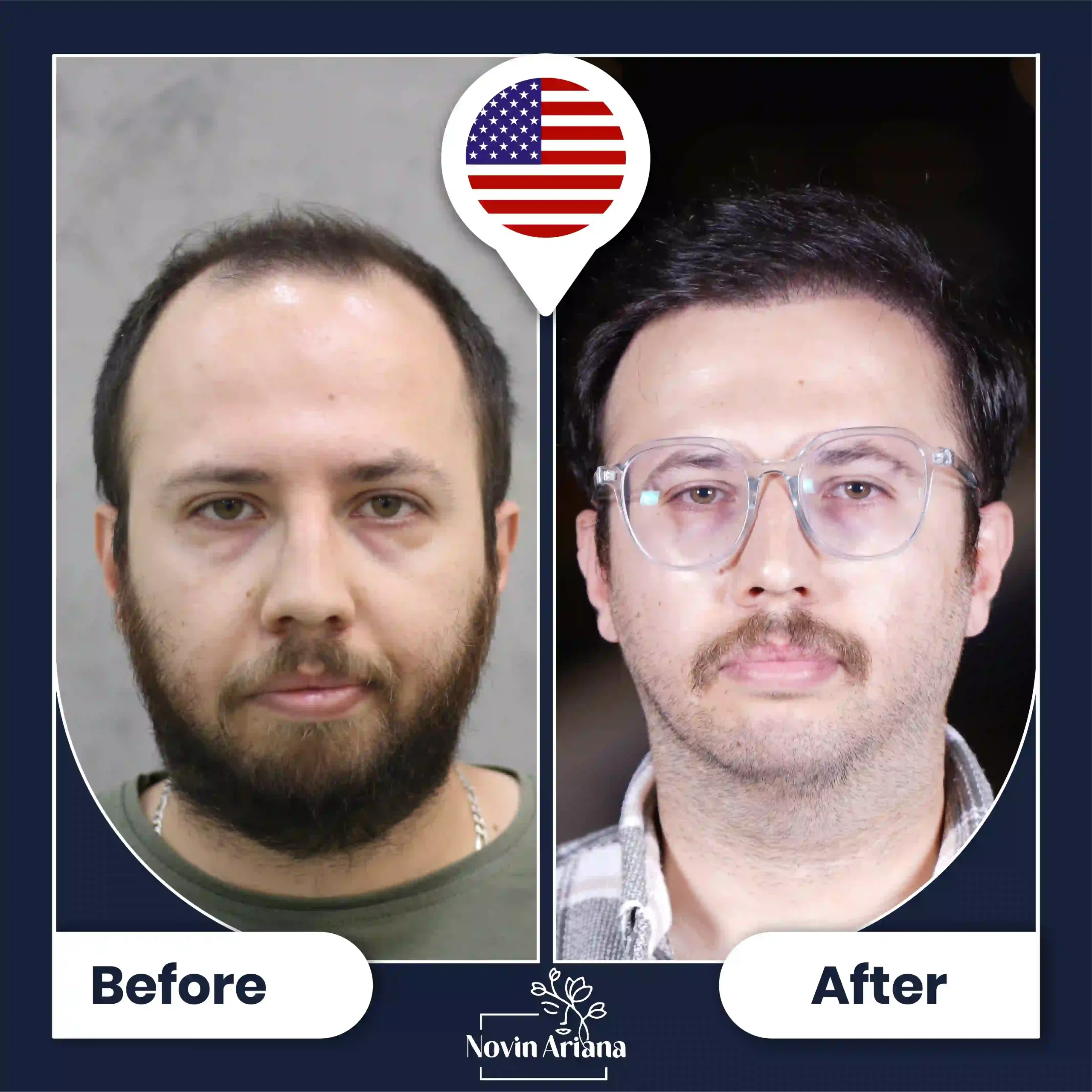
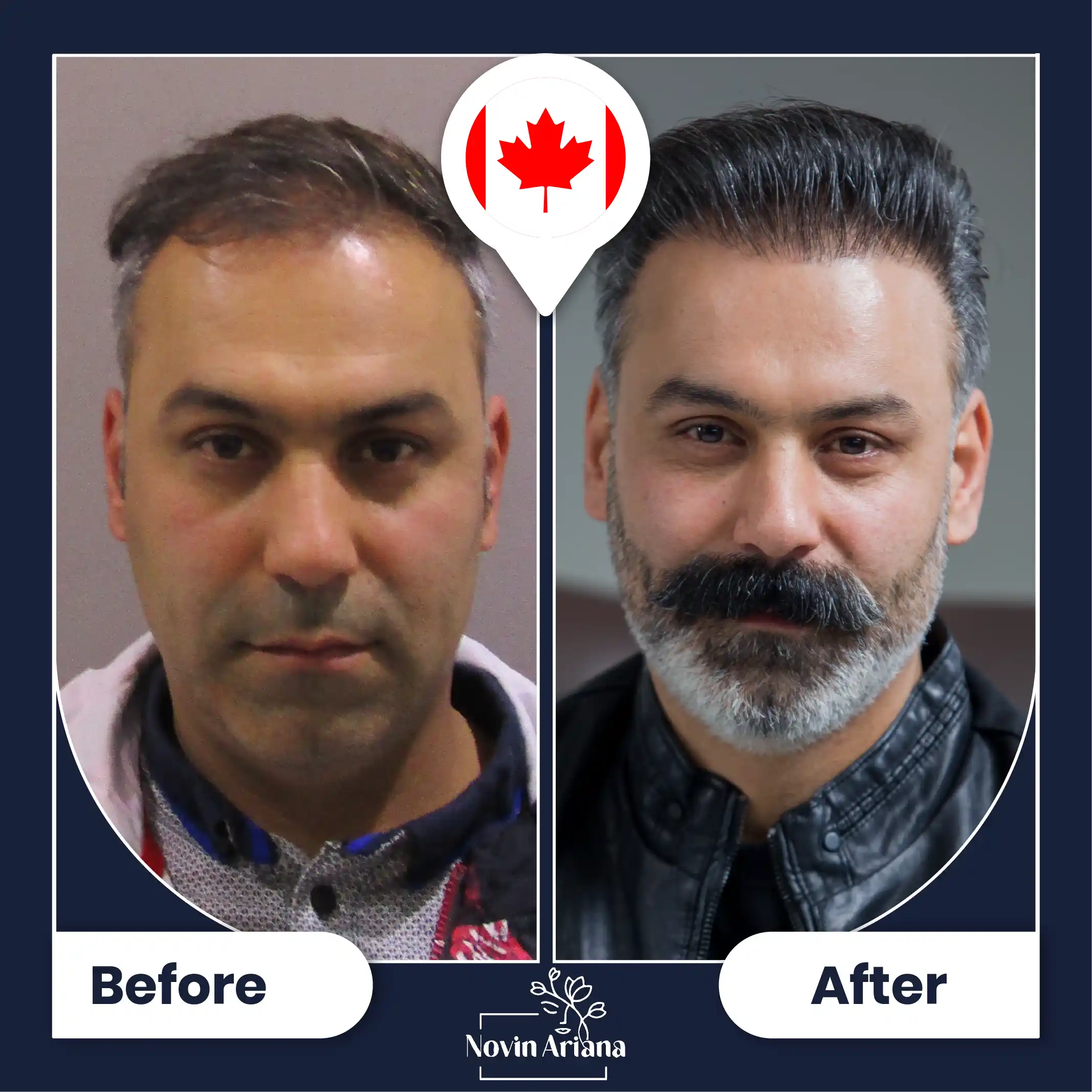
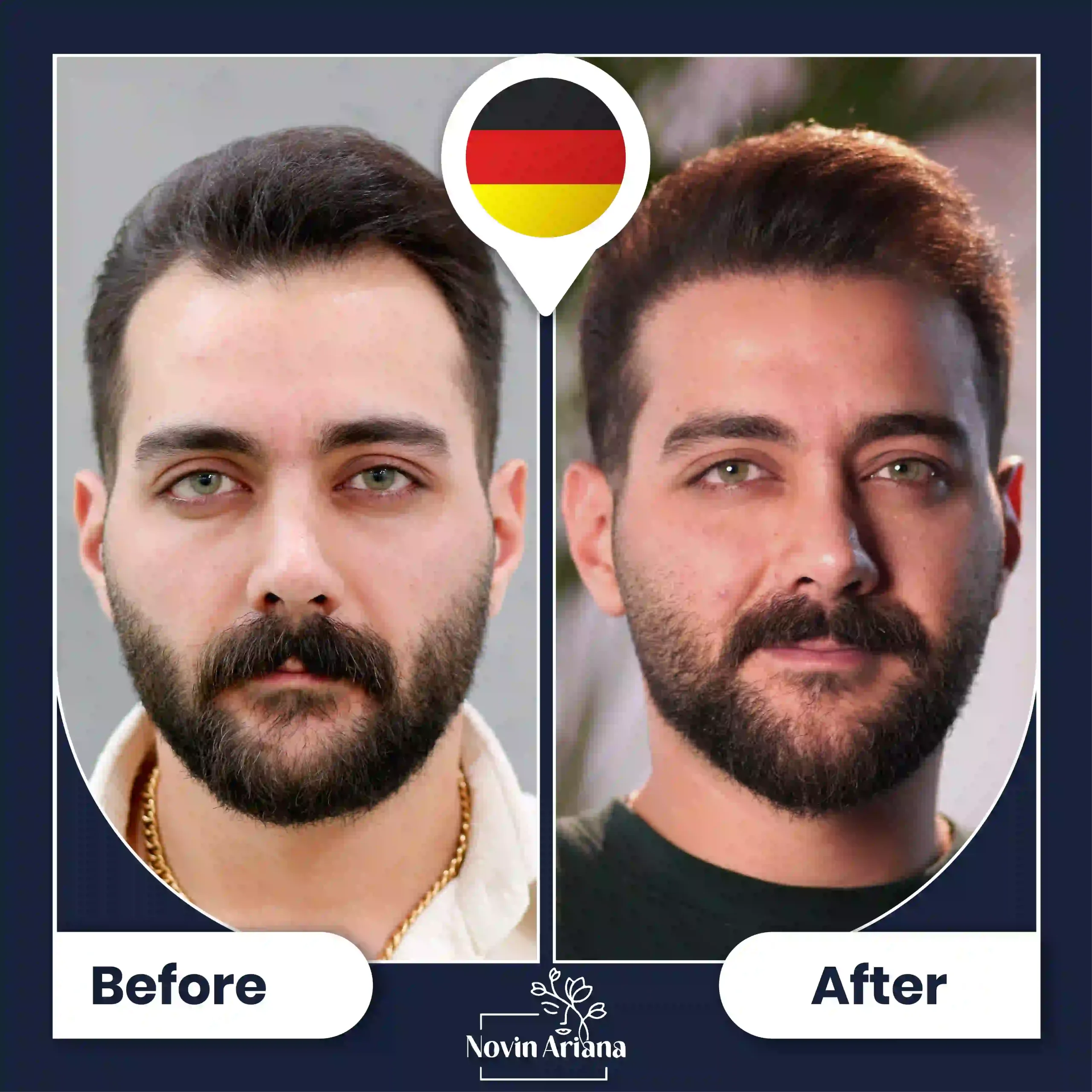
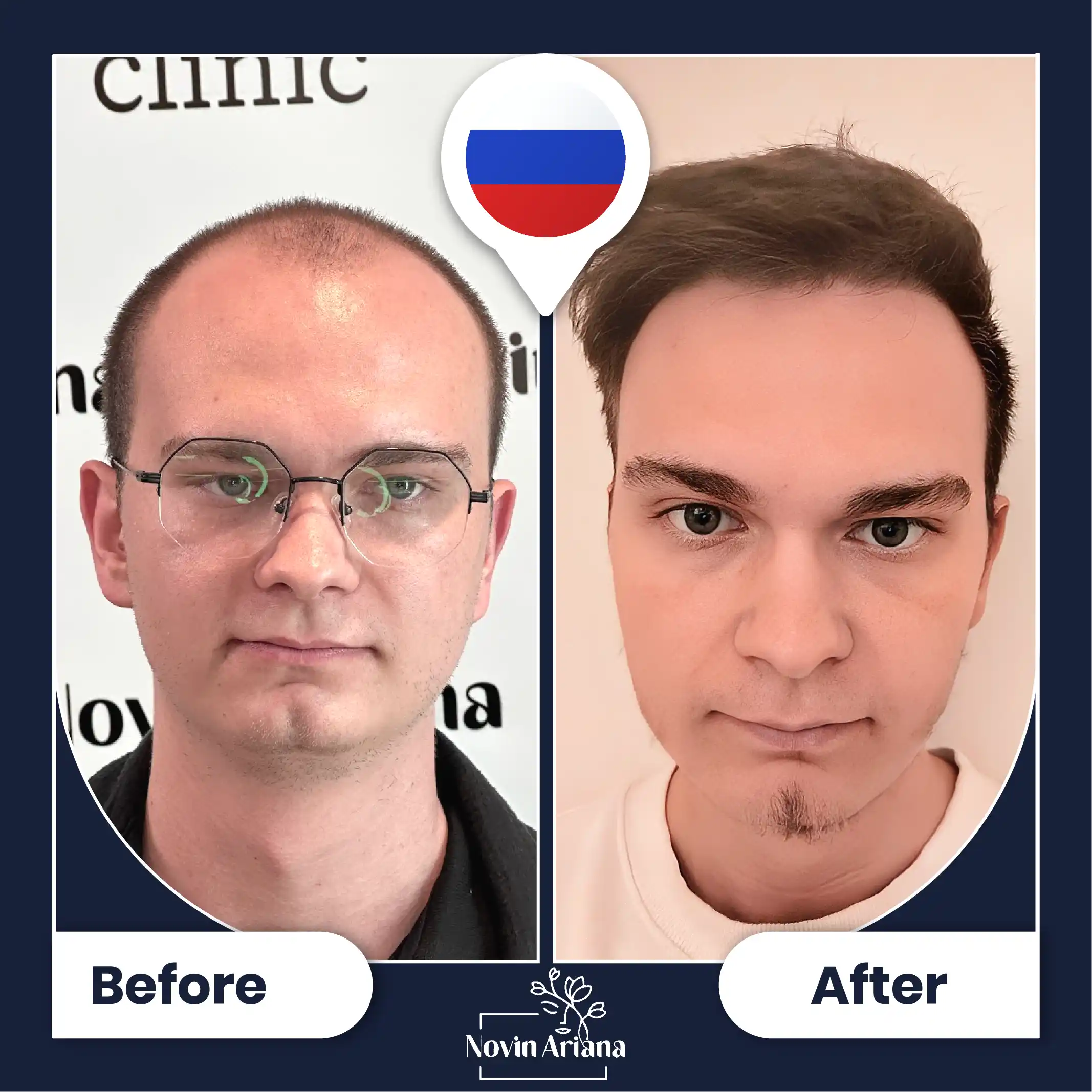
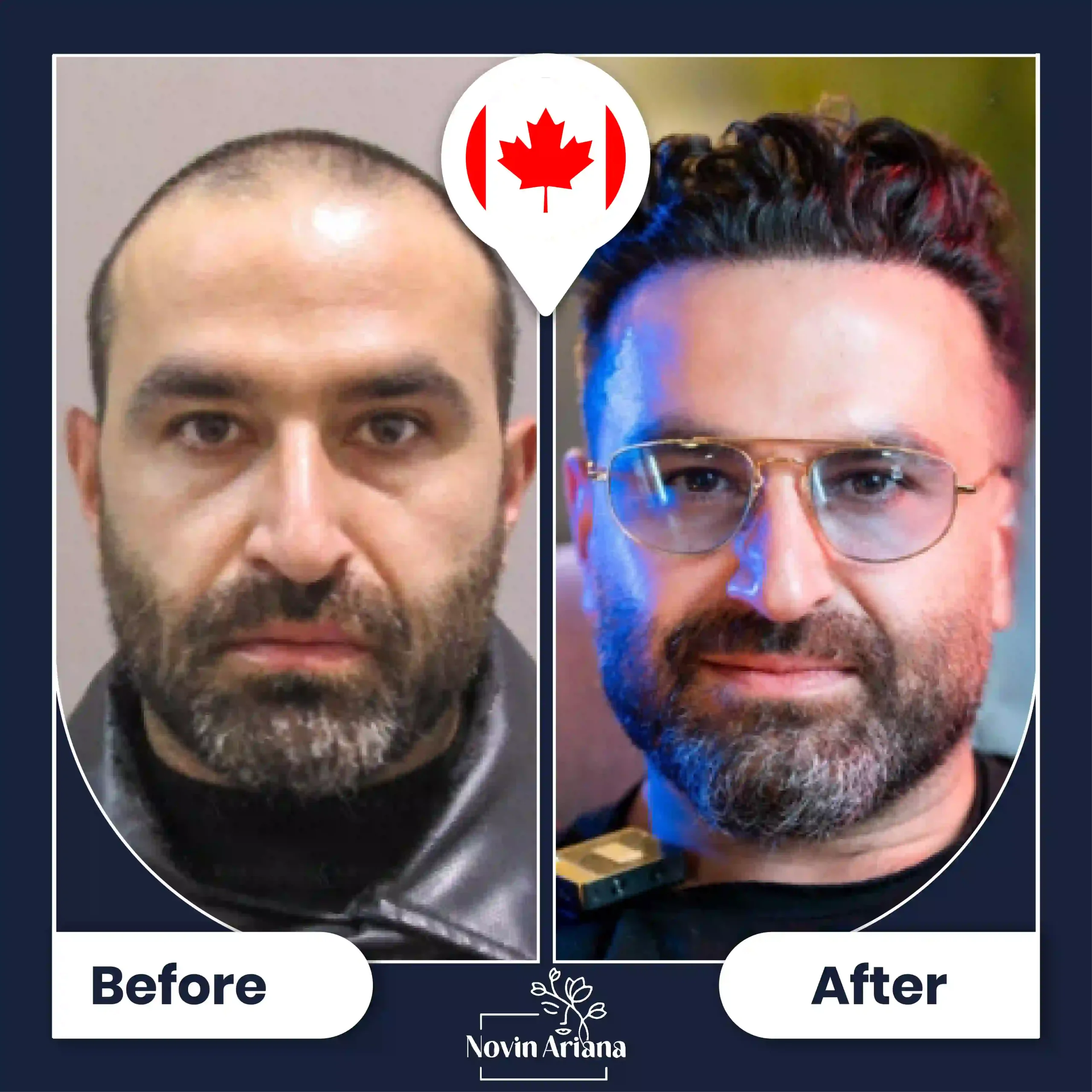
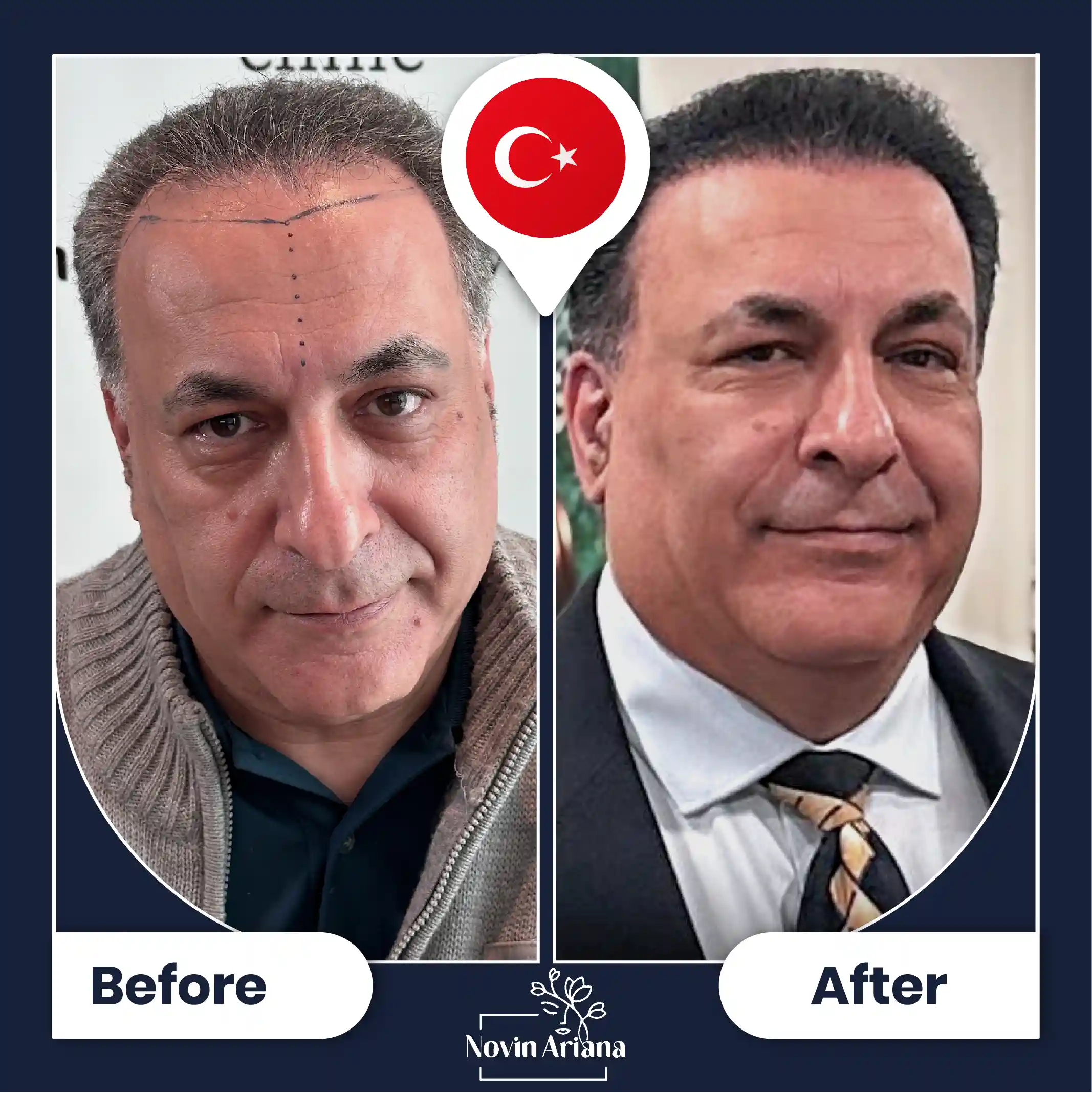
But price alone doesn’t explain the loyalty. Turkish clinics have performed an enormous number of transplants over the years, and that experience shows. Surgeons there have refined their craft through sheer volume and genuine specialisation. The results speak for themselves, and so do the patients — before-and-after photos circulate endlessly online, and real people vouching for real outcomes carry far more weight than any advertisement.
The whole experience has also been thought through carefully. Most clinics bundle everything together — flights, hotel, transfers, aftercare. You arrive, you’re looked after, you go home. It’s surprisingly straightforward.
And honestly? There’s a comfort in knowing you’re not alone in this decision. Hundreds of thousands of people make this trip every year. The stigma around it has largely dissolved.
That’s ultimately why people go to Turkey for hair transplants — because it works, it’s affordable, and someone finally made the whole process feel human.

What actually determines whether a transplant works?
A hair transplant works when the transplanted follicles survive, grow in a natural pattern, and create density that suits the patient’s face, age, and donor supply. That outcome depends on several clinical decisions.
The first is diagnosis. Hair loss is not one-size-fits-all. Male pattern baldness, female thinning, traction-related loss, scar areas, and eyebrow or beard restoration all require different planning. A good clinic does not just count grafts. It evaluates the cause of loss, donor strength, scalp condition, and the long-term pattern of thinning.
The second is technique. FUE remains one of the most popular options because it allows individual follicle extraction with minimal linear scarring. Sapphire FUE can support precise channel opening, while DHI is often chosen for refined implantation and control in certain cases. No single method is automatically best for everyone. The right approach depends on the area being restored, the desired density, hair characteristics, and the surgeon’s expertise.
The third is design. This is where great work separates itself from average work. A natural hairline should not look stamped on. It needs irregularity, age-appropriate placement, and direction that matches natural growth. Patients usually focus on graft numbers, but visual realism often matters more than chasing the highest possible count.
The final factor is aftercare. Even a well-performed transplant needs proper washing, medication guidance, swelling management, and long-term follow-up. Growth takes time. Early shedding is normal. Visible improvement usually comes in stages, with fuller results appearing over several months.
Ready to change how you look and feel?
Get your consultation now — your new self is waiting.
Do hair transplants in Turkey work as well as those in the US or Europe?
They can. In many cases, the outcome can be comparable or excellent when treatment is performed by a reputable team with a strong track record. Geography does not decide graft survival. Skill, planning, sterilization standards, patient selection, and post-op support do.
Where patients sometimes get misled is assuming all Turkish clinics are equal because the country has a strong reputation overall. That is not how medical quality works. Turkey has outstanding providers and budget-first operations that compete almost entirely on volume and low pricing. If a package looks unbelievably cheap, there is usually a reason. It may mean less physician involvement, rushed planning, weak aftercare, or an approach that prioritizes filling the schedule instead of protecting long-term results.
For international patients, the best comparison is not Turkey versus the US. It is one carefully vetted clinic versus another.
What good results look like
A successful result is not always the densest possible result. It is the one that looks believable, balanced, and sustainable over time. That usually means the transplanted area blends naturally with existing hair, the donor area is not overharvested, and the hairline suits the patient’s features instead of following a trendy but unrealistic shape.
Patients should also expect a timeline rather than an instant transformation. In the first weeks, the scalp heals and the transplanted hairs often shed. New growth tends to begin gradually around the third or fourth month. By six months, many patients see meaningful change, but final maturation can continue toward the one-year mark.
This matters because unrealistic expectations lead people to judge good procedures too early. The procedure is one day. The result is a process.
How to choose a clinic when asking if hair transplants in Turkey work
The right question is not simply whether Turkey works. It is whether the specific clinic you are considering has the systems, team, and experience to deliver a result you would be happy to wear every day.
Look for before-and-after cases that resemble your own pattern of loss and hair type. Ask who designs the hairline, who extracts grafts, and who performs implantation. Ask what technique is recommended for you and why. A quality provider should explain the reasoning clearly, not just sell the highest graft number.
You should also pay attention to aftercare structure. International patients need more than a discharge sheet and a goodbye. Ongoing guidance matters, especially when you return home and have questions during recovery. A clinic that offers organized follow-up for months after the procedure shows a more serious commitment to outcomes.
Package quality matters too. Comfortable accommodation, VIP transfers, responsive coordinators, and a smooth airport-to-clinic journey are not just luxury touches. They reduce stress and make medical travel feel manageable. For many patients, that support is the difference between feeling uncertain and feeling fully looked after.
At Novin Ariana Health Clinic, this service-led model is a major part of the experience, pairing premium coordination with advanced hair restoration options and long-term follow-up designed for international travelers.
Ready to change how you look and feel?
Get your consultation now — your new self is waiting.
Common concerns patients should take seriously
The strongest candidates are usually people with stable donor hair, realistic expectations, and a treatment plan that respects future loss. If you are very young, actively losing hair rapidly, or hoping to restore severe baldness with limited donor supply, the answer may be more nuanced. A responsible clinic will talk through those limits instead of overpromising.
Another concern is overharvesting. Some patients focus so heavily on the front that they forget the donor area has to last. Taking too many grafts can leave visible thinning at the back or sides of the scalp. Good clinics think long term. They protect the donor area and plan for the possibility of future procedures if needed.
There is also the issue of one-size-fits-all packages. Hair restoration should feel personalized, not assembly-line. High volume can be a strength when systems are excellent, but it becomes a weakness when patient individuality disappears.
So, are they worth it?
For many international patients, yes. Hair transplants in Turkey often offer a rare combination of affordability, experience, and convenience. When done well, they can produce natural, confidence-restoring results that stand up against treatment anywhere else. For patients who want a premium experience without premium-market domestic pricing, Turkey remains a serious option.
The key is to approach the decision like a patient, not a bargain hunter. Ask better questions. Look for medical judgment, not just marketing. Choose a clinic that values natural results, transparent planning, and support that continues after you fly home.
The best hair transplant should not only change your hairline. It should leave you feeling that every step, from consultation to final growth, was handled with care.