

 Summarize this article with:





Hair Transplant Before After Examples That Matter
Written by Novin Ariana
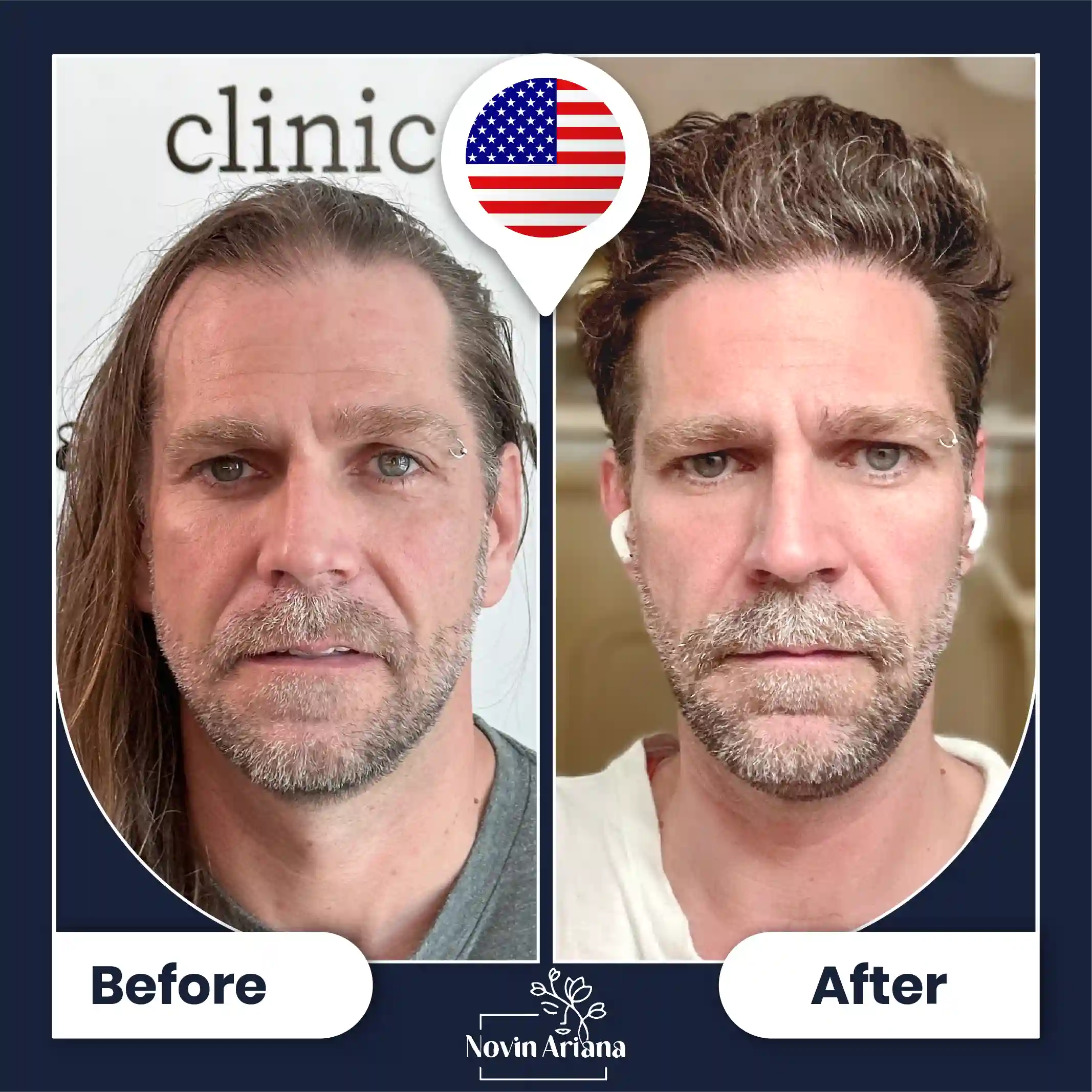
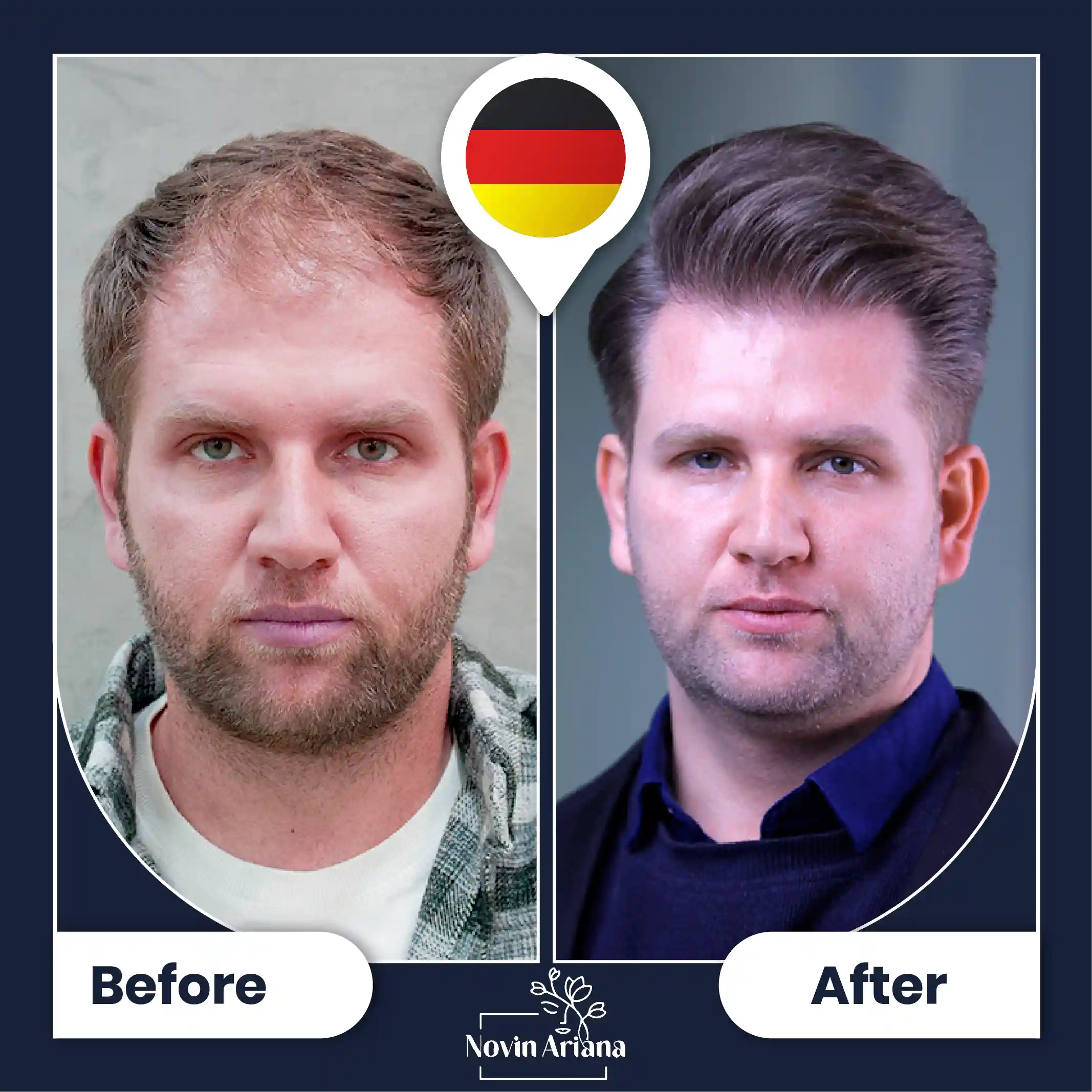
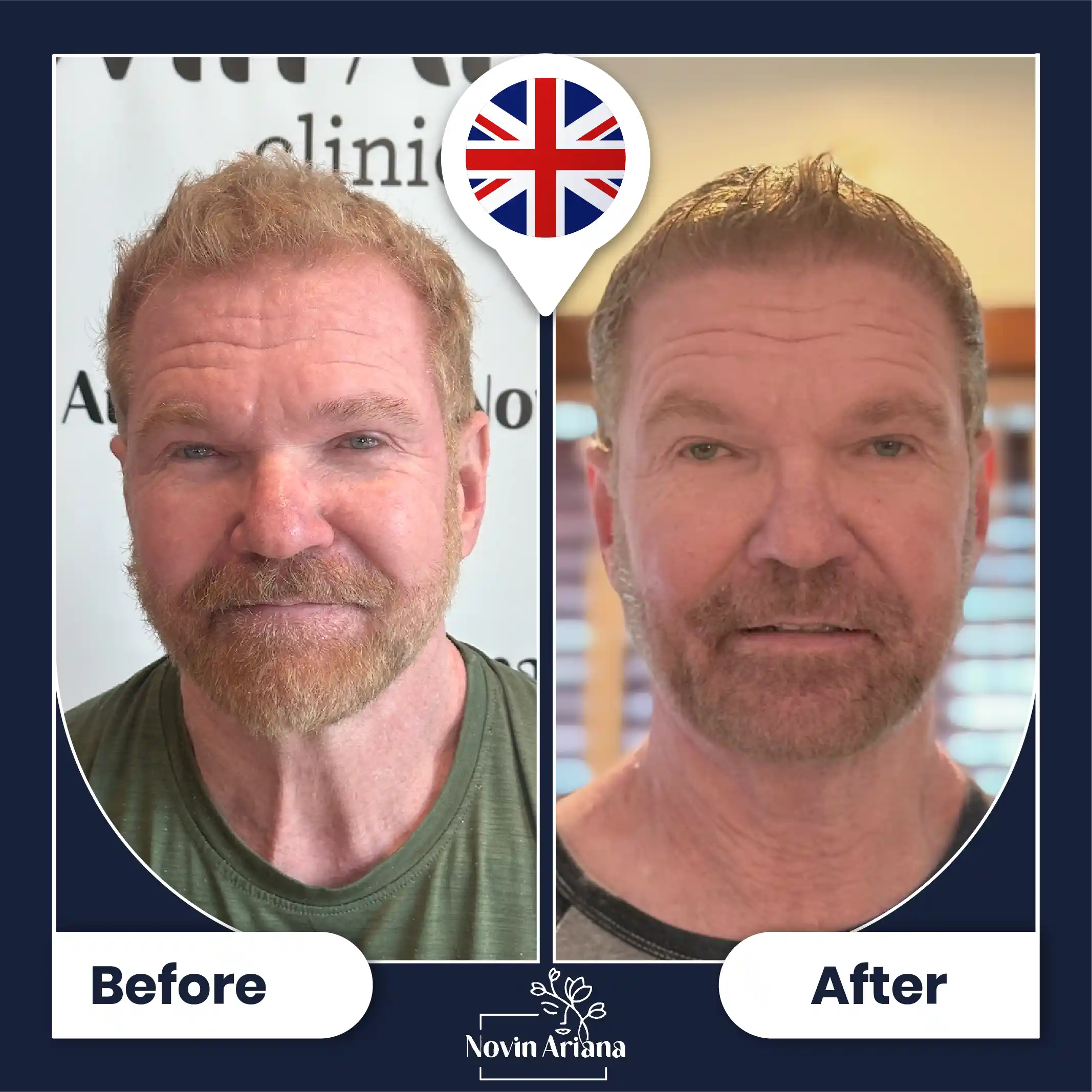
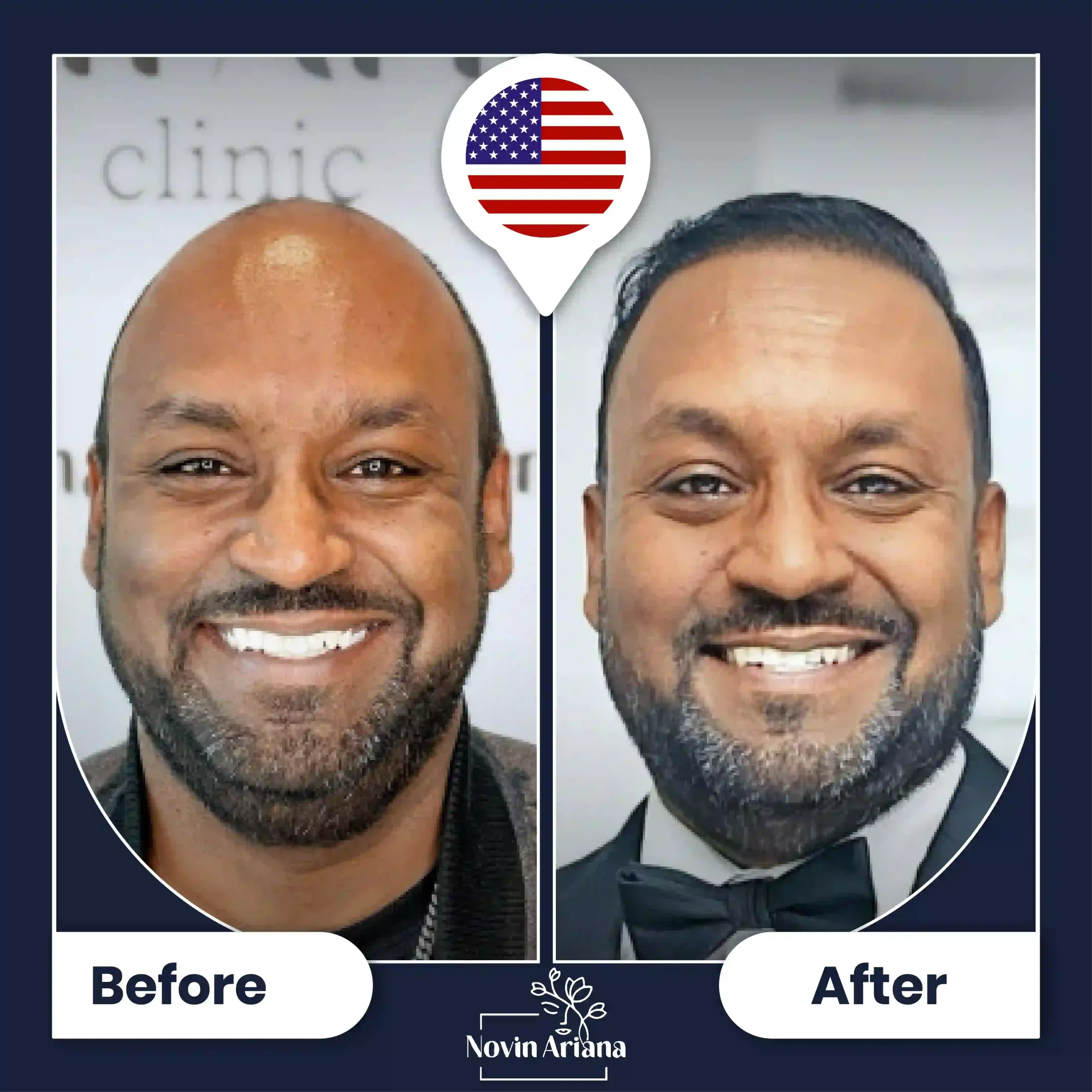
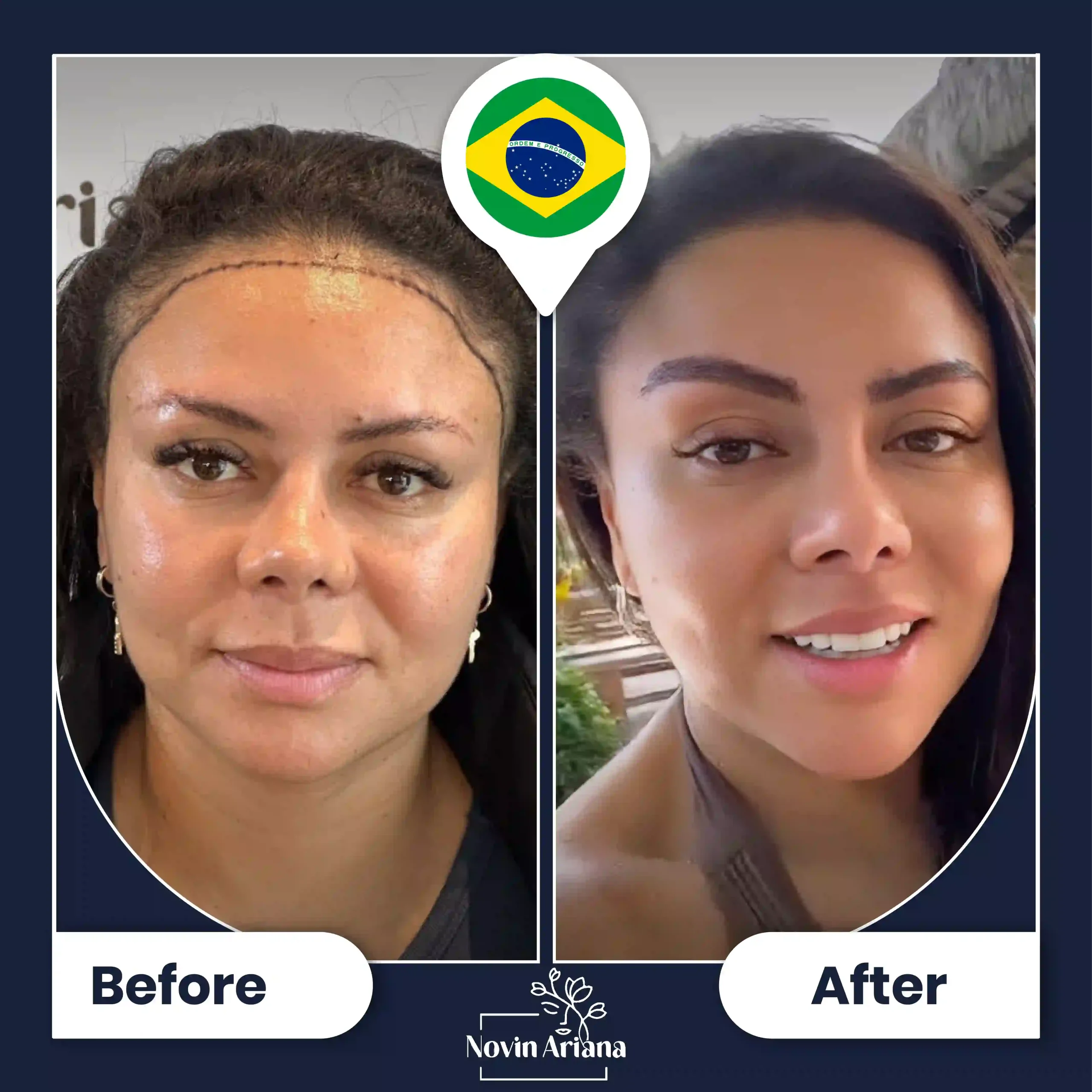
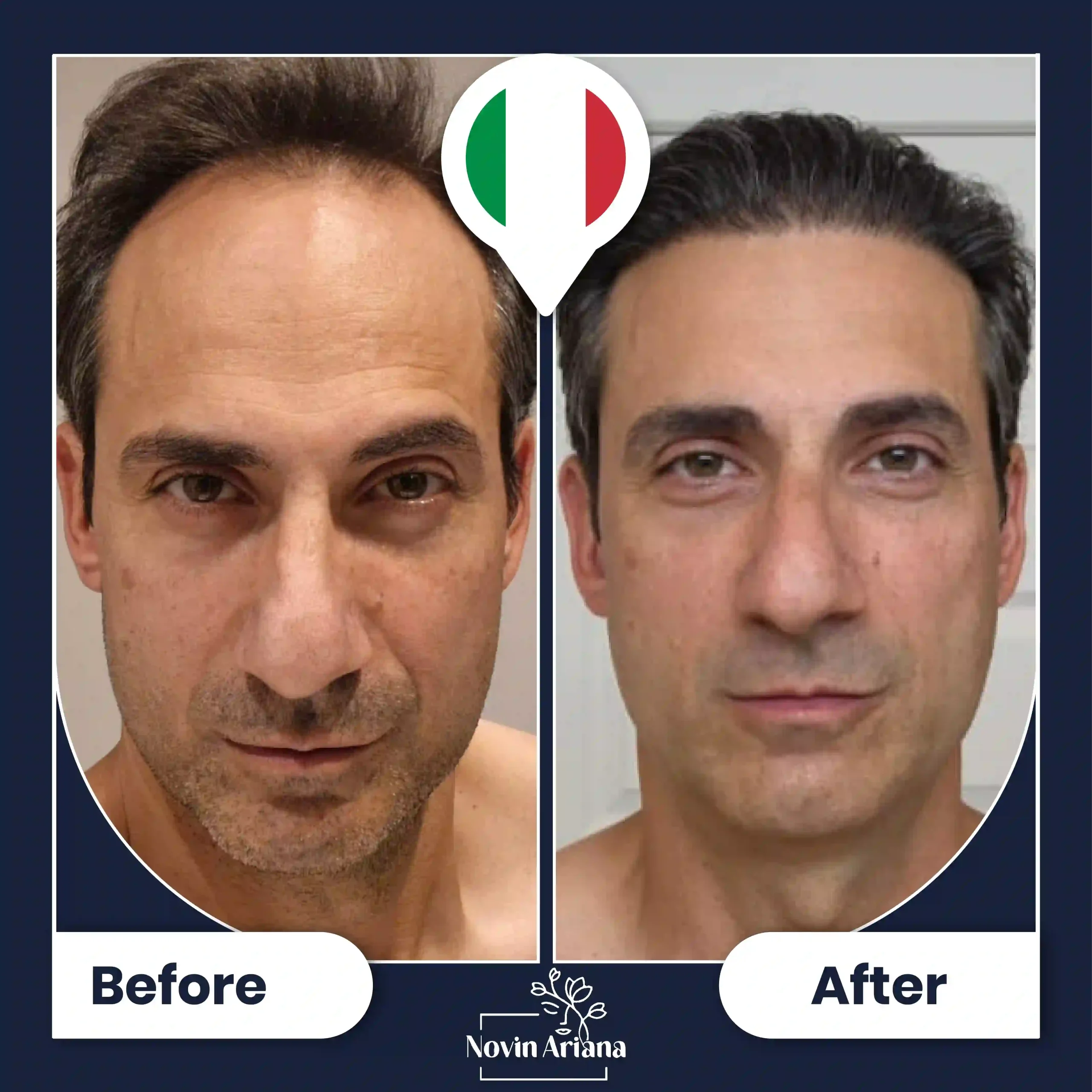
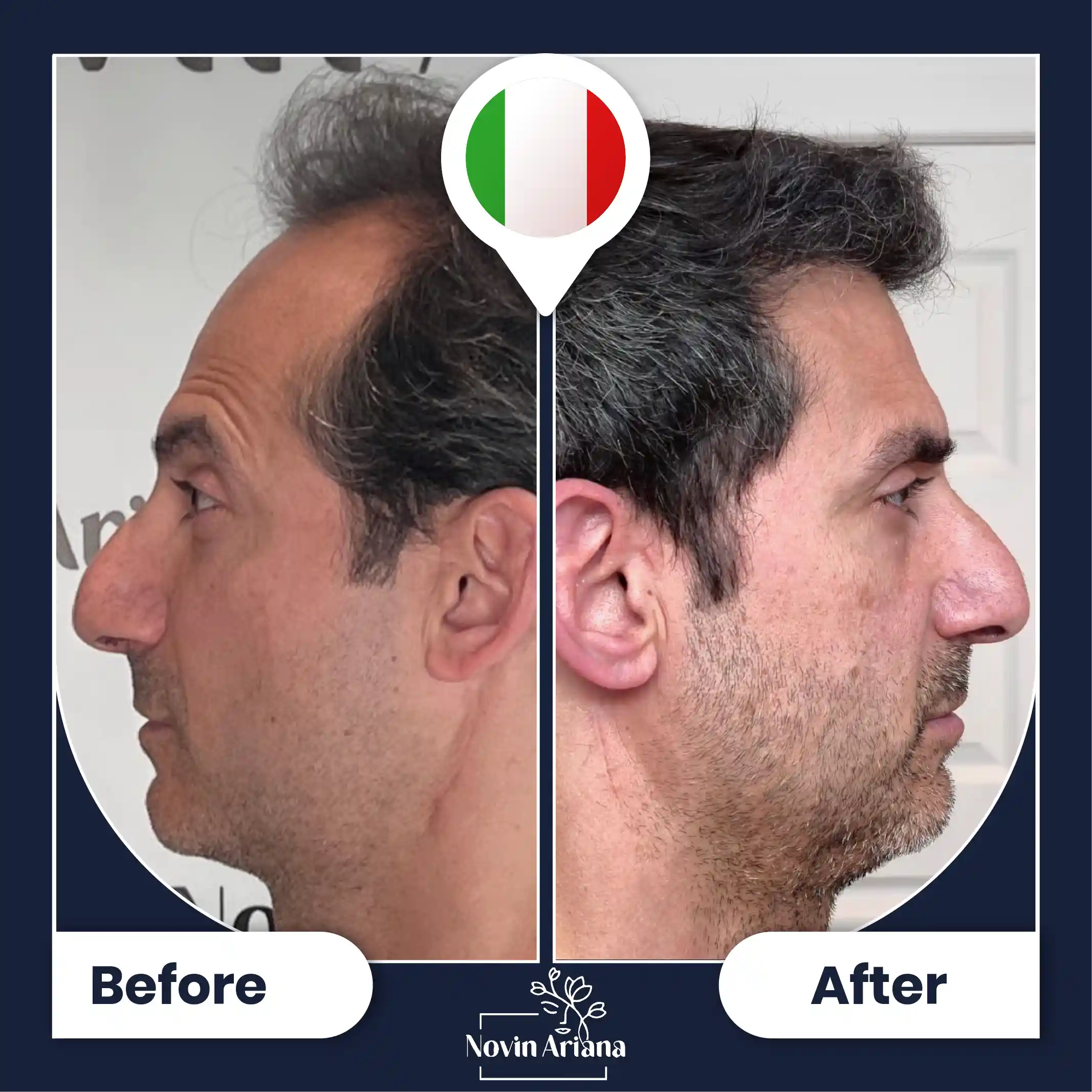
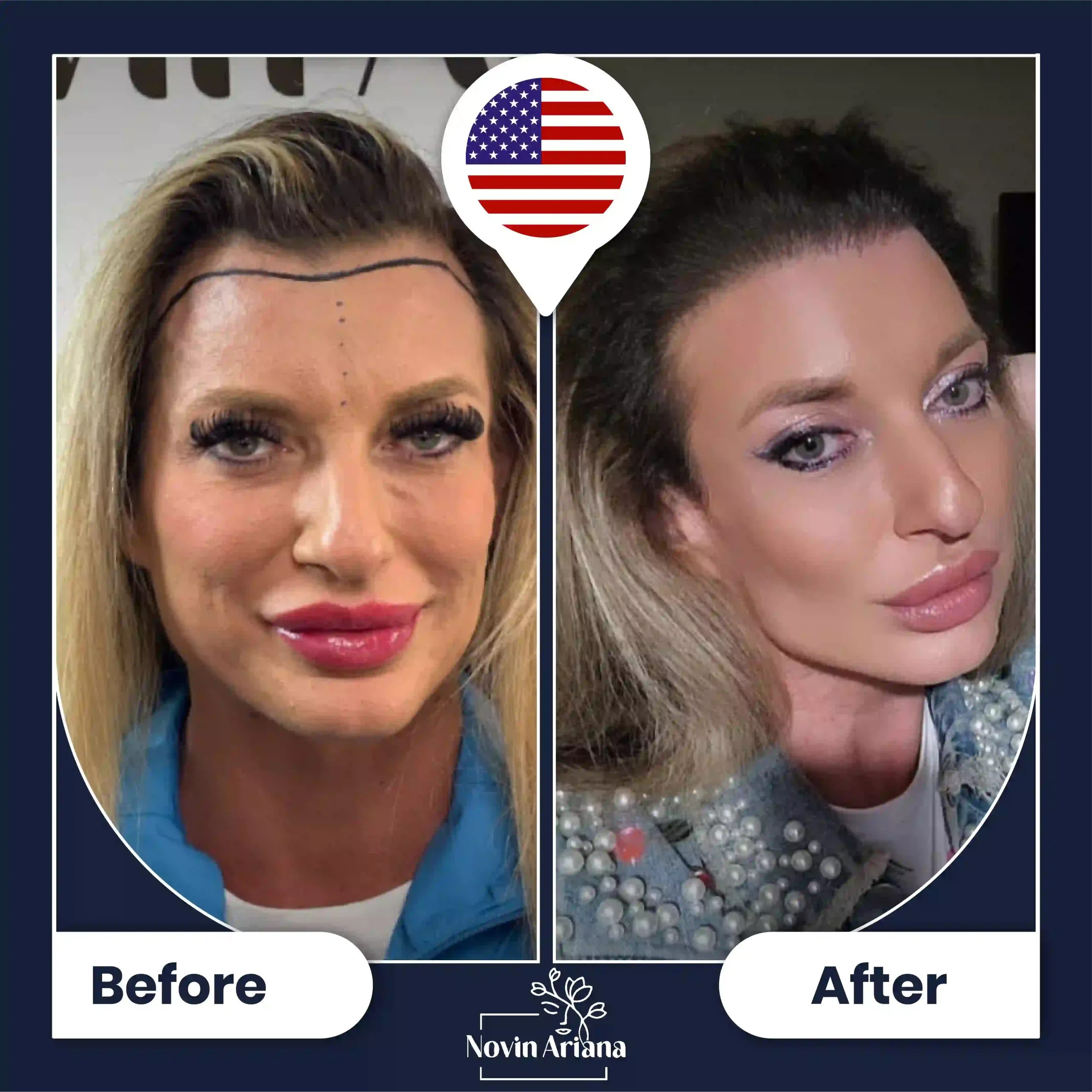
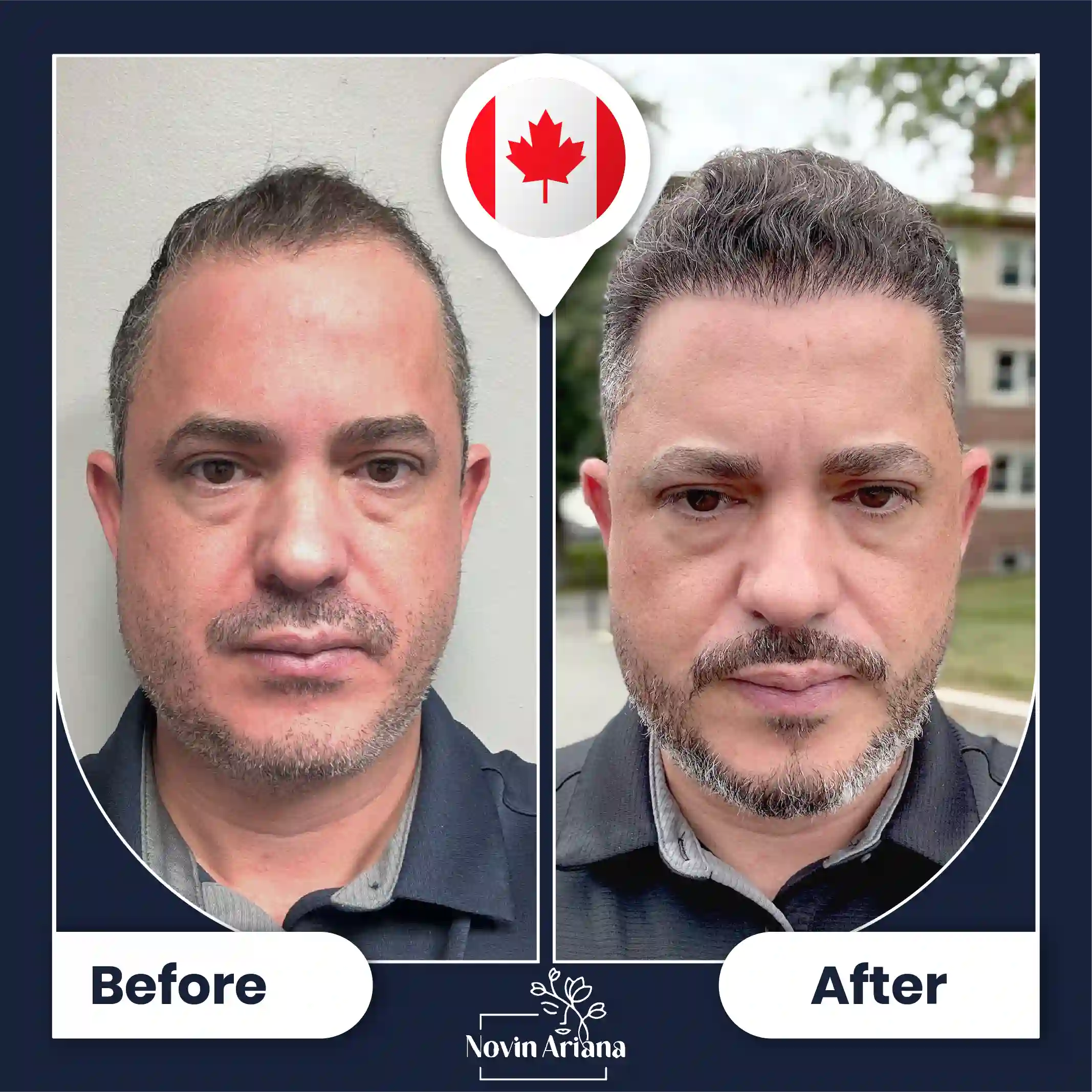
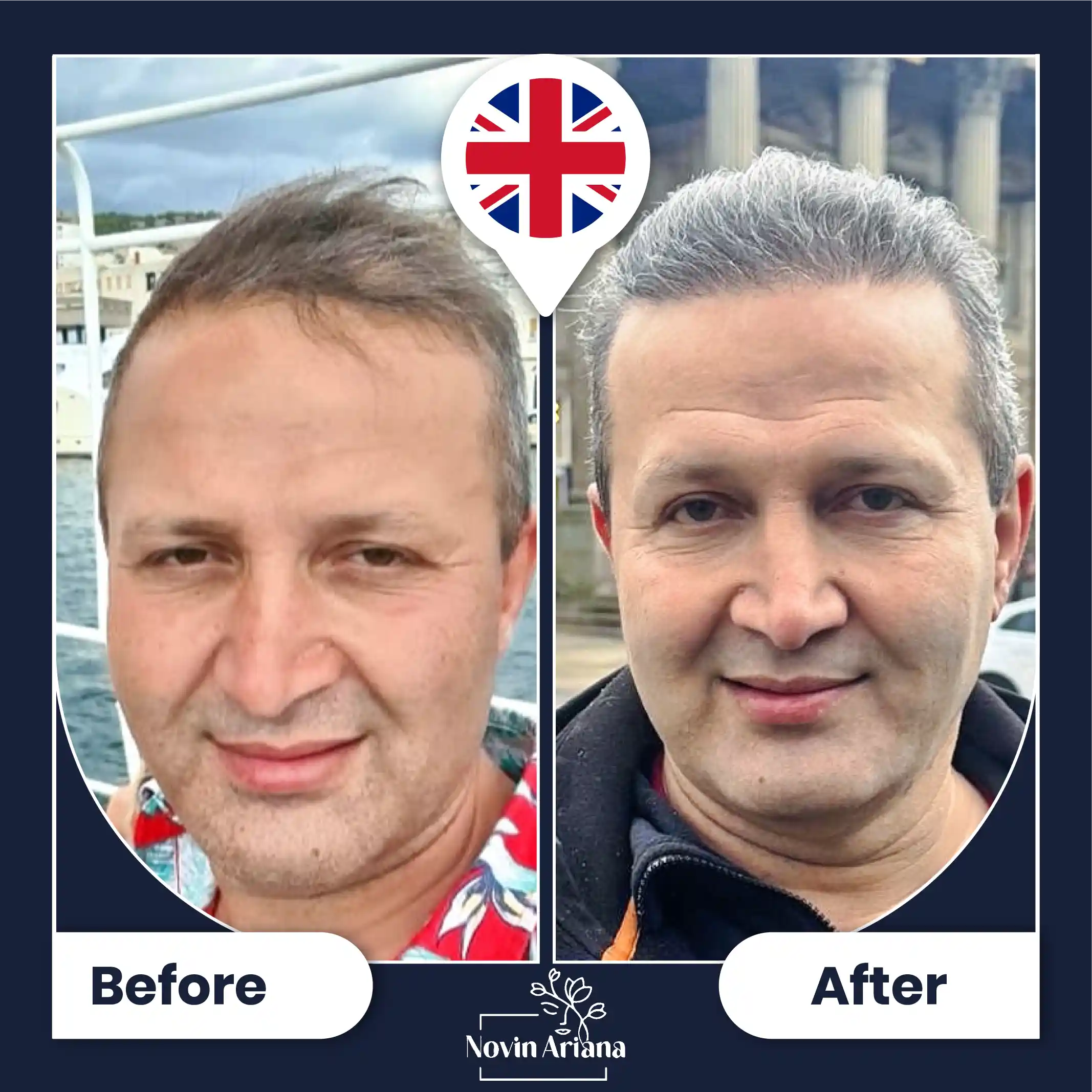
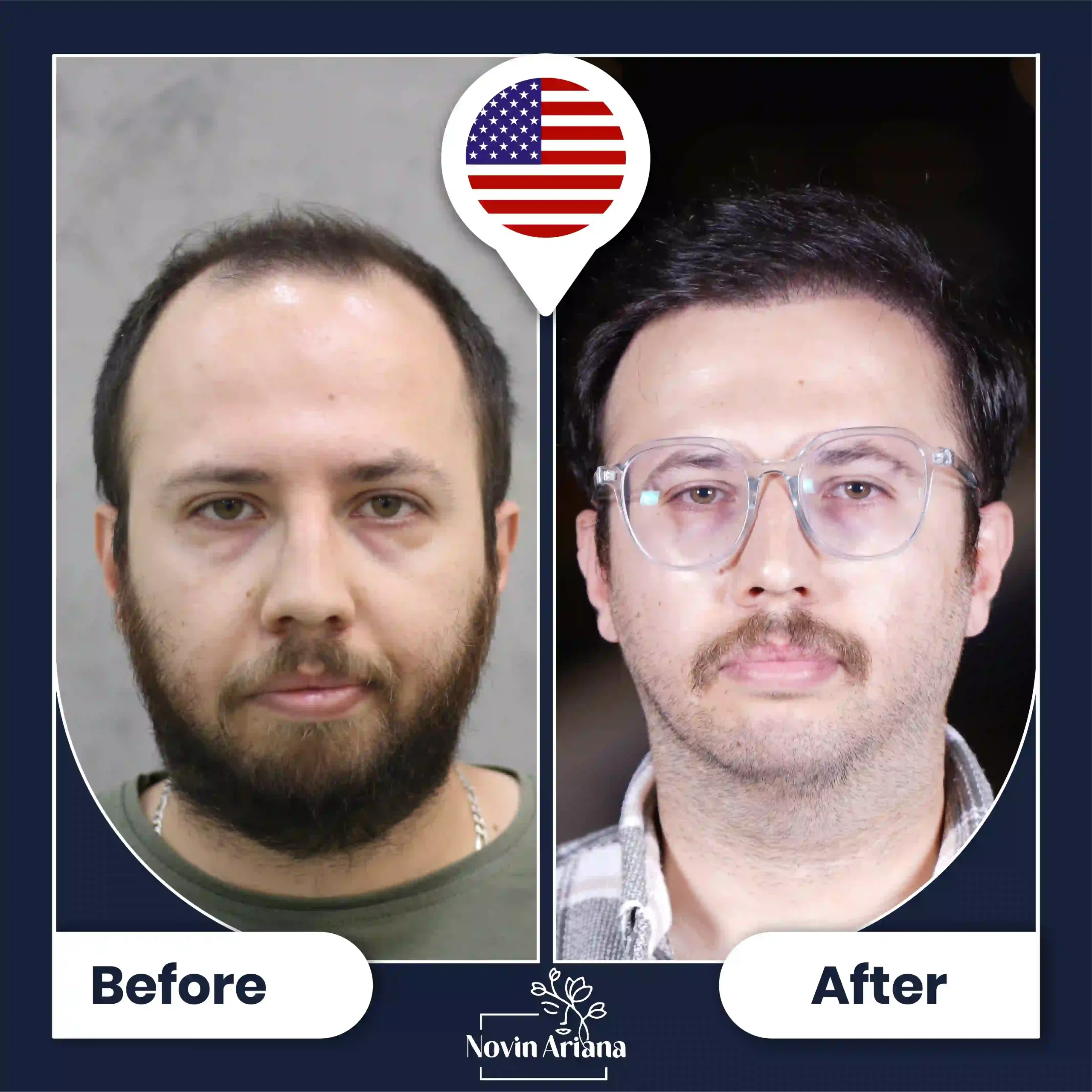
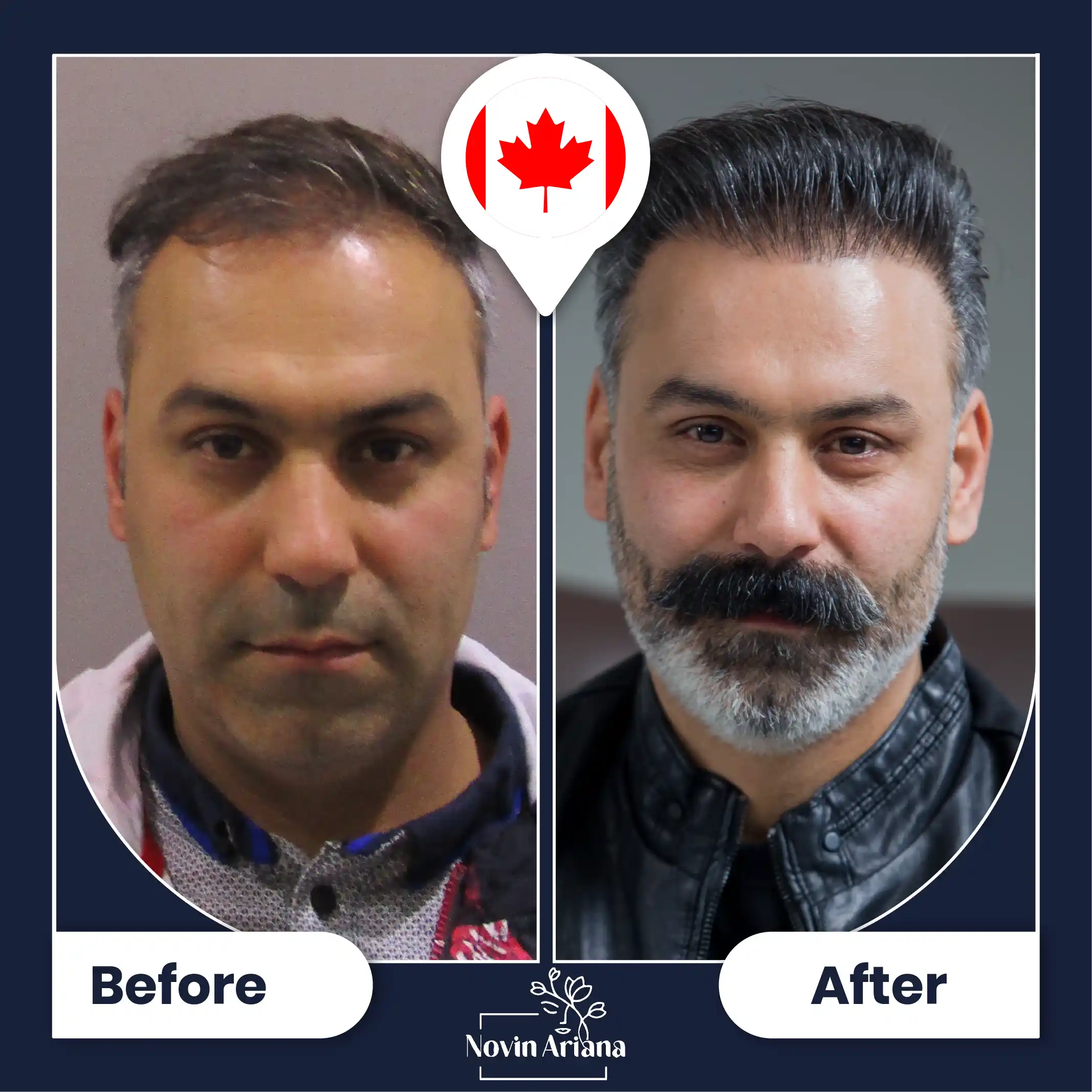
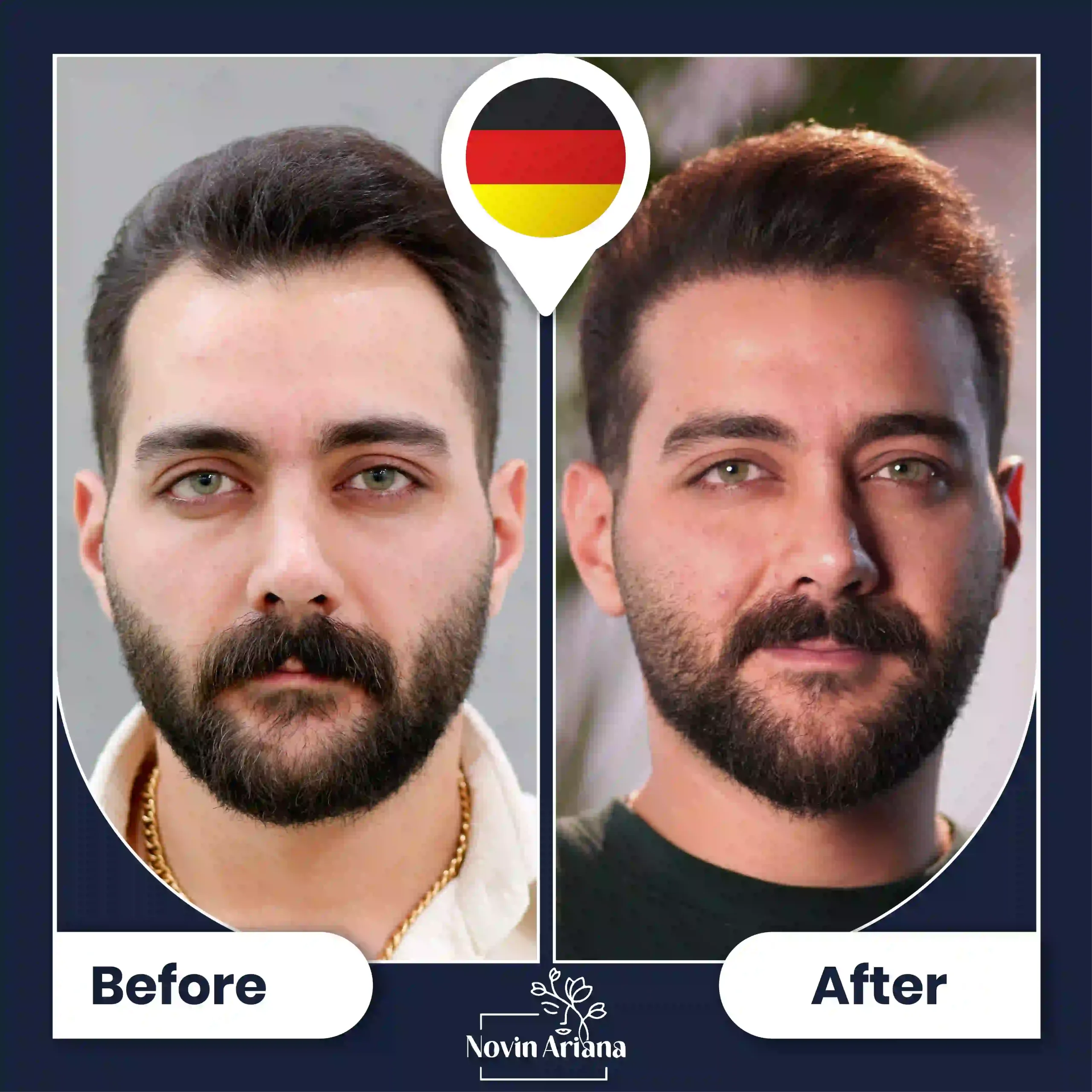
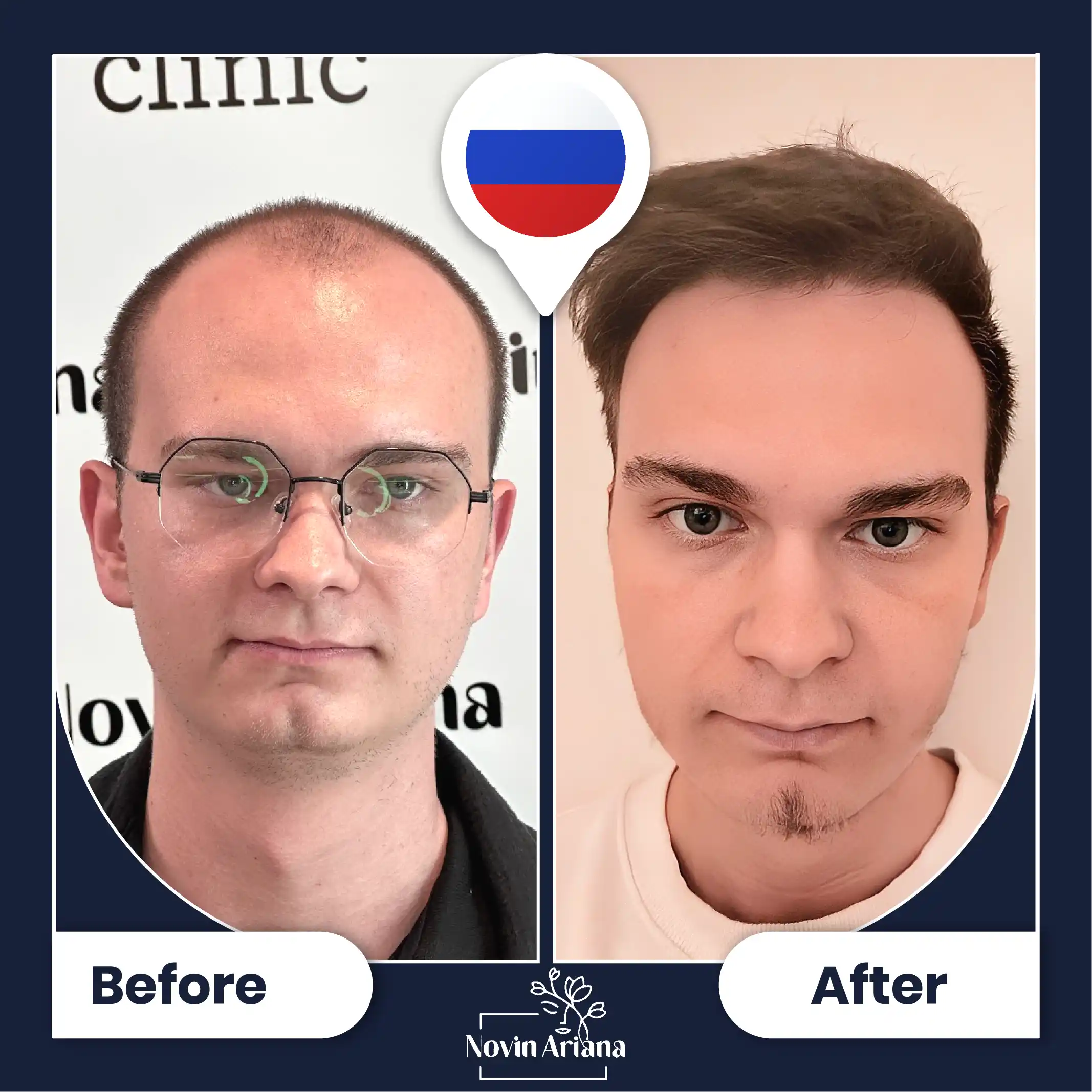
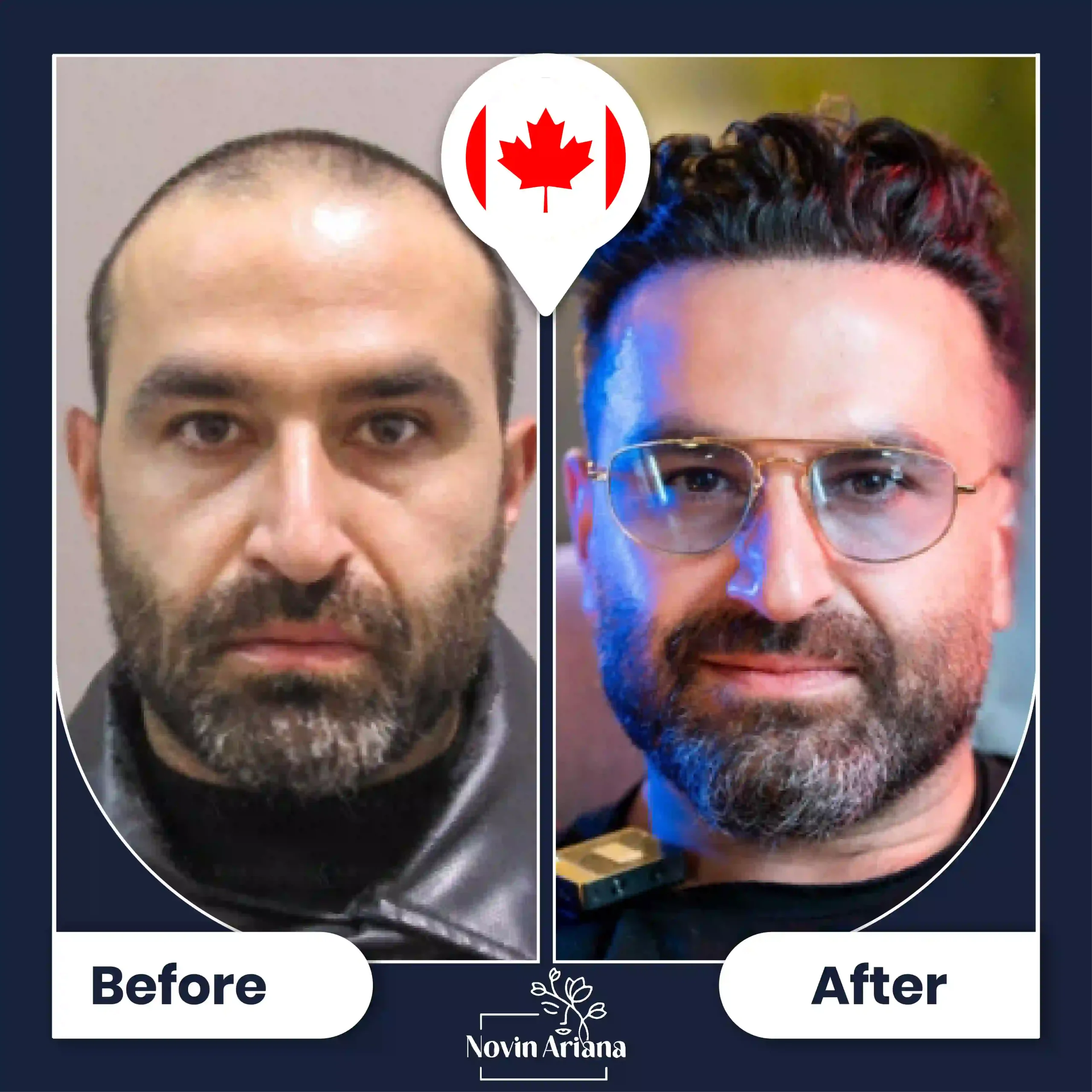
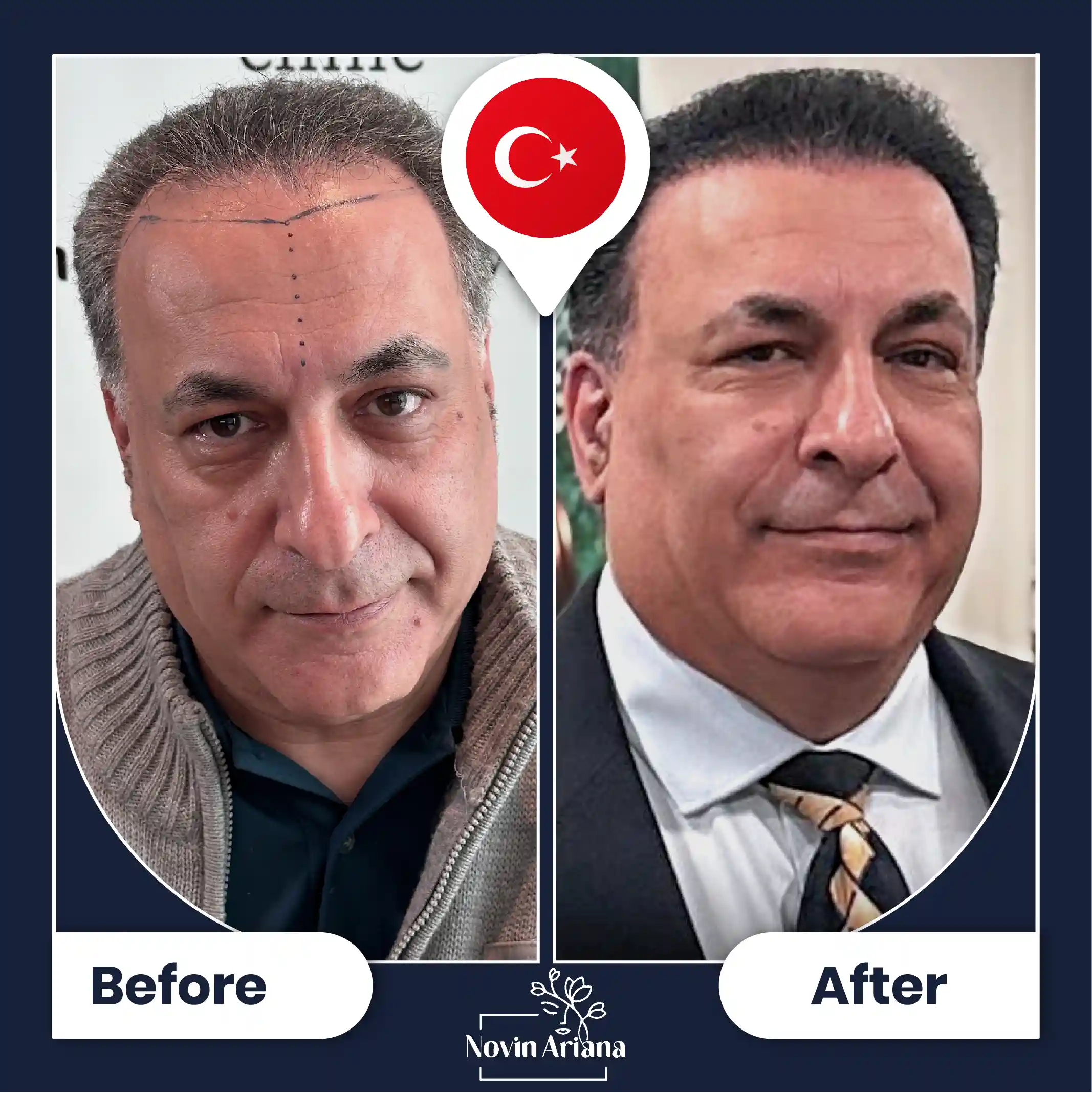
The photos that convince most people to book a consultation are not the flashiest ones. They are the hair transplant before after examples that still look believable when you study the hairline, the crown, the temples, and the way the result fits the patient’s age. If you are comparing clinics, that difference matters more than dramatic lighting or a fresh haircut.
Before-and-after galleries can be useful, but only if you know what you are looking at. A strong result is not just about going from bald to covered. It is about proportion, graft planning, donor management, and whether the final look appears natural in everyday life, not only in a staged clinic photo.
What You Read
Ready to change how you look and feel?
Get your consultation now — your new self is waiting.
What good hair transplant before after examples actually show
The best examples tell a full story. The before image should make the degree of hair loss clear, while the after image should show how the clinic handled density, hairline shape, and facial balance. If the patient had temple recession, frontal thinning, and crown loss, a credible transformation should reflect the limits and priorities of those areas.
Natural-looking work usually avoids a harsh, straight hairline. Most adult men do not suit a low, teenage-style line, especially if future hair loss is still possible. A better design respects age, face shape, and likely long-term pattern. When you review photos, notice whether the result looks like the patient grew his hair back naturally or had a procedure done. That is the real test.
You should also pay attention to consistency. One excellent case proves very little. A reliable clinic should be able to show a range of outcomes across different hair types, skin tones, ages, and stages of hair loss. That matters for international patients because your own pattern may not match the most commonly advertised case.
Ready to change how you look and feel?
Get your consultation now — your new self is waiting.
How to read before-and-after photos like a serious buyer
Many patients focus first on density, but density alone can be misleading. Styling, product, and lighting can make moderate growth look much thicker than it really is. Instead, look at the hairline edge, the transition from transplanted hair to native hair, and whether the coverage appears even from multiple angles.
The donor area deserves just as much attention as the front. A strong after photo should not hide overharvesting on the back or sides of the head. If the donor looks patchy, the result may have come at too high a cost. Good planning protects both the visible outcome and your future options.
Timing is another detail people often miss. A six-month result can look promising, but it is not final. Most patients need closer to 10 to 12 months to judge the true outcome, and crown areas may take even longer. If a gallery does not label the timeline clearly, the photos are less useful than they seem.
The details that separate average from premium results
Premium work usually shows restraint. That may sound surprising, but it is one of the clearest quality signals. Skilled teams do not chase an unrealistically low hairline just to make the after image look dramatic. They design for longevity.
Technique plays a role here. DHI can offer precise placement and is often chosen when hairline refinement is a priority. Sapphire FUE can be effective for creating channels with careful control and is widely used for broader coverage. Neither method is automatically better in every case. The right choice depends on the patient’s hair characteristics, the number of grafts needed, and the overall restoration plan.
Technology and planning can improve the result, but they do not replace judgment. A clinic may talk about advanced analysis tools or comfort-focused anesthesia, and those benefits matter to the patient journey. Still, the final proof remains visible in the before-and-after work: natural angles, smart distribution, and a result that suits the face rather than overpowering it.
Ready to change how you look and feel?
Get your consultation now — your new self is waiting.
Hairline examples: what looks natural and what does not
If you compare enough hair transplant before after examples, the hairline becomes the easiest place to spot quality. Natural hairlines are usually irregular in a controlled way. They are softer at the front, with subtle variation rather than a stamped outline.
A poor hairline often looks too dense at the front and too uniform across the edge. That can create the artificial “pluggy” look patients want to avoid. A better approach places finer grafts strategically in the first rows and builds density behind them. This creates softness up close and fullness from a conversational distance.
Temple work is another sign of refinement. Restoring the temples can make a result look younger and more complete, but aggressive temple design can also look unnatural on some faces. This is where experience shows. The goal is not maximum coverage everywhere. The goal is visual harmony.

Crown before-and-after results need a different standard
Crown transformations are often marketed aggressively because they can look dramatic from above. But the crown is one of the hardest areas to restore well. It usually requires many grafts, follows a spiral growth pattern, and may continue thinning over time.
That means you should judge crown examples differently. A realistic success in the crown may be improved coverage and reduced scalp visibility, not the same full density you might expect in the frontal zone. If a clinic promises identical density everywhere from a limited donor supply, that deserves skepticism.
For many patients, the smartest strategy is to prioritize the front and mid-scalp first because those areas frame the face. The crown can then be treated later if donor capacity allows. Honest before-and-after examples should reflect those kinds of decisions rather than pretending every case can achieve everything at once.
Why patient type matters when comparing examples
Not every gallery result is transferable to your case. Thick, coarse hair usually creates stronger visual coverage than fine, soft hair. Curly hair can also offer more apparent density than straight hair. The contrast between hair color and scalp color matters too. Dark hair on a light scalp tends to reveal thinning more easily.
This is why the most useful examples are not just the best ones. They are the ones that resemble your own hair texture, degree of loss, and goals. A patient with mild temple recession should not compare his likely outcome to someone with advanced Norwood hair loss. The planning, graft count, and expectations are completely different.
For women, before-and-after interpretation requires even more care. Female hair restoration often involves diffuse thinning rather than isolated bald areas. The right example should show improved density without compromising surrounding native hair. Precision matters more than spectacle.
The travel factor: results and the patient journey
If you are traveling abroad for treatment, before-and-after results matter, but so does the process behind them. The strongest clinics combine visible outcomes with a structured experience: consultation, graft planning, accommodation, transfers, procedure day support, and long-term follow-up.
That is especially relevant in medical tourism destinations such as Istanbul, where the market is large and options are everywhere. A polished gallery alone is not enough. You also want evidence of organization, communication, and aftercare, because hair transplantation is not a one-day beauty purchase. The photos may show the destination, but the patient journey determines how safely and comfortably you get there.
At Novin Ariana Health Clinic, that full-package model is part of the appeal for international patients who want premium coordination alongside natural-looking results. For many people, convenience is not a luxury extra. It is what makes treatment abroad feel manageable.
Questions to ask when a gallery looks impressive
When you find examples that catch your attention, the next step is not admiration. It is verification. Ask how many grafts were used, how long after surgery the photos were taken, whether the patient used medication, and whether the result required more than one session. Those details change how you should interpret the images.
Also ask if the same medical team involved in consultation is involved in the procedure itself. Large promises mean less without clarity about who designs the hairline, who extracts the grafts, and who performs implantation. In hair restoration, process quality and visual quality are tied together.
A serious clinic should be comfortable discussing limitations. If your donor area is weak, if your hair loss is still progressing, or if your expectations are too aggressive for one session, that should be explained clearly. Reassurance is valuable, but honesty is more valuable.
The best before-and-after examples do not sell fantasy. They show what careful planning, skilled execution, and realistic expectations can achieve together. If a result still looks right after you move past the marketing and study the details, you are looking at the kind of work worth taking seriously.