
 Summarize this article with:





The Future of Hair Restoration Turkey
Written by Novin Ariana
More than 100,000 international patients travel to Turkey every year for hair transplants, and that number is rising. For years, the main draw was price — procedures in Istanbul can cost 60–80% less than equivalent treatments in the UK, US, or Germany. But in 2026, price alone is no longer what brings patients here.
The future of hair restoration in Turkey is about something more: precision planning, natural hairline design, advanced implantation techniques, and a medical travel experience that is organized, comfortable, and backed by proper aftercare. Patients from New York, London, Dubai, and Sydney are now choosing Turkey not just to save money, but because they want results they can trust.
This guide covers what is changing, what to look for in a clinic, and why the next generation of hair restoration in Turkey is better for patients than anything that came before.
What You Read
Ready to change how you look and feel?
Get your consultation now — your new self is waiting.
Why Turkey Became the World Capital of Hair Restoration
Turkey’s dominance in hair transplantation is not accidental. Istanbul alone is home to more than 650 dedicated hair transplant clinics, of which over 360 hold Turkish Ministry of Health certification. The country performs an estimated 60–70% of all hair transplant procedures worldwide, according to the International Society of Hair Restoration Surgery (ISHRS) Practice Census 2025.
That volume creates a compounding advantage. Clinics that perform hundreds of procedures per year refine every stage of the process — from donor assessment and hairline planning to graft extraction and post-op monitoring. Experience at scale builds the kind of clinical consistency that is difficult to replicate elsewhere.
What is shifting now is the type of patient arriving in Turkey. International visitors in 2026 are better informed than ever. They research techniques, read verified reviews, ask for surgeon credentials, and want to understand the plan before committing. This is raising the standard across the market.
Ready to change how you look and feel?
Get your consultation now — your new self is waiting.
The Technology Driving Better Results in 2026
New technology does not replace surgical skill — but in the hands of experienced surgeons, it improves planning, consistency, and comfort. Here is what is shaping the field right now.
3D Scalp Analysis and Digital Hair Evaluation
Better clinics now use 3D hair analysis and digital scalp evaluation before any procedure begins. These tools allow surgeons to assess hair caliber, donor density, scalp condition, and future loss patterns with far more accuracy than a standard visual consultation. The result: smarter decisions about graft count, hairline position, and whether surgery is appropriate now or should be delayed.
Sapphire FUE: Precision Channel Creation
Sapphire FUE remains one of the most widely used techniques for good reason. Blades made from synthetic sapphire allow surgeons to create smaller, more precise incisions with reduced tissue trauma. This supports tighter implantation angles, faster healing, and a more natural-looking result. It is particularly effective for patients requiring high-density work in visible areas.
DHI: Controlled Placement for Natural Density
Direct Hair Implantation (DHI) uses a specialized implanter pen to place grafts one at a time without pre-made channels. This gives the surgeon fine control over angle, depth, and direction — important factors in creating a hairline that looks genuinely natural rather than planted. DHI is often preferred for smaller treatment areas or patients who want to avoid shaving the recipient zone.
Neither Sapphire FUE nor DHI is automatically better for every patient. The right method depends on the individual’s pattern of hair loss, donor capacity, aesthetic goals, and budget. Clinics that recommend the same technique to every patient regardless of these factors are not offering personalized care.
Ready to change how you look and feel?
Get your consultation now — your new self is waiting.
Improved Comfort and Recovery Protocols
Advances in soft anesthesia techniques, pain management protocols, and post-operative recovery planning have made the procedure significantly more comfortable than it was five years ago. For international patients traveling alone or for short stays, this matters. A well-managed recovery reduces anxiety and helps patients return home feeling confident about their result.

Natural Results Over Maximum Graft Counts
One of the most important shifts in the field is a move away from marketing built around oversized graft numbers. Experienced patients in 2026 are beginning to understand that more grafts does not always mean better results. The real goal is a believable, long-lasting appearance that suits the face, respects the donor area, and still looks appropriate years later.
This means the best clinics in Turkey are now paying closer attention to:
Hairline artistry — designing a frontal line that matches the patient’s age, face shape, and natural growth pattern
Temple definition — restoring the subtle angles that frame the face
Donor area management — preserving enough healthy follicles for future procedures if needed
Long-term planning — accounting for ongoing hair loss that may continue after surgery
A hairline that looks dense at age 35 but unnatural at age 50 is not a good outcome. Clinics that prioritize restraint and planning over aggressive harvesting are the ones building stronger reputations in 2026.
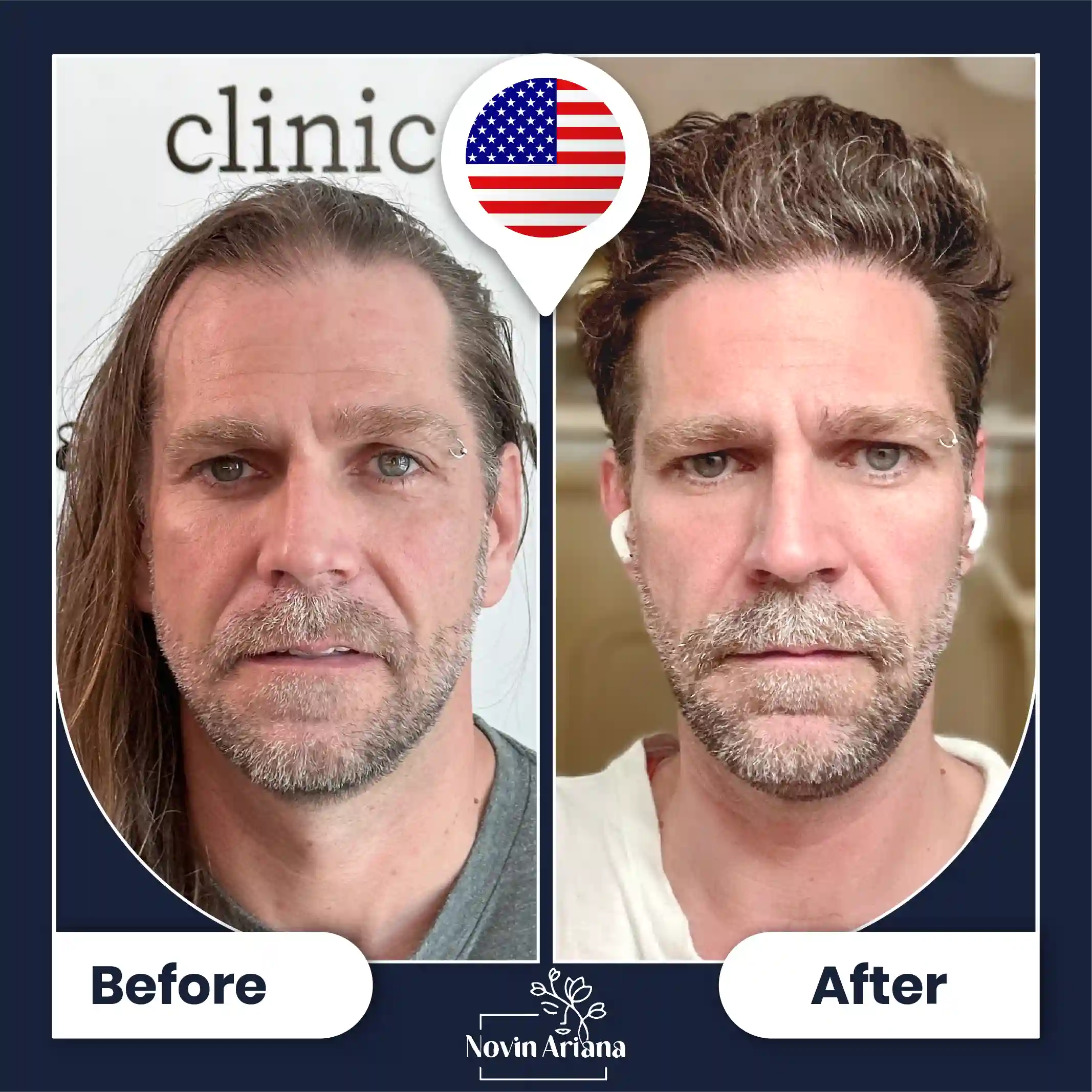
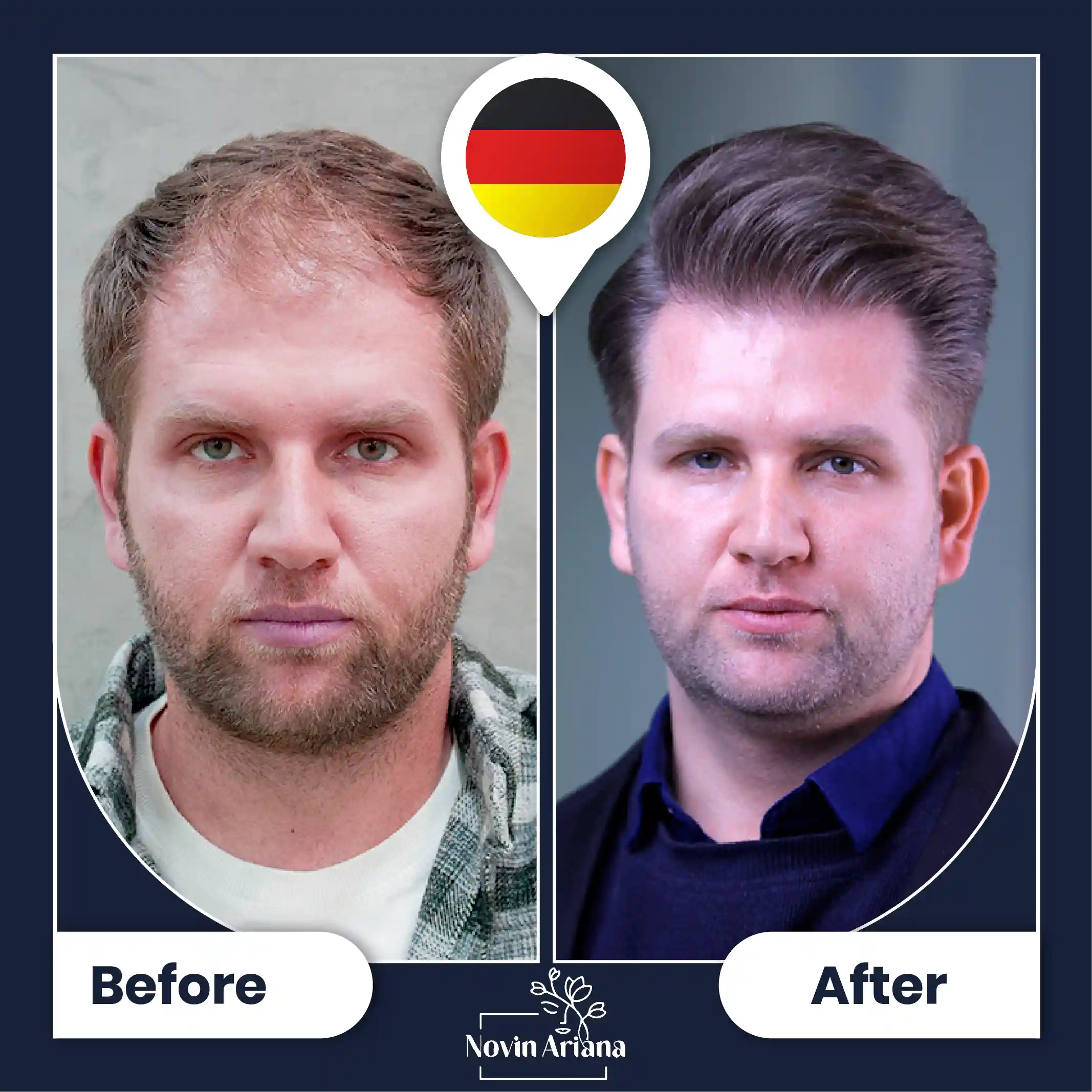
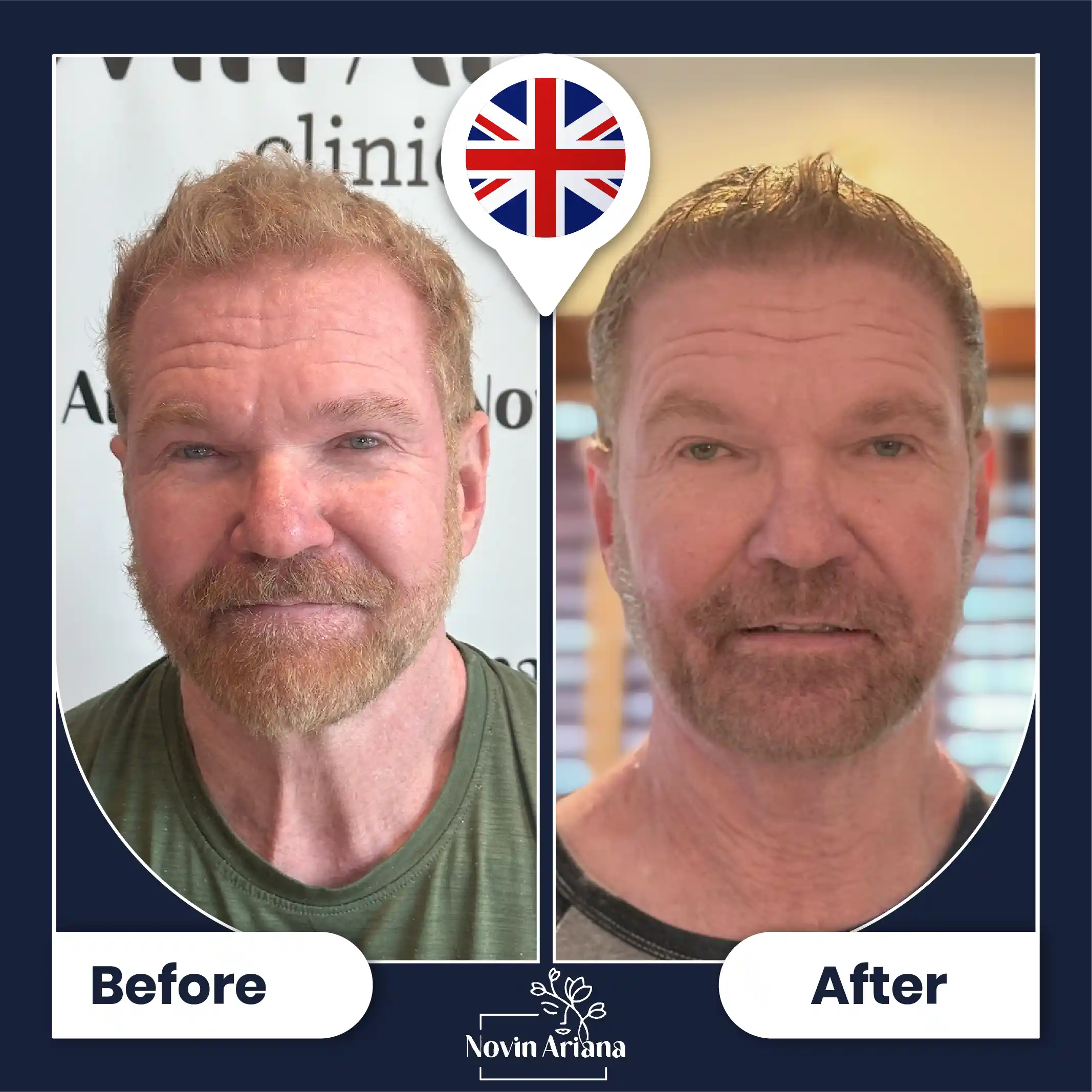
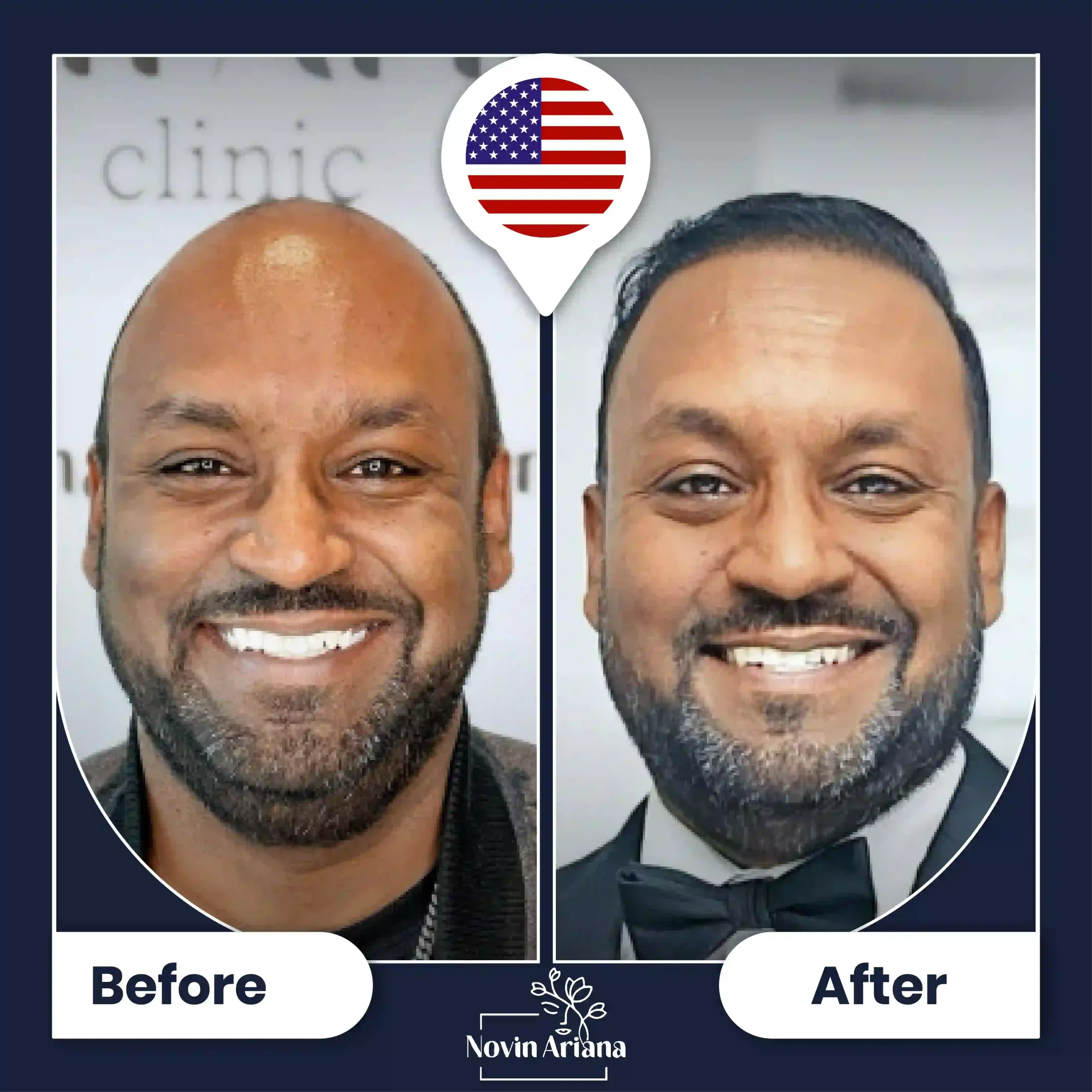
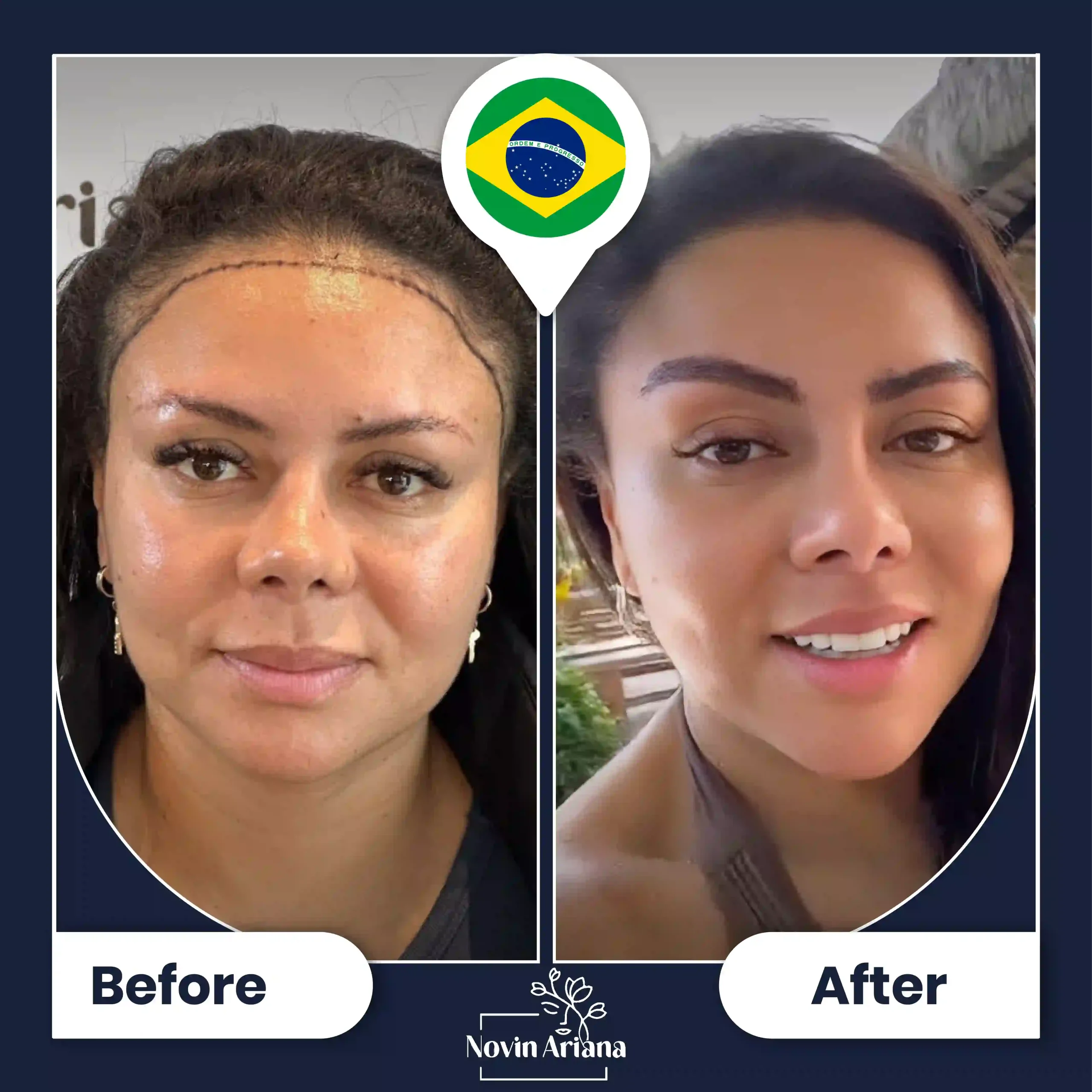
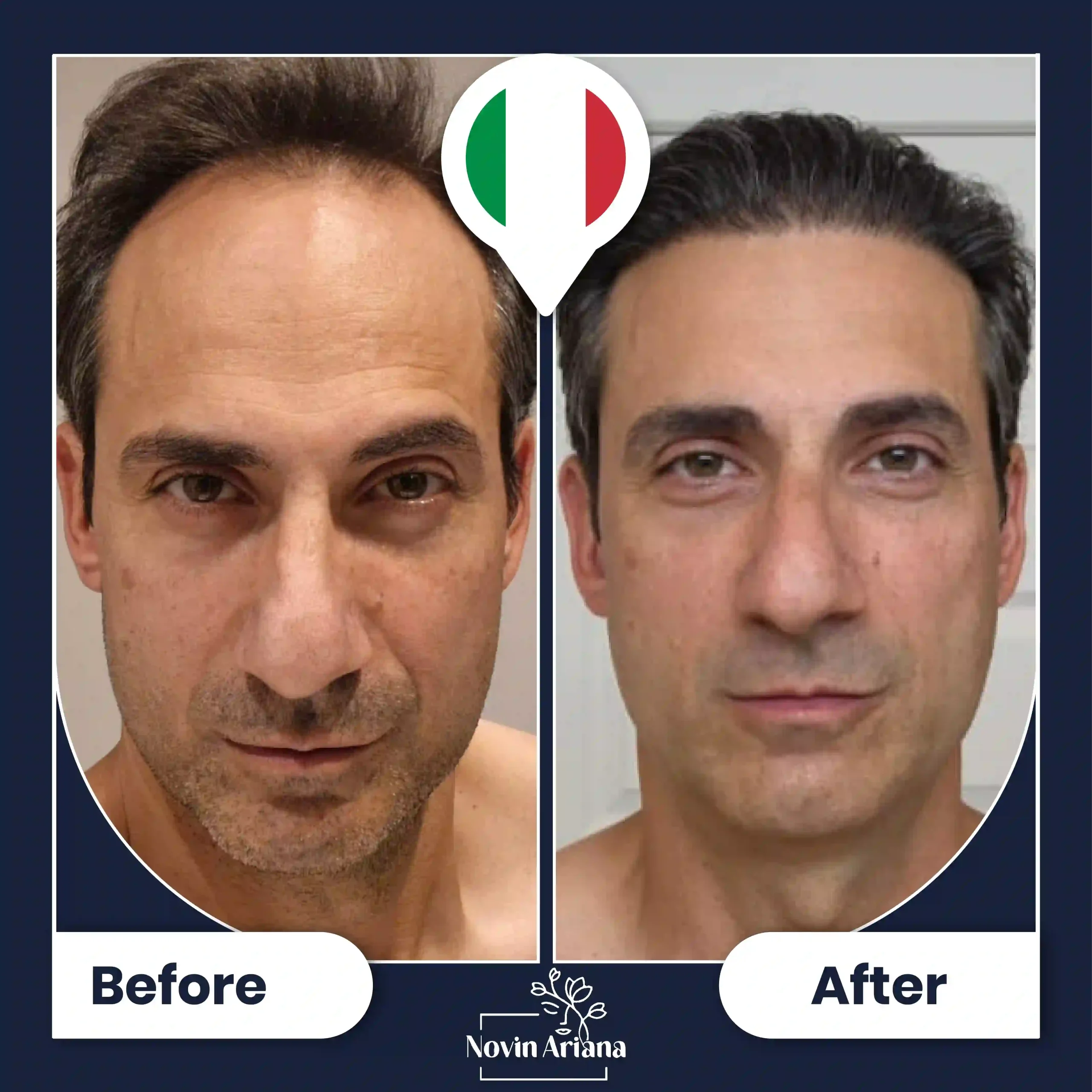
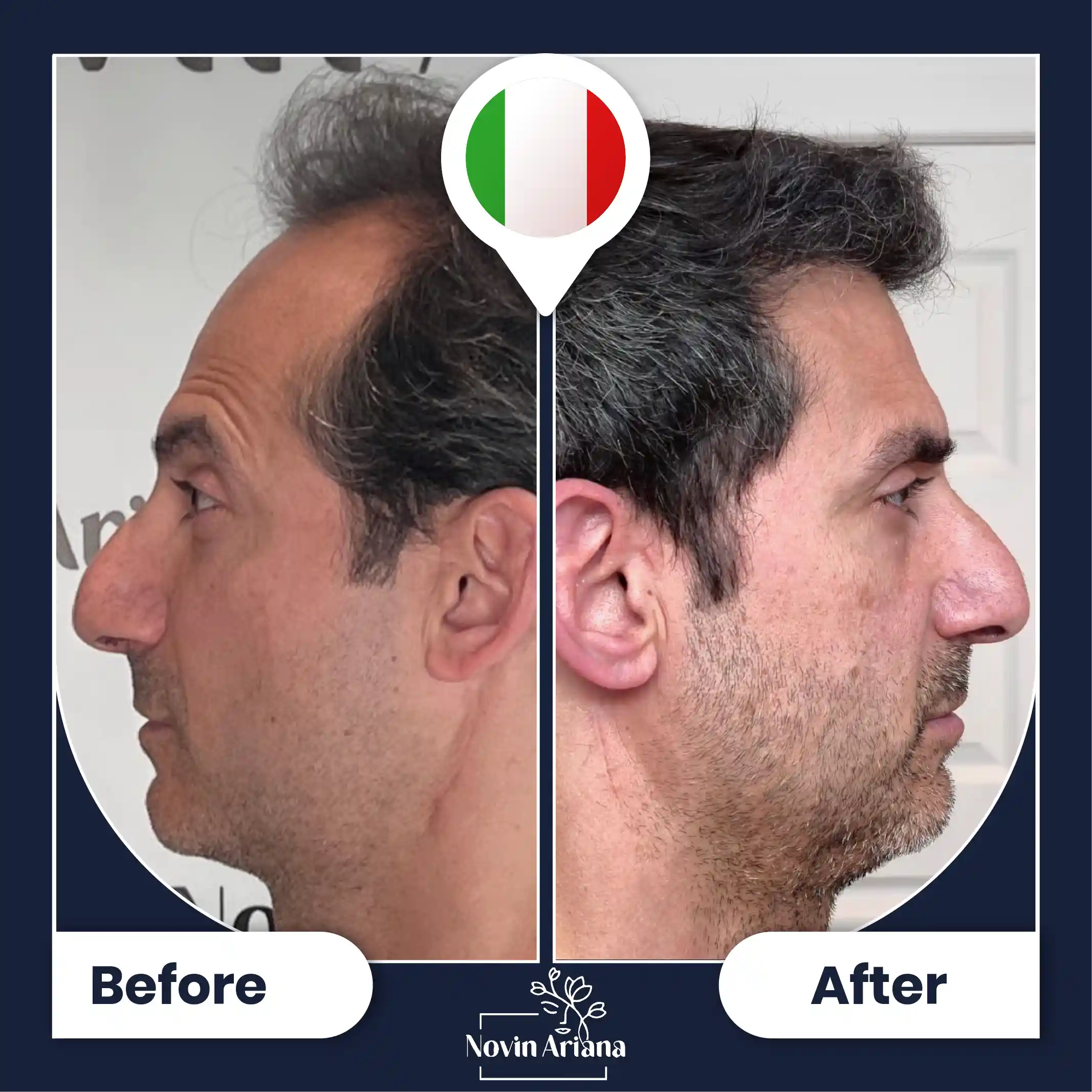
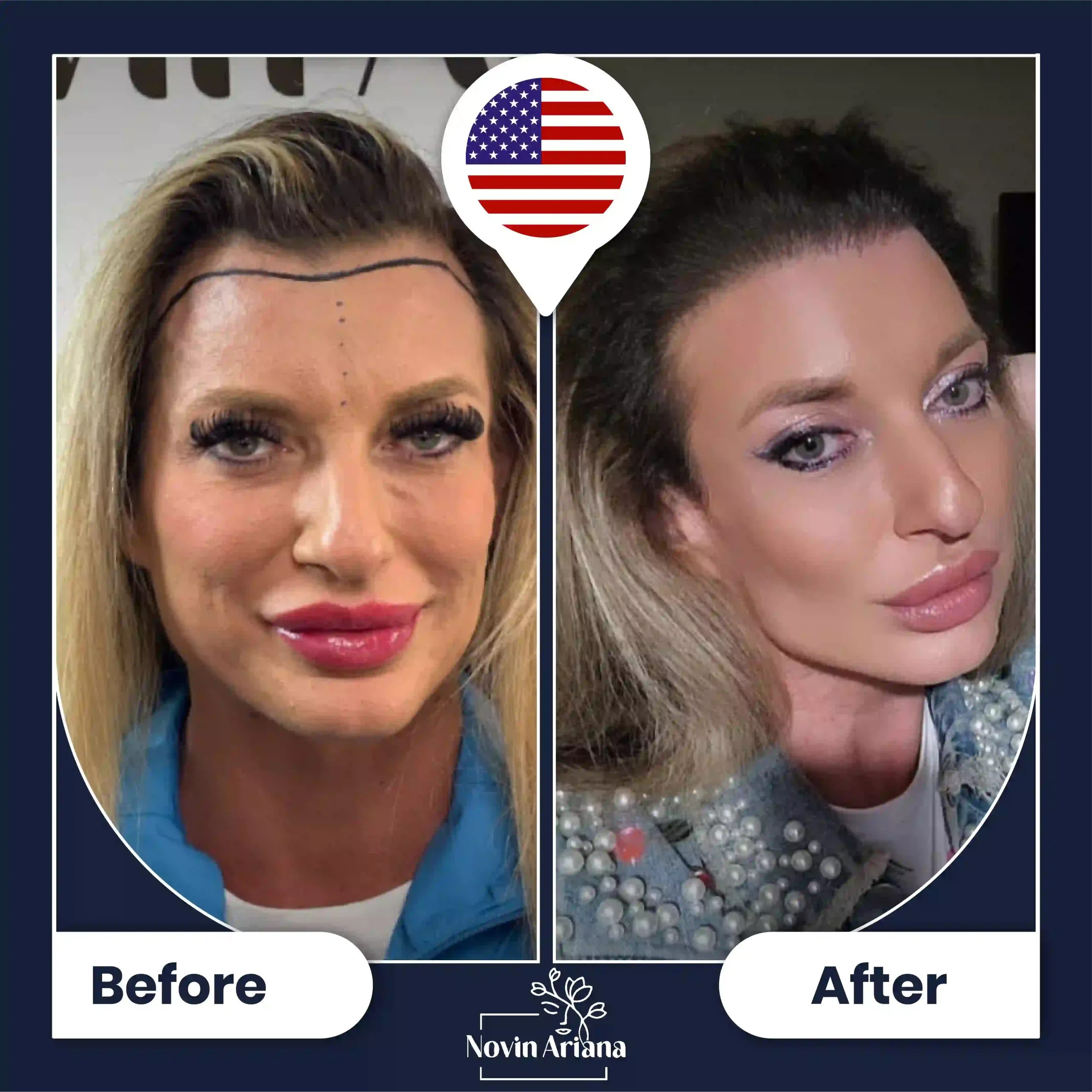
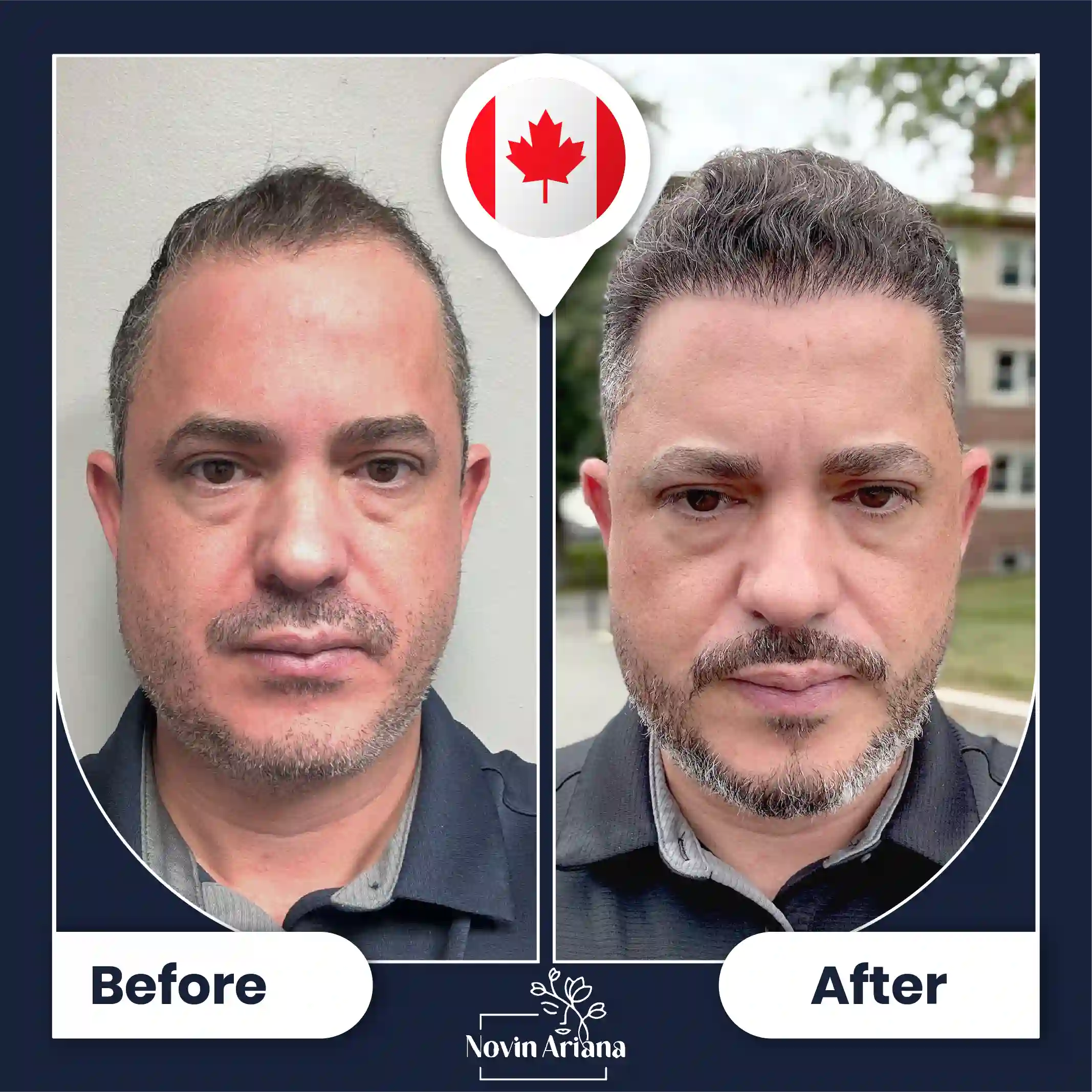
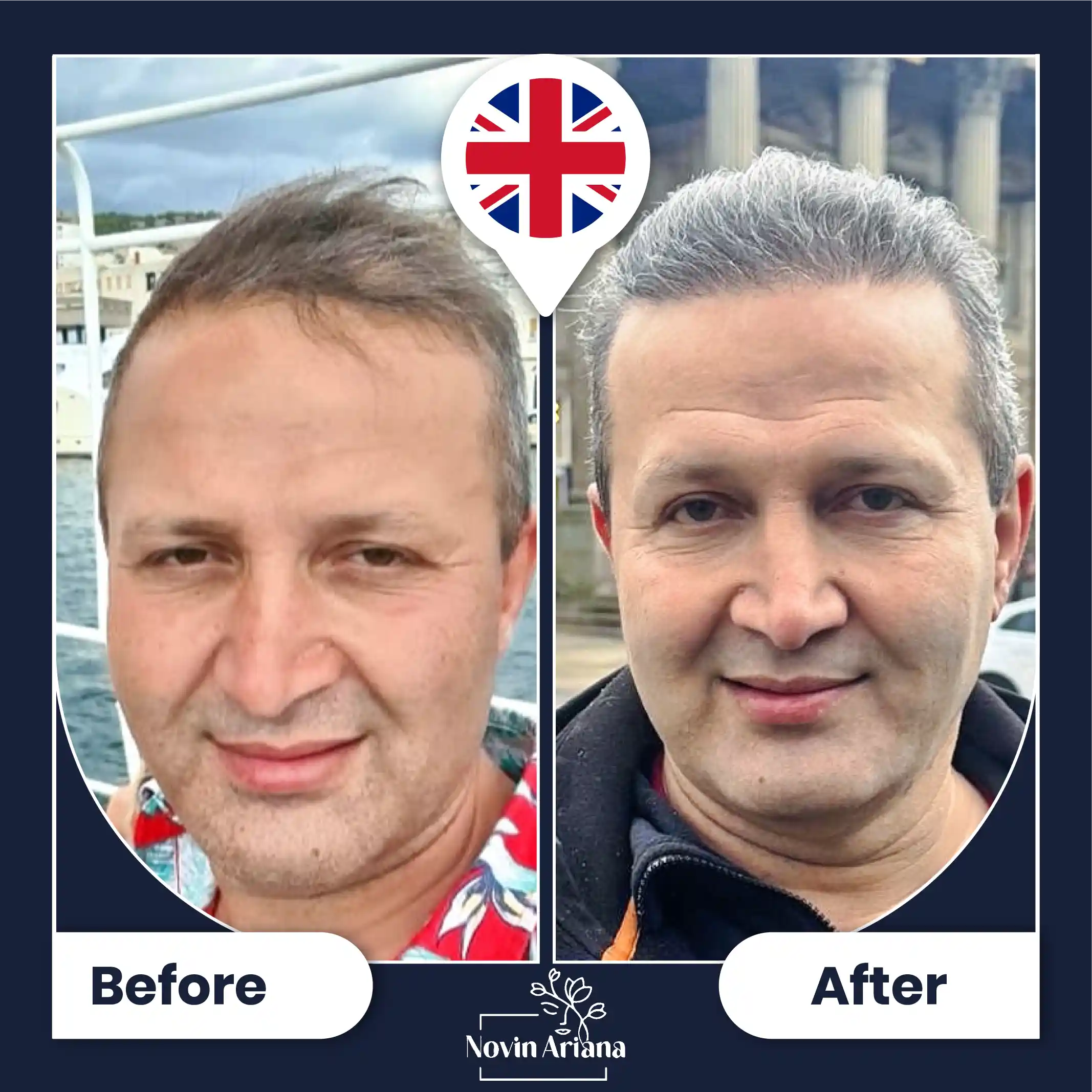
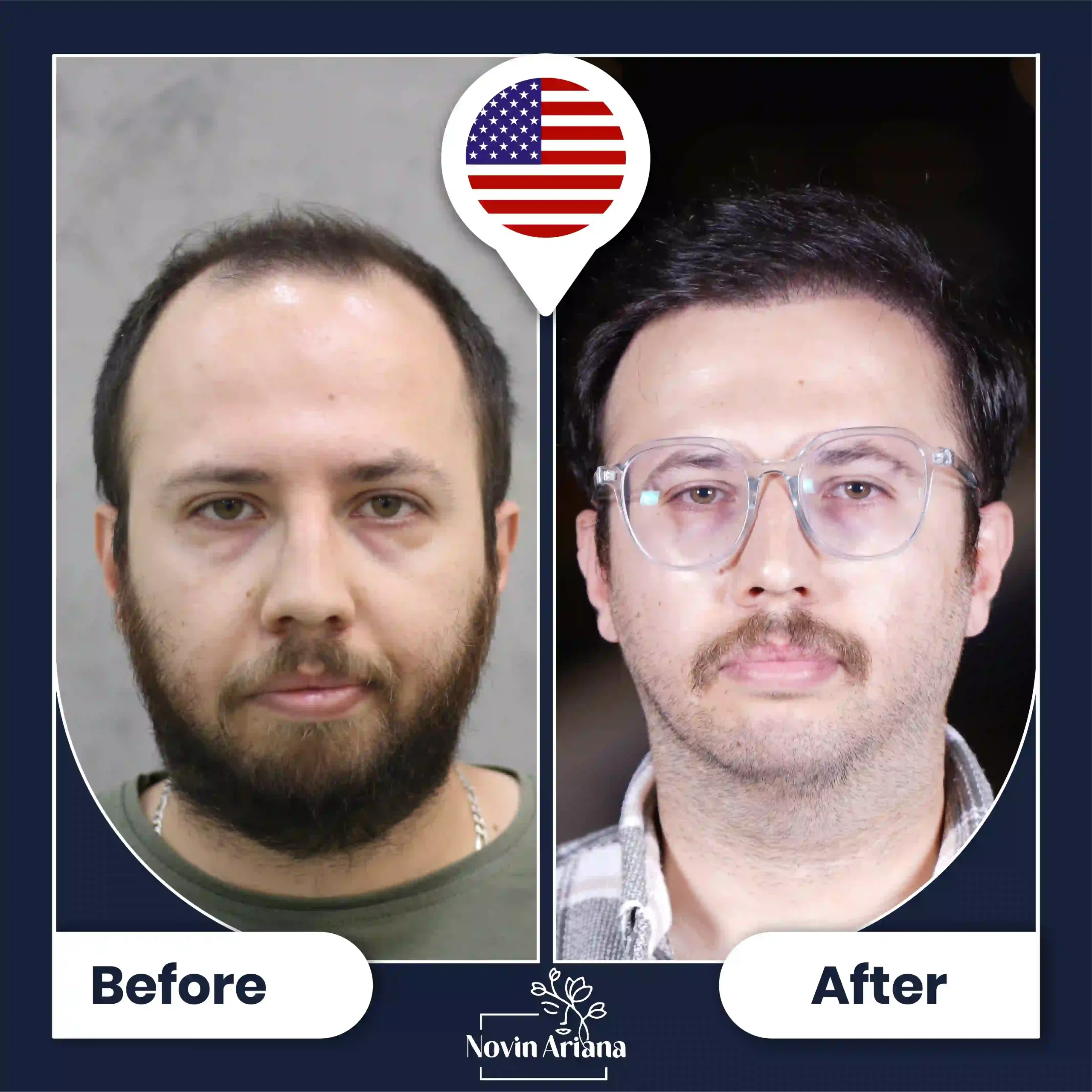
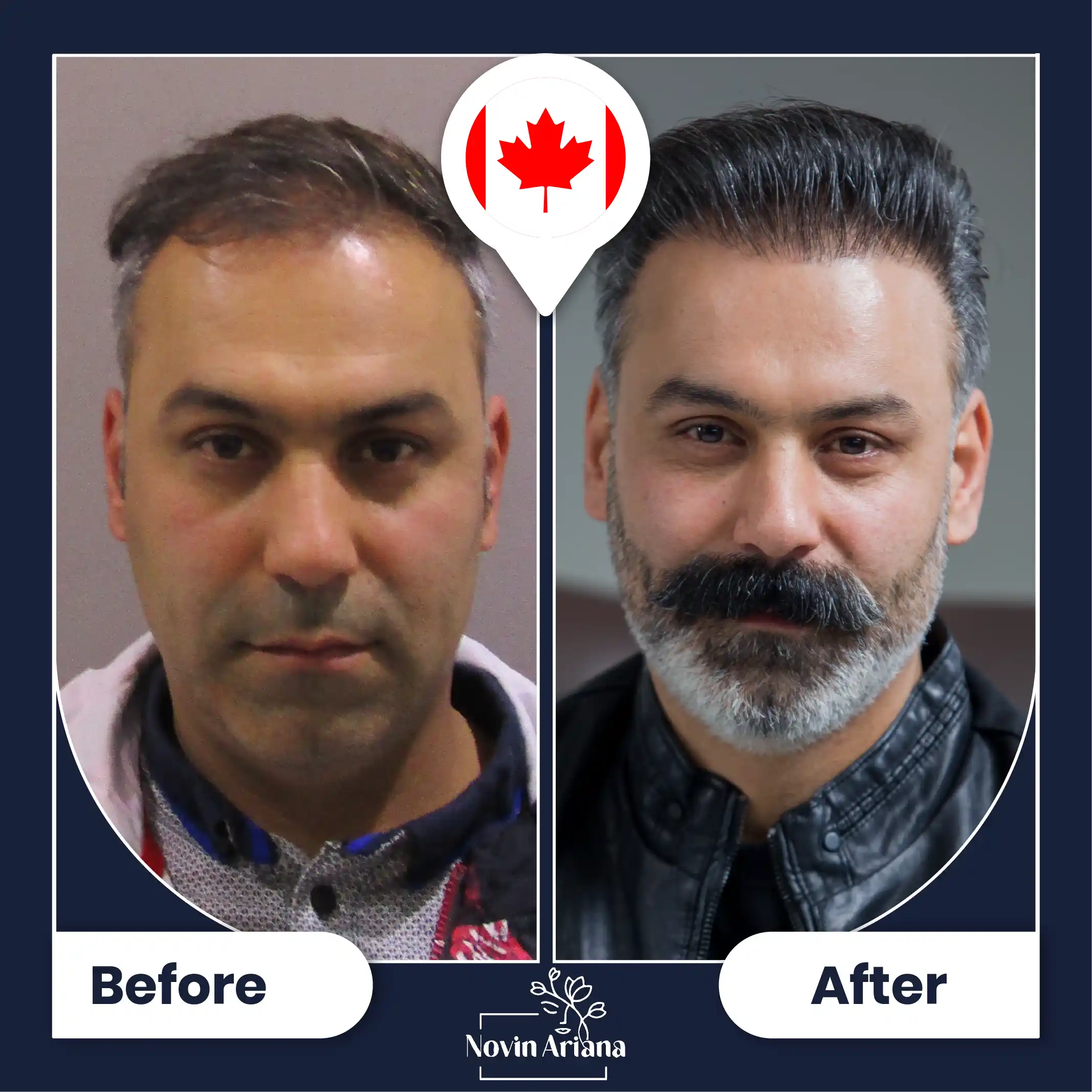
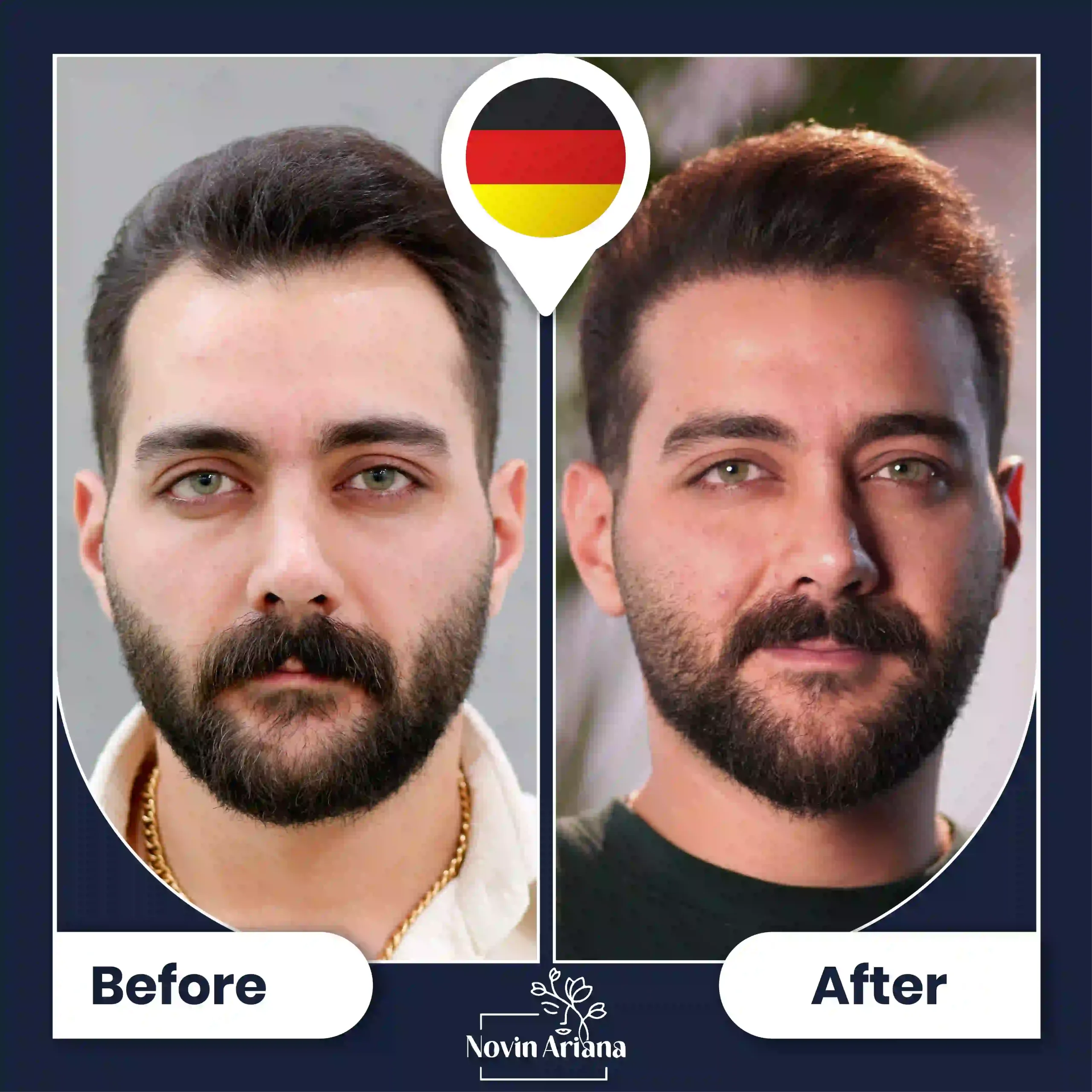
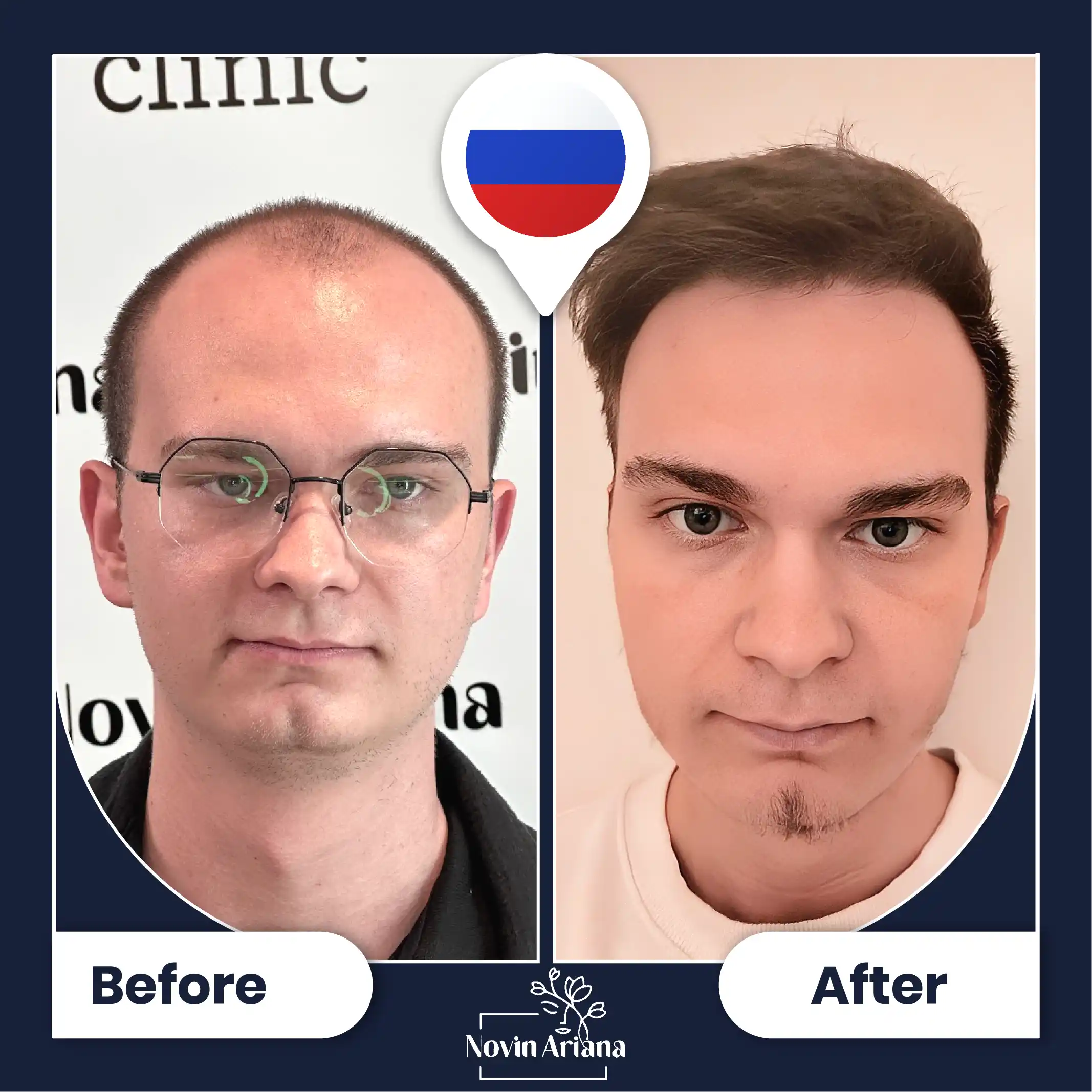
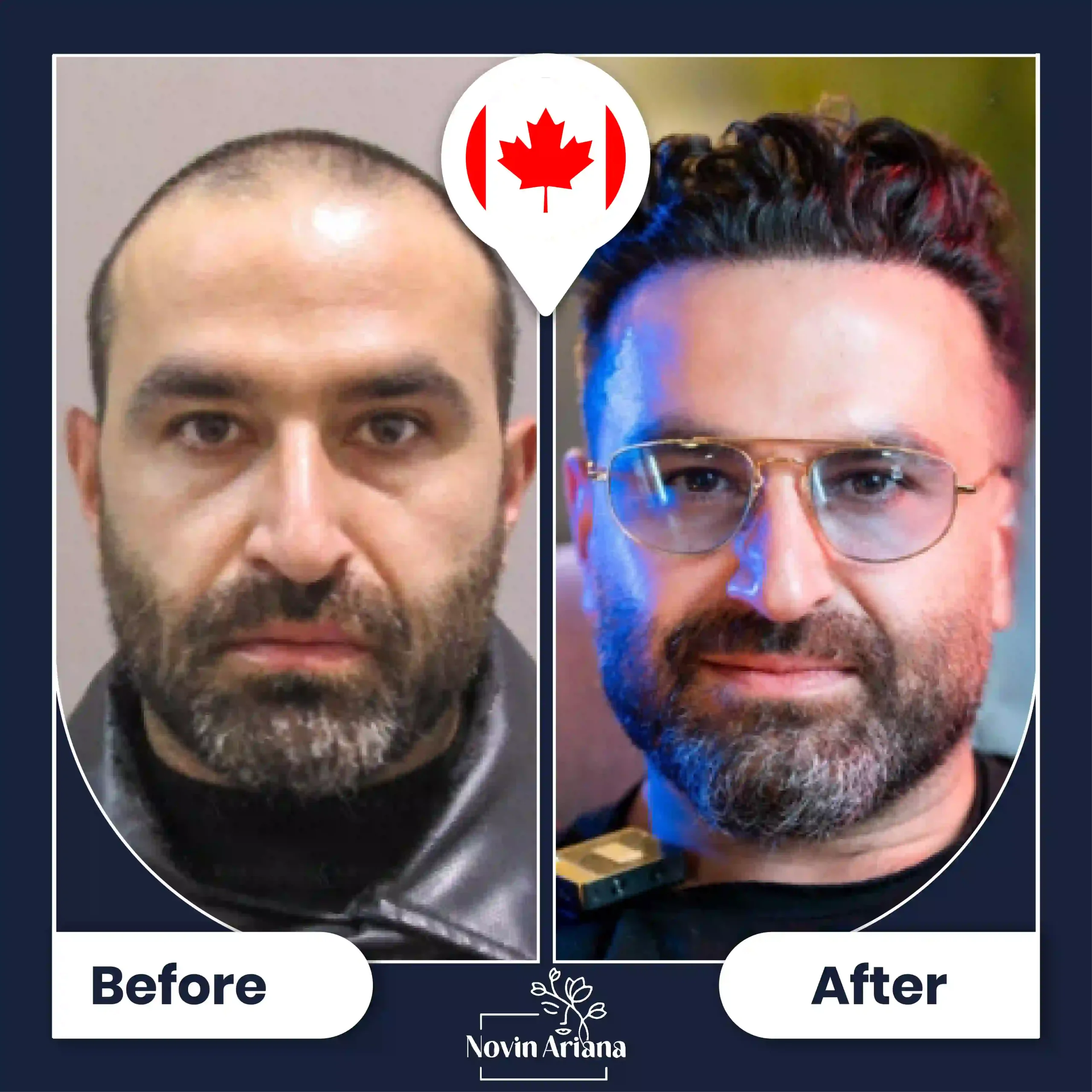
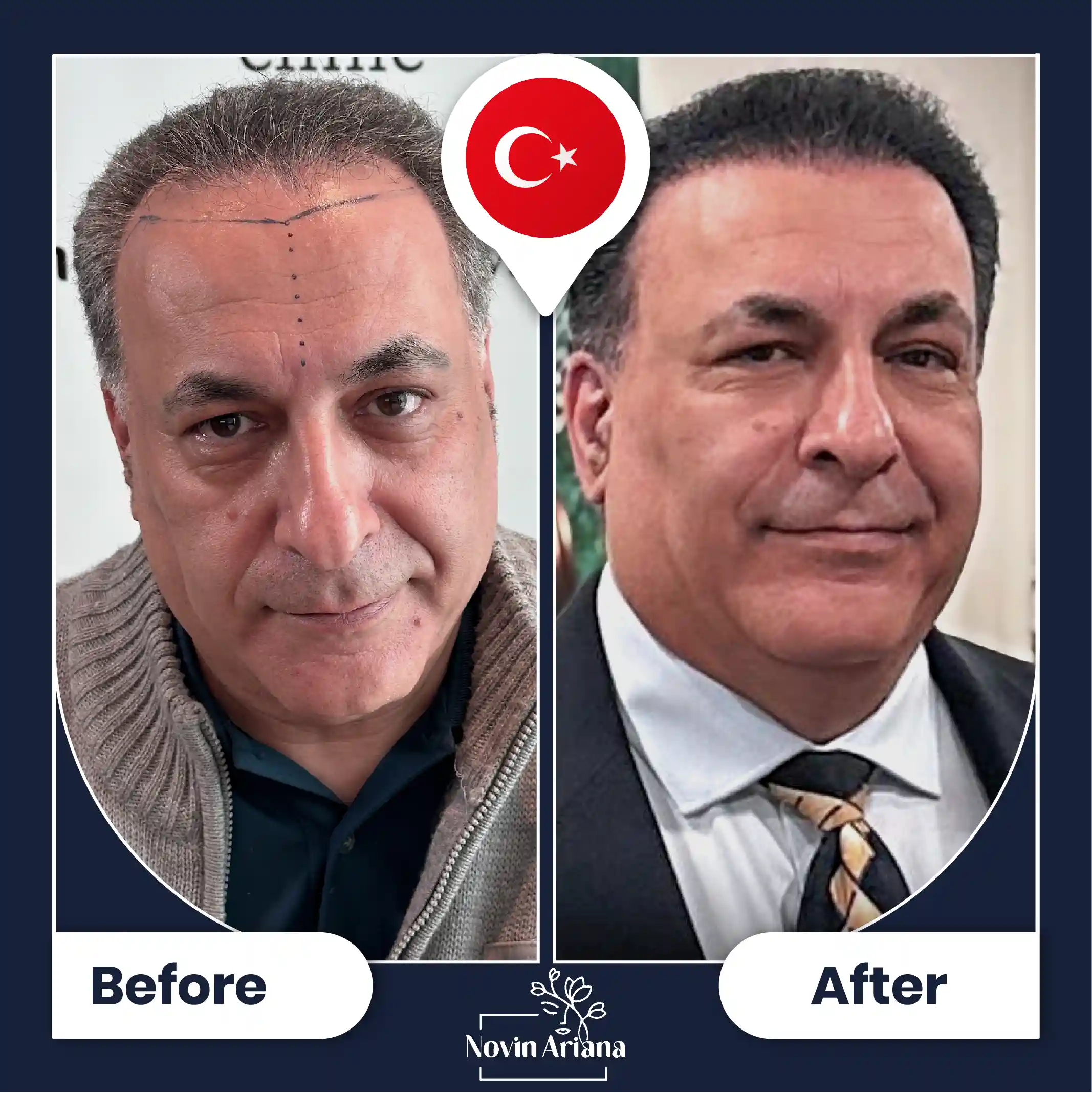
Personalized Hair Restoration for Men, Women, and Beard/Eyebrow Patients
The market for hair restoration in Turkey is expanding beyond the classic male pattern baldness case. Demand is growing across several patient groups, each requiring a distinct approach.
Women's Hair Restoration
Female hair loss follows different patterns than male baldness — typically diffuse thinning rather than defined recession. This means the consultation process, donor assessment, shaving requirements, and density expectations are all different. Clinics experienced in women’s hair restoration offer specific protocols that account for these differences rather than applying a one-size-fits-all method.
Beard and Eyebrow Transplantation
Beard transplants and eyebrow restoration require highly precise angle control and aesthetic sensitivity. Each facial hair grows at a specific angle and with a unique curl pattern — replicating this through implantation is a skilled procedure that not all clinics are set up to perform well. Demand for these treatments is growing significantly as patients seek more comprehensive appearance improvements.
Clinics with a wider treatment portfolio and a stronger sense of aesthetic design are better positioned to serve these evolving needs.
Ready to change how you look and feel?
Get your consultation now — your new self is waiting.
What Premium Medical Tourism in Turkey Looks Like in 2026
Turkey’s competitive pricing remains a genuine advantage — but price alone no longer defines the best providers. Patients flying from the US, UK, Canada, Australia, or the Middle East increasingly want a service that feels safe, organized, and efficient from first contact to final follow-up.
A premium hair restoration experience in Istanbul typically includes:
- Clear online consultation with a named surgeon reviewing your case
- Detailed treatment plan with realistic graft estimates and outcome expectations
- Airport coordination and VIP transfers
- Quality clinic-affiliated accommodation
- Multilingual patient support throughout the stay
- Structured aftercare with follow-up checkpoints after you return home
For a patient investing thousands of pounds or dollars and traveling internationally, this level of coordination is not an optional extra. It is part of what makes the experience trustworthy. Clinics that reduce uncertainty at every stage build confidence before the first graft is placed.

Transparency and Patient Education: The New Standard
As the market matures, serious patients are becoming less impressed by advertising and more focused on evidence. Hair transplantation is a medical procedure. Better outcomes come from clinics that operate transparently.
Look for:
- Clear information about surgeon involvement — who performs which parts of the procedure, and when
- Honest graft estimates — realistic numbers based on your specific donor capacity, not inflated promises
- Proper screening — acknowledgment that not every patient is an ideal candidate right now
- Verified reviews — cross-referenced across multiple independent platforms, not just clinic-managed testimonials
- ISHRS membership or equivalent accreditation — a signal of commitment to ethical standards and surgical best practice
Clinics that educate patients rather than oversell are building better long-term reputations. This is what informed patients increasingly want, and it is where the Turkish hair restoration market is heading.
Ready to change how you look and feel?
Get your consultation now — your new self is waiting.
How to Choose the Right Hair Transplant Clinic in Turkey
Not all clinics in Istanbul operate at the same standard. Here is a practical framework for evaluating your options:
1. Surgeon credentials and involvement
Find out who performs the critical surgical steps — channel opening, graft extraction, and implantation. These require a qualified physician. Clinics where unlicensed technicians perform the entire procedure carry significantly higher risk.
2. Technique suitability
Ask why a specific technique is being recommended for your case. If a clinic recommends the same method to every patient, that is not personalized medicine.
3. Donor area assessment
Your donor area has a finite number of healthy follicles. A good clinic will assess this carefully and plan conservatively enough to preserve options for the future.
4. Aftercare structure
Recovery does not end when you fly home. Clarify what follow-up looks like: who you contact, when to expect communication, and what the protocol is if you have concerns.
5. Realistic outcome forecasting
Be cautious of dramatic before-and-after imagery and guaranteed results. Ask for honest timelines — visible growth typically emerges between months 3 and 4, with full results at 12 months.
Ready to change how you look and feel?
Get your consultation now — your new self is waiting.
What Patients Should Expect From the Turkish Hair Restoration Market Going Forward
Over the next few years, the market will segment more clearly. At one end: high-volume, lower-cost clinics competing mainly on price. At the other: premium providers focused on natural aesthetics, advanced assessment, careful planning, and a structured international experience.
For many patients, the second category offers better value even if the upfront cost is slightly higher. A well-planned transplant with thoughtful donor management, natural design, and proper aftercare avoids the disappointment and revision costs that come from rushed or poorly planned procedures.
The smartest choice balances medical expertise, realistic planning, patient support, and honest communication. That is where the best value lies — and where the Turkish hair restoration market is heading.
The future is moving beyond price competition toward precision planning, advanced techniques like Sapphire FUE and DHI, natural hairline design, and premium medical tourism experiences with structured aftercare.
Turkey performs an estimated 60–70% of all hair transplant procedures globally and remains the leading destination for international patients. Istanbul has over 650 dedicated clinics, with the strongest providers combining surgical expertise with premium patient coordination.
Sapphire FUE uses gemstone blades to create precise incisions before graft implantation, supporting high-density work and faster healing. DHI uses an implanter pen to place grafts directly without pre-made channels, offering fine control over angle and direction. The right choice depends on your individual case.
This depends on your pattern of hair loss, donor density, and aesthetic goals. Reputable clinics will assess your donor area carefully and give you a realistic estimate — not an inflated number used as a marketing claim.
Costs vary significantly by clinic, surgeon experience, and the number of grafts required. Turkey typically offers procedures at 60–80% lower cost than the UK, US, or Germany, but all-in cost comparisons should include accommodation, transfers, and aftercare when assessing value.
Quality clinics provide structured follow-up after you return home, including communication checkpoints, guidance on washing and recovery, and access to medical support if questions arise. Confirm the aftercare protocol before booking.
Safety depends on the clinic and surgeon. Patients should verify surgeon credentials, confirm that a qualified physician performs critical surgical steps, check ISHRS membership or Ministry of Health certification, and read verified reviews across multiple independent platforms.
This guide is intended for informational purposes. Hair transplantation is a medical procedure; all patients should consult with a qualified specialist before making treatment decisions.