

 Summarize this article with:





Hair Transplant Aftercare First Month
Written by Novin Ariana
The first 30 days after a hair transplant are where good results are protected, not just created. Hair transplant aftercare first month planning matters because your grafts are secure only after a delicate healing period, and small mistakes – rubbing, sweating too soon, or picking at scabs – can affect how cleanly the area recovers.
For most patients, the surprise is not pain. It is how careful they need to be with ordinary things like sleeping, showering, working out, and even putting on a hoodie. The good news is that the first month is manageable when you know what changes week by week and what deserves a call to your clinic.
What You Read
Ready to change how you look and feel?
Get your consultation now — your new self is waiting.
Hair transplant aftercare first month: what matters most
The first month is less about doing something complicated and more about avoiding friction, pressure, heat, and contamination while the scalp heals. Whether you had DHI or Sapphire FUE, the same principle applies: newly implanted grafts need a clean, calm environment.
During the earliest days, your priority is protecting the recipient area and reducing swelling. After that, the focus shifts to gentle cleansing, letting crusts fall off naturally, and returning to normal routines gradually rather than all at once. Patients who approach recovery patiently usually feel more confident because they know what is normal and what is not.
Days 1 to 3
This is the most sensitive period. You may notice mild swelling on the forehead, tightness in the scalp, redness, and a sleeping pattern that feels awkward because your head needs to stay elevated. These are expected after-effects.
The transplanted area should not be touched, scratched, or rubbed. Even if itching begins early, resist the urge. If your team has given you a spray, foam, or saline routine, follow it exactly. The point is to keep the area hydrated and clean without disturbing the grafts.
Sleeping at an angle is one of the most repeated instructions for a reason. Keeping your head elevated helps limit swelling and reduces the chance of contact with the pillow. A travel pillow often helps because it prevents rolling during sleep. It is not glamorous, but it is effective.
Days 4 to 7
This is when patients usually start feeling better physically and become more tempted to relax too soon. That is where discipline still matters. Crusting becomes more visible, itching may increase, and the donor area can feel numb or tender.
Washing typically begins during this window based on your surgeon’s protocol. The technique matters more than the product itself. Water pressure should be gentle, shampoo should be approved by your clinic, and nothing should be scrubbed. Think rinse and pat, not massage and rub.
If swelling moves down toward the forehead or around the eyes, it can look dramatic but still be normal. What matters is the pattern. Swelling that gradually improves is expected. Rapidly worsening swelling, severe pain, pus, or fever is not.

How to wash your scalp without risking grafts
Washing is where many patients feel nervous, and that is understandable. The aim is to remove buildup without shifting grafts or irritating the skin. In the first wash period, lukewarm water is safer than hot water, and your hands should be used carefully only if your clinic has said direct contact is allowed.
Most clinics recommend applying shampoo in a diluted or foamed form rather than pouring concentrated product straight onto the scalp. Let it sit briefly if instructed, then rinse gently. No nails, no circular scrubbing, and no high-pressure shower stream directly onto the recipient area.
By the second week, scabs generally begin loosening more noticeably. They should come away with proper washing and time, not force. Picking them early can pull healing tissue and create unnecessary trauma. Patients often want the scalp to look “clean” quickly, but a slower, gentler approach is usually the safer one.
The scab stage and why patience pays off
Scabs can be frustrating because they make the hairline look uneven or darker than expected. This is temporary. They are part of the healing process, and trying to speed their removal can do more harm than good.
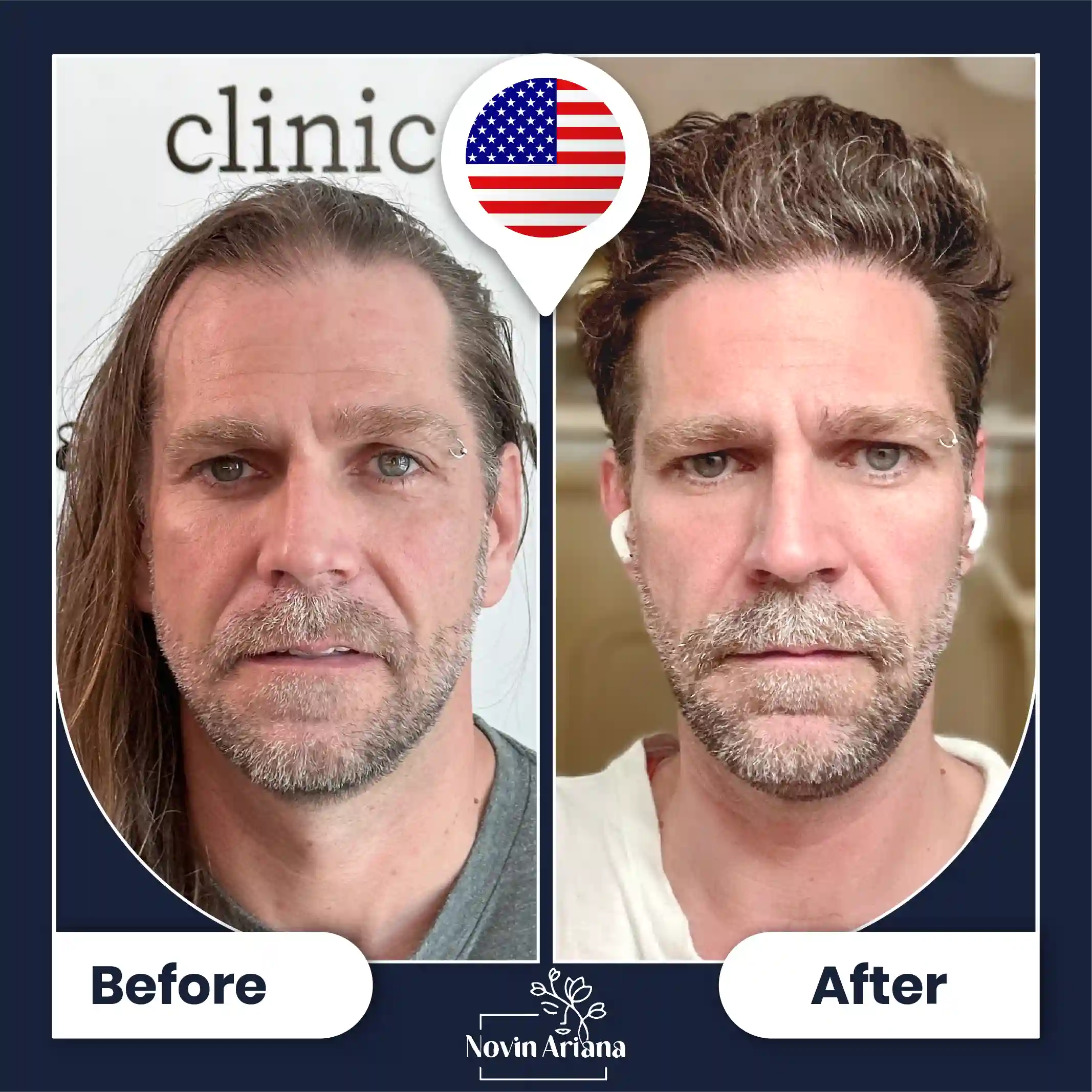
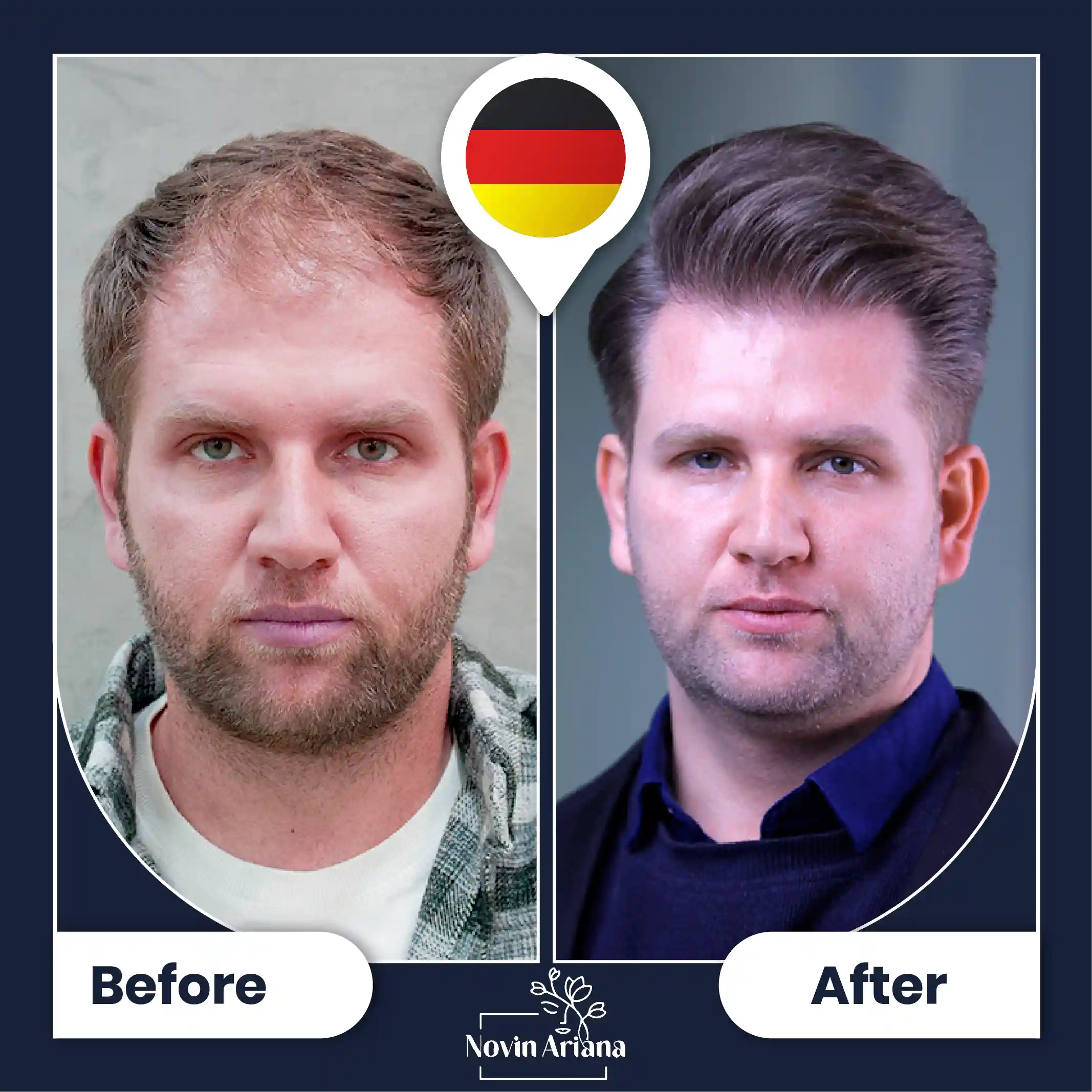
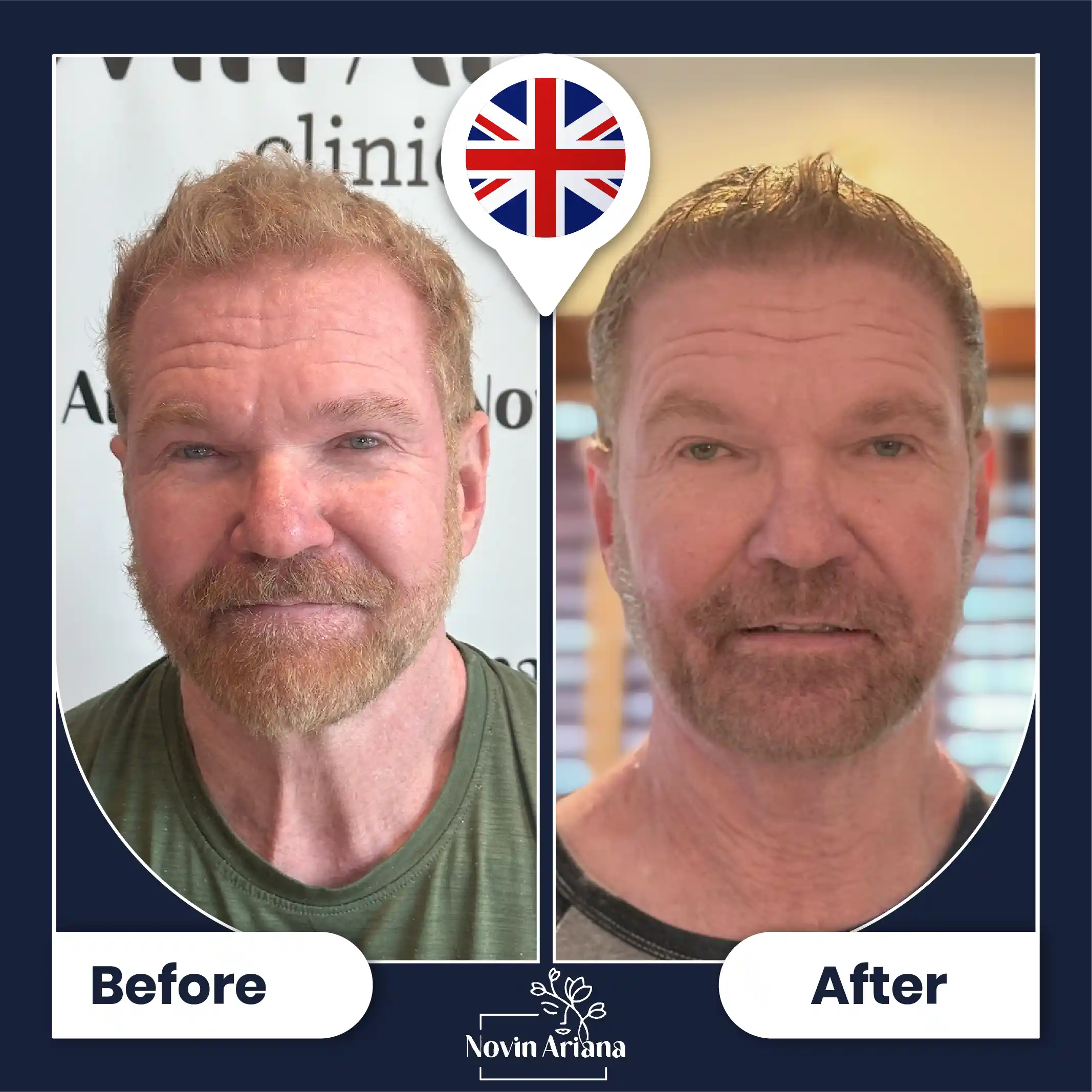
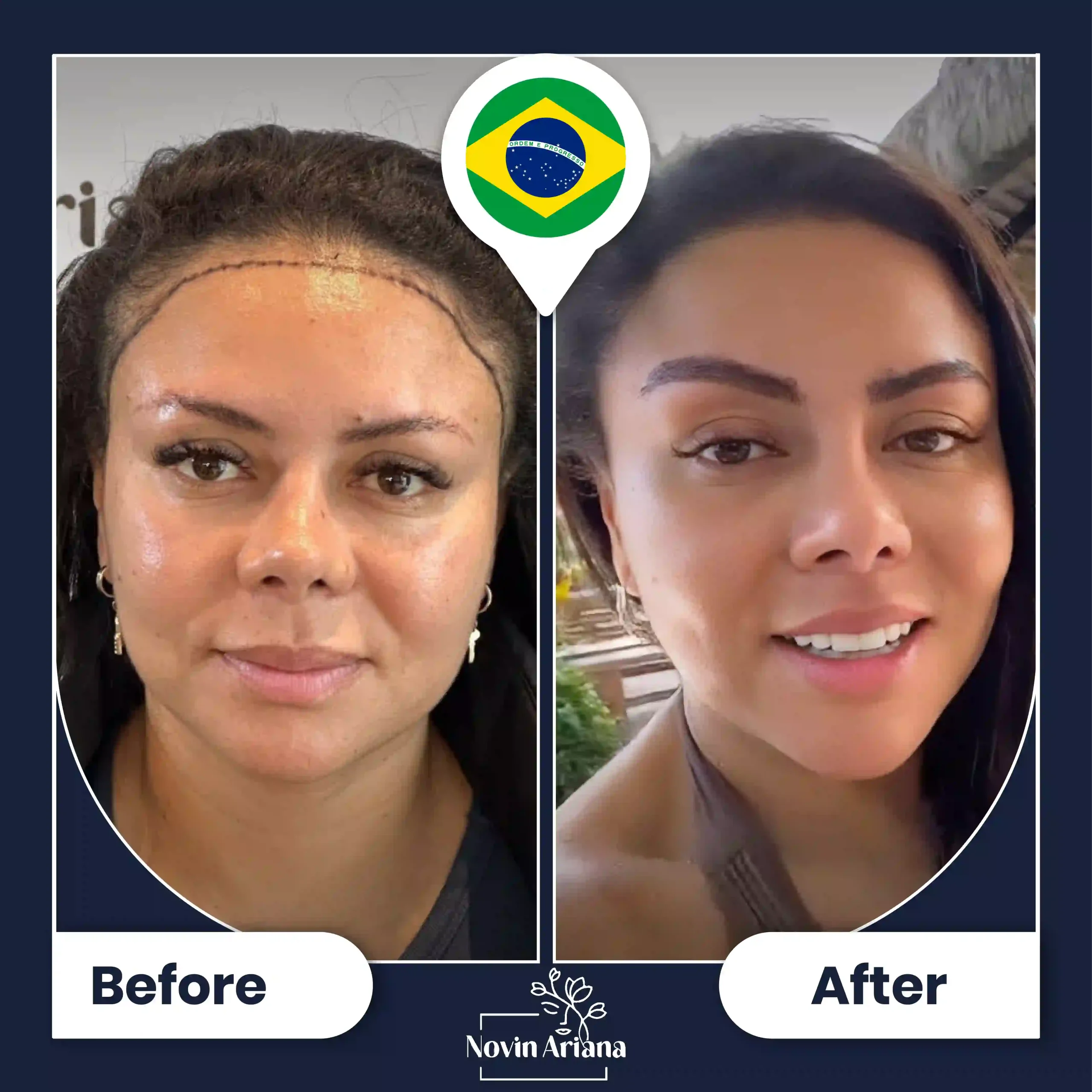
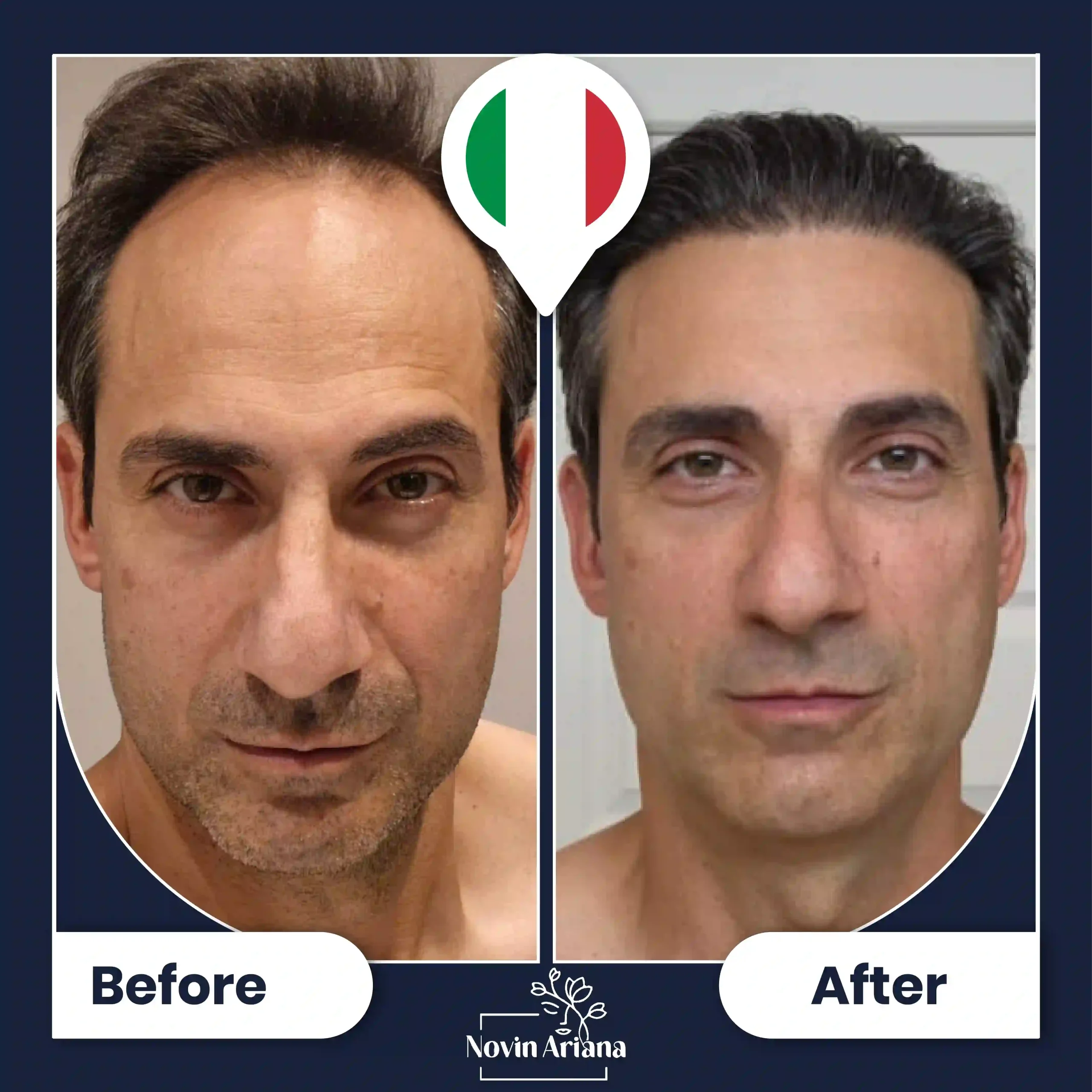
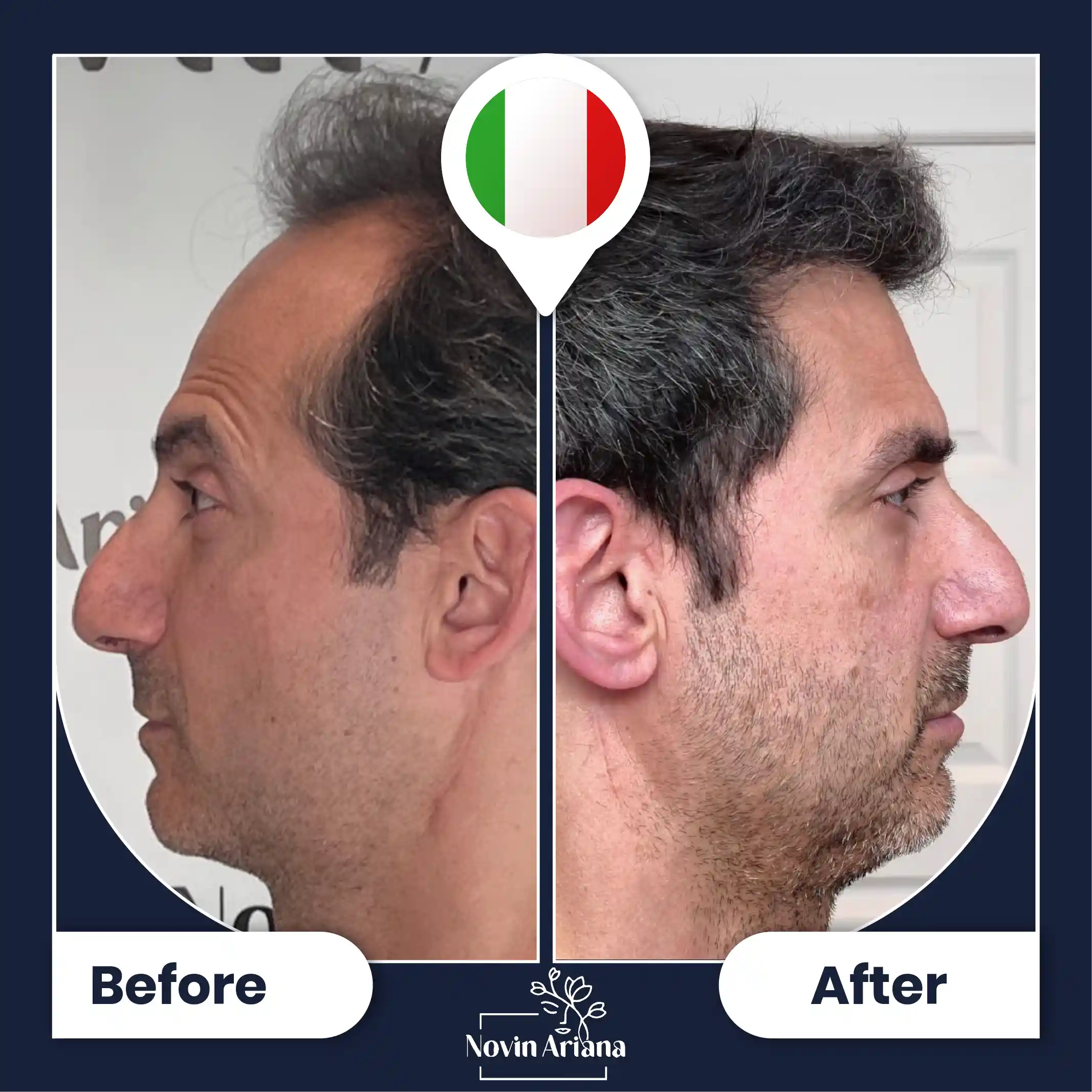
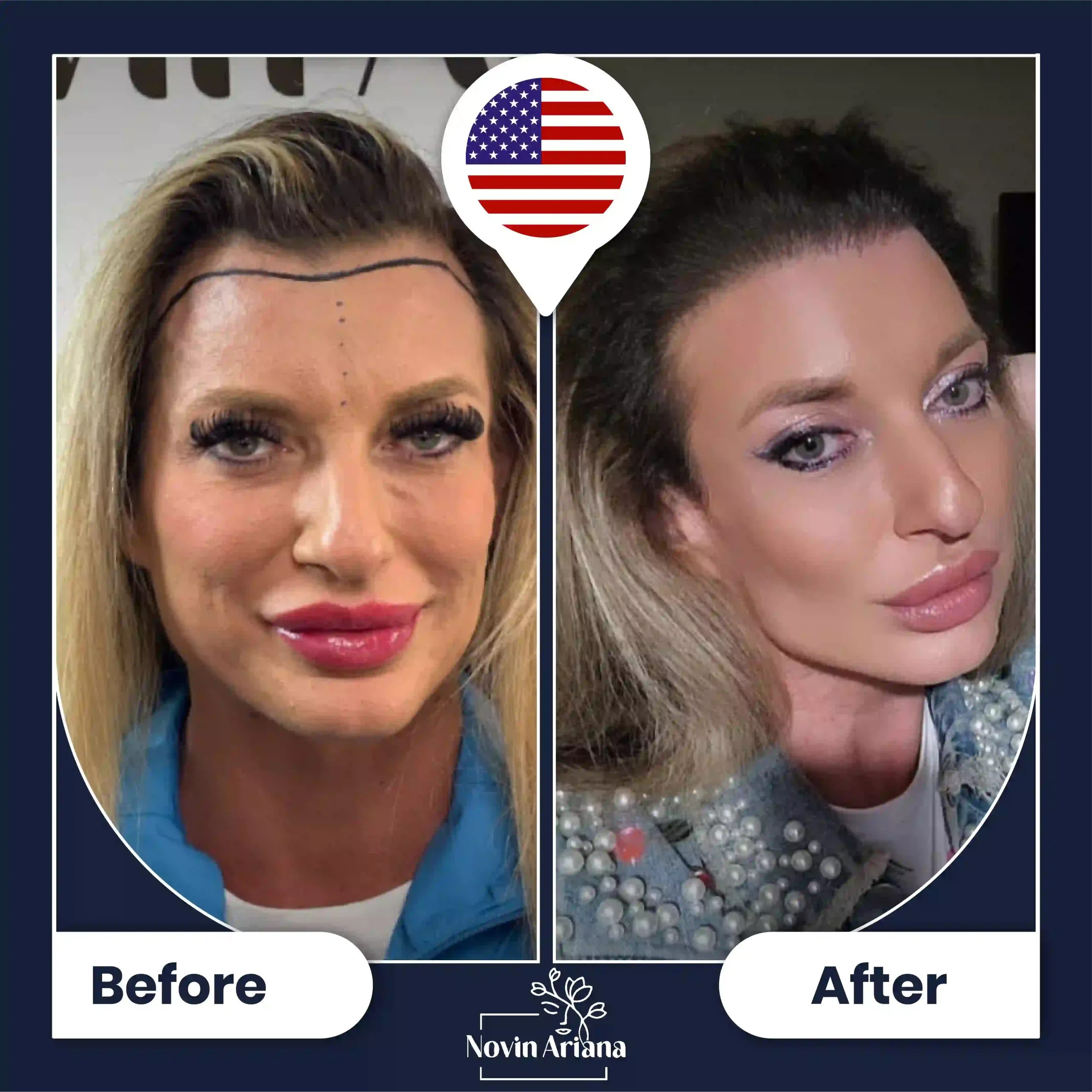
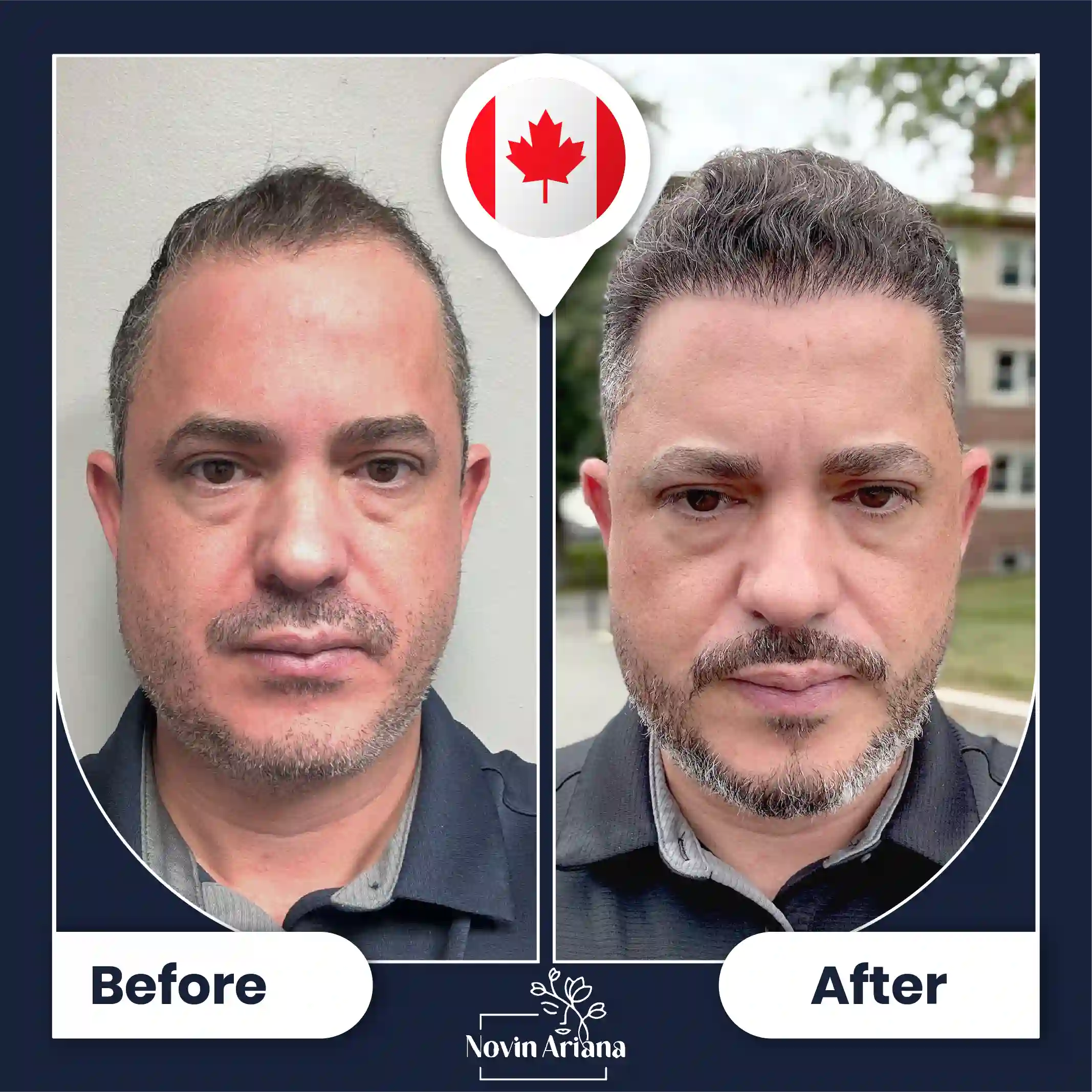
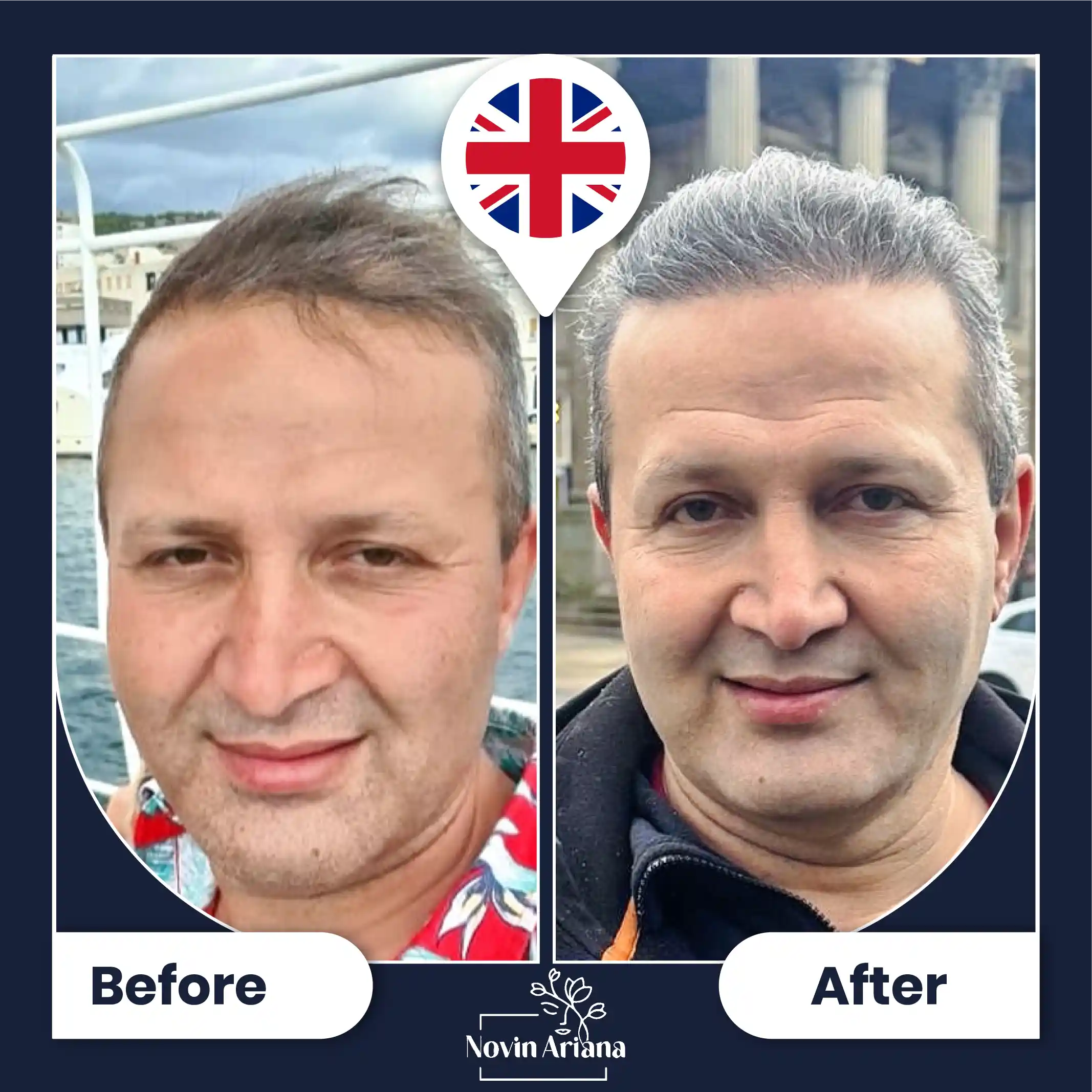
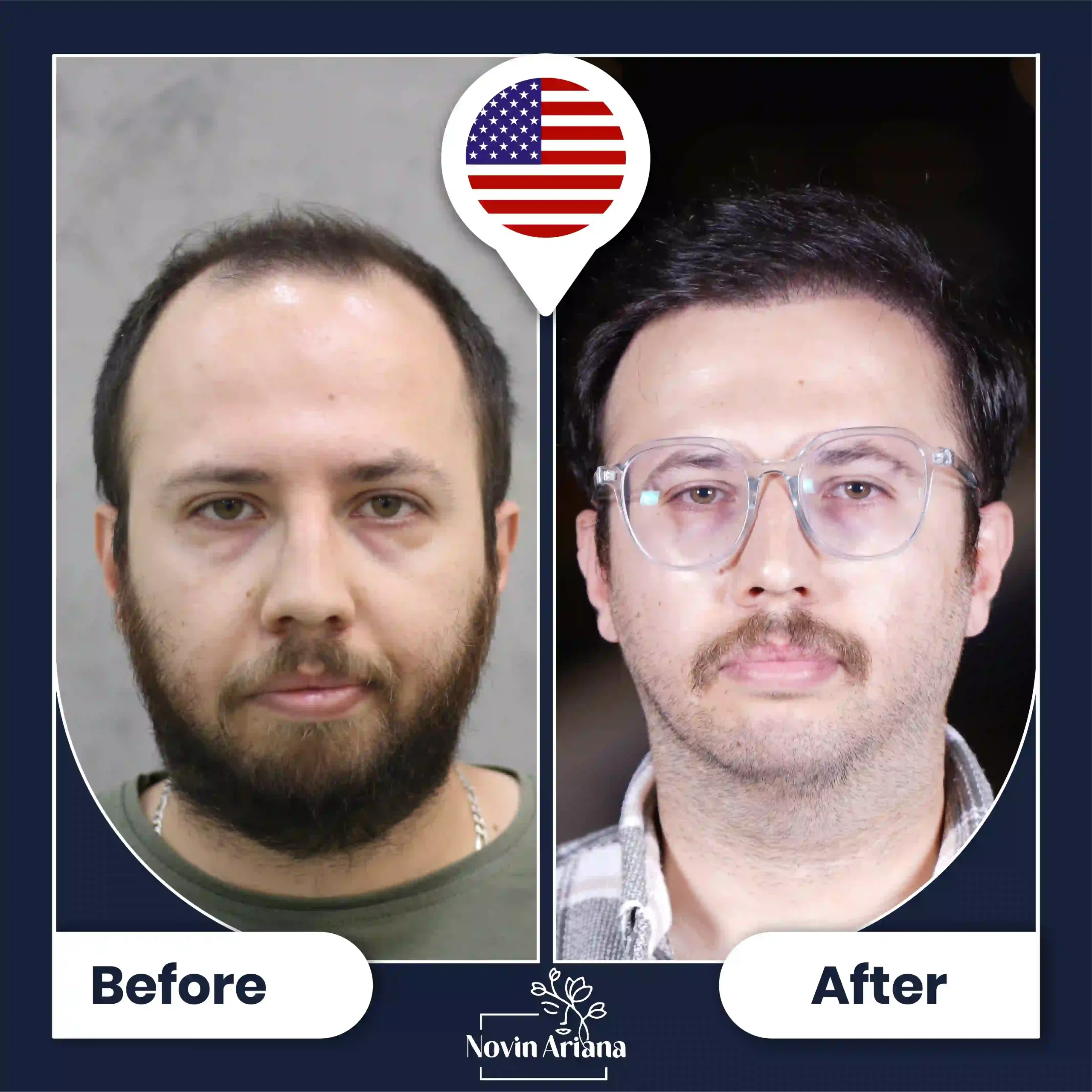
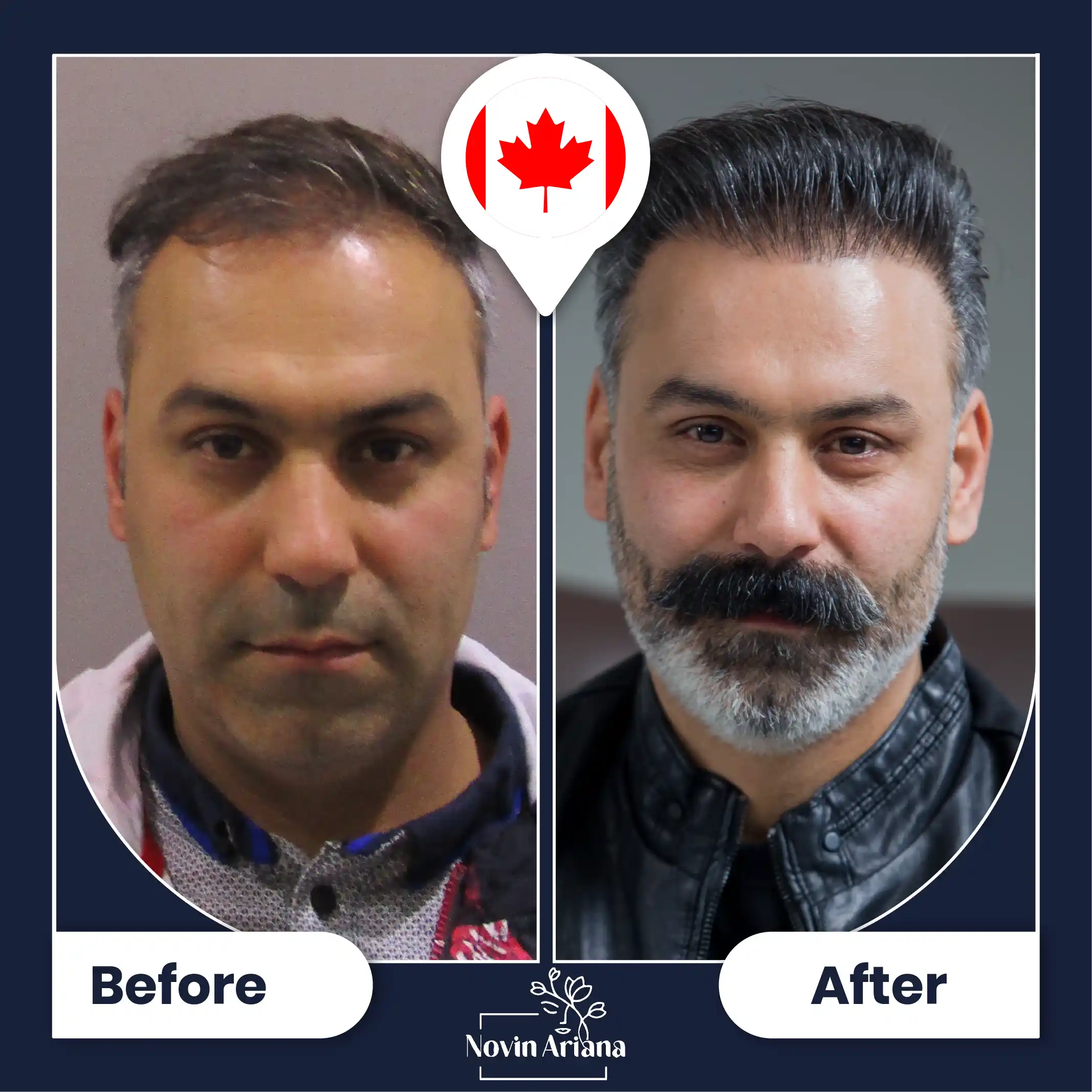
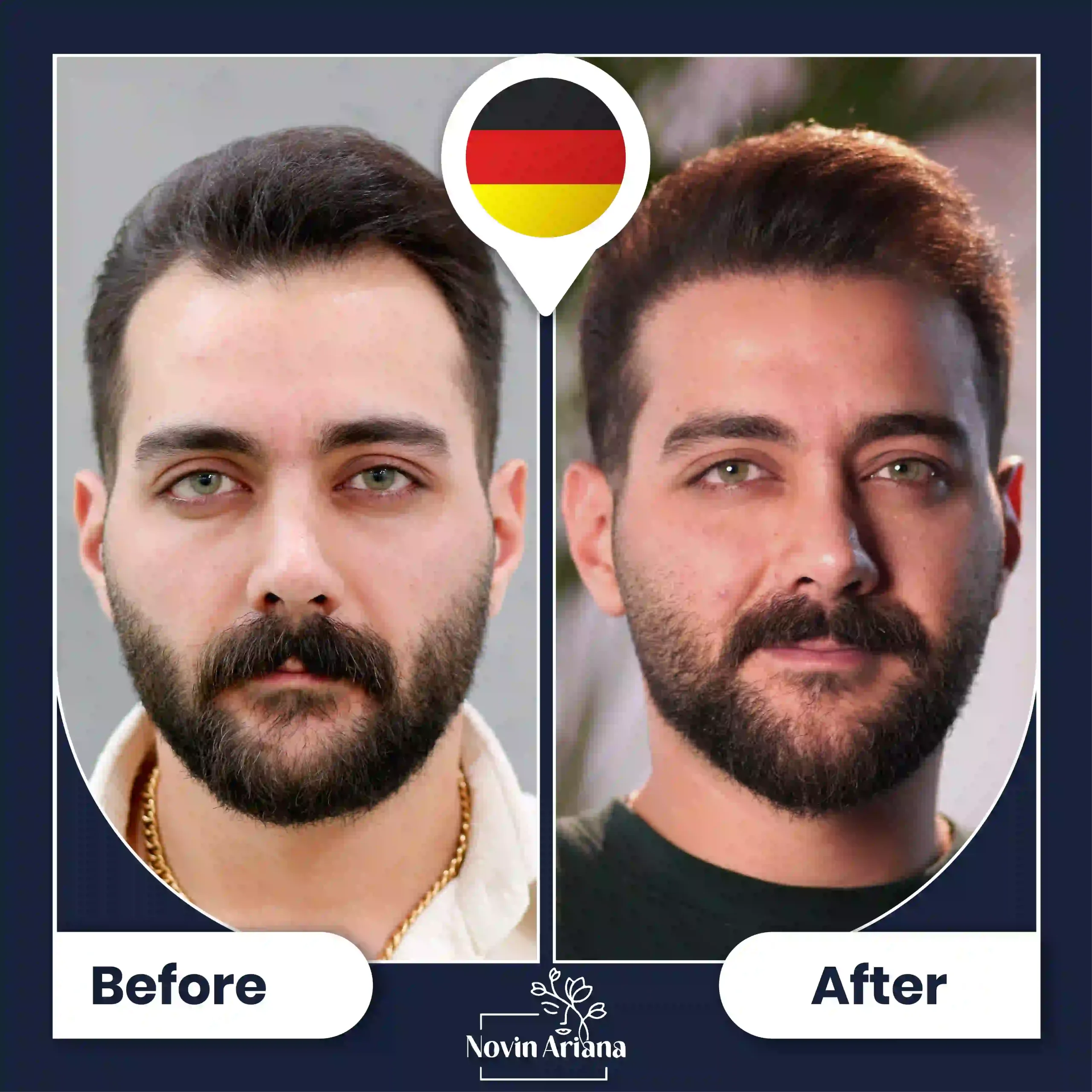
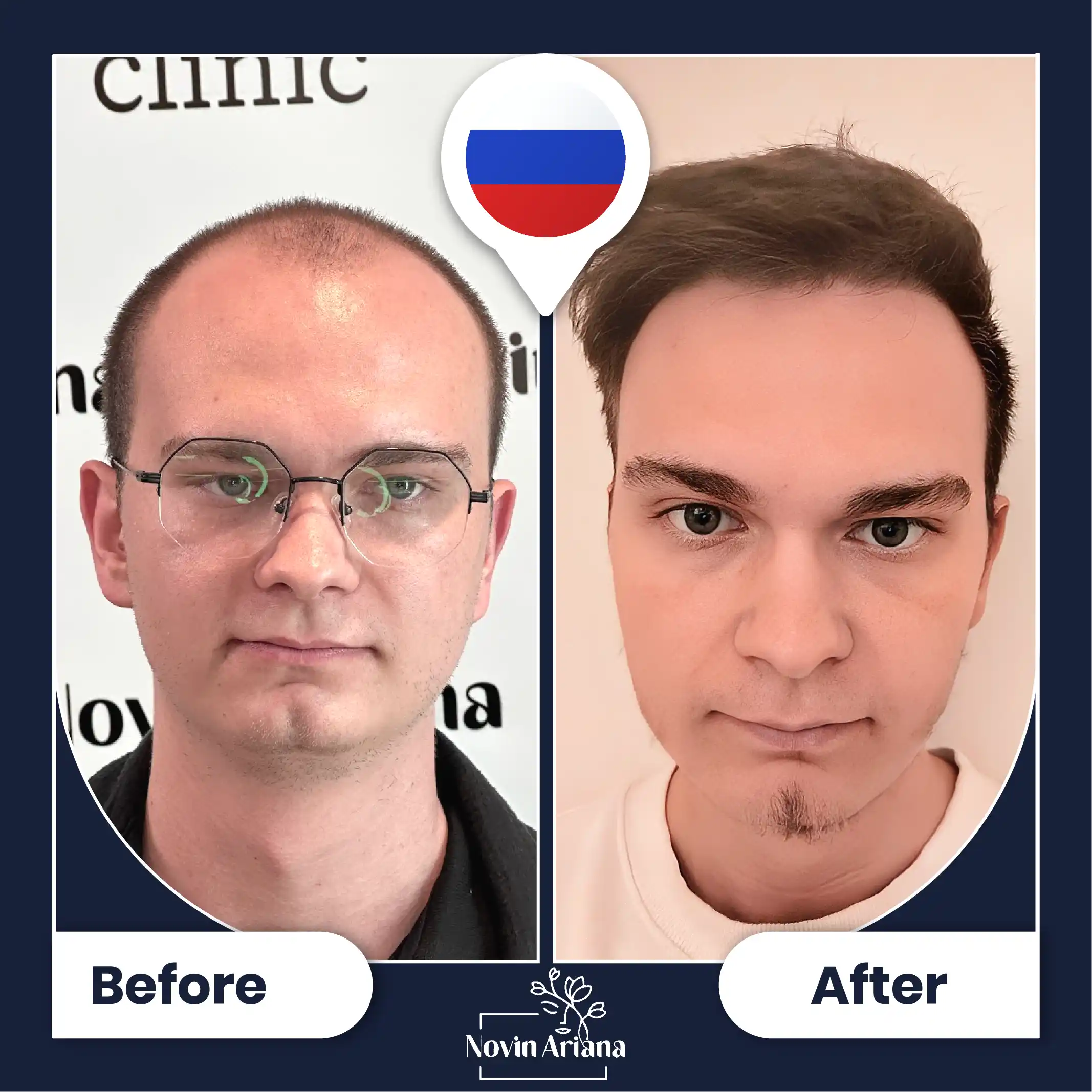
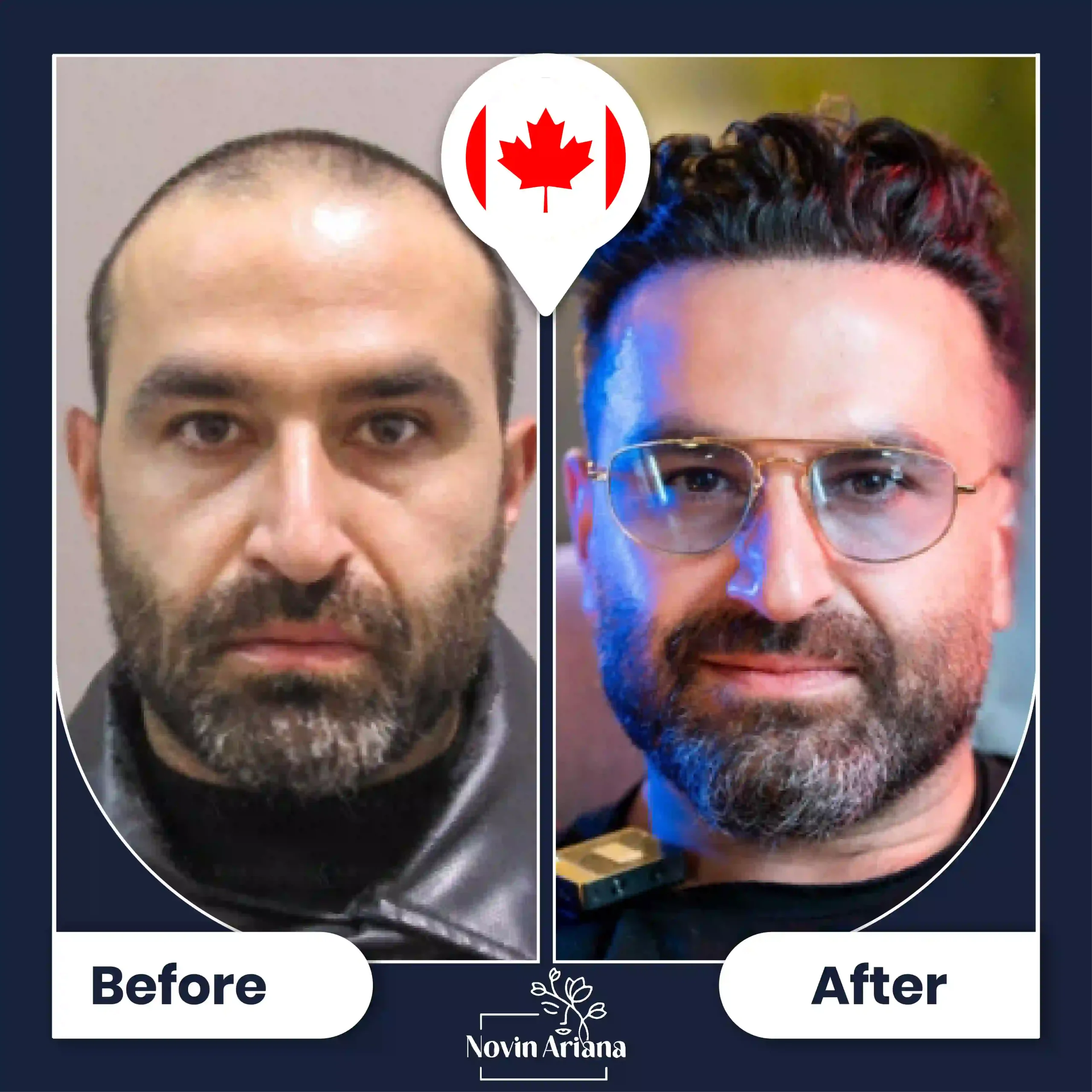
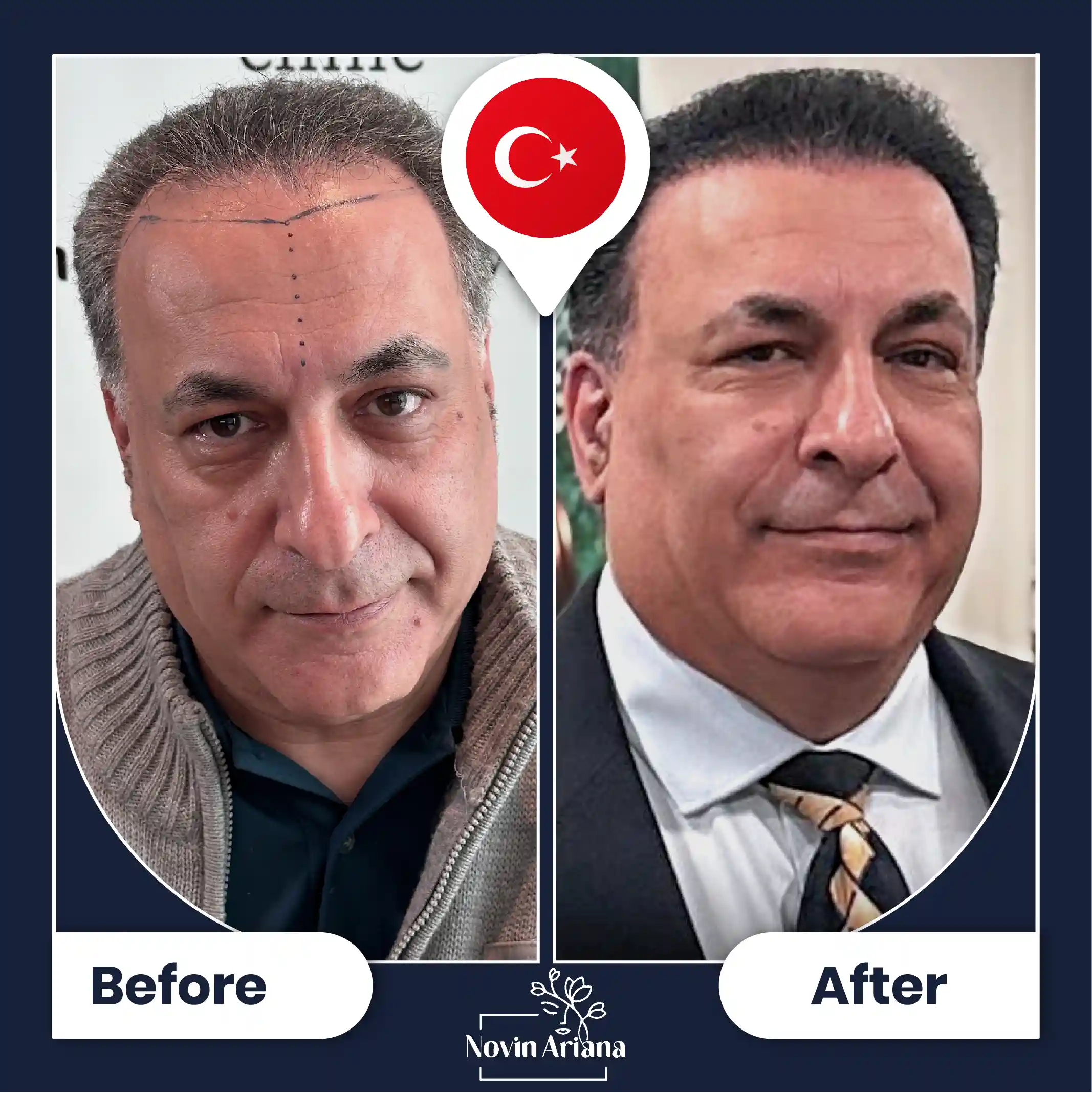
By around day 10 to 14, many patients see a major improvement in the scalp’s appearance. Redness may still be present, especially in fair or sensitive skin, but the area usually starts looking more socially presentable. If your work involves video calls or public-facing meetings, this is often the point where confidence starts to return.
Exercise, work, travel, and daily life
One of the biggest aftercare questions is when normal life can restart. The honest answer is that it depends on the activity. Desk work is very different from weight training, swimming, or a job that requires a hard hat.
Many patients can return to light, non-physical work within a few days if they feel comfortable. But exercise needs more caution. Heavy sweating, bending, and increased blood pressure too early can aggravate swelling and irritation. Intense gym sessions, running, contact sports, saunas, and steam rooms usually need to wait longer than patients expect.
Sun exposure is another issue that gets underestimated. A healing scalp can react badly to direct sun, and sunburn on the recipient area is more than a comfort problem. If you need to be outdoors, follow your clinic’s guidance on timing and scalp protection. A hat may be helpful later, but not every hat is safe in the earliest phase because tight friction matters.
Travel is generally possible, especially for international patients who have package-based care and airport support, but the comfort of the journey depends on planning. Long flights, dry cabin air, and fatigue are manageable when aftercare instructions are clear and follow-up is accessible.
Ready to change how you look and feel?
Get your consultation now — your new self is waiting.
Weeks 2 to 4: what changes and what can feel alarming
By the second half of the month, patients often expect to look steadily better every day. In reality, this is where recovery becomes emotionally confusing. The scalp may be calmer, but some transplanted hairs begin to shed. That can feel alarming if you were not prepared for it.
This shedding is commonly called shock loss, and in many cases it is a normal part of the cycle. The follicle remains in place while the visible hair shaft falls. That means the appearance can temporarily look thinner before new growth begins in the months ahead. This is one of the reasons strong aftercare support matters so much. Reassurance is not just comforting – it keeps patients from assuming something has gone wrong when healing is actually on track.
You may also still notice numbness, pinkness, dryness, or small pimples as the skin continues recovering. Some patients heal very quickly; others remain visibly pink for longer, especially if they have sensitive skin or a large treatment area. Faster is not always better, and slower does not automatically mean a poor result.
What to avoid in the first month
The list is simple even if the discipline is not. Avoid smoking if possible, limit alcohol based on your clinic’s guidance, do not pick or scratch the scalp, and do not restart every grooming habit at once. Hair fibers, styling products, tight caps, topical treatments, and barber visits may need to wait.
This is also not the month to judge density. The first month is about healing, retention, and protecting placement. Cosmetic judgment comes later.
Ready to change how you look and feel?
Get your consultation now — your new self is waiting.
When to contact your clinic
Reassuring symptoms are common, but there is a line between expected healing and signs that need medical review. Increasing pain, foul-smelling discharge, marked redness spreading beyond the treated area, fever, or bleeding that does not settle should be reported. So should anything that feels significantly different from the instructions you were given.
For international patients, responsive follow-up is not a luxury. It is part of safe treatment planning. That is why premium clinics build aftercare into the full journey rather than treating surgery as the end of the service. At Novin Ariana Health Clinic, the value of structured post-op support is that patients are not left guessing once they return home.
Ready to change how you look and feel?
Get your consultation now — your new self is waiting.
Why the first month shapes the final result
The first month is not where you see the final cosmetic payoff. It is where you give the transplanted follicles the best possible start. Careful washing, protected sleep, gradual return to routine, and realistic expectations all matter more than patients think at the booking stage.
If you are preparing for surgery, ask your clinic for a day-by-day recovery plan before you travel, not after. The best aftercare feels organized, personal, and easy to follow. A natural-looking result starts in the operating room, but it is protected in the quiet decisions you make once you get back to the hotel, the airport, and your everyday life.