
 Summarize this article with:





Rhinoplasty Turkey Recovery Guide Day by Day
Written by Novin Ariana
The day after rhinoplasty is not the moment to judge your new nose. You may feel congested, tired, and surprised by facial swelling, while your splint hides the early shape. For international patients, this is also why recovery planning matters as much as surgeon selection. A well-organized rhinoplasty turkey recovery guide helps you protect your result, travel at an appropriate time, and recognize what needs medical attention.
At Novin Ariana Health Clinic, the recovery journey is planned around your procedure, your health history, and the changes made during surgery. Whether you are having a refinement of the bridge, tip work, septoplasty, or more complex structural correction, the pace of healing can differ. Clear aftercare, comfortable accommodation, VIP transfers, and accessible follow-up support can make a meaningful difference when you are recovering away from home.
What You Read
Ready to change how you look and feel?
Get your consultation now — your new self is waiting.
Rhinoplasty Turkey Recovery Guide: The First 10 Days
The first 48 hours are usually the most demanding. Swelling and bruising often increase before they improve, and breathing through your nose can feel difficult because of internal swelling, dressings, or splints. Rest with your head elevated on two or three pillows, take prescribed medication exactly as directed, and use cool compresses on the cheeks rather than directly on the nose.
A small amount of blood-tinged drainage is commonly expected in the first few days. Your surgical team may advise you to change the gauze beneath the nostrils and avoid blowing your nose. Sneezing with your mouth open reduces pressure on the healing tissues. Do not pull at crusting, internal supports, or tape, even if the area feels uncomfortable.
By days three through five, bruising may begin to change color and move downward toward the cheeks. Many patients feel more mobile at this stage, but that does not mean the nose is ready for normal activity. Short, gentle walks indoors or near your hotel are usually preferable to staying in bed all day, provided your surgeon has approved it. Avoid bending forward, heavy lifting, hot showers, and any activity that raises your heart rate substantially.
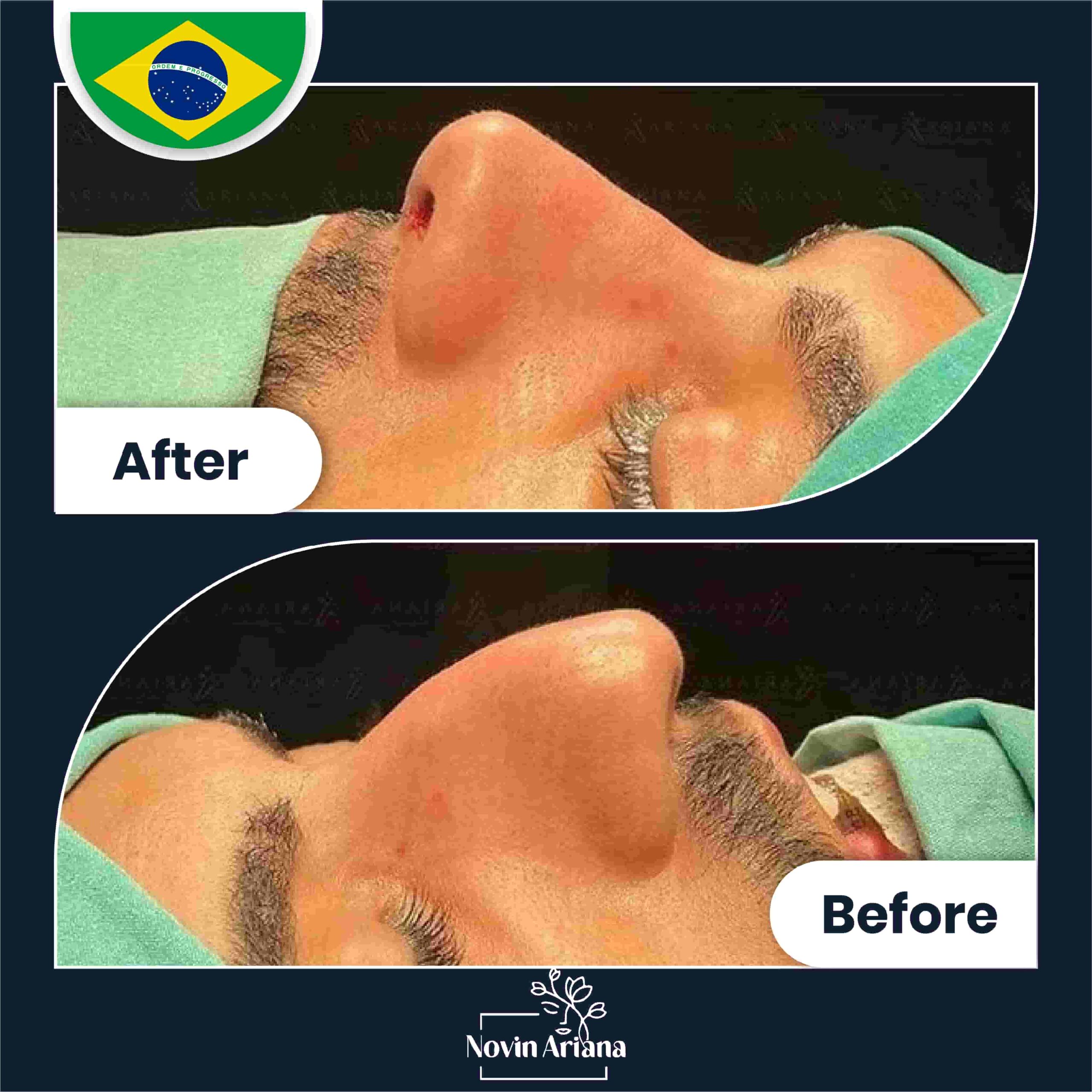
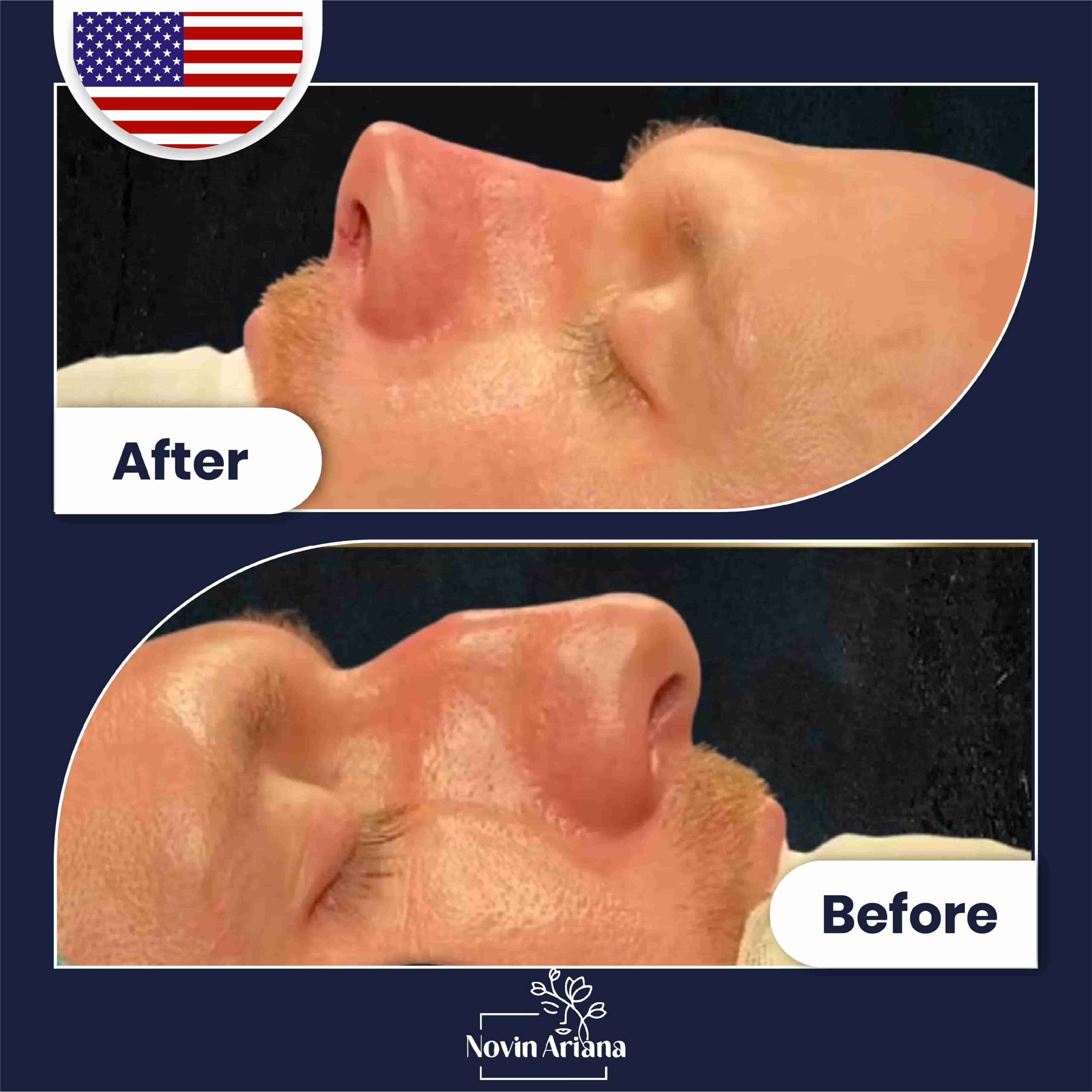
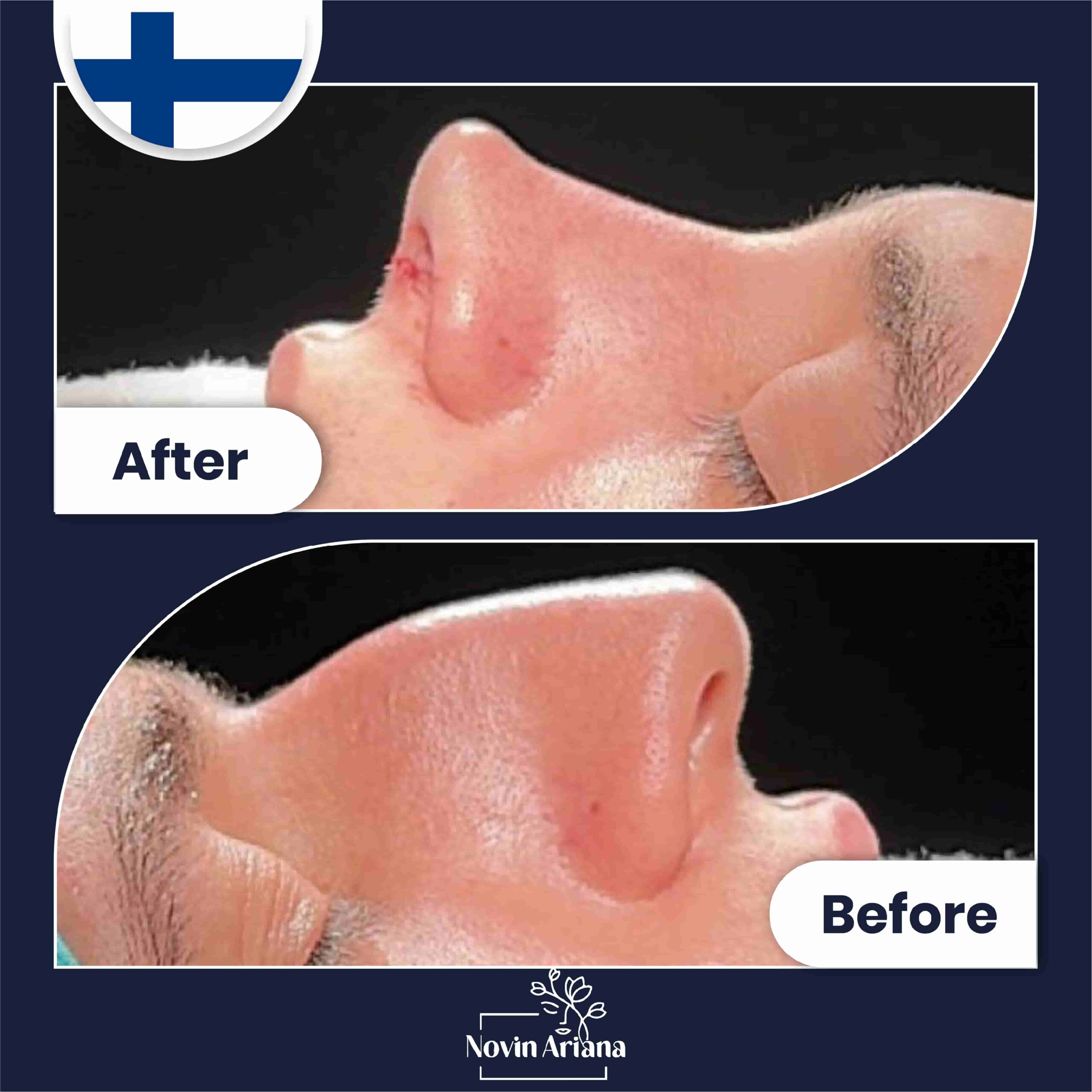
Your first postoperative appointment is often scheduled within the first week. The surgeon checks healing, cleans the area where appropriate, and may remove external sutures or the splint around days seven to ten. Splint removal is an emotional milestone, but it is also when patients most need realistic expectations. The nose may appear swollen, elevated, uneven, or wider than expected. This is not your final result.
Ready to change how you look and feel?
Get your consultation now — your new self is waiting.
When Is It Safe to Fly Home?
Most international rhinoplasty patients remain in Istanbul for roughly seven to ten days, depending on the procedure and the surgeon’s assessment. This gives your medical team time to complete an early in-person review and ensure that you are fit to travel. A more complex revision procedure, significant internal work, or a personal medical concern may call for a longer stay.
Flying itself does not usually damage a stable surgical result when your surgeon has cleared you, but cabin dryness and changes in pressure can make congestion uncomfortable. Keep your prescribed saline products in your carry-on if permitted, drink water, and avoid lifting heavy luggage. Arrange assistance at the airport rather than forcing yourself to manage bags overhead or rush through long terminals.
A premium medical travel package should remove practical friction during this period. Airport coordination, hotel accommodation close to care, multilingual support, and private transfers allow you to conserve energy for recovery. Before booking, ask exactly what postoperative appointments, medications, transportation, and one-year follow-up support are included. Transparent planning is part of safe treatment abroad.
Ready to change how you look and feel?
Get your consultation now — your new self is waiting.
Weeks 2 to 6: Looking Better, Still Healing
During the second week, visible bruising is often fading, and many patients feel comfortable returning to low-key social activities or remote work. Makeup may be appropriate on the cheeks after the skin has healed, but do not apply products over incision sites until your surgeon says it is safe. If you wear glasses, ask for specific guidance. Pressure from glasses on the nasal bridge may need to be avoided or modified for several weeks.
Swelling improves gradually rather than in a straight line. One side can look puffier than the other, especially in the morning. The tip commonly stays firm and swollen longer than the bridge, particularly in patients with thicker skin or those who have had substantial tip reshaping. Salt, alcohol, poor sleep, and strenuous exercise can make swelling more noticeable.
Most patients can resume light daily routines after their surgeon’s approval, but gym sessions, running, swimming, yoga inversions, and contact sports need more caution. The exact restriction period depends on the surgical technique and the risk of impact. Never use a general online timeline to override instructions from your own board-certified specialist.
Sun protection is another part of protecting the result. Healing skin can be more prone to discoloration, and a sunburn will worsen swelling. Use a hat and follow your surgeon’s advice about sunscreen application, especially around incisions. Avoid tanning beds entirely during recovery.
Ready to change how you look and feel?
Get your consultation now — your new self is waiting.
Months 2 to 12: The Result Refines
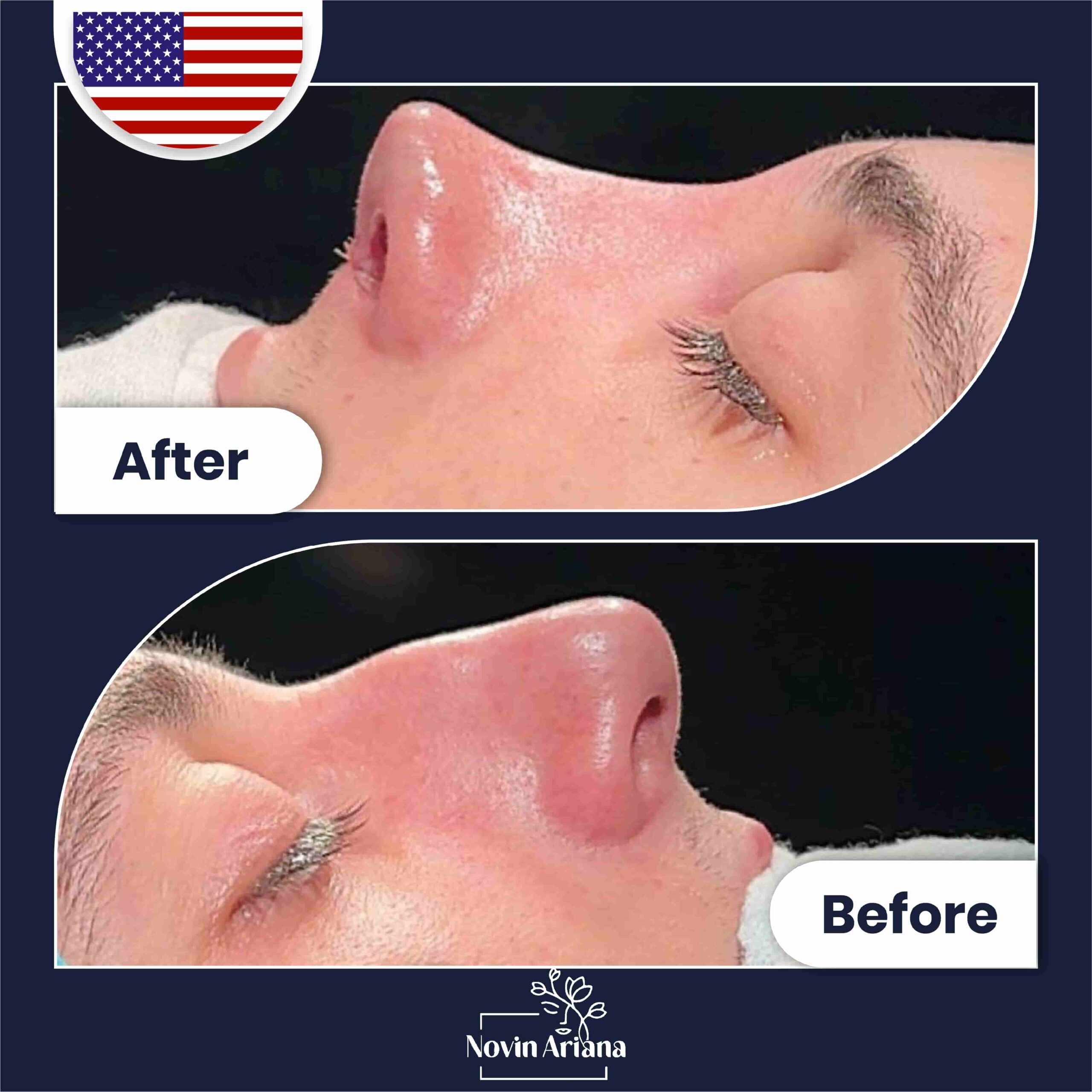
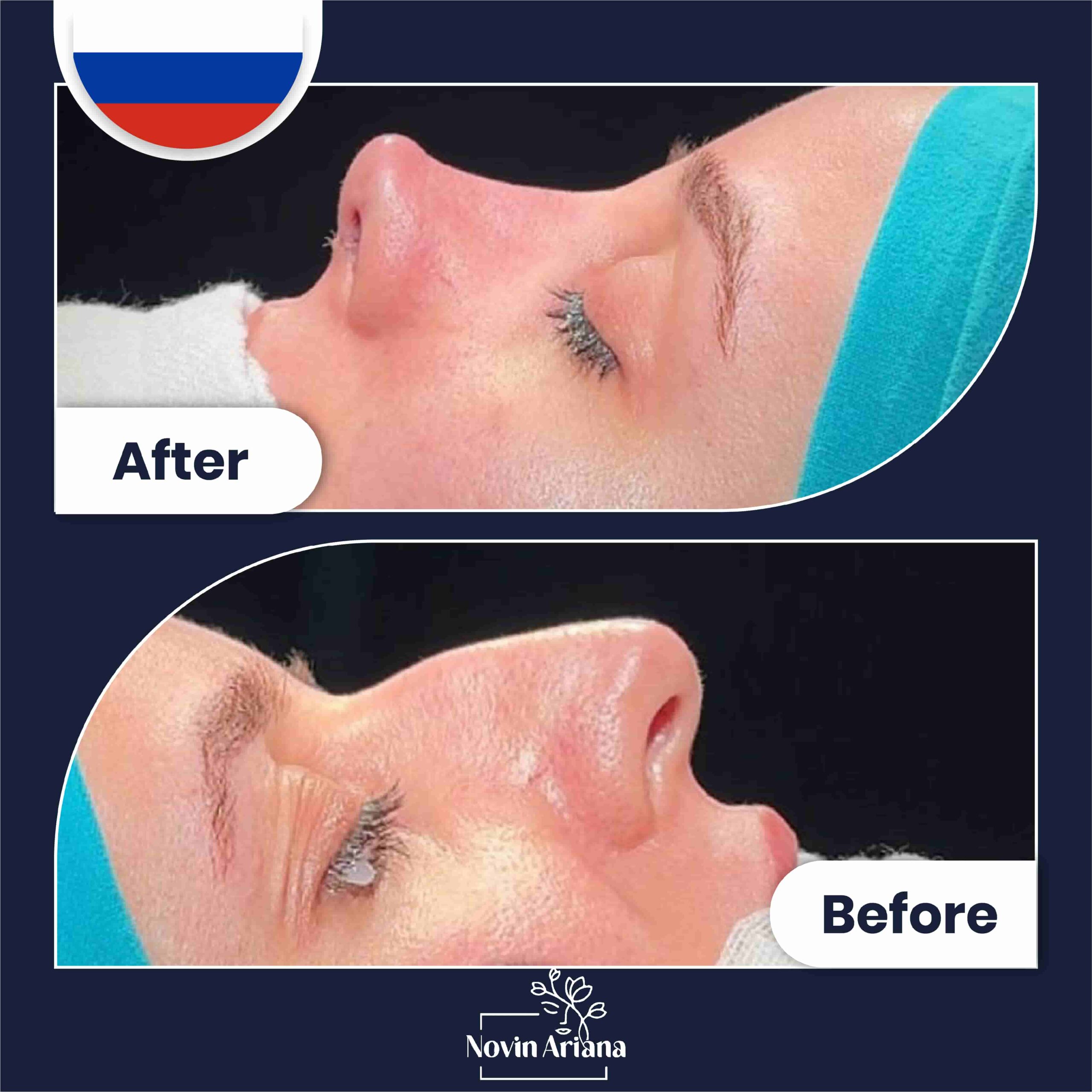
At one month, the nose usually looks far more presentable in everyday life, but it is still healing internally. Many patients see a major improvement in swelling by the second or third month. Fine definition, particularly at the tip, continues to emerge over six to 12 months. Revision rhinoplasty and thick-skinned cases can take longer.
Photos can be misleading during this period. Lighting, camera angles, temporary swelling, and your own adjustment to a changed profile can affect how you perceive the result. Take progress photos only if your surgeon recommends them, using the same angle and lighting each time. More importantly, attend scheduled virtual check-ins and raise concerns early rather than searching for reassurance on social media.
Natural-looking rhinoplasty is not about producing the smallest possible nose. It is about balance with your facial proportions, breathing function, skin thickness, and anatomy. A responsible surgeon will discuss those limits before surgery and will not promise an identical result to a filtered photo or another person’s nose.
Aftercare Habits That Protect Your Healing
Your recovery is shaped by many small decisions. Sleep on your back with your head elevated for as long as instructed. Eat nourishing, easy-to-chew meals, stay hydrated, and avoid smoking or nicotine exposure, which can impair healing. If you have allergies, ask your surgeon how to manage symptoms safely rather than self-medicating with unfamiliar sprays or supplements.
Do not massage, tape, or manipulate your nose unless those steps are specifically prescribed for you. Some patients benefit from surgeon-directed taping, while others do not need it. The same applies to saline rinses, decongestants, and scar care. Personalized instructions matter because each operation has different goals and healing requirements.
It also helps to prepare emotionally. Temporary swelling can test your patience, especially when you have traveled home and are comparing your appearance every day. Choose loose front-opening clothing for the first week, plan a quiet recovery window, and let a trusted friend or family member know you may need practical help. Recovery is not a race to look finished. It is a period of tissue healing that deserves time.
Ready to change how you look and feel?
Get your consultation now — your new self is waiting.
Warning Signs to Report Promptly
Your team should provide a direct way to contact them after surgery, including support once you return home. Mild swelling, congestion, and discomfort are expected. However, contact your surgeon promptly if you experience worsening pain that does not respond to prescribed medication, persistent heavy bleeding, fever, foul-smelling drainage, sudden significant swelling on one side, vision changes, chest pain, shortness of breath, or a rash and breathing difficulty after medication.
Do not wait for a scheduled follow-up if something feels seriously wrong. For urgent symptoms, seek local emergency care immediately and notify your surgical team as soon as possible. Ethical international patient care means knowing both what is normal and when to escalate.
A successful rhinoplasty recovery combines skilled surgery with patient discipline, realistic expectations, and reliable postoperative access. Give your nose the quiet, protected healing time it needs, and let your care team guide decisions that affect both your comfort and your long-term result.
Frequently Asked Questions
Our representatives for all countries are 24/7 available to support you at any time
Most patients need around 7 to 10 days in Turkey after rhinoplasty for early follow-up, splint removal, and medical clearance before flying home. Complete healing continues for several months, with final refinement often taking 6 to 12 months.
International patients are usually advised to stay in Istanbul for about one week after surgery, depending on the procedure and surgeon’s evaluation. Flying should only be planned after your surgeon confirms that you are fit to travel.
The first day after rhinoplasty usually involves nasal congestion, swelling, tiredness, and mild discomfort. A nasal splint or internal supports may make breathing through the nose difficult. Rest, head elevation, medication compliance, and careful aftercare are important during this stage.
The external nasal splint is commonly removed around 7 to 10 days after surgery. The nose may look swollen, wider, or uneven when the splint comes off. This appearance does not represent the final result because internal healing continues.
Swelling is expected after rhinoplasty and usually decreases gradually. The cheeks and bridge often improve earlier, while tip swelling may last longer, especially after tip reshaping or in patients with thicker skin.
Yes, gentle walking is usually encouraged after surgery if approved by your surgeon. Light movement can support circulation, but patients should avoid heavy exercise, bending forward, and activities that increase blood pressure during early recovery.
Many patients return to desk work or remote work after 1 to 2 weeks, depending on their comfort level and the amount of visible swelling or bruising. Physically demanding jobs may require a longer recovery period.
Patients should sleep on their back with their head elevated using extra pillows or a raised sleeping position. This helps reduce swelling and protects the healing nose from accidental pressure.
Glasses may need to be avoided temporarily because pressure on the nasal bridge can affect healing. Your surgeon will advise when it is safe to wear regular glasses again or whether alternative support methods are needed.
After rhinoplasty, patients should avoid:
- Blowing the nose forcefully
- Heavy exercise and weight lifting
- Swimming and contact sports
- Smoking and nicotine exposure
- Direct sun exposure
- Touching or pressing the nose without medical advice
The biological healing process is the same worldwide. However, recovery in Turkey may require additional planning because international patients need accommodation, transportation, follow-up appointments, and safe travel arrangements after surgery.
Patients should contact their surgeon if they experience severe worsening pain, heavy bleeding, fever, foul-smelling drainage, sudden major swelling on one side, vision problems, chest pain, breathing difficulty, or unusual medication reactions.