

 Summarize this article with:





Beard Transplant Turkey Results That Look Natural
Written by Novin Ariana
A patchy beard can make every close-up, video call, and clean shave feel more noticeable than it should. The best beard transplant Turkey results are not about creating the darkest, densest possible beard. They are about restoring coverage that suits your facial structure, hair characteristics, age, and preferred grooming style.
For international patients, Turkey is appealing because highly experienced hair restoration teams, advanced extraction techniques, and coordinated medical travel packages can make treatment more accessible than in the US or UK. Still, the destination alone does not determine the outcome. Natural results come from careful planning, precise graft placement, ethical donor management, and committed aftercare.
What You Read
What Natural Beard Transplant Turkey Results Look Like
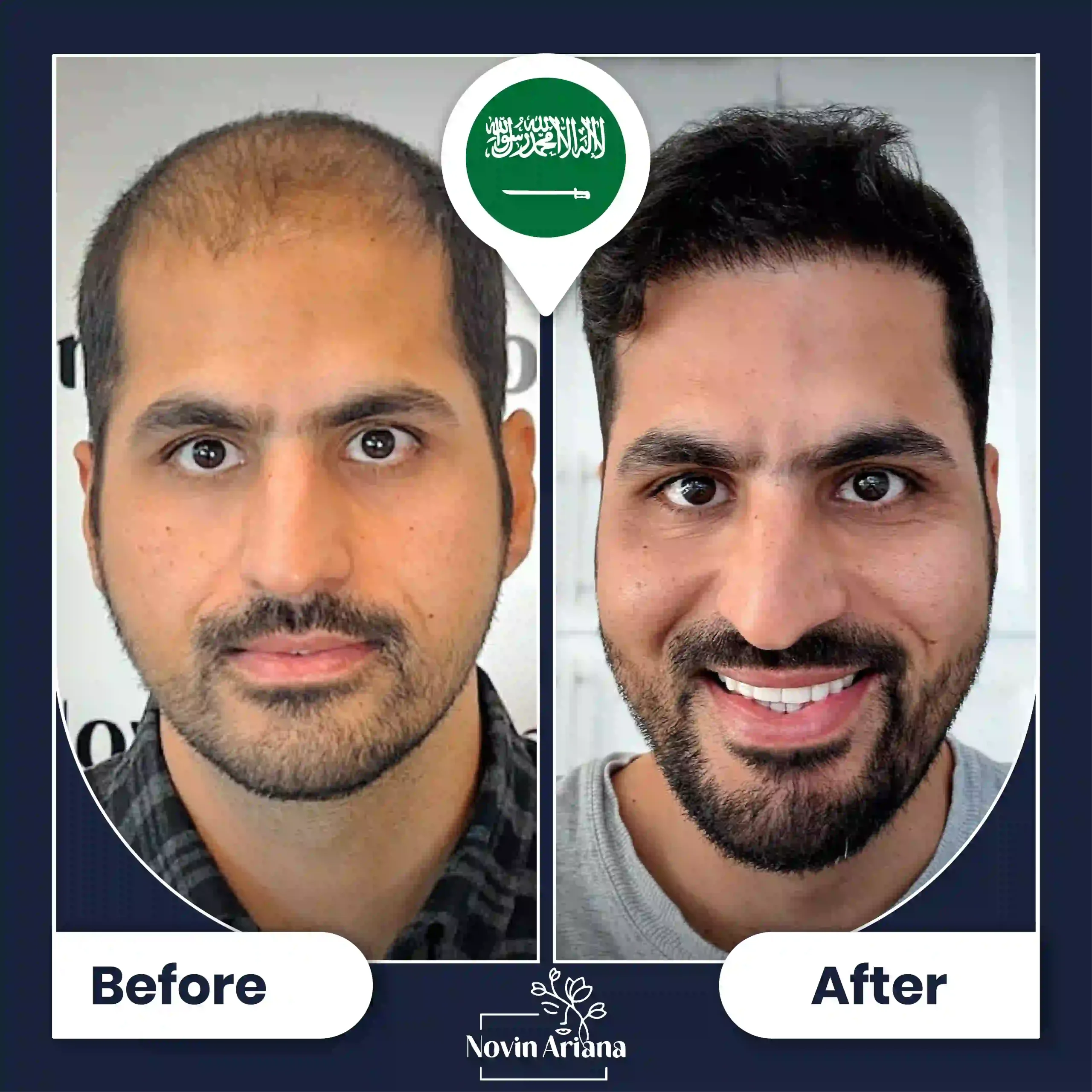
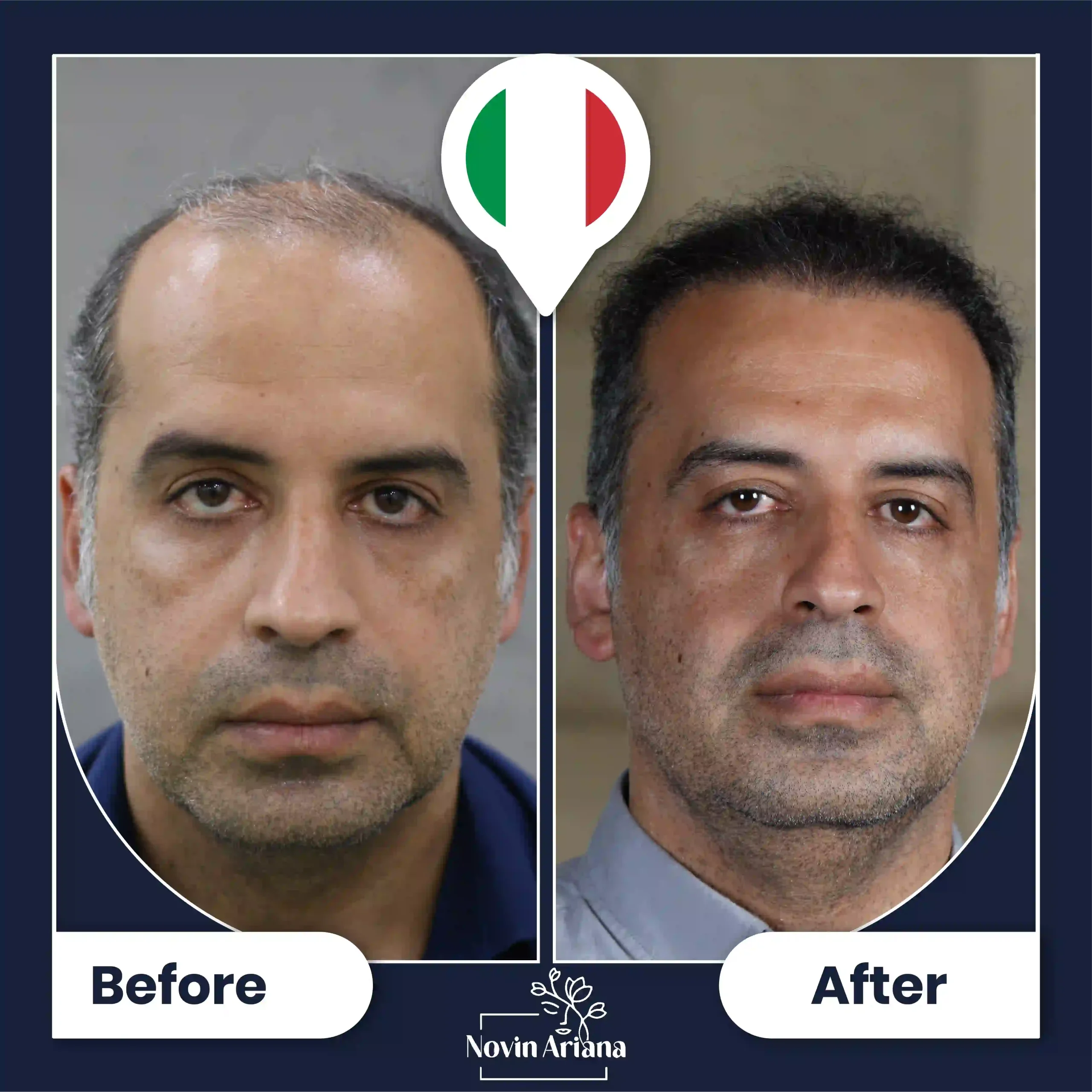
A successful beard transplant should be difficult to identify as a transplant. The hairs should emerge at the right angle, follow the natural direction of existing growth, and blend with your native beard as it grows out. When grafts are placed too upright, too densely at the front, or in an overly sharp outline, the beard can look artificial even when every graft survives.
Most patients seek one of three improvements: filling isolated gaps on the cheeks or jawline, strengthening a mustache or goatee, or creating more complete coverage after genetics, scarring, burns, trauma, or previous surgery. Each goal requires a different approach. A subtle cheek-density procedure may need far fewer grafts than full beard reconstruction, while scarred skin may require a more conservative density plan.
The hair used for a beard transplant is generally taken from the back or sides of the scalp, where follicles tend to be more resistant to thinning. Scalp hair and beard hair do not have identical texture or growth behavior, so the surgical team must select grafts thoughtfully and place them in a pattern that looks believable both clean-shaven and grown out.
Density is only one part of the result
Patients often focus on graft numbers, but a large graft count is not automatically a better result. The most visible areas of the beard are usually the front edge of the cheeks, mustache, chin, and jawline. Strategic placement in these zones can create a fuller appearance without exhausting the donor area or making the beard look blocky.
A responsible surgeon also considers future hairstyle choices. If you keep a short fade or wear your hair closely cropped, donor extraction must be spread evenly to avoid a visibly depleted area. This is why an individualized treatment plan matters more than a generic package promise.
Ready to change how you look and feel?
Get your consultation now — your new self is waiting.
The Beard Transplant Results Timeline
The final result requires patience. A beard transplant changes the look of your face, but it does not produce an instant permanent beard on procedure day.
During the first one to two weeks, tiny scabs form around the implanted follicles. This is normal, and patients should not pick, scrub, or shave the recipient area before their clinical team confirms it is safe. Mild redness and swelling can occur, particularly in sensitive skin, but should be monitored through post-operative support.
Between two and eight weeks, many transplanted hairs shed. This phase can be unsettling, yet it is expected. The follicle remains beneath the skin while the visible shaft falls out. New growth commonly begins around months three to four, initially finer and less uniform than the final beard.
By six months, the improvement is usually much easier to assess. The beard may have enough coverage to trim and style with more confidence, though the texture and density continue to mature. Most patients see their most meaningful final development between 10 and 12 months. Some need up to 18 months for slower-growing areas to fully settle.
Photos taken too early can be misleading. When reviewing before-and-after galleries, look for cases photographed at a comparable stage, ideally at least 10 to 12 months after treatment. Ask to see results on patients with similar skin tone, beard color, hair texture, and the same type of concern you want to address.
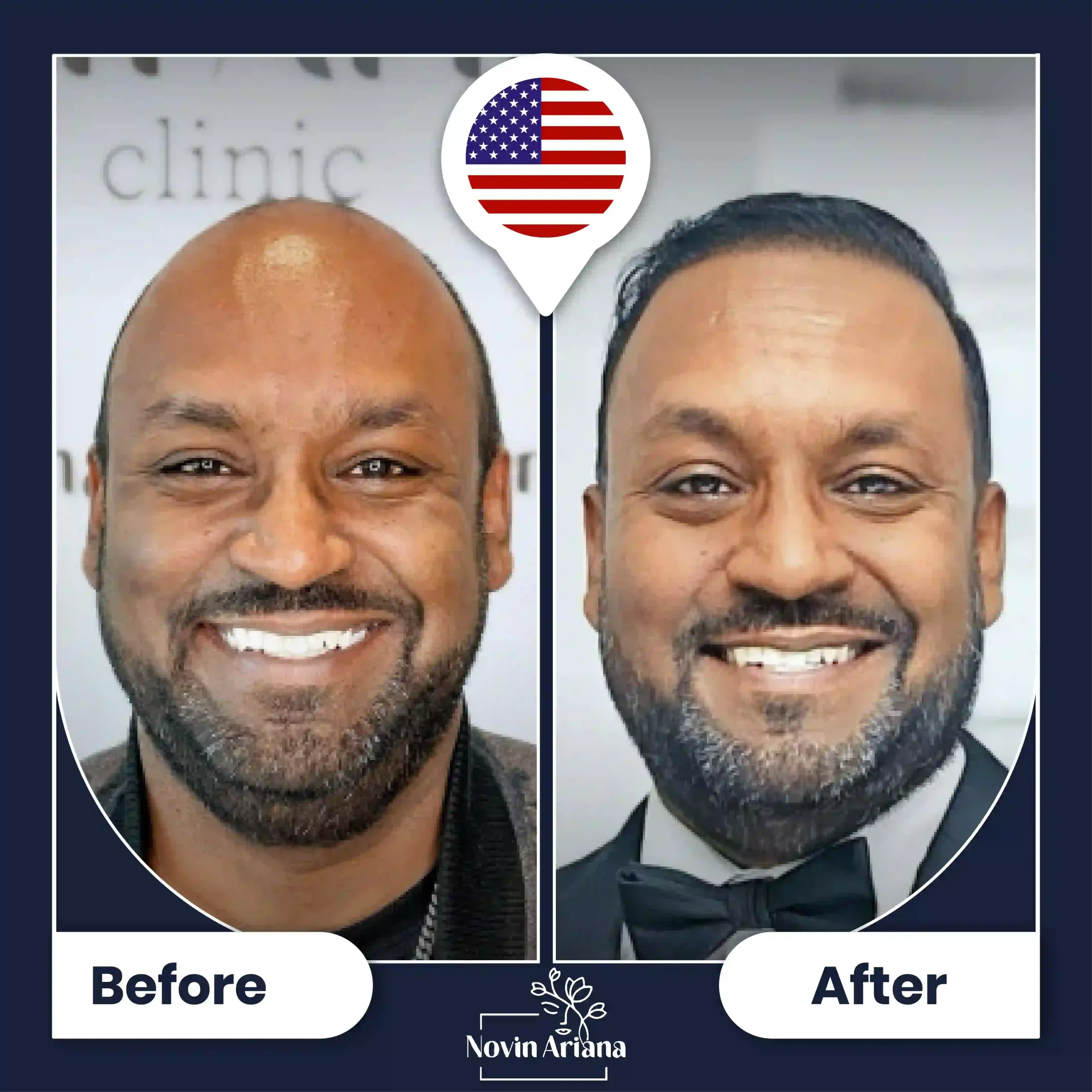
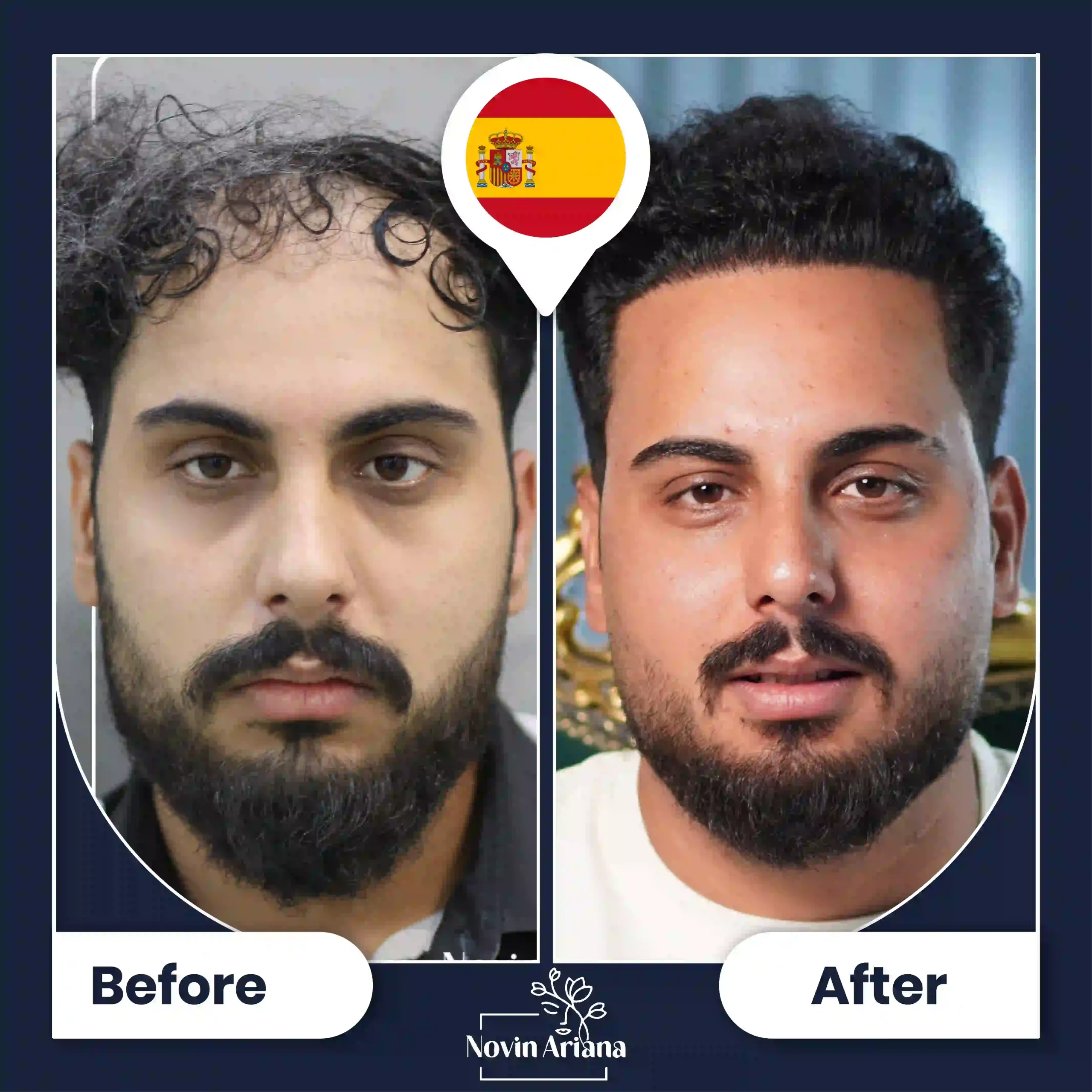
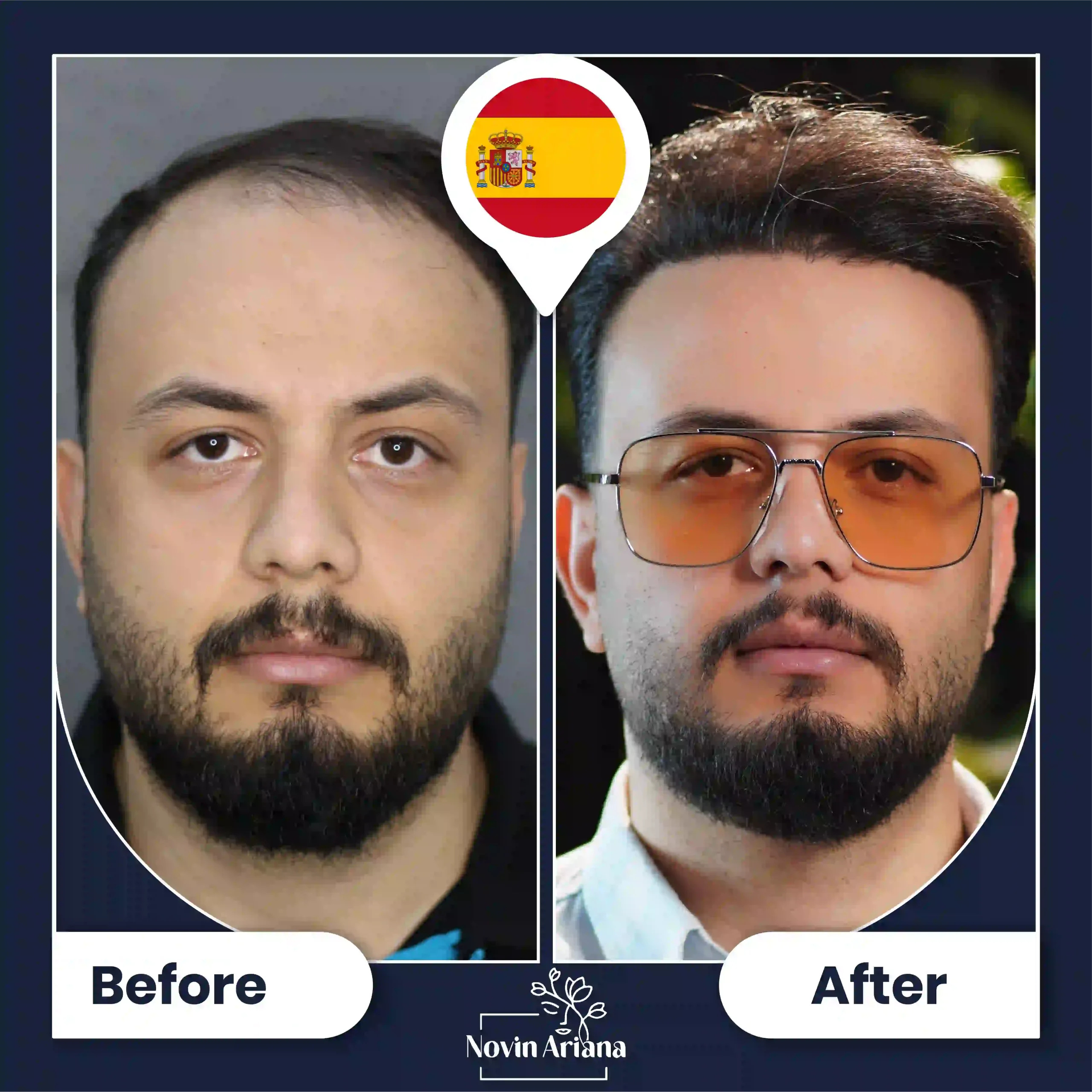
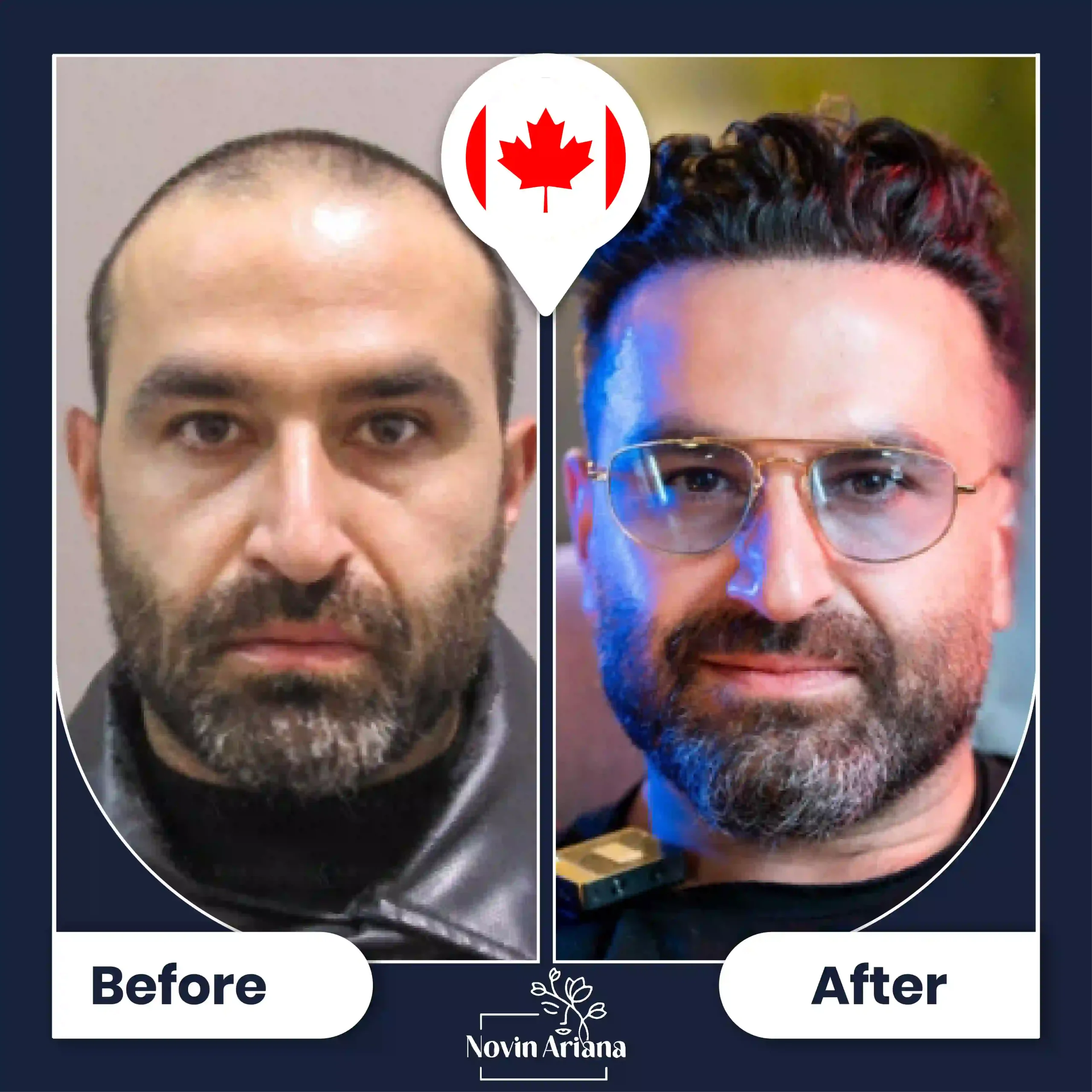
What Shapes Your Final Outcome
Your outcome depends on several connected factors, beginning with the quality and availability of your donor hair. Thick, dark, curly hair can create the appearance of density with fewer grafts, while fine or light hair may need a different design to avoid harsh contrast with the skin. Neither is a reason to rule out treatment, but both affect what is realistic.
Your existing beard also matters. A transplant usually integrates best when it enhances a natural pattern rather than tries to force a style your facial hair cannot support. For example, a patient with strong chin growth and empty cheeks may benefit from a softer cheek fill rather than a sharply outlined full beard.
Surgical technique is equally significant. FUE-based extraction can harvest individual follicular units with minimal linear scarring, while DHI-style implantation may offer controlled placement in selected cases. The right method is not a marketing label. It is the method that allows the medical team to protect grafts, preserve donor density, and control direction and angle with precision.
Finally, aftercare affects healing . Smoking, intense exercise too soon, sun exposure, friction from helmets or tight clothing, and poor cleaning habits can interfere with recovery. Patients should follow their clinic’s instructions rather than rely on general advice found online.
Ready to change how you look and feel?
Get your consultation now — your new self is waiting.
How to Evaluate a Clinic Before You Travel
A low advertised price should never be the deciding factor for a procedure on the center of your face. Compare what is actually included, who performs each part of the procedure, and what support is available after you return home.
Ask direct questions during a free online consultation. Who designs the beard line and opens the recipient channels? How many grafts are recommended and why? Is the plan designed around your donor capacity? What happens if you have concerns after returning to the US, Canada, Europe, or elsewhere? A credible provider answers clearly without pressuring you toward an unrealistic graft count.
It is also wise to confirm the qualifications of the surgeon and clinical team, the standards of the surgical facility, and whether your package includes medications, accommodation, airport transfers, and follow-up. A well-organized Istanbul treatment journey can reduce travel stress, but medical safety and transparency should remain the priority.
Novin Ariana Health Clinic supports international patients with personalized planning, multilingual coordination, premium accommodation options, VIP transfers, and one year of post-operative follow-up. The aim is to pair the convenience of a complete medical
Ready to change how you look and feel?
Get your consultation now — your new self is waiting.
Managing Expectations Without Compromising Your Goals
A beard transplant can offer lasting growth because transplanted follicles retain their characteristics after they establish in the recipient area. However, it cannot guarantee identical density to a naturally heavy beard, especially when donor supply is limited. Some patients may choose a second session after the first result matures, while others find that a well-designed initial session gives them the coverage they wanted.
There are also small trade-offs. Transplanted hair grows like scalp hair and may require more frequent trimming than native beard hair. It can be styled, shaved, and treated as part of your regular grooming routine once healing is complete, but it may behave differently in length or texture at first.
The most satisfying transformation is often subtle: a stronger jawline in photos, fewer empty patches when growing stubble, and the freedom to choose a beard style rather than work around missing areas. Choose a team that treats those details as seriously as the procedure itself, and give the result the time it needs to grow into your face naturally.
Frequently Asked Questions
Our representatives for all countries are 24/7 available to support you at any time
Final beard transplant Turkey results usually become visible between 10 and 12 months after the procedure. Some patients may continue to experience gradual improvements for up to 18 months as transplanted follicles mature, become thicker, and blend more naturally with existing facial hair.
Yes, a properly planned beard transplant should look natural and difficult to identify as a surgical procedure. Natural results depend on factors such as hair direction, implantation angle, graft placement, density planning, and designing a beard shape that matches the patient’s facial structure.
The number of grafts required depends on the patient’s goals, existing beard growth, and the size of the area needing coverage. Small patchy areas may require fewer grafts, while full beard restoration or reconstruction may need a larger number. A personalized evaluation is necessary to determine the ideal graft number.
New beard growth usually begins around 3 to 4 months after transplantation. Early growth may appear thin, uneven, or softer than expected. Over the following months, the hairs gradually become stronger, thicker, and more similar to natural beard growth.
Temporary shedding after a beard transplant is completely normal. Between the second and eighth week, transplanted hairs may fall out as part of the natural growth cycle. The follicles remain alive beneath the skin and later produce new permanent hairs.
Yes, beard transplant results are considered long-lasting because transplanted follicles usually maintain their growth characteristics after successful implantation. However, the final outcome depends on donor hair quality, surgical technique, healing, and proper aftercare.
Turkey has become a popular destination for beard transplantation due to experienced hair restoration teams, advanced FUE techniques, modern medical facilities, and organized medical tourism services. However, patients should focus on clinic quality, surgeon experience, safety standards, and follow-up care rather than choosing based only on price.
Yes, beard transplantation can effectively improve patchy beard areas, including empty cheeks, weak jawlines, mustache gaps, scars, burns, trauma-related hair loss, and uneven beard growth. The treatment plan should be designed according to the patient’s natural beard pattern and facial proportions.
Transplanted beard hair can be shaved, trimmed, and styled like normal facial hair after complete healing. Since donor follicles are usually taken from the scalp, the texture, thickness, and growth speed may be slightly different at first but often become more natural over time.
Several factors influence the final outcome, including:
- Quality and availability of donor hair
- Existing beard density and growth pattern
- Hair thickness, color, and texture
- Surgical planning and implantation technique
- Graft placement angle and direction
- Post-operative care and patient lifestyle habits
A successful beard transplant focuses on creating a balanced, natural-looking result rather than simply adding the maximum number of grafts.
Before choosing a clinic, patients should review:
- Surgeon qualifications and experience
- Before-and-after photos taken at least 10–12 months after treatment
- Whether graft planning protects future donor capacity
- Who designs the beard line and performs implantation steps
- Hospital and medical facility standards
- Included services such as medication, accommodation, transfers, and follow-up care
A trustworthy clinic should provide realistic expectations and recommend a treatment plan based on your facial features, donor supply, and long-term goals.