
 Summarize this article with:





How Many Days Should You Stay After Rhinoplasty?
Written by Novin Ariana
The question “how many days stay after rhinoplasty” matters more than most international patients expect. Your nose may look presentable enough to leave the hotel within a few days, but early healing is still active. For most patients traveling to Turkey, planning to stay 7 to 10 days after rhinoplasty provides the right balance of safety, in-person review, splint removal, and a more comfortable flight home.
A shorter stay is sometimes possible, but it is rarely the most reassuring choice. Rhinoplasty is not simply a cosmetic appointment followed by a quick departure. Your surgeon needs to assess early healing, confirm that swelling is progressing normally, and remove the external splint at the appropriate time. Giving yourself enough time in the city protects both your result and your peace of mind.
What You Read
Ready to change how you look and feel?
Get your consultation now — your new self is waiting.
How Many Days Should You Stay After Rhinoplasty?
A typical medical travel plan includes 7 nights in Istanbul after surgery, although many patients choose 8 to 10 nights for extra comfort. The exact recommendation depends on the surgical technique, whether your procedure is primary or revision rhinoplasty, your health history, and your surgeon’s post-operative assessment.
For a straightforward primary rhinoplasty, the usual timeline looks like this: surgery day is followed by a closely monitored first night, then a period of rest while bruising and swelling are at their highest. Around day 6 or 7, the surgeon generally removes the external nasal splint and checks the incision sites. Once this appointment is complete and you are medically cleared, traveling home is often reasonable.
Patients having revision rhinoplasty, extensive structural correction, septoplasty, or more complex nasal reconstruction may be advised to stay longer. A 10- to 14-day stay can allow more time for follow-up, swelling management, and safer travel planning. No responsible clinic should promise the same schedule for every patient before assessing their nose, medical needs, and travel route.
Ready to change how you look and feel?
Get your consultation now — your new self is waiting.
Why the First Week Is So Important
The first seven days are when your treatment team can make the greatest difference to your comfort and confidence. Swelling, congestion, minor drainage, fatigue, and bruising are common after rhinoplasty. These symptoms are usually temporary, but they can feel unfamiliar when you are far from home.
Your early follow-up appointment is not a formality. Your surgeon checks that the nasal bones and cartilage are healing as expected, reviews the splint, monitors incisions, and answers questions about medication, sleeping position, and activity. If a concern arises, it is far easier to address it while you are still close to your surgical team.
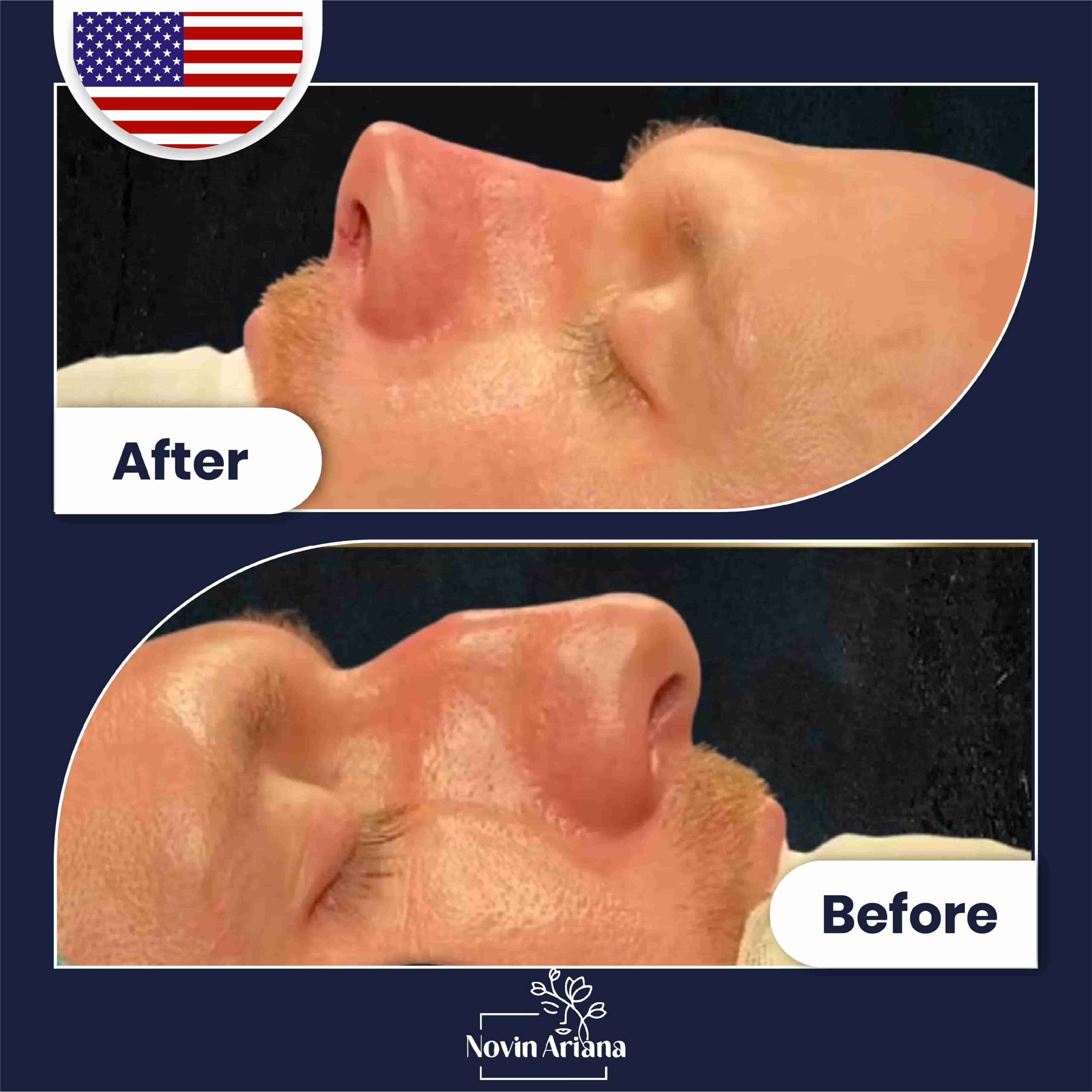
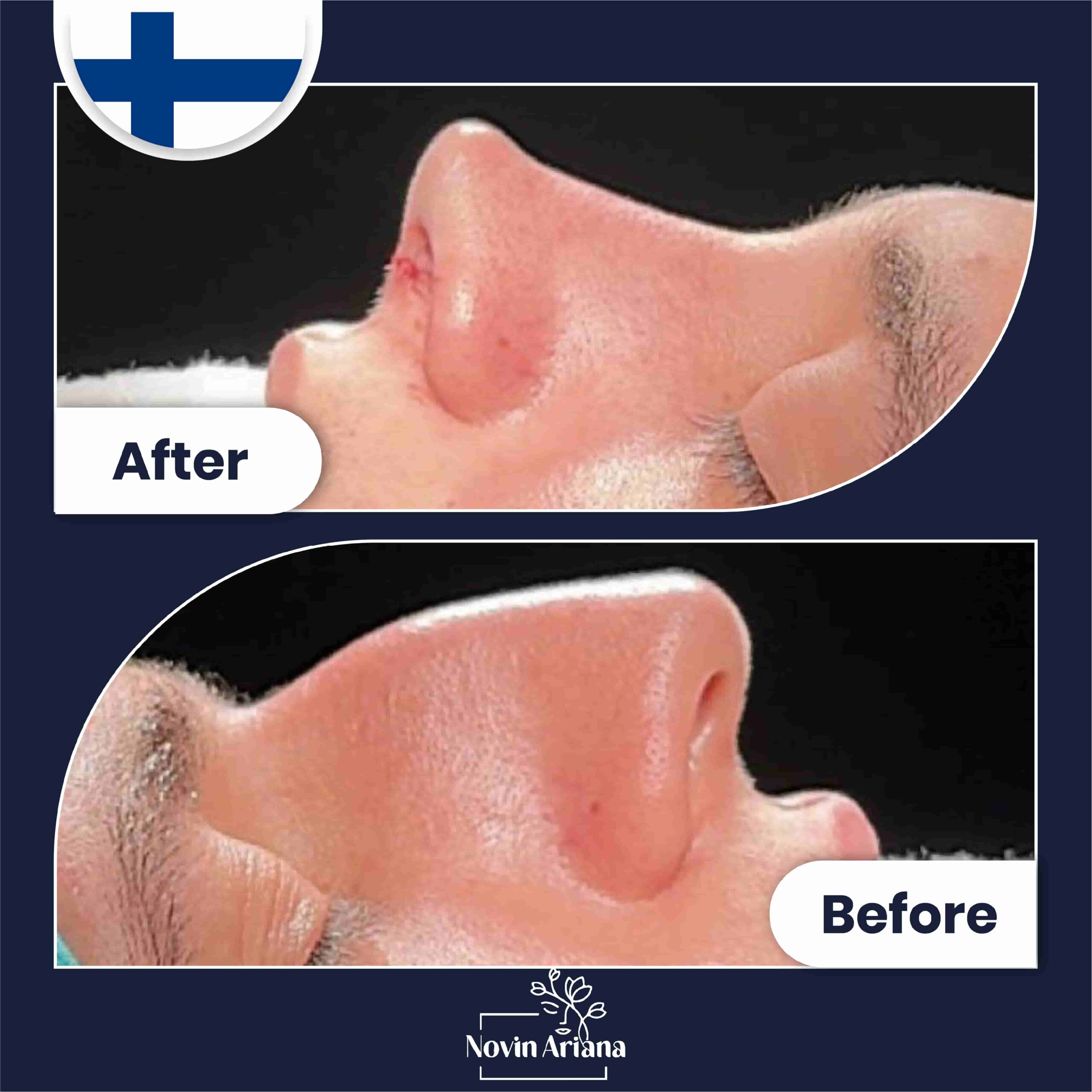
The external splint is commonly removed about one week after surgery. Many patients feel more comfortable being seen in public once it is off, even though the nose will still be swollen and the final shape is not visible yet. Bruising often begins to improve by this point, but recovery differs significantly from one person to another.
Ready to change how you look and feel?
Get your consultation now — your new self is waiting.
Can You Fly Home After Rhinoplasty?
Many rhinoplasty patients can fly after their splint-removal appointment, usually 7 to 10 days after surgery, provided their surgeon approves it. The right timing is based on your clinical condition, not just the date on your airline ticket.
Air travel itself does not automatically damage a rhinoplasty result. However, cabin pressure changes, dry air, long periods of sitting, luggage handling, and the possibility of respiratory infections can make the early recovery period more uncomfortable. You should avoid rushing through airports, lifting heavy bags, or allowing anything to bump your nose.
A nonstop or low-stress return journey is ideal when available. If you have a long-haul flight to the US, Canada, Australia, or Brazil, build in a calm travel day. Wear comfortable clothing, keep your prescribed medications and medical documents in your carry-on, drink water regularly, and arrange assistance with luggage. Your surgeon may also give individualized instructions based on your procedure and overall health.
Do not fly against the advice of your surgeon because of a fixed itinerary. A small change to travel plans is worth it if you need further observation. Premium medical travel should feel coordinated, not rushed.
Ready to change how you look and feel?
Get your consultation now — your new self is waiting.
A Realistic 10-Day Rhinoplasty Travel Plan
A well-organized itinerary gives you room to recover without turning your trip into a hospital stay. At Novin Ariana Health Clinic, international patient coordination is designed around this practical reality, with accommodation, VIP transfers, multilingual support, and post-operative guidance arranged to reduce unnecessary stress.
Arrival and pre-operative consultation
Most patients arrive one or two days before surgery. This time is used for an in-person consultation, nasal examination, medical tests, consent discussions, and planning conversations with the surgeon. It is also the right moment to discuss your return flight honestly, especially if you have a connection, a long journey, or work commitments waiting at home.
Surgery day and the first 48 hours
After surgery, rest is the priority. You will typically return to your hotel or recovery accommodation with clear aftercare instructions and access to your care coordinator. Keep your head elevated, use cold compresses only as directed, take medication exactly as prescribed, and avoid bending, straining, or touching the nose.
During these first two days, you may feel blocked up because of swelling. This is expected for many patients. Plan easy meals, quiet entertainment, and minimal social activity rather than sightseeing.
Days 3 through 6
You may feel more like yourself, but this is still not the time for shopping marathons, gym sessions, swimming, saunas, or Istanbul tours that involve crowds and uneven streets. Gentle, short walks are often encouraged if your surgeon approves, as they support circulation and help you avoid feeling confined indoors.
Bruising can migrate beneath the eyes before fading. Swelling may look uneven from one side to the other. These early changes do not predict your final result. Natural-looking rhinoplasty develops gradually, and patience is part of protecting that outcome.
Day 7 and beyond
At the splint-removal visit, your surgeon evaluates the nose and gives you tailored instructions for the next phase of recovery. If you are cleared to travel, you can leave with a detailed aftercare plan and a direct point of contact for questions after returning home.
Some patients prefer to remain an extra two or three days after splint removal. This can be especially valuable if you want time to adjust to seeing your uncovered nose, recover from a longer procedure, or avoid traveling on the same day as your appointment.
What Can Change Your Recommended Stay?
Your treatment plan should always be personal. A surgeon may recommend additional days in Turkey if you have had revision surgery, significant septal work, a history of bleeding concerns, or unexpected swelling that needs monitoring. Patients who live very far away may also benefit from a longer stay simply because returning for an in-person check would be difficult.
Travel timing can also change if you develop fever, increasing pain, active bleeding, unusual drainage, sudden swelling on one side, shortness of breath, or any symptom your surgical team considers concerning. These are not issues to manage alone in a hotel room or after boarding a flight. Contact your clinic promptly and follow their instructions.
It is equally wise to consider the season. Extreme summer heat can make swelling and outdoor activity less comfortable, while winter travel may bring cold and respiratory illnesses. Neither season automatically rules out rhinoplasty, but both deserve practical planning.
Ready to change how you look and feel?
Get your consultation now — your new self is waiting.
Plan for Healing at Home, Too
Leaving Turkey is not the end of recovery. Most people return to desk-based work after about one to two weeks, depending on bruising, energy levels, and how visible they want to feel in professional settings. Exercise, glasses, sun exposure, and sleeping positions may be restricted for longer. Your surgeon will explain when each activity is appropriate.
The final nasal contour takes time. A large portion of visible swelling improves in the first few months, while subtle refinement, particularly around the tip, can continue for up to a year or longer. Before-and-after results should therefore be judged at medically appropriate intervals, not during the first week.
Choose a rhinoplasty provider that treats your journey as more than surgery day. Experienced surgeons, transparent planning, safe accommodation arrangements, and long-term follow-up help make international treatment feel supported from consultation through the final stages of healing. Give yourself the days your body needs now, so you can travel home feeling cared for and look forward to your result with confidence.
Frequently Asked Questions
Our representatives for all countries are 24/7 available to support you at any time
Most patients should plan to stay 7–10 days after rhinoplasty before flying home. This allows time for the surgeon to remove the nasal splint, check healing, and monitor early recovery.
It is not usually recommended to leave within the first few days. Early follow-up is important because swelling, bruising, and nasal care need to be monitored by your surgeon.
Staying after surgery allows your medical team to:
- Remove the nasal cast and splints safely
- Check the healing process
- Manage swelling and discomfort
- Ensure there are no early complications
- Provide post-operative instructions before travel
For many patients, 7 days is sufficient if recovery is normal and the surgeon approves travel. Some patients may need a longer stay depending on the complexity of the procedure and healing progress.
Most patients can fly after the nasal splint is removed and the surgeon confirms they are fit to travel, usually around 7–10 days after surgery.
Yes. Revision rhinoplasty or more complex procedures may require a longer stay because healing can be slower and follow-up monitoring may be more important.
Major swelling usually improves within the first few weeks, but minor swelling can continue for several months. The final nasal shape may take 6–12 months to fully develop.
It is possible, but having assistance during the first few days is recommended, especially after international travel. Many medical tourism packages include airport transfers and patient support to make recovery easier.