

 Summarize this article with:





Blepharoplasty Before After Results Explained
Written by Novin Ariana
A convincing set of blepharoplasty before after results should do more than show wider-looking eyes. It should show a rested, natural expression that still looks like the patient. For international patients considering eyelid surgery in Turkey, knowing what to look for in photographs – and what photographs cannot reveal – is essential to choosing a surgeon and setting realistic expectations.
Blepharoplasty can treat loose upper-eyelid skin, puffiness caused by lower-lid fat pads, and in some cases a tired or heavy appearance that makeup and skincare cannot change. The procedure is highly individualized. The best outcome is not the most dramatic one. It is an improvement that respects facial structure, eyelid function, ethnicity, age, and the amount of skin or fat that can be safely adjusted.
What You Read
What Blepharoplasty Before After Results Can Show
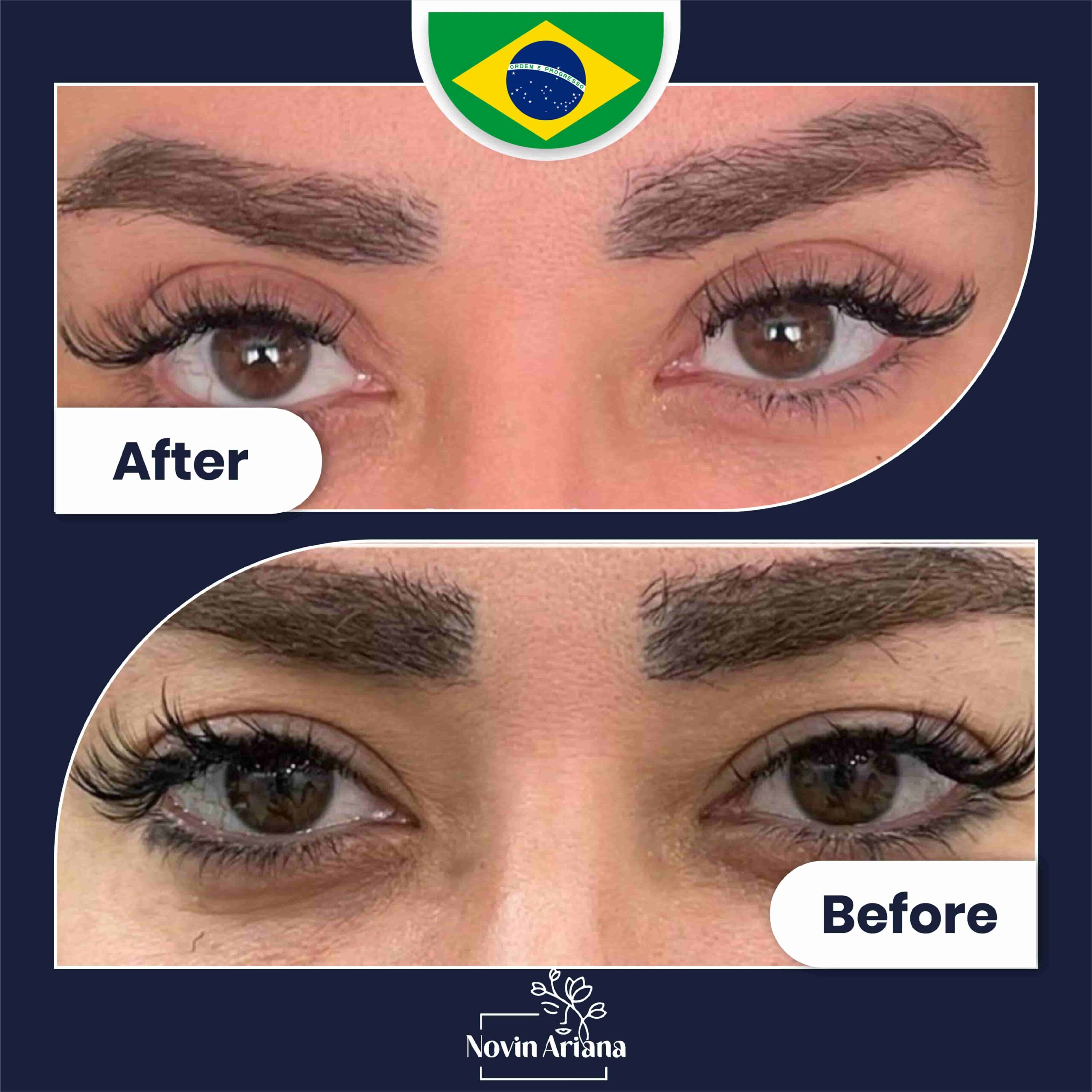
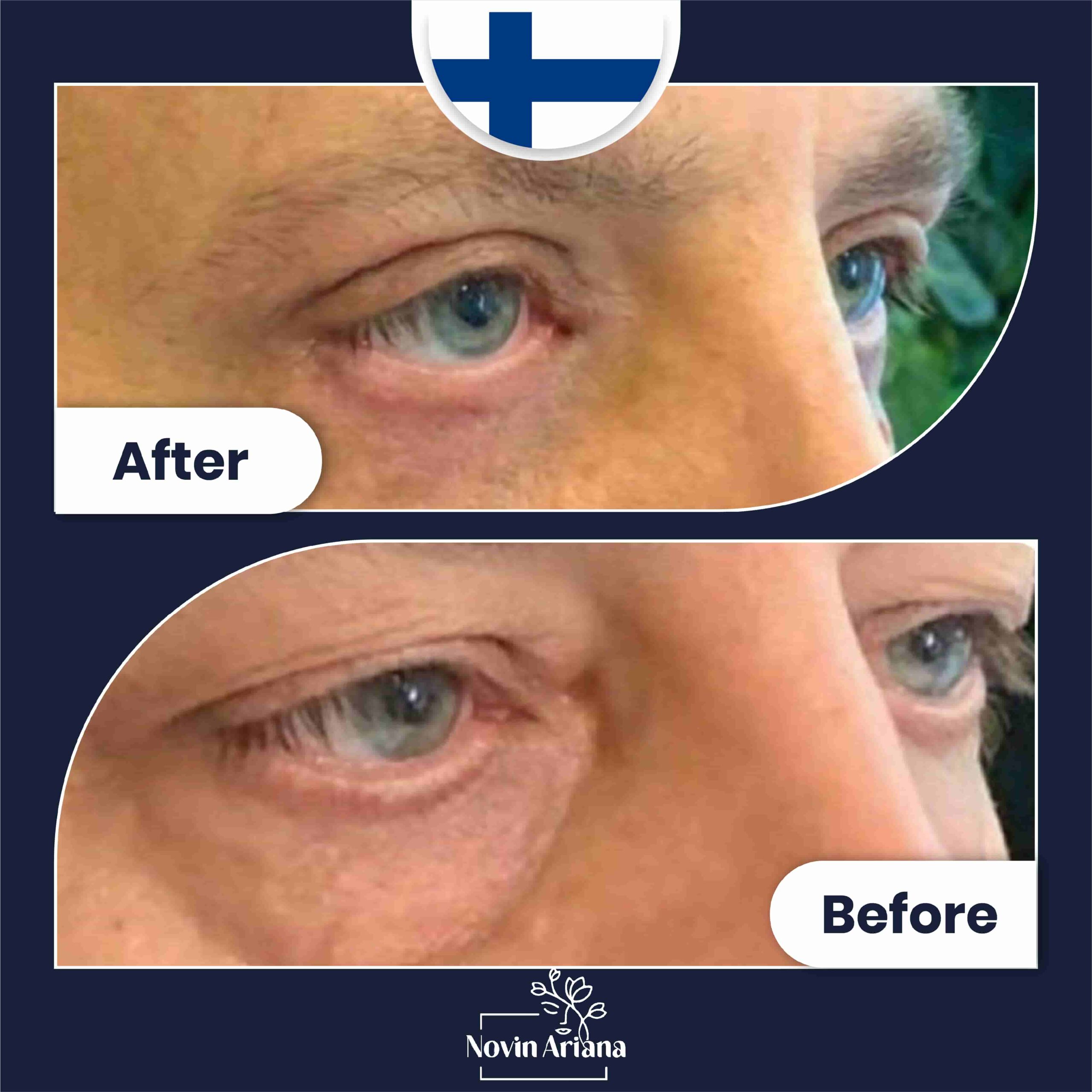
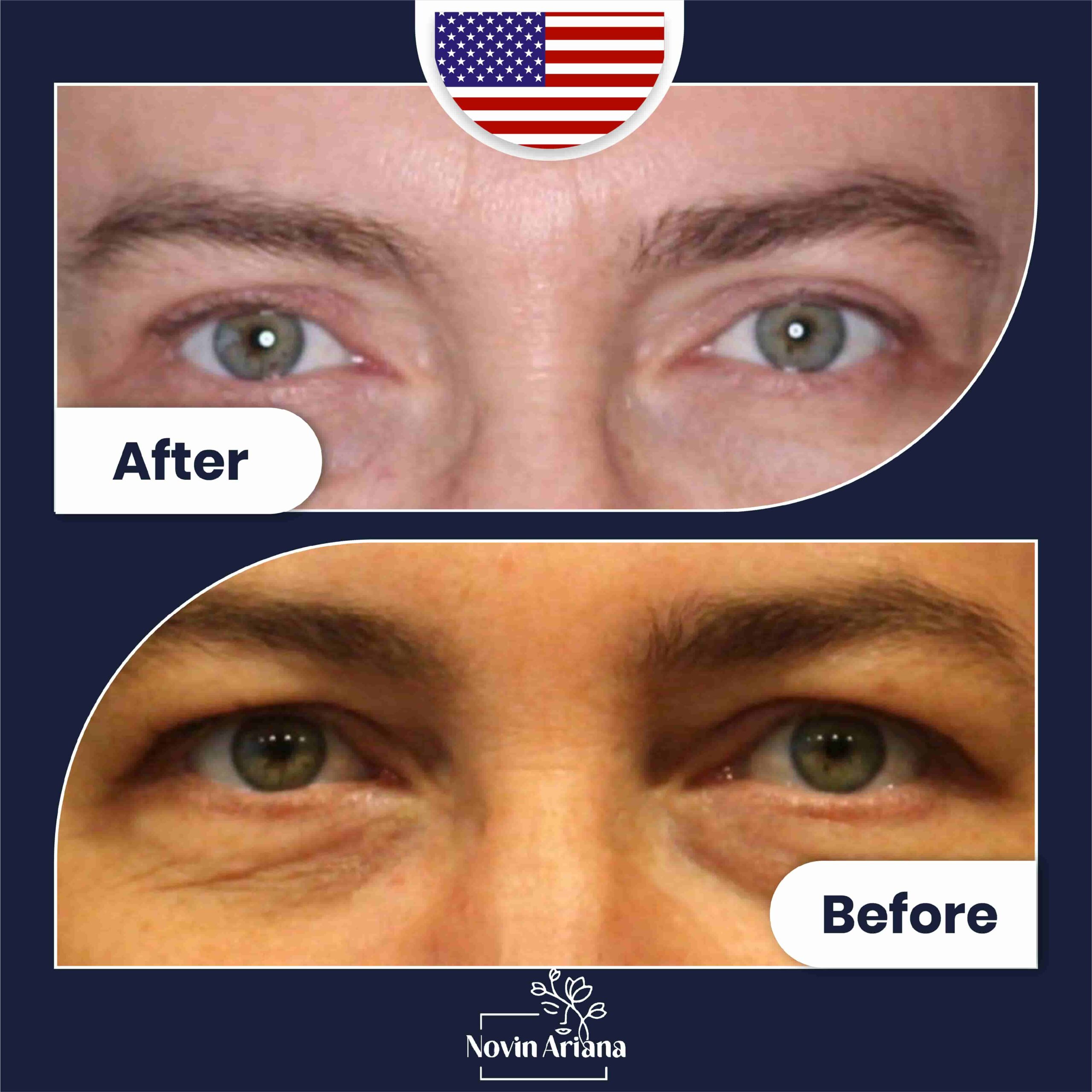
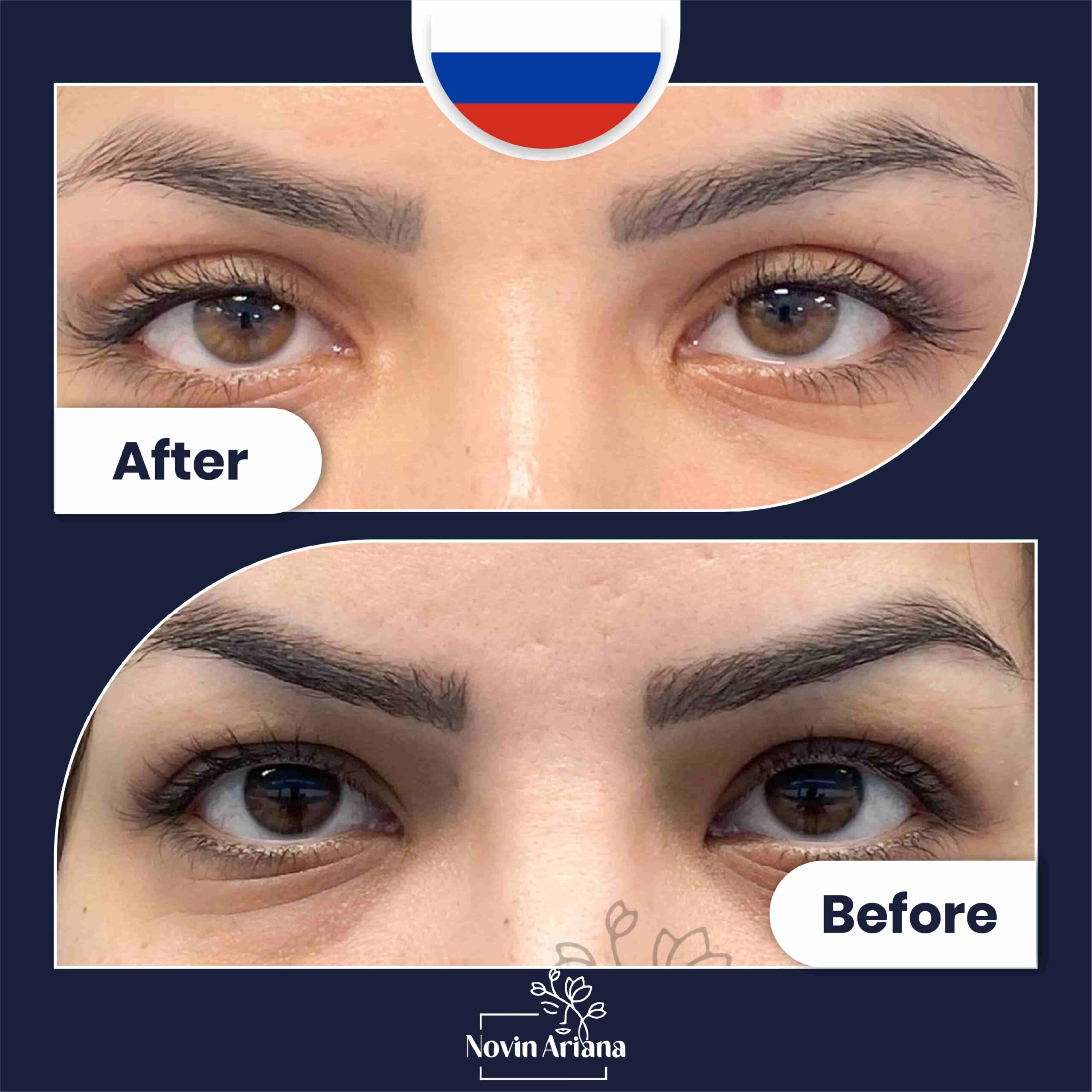
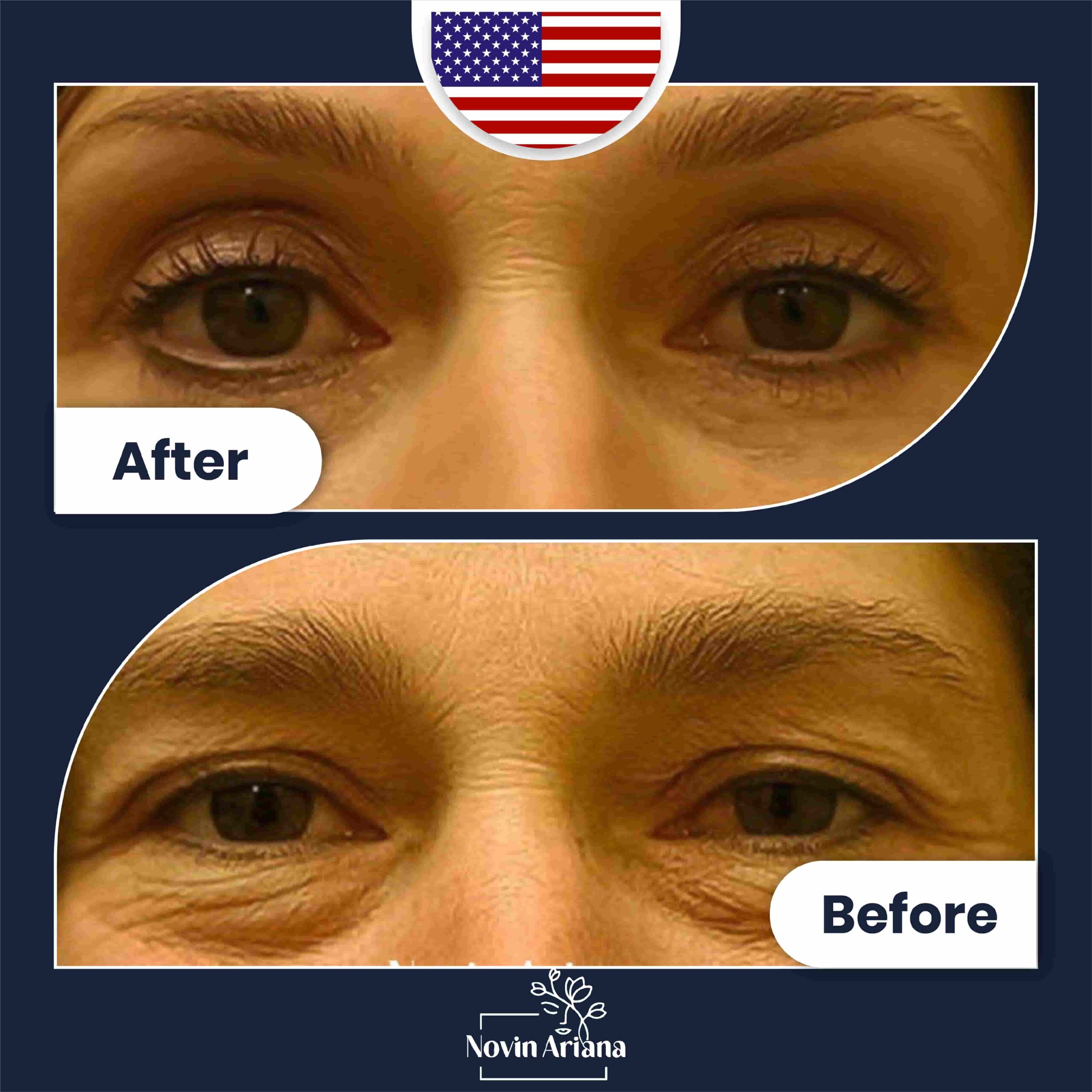
Before-and-after photos are useful when they are consistent, clear, and taken after enough healing time. A strong gallery uses the same angle, lighting, facial expression, and distance in both images. It allows you to assess whether the upper lid looks less heavy, the lower lid has a smoother transition into the cheek, and the eyes remain balanced rather than overcorrected.
For upper blepharoplasty, look beyond the crease itself. The brow position should be similar in both photos, because raising the eyebrows can make excess eyelid skin appear less noticeable. Good results often reveal more of the upper lid while preserving a natural crease and comfortable eye closure.
For lower blepharoplasty, assess the under-eye area as a whole. Removing or repositioning fat may reduce bags, but it will not erase every fine line, dark pigment concern, or hollow in the tear trough. Patients with very thin skin, significant laxity, or volume loss may need a different approach, such as fat repositioning, skin tightening, or a complementary facial treatment. An ethical surgeon explains those limits rather than promising a completely smooth under-eye area.
Ready to change how you look and feel?
Get your consultation now — your new self is waiting.
Early Photos Are Not Final Results
One of the most common sources of disappointment is comparing a patient’s first-week reflection to a polished six-month photo. Swelling, bruising, mild asymmetry, dryness, and tightness are expected parts of early recovery. They do not automatically indicate a poor outcome.
The first two weeks
During the first several days, the eyelids can appear puffy and uneven. Bruising often peaks early, then gradually fades. Most patients feel presentable for video calls or social activities after roughly 10 to 14 days, depending on their healing pattern, the extent of surgery, and whether upper and lower eyelids were treated together. Concealer may help once the surgeon confirms it is safe to use.
Weeks three through eight
The eyes usually begin to look more like themselves. Residual swelling continues to settle, and incision lines start to soften. This is often when patients notice that they look more awake without appearing obviously “done.” However, subtle puffiness can still be present, particularly in the morning.
Three to six months and beyond
Most blepharoplasty before after results become easier to judge after several months. Fine swelling resolves gradually, scars mature, and the relationship between the eyelid, brow, and cheek becomes more natural. Some patients, especially those with lower-lid surgery or slower healing tendencies, may continue to see refinement for up to a year.
What Creates a Natural-Looking Outcome?
Excellent eyelid surgery is a balance of precision and restraint. Removing too little skin may leave the original concern largely unchanged. Removing too much can create difficulty closing the eyes, an unnatural hollow appearance, or a pulled lower lid. For this reason, a surgeon’s judgment matters as much as the surgical technique.
A personalized plan begins with a detailed assessment of skin quality, fat distribution, brow position, eye shape, tear production, prior surgery, and medical history. A heavy upper lid is not always solely an eyelid issue. In some patients, a descended brow contributes to the appearance of excess upper-lid skin. Treating the wrong cause can limit the result.
Natural results also depend on preserving appropriate volume. The goal of modern lower blepharoplasty is often not simply to remove fat. In selected patients, carefully repositioning fat can improve the lid-cheek transition and reduce the risk of a hollowed appearance. The right technique depends on anatomy, not on a one-size-fits-all trend.
Reading Before-and-After Photos With Confidence
A photo gallery should support your research, not replace a consultation. Ask whether the images represent the surgeon’s own patients, when the after photos were taken, and whether the patient had additional procedures that influenced the result. A face and neck lift, brow lift, laser treatment, or fat grafting can all change the appearance around the eyes.
Pay attention to details that can be harder to spot at first glance: the symmetry of the eyelid creases, the position of the lower lid, the smoothness of the scar area, and whether the result fits the patient’s face. A gallery containing patients of different ages, skin types, and concerns is generally more informative than a collection of nearly identical cases.
Patient testimonials add another layer of insight. The most helpful ones discuss communication, comfort, recovery support, and whether expectations were met. They should not be treated as a guarantee, because every person heals differently, but they can reveal how a clinic manages the full patient journey.
Safety Matters More Than a Dramatic Change
Blepharoplasty is commonly performed, but it is still surgery around the eyes. A responsible provider reviews your medical history, medications, allergies, previous eye procedures, and concerns such as dry eye, thyroid eye disease, bleeding risks, or smoking. Contact lens use, vision changes, and realistic downtime should also be discussed before any travel is arranged.
Patients should receive clear information about the proposed technique, anesthesia, recovery instructions, possible complications, and follow-up plan. Risks can include bleeding, infection, dry or irritated eyes, scarring, temporary blurred vision, asymmetry, and lid-position changes. Serious complications are uncommon, but informed consent means discussing them honestly.
For patients traveling abroad, aftercare deserves the same attention as the procedure itself. Plan enough time in the destination for early follow-up and medical clearance before flying. Confirm who will answer questions after you return home, how urgent concerns are handled, and what records you will receive. A low price is only meaningful when it is paired with qualified clinical care, appropriate facilities, transparent inclusions, and long-term support.
Ready to change how you look and feel?
Get your consultation now — your new self is waiting.
Planning Eyelid Surgery in Istanbul
Turkey is a popular choice for patients seeking experienced aesthetic surgeons and premium medical travel coordination. At Novin Ariana Health Clinic, the focus is on matching each patient with an individualized treatment plan, clear preoperative guidance, and coordinated support from consultation through post-operative follow-up.
An all-inclusive package can reduce the stress of arranging surgery in another country, particularly when it includes airport transfers, hotel accommodation, local transport, and multilingual patient assistance. Still, the decision should begin with medical suitability, not logistics alone. Share unfiltered photos during your online consultation, explain what bothers you most, and be candid about any medical conditions or previous procedures.
A reputable consultation should also clarify whether blepharoplasty alone is likely to meet your goals. Sometimes the answer is yes. Sometimes a brow-focused treatment, lower-face procedure, or nonsurgical option may be more appropriate. That level of honesty protects both your safety and your final result.
Ready to change how you look and feel?
Get your consultation now — your new self is waiting.
Questions Worth Asking Before You Book
Before committing to eyelid surgery, ask who will perform the procedure and what their relevant qualifications and experience are. Request examples of patients with concerns similar to yours, including photos taken after complete healing. Ask how the clinic manages dry-eye risk, what technique is recommended for your anatomy, and how long you should remain in Istanbul before traveling home.
You should also understand exactly what the quoted package includes. Confirm surgical fees, anesthesia, medications, consultations, hotel nights, transfers, follow-up appointments, and support after you return home. Transparent answers are a positive sign; pressure to book quickly is not.
The most satisfying blepharoplasty result is rarely the one that changes a face overnight. It is the one that lets you look rested, comfortable, and recognizably yourself – supported by careful planning, skilled hands, and enough time for healing to tell the real story.
Frequently Asked Questions
Our representatives for all countries are 24/7 available to support you at any time
Before blepharoplasty, patients often have concerns such as droopy eyelids, excess skin, under-eye bags, or a tired appearance. After surgery, the eyes typically look more refreshed, open, and youthful while maintaining natural facial expressions.
Initial improvements can be noticed after swelling decreases, usually within 2–4 weeks. More defined results appear after a few months, while the final outcome may take 6–12 months as the tissues continue to heal.
Yes. Eyelid surgery can reduce signs of aging around the eyes by removing excess skin and fat, helping patients achieve a more rested and rejuvenated appearance.
Blepharoplasty results are long-lasting. The effects of removing excess skin and fat can remain for many years, although natural aging continues over time.
Blepharoplasty can improve wrinkles caused by loose eyelid skin, but it does not remove all fine lines around the eyes. Additional treatments may be recommended for wrinkles and skin texture.
A successful blepharoplasty should create a natural improvement rather than a completely different appearance. The goal is to restore balance and freshness while preserving your unique facial features.
Swelling and bruising are common during the first weeks after surgery. Most patients see significant improvement within 2–3 weeks, although mild swelling may continue for several months.
In some cases, upper eyelid surgery can improve peripheral vision when excess eyelid skin blocks the visual field. A medical evaluation is needed to determine whether this applies.
Before and after photos are usually compared after the healing process is more complete, often around 3–6 months after surgery, when swelling has significantly reduced.
No. Results vary depending on skin quality, age, eyelid structure, genetics, surgical technique, and the patient’s healing process. A consultation with an experienced surgeon helps create realistic expectations.
Both can provide excellent care. Hospitals are generally better equipped for complex procedures or emergencies, while specialized clinics may offer outstanding expertise for specific cosmetic treatments. The surgeon's experience and safety standards are often more important than the facility type alone.