

 Summarize this article with:





Can Women Get Hair Transplants?
Written by Novin Ariana
Yes, women can absolutely get hair transplants — it’s not just a men’s procedure. Here’s what you should know:
- Female hair loss is common. Around 1 in 3 women experience noticeable thinning at some point, often due to genetics, hormones, stress, or menopause.
- The procedure can work differently for women than men because female pattern hair loss (FPHL) tends to cause diffuse thinning across the whole scalp rather than a receding hairline or bald spots.
- Good candidates usually have a stable donor area (a zone at the back or sides of the scalp with healthy, permanent hair) that can be transplanted to thinning areas.
- Not everyone qualifies. Women with diffuse thinning all over, including the donor zone, may not be ideal candidates since there isn’t enough healthy hair to redistribute.
- Common techniques used are FUE (Follicular Unit Extraction) and DHI (Direct Hair Transplant). Both work for women, though FUE is often preferred for less scarring. There is another method added to the competition which is LHI (Long Hair Implantation) which is exclusively performing in Novin Ariana Clinic.
- Underlying causes should be checked first. Conditions like thyroid issues, PCOS, iron deficiency, or telogen effluvium can cause hair loss and may need treatment before, or instead of, a transplant.
- Results take time. Like men, women typically see new growth in 6 to 12 months, with full results around 12 to 18 months.
- A consultation with a hair restoration specialist is the best way to find out if you’re a good candidate, since female hair loss patterns require careful evaluation.
A widening part, visible scalp under bright light, or thinning around the temples can feel especially frustrating when every conversation about hair transplants seems aimed at men. The short answer is yes – can women get hair transplants? Absolutely. But the better answer is that women can get excellent results when the cause of hair loss is properly diagnosed and the treatment plan matches their pattern of thinning.
That distinction matters. Female hair loss is often more complex than male pattern baldness, which means candidacy is less about age alone and more about diagnosis, donor hair quality, and realistic density goals. For women researching treatment abroad, understanding who qualifies and who should consider other options first can save time, money, and disappointment.
What You Read
Ready to change how you look and feel?
Get your consultation now — your new self is waiting.
Can Women Get Hair Transplants for All Types of Hair Loss?
Not for every type. A hair transplant works by moving healthy follicles from a stable donor area, usually the back or sides of the scalp, into areas with thinning or no growth. If the donor hair is strong and the hair loss pattern is localized or stable, surgery can be very effective. If the hair loss is diffuse across the entire scalp, including the donor zone, a transplant may not be the right first step.
This is why women need a more careful assessment before booking surgery. Many female patients are good candidates, but not all thinning is transplantable. A clinic should look beyond the surface and determine whether the issue is genetic hair loss, traction damage, hormonal change, scarring, past cosmetic surgery, or another medical cause.
Ready to change how you look and feel?
Get your consultation now — your new self is waiting.
Who Is Usually a Good Candidate?
Women tend to be strong candidates when they have specific areas of loss rather than generalized shedding. Receding temples, a higher hairline, thinning from traction hairstyles, scars from prior procedures, and eyebrow loss are often very suitable for transplantation. Some women with female pattern hair loss also qualify if the donor area remains dense and stable.
The best candidates usually share a few features. Their hair loss has an identifiable pattern, the donor region has enough healthy follicles, and they understand that the goal is improvement, not the density they had at 18. Natural-looking design matters just as much as graft survival, especially in women where the frontal hairline must look soft and age-appropriate.
A consultation should also account for styling habits, hair texture, contrast between hair and scalp, and whether the patient wears her hair up or down. These details affect graft placement and the final cosmetic result more than many people expect.
When a Hair Transplant May Not Be the Right First Move
Some women are eager to move straight to surgery, but the smartest plan is not always the fastest one. If the shedding is sudden, linked to stress, postpartum changes, iron deficiency, thyroid imbalance, or active inflammation of the scalp, surgery may need to wait. In those cases, the underlying cause should be treated first.
Diffuse unpatterned alopecia is another major caution. If thinning affects the donor area as well as the top of the scalp, relocating those follicles may produce limited benefit. Likewise, active scarring alopecia requires special evaluation because inflammation can reduce graft survival and ongoing disease may continue to destroy transplanted hairs.
A trustworthy clinic will say no, or not yet, when that is in the patient’s best interest. That is a sign of experience, not a lack of options.
Ready to change how you look and feel?
Get your consultation now — your new self is waiting.
What Causes Female Hair Loss?
This is where the process becomes more personal. Women lose hair for many different reasons, and the treatment only works well when the reason is understood.
Genetics remain one of the most common causes. Female pattern hair loss often appears as widening at the part line or reduced density through the crown, while the frontal hairline may remain relatively preserved. Hormonal shifts during menopause can make this more noticeable. Traction alopecia is also common, especially in women who have worn tight ponytails, braids, extensions, or glued hair systems for years.
Some women seek transplantation after facial surgery, burns, or injuries that leave visible scars on the scalp or brows. Others want restoration of naturally high hairlines that have always bothered them, even without active hair loss. Each of these situations can be approached differently, which is why one-size-fits-all messaging does not serve female patients well.

How the Procedure Works for Women
The surgery itself is not fundamentally different because the patient is female, but the planning often is. Techniques such as DHI and Sapphire FUE are commonly used because they allow precise graft extraction and placement with minimal visible scarring. That precision is especially useful when restoring a delicate frontal hairline, temple points, or eyebrows.
Most women prefer a strategy that preserves existing hair and avoids an obvious post-op appearance. Depending on the case, a clinic may recommend shaving only a small donor section rather than the whole scalp. In other cases, a no-shave or limited-shave approach may be possible, although suitability depends on the number of grafts needed and the quality of access for the surgical team.
During planning, the surgeon should evaluate how the new density will blend with surrounding native hair. Women are often more sensitive to this because they usually wear longer hairstyles that frame the face. Good work is not just about filling space. It is about direction, angle, softness, and symmetry.
Can Women Get Hair Transplants With Long Hair?
Often, yes – but it depends on the technique and the size of the case. Some women can keep most of their length and conceal the donor area with surrounding hair. Others may need partial trimming to allow safe extraction and accurate implantation.
This is an important conversation before travel. If maintaining privacy matters, ask exactly how much shaving is required, where it will be, and whether it will be visible when your hair is styled normally. An experienced clinic should explain this clearly, not leave it as a surprise on procedure day.
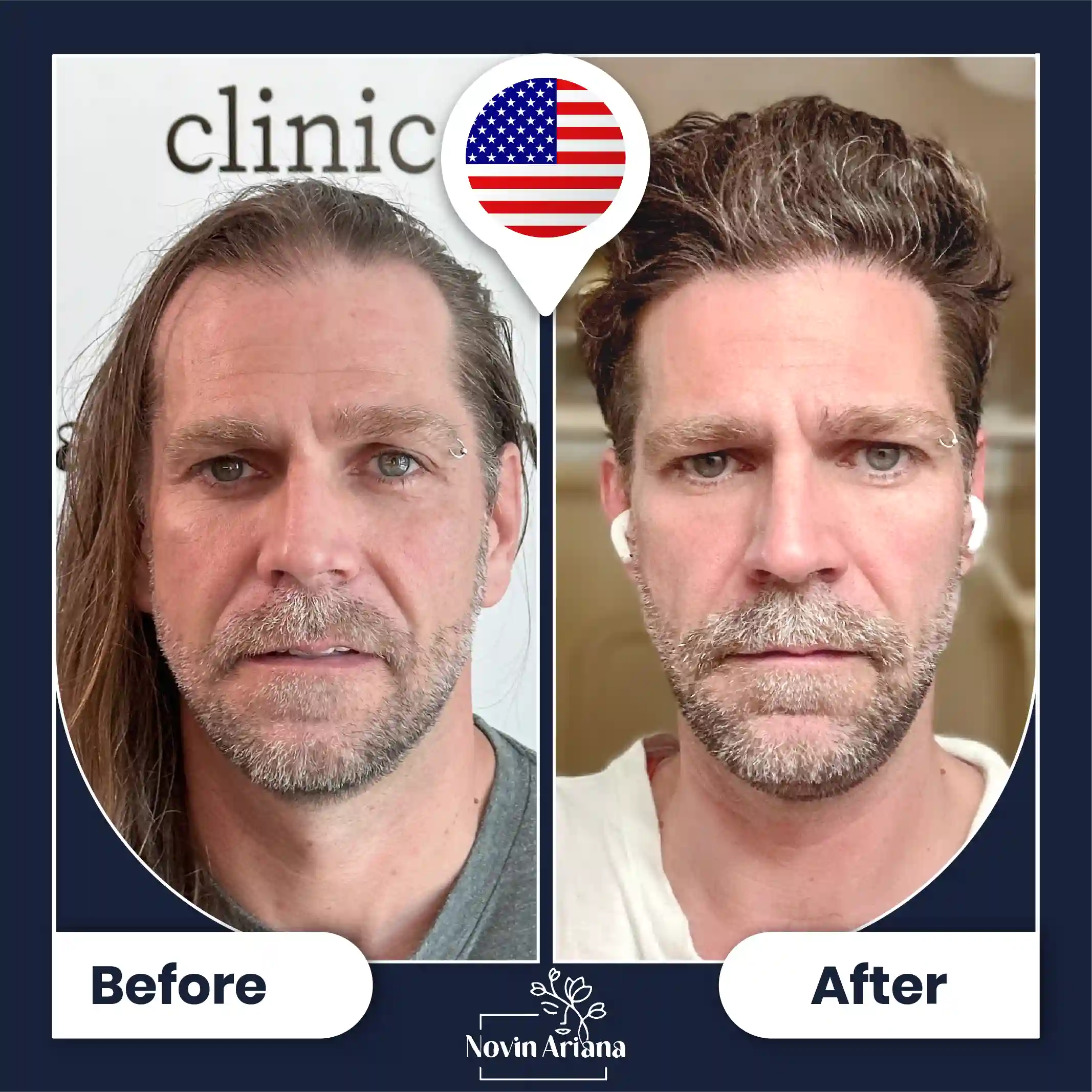
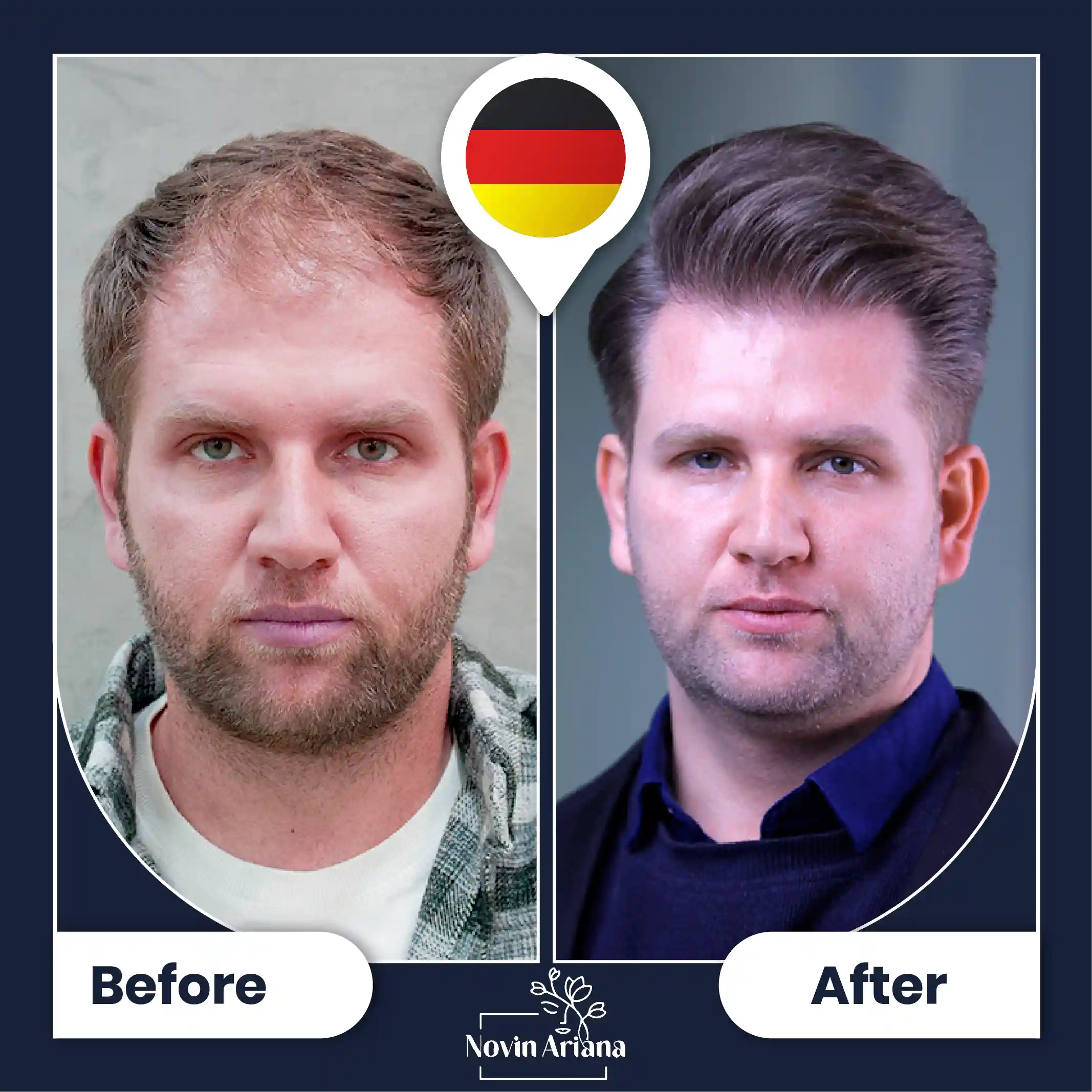
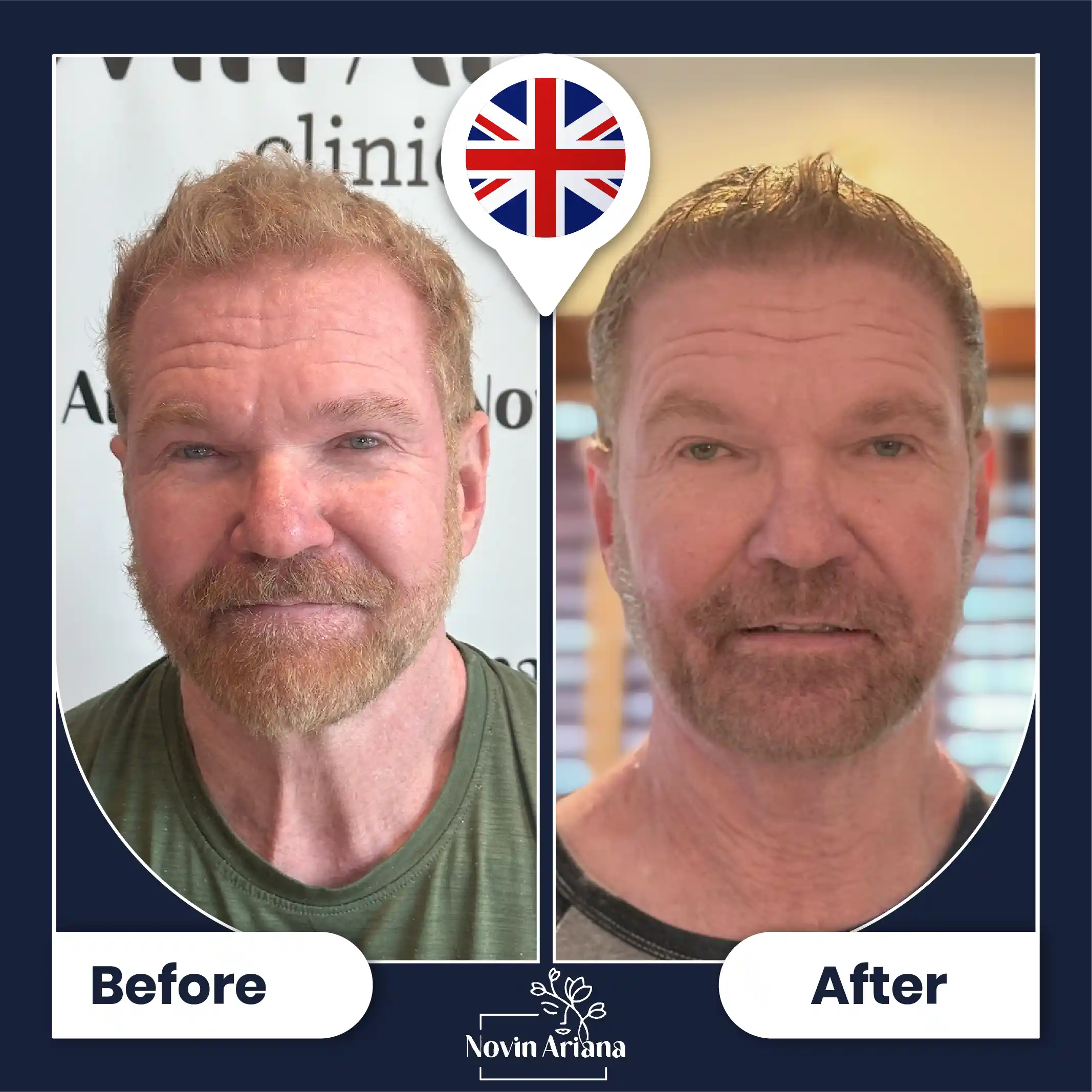
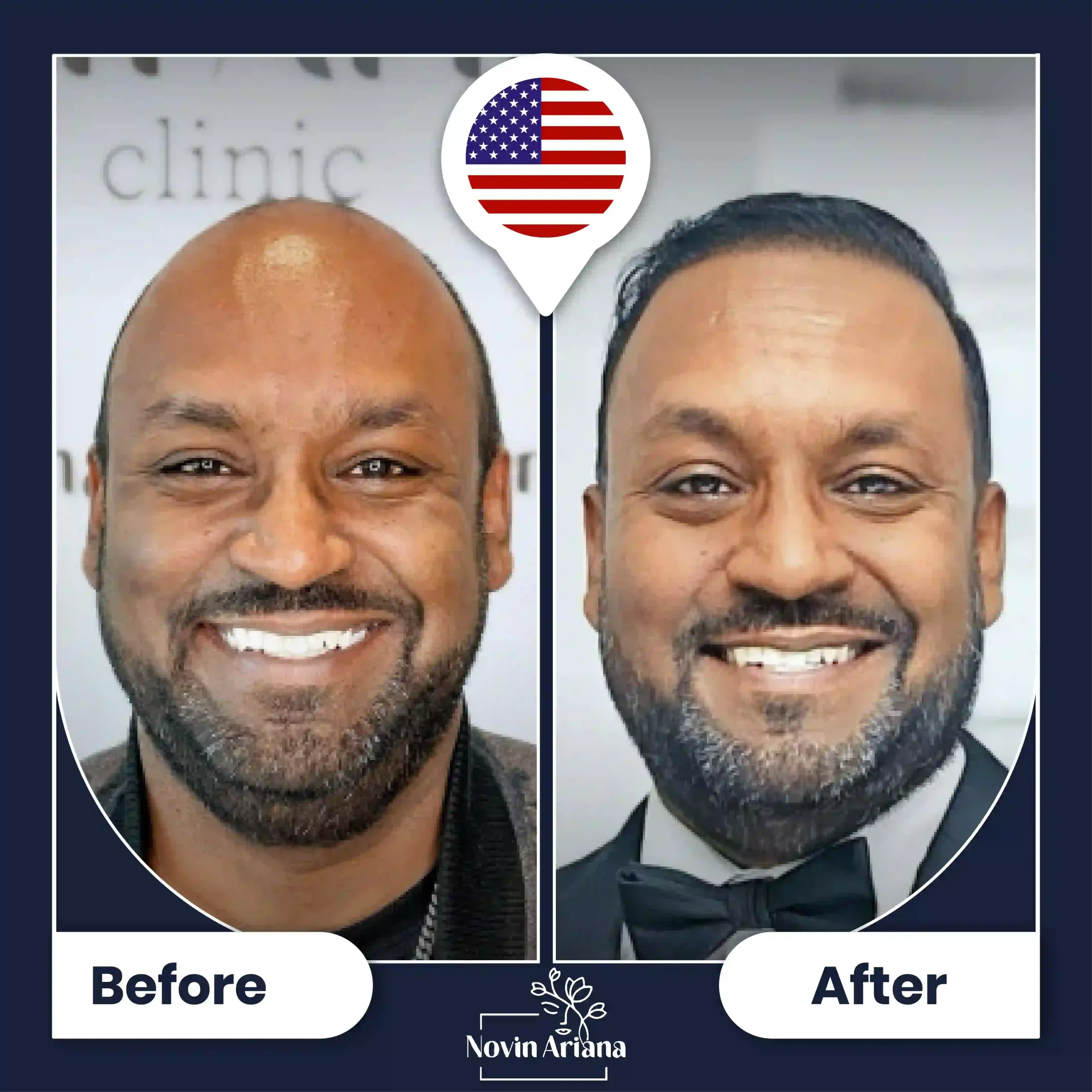
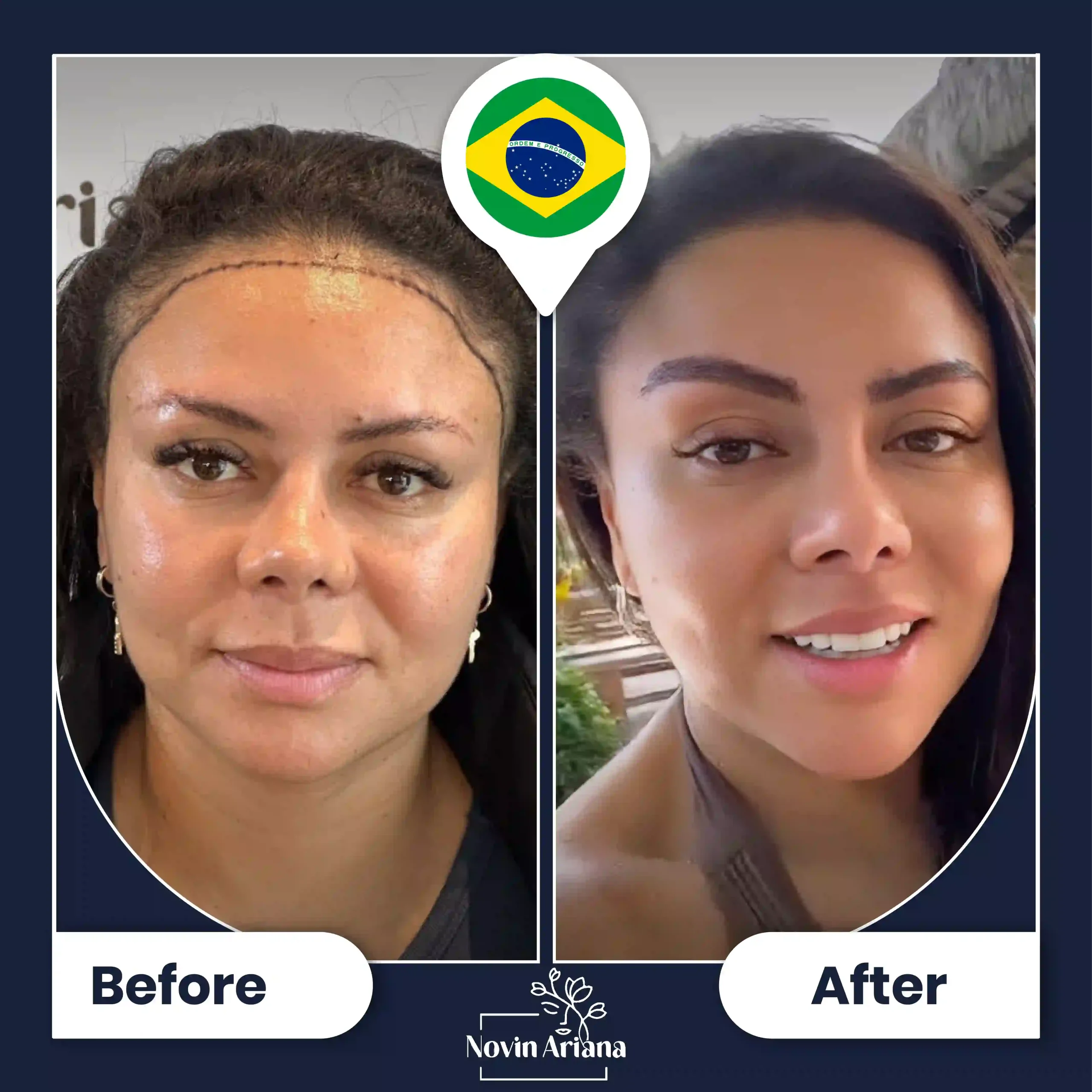
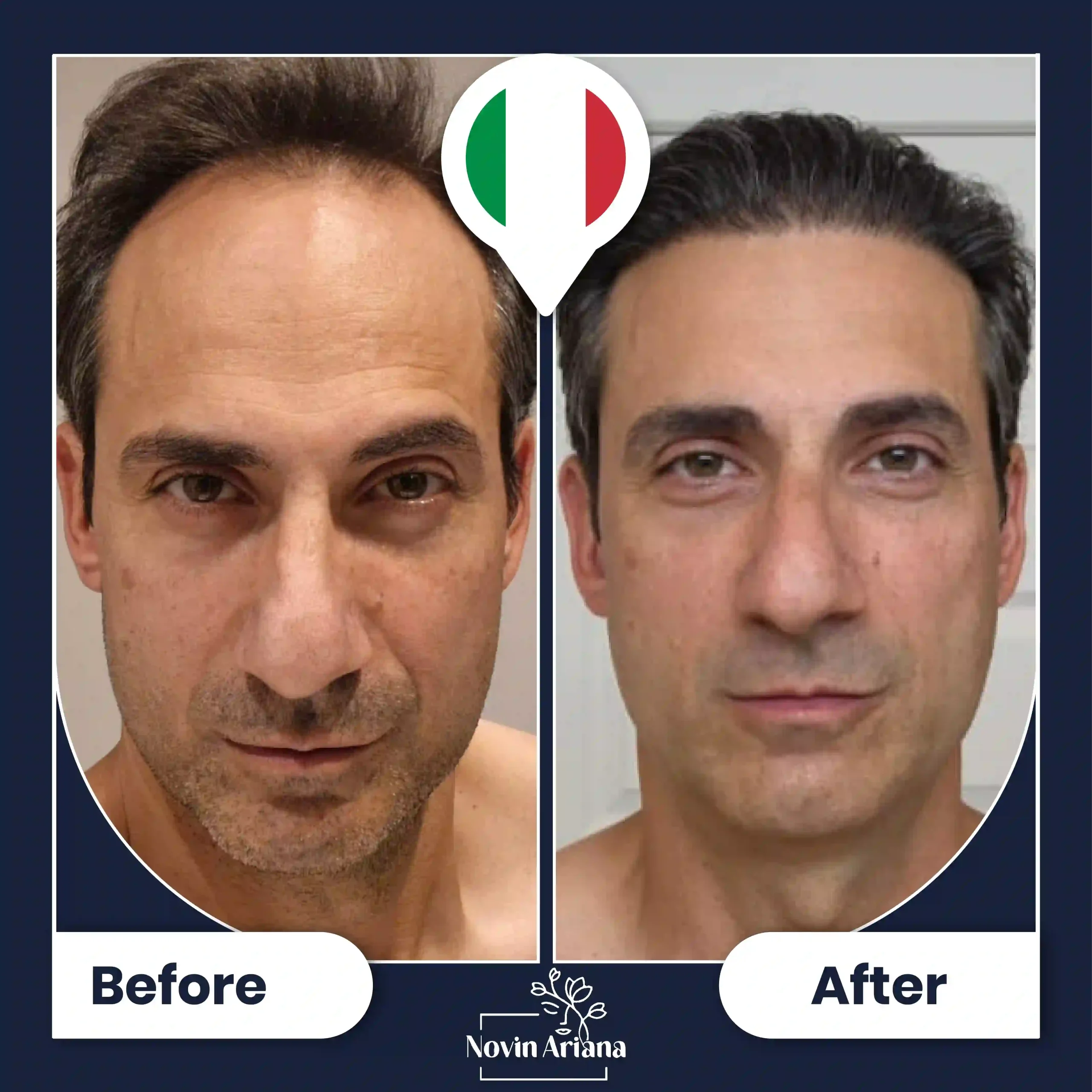
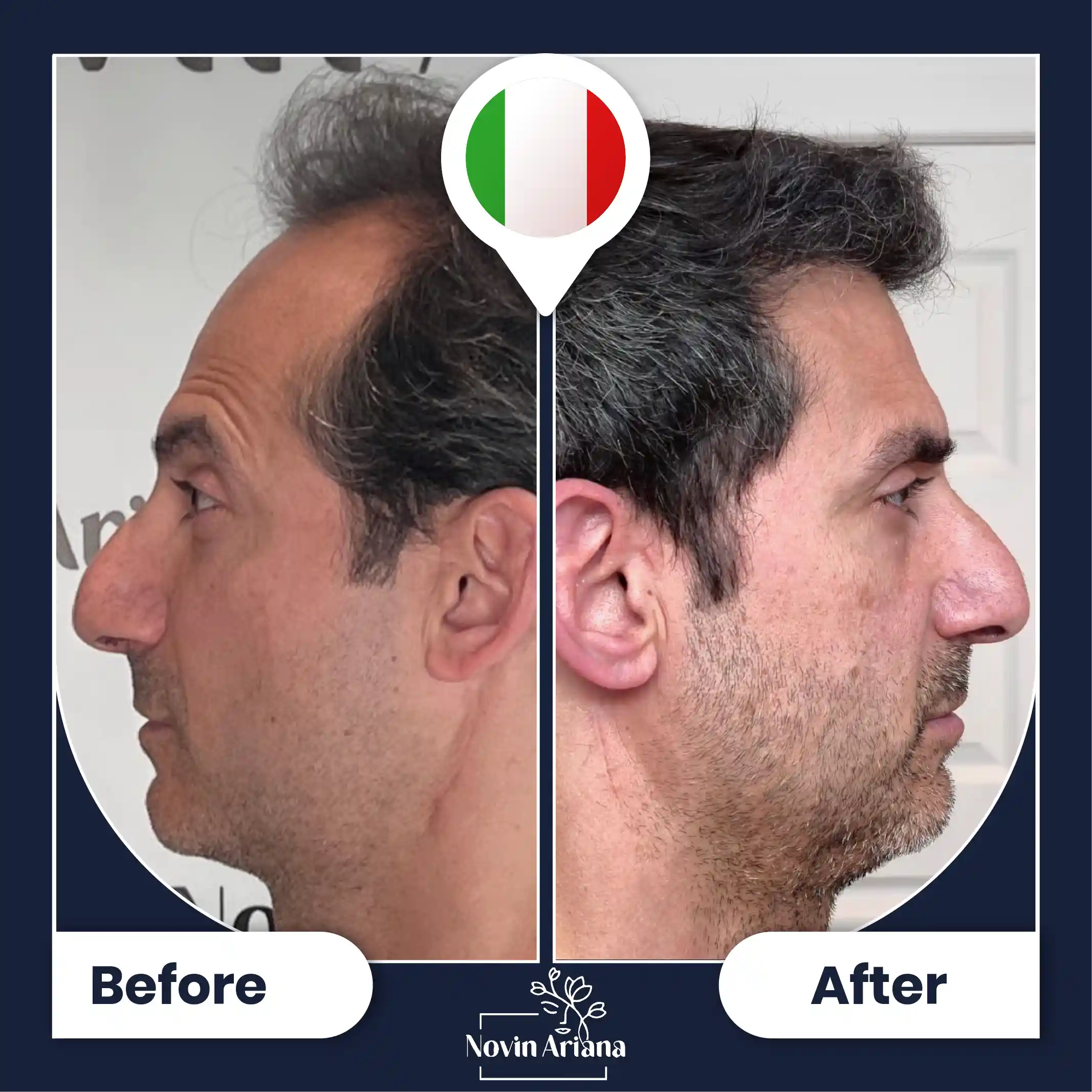
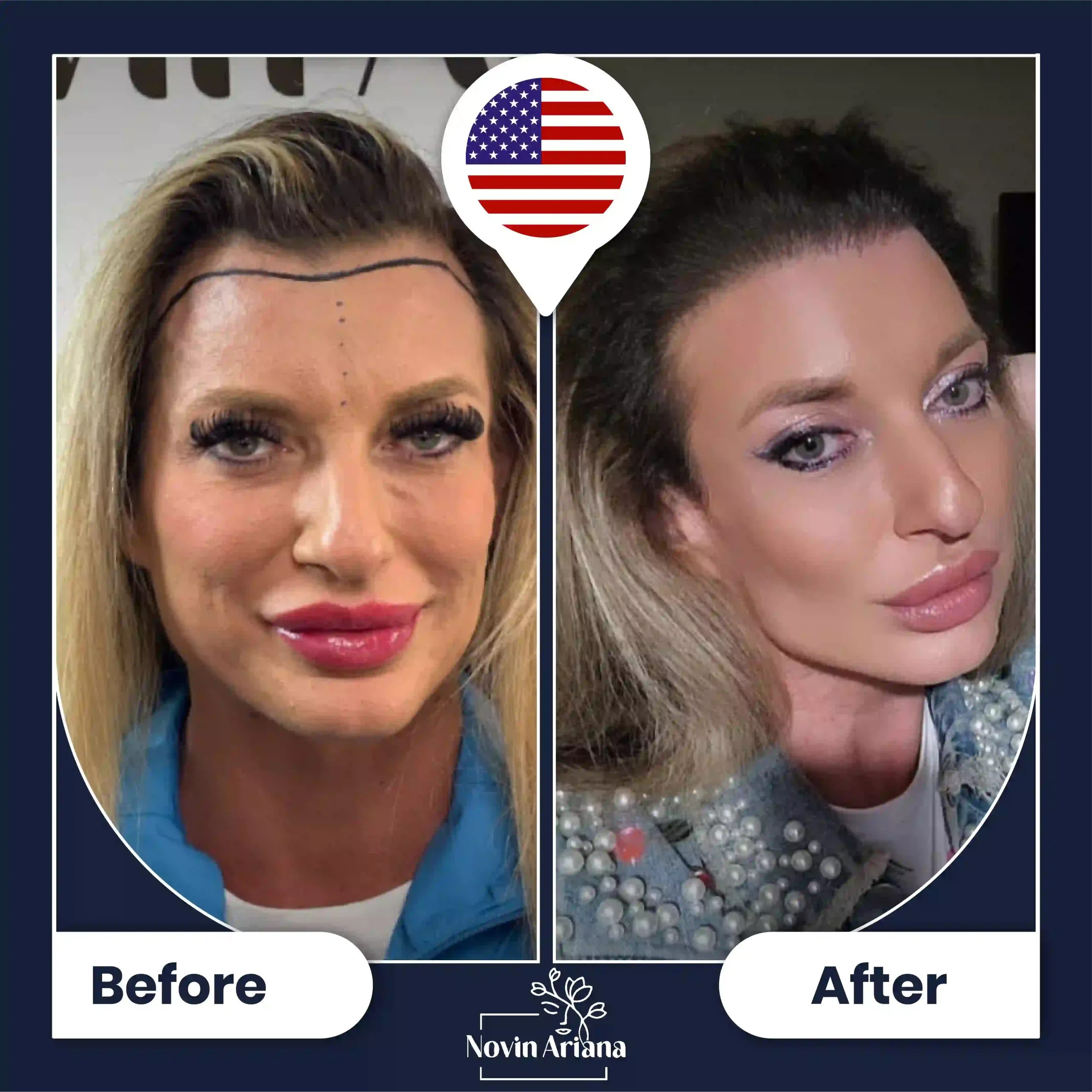
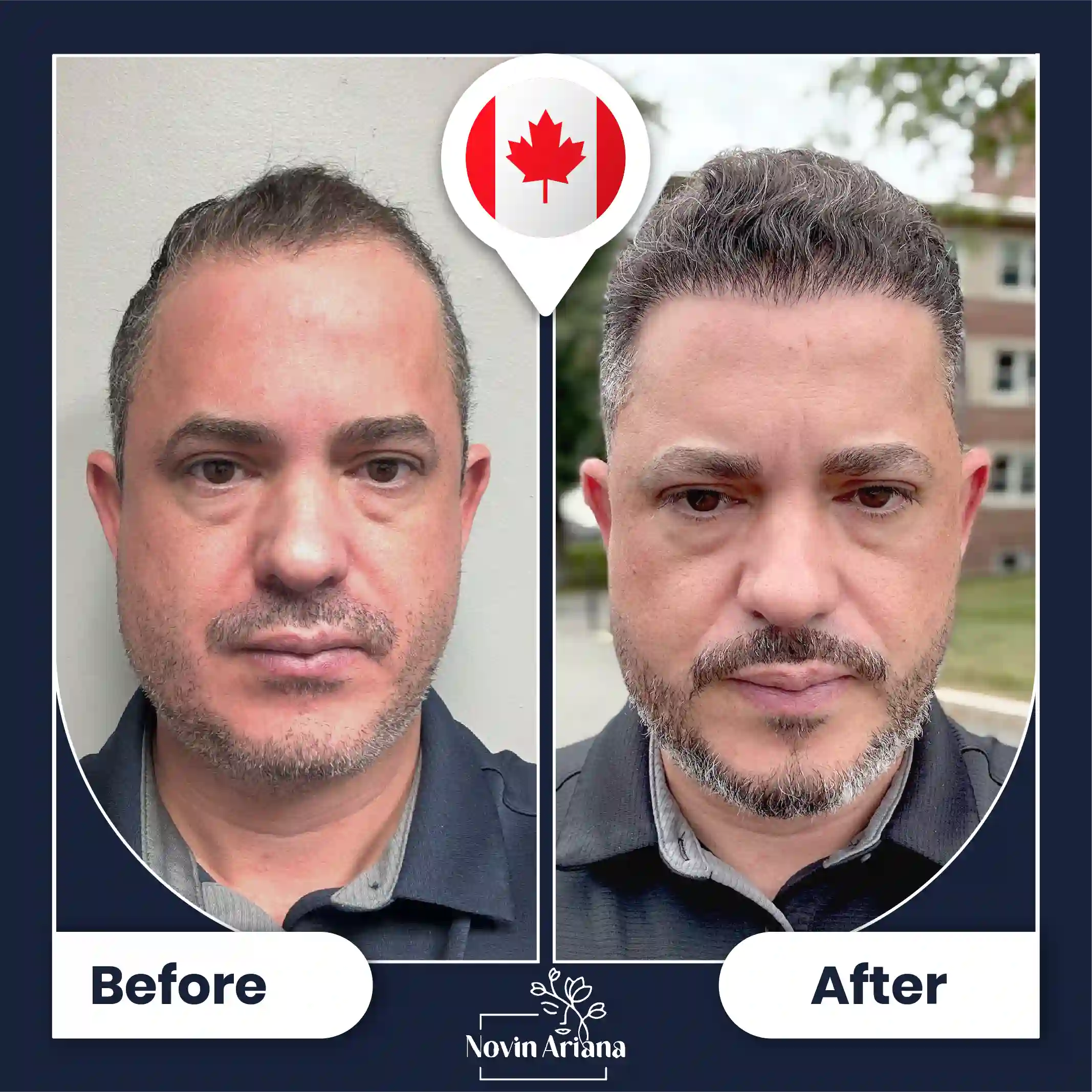
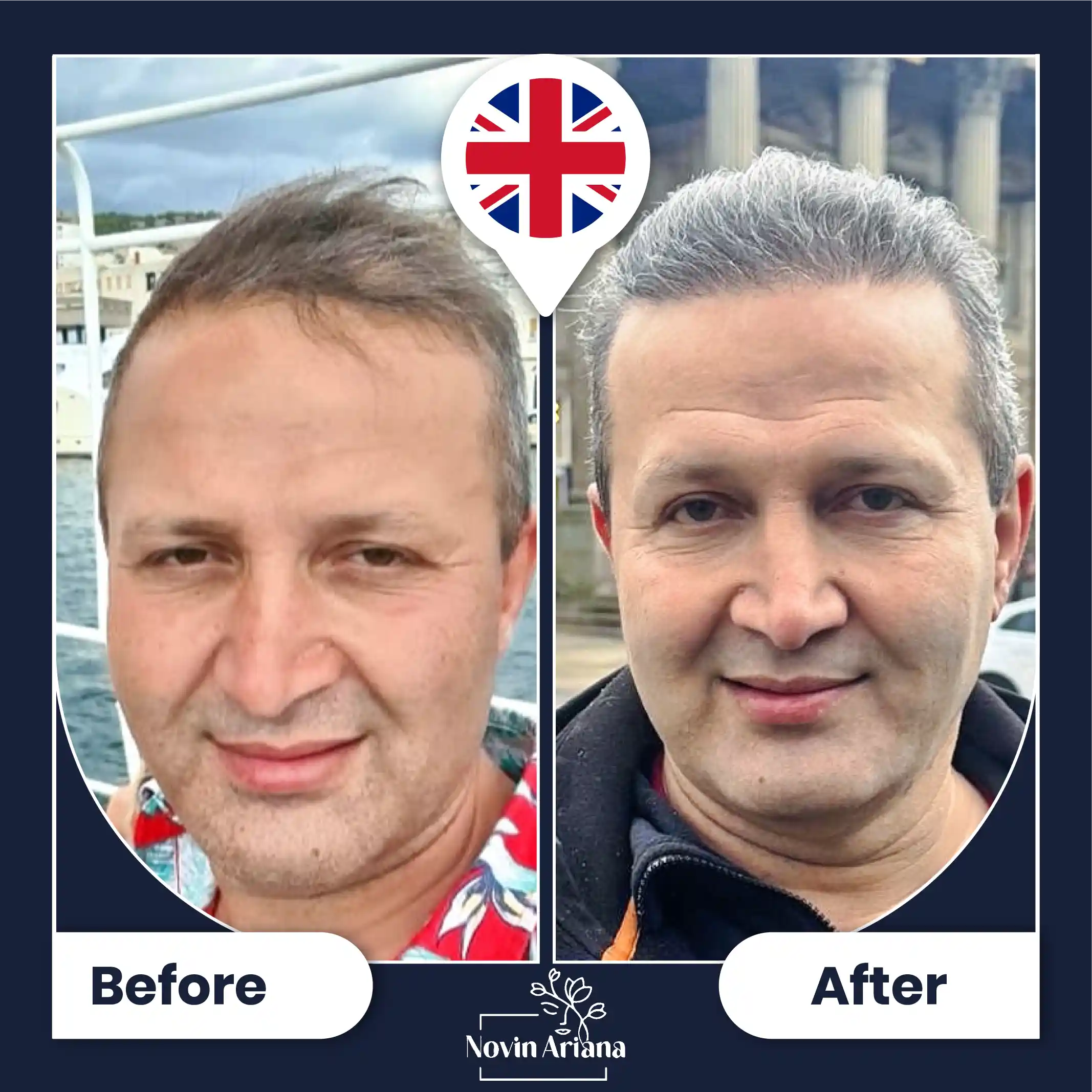
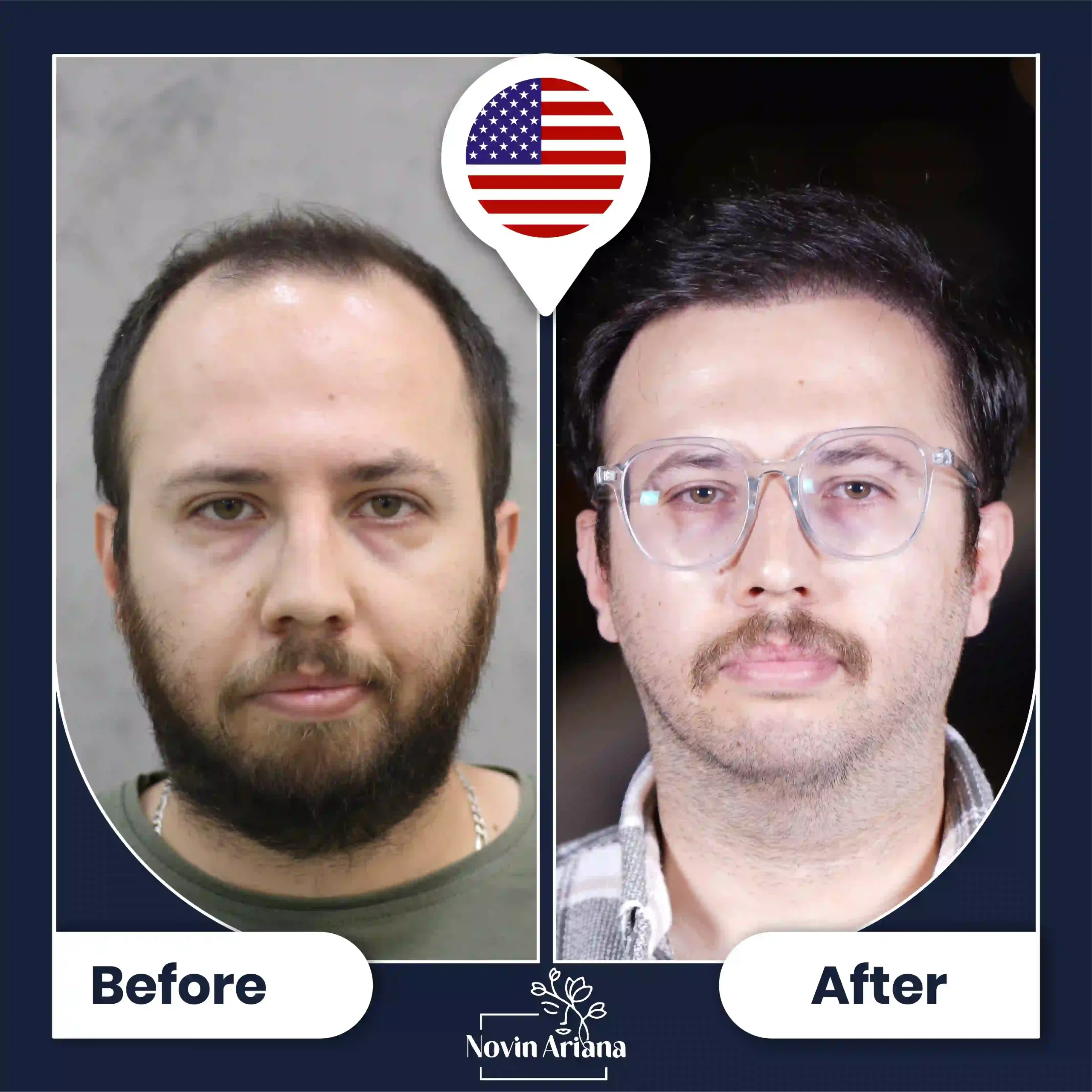
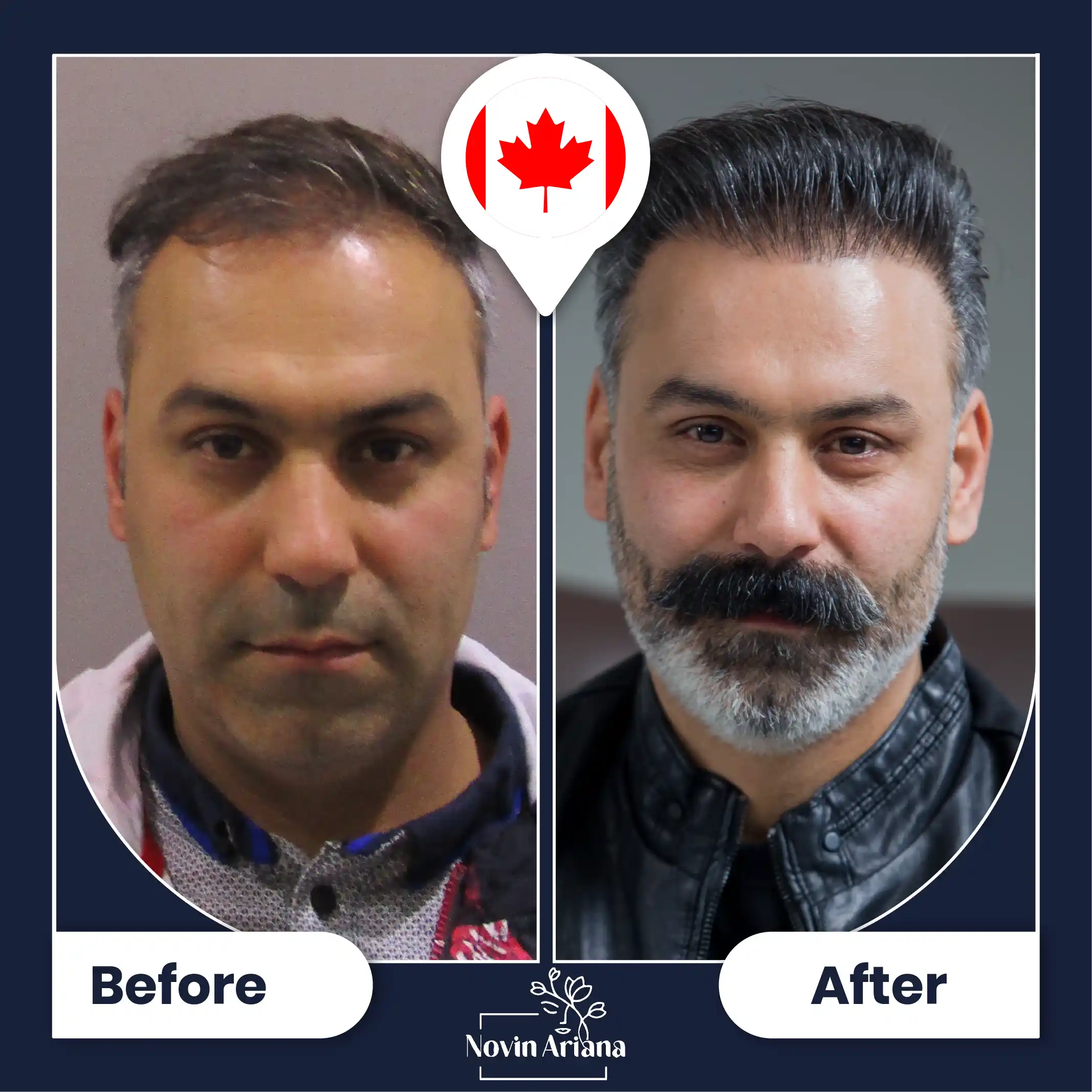
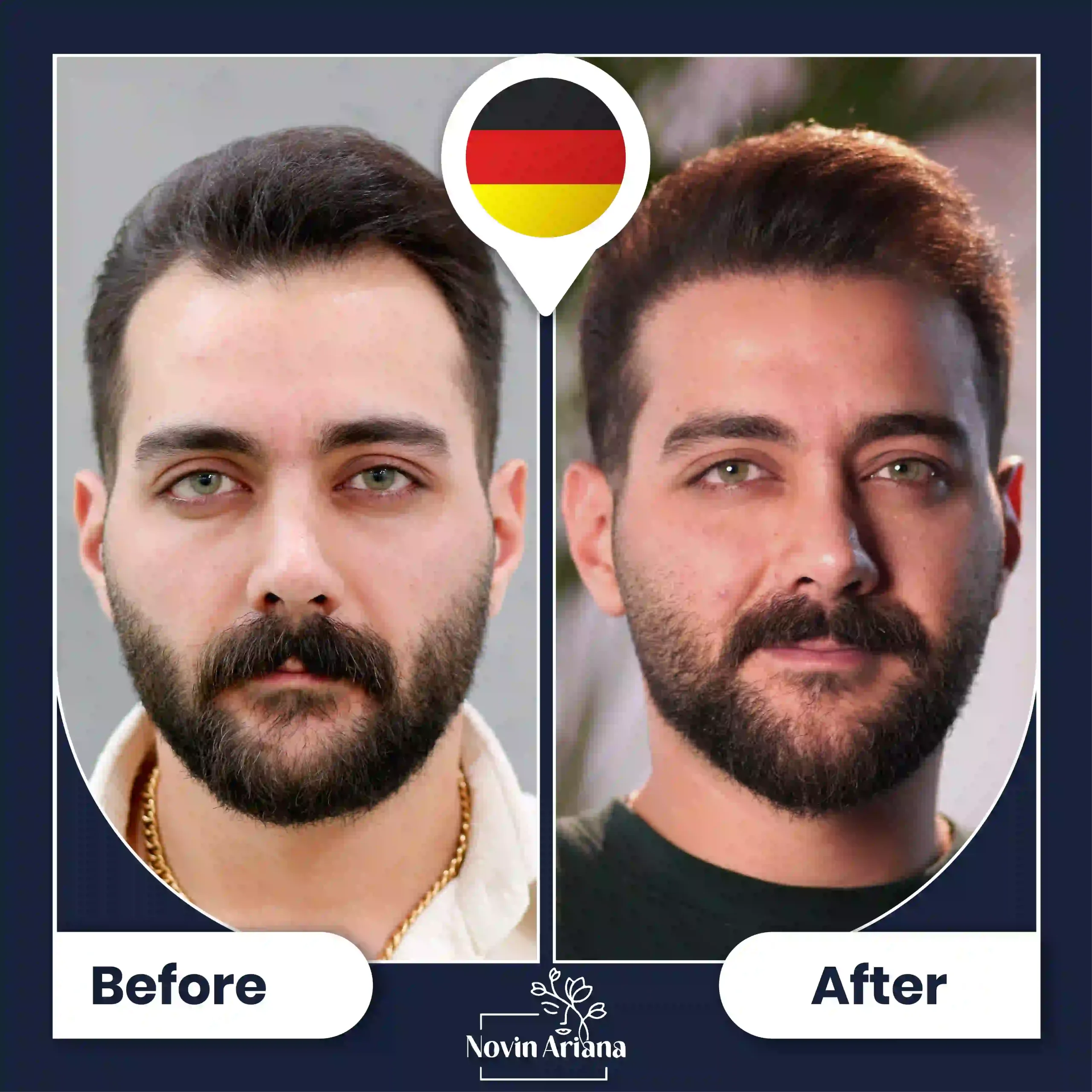
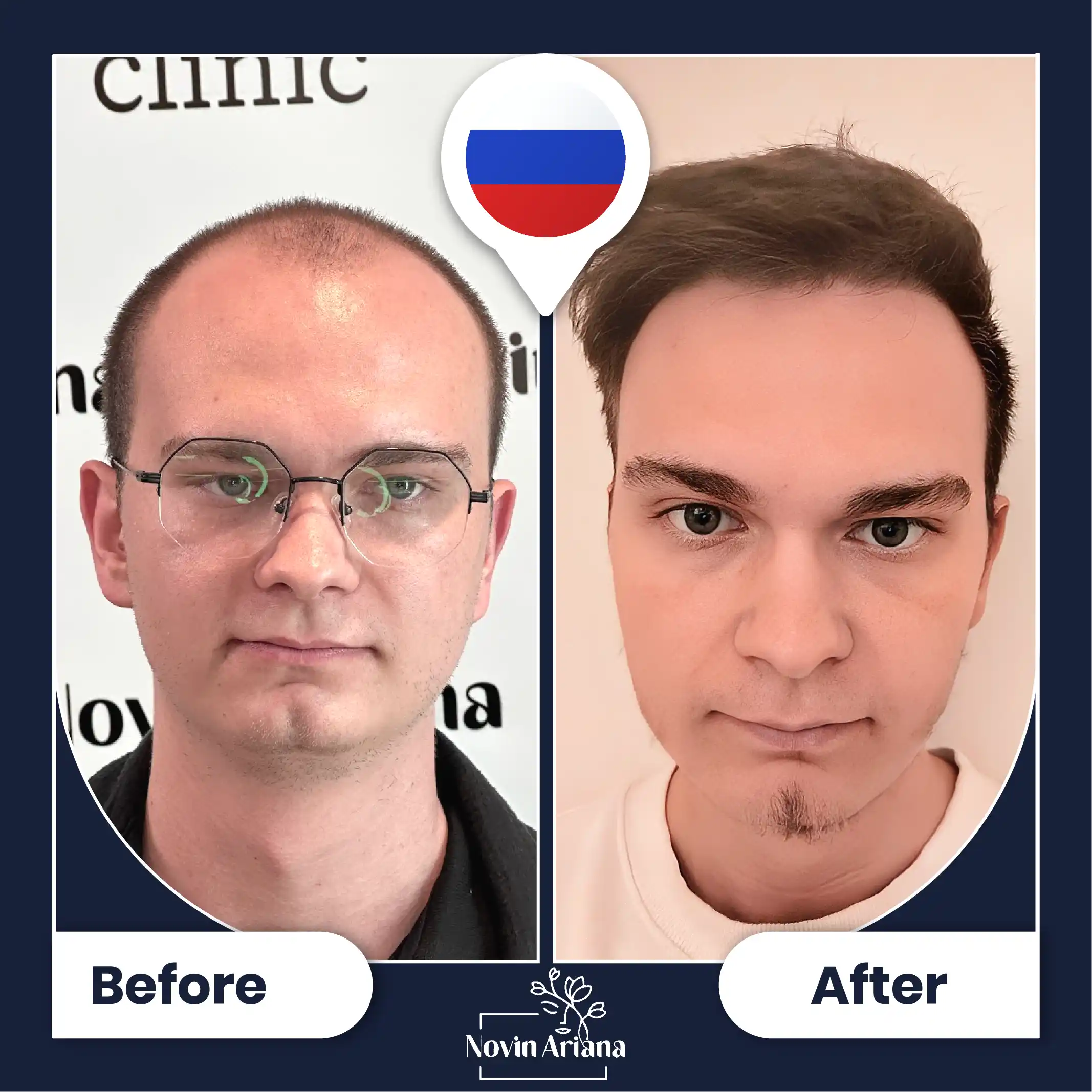
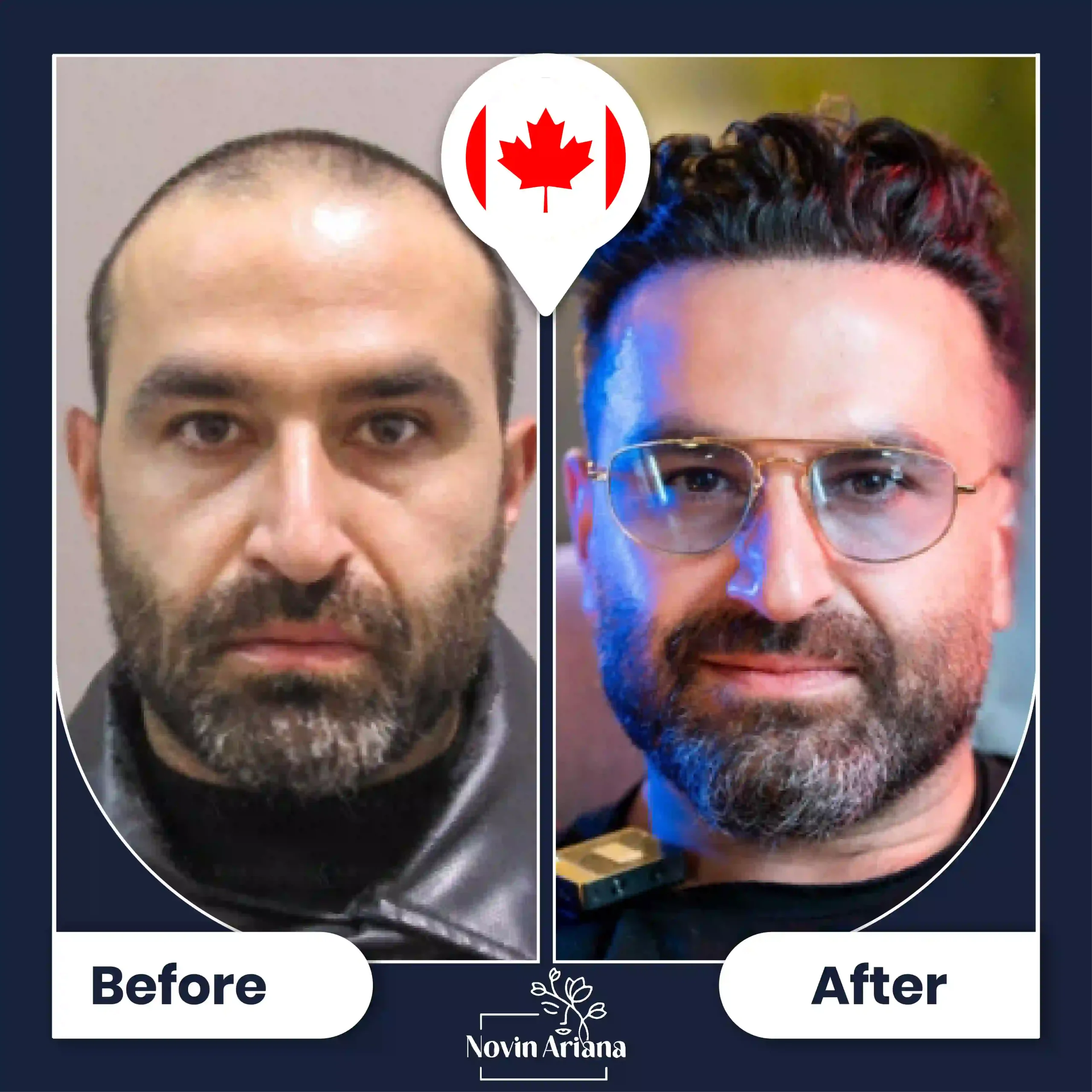
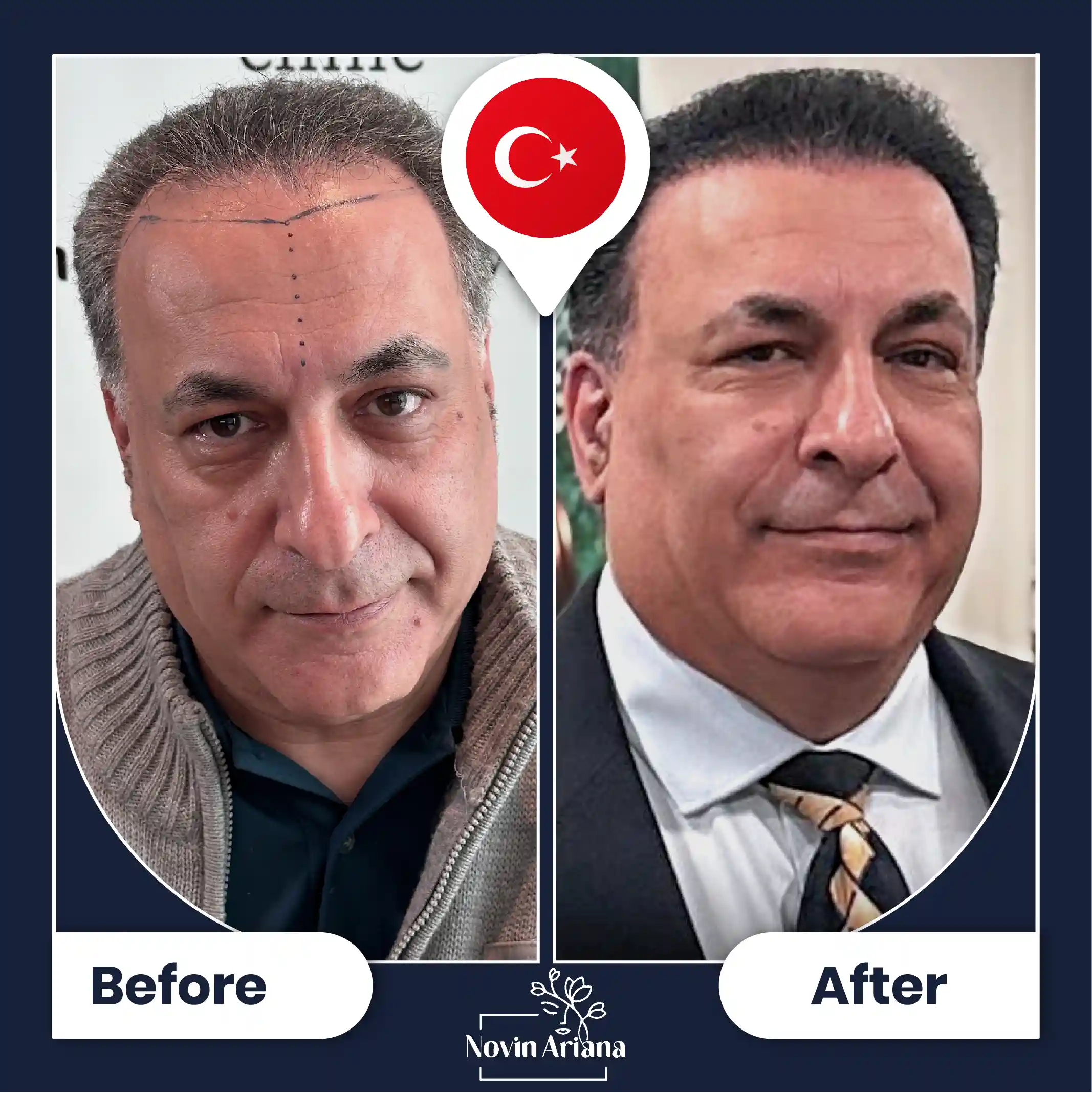
What Results Should Women Expect?
A successful transplant can create fuller framing around the face, reduce scalp visibility, and make styling easier and more confident. But expectations need to be grounded in biology. Transplanted follicles still need time to grow. Shedding in the first weeks is normal, early growth is gradual, and visible cosmetic improvement usually takes months rather than days.
Density also has limits. If a woman has broad thinning across a large area, the donor supply may not be enough to recreate very high density everywhere. In those cases, the best outcome often comes from smart distribution – strengthening the most visible zones first so the overall appearance looks fuller.
This is why naturalness should lead the conversation, not graft count alone. A lower graft number placed expertly can look better than an aggressive plan that ignores future hair loss patterns or donor conservation.
Why Diagnosis Matters More in Women
Female hair restoration is rarely a copy-and-paste procedure. Men often present with a familiar pattern and a relatively stable donor area. Women present with more variation. That means the consultation should be more detailed, with attention to medical history, hormone changes, family history, previous treatments, and scalp examination.
For international patients, remote assessment is often the first step. Clear photos, videos under good lighting, and honest discussion about shedding, medications, and previous procedures help determine whether travel for surgery makes sense. A premium provider should be able to guide this process in a structured way so you know whether you are a strong candidate before making plans.
At clinics such as Novin Ariana, this kind of evaluation is especially valuable because many patients are comparing treatment across countries and want clarity before committing to a full medical travel package. The ideal experience combines expert candidacy screening with the comfort of coordinated logistics, private transfers, quality accommodation, and post-op follow-up that continues after you return home.
Ready to change how you look and feel?
Get your consultation now — your new self is waiting.
Choosing the Right Clinic
For women, experience with female cases is not a bonus. It is essential. Ask to see results for women with a similar pattern of loss, not only male hairlines. Look for evidence that the clinic understands temple restoration, diffuse thinning, eyebrow work, scar repair, and conservative hairline design.
You should also pay attention to how the team talks about your options. If every patient is pushed toward surgery without discussion of diagnosis, medical treatment, or limitations, that is a red flag. The best clinics combine technical skill with restraint. They know when to operate and when to recommend a different path.
If you are asking can women get hair transplants, the answer is yes – and for the right candidate, the change can be significant both visually and emotionally. The key is not chasing a generic solution. It is choosing a team that understands female hair loss in detail, plans for a natural result, and treats your journey with the same care as the procedure itself.
A good transplant should do more than add hair. It should give you back ease in the mirror, confidence in photos, and the feeling that your appearance finally matches how you want to show up in the world.
Frequently Asked Questions
Our representatives for all countries are 24/7 available to support you at any time
Yes. Women can undergo hair transplantation if they have healthy donor hair and a suitable type of hair loss. A consultation with an experienced hair restoration specialist is essential to determine whether surgery is the right option.
The best candidates typically have stable hair loss, sufficient donor hair, good overall health, and realistic expectations. Women with female pattern hair loss, traction alopecia, scar-related hair loss, or naturally high foreheads often achieve excellent results.
It depends. Women with diffuse thinning throughout the entire scalp may not be ideal candidates because the donor area can also be affected. A thorough scalp examination is necessary to evaluate donor hair quality.
Yes, many women with stable female pattern hair loss experience significant improvement after hair transplantation. Success depends on the progression of the condition and the availability of healthy donor follicles.
Yes. The transplanted follicles are usually permanent because they are taken from areas that are genetically resistant to hereditary hair loss. However, untreated natural hair may continue to thin over time.
Temporary shedding during the first few weeks after surgery is completely normal. This process, known as shock shedding, is part of the natural healing cycle. New permanent hair typically begins growing within several months.
Most women notice new hair growth between three and four months after surgery. Significant improvement is usually visible after six to nine months, while final results typically develop within 12 to 18 months.
Hair transplantation is performed under local anesthesia, so most patients experience minimal discomfort during the procedure. Mild soreness or tightness afterward usually resolves within a few days.
Not always. Many women can undergo procedures using partial or hidden shaving techniques, allowing the surrounding hair to conceal the donor area during recovery.
Both FUE and DHI can produce excellent results. The most suitable technique depends on your hair characteristics, treatment goals, and the surgeon's recommendation.
Yes. Once the scalp has fully healed, transplanted hair can be colored, cut, curled, straightened, and styled just like natural hair. Your surgeon will advise when it is safe to resume coloring.
Both FUE and DHI can produce excellent results. The most suitable technique depends on your hair characteristics, treatment goals, and the surgeon's recommendation.
Many women with polycystic ovary syndrome (PCOS) can have successful hair transplants, provided their hormonal condition is well managed and they have sufficient donor hair.
Yes. Hormonal changes during menopause can lead to thinning hair. A specialist can determine whether medical treatment, hair transplantation, or a combination of therapies is the best approach.
Yes. Untreated thyroid disorders can contribute to hair loss and should usually be managed before considering surgery.
Generally, no. Hair transplantation is usually not recommended during active alopecia areata because the immune system may continue to attack the hair follicles. A specialist should evaluate each case individually.
Yes. Women with permanent hair loss caused by tight hairstyles often achieve excellent results if the traction has stopped and healthy donor hair is available.
The number of grafts depends on the treatment area and the desired density. Some women require fewer than 1,000 grafts for hairline restoration, while others may need 2,000 to 3,000 grafts or more.
Most patients return to normal daily activities within a few days. Scabs usually disappear within two weeks, while complete healing and hair growth continue over several months.
Light walking is generally acceptable after a few days, but strenuous exercise should usually be avoided for approximately two weeks or as advised by your surgeon.
Yes. Your clinic will provide detailed washing instructions, and gentle cleansing usually begins within the first few days after the procedure.
Yes. Modern hair transplantation techniques are designed to recreate natural hair direction, density, and hairline design, making the results virtually indistinguishable from natural hair growth.
Some women choose a second procedure if they desire greater density or experience additional hair loss in untreated areas later in life.
Yes. Smoking can reduce blood flow and slow healing, potentially affecting graft survival. Most surgeons recommend stopping smoking before and after surgery.
You may be able to wear a loose-fitting hat after a few days, but only according to your surgeon's instructions to avoid disturbing the newly transplanted grafts.
You may be able to wear a loose-fitting hat after a few days, but only according to your surgeon's instructions to avoid disturbing the newly transplanted grafts.
When performed on suitable candidates by experienced surgeons, female hair transplantation has a high success rate, with graft survival often exceeding 90%.
There is no ideal age. The most important factors are the stability of hair loss, donor hair quality, and overall health rather than age alone.
The best way to determine your eligibility is through a comprehensive consultation that includes a scalp examination, medical history review, and assessment of your donor hair.