
 Summarize this article with:





Is Beard Transplant Permanent? What to Expect
Written by Novin Ariana
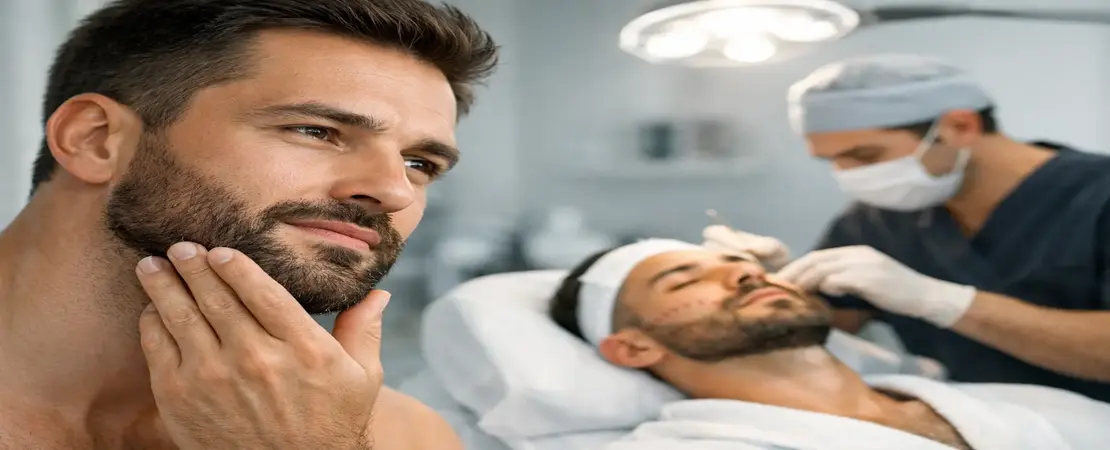
A beard transplant is not a temporary cosmetic cover-up. It moves living hair follicles, usually from the back or sides of the scalp, into areas of the beard where growth is sparse, uneven, or absent. That is why the question, is beard transplant permanent, has a reassuring answer for most suitable candidates: the transplanted follicles are intended to grow for the long term.
Still, permanence is not the same as an instant, maintenance-free result. Your final appearance depends on the quality of the donor hair, the skill behind the design and implantation, your healing process, and realistic expectations about how facial hair matures over time.
What You Read
Is Beard Transplant Permanent? The Short Answer
In most cases, yes. Beard transplant results are considered permanent because the follicles used in the procedure are commonly taken from a genetically stable donor area of the scalp. These follicles generally retain their resistance to the pattern of hair loss that affects other areas.
Once the grafts have healed and established a blood supply in the beard area, they continue through normal hair-growth cycles. They can be shaved, trimmed, washed, and styled like natural facial hair. The goal is not simply to place hair on the face, but to create a beard that grows naturally from your own follicles.
There is an important caveat: no ethical medical provider should promise that every single implanted graft will survive or that results will look identical on every patient. Graft survival and density vary. A carefully planned procedure performed by experienced medical professionals gives you the strongest foundation for a lasting, natural-looking outcome.
Ready to change how you look and feel?
Get your consultation now — your new self is waiting.
Why Transplanted Beard Hair Lasts
Hair transplantation works by relocating follicular units, which are small natural groupings of one or more hairs. During a beard transplant, a surgeon and clinical team extract these grafts from the donor zone and implant them one by one according to the planned beard shape, density, angle, and direction.
The transplanted follicles do not become temporary implants. They are living tissue. After they settle into the recipient area, they grow according to their own biological cycle. Because donor follicles from the scalp are typically selected for their long-term stability, they can keep producing hair in the beard for many years.
This is also why artistry matters as much as technique. Beard hair grows at changing angles across the cheeks, jawline, mustache, chin, and sideburns. If grafts are placed too upright, too dense at the border, or in an unnatural pattern, the hair may survive but the result can still look artificial. A natural beard design considers your face shape, existing growth, skin tone, grooming preferences, and how you want to look both clean-shaven and bearded.
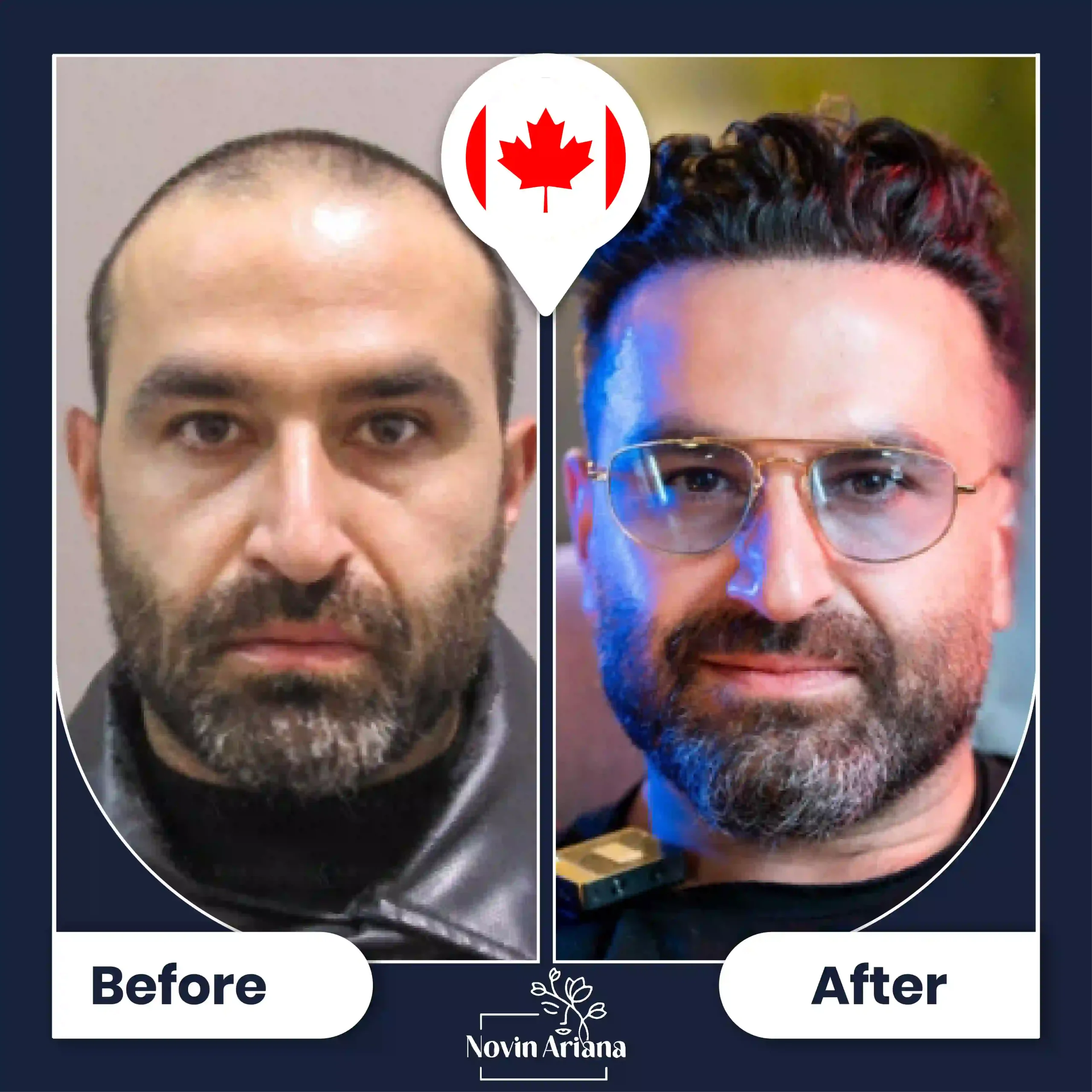
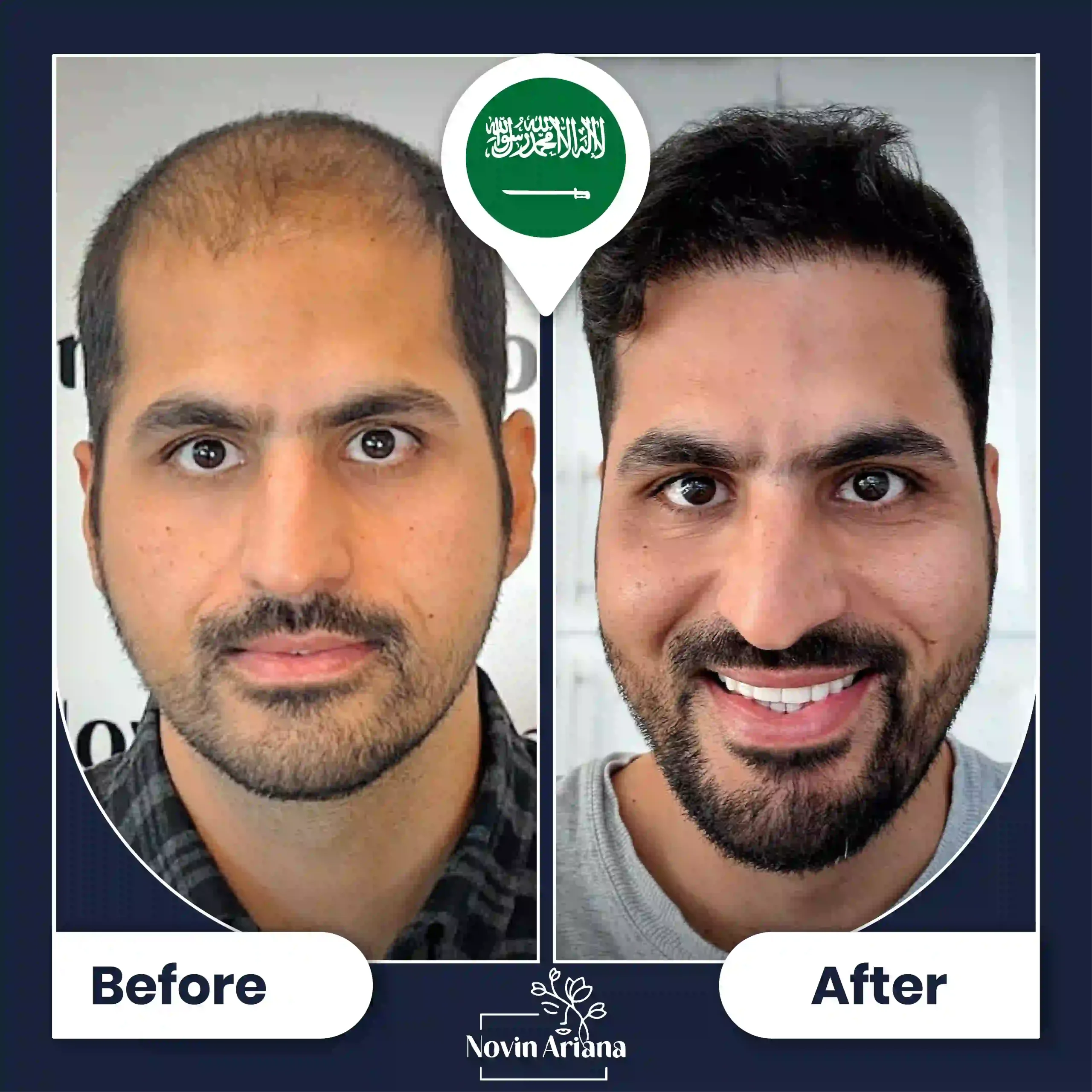
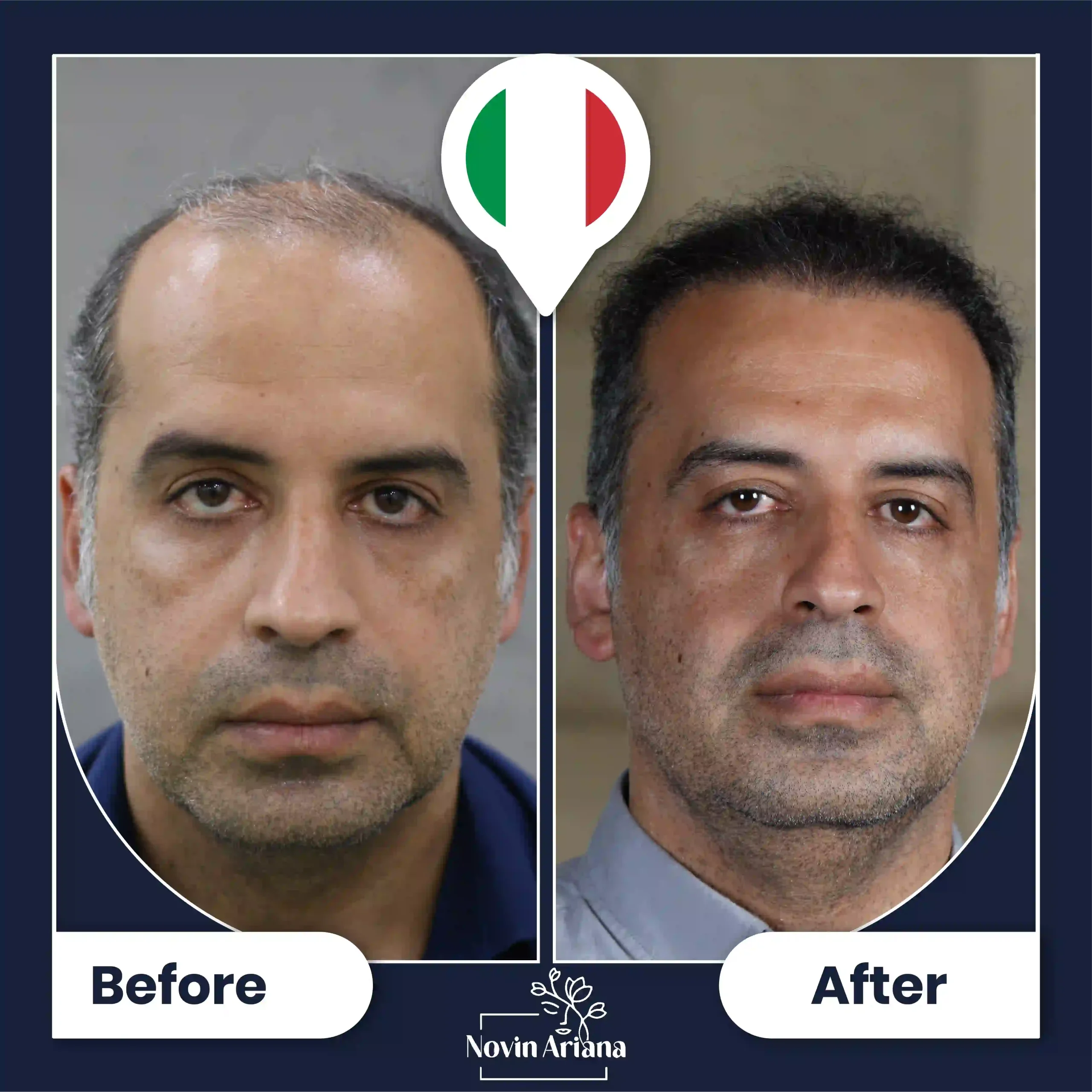
The Timeline Before Results Become Permanent-Looking
A beard transplant is designed as a lasting procedure, but several factors influence the quality and durability of the final result.
Donor Hair Availability and Quality
A strong donor area gives the medical team more options for creating coverage without overharvesting the scalp. Coarser donor hair may provide greater visual density with fewer grafts, while finer hair can be useful for soft, natural borders. The best approach depends on your individual hair characteristics, not a standard graft number.
The Cause of Beard Hair Loss
Genetics, scars, burns, patchy growth, previous surgery, and certain skin conditions can all lead someone to consider transplantation. If hair loss is related to an active inflammatory or autoimmune condition, treatment may need to be delayed until the condition is stable. A responsible consultation should identify this before a procedure is scheduled.
Surgeon Experience and Implantation Technique
The permanent nature of the follicles does not remove the need for precision. Extraction must protect the donor area, while implantation must respect the very shallow angles and irregular patterns of natural beard growth. Excessive density in the wrong location, poorly designed cheek lines, or an aggressive hairline can be difficult to correct later.
Healing and Lifestyle Factors
Smoking, uncontrolled medical conditions, poor wound care, and failure to follow post-operative guidance can affect healing. Your provider should review your medical history, medications, and lifestyle openly, then advise whether you are a suitable candidate. Safety should always come before a quick booking decision.
Ready to change how you look and feel?
Get your consultation now — your new self is waiting.
Will the Rest of Your Natural Beard Keep Changing?
Yes, and this is where expectations need nuance. Transplanted follicles may continue growing long term, but your existing beard can still change with age, hormones, genetics, and health. Some men naturally develop more beard density into their late twenties or thirties. Others may notice gradual changes in the native hair surrounding the transplanted zone.
A personalized plan avoids treating every sparse beard as though it requires a full reconstruction. Some patients only need density in the cheeks, a stronger mustache connection, scar coverage, or subtle definition along the jaw. Conserving donor hair and respecting your likely future growth can produce a more convincing result than chasing maximum density everywhere.
Ready to change how you look and feel?
Get your consultation now — your new self is waiting.
Maintenance After a Beard Transplant
The transplanted hair will need ordinary grooming. Since the follicles often come from the scalp, the hairs may initially grow faster or longer than typical beard hair. Regular trimming is usually necessary, especially during the first year. Over time, many patients find the hair texture and behavior blend more naturally with the surrounding beard.
You can generally shave after the recipient area has healed and your medical team confirms it is safe. Shaving does not damage the transplanted follicles once they are securely established. The same is true for beard oils, cleansers, and styling products, provided the skin is fully recovered and you do not have irritation.
Ready to change how you look and feel?
Get your consultation now — your new self is waiting.
Choosing a Provider When You Are Traveling for Treatment
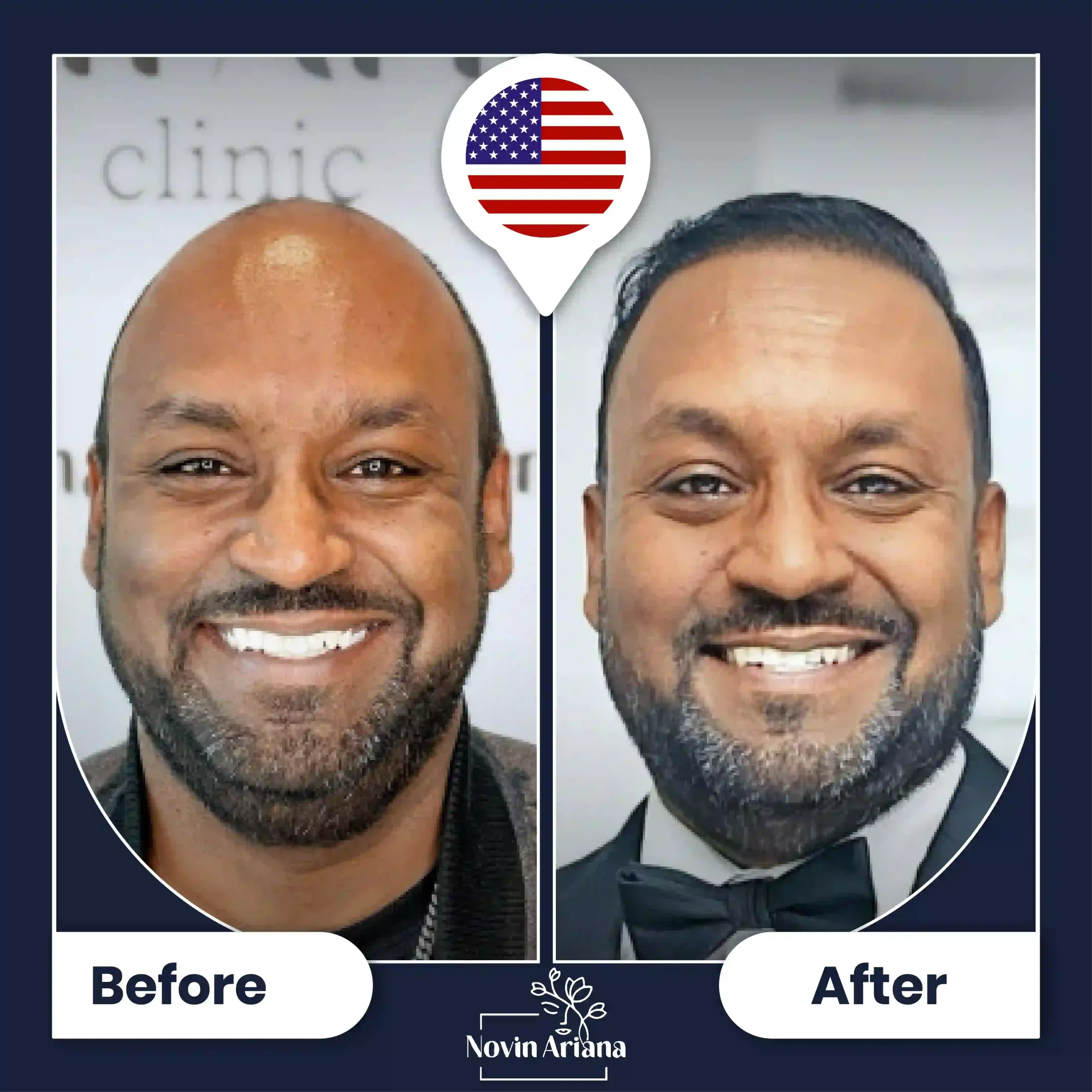
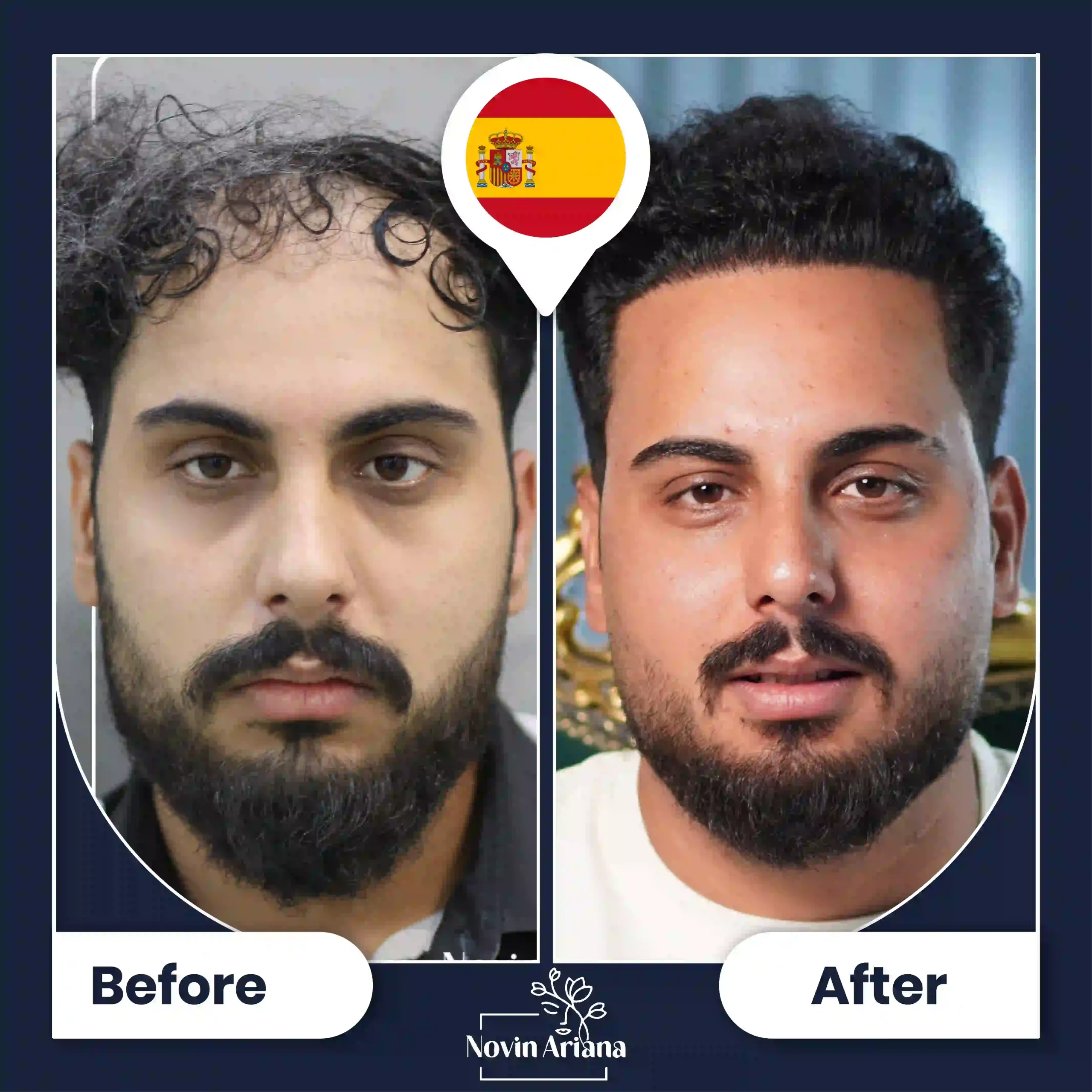
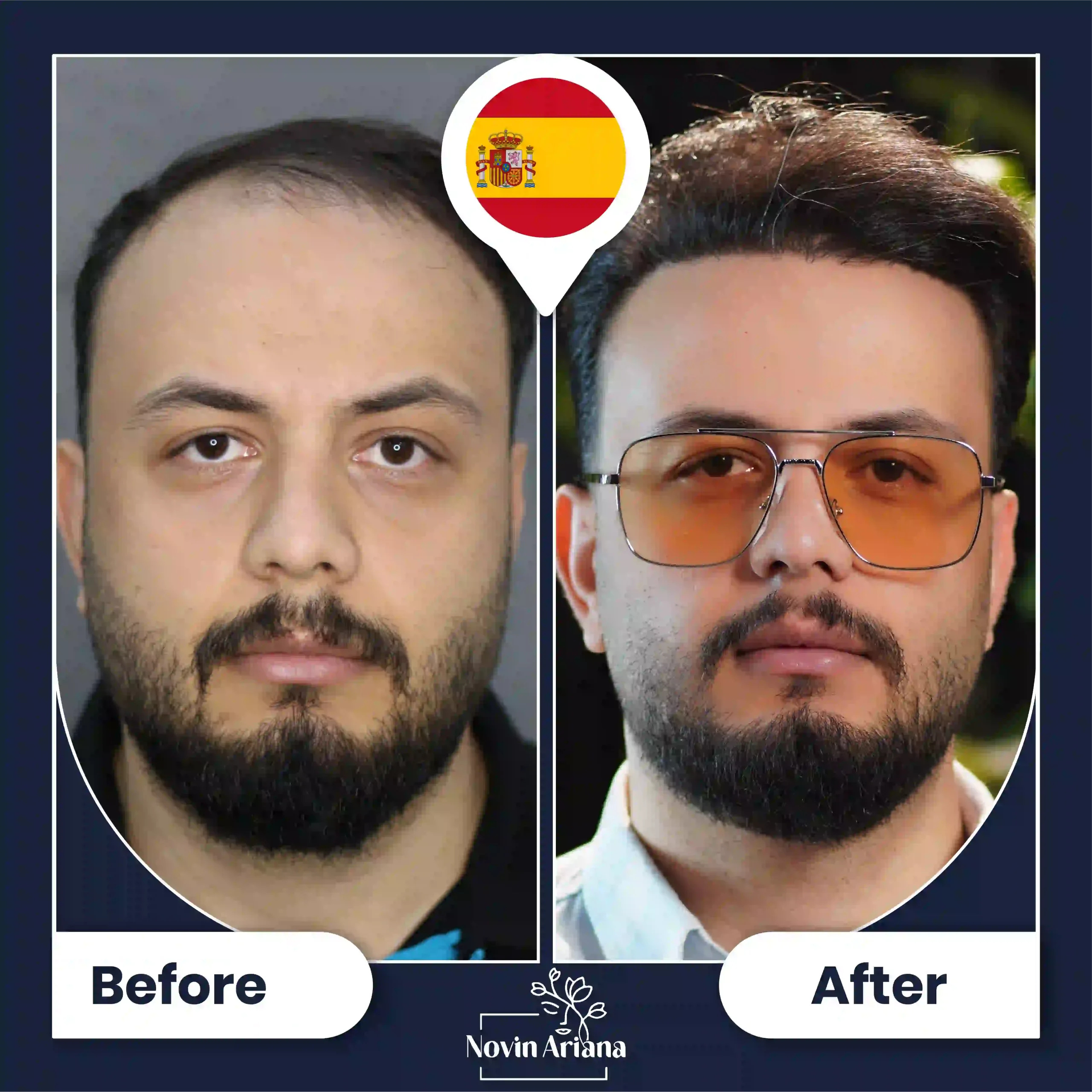
For international patients, a lasting result begins long before arrival. Ask for a detailed assessment of your donor area, a clear explanation of the proposed beard design, realistic graft estimates, and guidance about risks and recovery. Before-and-after photos should show healed results, not only immediate post-procedure images.
You should also know who will perform each stage of treatment, what follow-up support is included, and how the clinic handles questions once you return home. Transparent pricing matters, but so does a plan that protects patient safety rather than treating a facial procedure as a commodity.
At Novin Ariana Health Clinic, international patients can begin with a free online consultation and receive personalized guidance around treatment planning, travel coordination, and post-operative support. The right package should feel organized and comfortable, while the clinical recommendation remains focused on what is appropriate for your face, donor supply, and long-term goals.
Ready to change how you look and feel?
Get your consultation now — your new self is waiting.
Choosing a Provider When You Are Traveling for Treatment
The best beard transplant is not necessarily the densest one. It is the one that still looks believable years from now: a beard line that suits your features, graft placement that follows natural growth, and a result you can trim or grow out with confidence. If you are considering treatment, choose a team that discusses permanence honestly, evaluates your candidacy carefully, and plans for the face you will have in the future, not just the photo you want next month.
Frequently Asked Questions
Our representatives for all countries are 24/7 available to support you at any time
In most cases, yes. Beard transplant results are considered permanent because the transplanted hair follicles are taken from genetically stable areas of the scalp. Once the grafts establish a blood supply, they continue to grow naturally and can be shaved, trimmed, and styled like normal facial hair.
Beard transplants use living hair follicles relocated from a donor area rather than artificial implants. These follicles continue their natural growth cycle after healing, allowing them to produce facial hair for many years.
Transplanted hairs usually shed during the first few weeks, which is a normal part of healing. New growth commonly begins around three to four months, noticeable improvement appears between six and nine months, and final mature results are typically achieved within 12 months.
Long-term results depend on donor hair quality, the underlying cause of beard hair loss, surgical planning, implantation technique, healing, overall health, and following post-operative care instructions.
Yes. Once the transplanted follicles have healed, they continue to grow naturally through normal hair growth cycles. The beard can be trimmed, shaved, and styled just like natural facial hair.
Yes. While transplanted follicles are intended to provide long-term growth, your existing natural beard may continue to change over time due to age, genetics, hormones, and overall health.
No. Once the transplanted follicles are fully healed and established, shaving does not damage them. Patients should only begin shaving after receiving clearance from their medical provider.
After healing, transplanted beard hair requires normal grooming, including trimming and regular washing. Because donor hair often comes from the scalp, it may initially grow faster than natural beard hair before blending more naturally over time.
Yes. Smoking, poor wound care, uncontrolled medical conditions, and not following post-operative instructions may affect healing and the overall quality of the final result.
Patients should look for a thorough donor area assessment, realistic graft estimates, clear treatment planning, experienced medical professionals, transparent pricing, before-and-after photos showing healed results, and comprehensive post-operative support.