
 Summarize this article with:





Breast Lift Turkey Recovery Week by Week
Written by Novin Ariana
A breast lift can change the position and shape of the breasts in a single operation, but the result does not reveal itself the moment bandages come off. For international patients, breast lift turkey recovery also includes a practical question: how long should you stay before flying home? Planning for healing, not just surgery day, is what makes a medical trip feel calm, well-supported, and safe.
A mastopexy removes excess skin, reshapes breast tissue, and raises the nipple to a more youthful position. Depending on your anatomy and goals, it may be performed with or without implants. The incision pattern, whether you combine procedures, your health history, and how your body heals all influence recovery. A responsible provider will give you a personal timetable rather than promise that every patient follows the same path.
What You Read
Ready to change how you look and feel?
Get your consultation now — your new self is waiting.
What to Plan Before Surgery
The best recovery starts before you arrive. During a proper online consultation, your surgical team should review your medical history, current medications and supplements, smoking or nicotine use, previous breast surgery, pregnancy plans, and desired outcome. Photographs may help the surgeon assess ptosis, skin quality, asymmetry, and whether a lift alone can achieve your goals.
Be candid about travel dates. It is sensible to build flexibility into your return journey in case your surgeon recommends additional in-person checks. Most international patients should expect to remain in the destination long enough for early postoperative assessments and clearance to fly. Your surgeon’s advice is the deciding factor, particularly if you have combined a breast lift with augmentation, liposuction, or another procedure.
Choose loose, front-opening clothing for the first days. You will likely have limited arm movement and should avoid pulling garments over your head. Arrange a quiet recovery space, bring any documents your care coordinator requests, and make sure someone can assist you after surgery if needed.
Ready to change how you look and feel?
Get your consultation now — your new self is waiting.
Breast Lift Turkey Recovery: The First 10 Days
Week 1: Immediate Recovery (Days 1–7)
Immediately after surgery, you can expect tightness, swelling, bruising, and fatigue. These are common early responses as the breasts and surrounding tissues begin to heal. Your breasts may initially sit high and look firmer than the final result. That is not a sign that the lift is too high – the tissues need time to settle.
You will leave with dressings and, in many cases, a supportive postoperative bra. Follow your surgeon’s instructions exactly regarding showering, changing dressings, wearing the bra, sleeping position, and prescribed medications. Do not add over-the-counter medicines, herbal products, or supplements without approval, as some can increase bleeding risk or interfere with recovery.
Short, gentle walks are usually encouraged to support circulation, but this is not the time to sightsee for hours or carry shopping bags. Rest with your upper body elevated if advised, drink water, eat nourishing meals, and avoid alcohol and nicotine. Nicotine in all forms can compromise blood flow and significantly raise wound-healing risks.
- Expect swelling, bruising, tightness, and mild to moderate discomfort.
- Surgical dressings and a medical compression bra help reduce swelling.
- Walking is encouraged to improve circulation and lower the risk of blood clots.
- Sleep on your back with your upper body elevated 30–45 degrees.
- Avoid lifting, pushing, pulling, or raising your arms above shoulder level.
- Follow all medication instructions, including antibiotics and pain relief.
- Most international patients remain in Turkey for their first postoperative check-up before flying home.
- Contact your surgeon immediately if you develop fever, excessive bleeding, severe pain, or unusual discharge.
Week 2: Early Healing
Discomfort often begins to ease, though swelling and sensitivity can remain noticeable. Many patients feel well enough for light indoor activity, but feeling better is not the same as being fully healed. Lifting luggage, reaching overhead, driving before you are cleared, or trying to return to a normal routine too quickly can place unnecessary tension on incisions.
Your in-person review is a valuable part of medical travel care. The team can assess incision sites, check breast position, answer questions about bruising or swelling, and confirm whether your travel plan remains appropriate. Premium patient coordination should make these appointments straightforward, with accommodation and transfers arranged around your clinical schedule rather than convenience alone.
- Swelling and bruising begin to decrease noticeably.
- Many patients return to desk work if their job is not physically demanding.
- Incisions should remain clean, dry, and protected.
- Continue wearing the recommended surgical bra day and night.
- Gentle daily activities are usually permitted, but strenuous exercise remains restricted.
- Breast shape may still appear high, firm, or uneven due to normal swelling.
- Follow-up appointments help monitor wound healing and remove any necessary dressings.
Weeks 3–4: Regaining Comfort
During weeks three and four, most patients feel significantly better and regain their normal energy. Although healing continues beneath the skin, discomfort decreases and breast shape begins to look more natural.
- Most bruising has resolved.
- Swelling continues to improve, although mild swelling is still common.
- Energy levels gradually return to normal.
- Light walking and low-impact activities are generally allowed after surgeon approval.
- Avoid chest workouts, heavy lifting, swimming, and high-impact exercise.
- Early scar care may begin if approved by your surgeon.
- Nipple sensation may temporarily increase, decrease, or fluctuate.
Weeks 5–6: Return to Normal Activities
At this stage, daily life becomes much easier. Many patients can gradually resume exercise, while the breasts continue softening and settling into their new position.
- Most patients feel comfortable performing normal daily routines.
- Many surgeons allow gradual return to moderate exercise.
- Breast shape becomes softer and more natural.
- Most swelling has resolved, although subtle changes continue.
- Scar maturation has started but scars remain pink or red.
- Continue protecting scars from direct sunlight.
- Final lifting results are becoming more visible.
Months 2–3: Refinement Phase
The refinement phase is when the results become more noticeable. Internal tissues continue healing, scars begin to improve, and patients usually return to their full routine after medical clearance.
- Breast position continues to settle naturally.
- Internal tissues continue strengthening.
- Most patients can resume full exercise after medical clearance.
- Scar appearance gradually improves with proper scar management.
- Sensation continues returning if temporary numbness occurred.
- Clothing and bras typically fit more comfortably.
Months 4–6: Long-Term Healing
Most of the healing is complete by this point, although subtle improvements continue. Breast shape looks increasingly natural, and scars continue to fade with appropriate care.
- Most swelling has disappeared.
- Scars become flatter, softer, and lighter in color.
- Breast contour appears more balanced and natural.
- Final cosmetic outcome becomes increasingly evident.
- Continue healthy lifestyle habits to maintain long-term results.
- Weight stability helps preserve breast shape.
6–12 Months: Final Results
By the end of the first year, the breasts have usually reached their final shape and position. Scars continue maturing, and maintaining a stable weight and healthy lifestyle can help preserve your long-term results.
- Final breast shape and position are usually achieved.
- Scar maturation continues for up to one year or longer.
- Most patients enjoy stable, long-lasting improvement.
- Regular breast health screenings should continue according to your physician’s recommendations.
- Pregnancy, aging, significant weight changes, and gravity may affect results over time.
Final Thoughts
- Recovery timelines vary depending on individual healing, surgical technique, and whether implants were combined with the lift.
- Always follow your own surgeon’s postoperative instructions rather than general online advice.
- International patients should discuss safe travel timing and follow-up arrangements before returning home.
- Compression garments, proper nutrition, hydration, and smoking cessation can support healing.
- Early recognition of complications allows prompt treatment and better outcomes.
- A qualified, board-certified plastic surgeon and an accredited hospital significantly improve patient safety and recovery experience.
Ready to change how you look and feel?
Get your consultation now — your new self is waiting.
When Can You Fly Home?
There is no universal flight date after a breast lift. Your surgeon will consider the extent of surgery, your mobility, the condition of your incisions, any drains or dressings, your risk factors, and the length of your flight. Long-haul travel deserves particular attention because sitting still for extended periods can increase clot risk after surgery.
If you are cleared to fly, wear your prescribed support garment, move your legs regularly, take short walks when permitted, stay hydrated, and avoid lifting heavy carry-on bags. Ask in advance how to contact the clinic from home and what symptoms require immediate medical attention locally. A provider that offers structured follow-up after you return is not simply coordinating a trip – it is supporting the full treatment journey.
Ready to change how you look and feel?
Get your consultation now — your new self is waiting.
Scars, Shape, and the Real Recovery Timeline
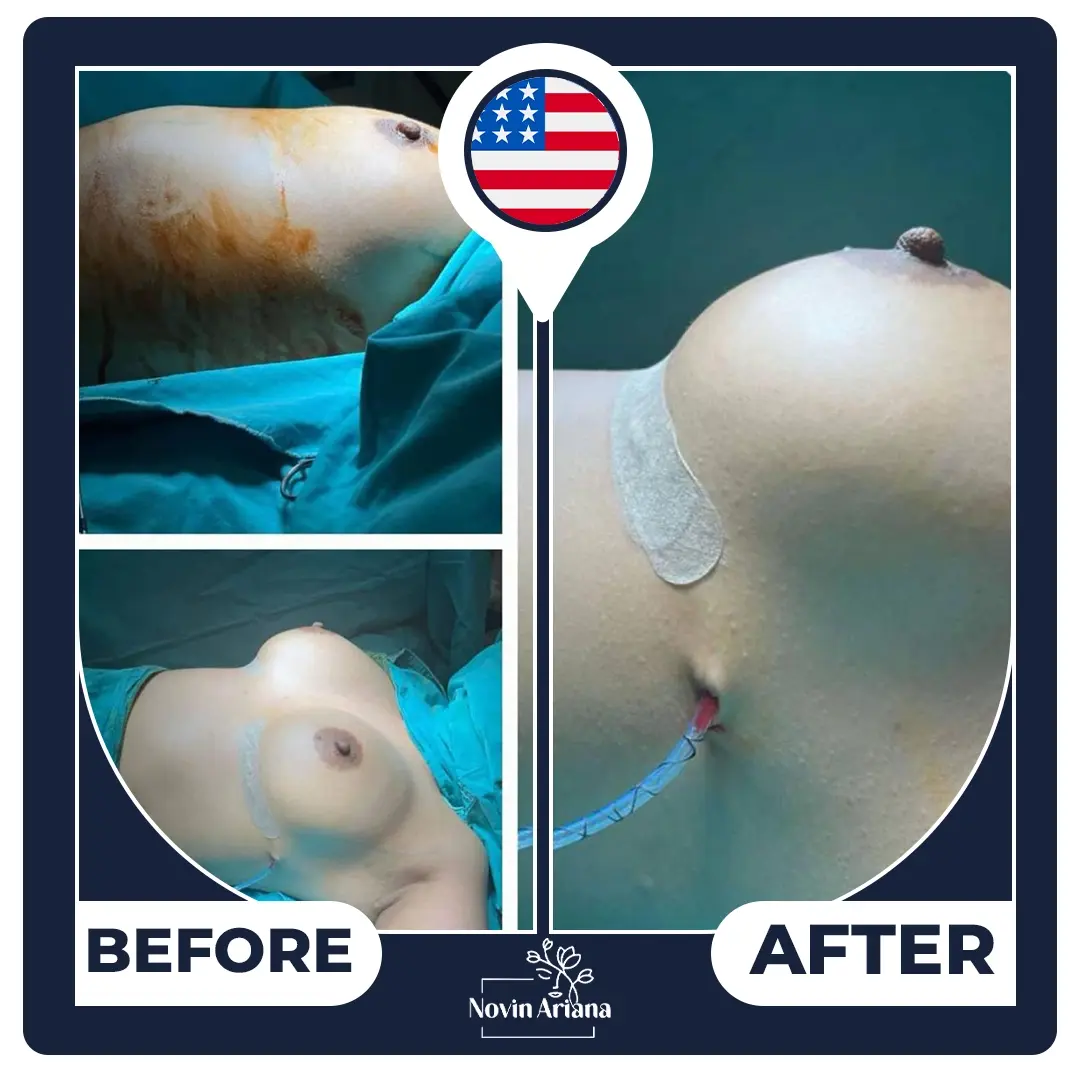
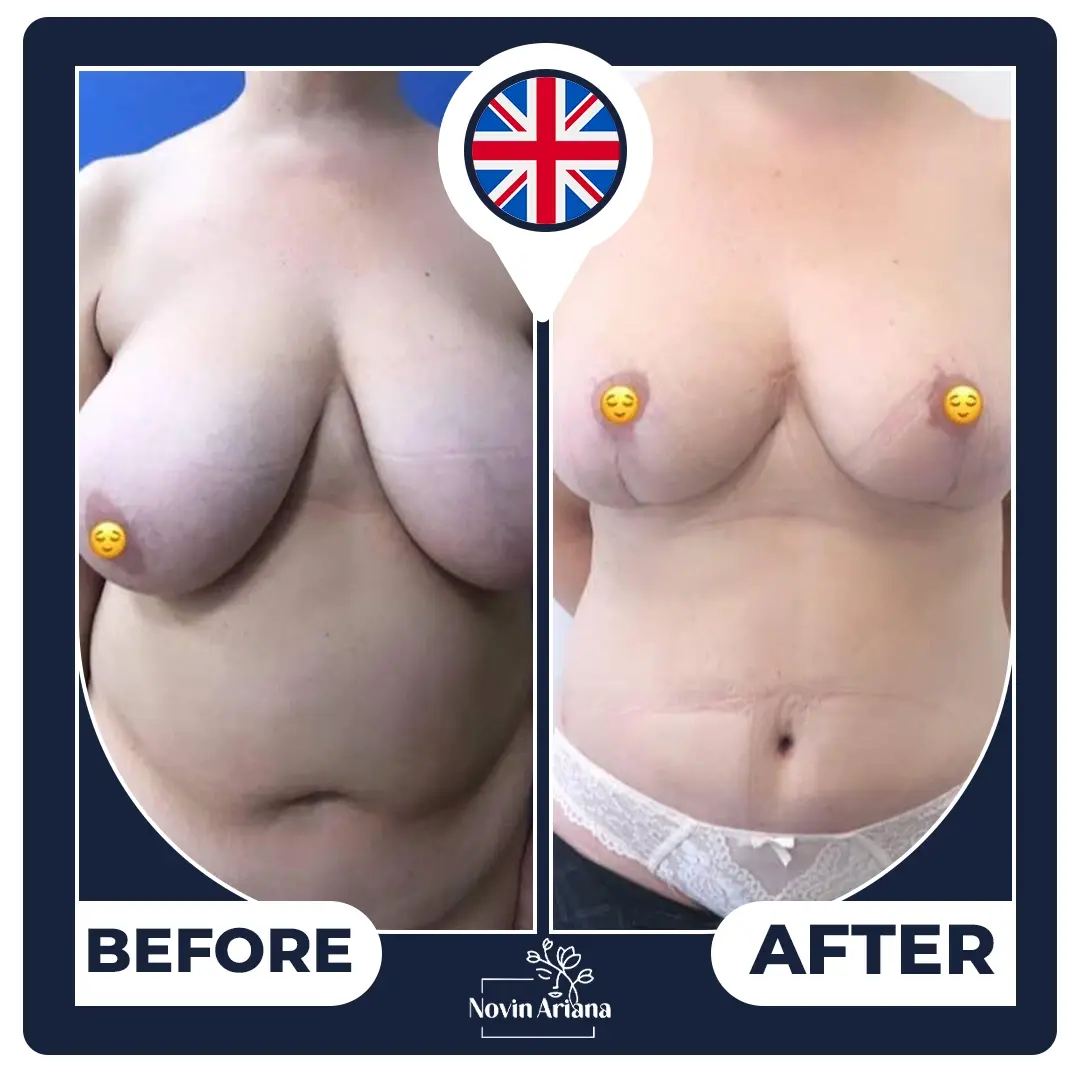
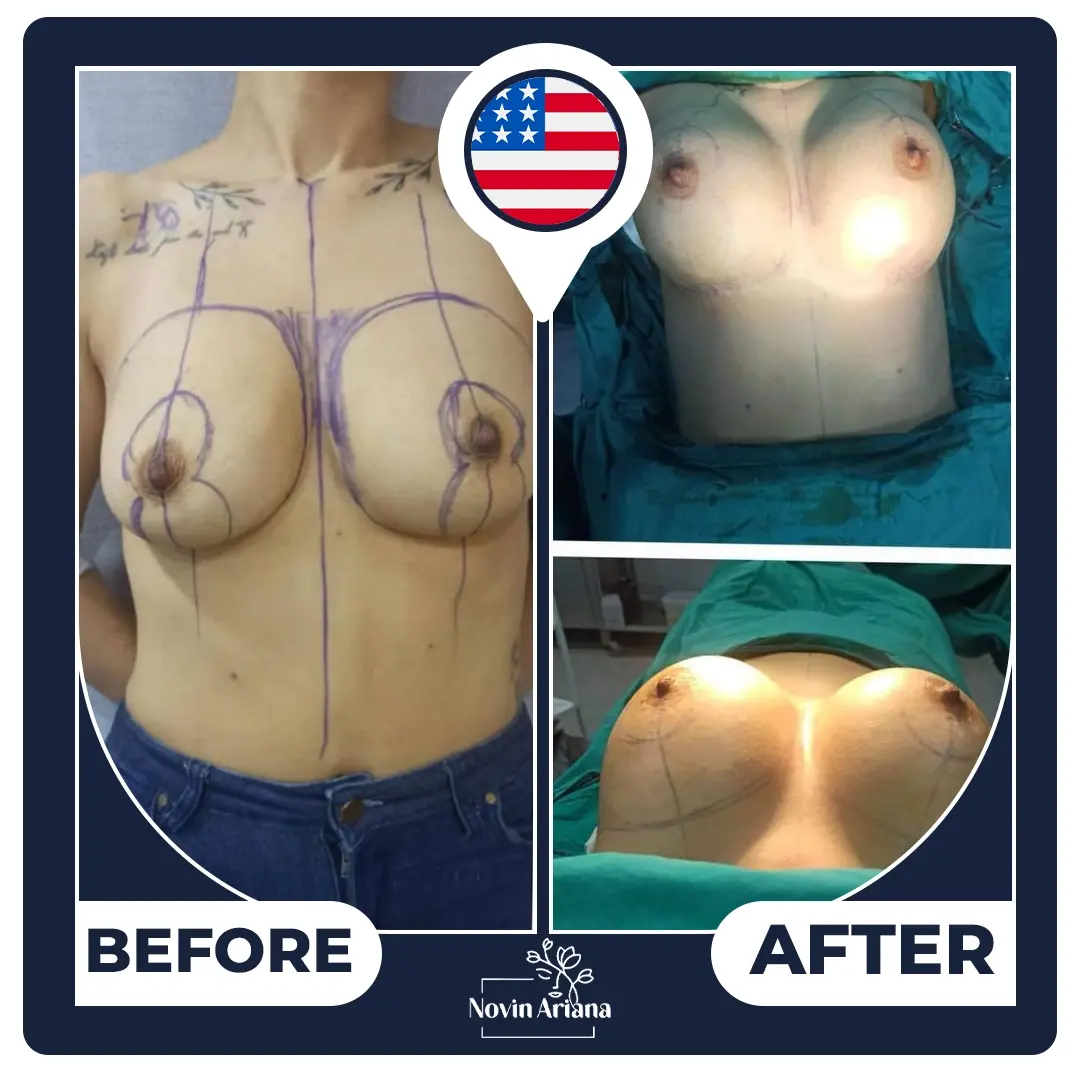
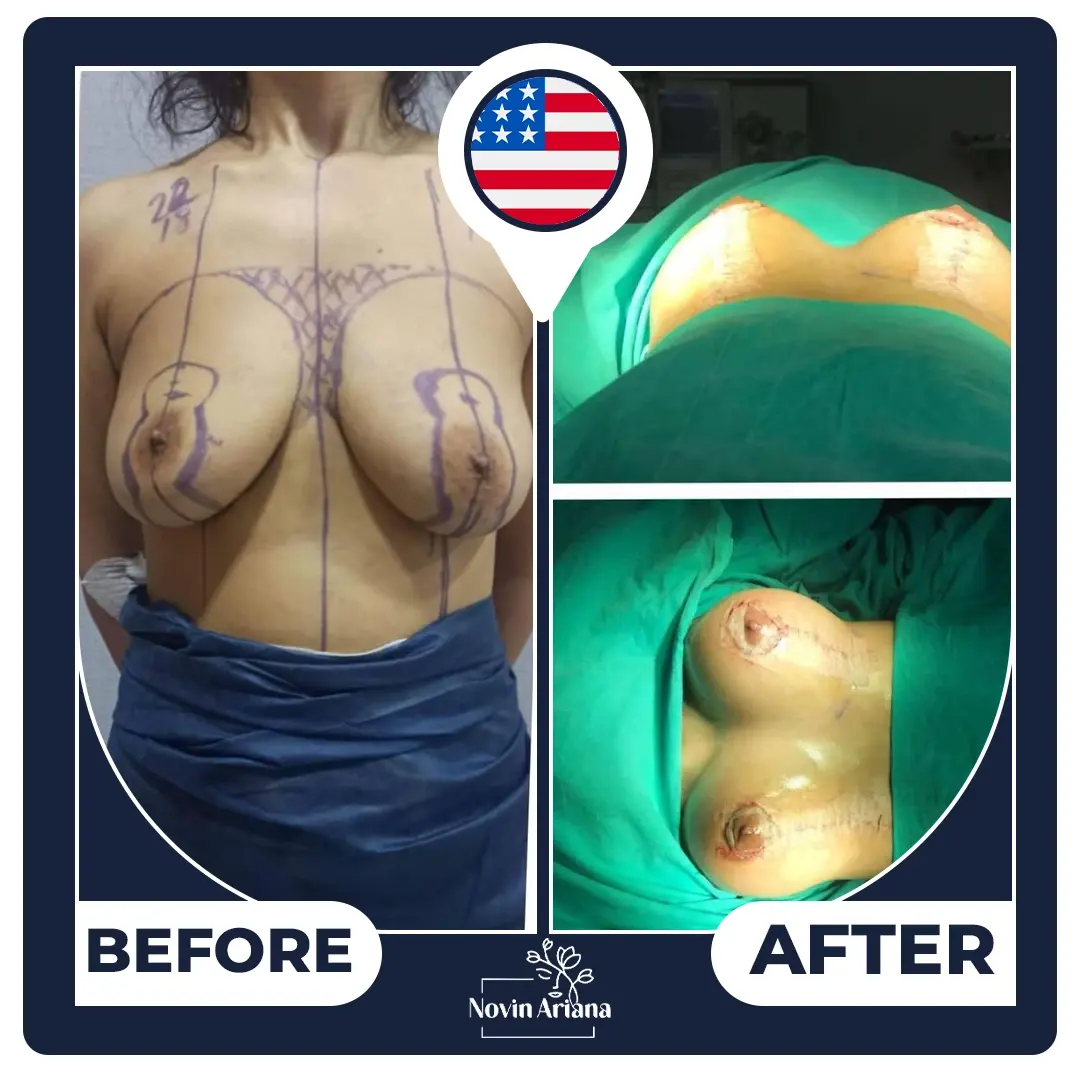
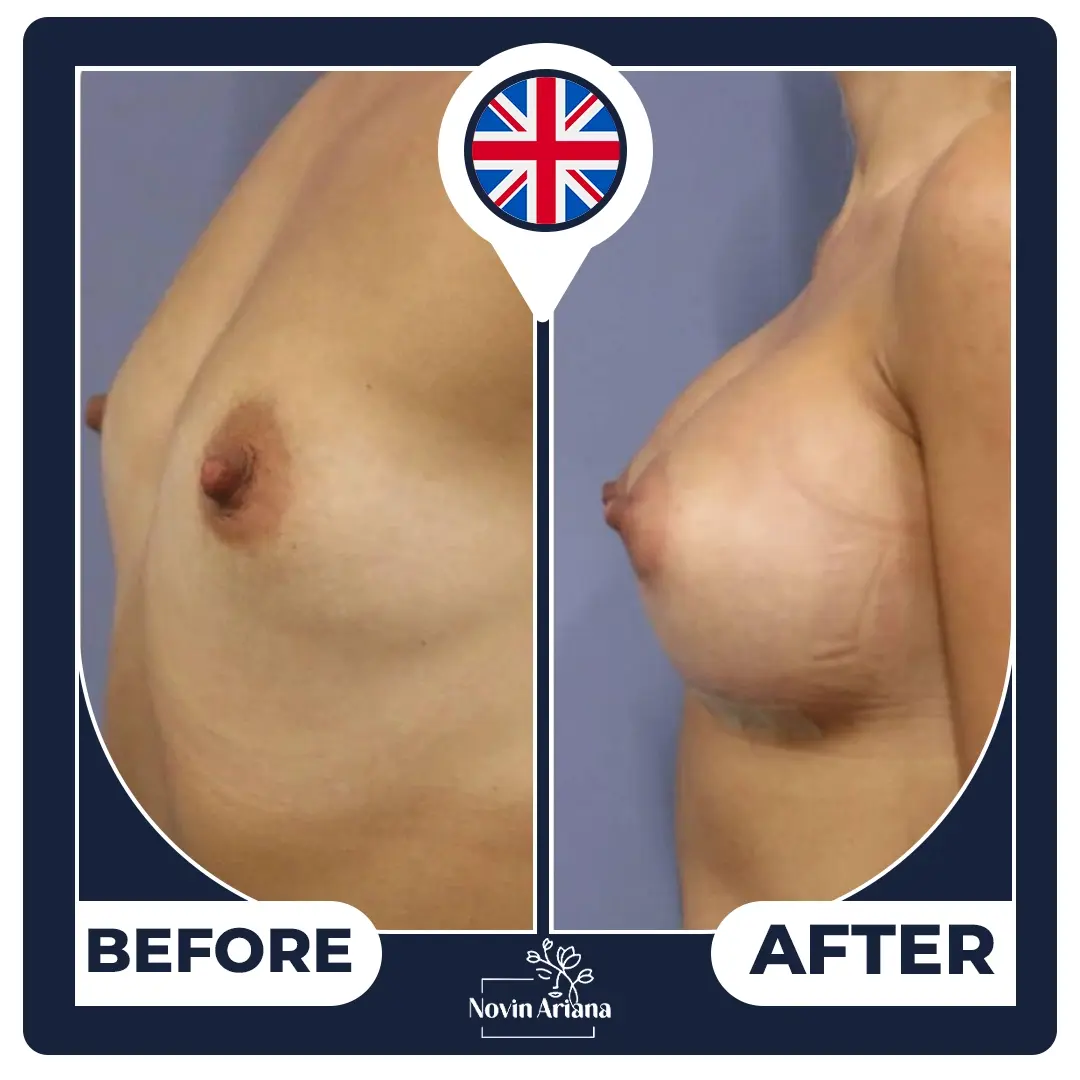
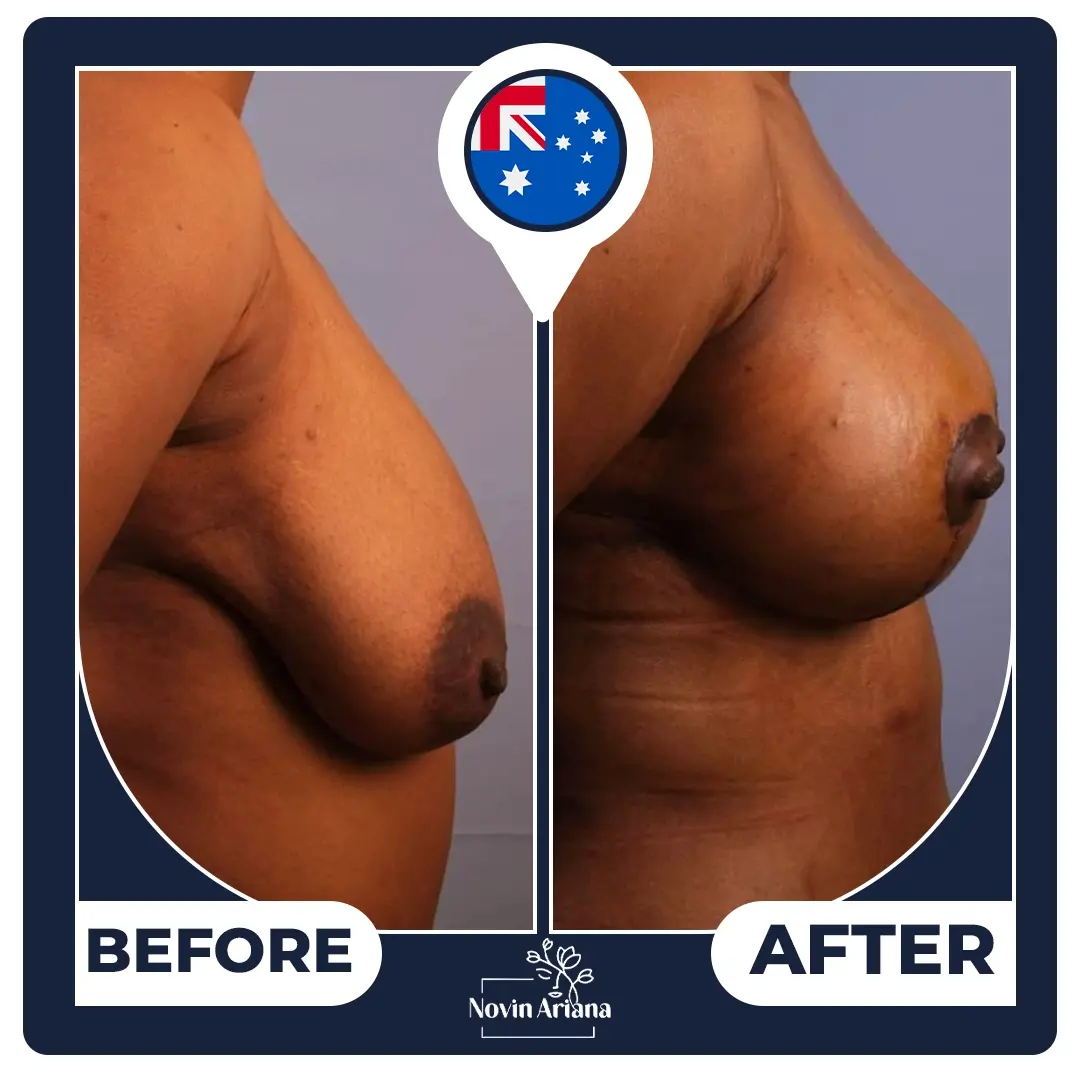
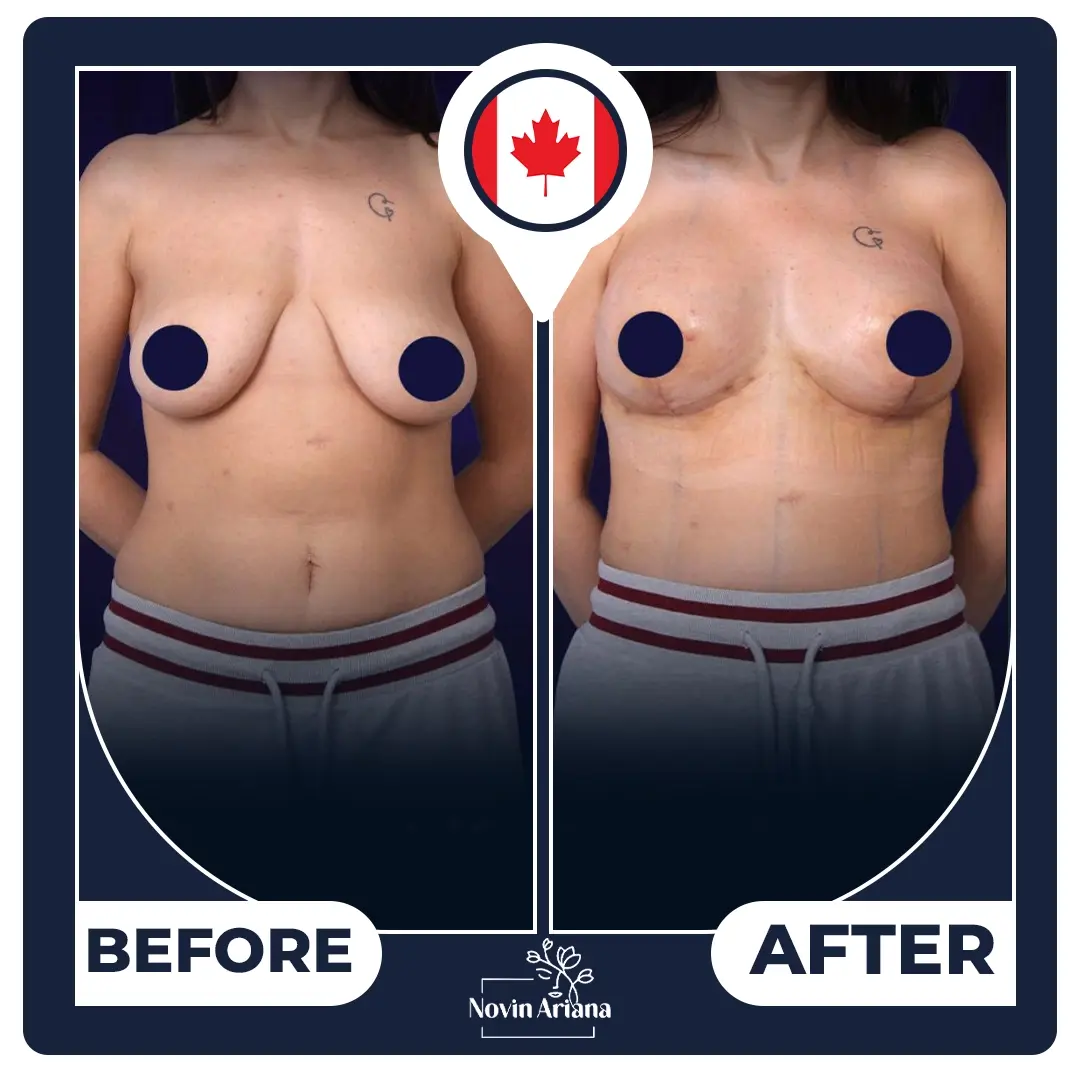
Breast lift scars are a necessary trade-off for reshaping and lifting the breast. Depending on the technique, scars may sit around the areola, extend vertically down the lower breast, and sometimes continue along the breast crease. Their visibility is influenced by incision design, skin type, genetics, aftercare, sun exposure, and whether healing is uncomplicated.
At first, scars can look pink, red, or raised. They usually mature over many months, not weeks. Once your surgeon confirms that the incisions are fully closed, they may recommend an evidence-based scar-care approach. Do not apply creams, silicone products, or oils to fresh wounds without clinical approval.
The visible breast shape continues to evolve as swelling subsides and tissue settles. Many patients see a meaningful change early on, yet final refinement commonly takes several months. If you have had implants placed at the same time, settling can take longer. Patience during this stage protects both your peace of mind and your expectations.
Ready to change how you look and feel?
Get your consultation now — your new self is waiting.
Warning Signs That Need Prompt Medical Advice
Your care team should explain what is normal for you and provide an accessible contact route after discharge. Do not wait for a scheduled check-in if you notice a sudden one-sided increase in swelling, severe or worsening pain, rapidly spreading redness, wound opening, unusual drainage, fever, shortness of breath, chest pain, or calf pain and swelling. These symptoms do not automatically mean a complication, but they require prompt medical assessment.
Keep your local doctor informed that you have had surgery abroad, especially if you need urgent care after returning home. Clear operative records, discharge instructions, and direct post-operative support help local clinicians understand your treatment if assistance is needed.
Choosing Support That Extends Beyond the Flight
Price can be a reason patients consider Turkey, but it should never be the only reason to choose a breast lift provider. Ask who will perform the operation, what specialist credentials and hospital standards apply, how complications are managed, what is included in the quoted package, and how follow-up works once you return home. Transparent answers matter more than a low headline figure.
At Novin Ariana Health Clinic, international patient care is designed around personalized planning, experienced surgical teams, accommodation and transfer coordination, multilingual support, and continued post-operative guidance. A free consultation is an opportunity to assess whether the proposed procedure, recovery window, and travel arrangements are appropriate for you – not a substitute for honest medical screening.
Give your recovery the same attention you give your surgical result. When your itinerary allows enough time, your surgeon has the information needed to guide you, and you respect the slower stages of healing, you can return home with a plan that feels as reassuring as the transformation you chose.
Frequently Asked Questions
Our representatives for all countries are 24/7 available to support you at any time
Most patients recover enough to resume normal daily activities within 2 to 6 weeks. However, complete healing and final results may take 6 to 12 months as swelling resolves and scars mature.
Most international patients stay in Turkey for 7 to 10 days. This allows time for the initial recovery period, follow-up examinations, and clearance from the surgeon before flying home.
Many patients are cleared to fly approximately one week after surgery, provided there are no complications. Your surgeon will determine the safest travel date based on your recovery.
Patients with desk jobs often return to work within 1 to 2 weeks, while physically demanding jobs may require 4 to 6 weeks of recovery.
Most surgeons recommend wearing a compression or surgical bra continuously for 4 to 6 weeks to support healing and reduce swelling.
Yes. Swelling is expected and is usually most noticeable during the first two weeks. Most swelling improves within six weeks, while subtle swelling may continue for several months.
Light walking is encouraged shortly after surgery. Most patients can resume moderate exercise after 4 to 6 weeks, but chest workouts and heavy lifting should only begin after surgeon approval.
Sleep on your back with your upper body elevated for the first few weeks. Avoid sleeping on your stomach or side until your surgeon advises it is safe.
Although you'll notice an immediate improvement, the breasts continue to soften and settle over time. Final results are typically visible between 6 and 12 months after surgery.
Breast lift scars are permanent but usually fade significantly over time. With proper scar care and sun protection, scars generally become flatter and lighter within 12 to 18 months.
Most patients describe the discomfort as mild to moderate rather than severe. Pain is usually well controlled with prescribed medications and improves significantly during the first week.
Avoid heavy lifting, strenuous exercise, swimming, smoking, and raising your arms above shoulder height during the early stages of recovery unless your surgeon advises otherwise.