

 Summarize this article with:





Rhinoplasty Turkey vs Thailand Compared
Written by Novin Ariana
A lower price is only valuable if the surgical plan, safety standards, and follow-up care make sense for your face and your life. When patients search rhinoplasty Turkey vs Thailand cost, they are usually comparing more than two destinations. They are weighing surgical expertise, communication, recovery logistics, and whether they will feel supported once they return home. For anyone asking where to get rhinoplasty abroad or looking for the cheapest country for rhinoplasty, price should be considered alongside safety and quality of care.
Turkey and Thailand are both established medical tourism destinations, but they can offer very different patient journeys. The right choice depends less on a country-wide claim of “best” and more on the specific surgeon, hospital setting, technique, and coordination team behind your procedure. This is especially important when deciding Turkey or Thailand for rhinoplasty which is better or trying to identify the best country for rhinoplasty overall.
What You Read
Ready to change how you look and feel?
Get your consultation now — your new self is waiting.
Rhinoplasty Turkey vs Thailand: The Core Difference
Turkey, particularly Istanbul, has developed a strong international reputation for rhinoplasty. Many surgeons perform nasal surgery as a major part of their practice, including primary rhinoplasty, revision cases, ethnic rhinoplasty, functional nasal surgery, and more complex structural work. This volume can be valuable when it is paired with careful case selection, an artistic eye, and a surgeon who communicates realistic limits.
Thailand also has a respected private healthcare sector and is a popular option for international cosmetic surgery patients. Its appeal often centers on polished hospital environments, hospitality, and the opportunity to combine treatment with an extended stay in Southeast Asia. For patients traveling from Australia or parts of Asia, Thailand may also offer a more convenient flight route. Patients researching how to travel to Thailand for rhinoplasty should consider flight time, required recovery days, local transportation, accommodation, and the clinic’s post-operative schedule.
For US, Canadian, European, and Middle Eastern patients, Istanbul is often easier to reach than Bangkok or Phuket. More importantly, Turkey’s rhinoplasty market is highly specialized. A patient can compare surgeons whose galleries show a consistent approach to nasal balance rather than simply choosing a clinic because it offers the lowest package price. This can help when comparing the best rhinoplasty surgeons Turkey or Thailand.
Ready to change how you look and feel?
Get your consultation now — your new self is waiting.
Surgeon Expertise Matters More Than the Destination
A nose is not a standard cosmetic procedure. Its structure affects breathing, facial proportions, skin behavior, and how the result settles over time. The strongest comparison is not Turkey against Thailand in the abstract. It is one qualified surgeon and surgical plan against another.
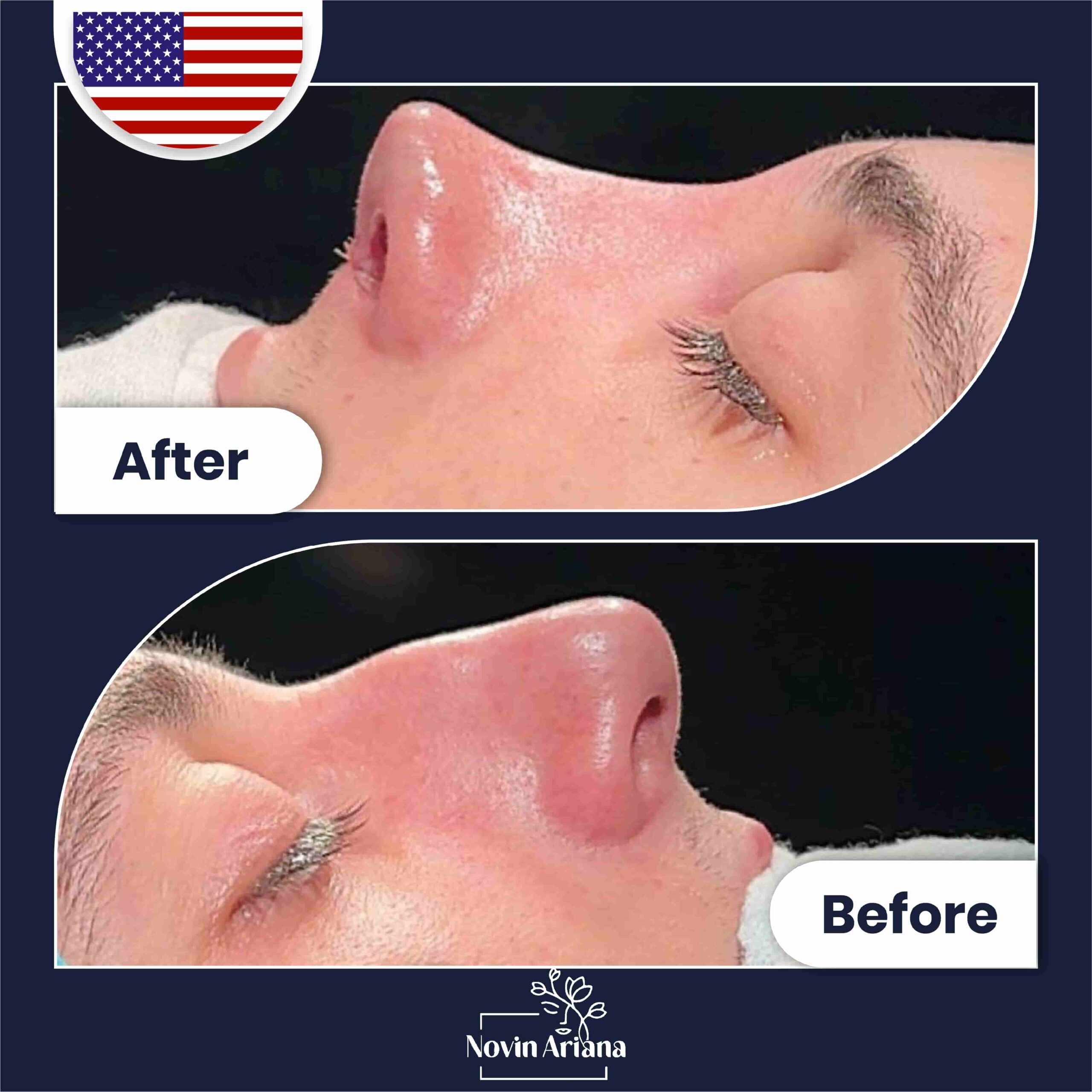
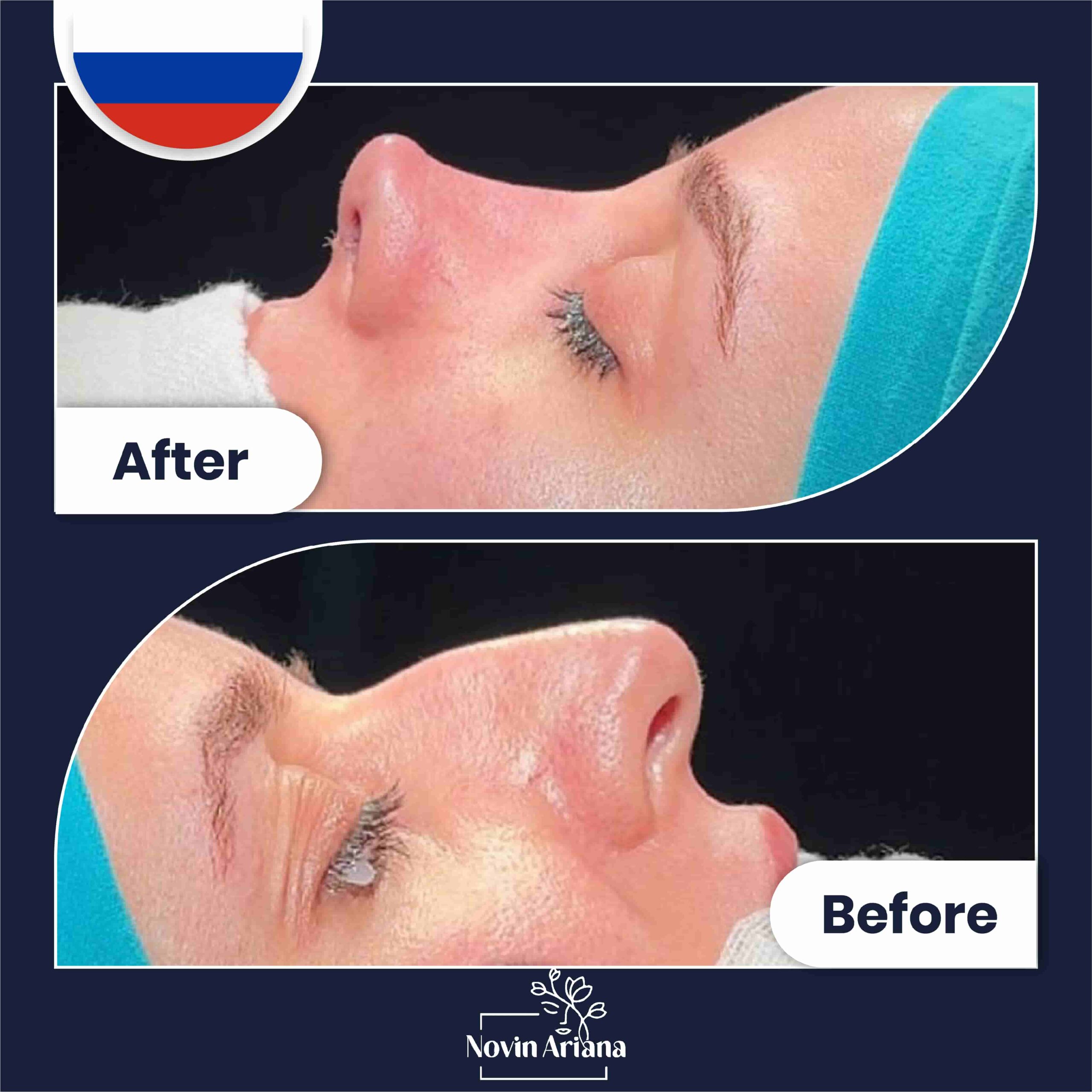
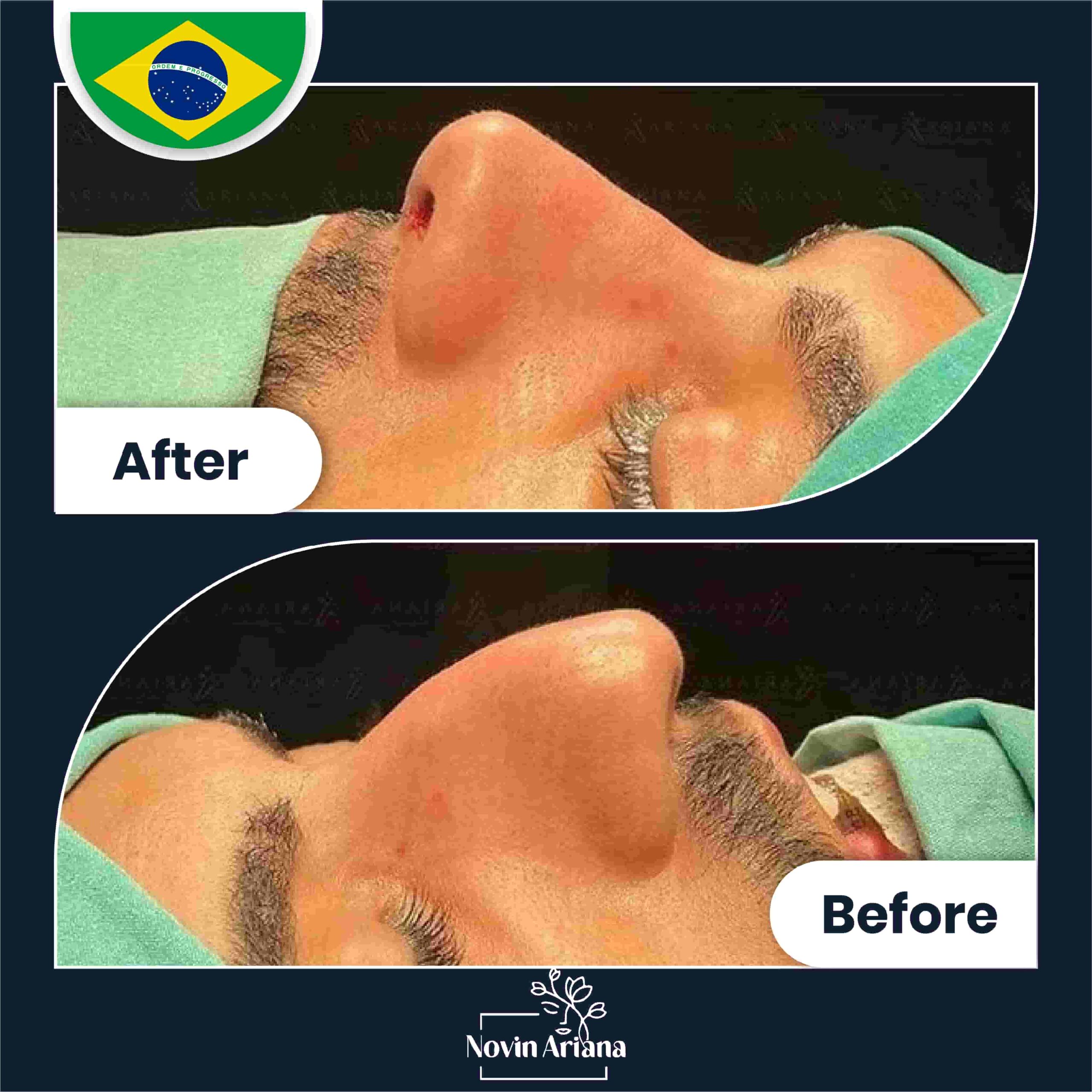
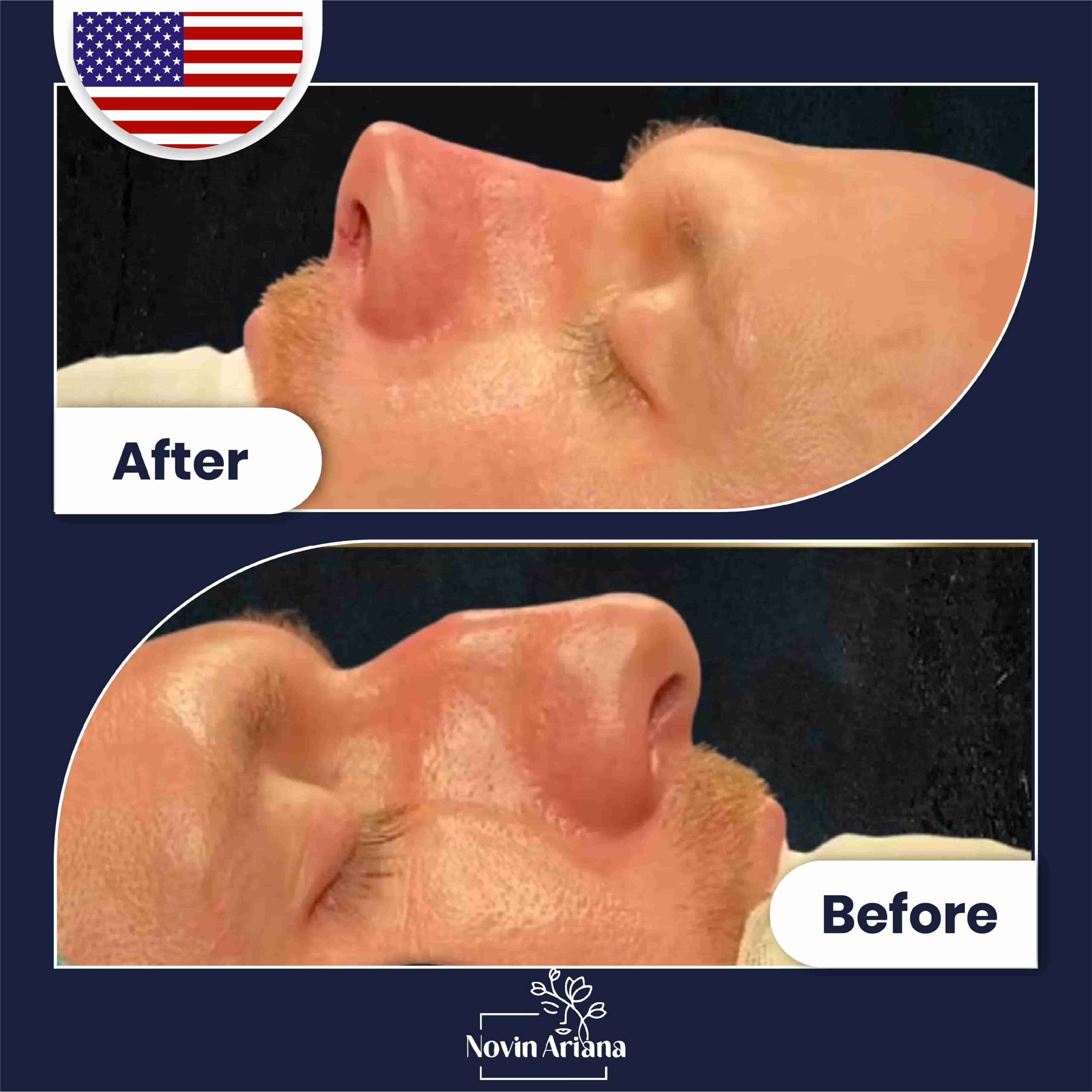
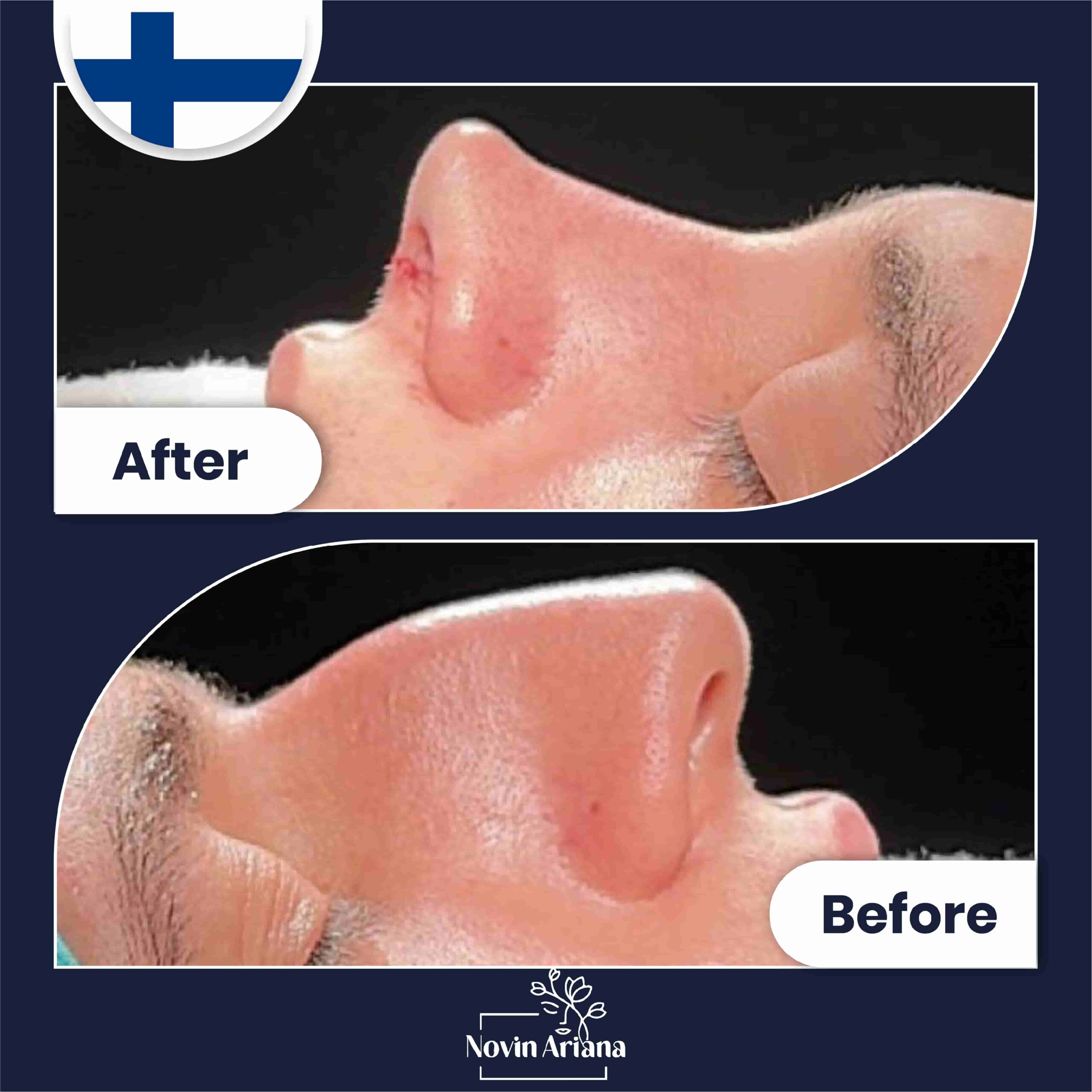
Ask each provider how often the surgeon performs rhinoplasty and whether they handle revision cases. Review rhinoplasty Turkey vs Thailand before after results featuring patients with a similar nose shape, skin thickness, ethnicity, and aesthetic goal. A gallery should show more than front-facing “after” photos. Look for clear side and three-quarter views, consistent lighting, and results that preserve character instead of creating the same nose on every face. When researching rhinoplasty Turkey reviews vs Thailand, focus on detailed patient experiences involving the surgeon, hospital, communication, recovery, and aftercare rather than ratings alone.
You should also ask who will be present during surgery, where the procedure takes place, how anesthesia is managed, and what happens if a concern arises after you leave the country. A professional provider welcomes these questions. Vague answers, heavily filtered photos, guarantees of a “perfect” nose, or pressure to book quickly are reasons to pause.
Ready to change how you look and feel?
Get your consultation now — your new self is waiting.
Cost Comparison: Look Beyond the Starting Price
Rhinoplasty pricing varies significantly in both countries. A primary procedure in Turkey may commonly be quoted in the mid-thousands of US dollars, while Thailand can range from mid-thousands to higher figures depending on the hospital, surgeon, and level of accommodation. Revision rhinoplasty, major functional correction, rib cartilage grafting, and longer operating times can increase the total in either destination.
The most useful question is not “Which country is cheaper?” It is “What does the written quote actually include?” A low advertised figure may exclude hospital charges, anesthesia, pre-operative tests, medication, accommodation, airport transportation, or follow-up appointments.
An all-inclusive quote can make planning more predictable, but patients should still request a clear breakdown when comparing the best rhinoplasty package Turkey vs Thailand. Confirm the number of hotel nights, transfer arrangements, interpreter support, post-operative checks, and whether the price could change if the surgeon recommends a more complex technique after examination. Flights, travel insurance, meals, and additional recovery days should also be part of your budget.
At Novin Ariana Health Clinic, international patient planning is designed around the entire journey, from online consultation and individualized treatment planning to VIP transfers, accommodation coordination, and structured aftercare. That level of coordination does not replace surgical quality, but it can reduce avoidable stress during a period when comfort matters. This type of support is an important consideration when comparing rhinoplasty medical tourism Turkey vs Thailand.
Comparing Cost and What the Quote Includes: Nose Job in Turkey vs Korea
| Feature | Turkey 🇹🇷 | Thailand 🇹🇭 |
|---|---|---|
| Typical Cost (Primary Rhinoplasty) | Approx. $2,500–$6,000+, depending on surgeon, technique, hospital, and package | Approx. $1,300–$6,500+, with major variation by technique, surgeon, and hospital |
| Complex / Revision Rhinoplasty | Approx. $3,500–$10,000+; complex revisions and grafting can cost substantially more | Approx. $5,000–$12,000+ at higher-end providers; complex open or cartilage-based procedures can increase costs considerably |
| Surgeon's Fee | ✔ Usually included in clinic or surgical packages | ✔ Usually included in quoted hospital or surgical fees |
| Hospital & Operating Room | ✔ Commonly included in surgical packages | ✔ Commonly included in hospital surgical packages |
| Anesthesia | ✔ Commonly included when required | ✔ Often included when required; some simpler procedures may be performed under local anesthesia |
| Pre-operative Consultation | ✔ Usually included | ✔ Usually included or arranged through the hospital/clinic |
| 3D Imaging / Simulation | Available at selected clinics; not universal | Available at selected hospitals and cosmetic surgery centers; not universal |
| Hotel Accommodation | ✔ Frequently included in international medical tourism packages | Varies — often booked separately, although medical travel and recovery packages with hotel coordination are available |
| Airport & Private Transfers | ✔ Frequently included in international patient packages | Varies — may be arranged through a medical tourism provider or recovery package rather than included in the surgical fee |
| Interpreter / International Patient Support | ✔ Common at clinics serving international rhinoplasty patients | ✔ Widely available at major international hospitals and medical tourism providers; availability and fees vary |
| Post-operative Medication | ✔ Commonly included in packages | Often included in hospital surgical packages, but patients should confirm the exact medication coverage |
| Follow-up Appointments | ✔ Usually included during the scheduled recovery stay | ✔ Usually arranged during the patient's stay; confirm how many appointments are included |
| Typical Stay Before Flying Home | Usually around 7–10 days, depending on the surgeon and procedure | Usually around 7–10 days, depending on the surgeon and procedure |
| Revision Policy | Varies significantly by surgeon and clinic; some providers have written revision policies with conditions | Varies by hospital and surgeon and is generally assessed individually; request the policy in writing |
| Medical Tourism Package Style | Highly package-oriented — surgery, hotel, airport transfers, local transportation, and patient coordination are frequently bundled | More variable — major hospitals may quote medical services separately, while medical tourism providers can bundle accommodation, transportation, and recovery support |
| Travel Advantage | Particularly convenient for patients traveling from Europe, the UK, Middle East, and nearby regions | Particularly convenient for patients traveling from Australia, New Zealand, Southeast Asia, and other parts of Asia |
| Rhinoplasty Market | Large international market with many surgeons whose practices are heavily focused on primary and revision rhinoplasty | Established cosmetic surgery market supported by major private hospitals and clinics serving international patients |
| Common Rhinoplasty Approaches | Reduction rhinoplasty, dorsal hump correction, tip refinement, preservation rhinoplasty, ethnic rhinoplasty, functional rhinoplasty, and revision surgery | Augmentation rhinoplasty, silicone or cartilage-based bridge enhancement, tip refinement, alar reduction, open rhinoplasty, reduction rhinoplasty, septorhinoplasty, and revision surgery |
| Best Known For | High-volume rhinoplasty specialists, reduction and structural rhinoplasty, ethnic rhinoplasty, revision surgery, and comprehensive medical tourism packages | Asian rhinoplasty, augmentation and bridge enhancement, tip refinement, established private hospitals, and Southeast Asian medical tourism |
| Potential Advantage | Strong choice for patients prioritizing rhinoplasty-focused surgeons and convenient all-inclusive medical tourism arrangements | Strong choice for patients prioritizing established private hospitals, Asian rhinoplasty experience, or easier travel from Asia-Pacific |
| Important Consideration | Quality and pricing vary substantially between clinics; do not choose a surgeon based on package price or social-media popularity alone | Costs vary dramatically between basic implant procedures and complex structural rhinoplasty; confirm exactly what the hospital and travel package include |
Key takeaway: One particularly important Thailand correction is the $1,300–$6,500+ primary-rhinoplasty range. The low end reflects relatively simple procedures such as Bangkok Hospital’s current ฿46,000 local-anesthetic option, whereas reduction rhinoplasty is listed at ฿207,000 and reduction plus septum correction at ฿265,000. Another Thai medical-travel provider gives an overall typical range of roughly $2,500–$6,500 and lists revision rhinoplasty around ฿200,000. Source
Ready to change how you look and feel?
Get your consultation now — your new self is waiting.
Recovery Travel Logistics Are Not a Small Detail
Most rhinoplasty patients need to remain near their surgical team for approximately seven to 10 days, although the exact schedule depends on the procedure and the surgeon’s protocol. When comparing rhinoplasty recovery time Turkey vs Thailand, the surgeon’s technique and your individual healing process generally matter more than the destination itself. During this period, you may have swelling, bruising, congestion, and a nasal splint or cast. You will not be ready for sightseeing on day one, even if you feel well enough to walk around after several days.
Turkey can be particularly practical for travelers who want a direct or relatively short flight from Europe, the Gulf region, or North America. Istanbul also has extensive international flight connections and a large ecosystem of medical travel services. Thailand may be more attractive for patients based in Australia, New Zealand, or nearby Asian countries, but the longer journey from North America and Europe requires more careful planning.
Do not schedule a rushed return flight. Your surgeon should confirm when it is appropriate for you to travel, especially after a procedure involving breathing concerns, extensive reconstruction, or unexpected swelling. Build in extra flexibility, avoid booking important events immediately after surgery, and understand that the final result can take many months to mature.
Communication and Aesthetic Alignment
Language support is a key part of safe medical travel. You need to understand your consent forms, medication instructions, surgical risks, and recovery plan without relying on assumptions. Both Turkey and Thailand serve international patients, but the quality of English-speaking coordination can differ widely from clinic to clinic.
During an online consultation, pay attention to how the team listens. Are they asking about prior nasal trauma, breathing difficulty, past surgery, allergies, and your preferred features? Do they explain what may not be possible with your anatomy? A trustworthy consultation is not a sales call built around promises. It is a two-way assessment of what can be achieved safely and naturally.
Aesthetic preferences matter, too. Some patients want a refined but subtle change that maintains their profile. Others request a straighter bridge, tip rotation, reduced width, or correction of visible asymmetry. The best surgeon does not impose a trend. They create a plan that respects facial harmony, nasal function, skin quality, and the patient’s identity.
Ready to change how you look and feel?
Get your consultation now — your new self is waiting.
Safety Checks Before You Commit
Whether you choose Turkey or Thailand, verify the fundamentals before paying a deposit. If you are asking is rhinoplasty safer in Turkey or Thailand, there is no meaningful answer based on the country alone. Safety depends on factors such as the surgeon’s qualifications, facility standards, anesthesia team, patient screening, surgical technique, and aftercare.
Confirm the surgeon’s medical qualifications and specialty training, the hospital or surgical facility, anesthesia arrangements, and the process for pre-operative testing. Ask whether the clinic has a defined plan for urgent concerns during your stay and clear instructions for follow-up after you return home. When comparing rhinoplasty Turkey risks vs Thailand, assess these provider-specific factors rather than assuming one destination automatically carries less risk.
You should also disclose your complete medical history, medications, smoking or nicotine use, prior fillers, past nasal surgery, and any breathing issues. These details can affect candidacy, technique, healing, and risk. A clinic that minimizes them is not giving you the level of assessment rhinoplasty deserves.
It is wise to ask about revision policy, but be cautious with providers that present revision surgery as a simple guarantee. Healing is variable, and a responsible surgeon cannot promise a specific final shape or eliminate every possibility of revision. What they can provide is transparent planning, sound technique, and appropriate support if the result requires further evaluation.
Ready to change how you look and feel?
Get your consultation now — your new self is waiting.
Which Destination Is the Better Fit? Turkey or Thailand
Turkey may be the stronger fit if you want access to a deep pool of rhinoplasty-focused surgeons, straightforward travel from Europe or the Middle East, and a package that combines surgery with dedicated international patient coordination. It can also appeal to North American patients seeking premium care at a more accessible cost than comparable private treatment at home.
Thailand may be a practical choice if you are located closer to Southeast Asia or Australia, prefer its hospitality model, or have identified a surgeon whose work closely matches your goals. A beautiful hospital and appealing destination can be part of the experience, but they should never outweigh surgeon credentials and a thoughtful plan.
Some patients broaden their research to rhinoplasty Turkey vs Thailand vs Korea, particularly when comparing different surgical styles, specialist experience, costs, travel logistics, and medical tourism infrastructure. No destination is automatically the right choice for every patient.
The best decision comes from comparing like for like: surgeon experience, case photographs, facility standards, full cost, communication, travel distance, and aftercare. Choose the team that gives you clear answers, protects your safety, and has the judgment to pursue a result that looks like you, only more balanced.
Frequently Asked Questions
Our representatives for all countries are 24/7 available to support you at any time
Both Turkey and Thailand can achieve natural-looking rhinoplasty results. Turkey has a large market of surgeons focused on primary, structural, ethnic, and revision rhinoplasty, while Thailand has an established cosmetic surgery sector offering augmentation, reduction, tip refinement, and other rhinoplasty techniques. Natural results ultimately depend more on the surgeon's experience, technique, and understanding of your facial proportions than on the country itself.
Turkey has many surgeons experienced in ethnic rhinoplasty, treating international patients from Europe, the Middle East, Africa, North America, and other regions. The goal should be to improve nasal appearance and, where necessary, function while respecting the patient's individual facial features and ethnic identity.
Yes. Thailand has an established cosmetic surgery industry and surgeons experienced in rhinoplasty for Asian patients. Depending on the patient's anatomy and goals, procedures may involve bridge augmentation, tip refinement, alar reduction, cartilage grafting, or structural changes. Surgeon experience with patients who have similar facial and nasal characteristics should be considered when comparing providers.
Yes. Preservation rhinoplasty techniques are available through appropriately trained surgeons in both Turkey and Thailand. However, preservation techniques are not suitable for every nose. The surgeon should determine whether preservation, structural, open, or another approach is appropriate after assessing your anatomy and goals.
Both Turkey and Thailand have surgeons who perform revision rhinoplasty. Turkey has developed a particularly large international market for complex primary and revision rhinoplasty, while Thailand also offers revision procedures through specialist cosmetic surgeons and private hospitals. For revision surgery, surgeon-specific experience is more important than choosing a country based on reputation alone.
A skilled rhinoplasty surgeon should aim for a result that complements your facial proportions rather than creating a one-size-fits-all nose. Reviewing before-and-after photographs of similar patients and clearly discussing your preferred degree of change can help you determine whether a surgeon's aesthetic approach matches your goals.
Choose a properly qualified surgeon with extensive rhinoplasty experience, review before-and-after photographs of patients with similar nasal and facial features, discuss your aesthetic and functional goals clearly, and follow all pre-operative and post-operative instructions. For medical tourism, you should also understand how follow-up care will be handled after you return home.
Some rhinoplasty clinics and hospitals in both Turkey and Thailand offer 3D imaging or digital simulations to help patients discuss possible changes before surgery. However, this technology is not universal and a simulation should be treated as a planning and communication tool, not a guarantee of the final result.
Some rhinoplasty clinics and hospitals in both Turkey and Thailand offer 3D imaging or digital simulations to help patients discuss possible changes before surgery. However, this technology is not universal and a simulation should be treated as a planning and communication tool, not a guarantee of the final result.
Yes. Surgical planning, cartilage preservation, graft placement, structural support, and precise tissue handling can all influence the final appearance. The most appropriate technique depends on factors such as your nasal anatomy, skin thickness, previous surgery, breathing function, and desired changes.
Initial swelling and bruising usually improve substantially during the early recovery period, but residual swelling can take much longer to resolve. The nose may continue to refine for 12 months or longer, particularly around the tip and after complex or revision rhinoplasty.
Compare the individual surgeon's qualifications, rhinoplasty experience, before-and-after results, preferred techniques, hospital or surgical facility, anesthesia arrangements, communication, total treatment cost, recovery requirements, and follow-up care. Turkey may appeal to patients seeking a large selection of rhinoplasty-focused surgeons and comprehensive medical tourism packages, while Thailand may be particularly convenient for patients traveling from Asia-Pacific and those seeking treatment through its established private healthcare sector. The best choice depends more on the individual surgeon and treatment plan than on the destination alone.