
 Summarize this article with:





Rhinoplasty Turkey Package Deals Explained
Written by Novin Ariana
- Choosing the right surgeon and clinic
- Cost of rhinoplasty abroad
- What’s included in the package
- Pre-travel preparation
- Consultation and surgery process
- Recovery timeline
- Staying abroad after surgery
- Flying after rhinoplasty
- Aftercare and follow-up
- Risks and safety
- Patient reviews and results
- FAQ
A rhinoplasty abroad patient experience rarely hinges on the surgery alone. What patients remember most is how safe they felt before booking, how clearly the plan was explained, and whether support continued after they returned home. For anyone considering nose surgery in another country, the real question is not just price. It is whether the full journey feels organized, medically sound, and personally reassuring.
What You Read
Ready to change how you look and feel?
Get your consultation now — your new self is waiting.
What defines the rhinoplasty abroad patient experience
When patients travel for rhinoplasty, they are stepping into two unfamiliar situations at once – a surgical procedure and a foreign healthcare system. That combination can either feel calm and well-managed or stressful and fragmented. The difference usually comes down to coordination, transparency, and the quality of communication.
A strong experience starts long before arrival. Patients need a realistic consultation, not a sales pitch. They should understand whether they are a good candidate, what kind of result is achievable with their anatomy, how long they may need to stay abroad, and what the recovery timeline actually looks like. Overpromising is one of the fastest ways to damage trust.
The best providers treat rhinoplasty as both a medical procedure and a patient journey. That means surgeon credentials matter, but so do airport transfers, hotel standards, language support, pre-op testing, and the ability to reach someone quickly if swelling or anxiety rises after surgery. These details are not extras. They shape the patient experience just as much as the operating room does.
Ready to change how you look and feel?
Get your consultation now — your new self is waiting.
Before you book, look beyond the price tag
Cost is often what first draws patients to treatment abroad, and that is understandable. Rhinoplasty can be significantly more affordable in established medical tourism destinations than in the US or UK. Still, lower pricing only feels like value when the package is backed by medical expertise and reliable aftercare.
Patients should look closely at who will actually perform the surgery. Board-certified specialists, a clear surgical plan, real before-and-after cases, and a documented consultation process are stronger indicators than broad marketing claims. If a clinic cannot explain the surgeon’s approach to nasal structure, symmetry, breathing function, and healing, that is a concern.
Package-based care can be a real advantage when it is done properly. Flight support, premium hotel accommodation, VIP transfers, surgery planning, and multilingual patient coordination reduce friction and help patients focus on recovery. But convenience should never replace clinical standards. A polished package matters most when it sits on top of ethical medical practice, evidence-based treatment, and individualized planning.
Ready to change how you look and feel?
Get your consultation now — your new self is waiting.
The consultation stage sets the tone
For most international patients, the consultation begins online. This first interaction often reveals whether the clinic is organized and patient-centered or simply trying to close a sale quickly.
A good consultation should cover your goals, your medical history, your previous surgeries if any, and your expectations about shape and function. Rhinoplasty is highly personal. Some patients want a subtle refinement that preserves ethnic identity and natural facial balance. Others want more visible structural change. Neither goal is wrong, but both require honest discussion.
Photos, video calls, and detailed assessment help create a safer plan. In experienced hands, digital evaluation can be highly useful, but it still has limits. The most trustworthy teams acknowledge that the final surgical plan may be refined after an in-person examination. That kind of transparency usually signals maturity and professionalism.
Ready to change how you look and feel?
Get your consultation now — your new self is waiting.
Arrival and in-country care matter more than most patients expect
Many patients underestimate how vulnerable travel can make them feel before surgery. Even confident travelers can feel off-balance after a long flight, in a new city, with a procedure scheduled the next day. That is why logistics are such a meaningful part of the overall experience.
When the process is well managed, patients are met on arrival, transferred comfortably, guided through pre-op tests, and given a clear schedule. Small details become very important here. Knowing who to contact, where to be, and what happens next lowers stress significantly.
In Istanbul, where medical tourism is highly developed, patients often expect a premium standard of service, and rightly so. The strongest clinics combine hospital-grade safety with hospitality-level coordination. That balance helps international patients feel cared for rather than processed.
What the hospital experience should feel like
On surgery day, reassurance depends on professionalism. Patients should know who the surgeon is, who the anesthesia team is, what the consent process includes, and what type of monitoring will be used. Clean facilities, attentive nursing staff, and calm communication make a real difference.
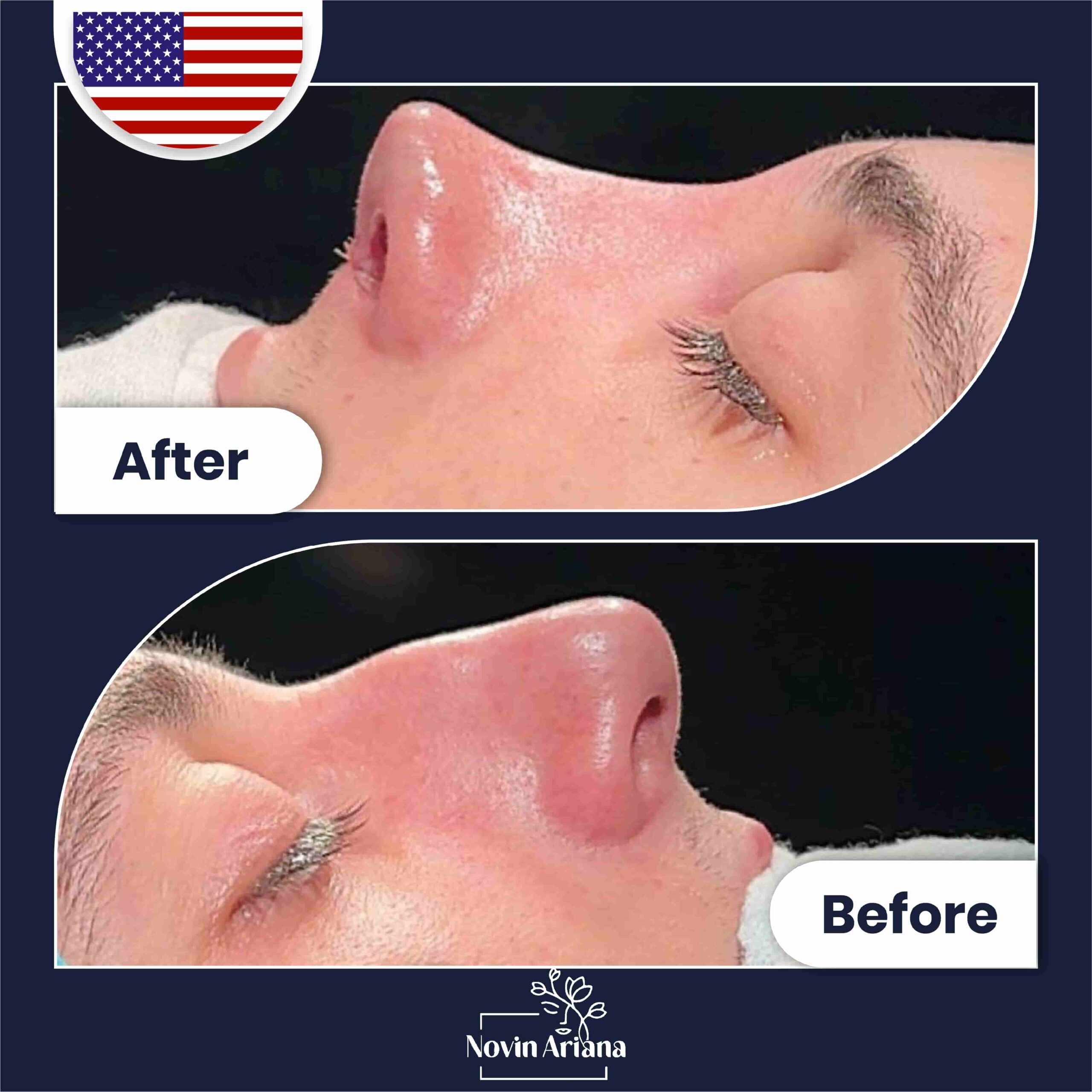
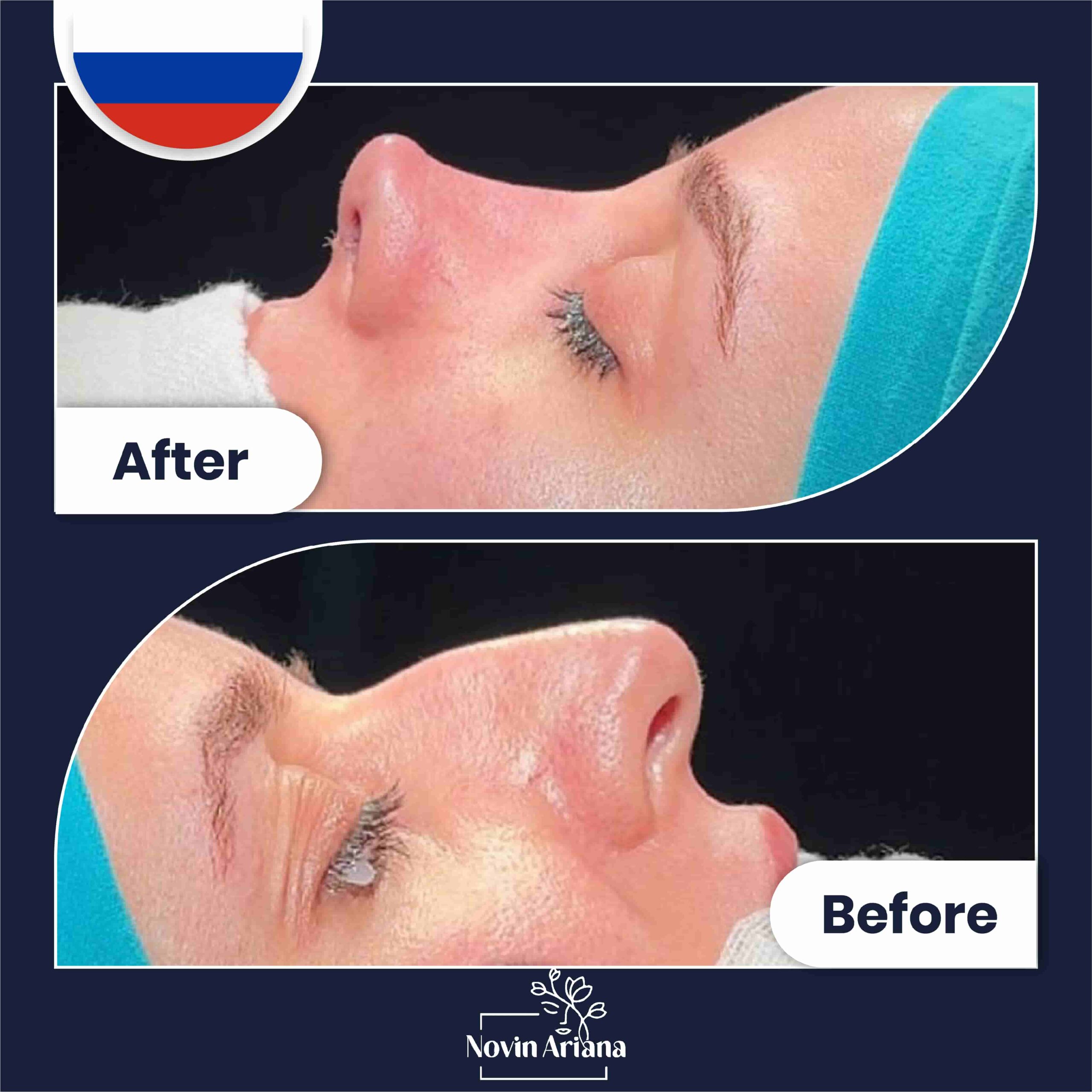
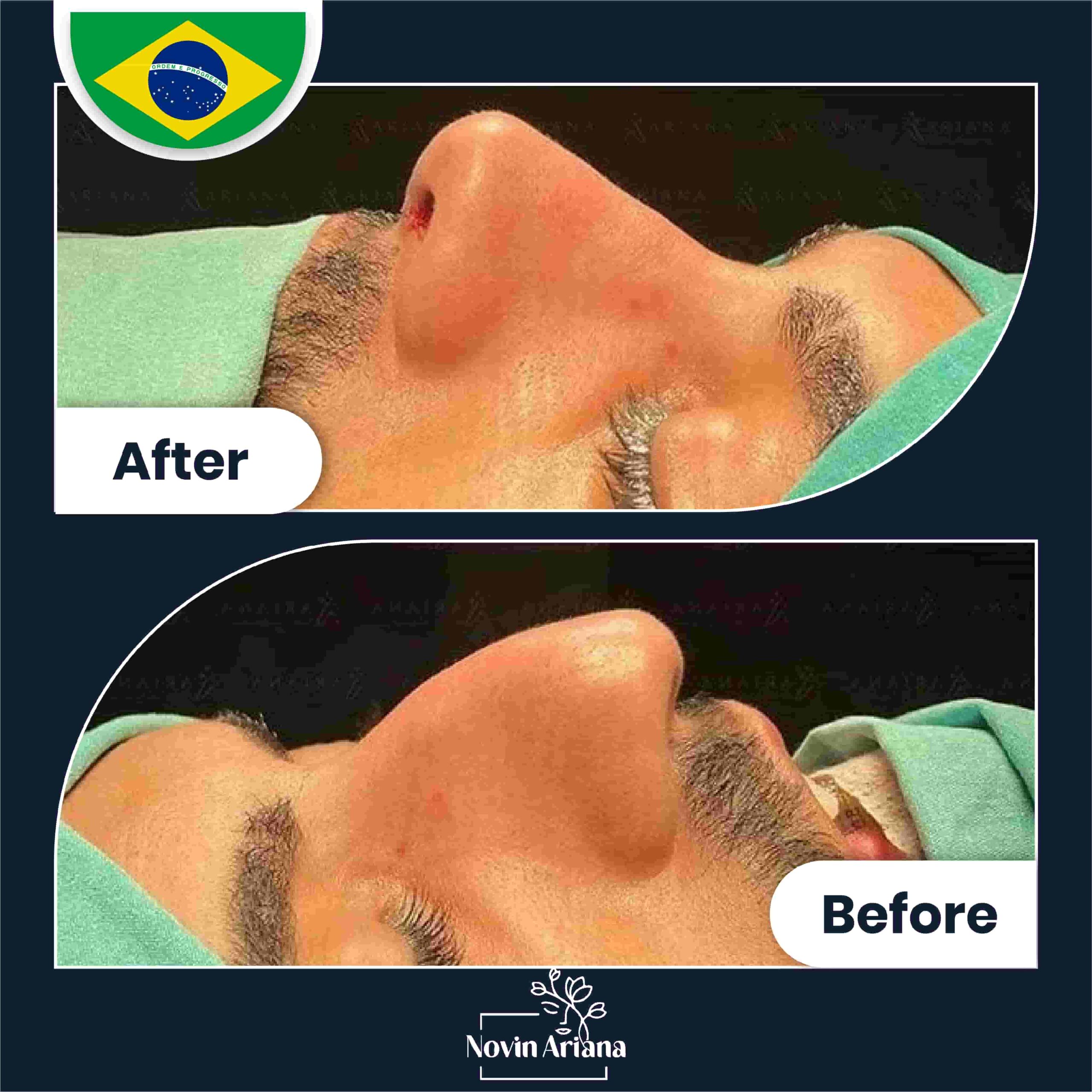
This is also the point where patient expectations should be managed carefully. Swelling, bruising, nasal congestion, and temporary discomfort are normal. A trustworthy medical team explains these realities clearly instead of presenting recovery as effortless.
The best rhinoplasty abroad patient experience is not one where the procedure is made to sound easy. It is one where the patient knows what is normal, what is temporary, and when they should ask for help.
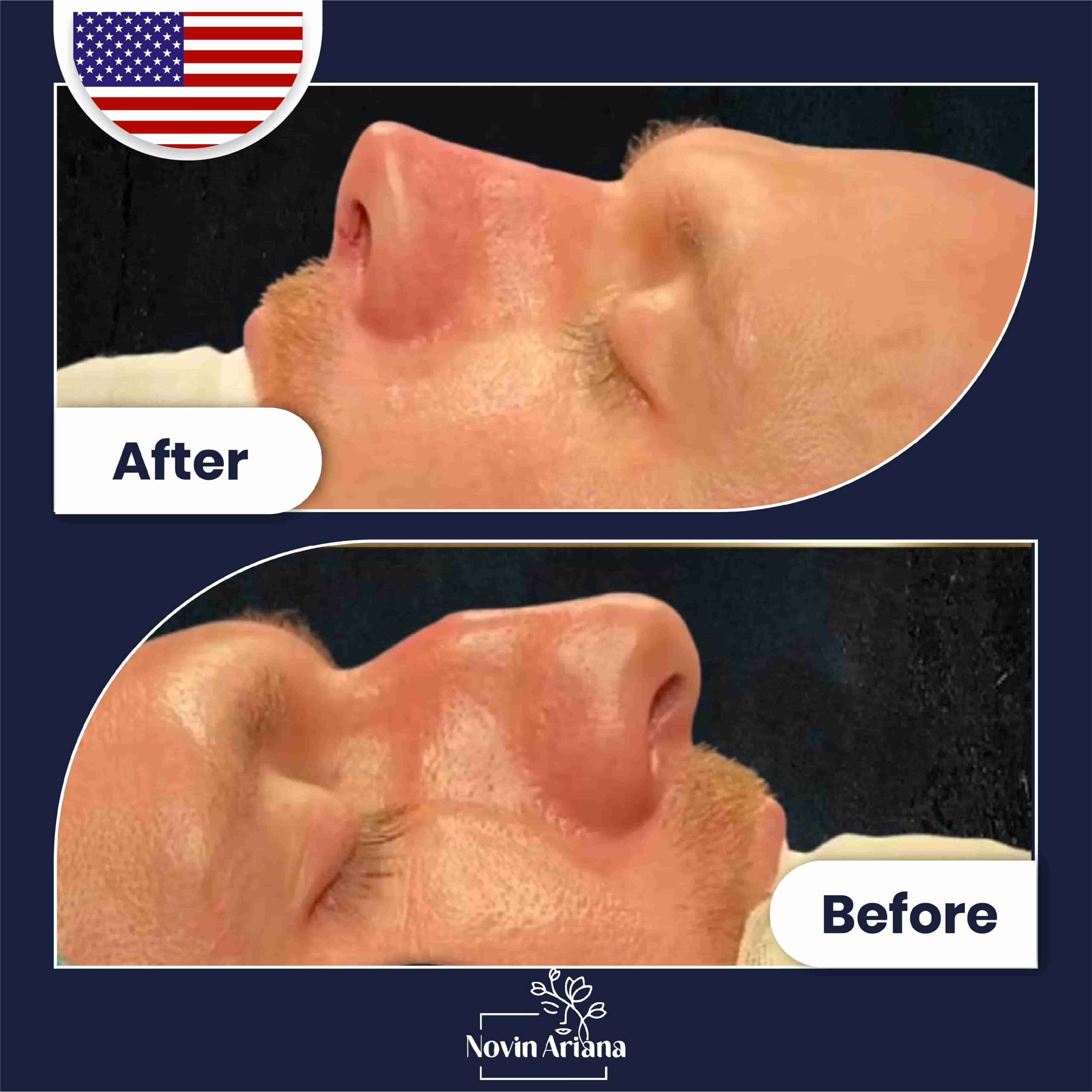
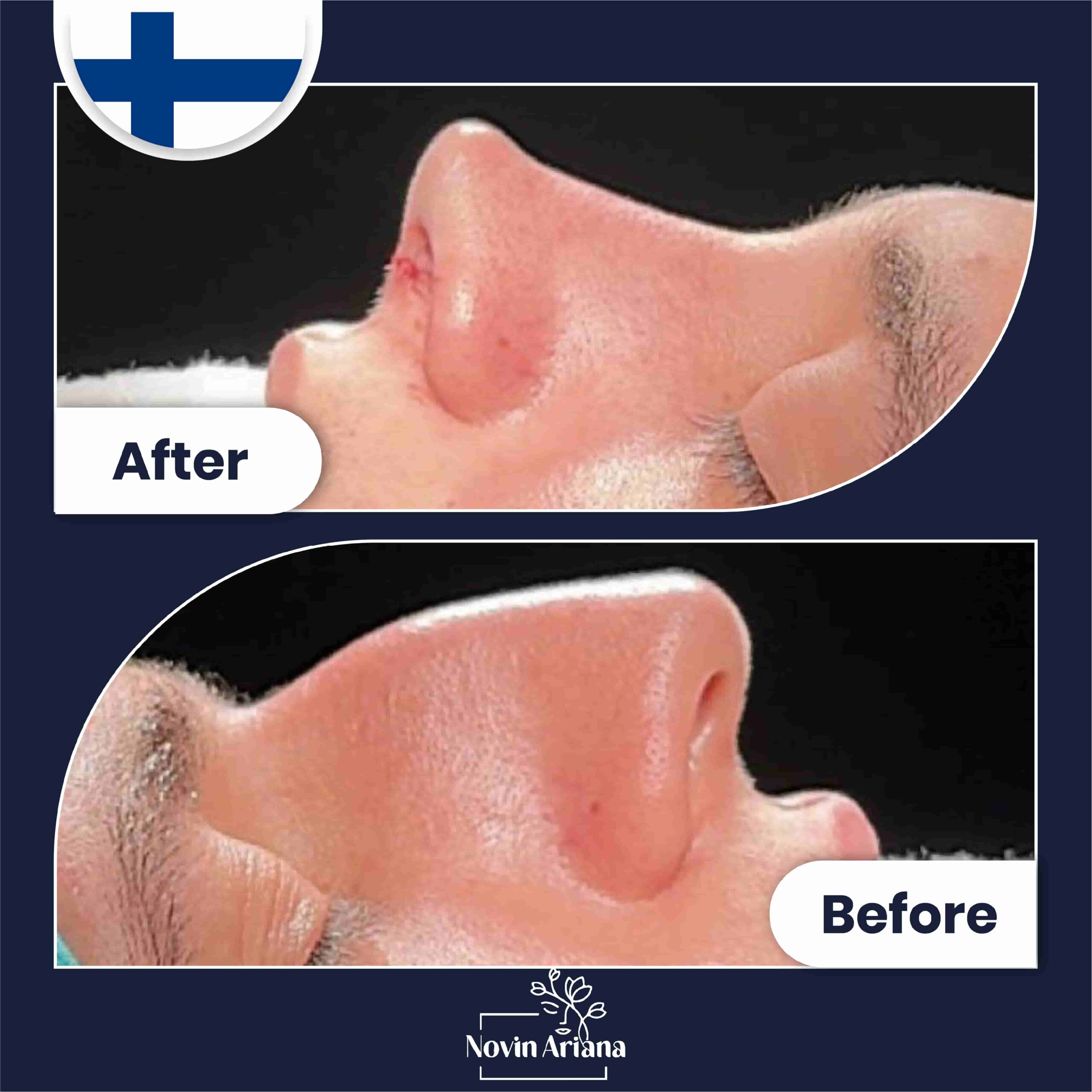
Recovery abroad has real advantages and real limits
Recovering in the same country where you had surgery can actually be helpful. You are close to your surgeon for early follow-up, splint removal, and in-person assessment during the first days of healing. If any concern appears quickly, it can often be checked and addressed without delay.
That said, recovery abroad is not ideal for every patient. Some people feel emotionally more comfortable healing at home. Others may find travel after surgery stressful, especially if they are prone to swelling or anxiety. This is where planning matters. Patients need a realistic timeline for rest, checkups, and fitness to fly.
For rhinoplasty, patience is essential. Early healing can be deceptive. The nose often looks swollen, stiff, or uneven in the first weeks. Patients who are prepared for that tend to cope better emotionally. Good aftercare is not just medical. It is also educational and reassuring.
Ready to change how you look and feel?
Get your consultation now — your new self is waiting.
The role of aftercare once you return home
One of the biggest concerns patients have is what happens after they leave. It is a fair question. Rhinoplasty recovery continues for months, and final definition can take much longer than many expect.
This is why long-term follow-up matters so much. A clinic serving international patients should have a clear system for remote check-ins, recovery guidance, and questions after discharge. Patients should not feel abandoned once they board their return flight.
At Novin Ariana Health Clinic, this kind of structured support is part of what international patients look for – not only experienced surgeons and personalized treatment plans, but also responsive coordination, transparent planning, and one year of post-operative follow-up. For many travelers, that continuity is what turns a good surgical trip into a confident overall experience.
Ready to change how you look and feel?
Get your consultation now — your new self is waiting.
What satisfied patients usually mention
When patients describe a positive experience abroad, their comments are often surprisingly consistent. They talk about being listened to. They mention clear answers, realistic advice, smooth logistics, clean facilities, and natural-looking results that suit their face rather than chasing trends.
They also talk about trust. Not blind trust, but earned trust. That usually comes from seeing real testimonials, reviewing before-and-after outcomes, receiving honest guidance, and feeling that safety was never treated as secondary to convenience.
On the other hand, negative experiences often stem from the same predictable gaps: rushed consultations, poor communication, vague pricing, limited aftercare, and expectations that were never properly aligned. The lesson is simple. A successful rhinoplasty trip is built as much on systems and ethics as on surgical technique.
Ready to change how you look and feel?
Get your consultation now — your new self is waiting.
How to judge whether a clinic is the right fit
Patients comparing providers should think in terms of fit, not just popularity. A clinic may be highly visible online and still not be the best match for your anatomy, goals, or comfort level.
Look for evidence of specialization, transparent pricing, multilingual support, and a clear care pathway from consultation through recovery. Ask how complications are handled, how long you should stay, what your package includes, and how follow-up works once you return home. If the answers are vague, the patient experience may be too.
It also helps to notice whether the clinic values natural-looking outcomes. In rhinoplasty, restraint is often a sign of expertise. The most appealing results usually harmonize with the rest of the face and preserve function, rather than creating an overdone look that photographs well for a few angles but does not age gracefully.
Choosing rhinoplasty abroad can be a smart and rewarding decision when the experience is built around expertise, safety, and genuine support. The best outcome is not just a refined nose. It is the feeling that every step, from consultation to long-term follow-up, was handled with care, honesty, and respect for your confidence.
Frequently Asked Questions
Our representatives for all countries are 24/7 available to support you at any time
Yes, provided you choose a qualified surgeon, an accredited hospital, and a clinic with a strong reputation for patient safety and aftercare.
Many patients save 30–70% compared to prices in the UK, USA, or Western Europe, depending on the destination and package.
Most surgeons recommend 7–10 days before traveling home to allow for follow-up appointments and splint removal.
Most patients are cleared to fly about 7–10 days after surgery, but you should always follow your surgeon's advice.
Most visible bruising improves within 2 weeks, while final results continue to develop over 6–12 months.
Many packages include surgery, anesthesia, hospital stay, hotel accommodation, airport transfers, medications, follow-up appointments, and patient support.
Yes, although many patients prefer to bring a companion for additional support during the first few days after surgery.
Many international clinics offer remote follow-up consultations through video calls, messaging, or email to monitor your recovery.