
 Summarize this article with:





Rhinoplasty vs Non Surgical Nose Job Compared
Written by Novin Ariana
A nose can look different from one side to the other, change the balance of the entire face, or draw attention in photographs for reasons that are difficult to ignore. When comparing rhinoplasty vs non surgical nose job options, the real question is not which treatment is better. It is which approach can safely deliver the change you want, within the level of commitment you are comfortable making.
A non-surgical treatment may refine a profile without an operation, while rhinoplasty can reshape the underlying structure for a permanent result. The right choice depends on your anatomy, aesthetic goals, breathing concerns, recovery timeline, and willingness to accept maintenance or surgery.
What You Read
Ready to change how you look and feel?
Get your consultation now — your new self is waiting.
Surgical Rhinoplasty vs Liquid Rhinoplasty : The Core Difference
Rhinoplasty is a surgical procedure that changes the nose’s bone, cartilage, skin envelope, or a combination of these structures. It can reduce a dorsal hump, refine a tip, straighten asymmetry, narrow the bridge, alter nostril shape, and, when medically appropriate, improve airflow through internal structural correction. Because the framework itself is adjusted, the result is designed to last.
A non-surgical nose job uses injectable dermal filler, most commonly a hyaluronic acid-based filler, to add carefully placed volume. Rather than making the nose smaller, it creates the appearance of a smoother bridge, a more even profile, or a subtly lifted tip. It is sometimes called liquid rhinoplasty, but it does not replace surgery in every situation.
That distinction matters. Filler can camouflage a small bump by building up the area around it. It cannot remove bone or cartilage, narrow a broad nose, reduce nostril size, or correct a deviated septum. A responsible consultation should make this clear before any treatment is planned.
Ready to change how you look and feel?
Get your consultation now — your new self is waiting.
What Each Treatment Can Realistically Achieve
When rhinoplasty is the stronger choice
Surgical rhinoplasty is usually the more suitable route for patients seeking a smaller nose, meaningful tip refinement, bridge reduction, improved symmetry, or long-term structural change. It is also the appropriate conversation when appearance and breathing are connected. An experienced facial plastic surgeon can assess the nasal airway, septum, skin thickness, facial proportions, and healing considerations together rather than treating the profile as an isolated feature.
The final result develops gradually. Most patients are comfortable being seen socially after the early healing period, but subtle swelling, especially around the tip, can take many months to settle. This requires patience, yet it also allows for a treatment plan that addresses the features filler cannot change.
When a Liquid nose job may be appropriate
A non-surgical nose job can be appealing if your concern is a mild dorsal irregularity, a shallow bridge, or a profile that could benefit from small, strategic volume adjustments. The appointment is typically short, there is no general anesthesia, and many patients return to routine activities quickly. Results are visible immediately, though the treated area may have temporary swelling, tenderness, or bruising.
The result is temporary. Depending on the product, placement, and individual metabolism, filler may last roughly 6 to 18 months. Repeat treatments are usually needed to maintain the look. For someone who wants to test a refined profile before committing to surgery, that reversibility can be useful. For someone who wants a smaller or permanently reshaped nose, it may become an expensive and frustrating compromise.
Ready to change how you look and feel?
Get your consultation now — your new self is waiting.
Safety Is More Than Choosing Surgery or Filler
Both treatments require a qualified medical professional, but nasal filler deserves particular caution. The nose contains blood vessels connected to areas around the eyes, and accidental injection into a vessel can cause serious complications, including tissue damage and, in rare cases, vision problems. This is not a treatment to book based on a social media promotion or the lowest available price.
A safe non-surgical nose job should be performed by a clinician with advanced knowledge of facial anatomy, appropriate emergency protocols, and access to hyaluronidase when hyaluronic acid filler is used. Patients should be told what symptoms require urgent contact after treatment, including unusual pain, blanching or discoloration of the skin, or visual changes.
Rhinoplasty has different risks. These include bleeding, infection, scarring, prolonged swelling, asymmetry, breathing changes, and the possibility that revision surgery may be needed. A surgeon cannot ethically guarantee a perfectly symmetrical nose or promise that a computer simulation will be an exact prediction. What they can do is explain the plan, the limits of your anatomy, and how they manage safety before, during, and after surgery.
Ready to change how you look and feel?
Get your consultation now — your new self is waiting.
Recovery and Downtime: A Meaningful Trade-Off
The recovery difference is often the deciding factor. Non-surgical treatment generally has minimal downtime. You may need to avoid pressure on the nose, intense exercise, heat exposure, and certain eyewear for a short period, depending on your clinician’s instructions. There is no surgical incision or formal healing period, but there is also no permanent structural improvement.
After rhinoplasty, patients should plan for a more deliberate recovery. A splint may be worn during the first week, bruising can occur around the eyes, and strenuous activity is restricted while the tissues heal. International patients should also build adequate time into their travel plan for in-person post-operative checks before flying home.
This is where coordinated medical travel support can make a practical difference. A well-organized treatment package should include clear pre-operative guidance, comfortable accommodation, private transfers, multilingual communication, and a defined follow-up plan. The convenience should never replace clinical standards, but it can reduce the stress of having surgery away from home.
Ready to change how you look and feel?
Get your consultation now — your new self is waiting.
Cost Should Be Viewed Over Time
A non-surgical nose job usually has a lower upfront cost than rhinoplasty. However, it is not necessarily less expensive over several years. Maintenance appointments can add up, particularly when larger amounts of filler are used to camouflage a prominent hump or create a more dramatic contour. Repeated filler also may not be the best option for every nose.
Rhinoplasty requires a higher initial investment because it involves surgery, anesthesia, operating facilities, surgical expertise, and recovery care. Its value lies in the potential for a lasting change rather than periodic maintenance. If you are considering treatment abroad, ask for transparent pricing that specifies what is included, such as surgeon fees, hospital services, hotel arrangements, transfers, medications, and post-operative support.
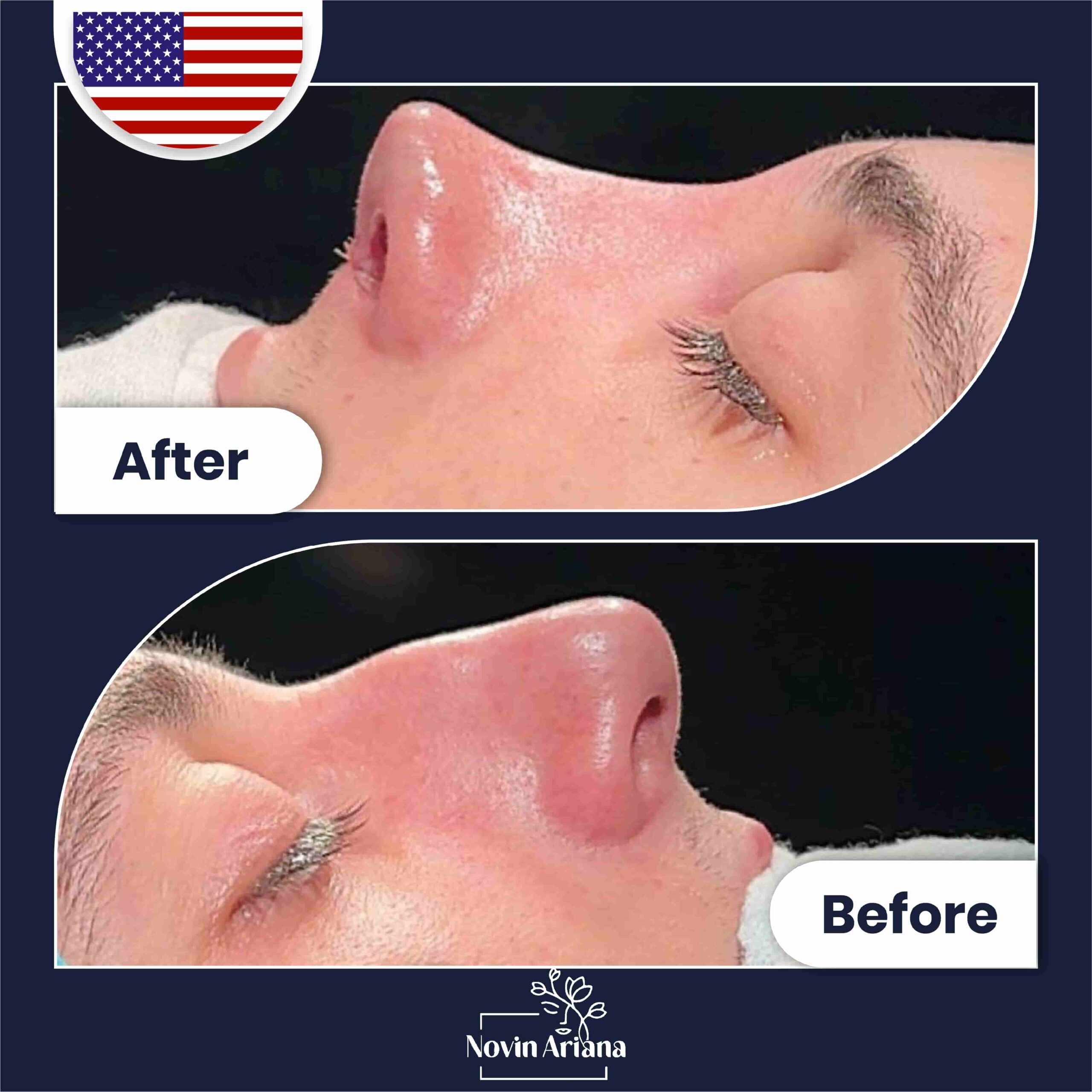
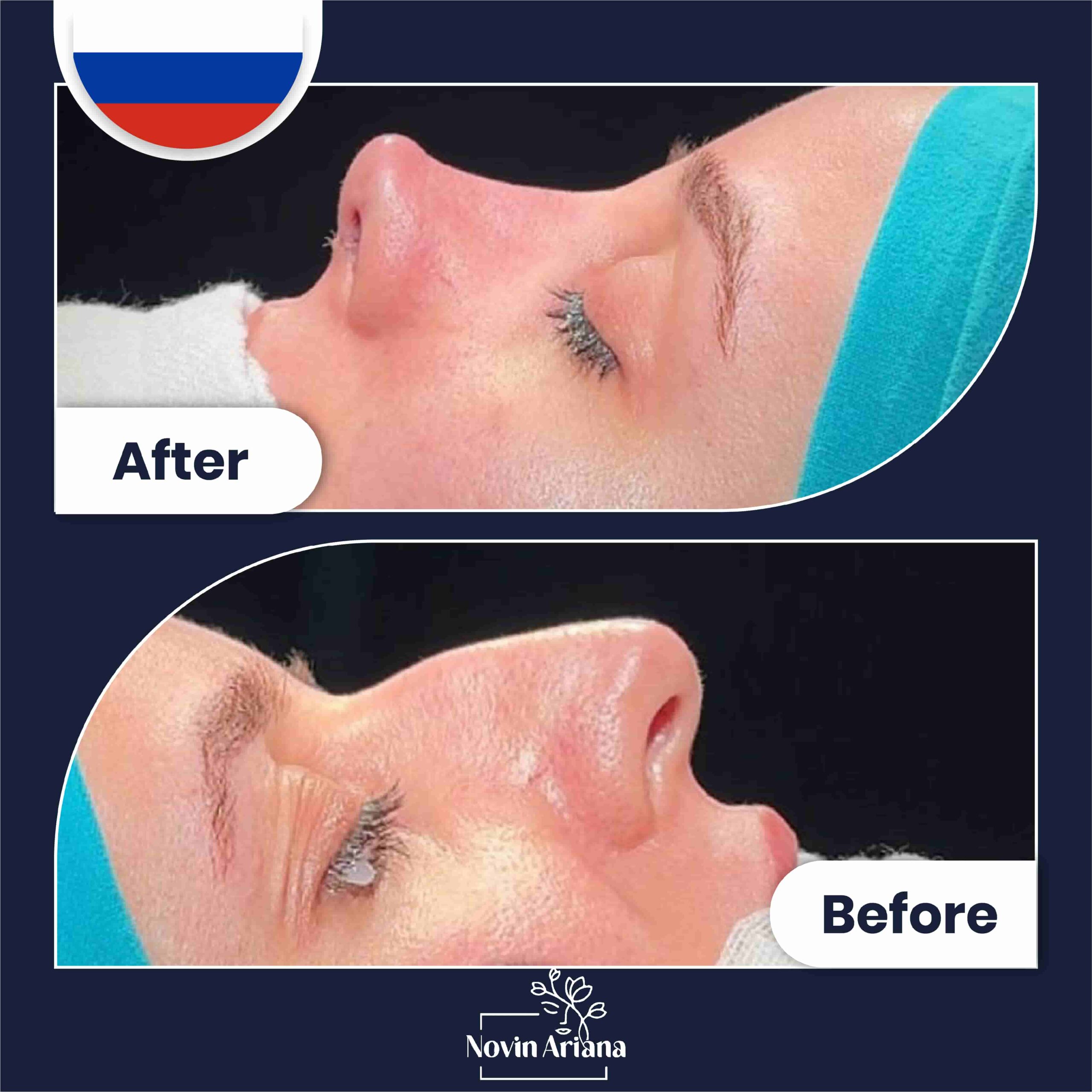
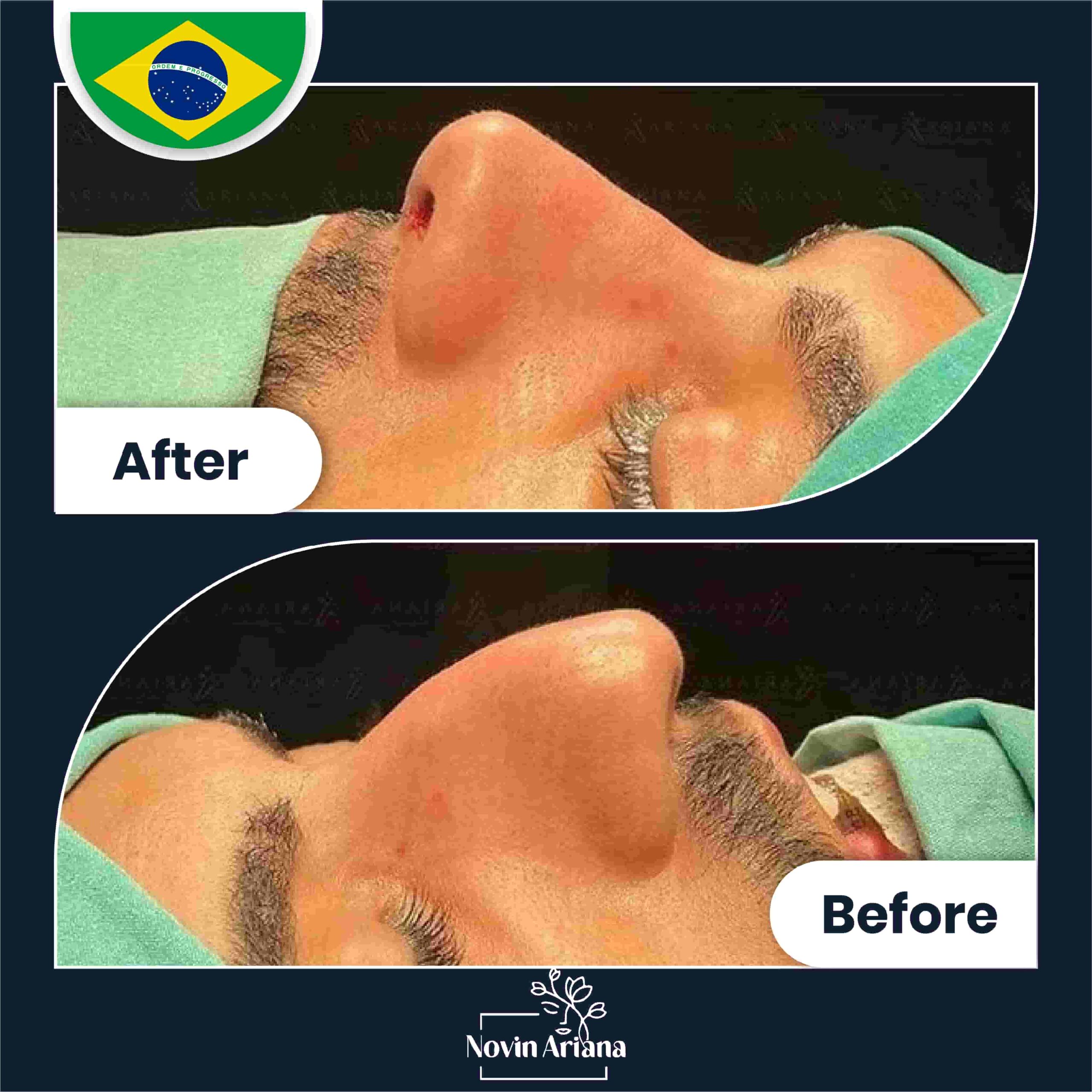
Price comparisons should also account for quality. Review the surgeon’s credentials, before-and-after cases involving noses similar to yours, the facility’s standards, and how complications or concerns are handled after you return home. A package is only reassuring when the medical pathway behind it is equally clear.
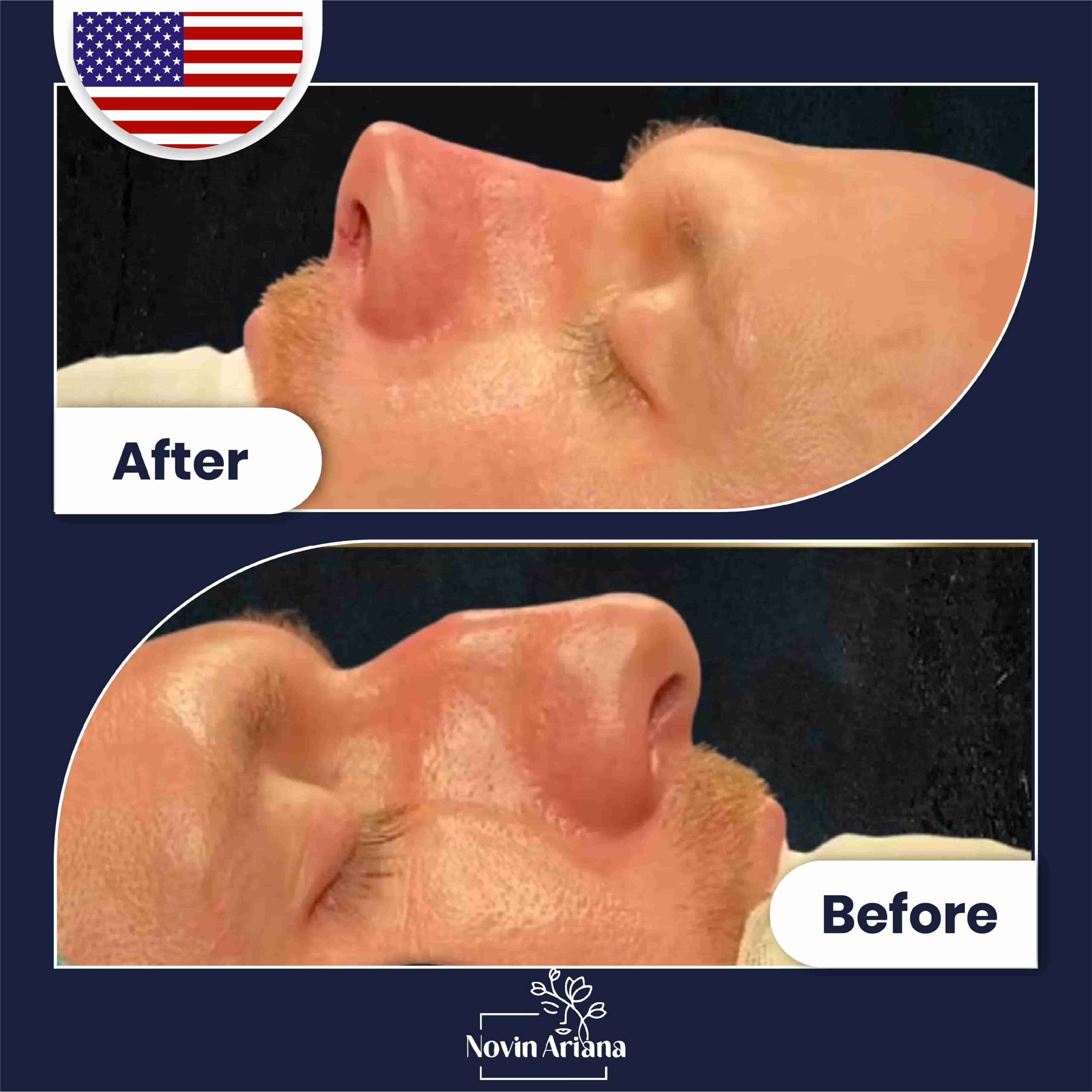
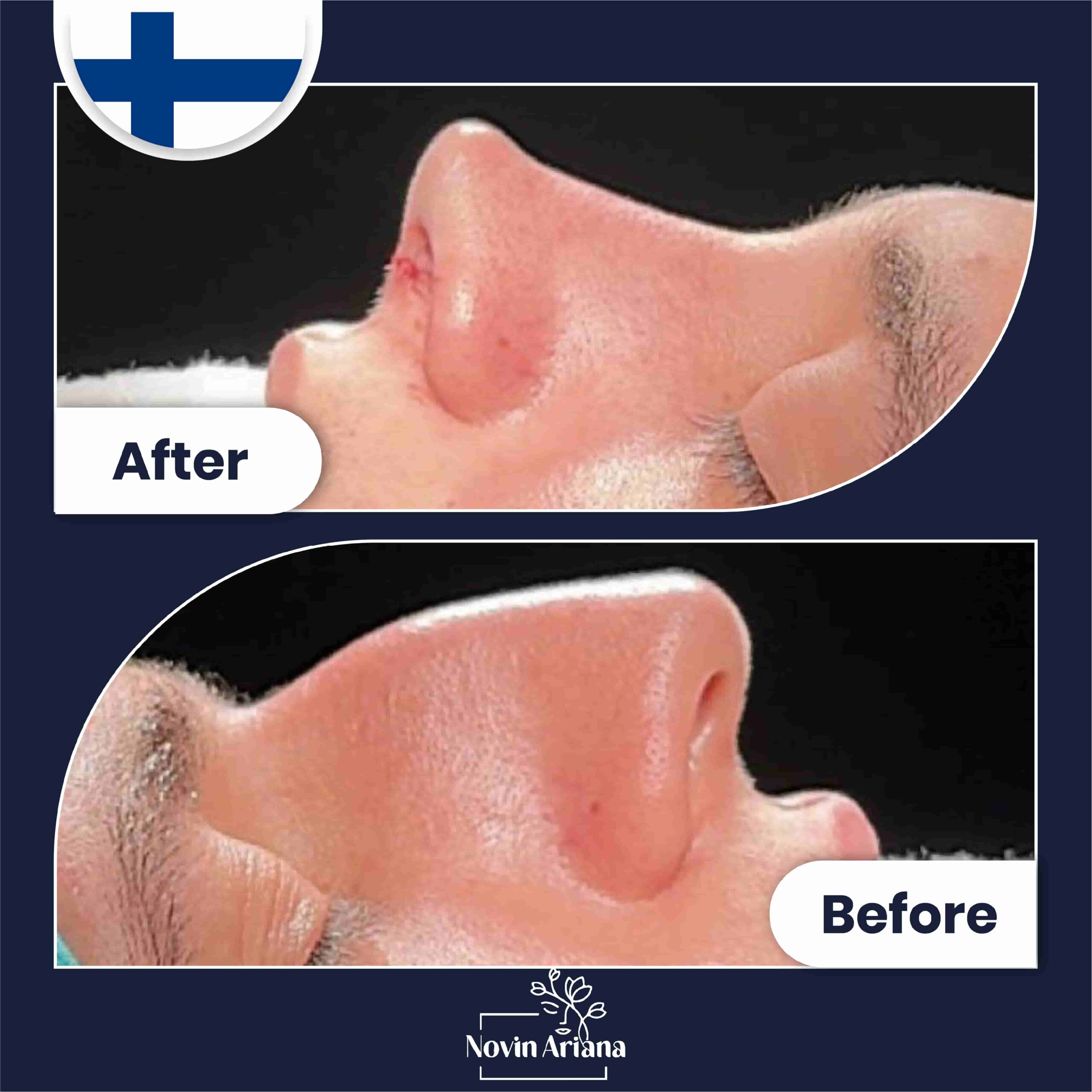
How to Decide Which Option Fits Your Goals
Start by describing the change you want in plain terms. Do you want to remove a bump, make the nose smaller, breathe more easily, lift the tip, or simply smooth a profile in photos? Your answer often points toward the correct category of treatment.
Rhinoplasty is more likely to fit if you want reduction, functional improvement, major reshaping, or a durable result. A non-surgical nose job may fit if you want a modest contour adjustment, understand that filler adds volume, and are comfortable with periodic maintenance. Some patients initially request filler but decide surgery better matches their long-term goals after learning what filler cannot accomplish.
A thorough consultation should include facial analysis from multiple angles, a discussion of your medical history, realistic before-and-after examples, and an honest explanation of risk. It should not feel rushed or sales-driven. At Novin Ariana Health Clinic, the most useful starting point for international patients is a personalized online consultation that allows the care team to evaluate goals, discuss candidacy, and organize the right next step before travel.
Ready to change how you look and feel?
Get your consultation now — your new self is waiting.
Questions Worth Asking Before You Book
Ask who will perform the treatment and what specific experience they have with nasal anatomy and your chosen procedure. For rhinoplasty, ask how breathing will be assessed, what recovery support is provided, and when you can safely travel. For filler, ask which product will be used, why it is appropriate, how much is planned, and what emergency measures are available.
You should also ask to see results that reflect your own starting point. A narrow nose with thin skin has different planning needs than a thick-skinned nose with a drooping tip or significant asymmetry. Natural-looking results come from respecting those differences, not applying the same fashionable nose shape to every face.
The best decision is the one that aligns your expectations with what the treatment can truly achieve. Choose a team that is willing to recommend waiting, choosing another option, or declining treatment when that is safer than promising a result your anatomy cannot support.
Frequently Asked Questions
Our representatives for all countries are 24/7 available to support you at any time
Rhinoplasty is surgery that permanently changes the nose’s bone, cartilage or soft tissue. It can reduce or enlarge the nose, refine the tip, correct significant asymmetry and sometimes improve breathing.
A non-surgical nose job uses injectable dermal filler to temporarily alter the nose’s contours. It can disguise small bumps, improve symmetry or subtly lift the tip, but it cannot remove tissue or correct structural breathing problems.
Both can look natural when performed by a qualified, experienced practitioner. Rhinoplasty offers greater control over structural changes, while a non-surgical nose job is generally better for subtle contour adjustments. The result depends on the patient’s anatomy, goals and provider’s technique.
Rhinoplasty results are intended to be permanent, although the nose continues to change naturally with age. Final definition may take up to a year or longer to develop.
Non-surgical rhinoplasty is temporary. Results often last around six months, although duration varies according to the filler, treatment area and individual metabolism. Maintenance injections may be required.
Rhinoplasty may address:
- Overall nose size
- A wide, crooked or prominent bridge
- A drooping, bulbous or asymmetrical tip
- Large nostrils
- Structural problems affecting breathing
A non-surgical nose job may temporarily:
- Camouflage a small bridge bump
- Fill minor depressions
- Improve mild asymmetry
- Add definition or height to the bridge
- Modify the appearance of the nasal tip
No. Dermal filler adds volume rather than removing bone, cartilage or tissue. Strategic placement may make the nose appear straighter or more proportionate, but it cannot physically make it smaller or narrower. Surgical rhinoplasty is generally required for true size reduction. Cleveland Clinic
Rhinoplasty generally has a higher initial cost because it involves a surgeon, anesthesia and surgical-facility fees. A non-surgical nose job usually costs less per treatment, but repeat appointments can increase its long-term cost. Prices vary considerably by location, provider experience, procedure complexity and the amount of filler required.
Insurance normally excludes cosmetic treatment but may cover medically necessary surgery performed to improve breathing. Coverage should be confirmed directly with the insurer.
Surgical rhinoplasty risks include bleeding, infection, anesthesia complications, scarring, altered sensation, breathing difficulties, septal perforation, dissatisfaction and possible revision surgery. American Society of Plastic Surgeons
Filler-related risks include swelling, bruising, infection, lumps, migration and asymmetry. Rare vascular complications can cause tissue death, vision loss, blindness or stroke. In the United States, injecting dermal filler into the nose is not an FDA-approved use. The FDA advises choosing a licensed healthcare provider with appropriate training and experience. FDA
Rhinoplasty is usually performed under general anesthesia or local anesthesia with sedation. Discomfort during early recovery is commonly managed with medication.
A non-surgical nose job normally involves topical or local anesthetic. Patients may feel pressure, pinching or mild tenderness during and shortly after the injections.
After rhinoplasty, patients commonly need approximately one to two weeks away from work or school. Bruising and obvious swelling gradually improve, but residual swelling can last for months and final results take longer to appear.
A non-surgical nose job usually requires little or no downtime. Temporary redness, tenderness, bruising or swelling may occur, often improving within several days. American Society of Plastic Surgeons
Rhinoplasty may be preferable for permanent, substantial or functional changes, including making the nose smaller or improving nasal airflow.
A non-surgical nose job may suit someone seeking a subtle, temporary contour change without surgery. A consultation with a qualified plastic surgeon or facial plastic surgeon can establish which option fits the person’s anatomy, health and expectations.