

 Summarize this article with:





How to Travel After Cosmetic Surgery Safely
Written by Novin Ariana
- Follow your surgeon’s advice before making any travel plans.
- Wait until you are medically cleared to travel.
- Choose the right travel date based on your procedure and recovery progress.
- Stay hydrated before and during your journey.
- Wear compression garments if your surgeon recommends them.
- Walk and stretch regularly, especially on long flights or car rides.
- Perform simple leg and ankle exercises while sitting to improve circulation.
- Avoid lifting heavy luggage or strenuous activities.
- Wear loose, comfortable clothing to reduce pressure on surgical areas.
- Keep all medications in your carry-on bag or within easy reach.
- Pack extra dressings and wound care supplies for unexpected needs.
- Bring your medical records and your surgeon’s contact information.
- Protect the treated area from bumps, pressure, and direct sunlight.
- Eat light, nutritious meals and avoid excessive salt to help reduce swelling.
- Avoid alcohol and smoking, as they can slow healing.
- Take frequent breaks during long car journeys to walk and stretch.
- Monitor for warning signs such as severe pain, excessive swelling, bleeding, fever, chest pain, or shortness of breath.
- Seek immediate medical attention if you notice any signs of complications.
- Schedule follow-up appointments before returning home if you’re traveling for surgery.
- Purchase travel insurance that covers medical complications when traveling abroad.
- Don’t rush your return trip—allow your body enough time to recover for the safest and best results.
The hardest part for many patients is not the procedure itself. It is figuring out when they can get on a plane, sit comfortably in a car, manage swelling in public, and return home without putting their results at risk. If you are researching how to travel after cosmetic surgery, the right answer is not a generic timeline. It depends on what you had done, how your body is healing, and whether your provider has cleared you for the trip.
Travel after surgery needs to be planned with the same care as the procedure. A short hotel transfer is very different from a long-haul international flight. A hair transplant has very different travel demands than rhinoplasty, liposuction, breast surgery, or a face and neck lift. The safest plan is always the one built around your procedure, your medical history, and your surgeon’s instructions.
What You Read
Ready to change how you look and feel?
Get your consultation now — your new self is waiting.
How to travel after cosmetic surgery without rushing recovery
Most patients want a simple rule, but recovery does not work that way. Some people feel well quickly but still should not travel because swelling, bleeding risk, or pressure changes can affect healing. Others may travel sooner than expected with the right precautions, especially after less invasive treatment. The key is medical clearance, not guesswork.
After cosmetic surgery, your body is healing from tissue disruption, anesthesia, and inflammation. Long periods of sitting can increase discomfort and, in some cases, raise the risk of circulation problems. Lifting luggage can strain incisions. Air travel can also make swelling feel worse, especially after facial surgery. That is why experienced clinics build travel plans into the treatment journey rather than treating it as an afterthought.
For international patients, a package-based clinic model is often helpful because it reduces the stress of arranging transportation, hotel stays, and follow-up visits while you are still recovering. When your transfers, accommodations, and discharge planning are coordinated, there is less pressure to travel before you are ready.
Ready to change how you look and feel?
Get your consultation now — your new self is waiting.
The timing depends on the procedure
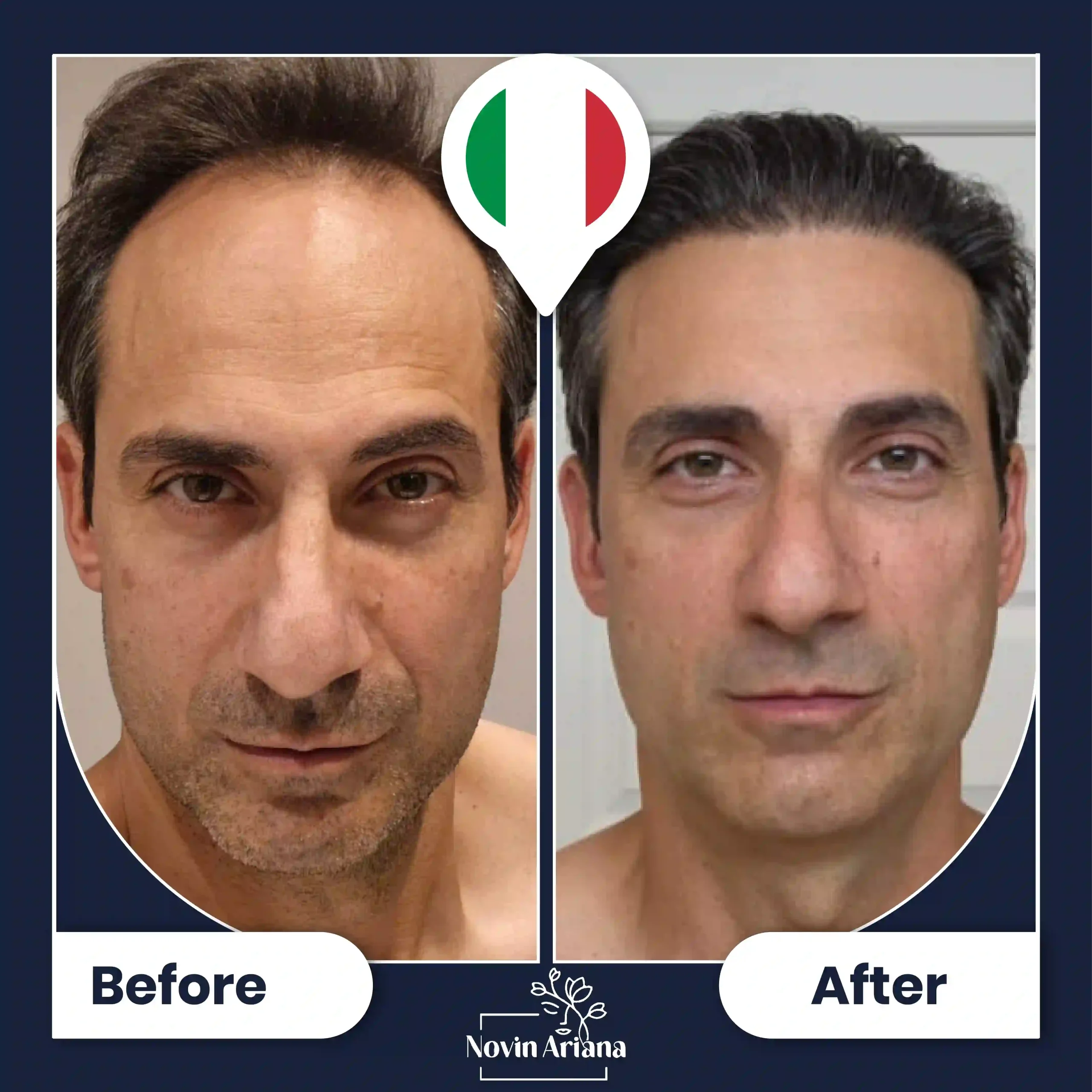
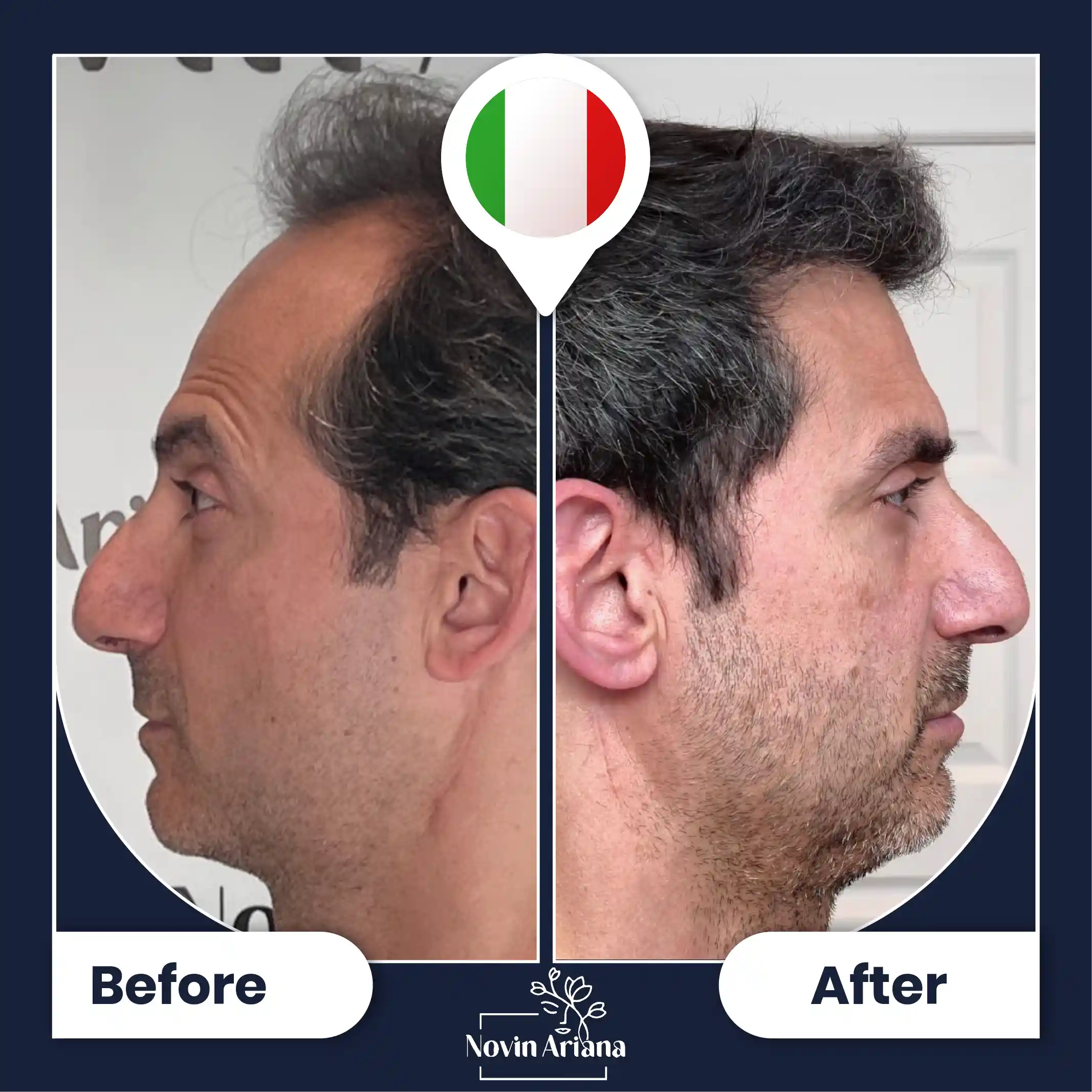
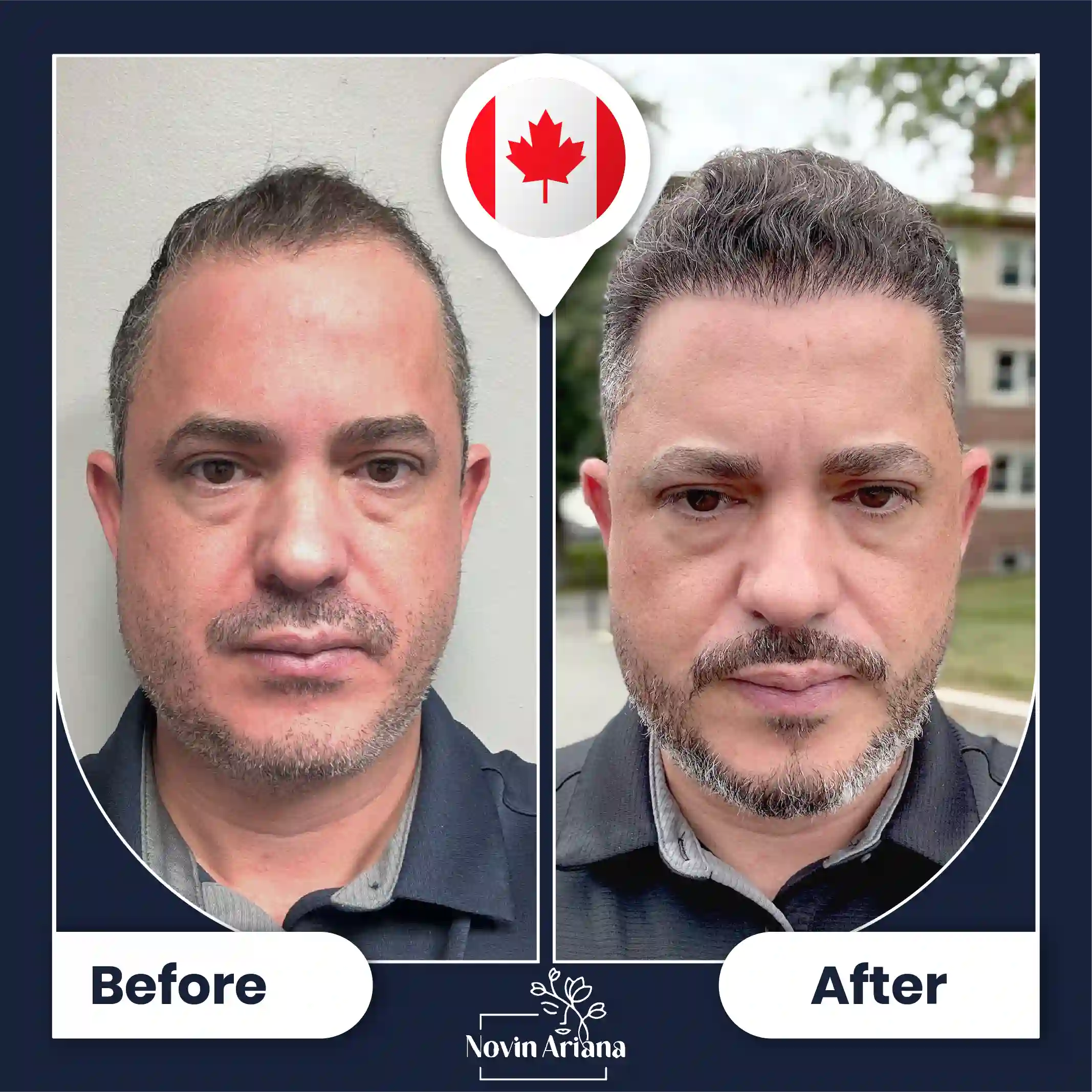
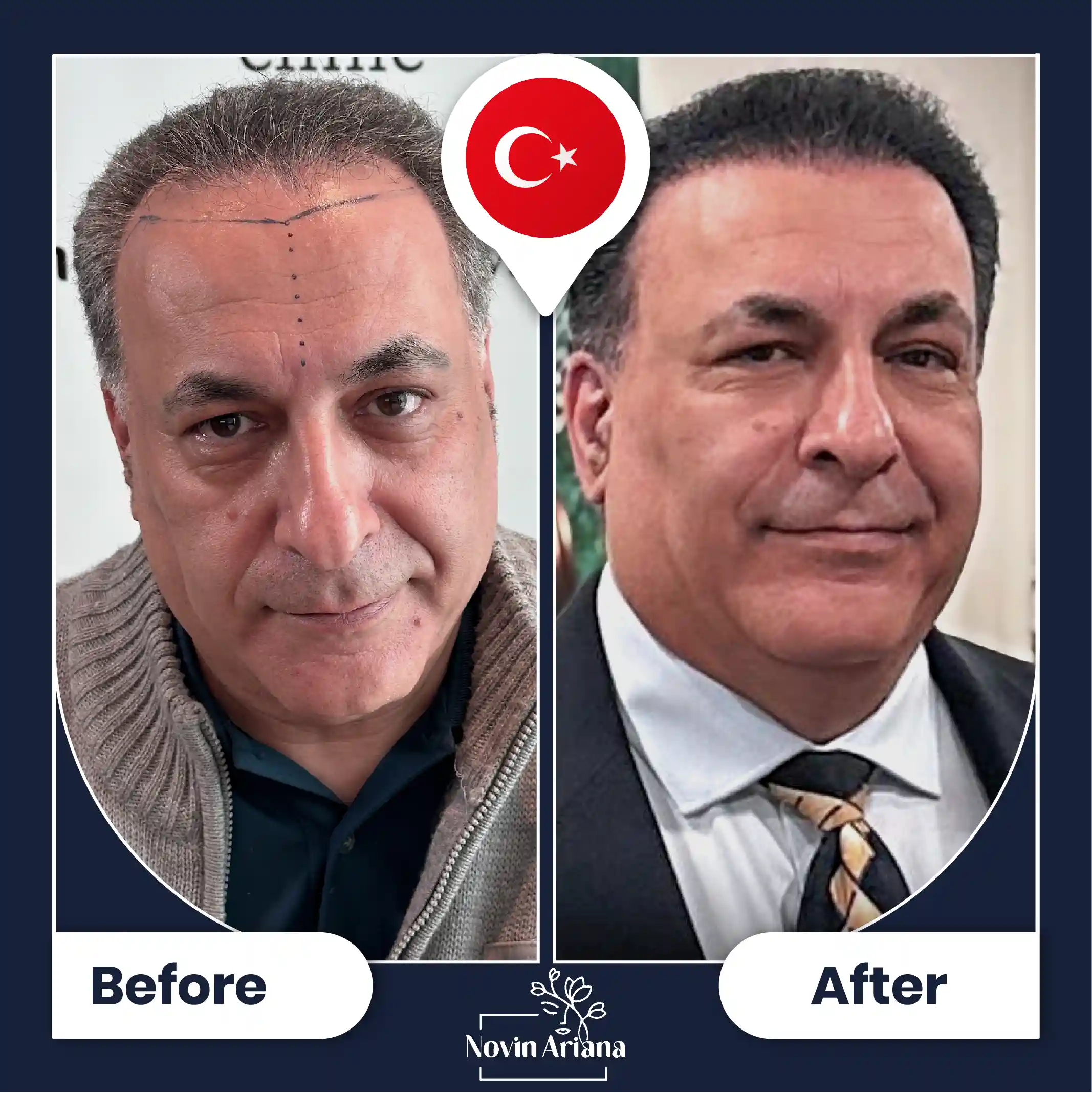
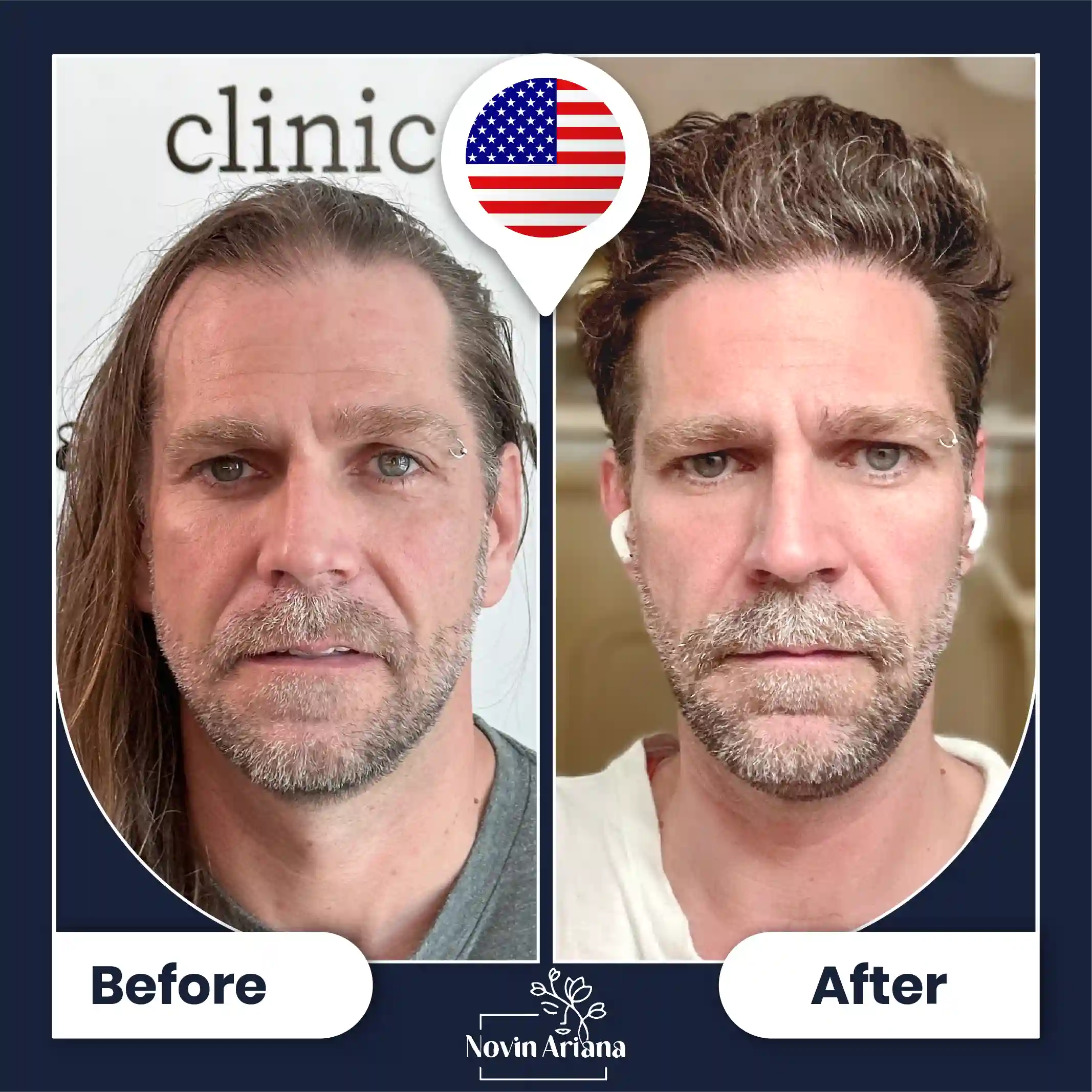
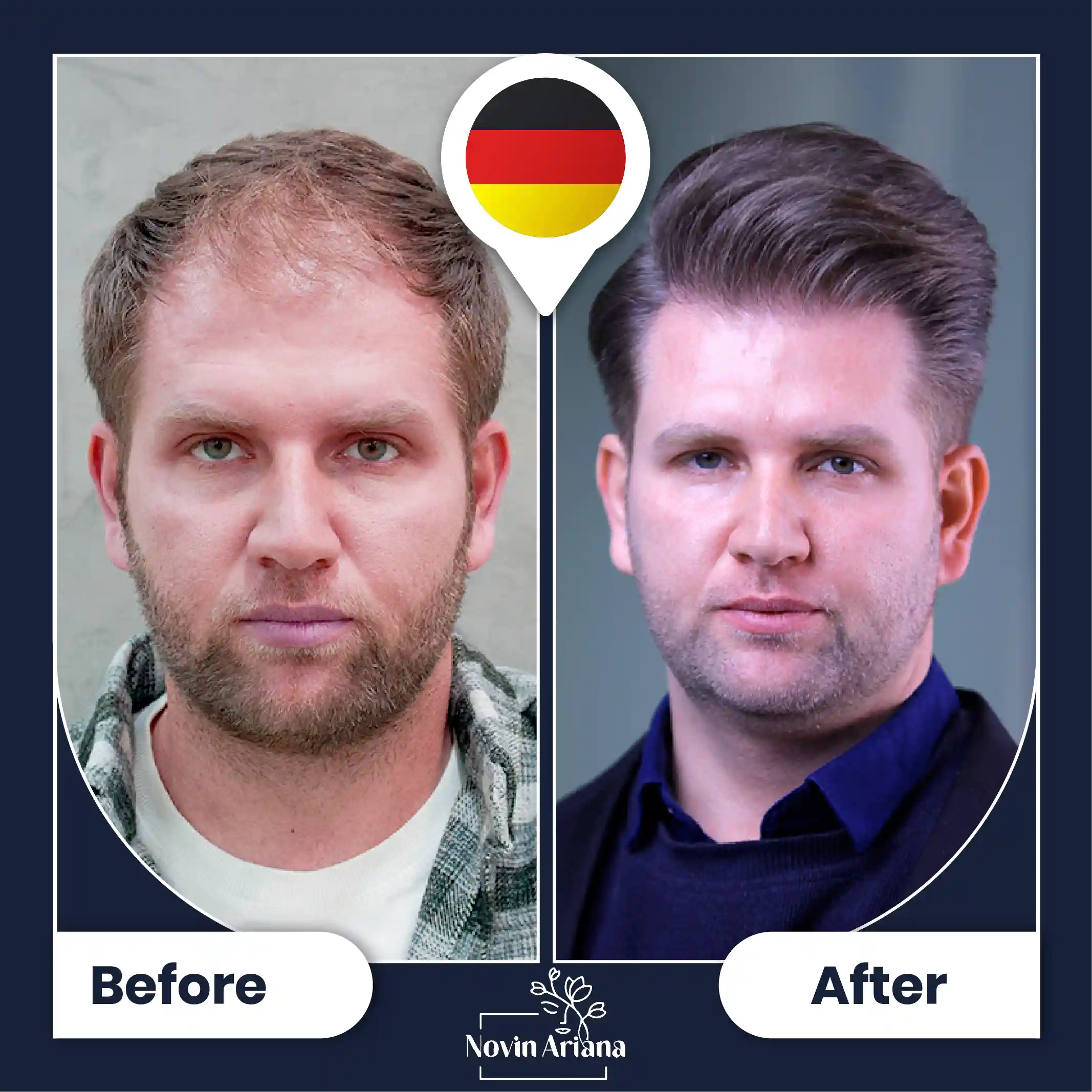
Not all cosmetic procedures carry the same recovery timeline. Hair transplantation is one of the easier categories for travel, but even then, timing matters. Patients need to protect newly implanted grafts, avoid pressure on the scalp, and follow washing instructions exactly. A short flight home may be possible sooner than after body contouring or facial surgery, but only once the surgeon confirms the grafts are stable enough for travel.
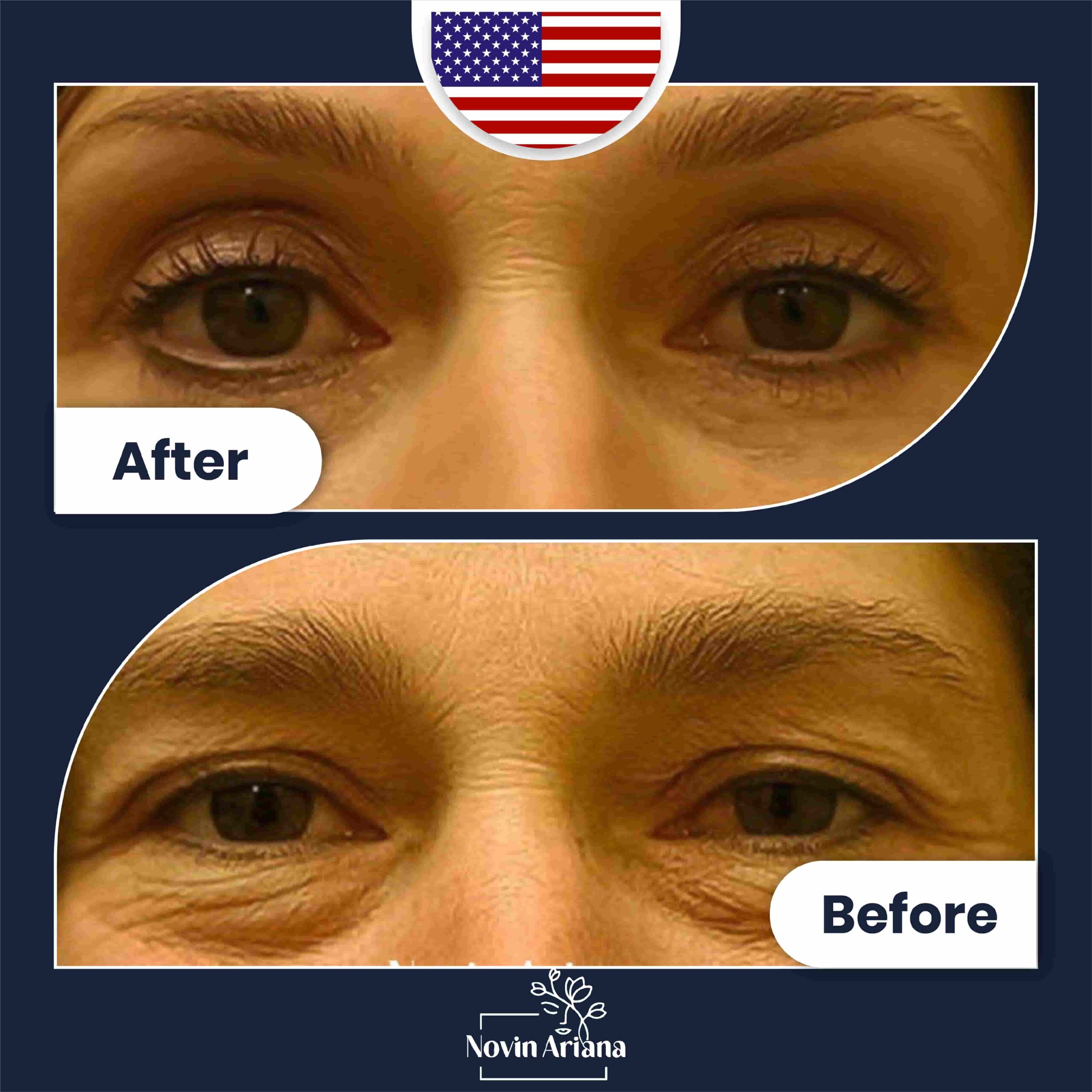
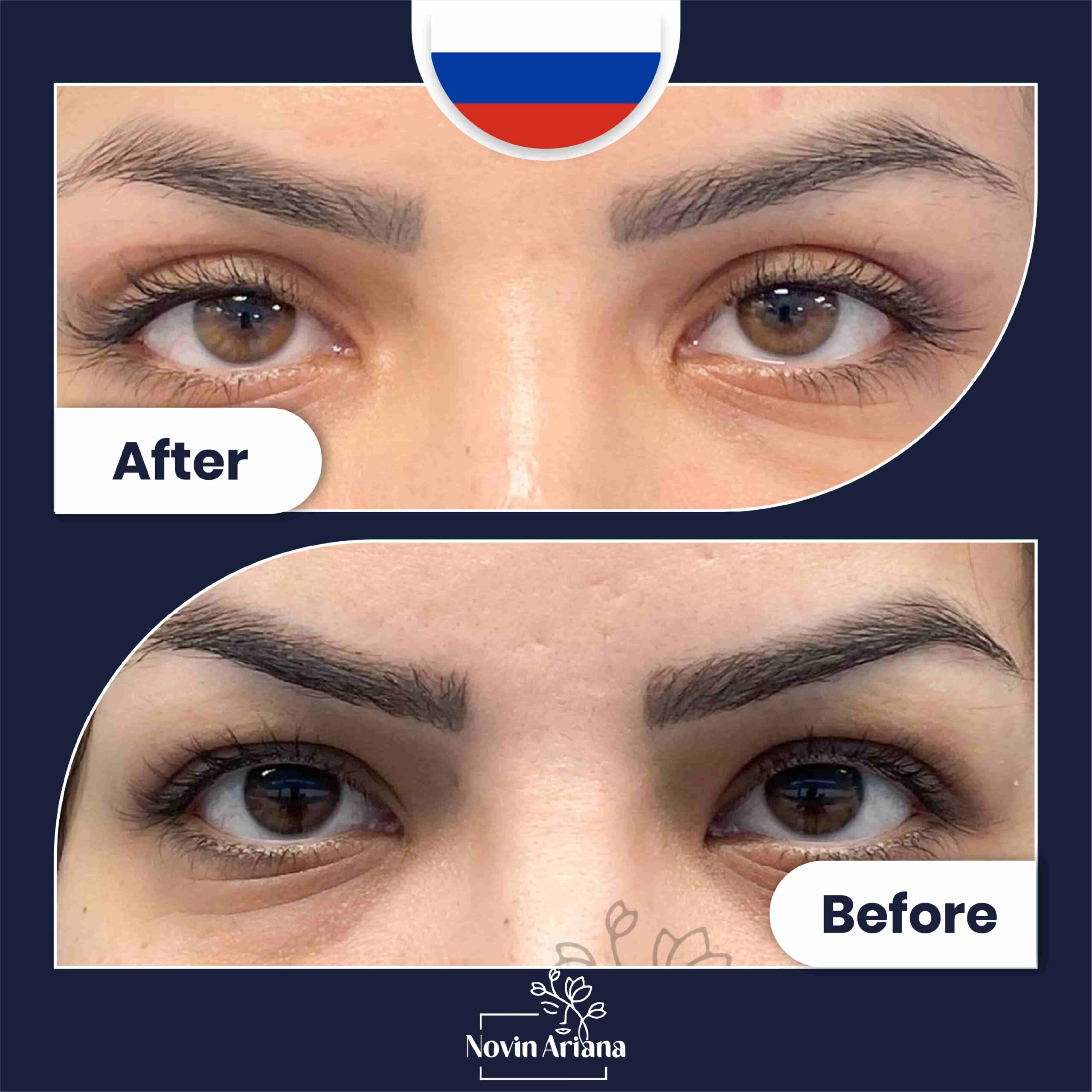
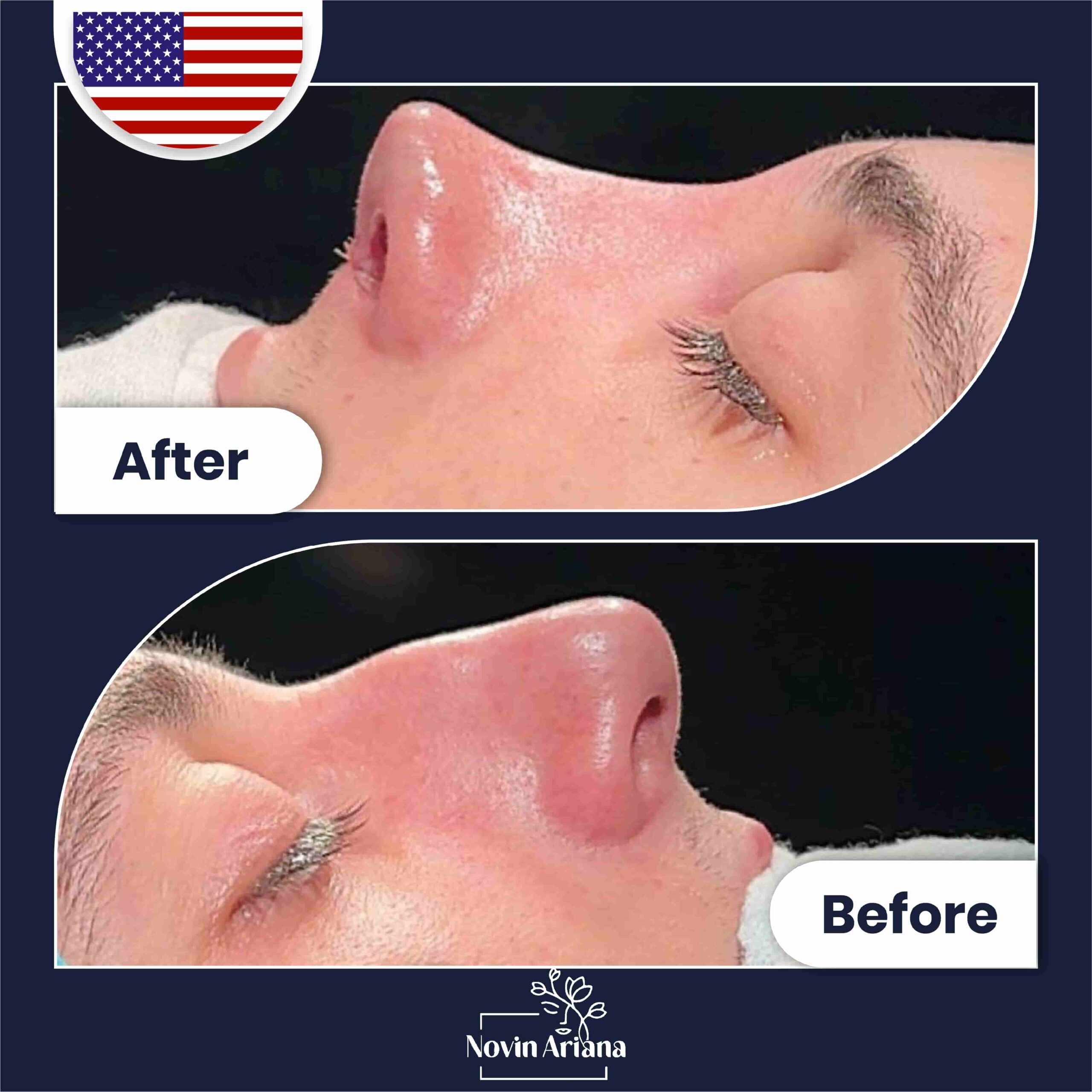
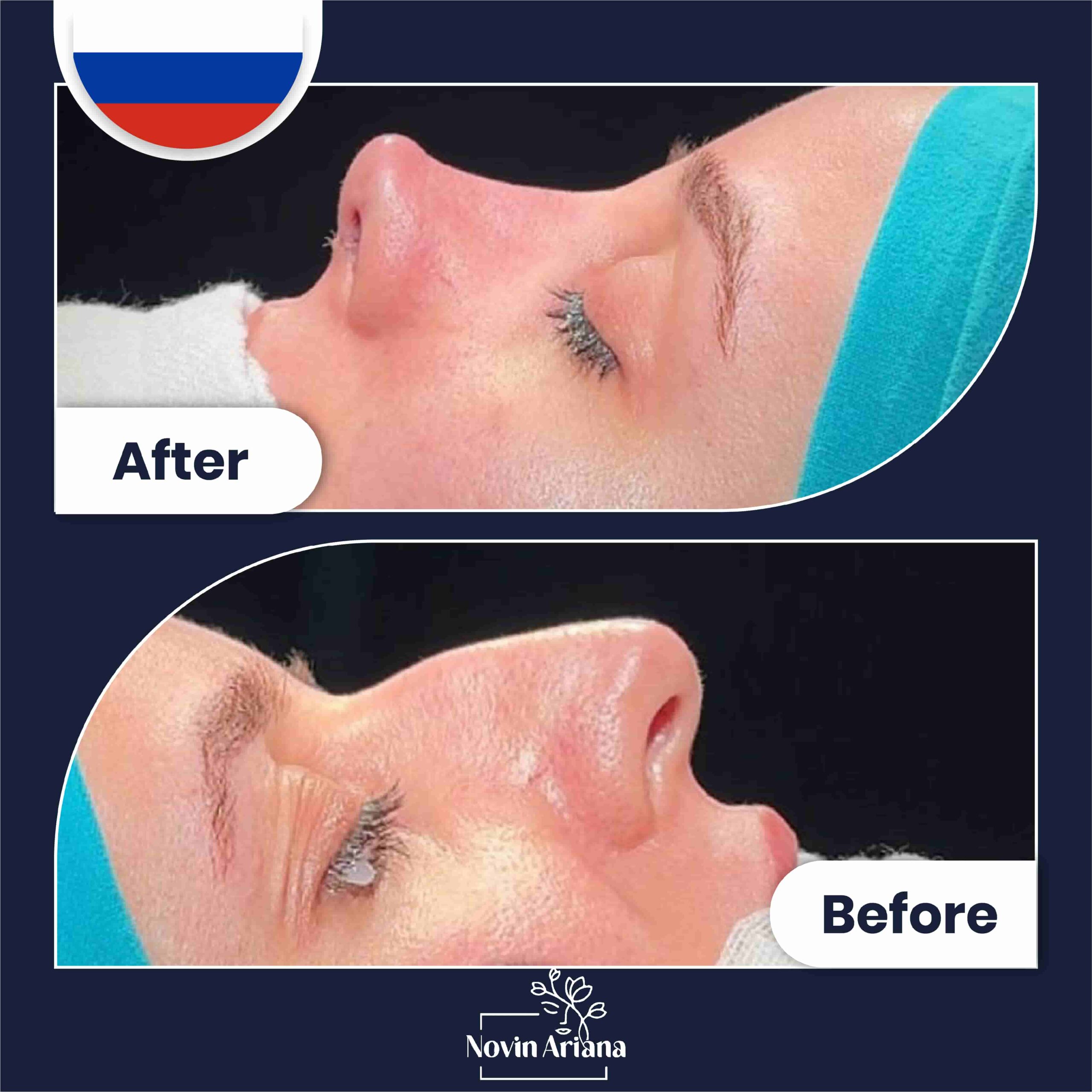
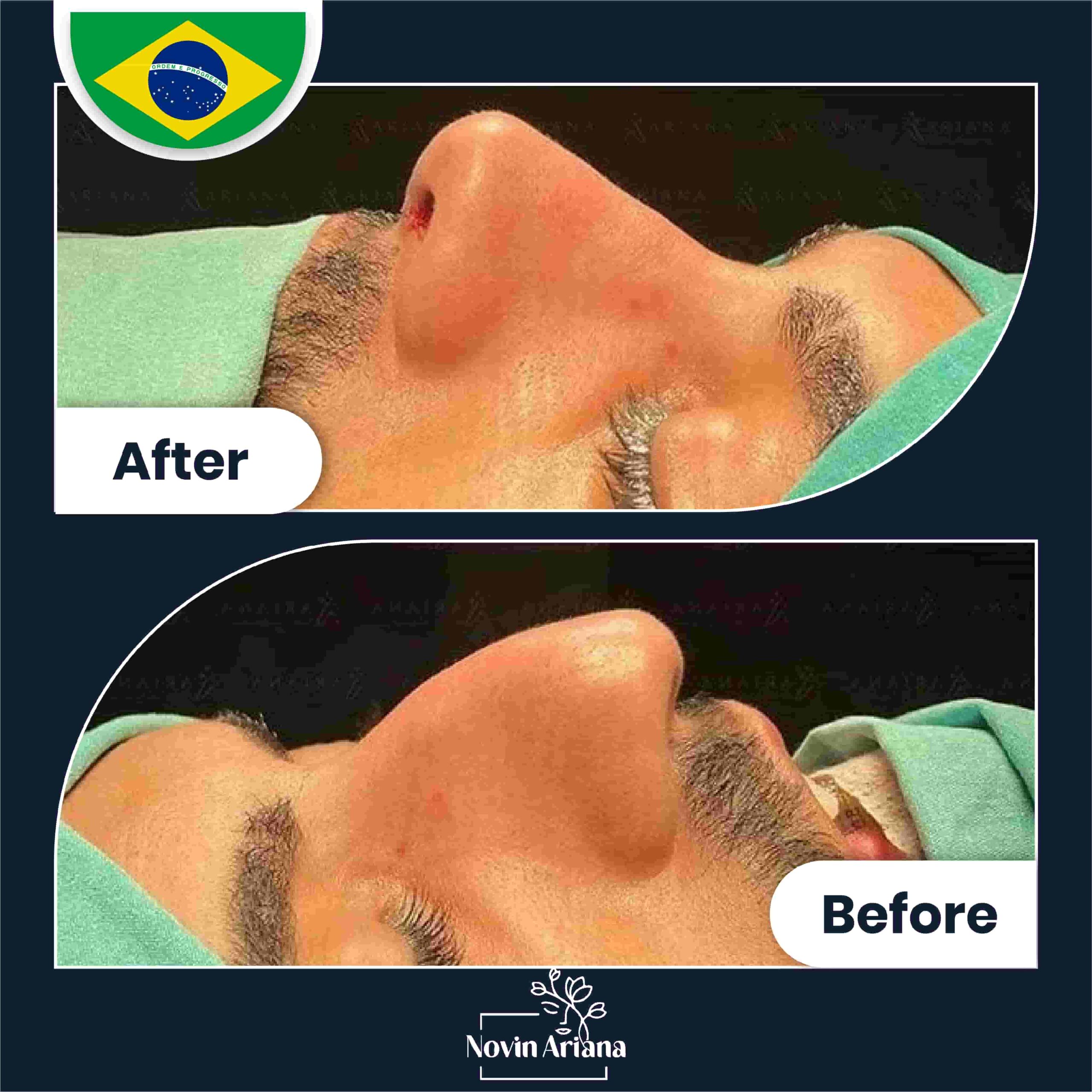
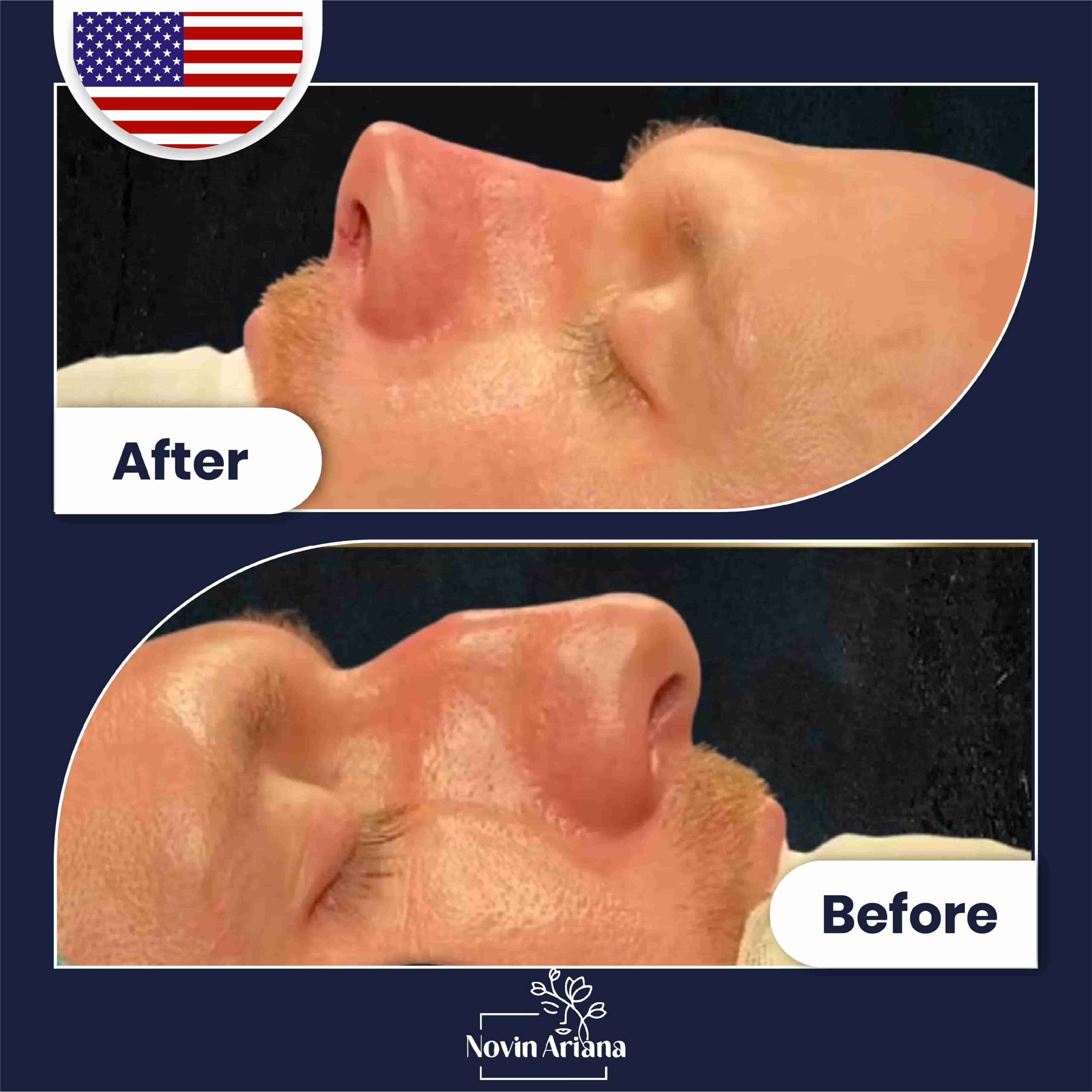
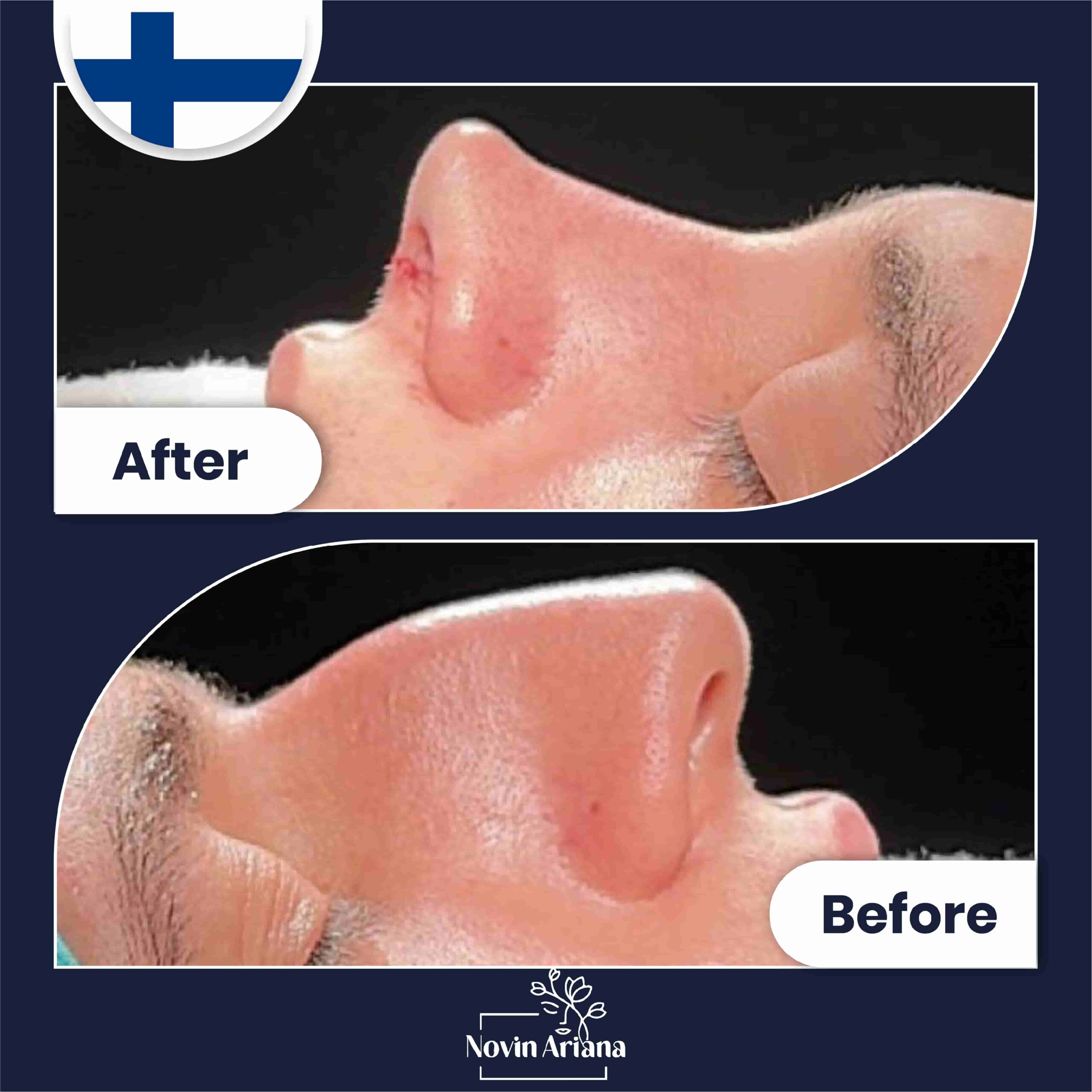
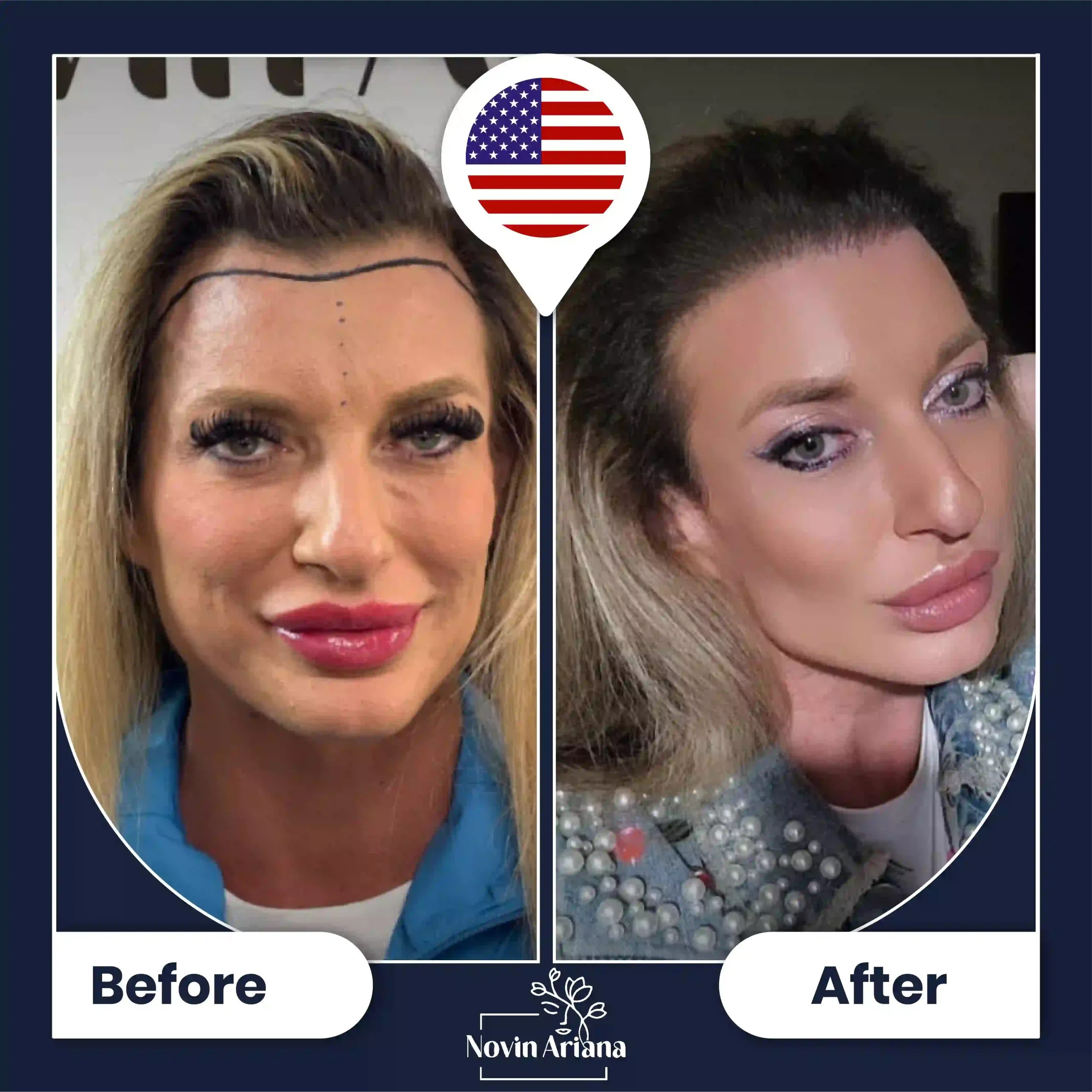
Facial procedures such as rhinoplasty, blepharoplasty, and face or neck lift surgery often require more caution with flying. Swelling, bruising, and pressure sensitivity can be more noticeable, and nasal surgery in particular may need additional healing time before air travel feels tolerable. Breast surgery and liposuction can make lifting, bending, and sitting for long periods uncomfortable. Compression garments, drains, or restricted mobility can turn a routine airport experience into a physically demanding one.
This is where personalized treatment planning matters. A board-certified specialist with experience treating international patients should tell you when you can fly, when you can sit for extended periods, and what support you will need during the trip. Reliable providers do not give one-size-fits-all advice because safe travel is part of safe surgery.
Questions that matter more than the calendar
Instead of asking only, “How many days after surgery can I travel?” ask whether your wounds are stable, whether drains or dressings need to be removed first, whether you are able to walk comfortably, and whether you can manage the trip without lifting or overexertion. Those practical details usually matter more than the date on your ticket.
Ready to change how you look and feel?
Get your consultation now — your new self is waiting.
Flying after surgery requires extra care
Flying is often the biggest concern for international patients. Airports involve walking, waiting, standing, sitting, lifting, and navigating crowded spaces while you may still be sore or fatigued. On a long-haul return trip, even small discomforts can become significant.
Hydration matters because dehydration can make recovery feel harder and may contribute to swelling and fatigue. Movement matters too. If your surgeon has cleared you to fly, short walks during the journey may be advised depending on the procedure. Clothing should be loose, soft, and easy to remove if you need to check a dressing or adjust a compression garment. If you have had facial surgery, expect swelling to be more visible during the first phase of recovery and plan your travel outfit around comfort rather than appearance.
Do not carry heavy bags yourself if you have had breast surgery, liposuction , abdominal procedures, or any operation that limits upper-body or core movement. Arrange assistance in advance. That simple choice can protect your results and make the trip far less stressful.
Ready to change how you look and feel?
Get your consultation now — your new self is waiting.
What to pack for the trip home
Your carry-on should contain more than your passport and charger. Keep your prescribed medications, surgeon’s instructions, gauze if needed, a clean change of comfortable clothing, and any approved recovery items close at hand. If your clinic has provided a medical summary or fit-to-fly note, keep that accessible as well.
Neck pillows, travel pillows, or special supports can help, but only if your surgeon approves them. After a hair transplant, for example, protecting the graft area is critical, and not every travel pillow is suitable. After rhinoplasty or a facelift, sleeping or resting in the wrong position can increase discomfort.
How to make the journey easier on your body
A smooth travel day starts before you leave the hotel. Give yourself extra time. Rushing through a terminal while recovering is not just unpleasant – it can also increase strain, swelling, and anxiety. Eat lightly if your surgeon recommends it, stay hydrated, and wear the garments or dressings exactly as instructed.
If possible, book more convenient routes rather than the cheapest ones. A direct flight may cost more, but it can reduce layovers, walking distance, and time spent sitting in uncomfortable airport chairs. For some patients, that trade-off is worth it. For others, staying an extra night near the clinic and flying later is the better decision.
Ask for wheelchair or airport assistance if there is any doubt about your stamina. Many patients hesitate because they associate assistance with severe illness, but after surgery it is simply a practical tool. Protecting your recovery is more important than appearing completely fine.
When you should delay travel
Sometimes the safest answer is to wait. If you have unusual swelling, active bleeding, fever, severe pain, shortness of breath, dizziness, or any concern about infection, travel should not go ahead until you have been assessed by your surgical team. Even if your ticket is booked and your schedule is tight, complications are much harder to manage in transit.
This is one of the strongest reasons to choose a provider that offers structured aftercare and responsive communication. A premium international patient experience should not end when the procedure is finished. It should include follow-up, clear discharge guidance, and ongoing support once you return home. Clinics that routinely care for medical travelers understand that travel planning is part of the treatment itself.
At Novin Ariana Health Clinic, that international patient pathway is designed to reduce exactly this kind of uncertainty, with coordinated support from consultation through aftercare.
Ready to change how you look and feel?
Get your consultation now — your new self is waiting.
Recovery does not end when you land
Getting home is not the finish line. Many patients feel relieved once they are back in familiar surroundings, but this is also when they can become less careful. Continue your medications exactly as prescribed, follow sleep-position instructions, attend remote follow-up if offered, and send progress photos if your clinic requests them.
You should also know what is normal for your procedure and what is not. Bruising, tightness, mild drainage, and swelling may be expected. Rapidly worsening pain, asymmetry that suddenly increases, wound separation, or signs of infection need attention. Good clinics prepare patients for that distinction before they travel.
The best travel plans protect both your comfort and your outcome. That may mean staying longer than you hoped, booking extra assistance, or choosing a clinic that offers multilingual coordination, premium accommodations, and experienced surgical oversight for international patients. Those details are not luxury extras when you are recovering. They are part of doing the process safely.
If you are planning cosmetic treatment abroad, think of travel as part of your medical care, not a separate errand. The smoother the journey, the easier it is to focus on healing well and enjoying the result you came for.
Frequently Asked Questions
Our representatives for all countries are 24/7 available to support you at any time
It depends on the procedure you had. Some patients can travel within a few days, while others should wait several weeks. Your surgeon will tell you when it's safe based on your recovery.
Yes, but only after your surgeon gives you approval. Flying too soon may increase swelling and the risk of blood clots, especially after major surgery.
Walking every hour or so helps improve blood circulation and lowers the risk of developing blood clots in your legs.
If your surgeon recommends them, yes. Compression garments can help reduce swelling, improve comfort, and support healing.
It's better to avoid lifting heavy bags, especially after procedures involving the abdomen, breasts, or face. Ask someone to help if possible.
Bring your medications, compression garments, extra dressings, comfortable clothing, medical documents, and your surgeon's contact details.
If you develop severe pain, heavy bleeding, fever, chest pain, difficulty breathing, or unusual swelling, seek medical attention immediately.
You should avoid driving until you're no longer taking prescription pain medication and can move comfortably without pain.
Drink plenty of water, wear loose clothing, avoid salty foods, wear compression garments if advised, and move around regularly.
Yes, if you pick a reputable surgeon and an accredited clinic. Your treatment plan should include follow-up care and adequate time to recover before you travel home.
“Yes.” For added peace of mind, consider travel insurance that covers medical complications, especially if you're traveling abroad for surgery.
It's best to travel with a friend or family member, especially after major procedures. Having someone to assist you can make the journey safer and more comfortable.
No. Airport security scanners generally won't harm your surgical results, but you should avoid carrying heavy bags through the airport.
You're usually ready when your surgeon confirms you're healing well, your pain is under control, and you can move around comfortably without complications.