

 Summarize this article with:





Hair Transplant Trends 2026 to Watch
Written by Novin Ariana
The biggest shift in hair transplant trends 2026 is not just better graft placement. It is better decision-making before the first graft is ever extracted. Patients are asking sharper questions, comparing clinics more carefully, and choosing providers that can deliver natural results, transparent planning, and a smooth international treatment journey from arrival to aftercare.
For many people considering treatment abroad, that change matters as much as the procedure itself. A hair transplant is no longer seen as a one-day fix. It is a long-term aesthetic investment, and in 2026 the strongest clinics are responding with more precise consultations, more personalized design, and a much higher standard of comfort for international patients.
What You Read
Hair transplant trends 2026 are moving toward precision
A few years ago, many clinics competed by talking mainly about graft numbers. That approach is losing ground. Patients now understand that a high graft count does not automatically create a better hairline. In fact, overharvesting, poor angle control, or an aggressive front design can create problems that are hard to correct later.
The smarter trend is precision. That means closer analysis of donor capacity, hair caliber, scalp characteristics, facial proportions, and future hair loss patterns before treatment begins. It also means designing a result that looks believable at every stage of life, not just impressive in a before-and-after photo taken under ideal lighting.
This is one reason advanced consultation tools are getting more attention. 3D hair analysis and detailed scalp evaluation help create more realistic treatment plans, especially for patients who want density without compromising the donor area. For international patients flying to Turkey, that extra planning brings reassurance. It reduces guesswork and makes the treatment feel more medical, more tailored, and more trustworthy.
Ready to change how you look and feel?
Get your consultation now — your new self is waiting.
The rise of natural-looking hairlines over dramatic density
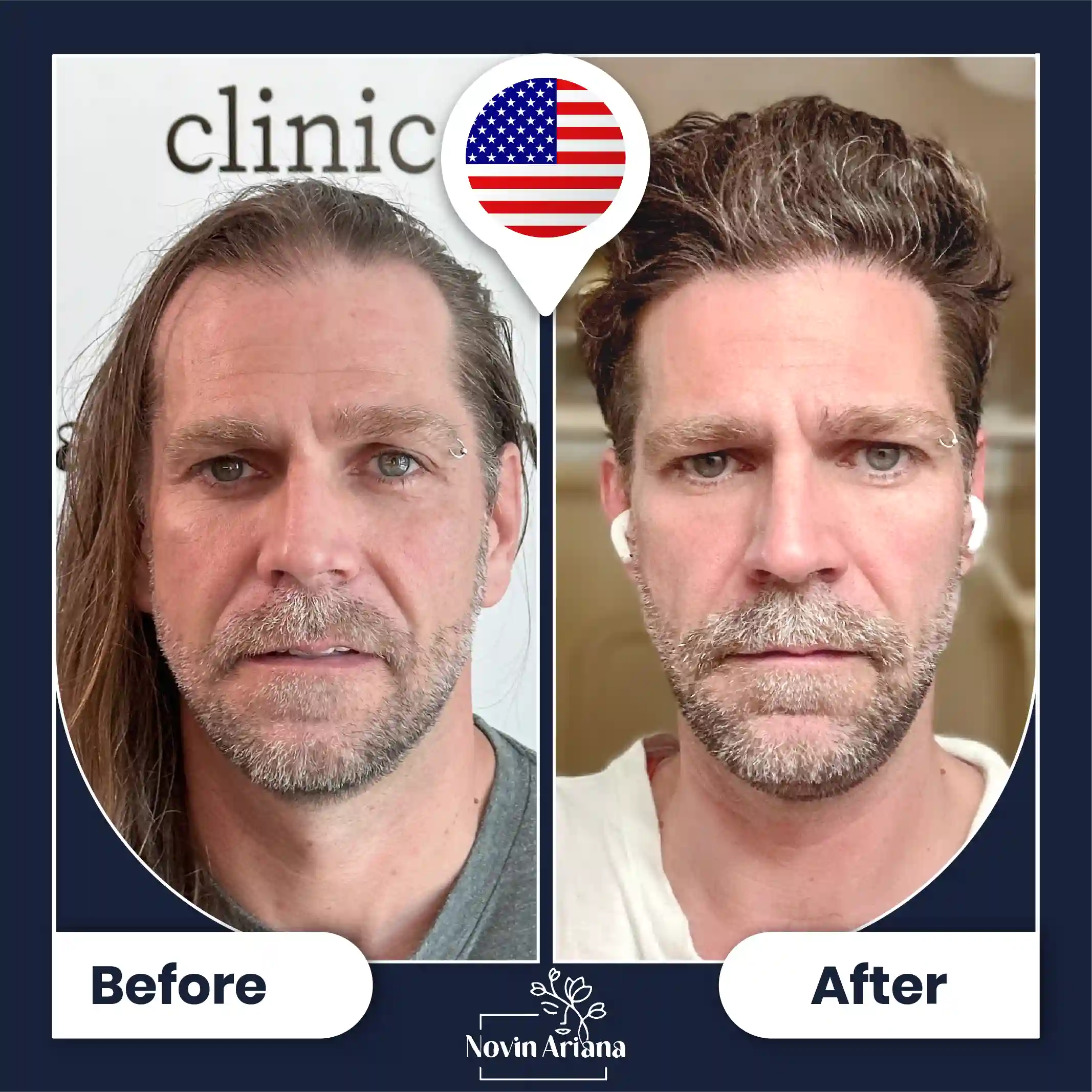
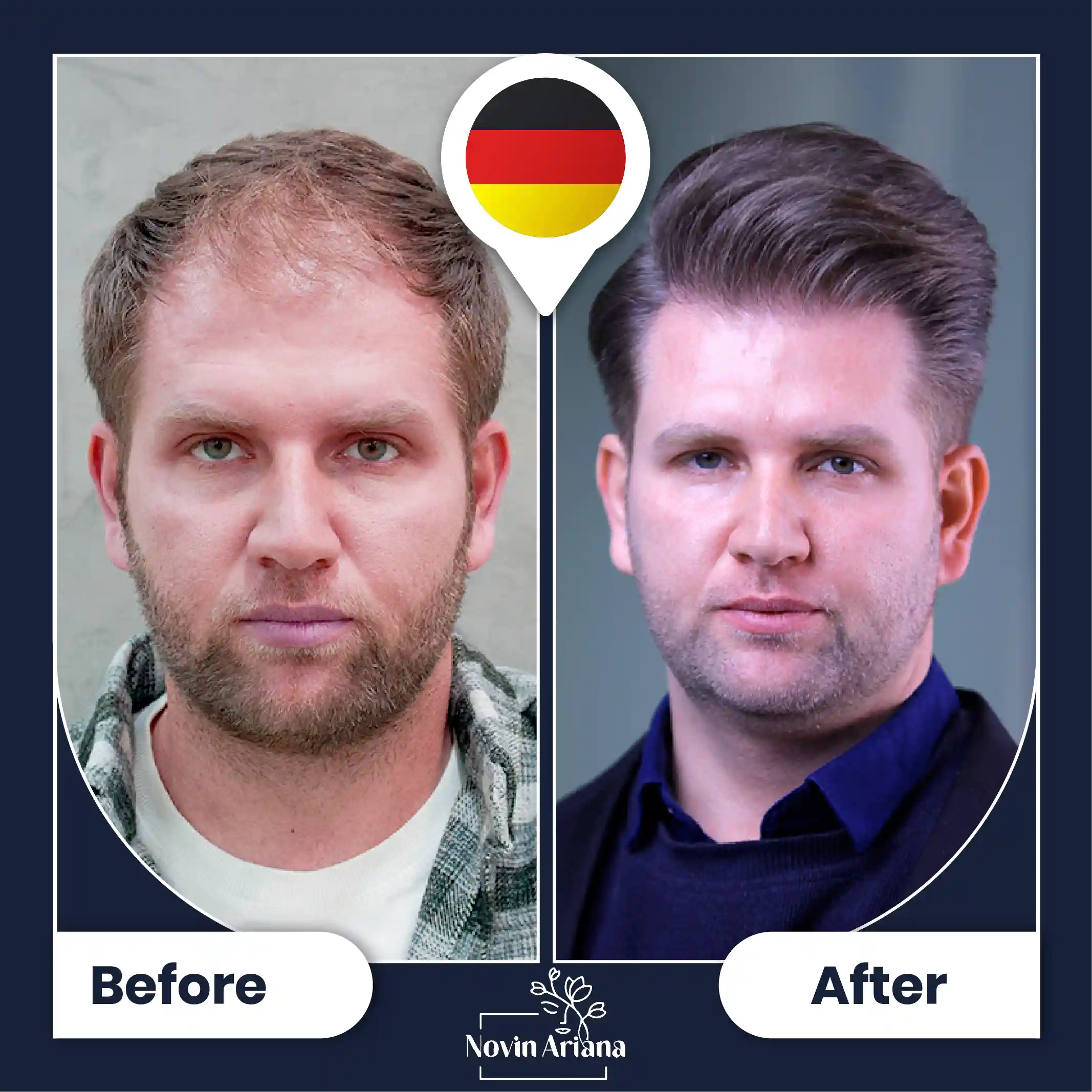
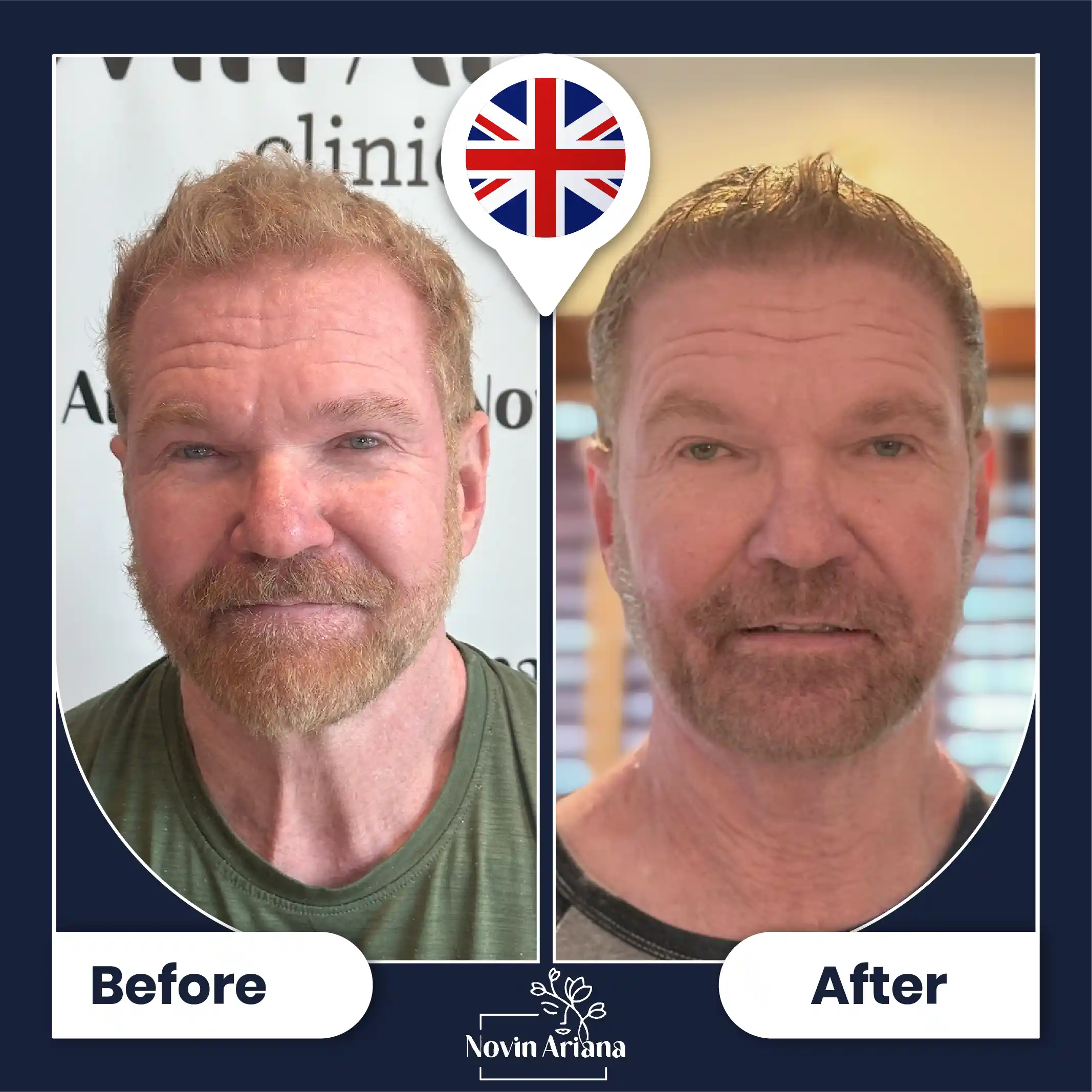
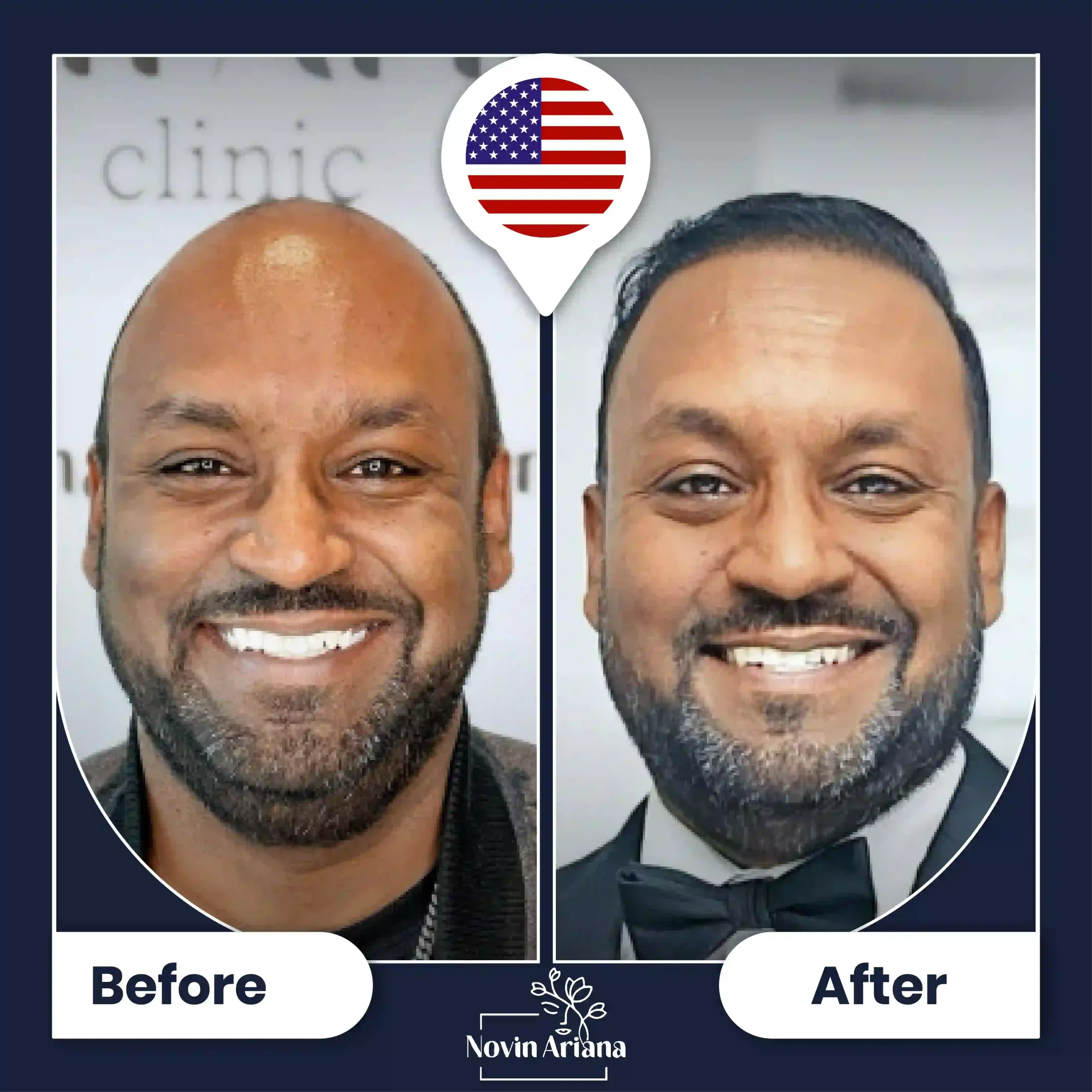
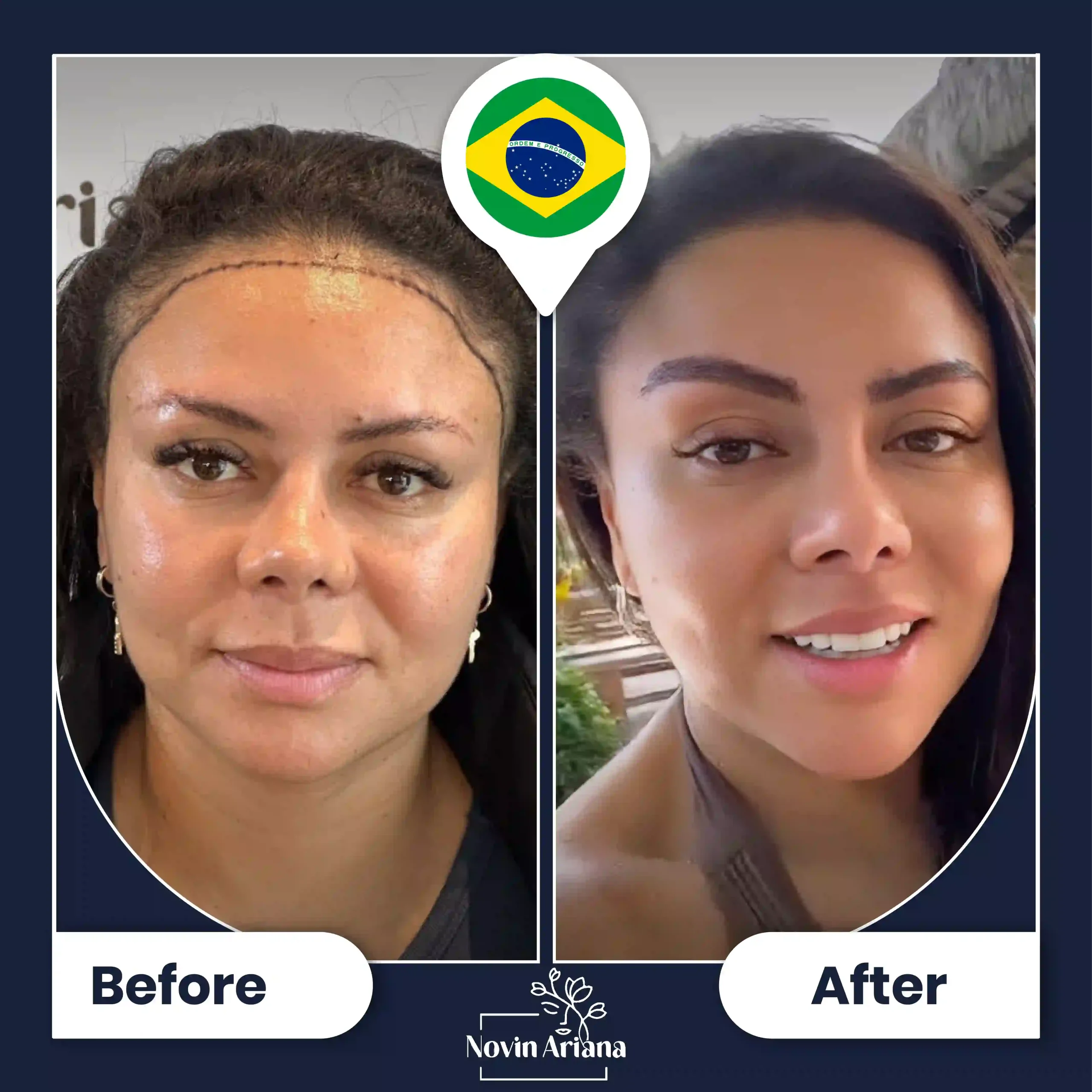
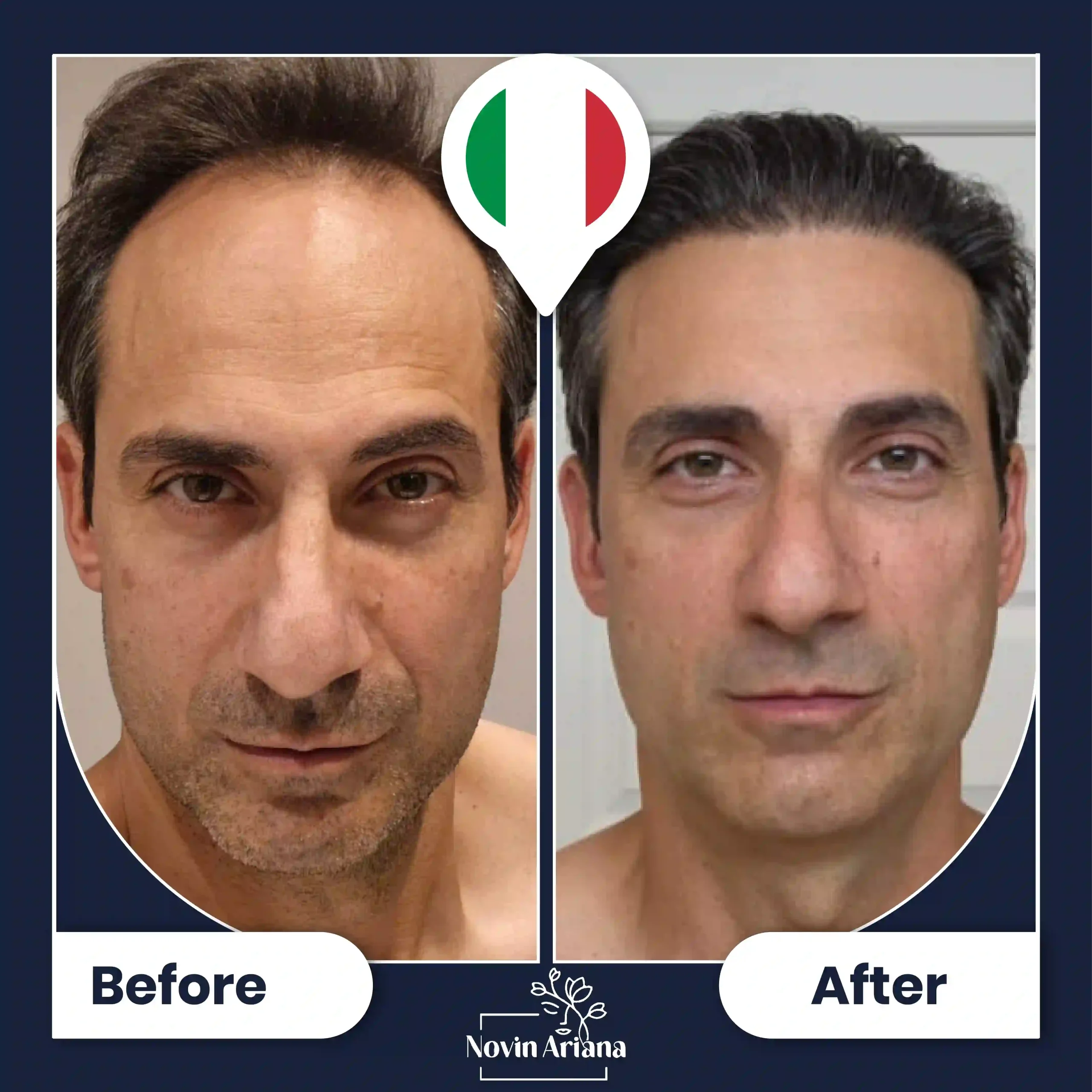
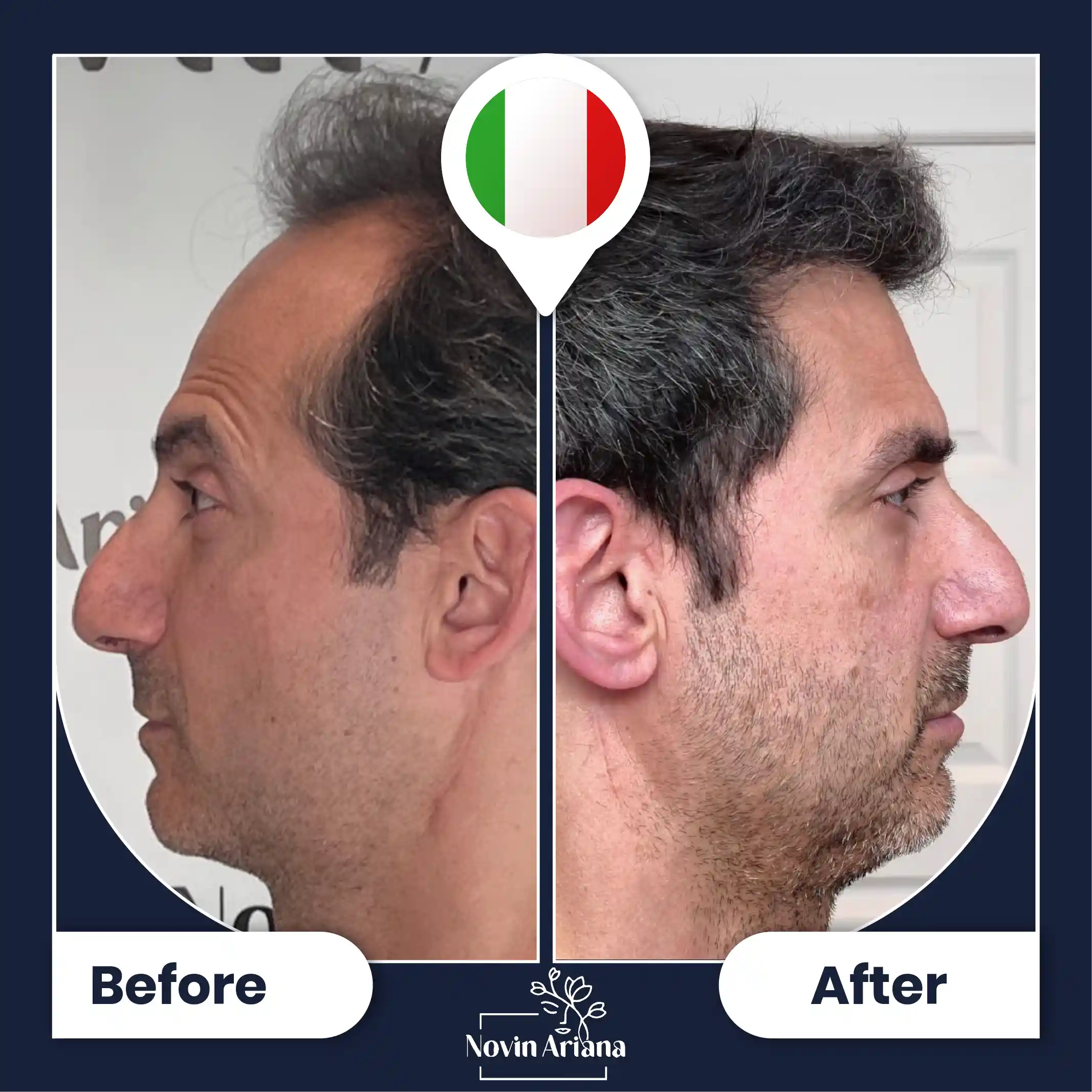
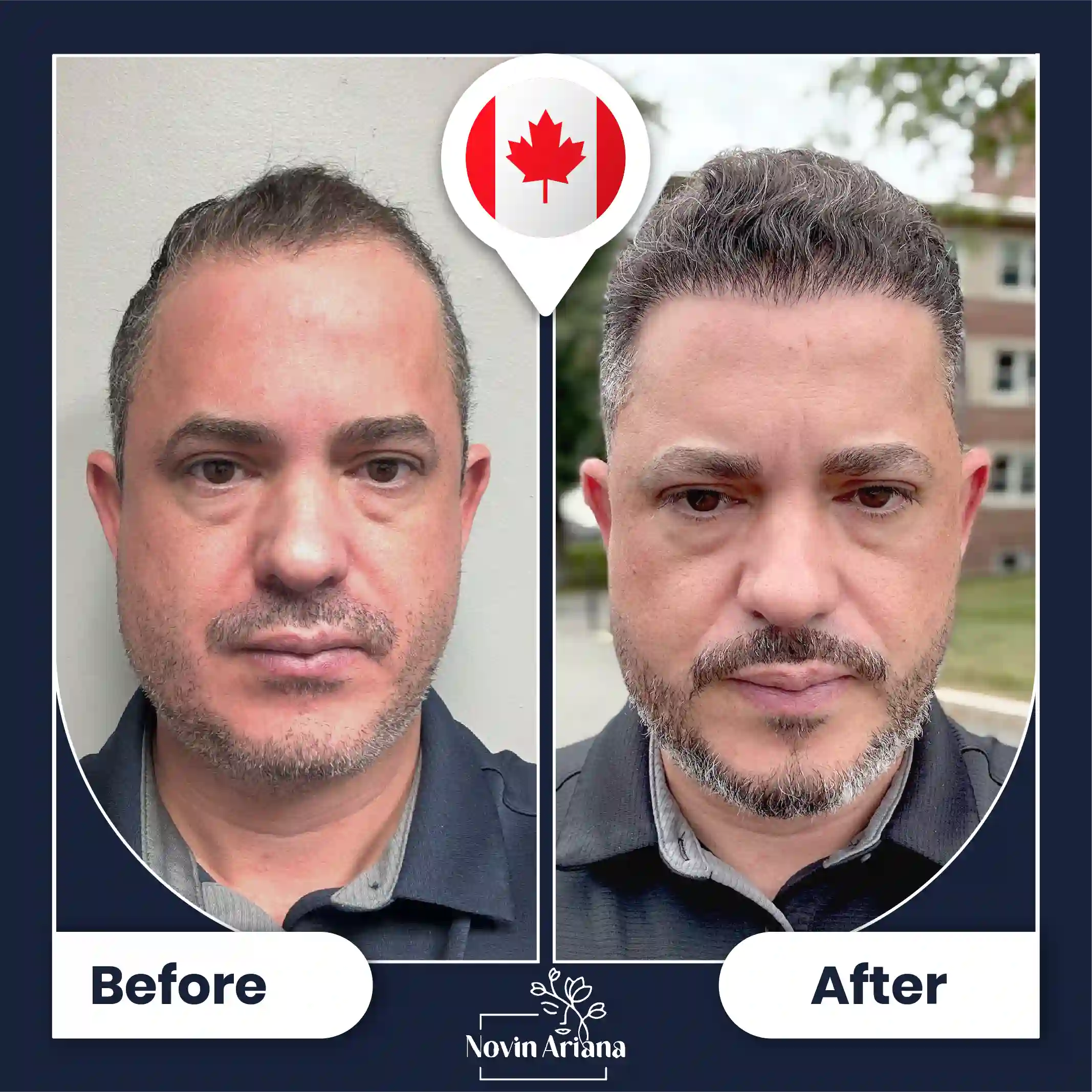
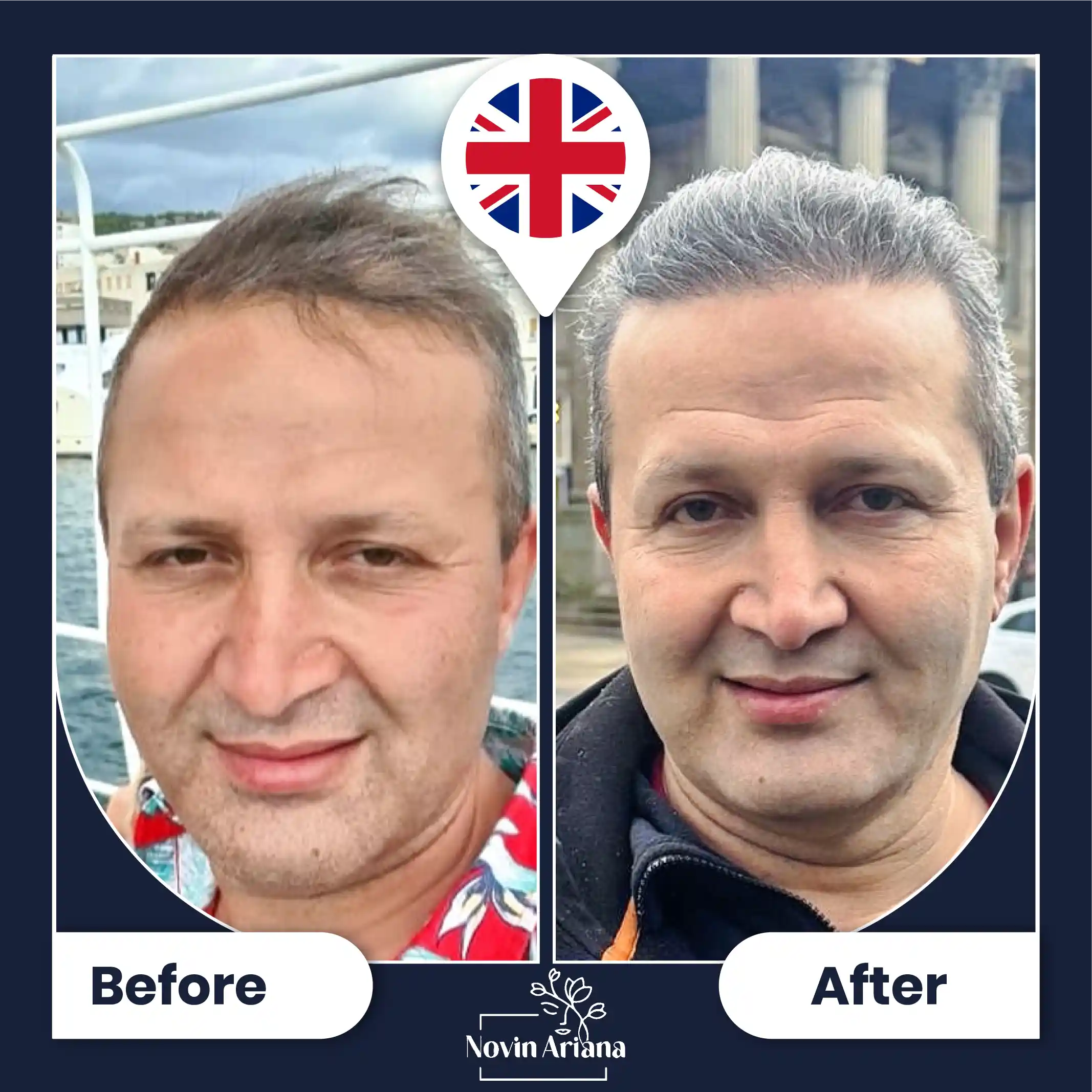
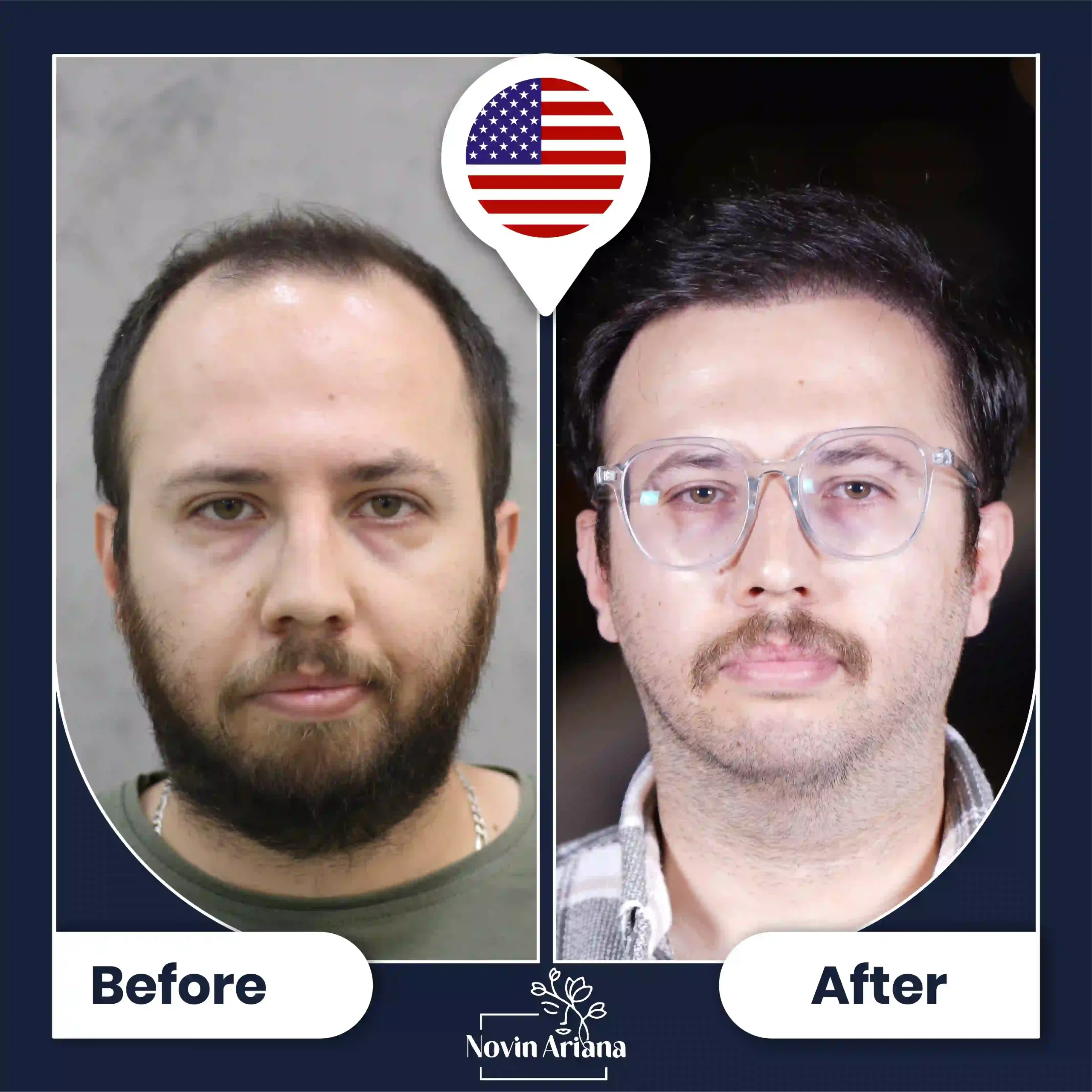
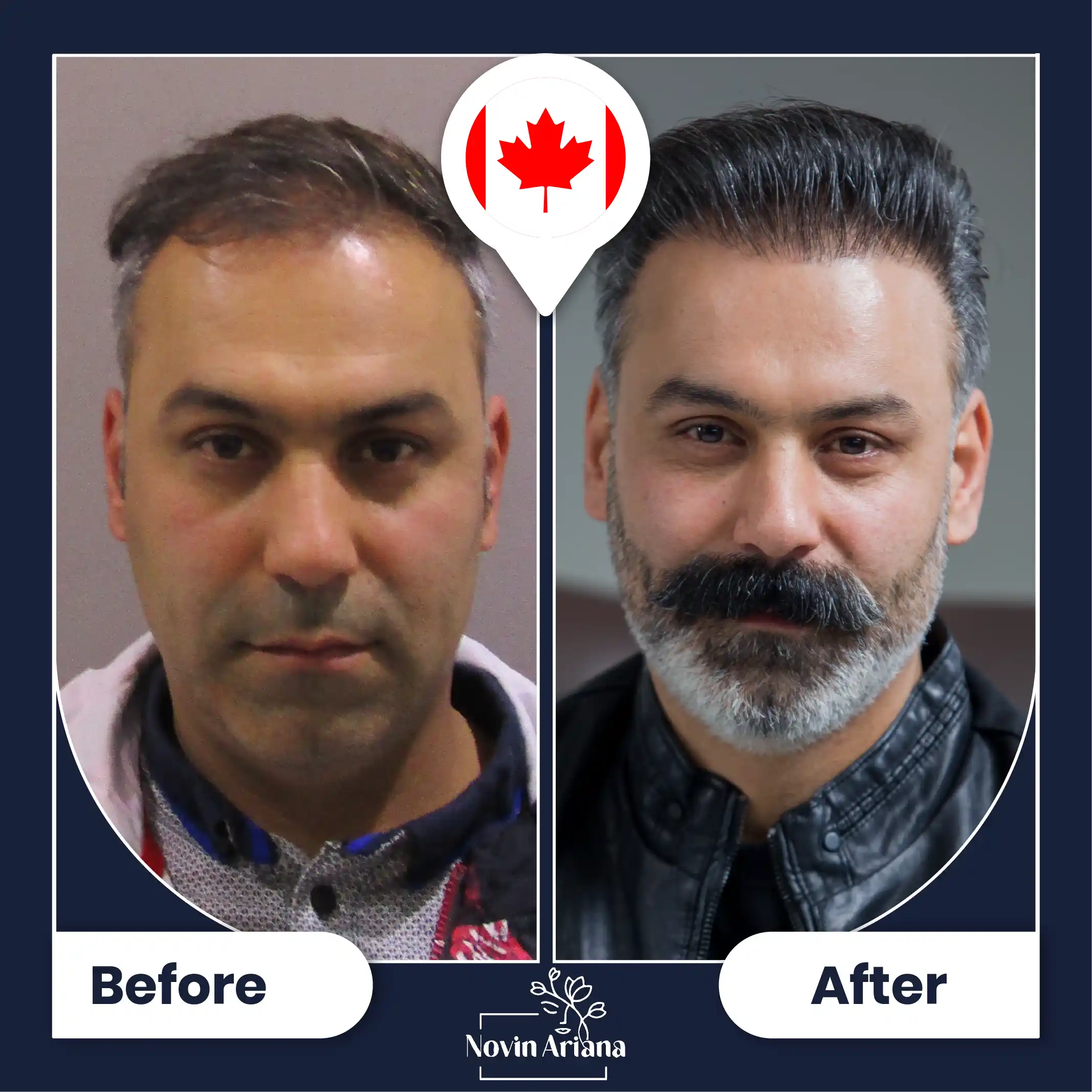
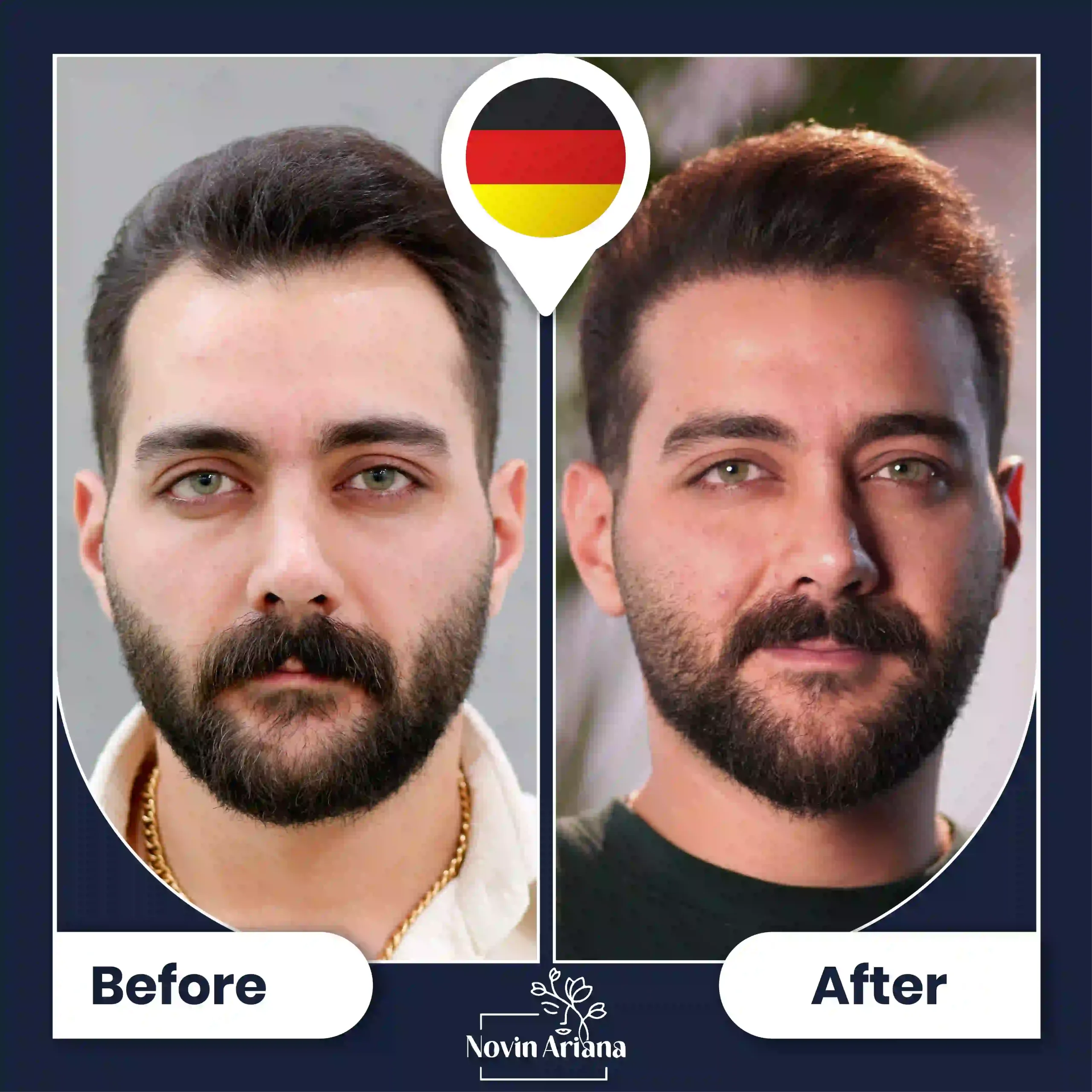
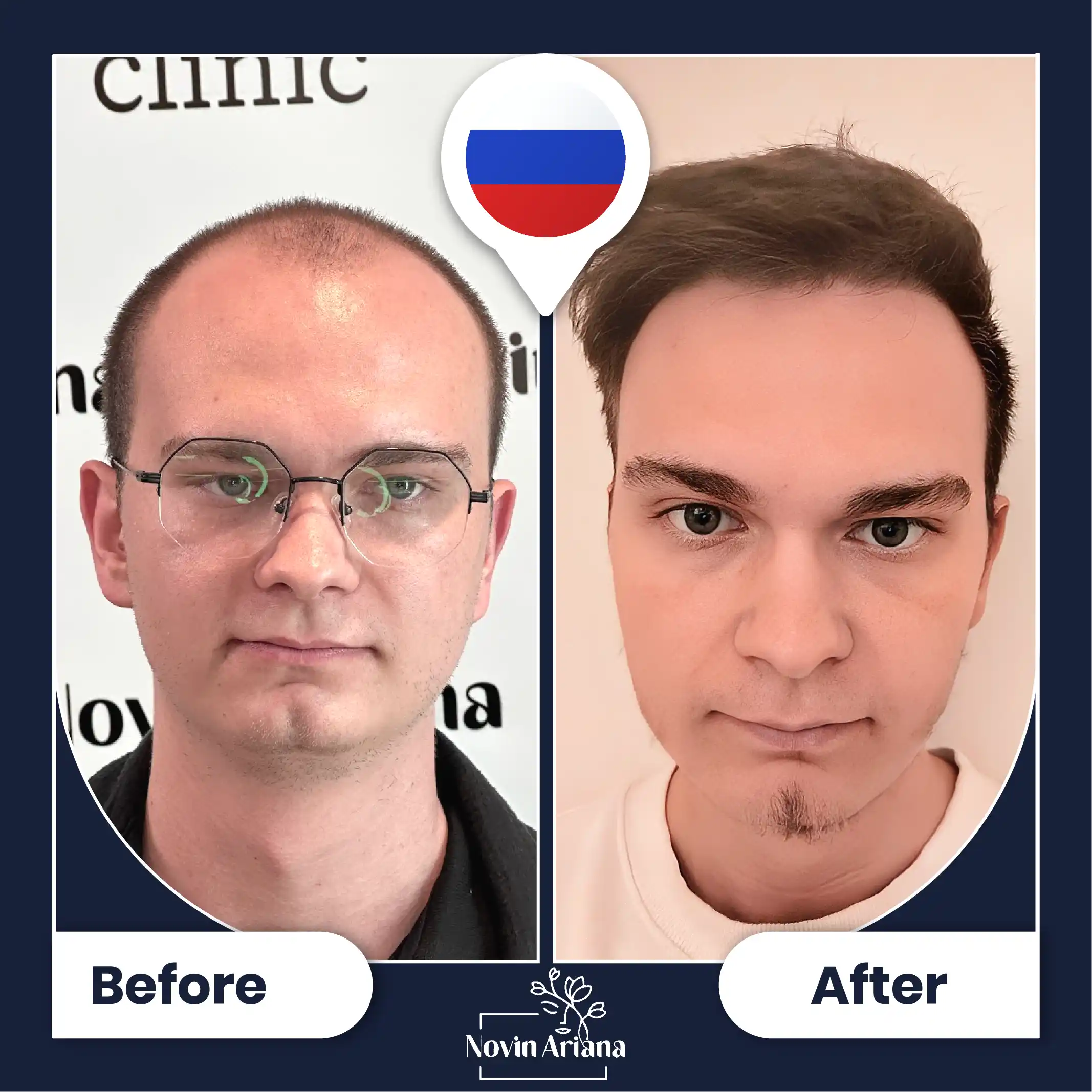
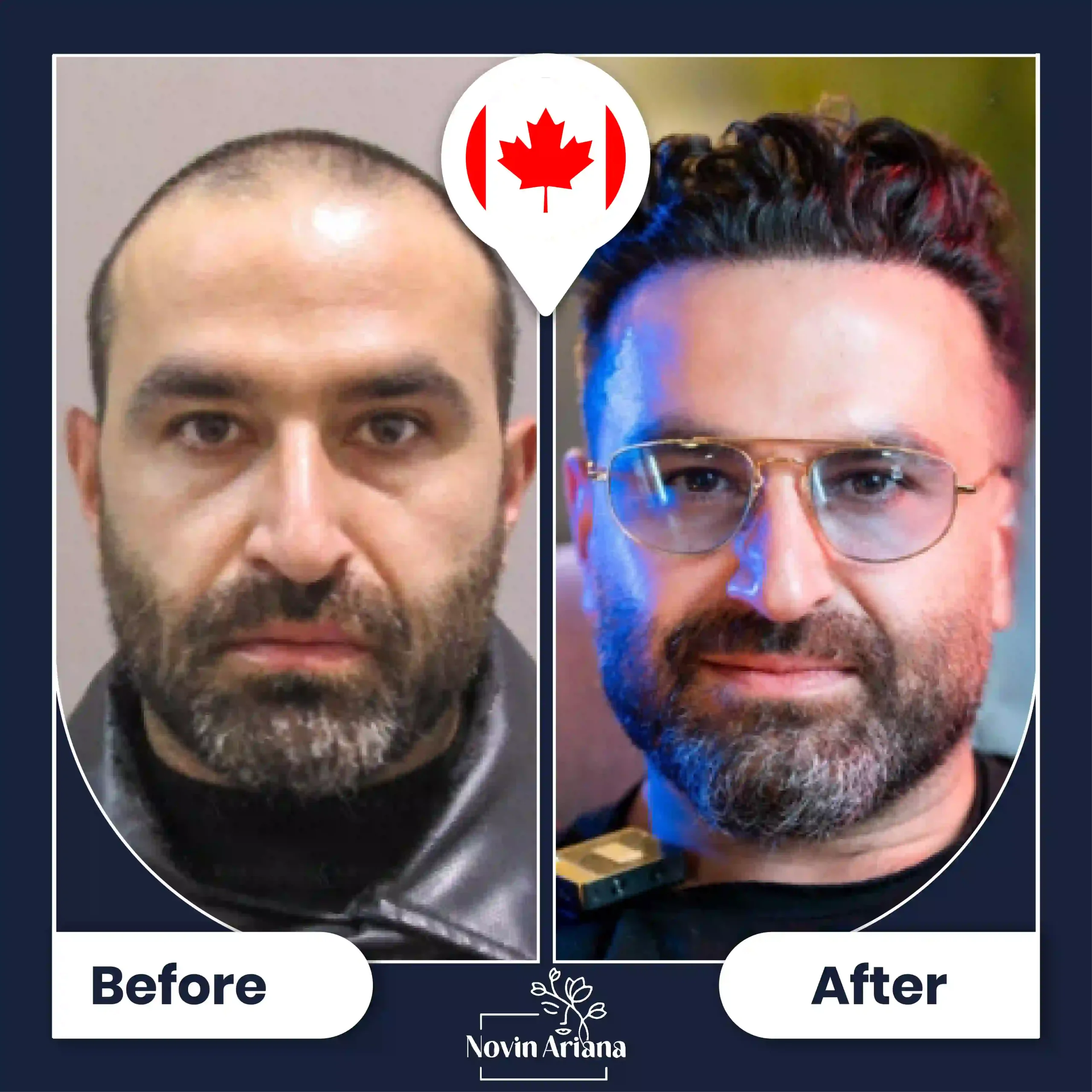
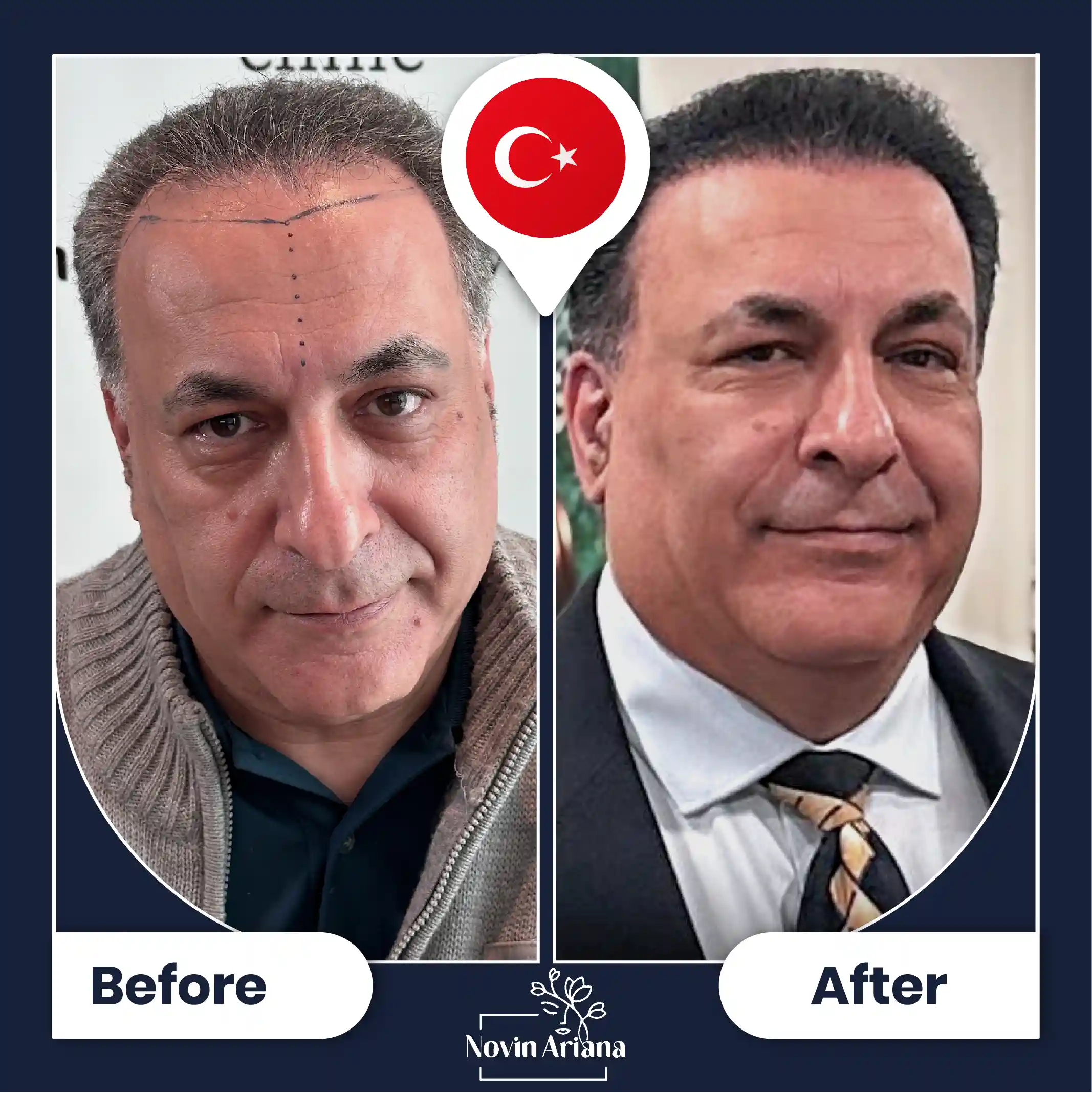
One of the clearest hair transplant trends 2026 is a move away from harsh, overly straight hairlines. Patients still want strong coverage, but they also want people to say, “You look great,” not, “You had a transplant.”
That difference comes down to artistry as much as technique. A natural-looking result depends on irregular hairline design, correct graft distribution, and age-appropriate framing of the face. A 28-year-old patient and a 48-year-old patient should not receive the same template. The best outcomes now come from customized planning that respects ethnicity, facial structure, and likely future recession.
This trend is especially relevant for professionals, public-facing individuals, and patients who want subtle enhancement rather than an obvious cosmetic change. Naturalness has become a premium feature. It signals experience, restraint, and confidence in the surgical team.
DHI and Sapphire FUE remain strong, but expectations are higher
DHI and Sapphire FUE are still leading choices in 2026, but patients are evaluating them more critically. The question is no longer which method sounds more advanced on paper. The real question is which method is right for the patient’s pattern of loss, hair characteristics, and styling goals.
DHI continues to appeal to patients who want controlled implantation and refined placement, particularly in hairline work or cases where dense packing in selected zones matters. Sapphire FUE remains popular for efficient channel creation, clean incisions, and broad area coverage. Both can produce excellent results when used correctly.
What has changed is the level of personalization patients expect. They are less impressed by generic promises and more focused on whether the clinic can explain why a specific method fits their case. That is a healthy shift. It pushes the conversation away from marketing language and toward surgical judgment.
Ready to change how you look and feel?
Get your consultation now — your new self is waiting.
Comfort and recovery are becoming part of the treatment standard
Aesthetic results still lead the decision, but comfort now plays a much bigger role. Patients traveling from the US, Canada, Europe, or the Gulf want more than a technically successful procedure. They want an experience that feels organized, supported, and calm from pickup to follow-up.
That is why soft anesthesia, improved pain management, shorter visible downtime, and more structured post-op protocols are gaining attention. Recovery support is becoming a major trust signal. Patients want clear washing instructions, direct communication after surgery, and realistic guidance on shedding, growth phases, and expected timelines.
For medical tourism providers, this trend goes beyond hospitality. It is part of the medical value. A patient who feels informed and looked after is more likely to follow aftercare correctly, less likely to panic during normal recovery stages, and more likely to stay satisfied during the months before final growth appears.
Women’s hair restoration is gaining visibility
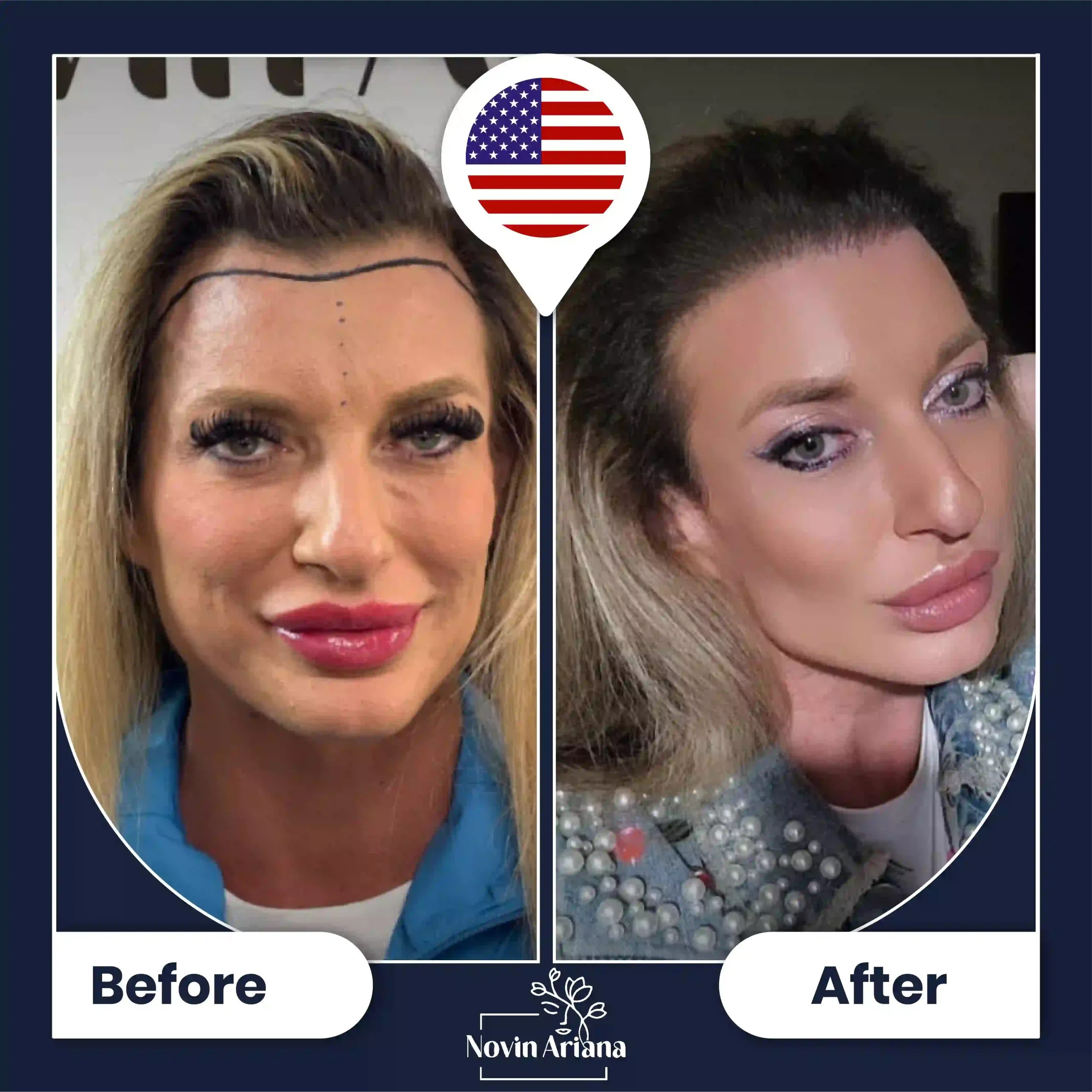
Another important development in hair transplant trends 2026 is the growing visibility of female patients. Women are no longer treated as a niche category in hair restoration. Clinics are seeing stronger demand for female hairline lowering, temple restoration, eyebrow transplantation, and targeted treatment for pattern thinning.
This requires a different consultation style and a different surgical mindset. Female cases often involve diffuse thinning, unique donor considerations, and styling concerns that demand careful planning. Privacy, shaving options, and aesthetic subtlety also matter more in many women’s cases.
Clinics that understand these differences are in a better position to serve an expanding international audience. Women researching treatment abroad are often highly detail-oriented and comparison-driven. They want medical credibility, but they also want discretion, personalized support, and results that fit naturally into their everyday appearance.

Beard and eyebrow transplants are becoming more refined
Hair restoration in 2026 is not limited to the scalp. Beard and eyebrow transplantation continue to grow, but here too the market is maturing. Patients are no longer just looking for “more hair.” They want shape, texture alignment, and refined facial balance.
Eyebrow transplants, in particular, demand precision because every angle is visible. Beard procedures require a strong sense of facial symmetry and growth direction. These treatments appeal to patients who value detail and often want a complete image upgrade while already traveling for elective care.
For clinics offering multiple aesthetic services, this creates a natural advantage. Patients who are already comfortable traveling for cosmetic treatment often prefer providers that can coordinate a broader transformation with the same high-touch support system.
Medical tourism is becoming more premium, not just more affordable
Turkey remains one of the strongest destinations for hair transplantation, but the competition is changing. Price still matters, especially for patients comparing costs against the US or UK. At the same time, the market is moving beyond bargain hunting.
In 2026, many international patients are choosing based on package quality, communication standards, surgeon involvement, accommodation level, airport assistance, VIP transfers, and year-long follow-up. They want value, but they do not want to feel processed.
That is where premium, package-based care stands out. A clinic that combines specialist treatment with concierge-style coordination answers a real need for overseas patients. It removes friction at every step. For someone booking surgery in another country, that convenience is not a luxury extra. It is part of feeling safe enough to move forward.
At Novin Ariana Health Clinic, this is exactly where the patient journey becomes part of the result. The procedure matters, of course, but so do the hotel stay, the multilingual support, the transfer schedule, the consultation clarity, and the follow-up structure after returning home.
Ready to change how you look and feel?
Get your consultation now — your new self is waiting.
Patients want proof, not hype
One final shift defines hair transplant trends 2026 more than any buzzword. Patients are harder to impress and easier to lose. They check reviews, compare photos, ask who performs each part of the procedure, and look closely at whether the promised result matches the clinic’s actual style.
That is good for serious providers. It rewards clinics that can show consistency, explain their process clearly, and set realistic expectations. It also protects patients from making decisions based only on discounts or flashy social media clips.
The best clinics in 2026 will not be the ones making the biggest promises. They will be the ones building confidence through precision, comfort, transparency, and results that still look right years later.
If you are considering treatment abroad, the smartest next step is not chasing the newest label. It is finding a clinic that understands where hair restoration is heading and has the experience to make those trends work for your individual case.