

 Summarize this article with:





how many grafts do I need for a hair transplant?
Written by Novin Ariana
If you are asking how many grafts do I need, you are probably already past the casual research stage. You have noticed thinning at the temples, a widening crown, or a receding hairline that changes how you style your hair, how you look in photos, and sometimes how confident you feel in meetings, on dates, or under bright light. The good news is that graft planning is not guesswork. A proper assessment can estimate what you need with surprising accuracy.
The first thing to know is that there is no universal graft number for “hair loss.” Two people with what looks like similar thinning can need very different transplant plans. Hair caliber, donor strength, scalp contrast, curl pattern, and the kind of result you want all matter. A natural-looking outcome is not just about placing as many grafts as possible. It is about placing the right number in the right zones, with the right design.
What You Read
How many grafts do I need based on hair loss?
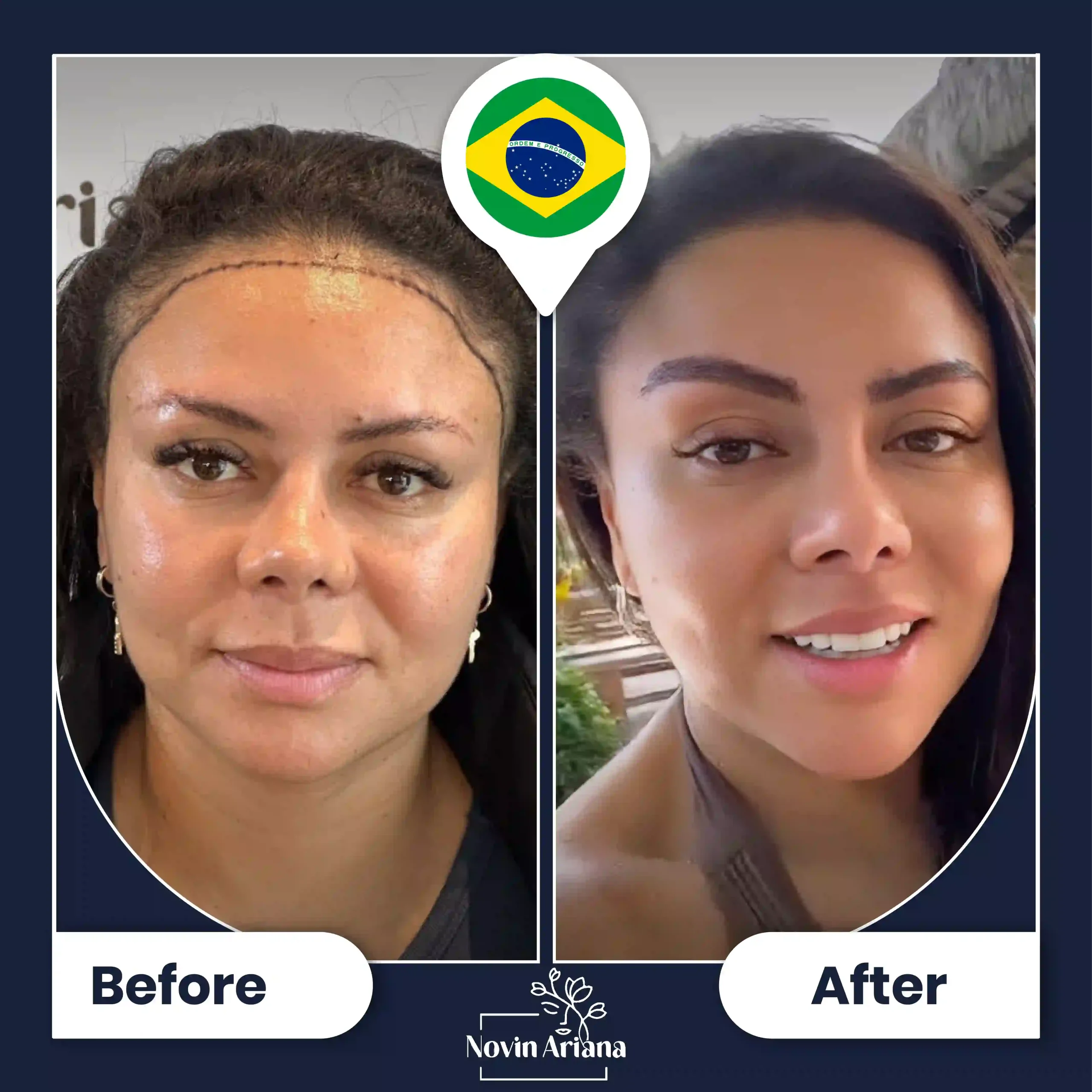
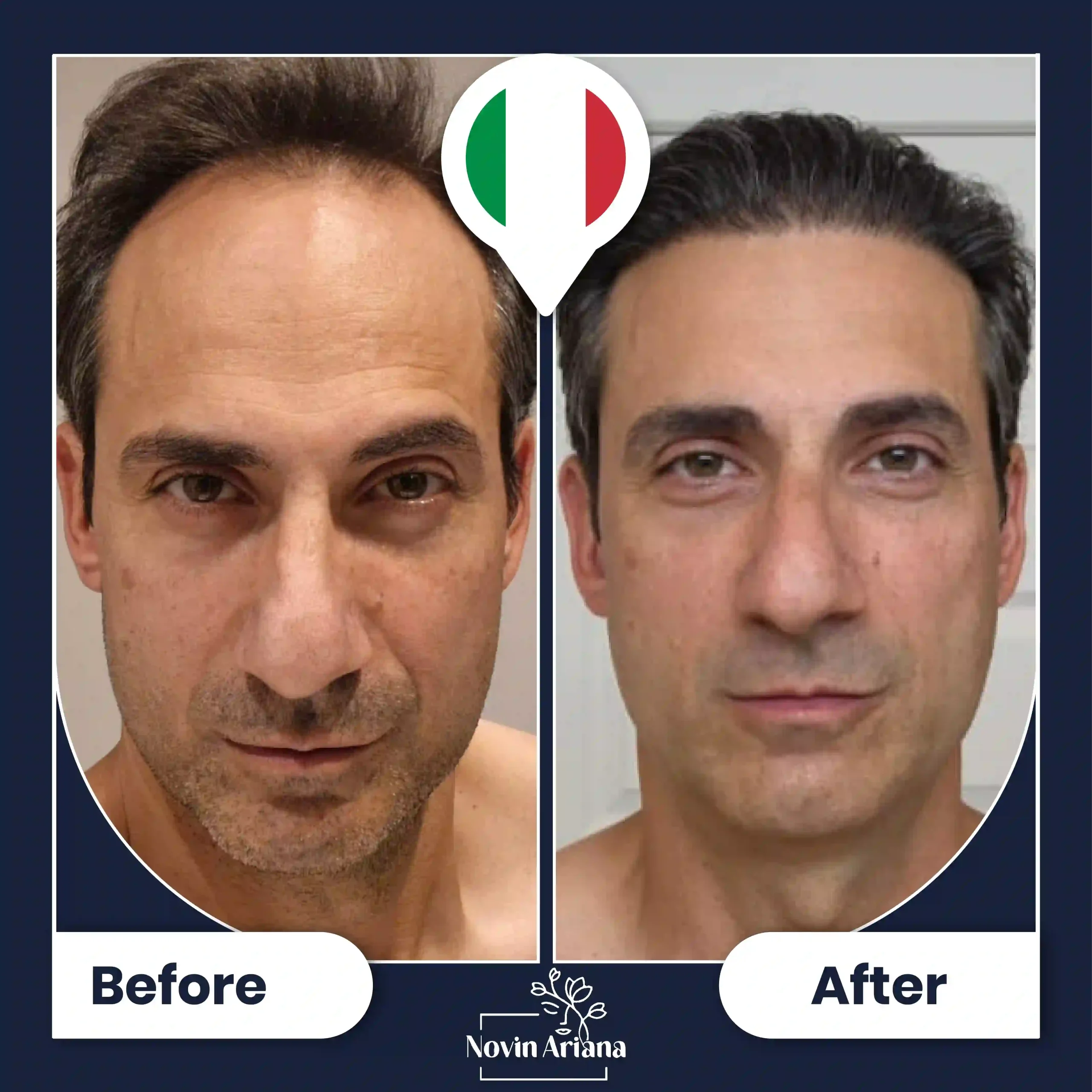
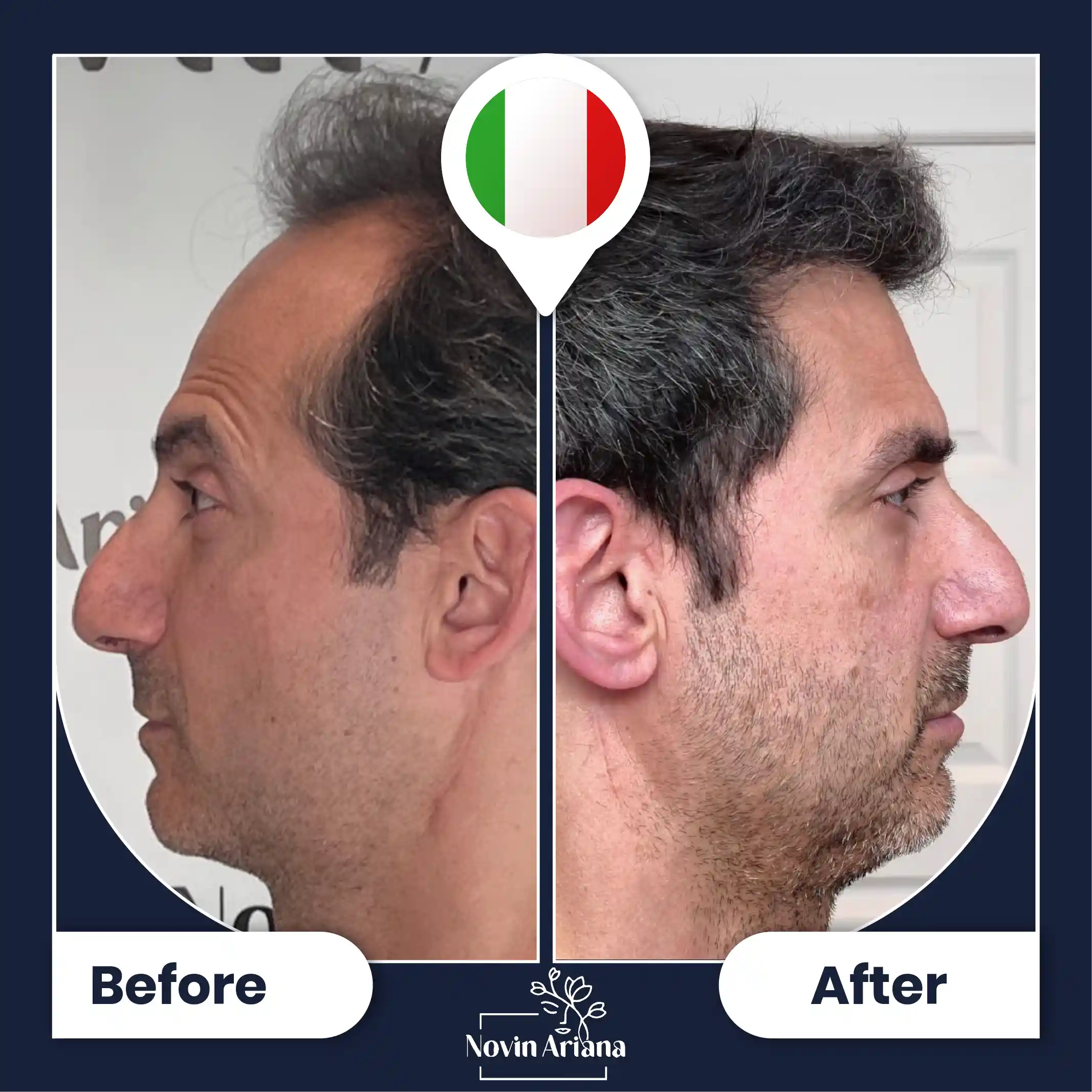
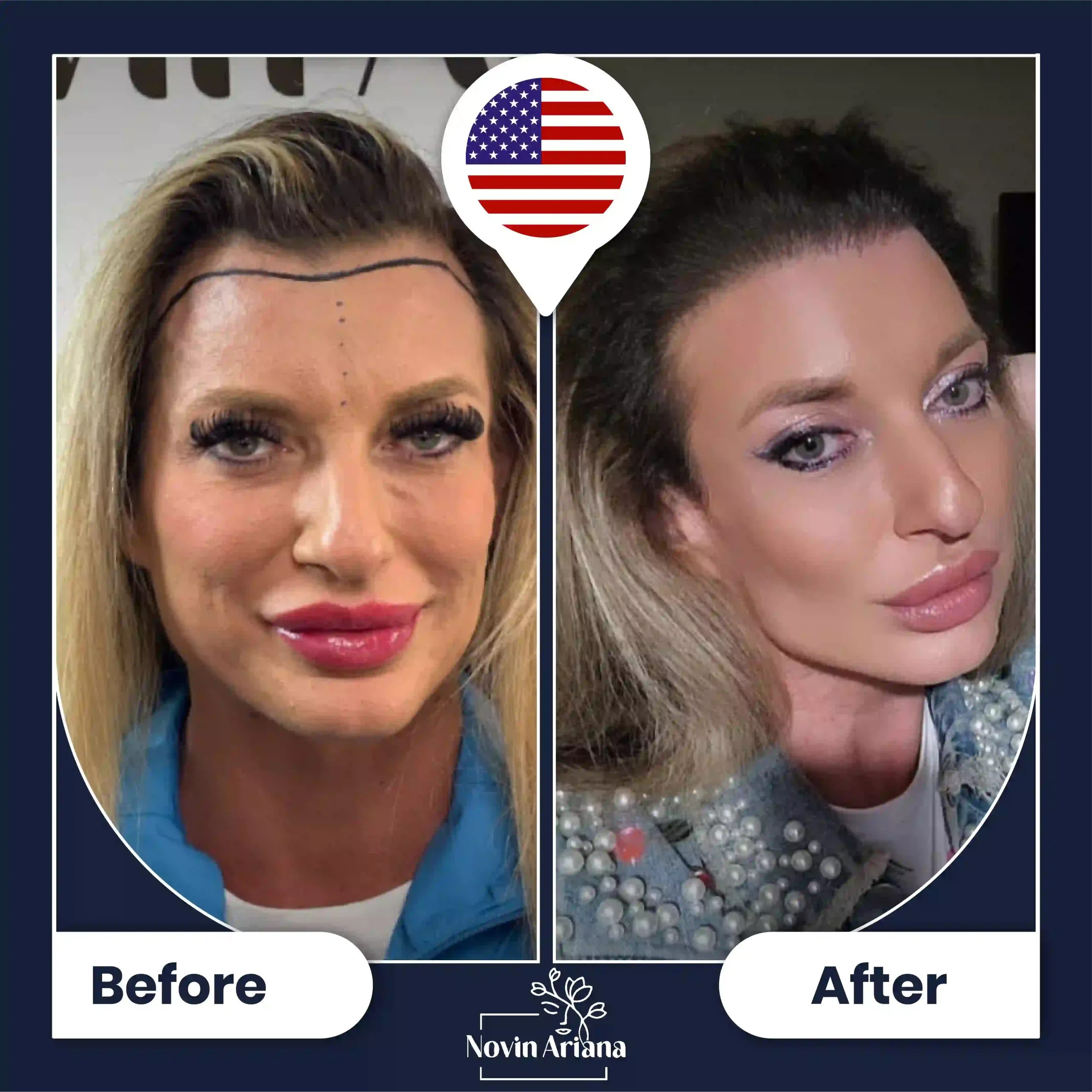
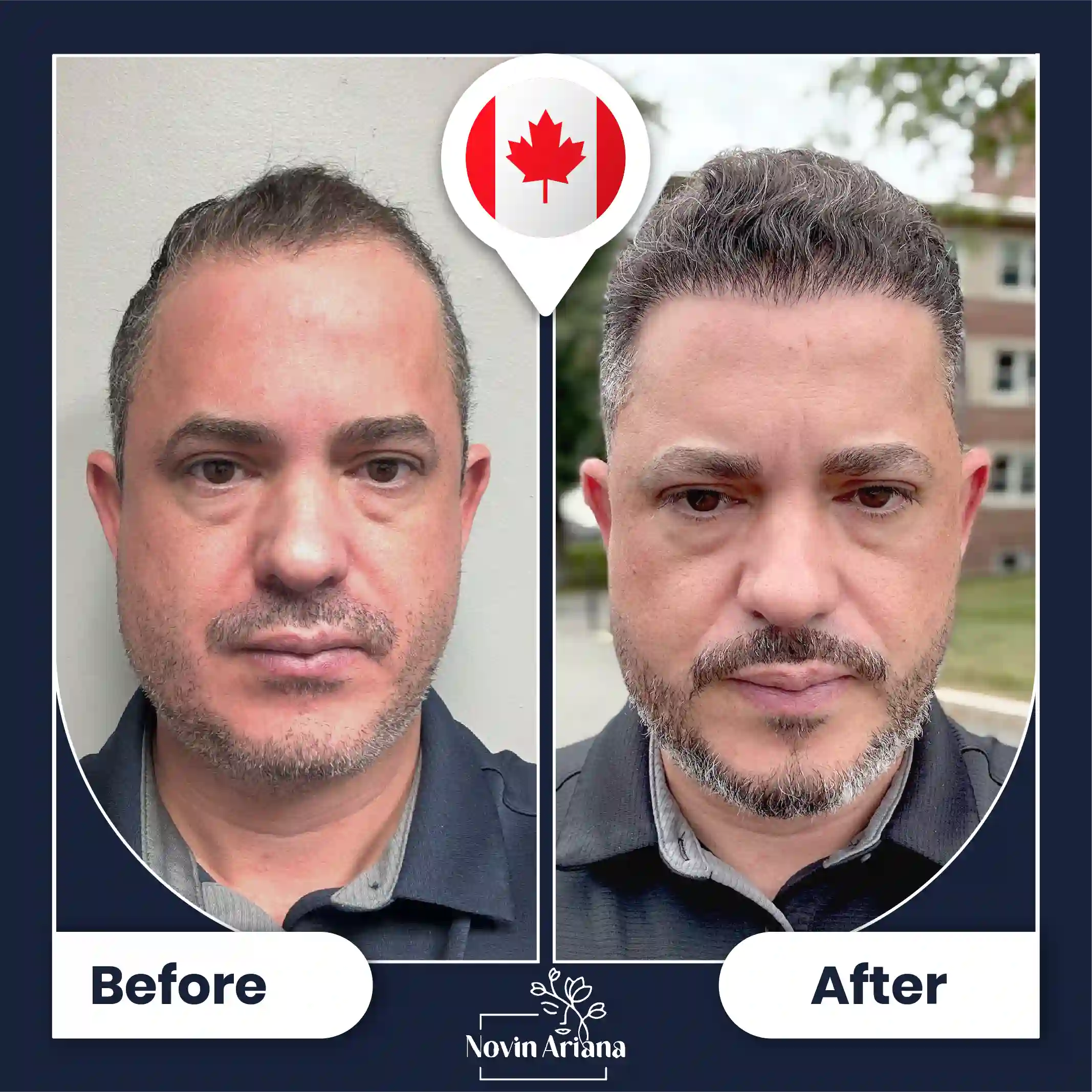
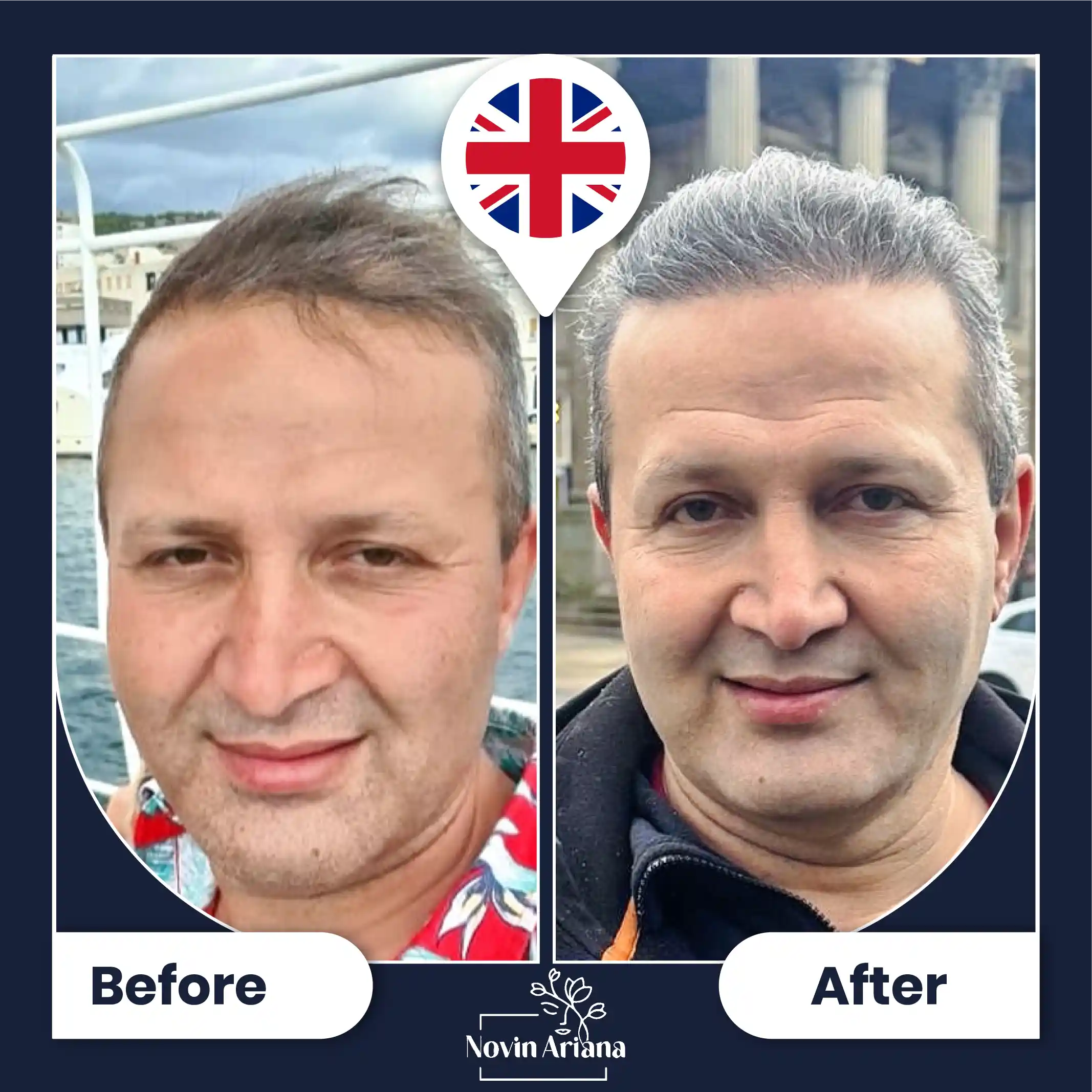
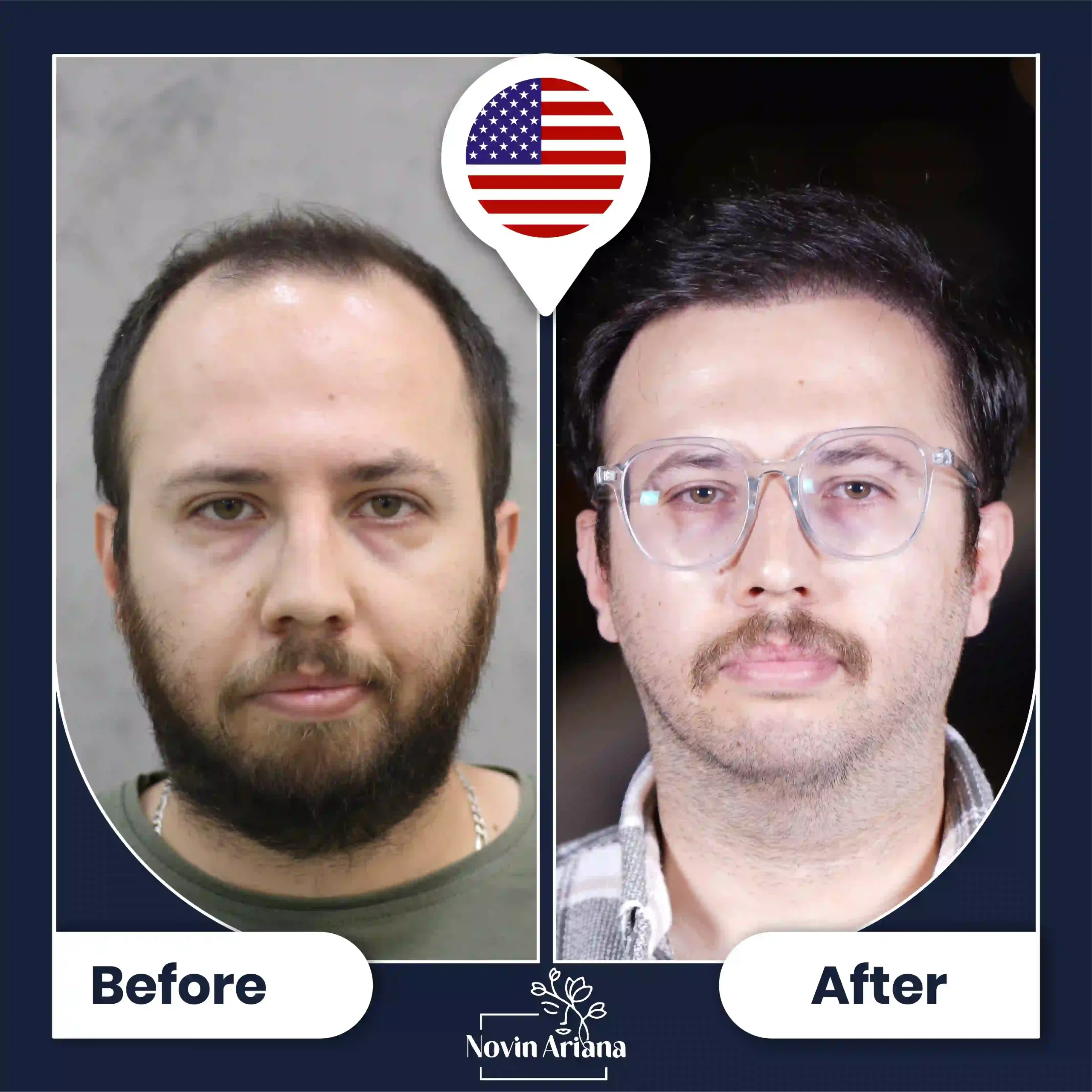
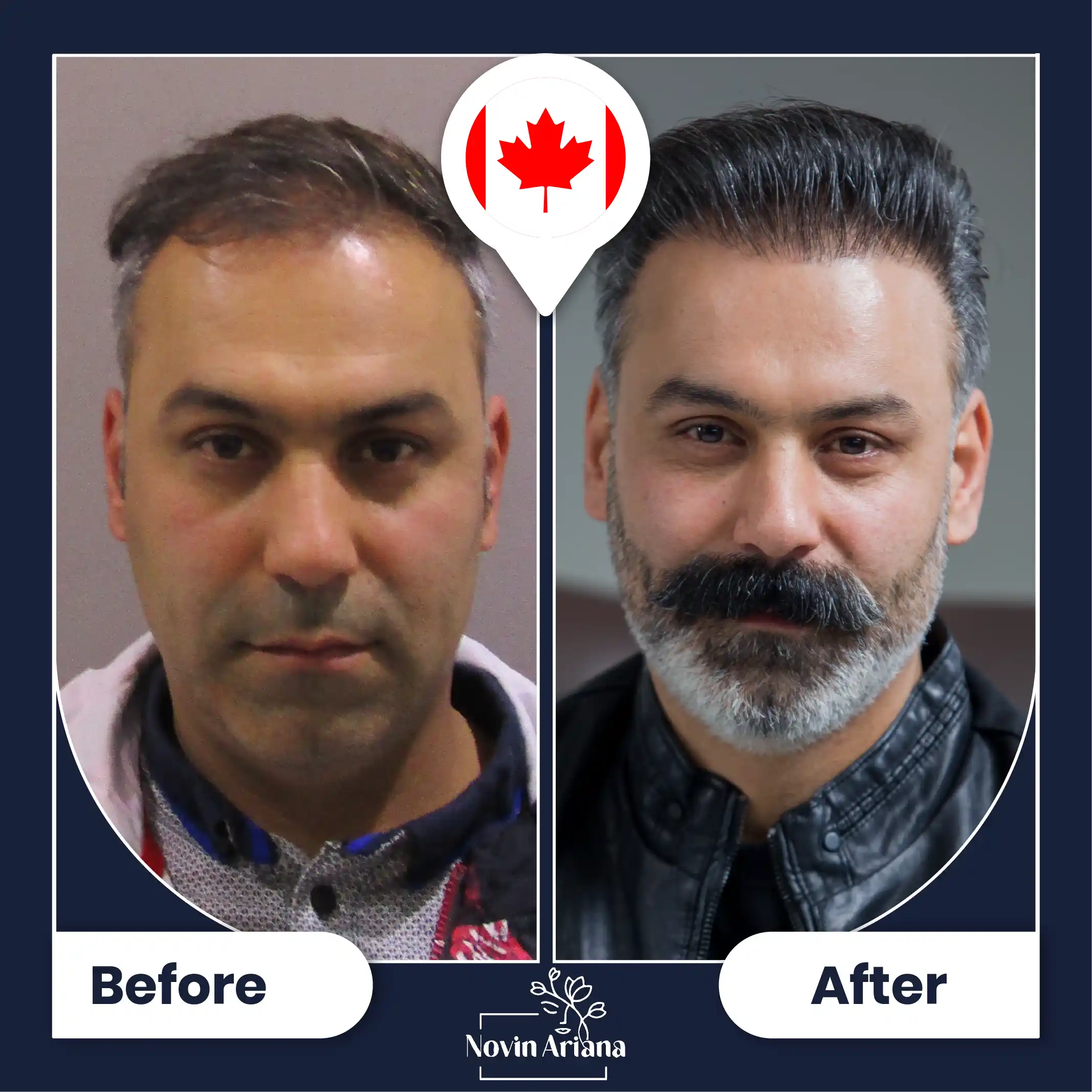
Most patients want a quick chart, and there is some value in rough ranges. A small hairline correction may need around 1,000 to 1,500 grafts. More visible temple recession and frontal restoration often fall between 1,500 and 2,500 grafts. Frontal zone plus mid-scalp work can require 2,500 to 3,500 grafts. Extensive loss involving the front, mid-scalp, and crown can move into the 3,500 to 5,000+ range.
These numbers are useful as a starting point, not a promise. A conservative, age-appropriate hairline may require fewer grafts than a lower, denser design. Likewise, a patient with fine, straight hair may need more grafts to create visual fullness than someone with thick, wavy hair.
Doctors also assess your pattern using scales such as the Norwood scale for men and the Ludwig scale for women. These systems help estimate the size of the area to be covered, but they still do not replace an individual consultation. Grafts are a planning tool, not a one-size-fits-all answer.
Ready to change how you look and feel?
Get your consultation now — your new self is waiting.
What a graft actually means
A graft is not the same as a single hair. One graft is a naturally occurring follicular unit taken from the donor area, usually the back and sides of the scalp. That graft may contain one, two, three, or sometimes four hairs.
This matters because 2,500 grafts can produce very different visual density depending on the average hairs per graft. It also matters in hairline design. Single-hair grafts are usually placed at the front edge for softness and realism, while multi-hair grafts add volume behind that line.
When patients compare clinics, they often focus only on the graft number. That can be misleading. Technique, placement, angle, donor preservation, and natural distribution are just as important as the raw total.

The main factors that decide your graft count
The size of the bald or thinning area is the biggest driver, but it is only one part of the equation. If your loss is concentrated in the front, you may achieve a dramatic improvement with a moderate number of grafts. If the crown is also open, your graft demand rises quickly because the crown is a large area and tends to absorb grafts without always delivering the same visible impact as the frontal zone.
Your donor area is the second major factor. A strong donor zone gives the surgeon more flexibility. A limited donor supply means the plan has to be more strategic, sometimes prioritizing the hairline and frontal third first, then considering the crown later if appropriate.
Hair characteristics play a major role. Thick hair gives better coverage than fine hair. Curly or wavy hair creates more visual fullness than very straight hair. Dark hair on light skin often needs more density because contrast makes thinning easier to see. Lower contrast, such as brown or blond hair on fair skin, can create a fuller appearance with fewer grafts.
Your age matters too. A 28-year-old with active hair loss may not be a candidate for an aggressive low hairline, even if he wants one. A smart plan protects the future. If loss continues, you need donor reserves for later stages.
Ready to change how you look and feel?
Get your consultation now — your new self is waiting.
Hairline goals vs realistic planning
This is where many consultations become more nuanced. Patients often ask for maximum density and the lowest possible hairline. In practice, the best results usually come from balance. A natural hairline should fit your facial structure, age, and likely future hair loss pattern.
A lower hairline uses many more grafts than most people expect. Bringing the line down just a small amount can significantly increase the surface area that needs coverage. That does not always mean it is the wrong choice, but it does mean every design decision has a cost in grafts.
This is why experienced clinics focus on natural-looking outcomes rather than simply promising large numbers. Dense packing can be valuable in selected cases, especially in the frontal zone, but donor management is critical. You only have a finite supply of donor hair, and using it wisely is part of high-quality treatment.
How many grafts do I need for common areas?
For temple points or minor recession at the corners, some patients need only 500 to 1,000 grafts. For a full frontal hairline rebuild, 1,500 to 2,500 grafts is common. If the frontal zone and mid-scalp both need reinforcement, 2,500 to 3,500 grafts may be appropriate.
The crown is more variable. A small crown can sometimes be addressed with 800 to 1,500 grafts, while a larger crown may need 1,500 to 2,500 or more. The challenge is that crowns often continue to thin, and they require careful planning because the swirl pattern can consume grafts quickly.
For women, the pattern is often diffuse rather than fully bald. That changes the strategy. Female hair restoration may focus on density improvement in the part line, frontal scalp, or temples while preserving existing hair. The graft count can vary widely depending on how much native hair remains.
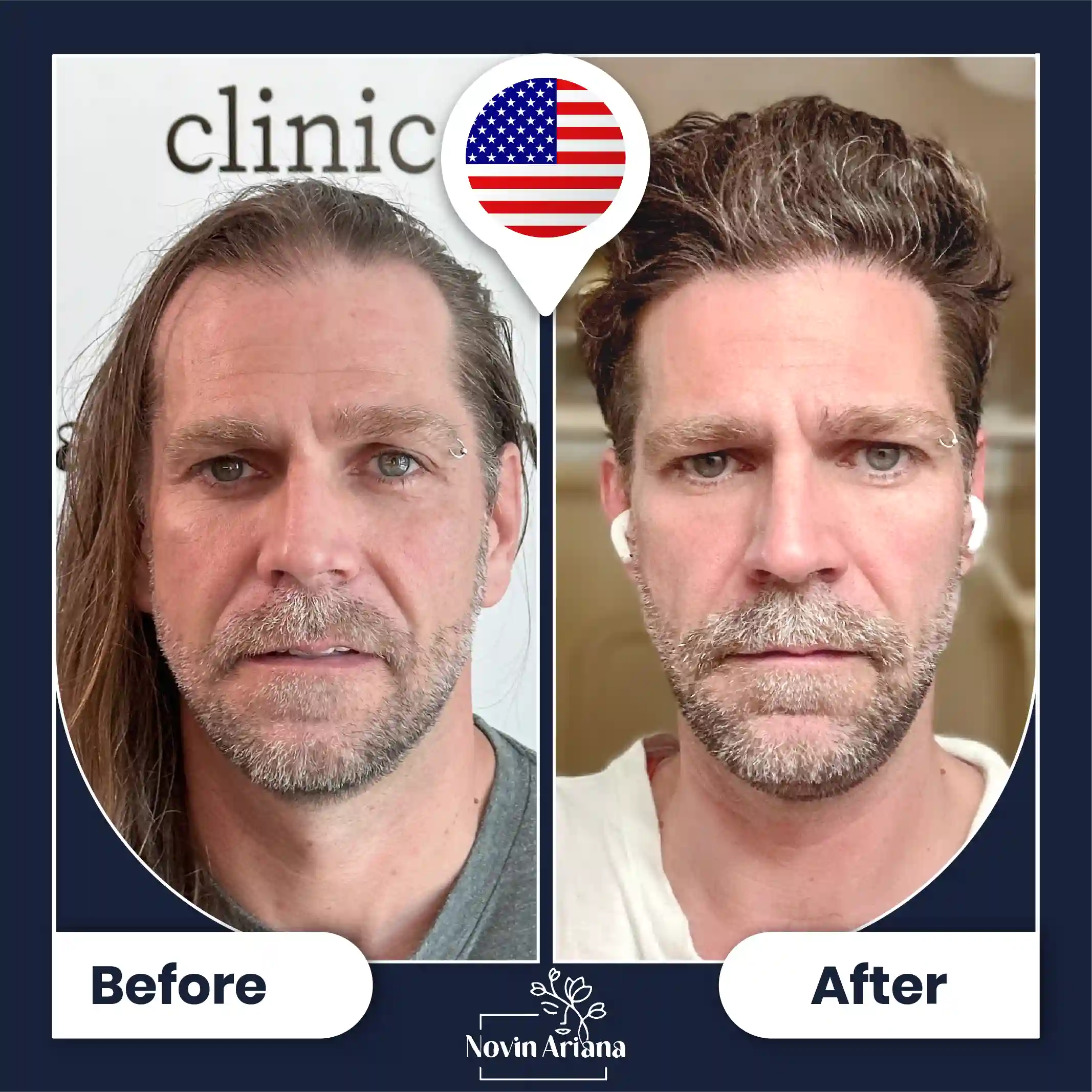
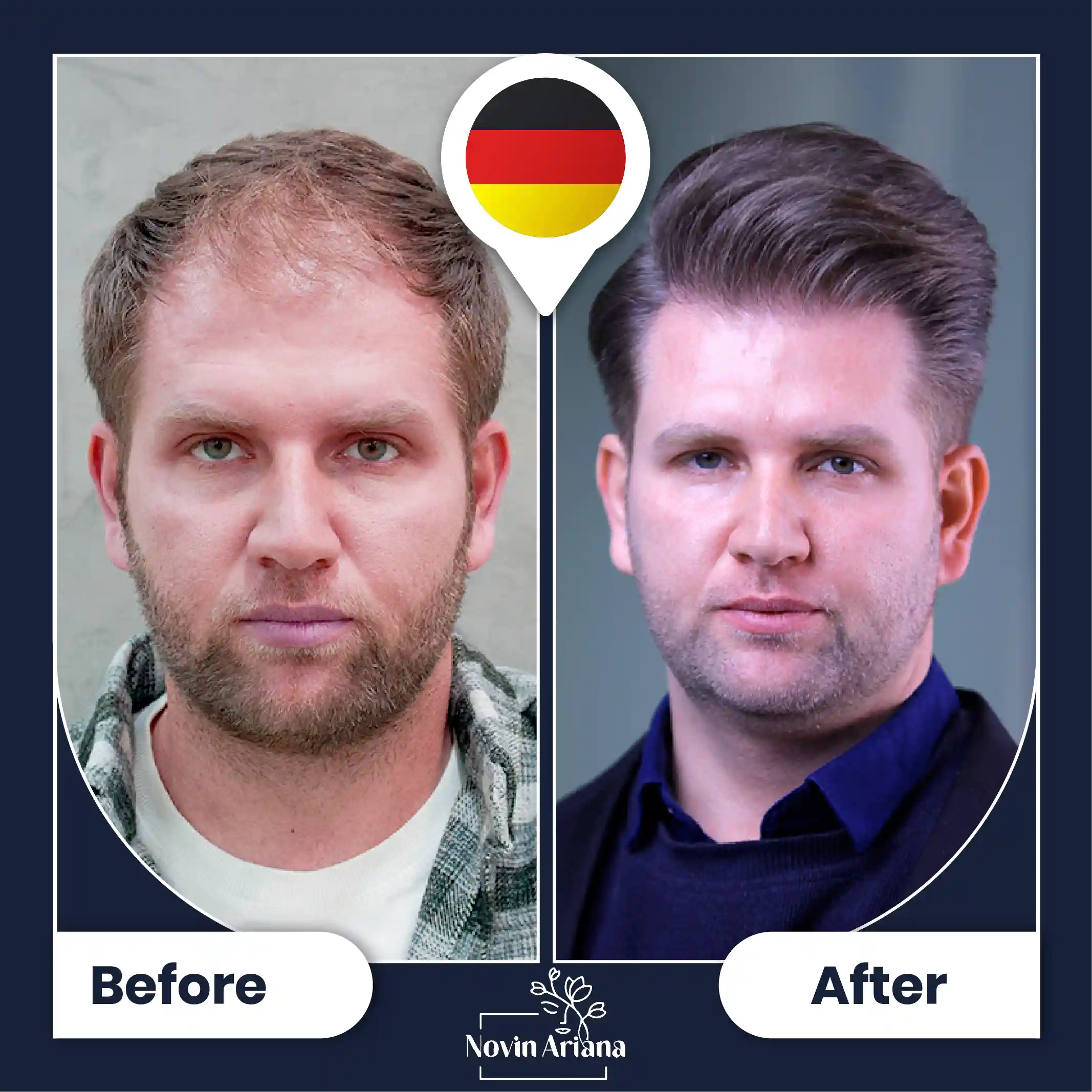
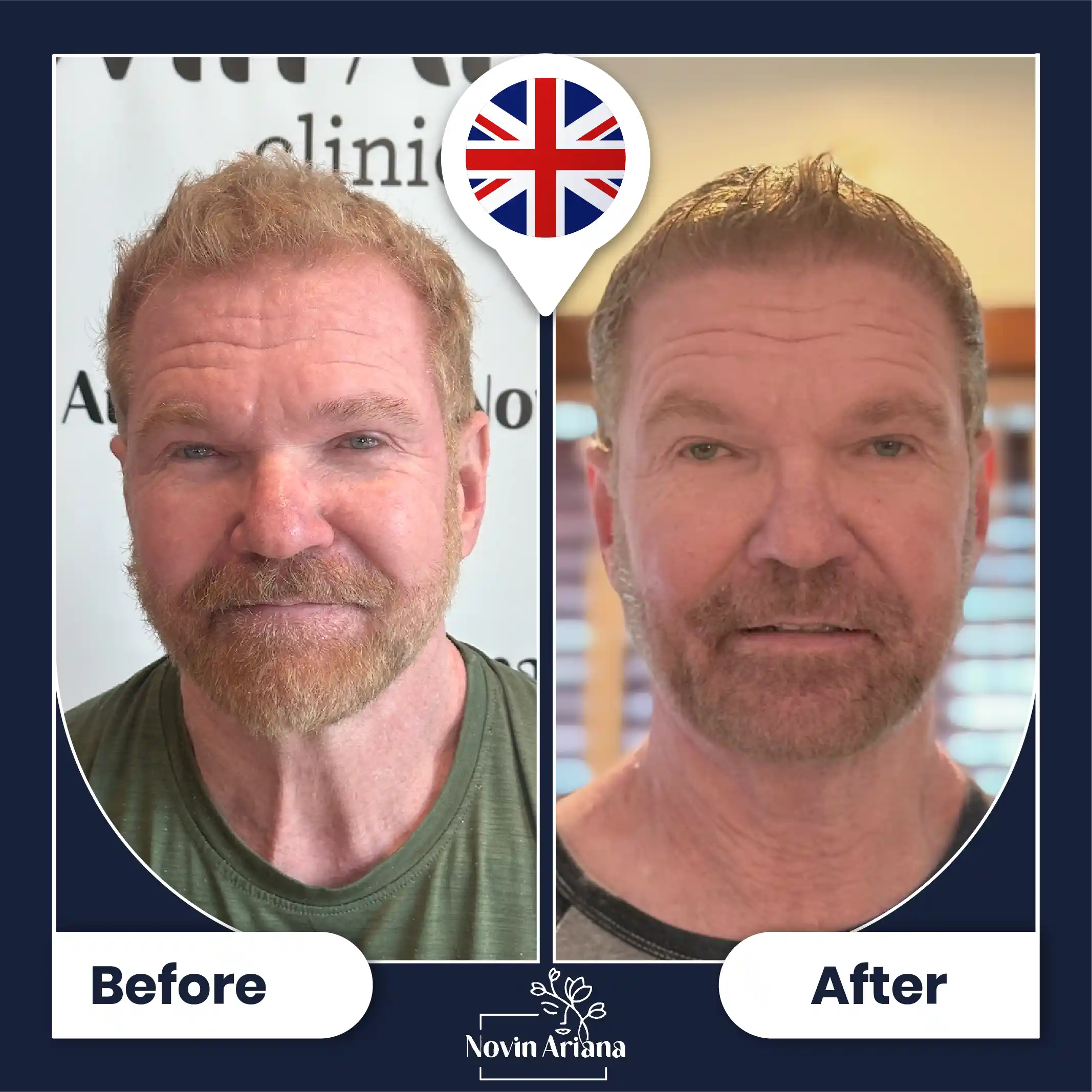
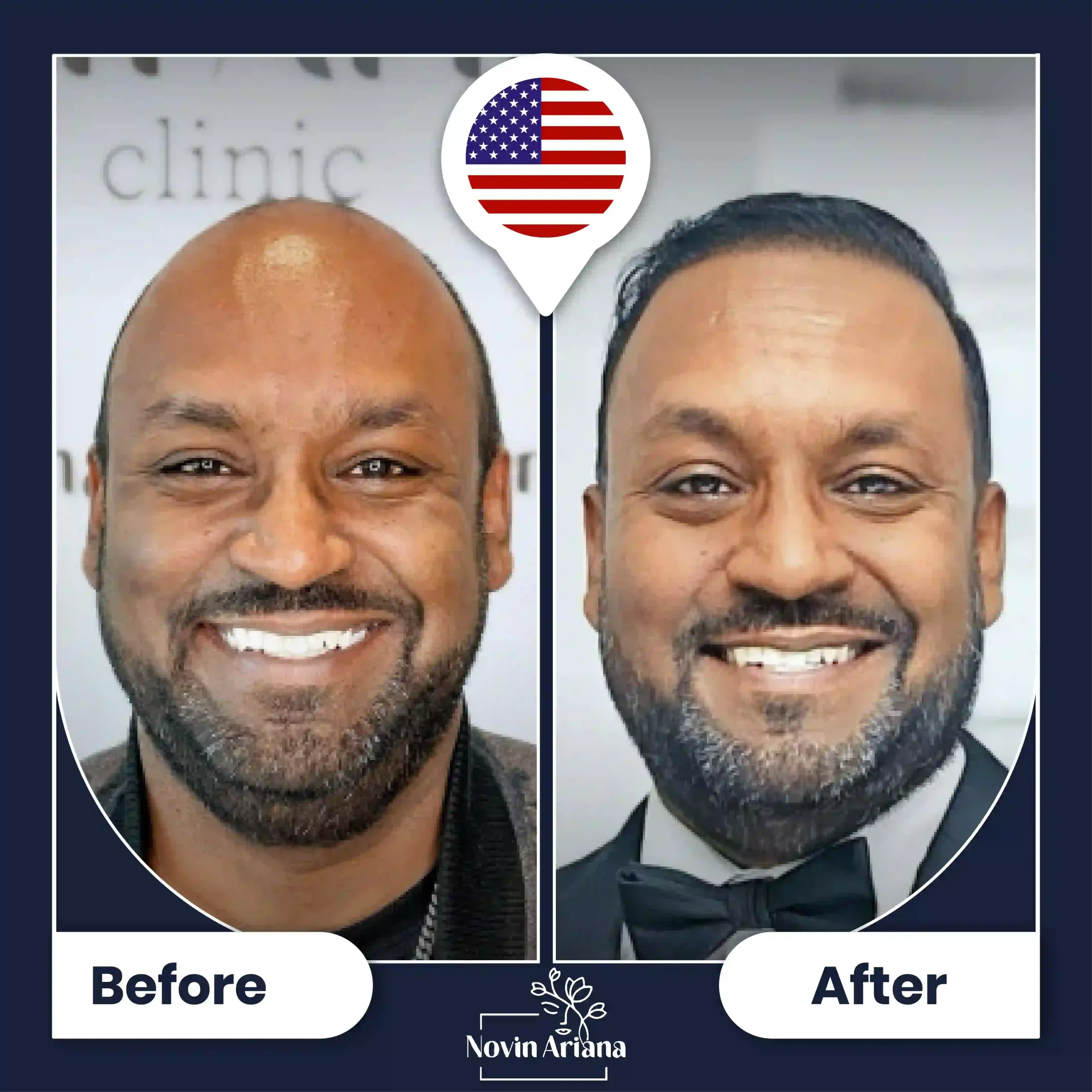
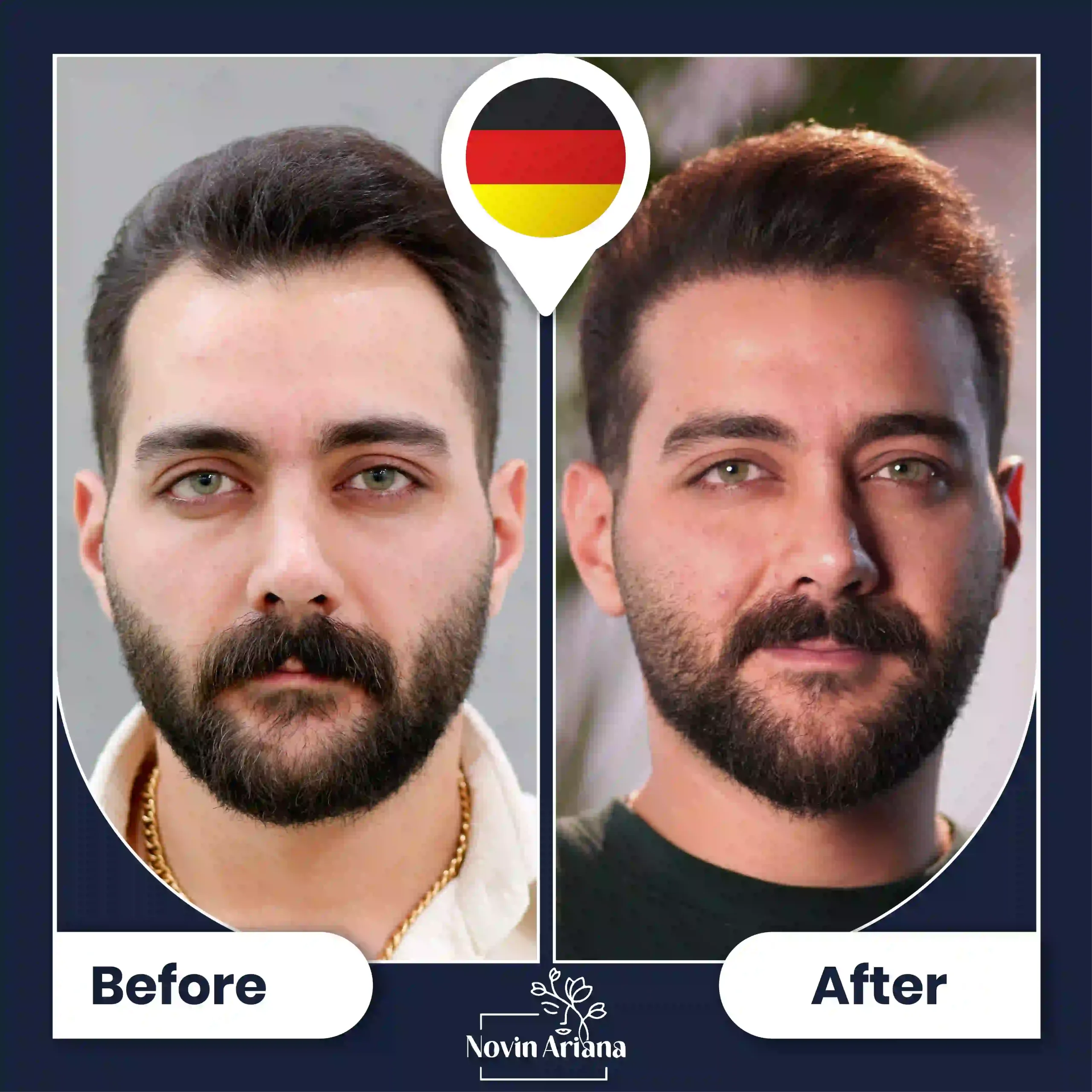
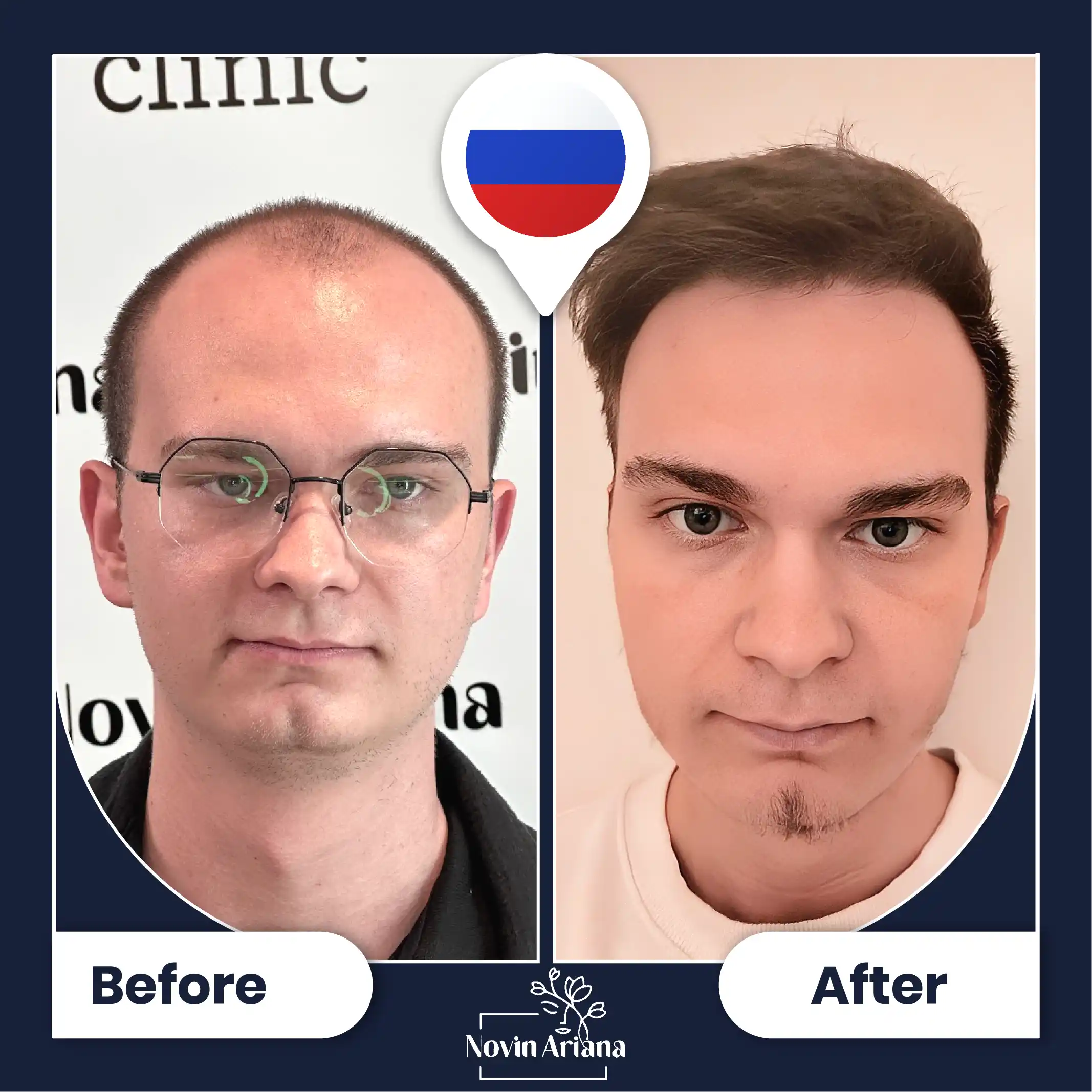
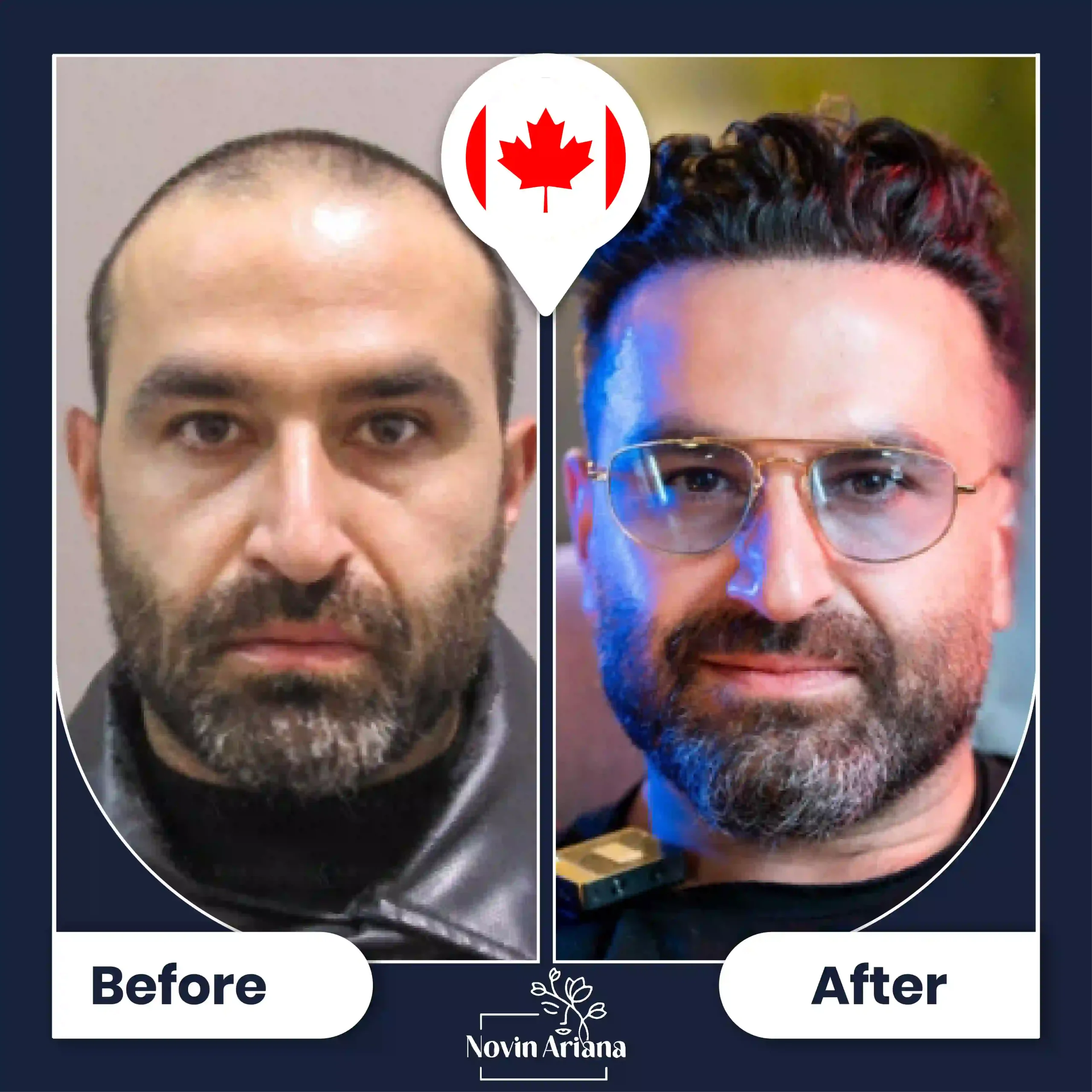
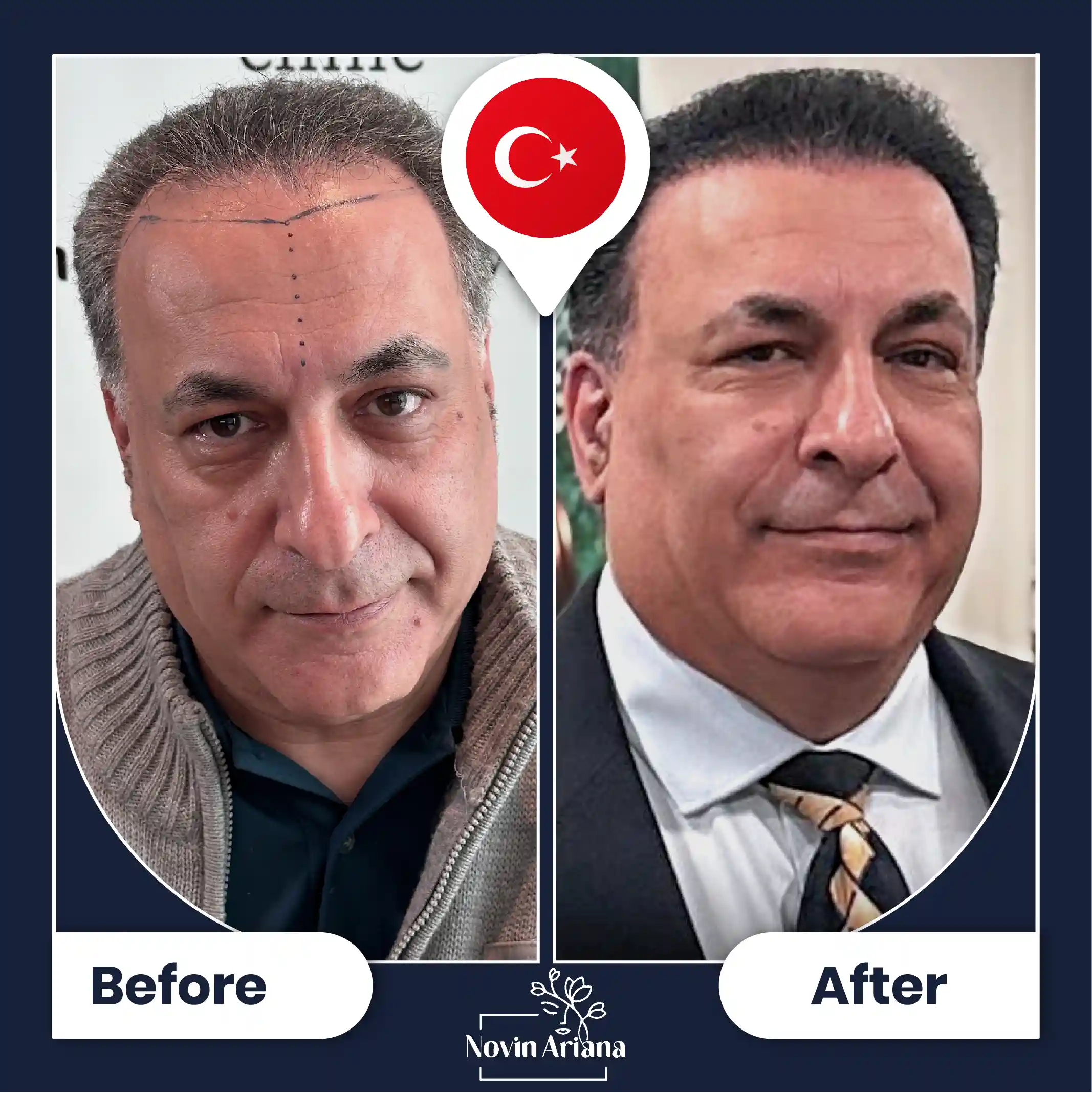
Why online graft calculators are only partly helpful
Online calculators can be useful for a rough estimate, especially if you are comparing options abroad and trying to understand treatment scope. But they cannot assess donor density, miniaturization, scalp elasticity, or the artistic side of hairline design.
Photos can also distort the situation. Bright lighting, wet hair, short haircuts, and camera angles can make hair loss look worse or better than it is. That is why many premium clinics rely on close-up photo analysis and, ideally, tools such as 3D hair analysis before confirming a treatment plan.
A responsible consultation does not just answer how many grafts do I need. It also answers how many grafts should be used now, where they should be placed first, and whether medical treatment should support the transplant plan.
More grafts are not always better
Many patients assume a higher graft count automatically means a better result. Not necessarily. Overharvesting can weaken the donor area and create a patchy appearance at the back or sides of the scalp. Poor planning can also place too many grafts in one zone while leaving other areas under-supported.
The best transplant is the one that looks natural from every angle and still leaves options for the future. That is especially important for international patients traveling for surgery. You want a result that is both impressive and responsibly designed, not a short-term fix that creates long-term limitations.
At Novin Ariana Health Clinic, this is why consultation quality matters as much as surgical technique. A premium patient experience should include not only the procedure itself, but also clear graft planning, realistic expectation setting, and long-term follow-up after you return home.
Ready to change how you look and feel?
Get your consultation now — your new self is waiting.
What to expect during your consultation
A proper consultation should review your hair loss history, family pattern, donor capacity, scalp photos, and desired outcome. You should be asked whether your priority is restoring the front, improving density, addressing the crown, or creating the most balanced overall change within your donor limits.
You should also expect honesty. Sometimes the right answer is fewer grafts than you anticipated. Sometimes it is a staged approach. And sometimes you may be advised to combine surgery with medication or other supportive therapies to stabilize ongoing loss.
If a clinic gives you a graft number instantly without asking detailed questions or reviewing high-quality photos, that number is probably too simplistic. Precision matters because your transplant design affects not just this year, but the next decade of your appearance.
The right graft count is the one that fits your pattern, your donor supply, and your long-term goals – not the biggest number on a package. When planning is done well, the result feels less like surgery and more like getting your own look back.