
DHI Hair Transplant
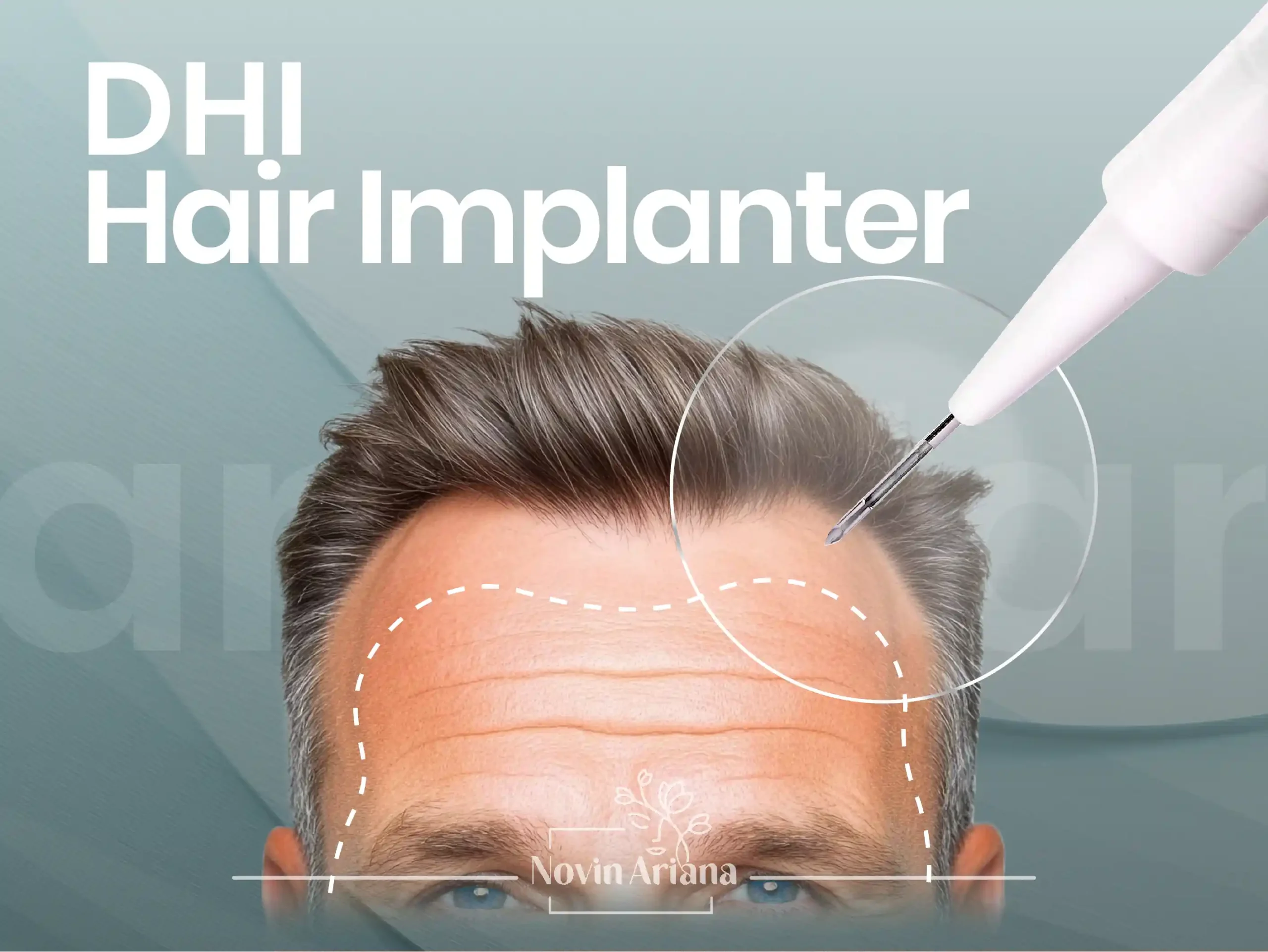
What is a DHI hair transplant?
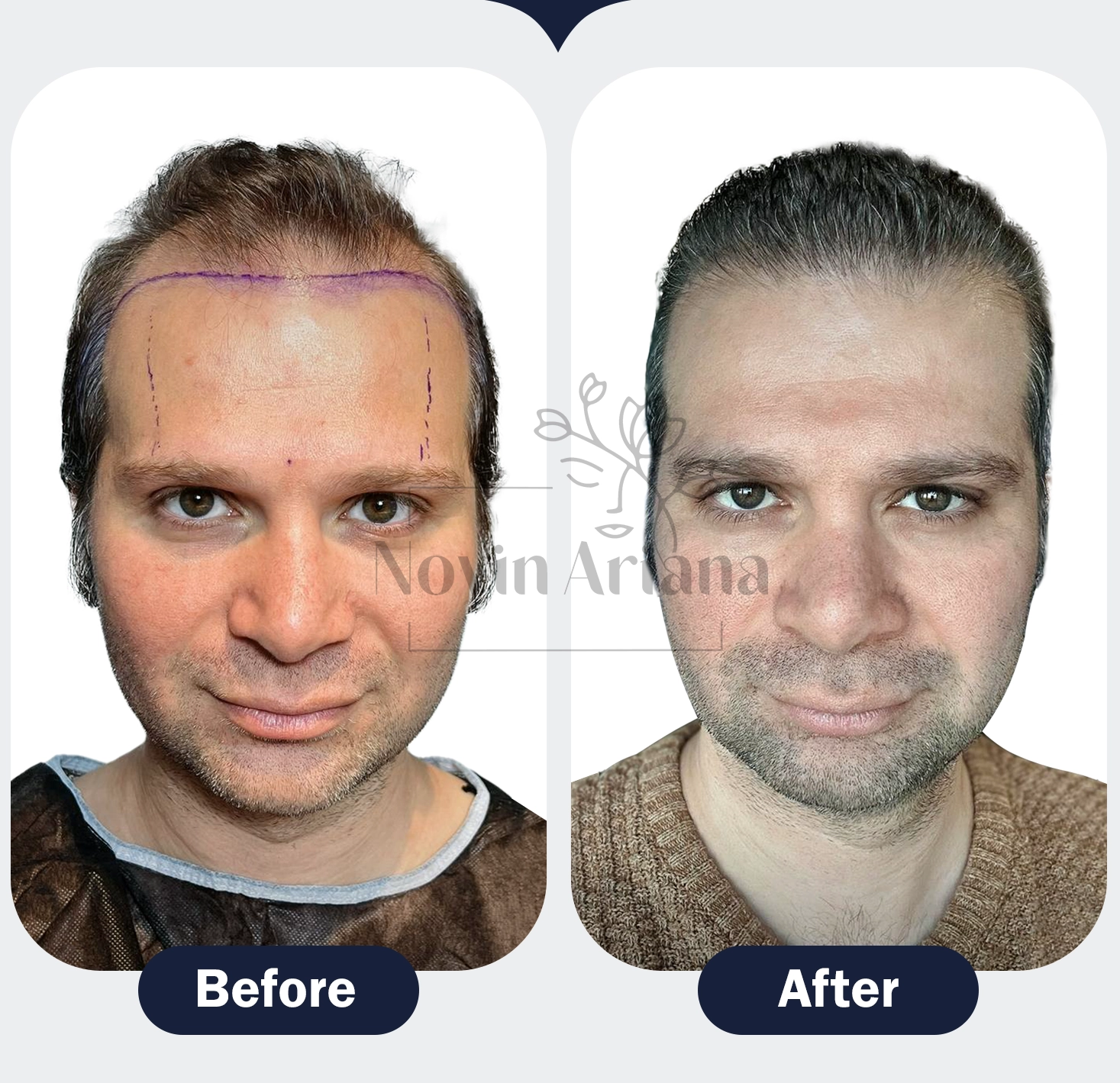
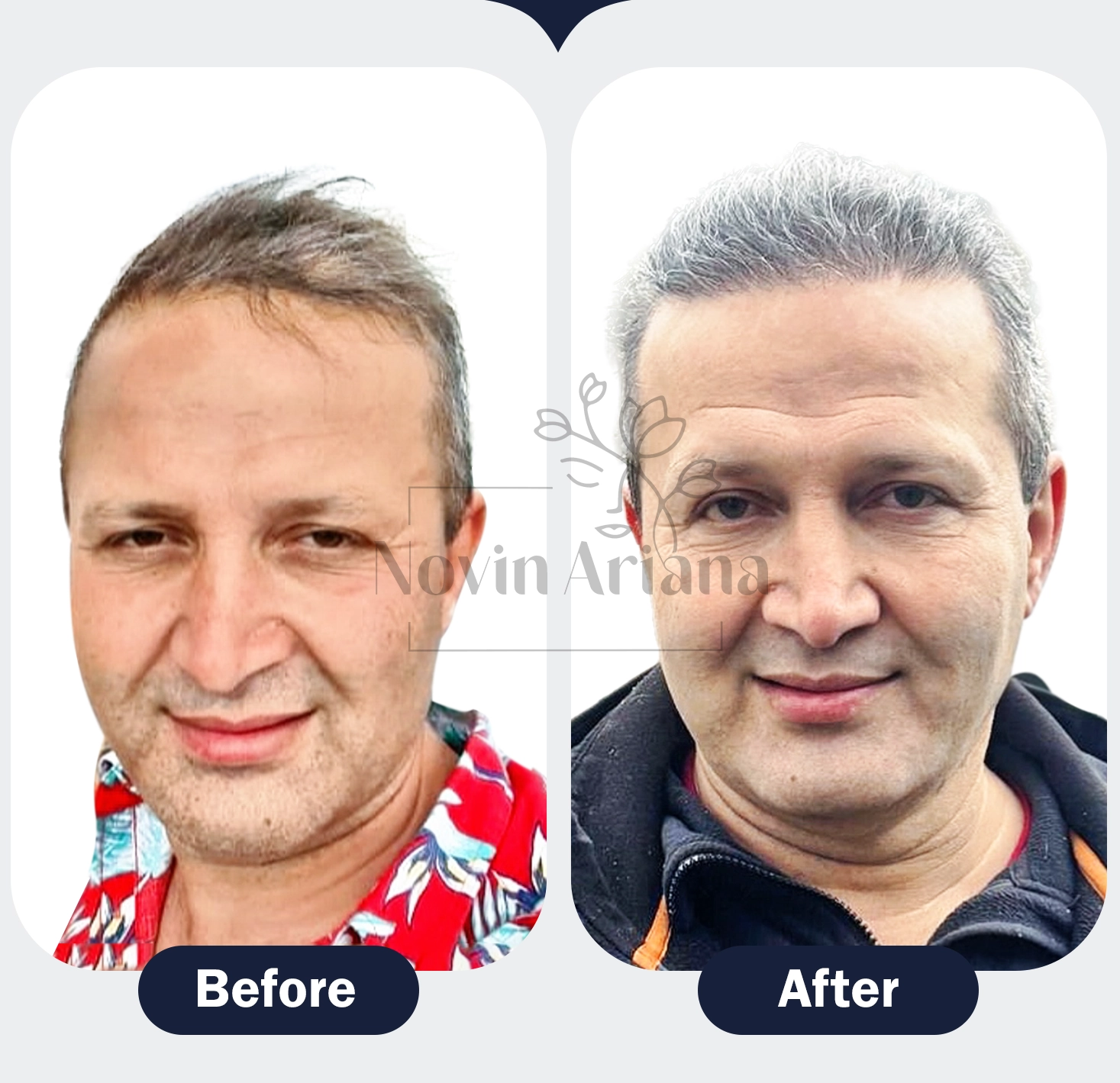
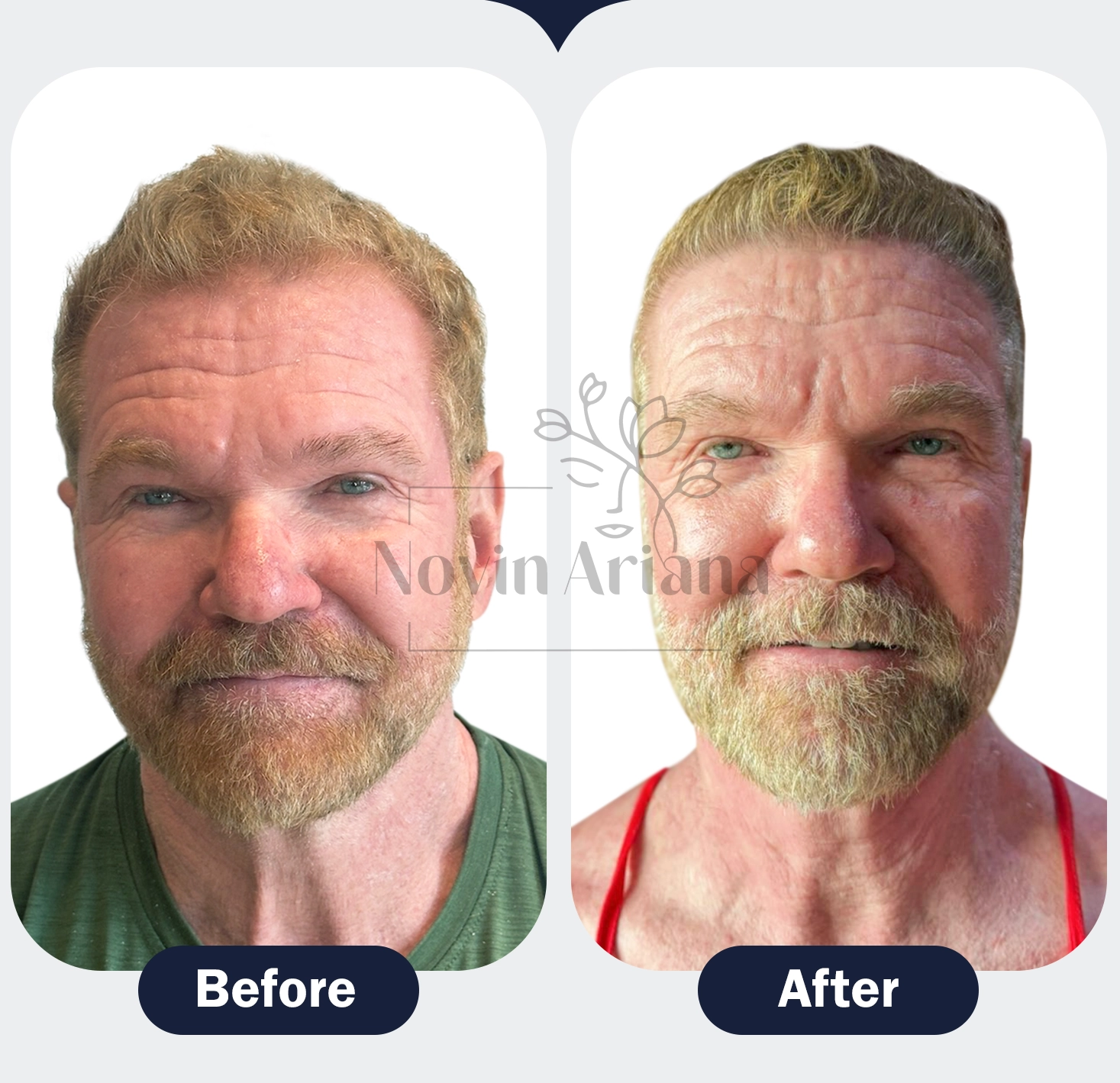
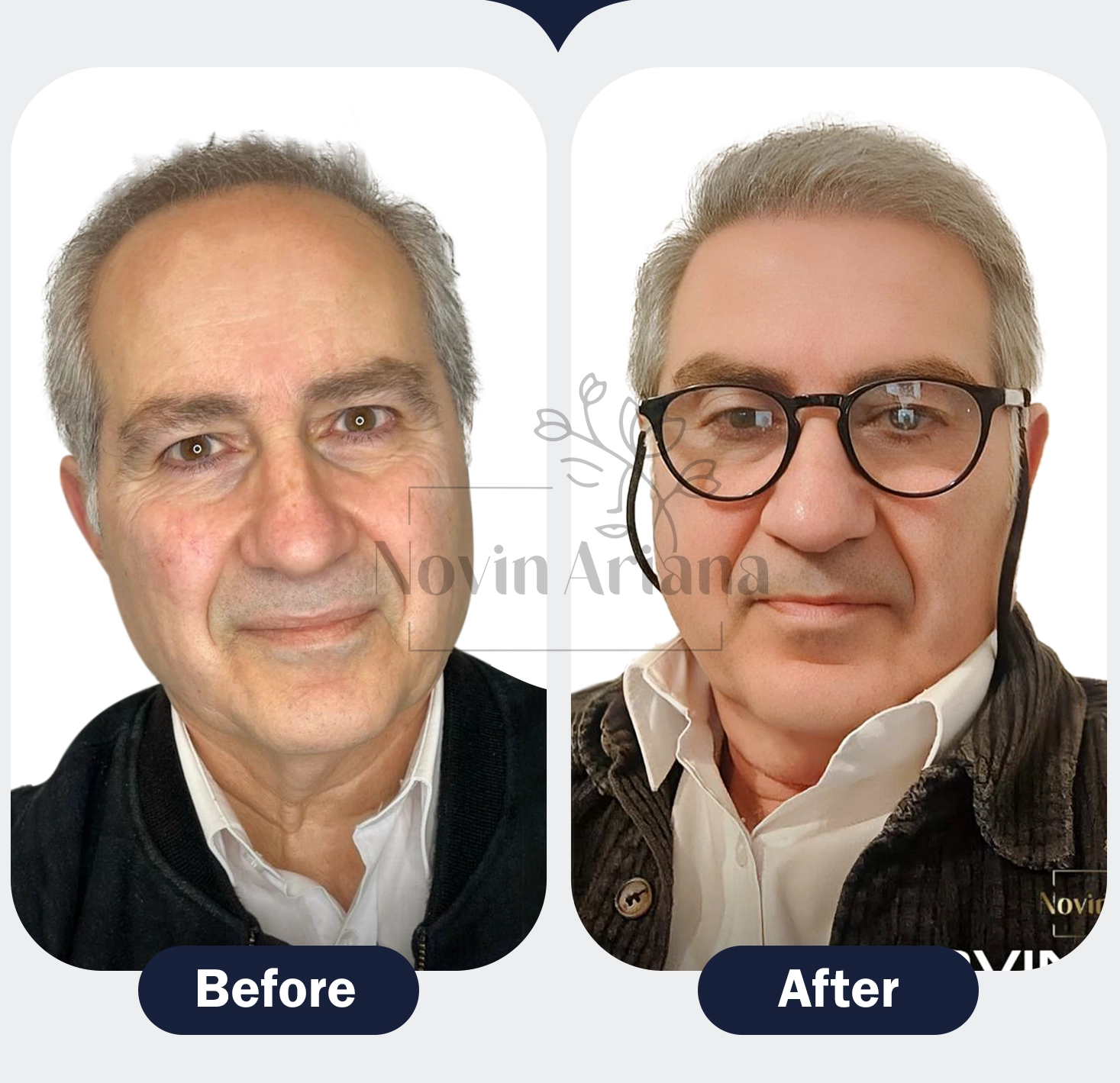
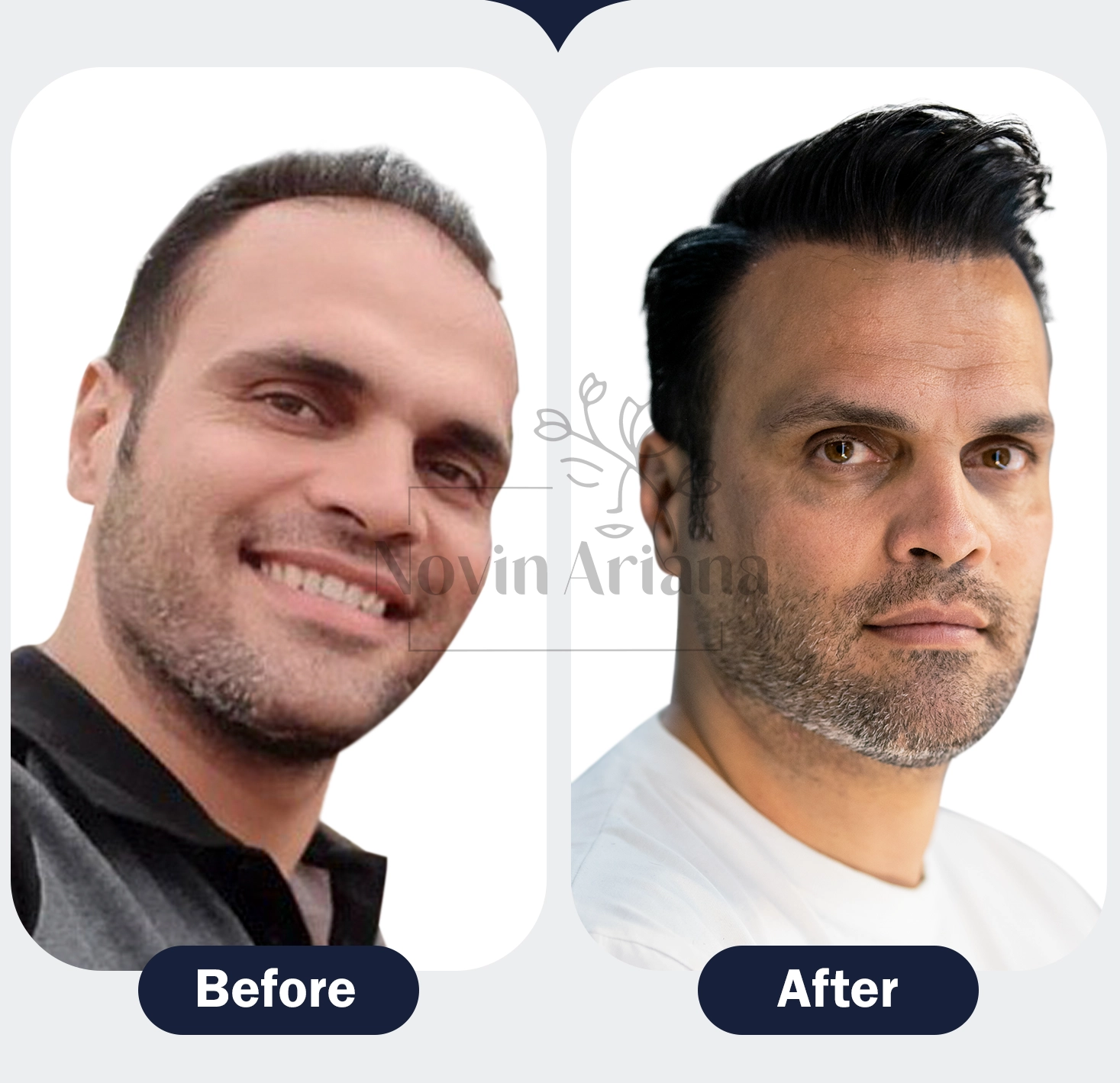
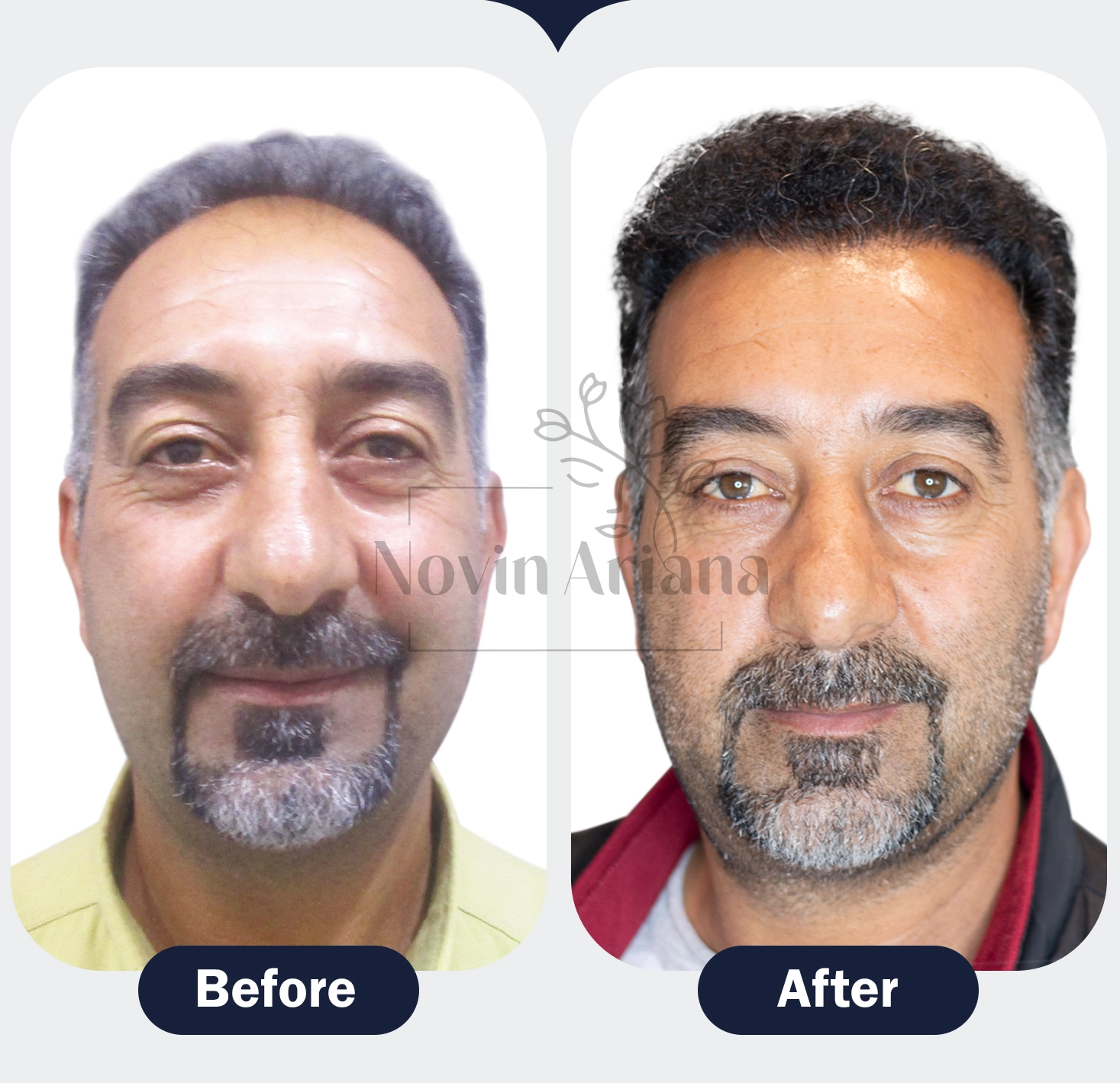
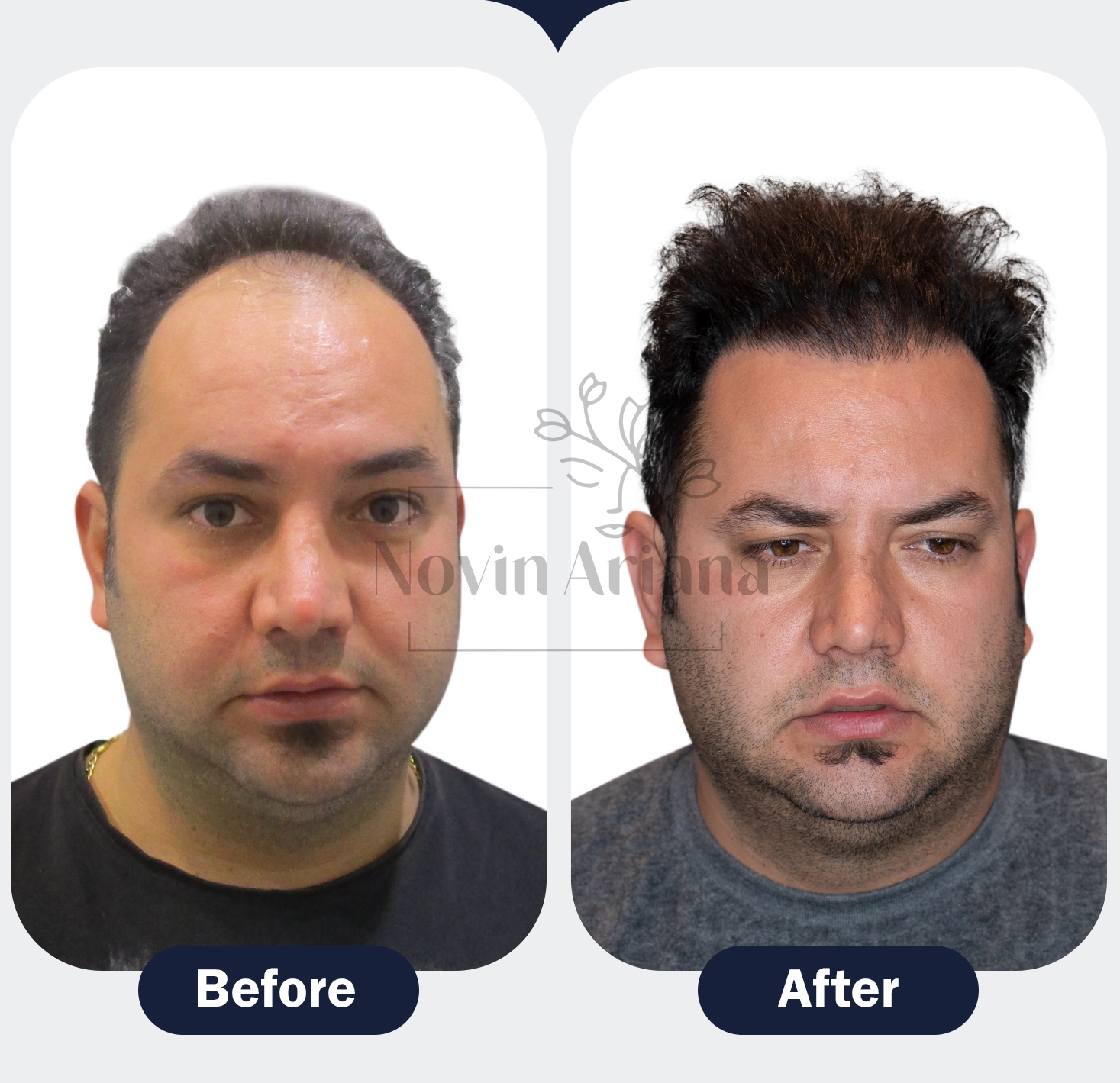
A DHI hair transplant (Direct Hair Implantation) is a modern technique where hair follicles are extracted individually and implanted directly into the scalp using a specialized implanter pen. This method allows for precise control over depth, angle, and direction, resulting in a natural-looking hairline and high-density results with minimal scarring and downtime.
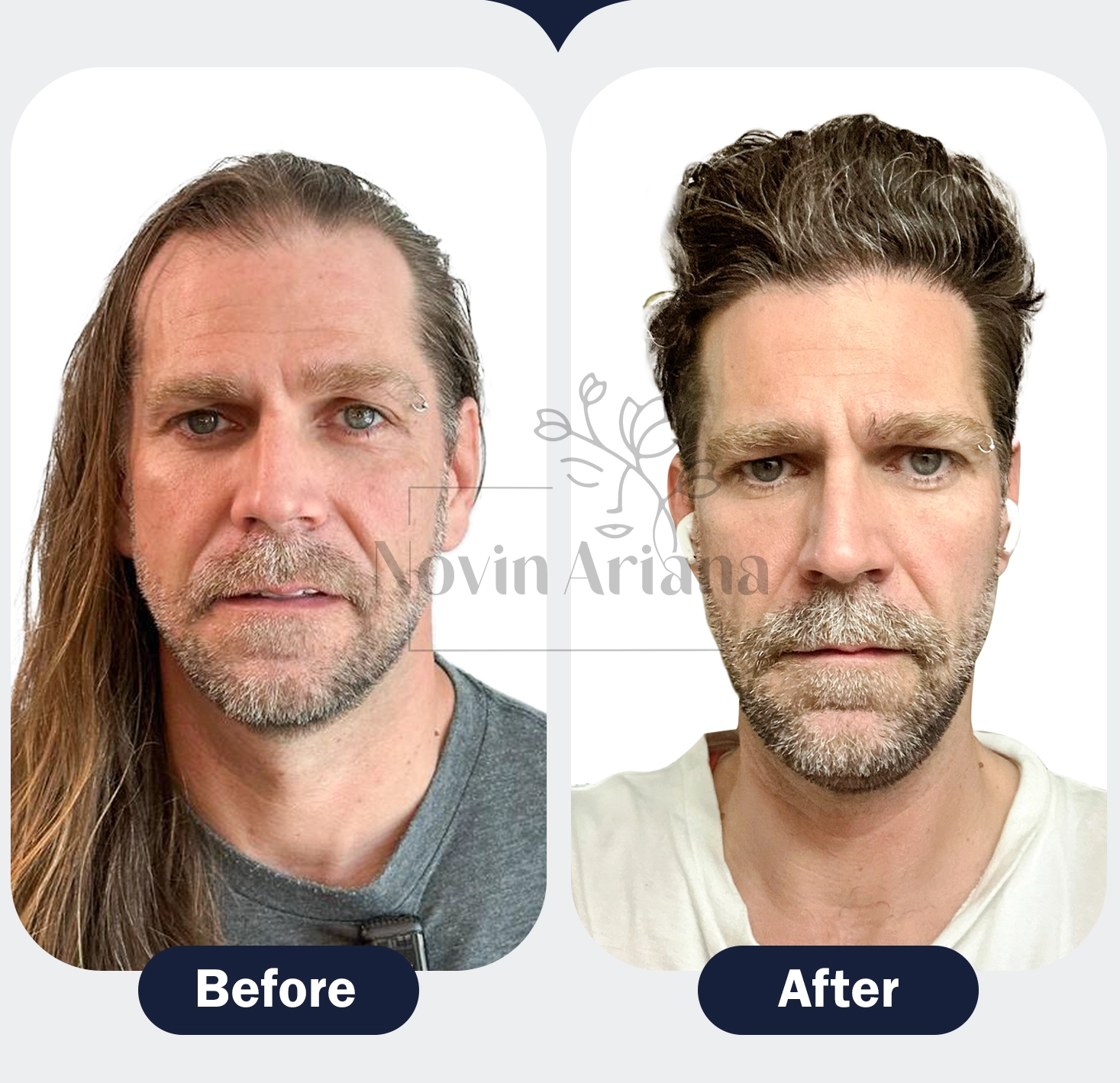
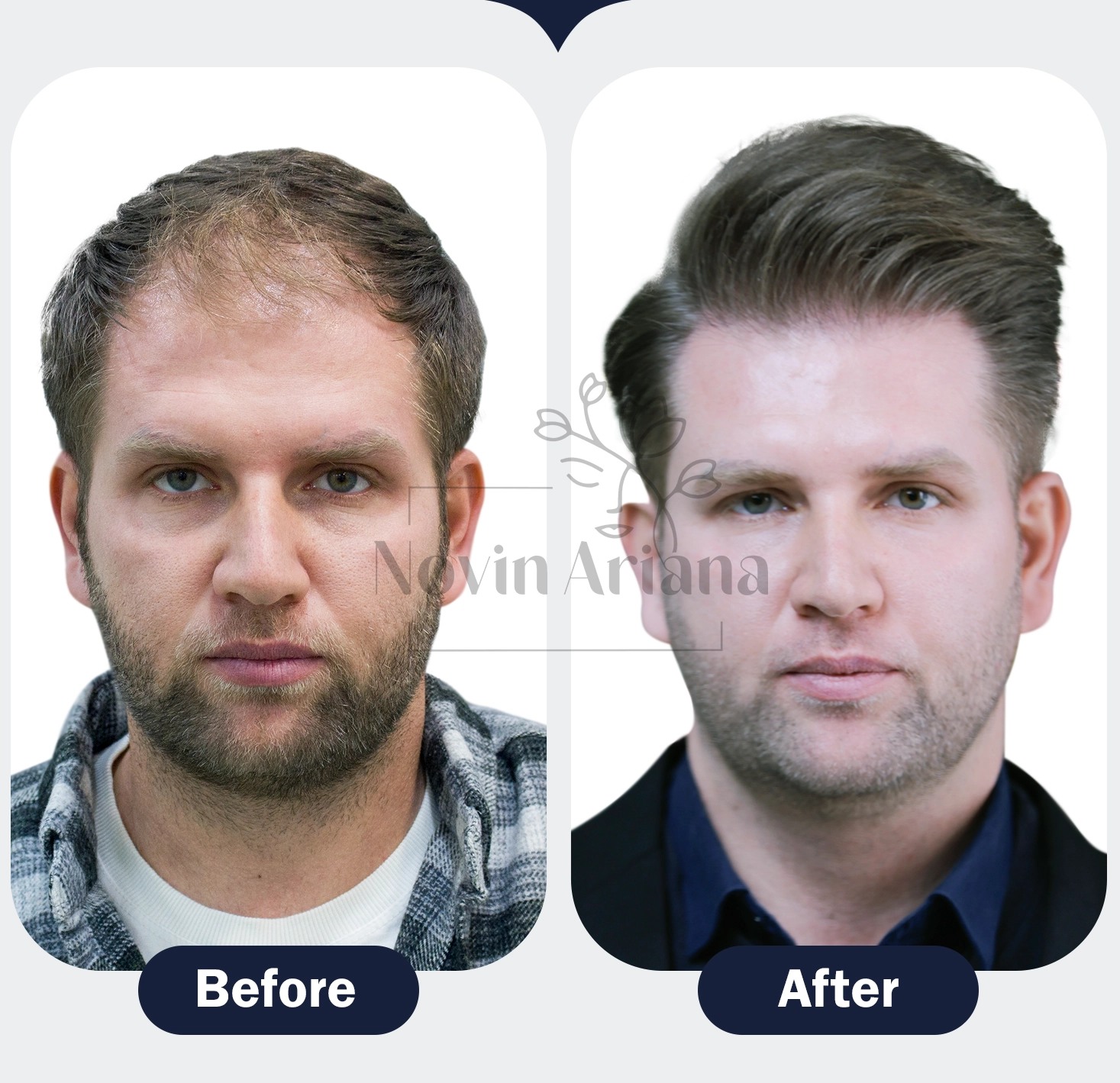
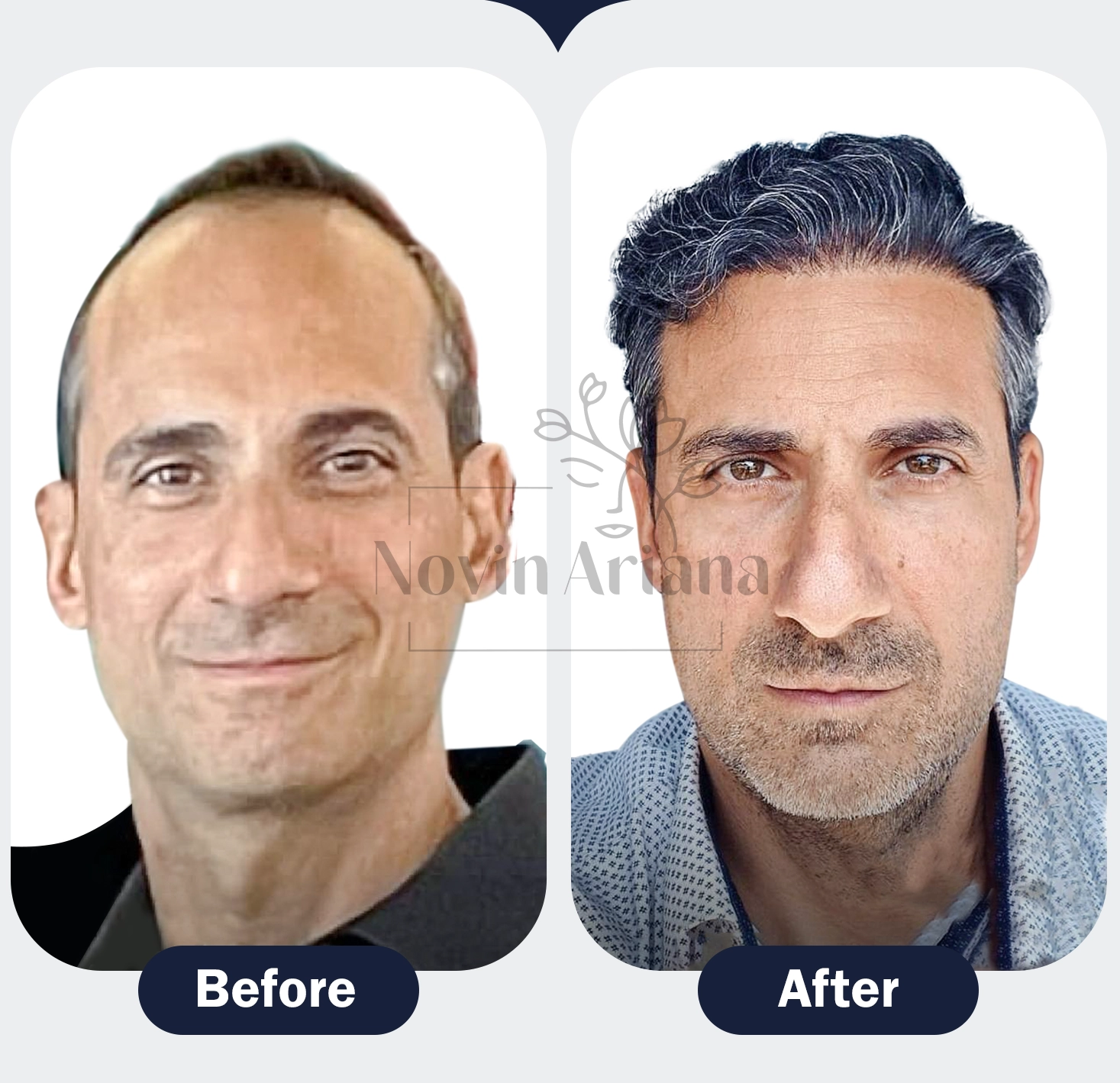
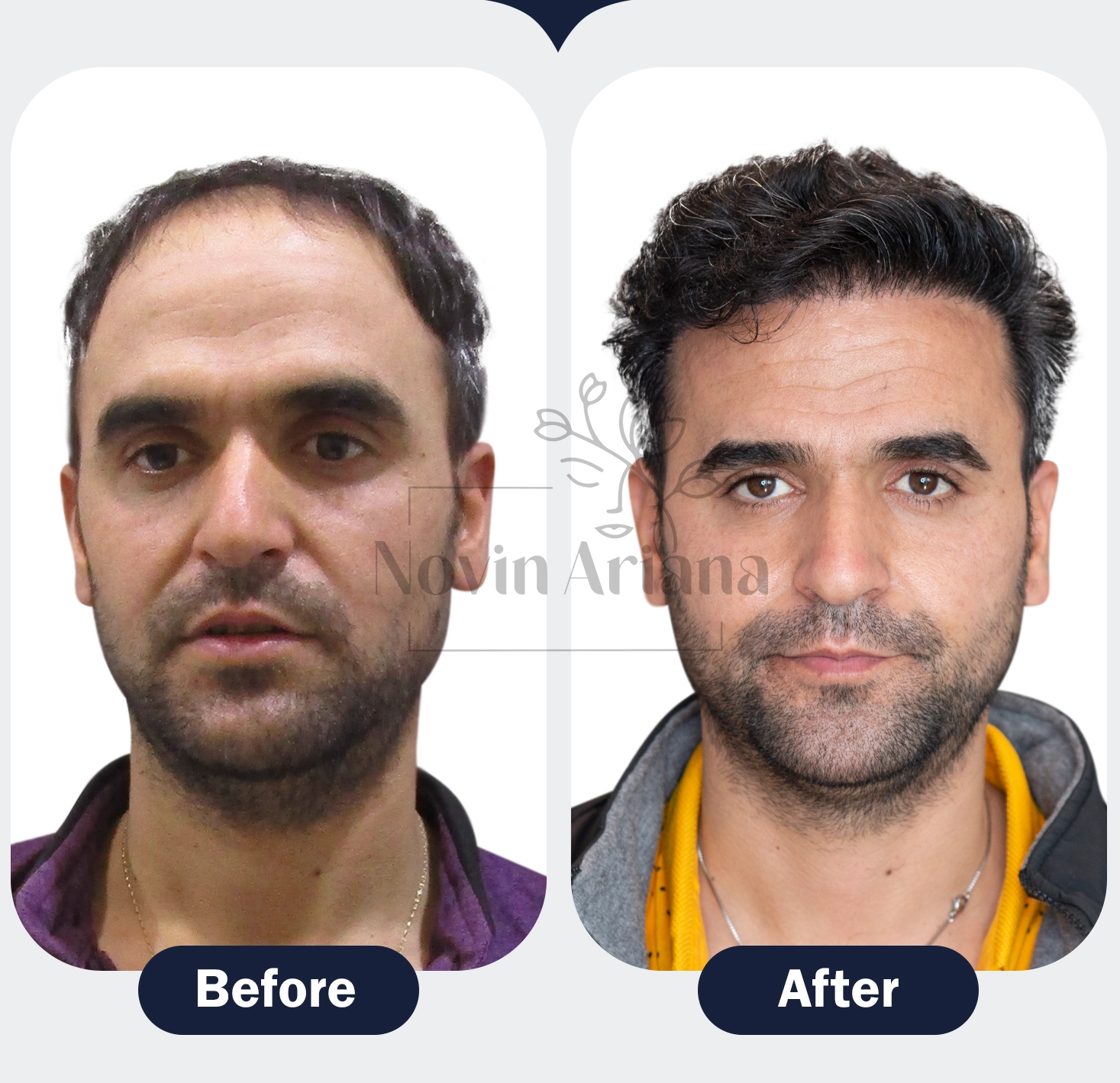
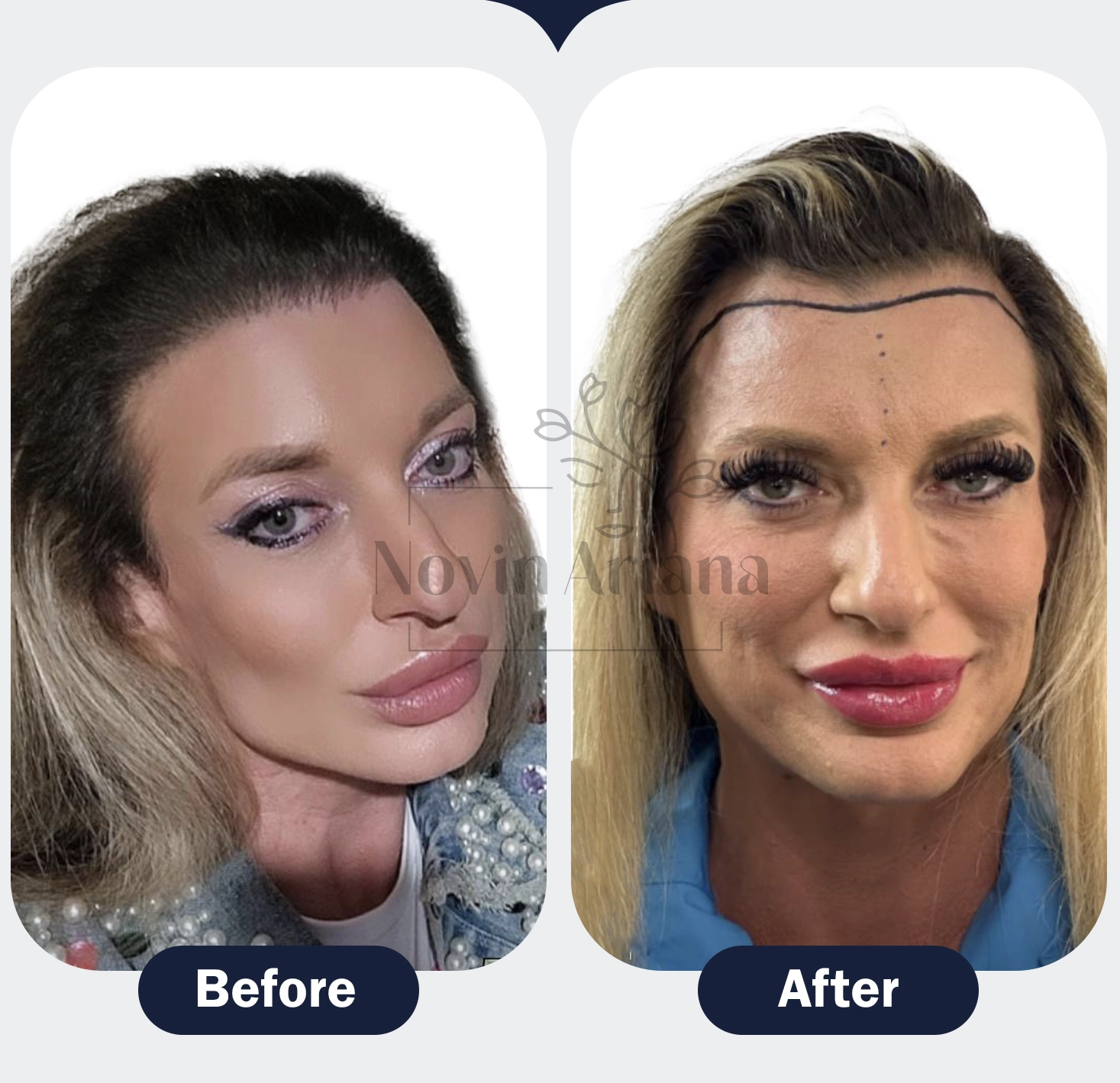

How does DHI hair transplant work?
A DHI hair transplant works by extracting healthy hair follicles one by one from the donor area, usually the back of the head, using a micro motor tool. These follicles are then immediately implanted into thinning or bald areas using a Choi implanter pen, without the need to create incisions or channels beforehand. This direct implantation method gives precise control over the angle, depth, and direction of each hair, ensuring natural growth patterns and dense, long-lasting results. The DHI technique is minimally invasive, reduces trauma to the scalp, and offers a faster recovery with minimal scarring.
When was DHI hair transplant invented?
The DHI hair transplant technique was developed in the early 2000s by DHI Global Medical Group in Greece. It was introduced as an evolution of the FUE method, incorporating the use of the Choi implanter pen to allow direct implantation of hair follicles. Since its invention, the DHI method has gained global popularity due to its precision, minimal invasiveness, and natural-looking results. Today, DHI hair transplant is considered one of the most advanced and effective solutions for permanent hair restoration.

Why is DHI more expensive than FUE?
DHI hair transplant is more expensive than FUE due to its advanced technology and higher precision. The use of a Choi implant pen requires more time, skill, and experienced surgeons, as each follicle is implanted directly without prior incisions. This increases the graft survival rate and ensures a natural hairline. The DHI method also involves a longer procedure time and fewer grafts per session, making it more labor-intensive. These factors contribute to the higher cost but deliver superior, long-lasting results.
How will be my beard transplant with Novin Ariana?
01
Free Consultation
Begin your journey with a personalized no-cost consultation to discuss your treatment goals and options.
02
Booking Flight Tickets
We assist in arranging your flights to ensure a smooth start to your medical travel experience.
03
Arrival in Turkey, accommodation at a 5-star hotel & VIP transfer
Enjoy VIP airport transfers and a luxurious 5-star hotel stay for a comfortable and welcoming arrival.
How is DHI hair transplant done?
A DHI hair transplant is performed in three main stages. First, individual hair follicles are extracted from the donor area (usually the back of the scalp) using a micro motor. Next, the extracted follicles are carefully loaded into a Choi implanter pen. Finally, each follicle is implanted directly into the recipient area without making pre-cut channels. This allows for precise control over the angle, depth, and direction of each graft. The DHI technique ensures high graft survival rates, a natural hairline, and minimal trauma to the scalp, resulting in quicker recovery and outstanding cosmetic results.


how long does DHI hair transplant last?
A DHI hair transplant offers permanent results, as the transplanted hair follicles are taken from areas genetically resistant to hair loss, such as the back or sides of the scalp. Once implanted, these follicles continue to grow naturally for a lifetime. While initial shedding may occur within the first few weeks, new hair growth typically begins after 3 months, with full results visible between 9 and 12 months. With proper care and a healthy lifestyle, the results of a DHI hair transplant can last a lifetime, making it a long-term solution for hair restoration.
How much does DHI hair transplant cost?
The cost of a DHI hair transplant varies depending on the country, the clinic’s reputation, the surgeon’s expertise, and the number of grafts required. On average, prices range from $3,000 to $8,000 globally. In countries like Turkey, where DHI hair transplant is popular, the cost is significantly lower—between $2,000 and $4,500—due to affordable healthcare infrastructure. Many clinics offer all-inclusive packages covering accommodation, transfers, and aftercare, making it a cost-effective option for international patients seeking high-quality hair restoration.
| Hair Transplant Turkey | $2,590 – $3,990 |
|---|---|
| Hair Transplant UK (England) | $11,000 – $25,500 |
| Hair Transplant United States | $12,900 – $19,200 |
| Hair Transplant Germany | $6,000 – $17,200 |
| Hair Transplant Spain | $4,500 – $12,500 |
| Hair Transplant France | $8,670 – $15,700 |
| Hair Transplant Ireland | $22,000 – $35,000 |


Where to get DHI hair transplant?
Novin Ariana Hair Transplant Clinic in Istanbul offers advanced DHI hair transplant using its unique Micro Sapphire DHI method. With over 25,000 successful procedures, a 98% hair growth rate, and a modern hospital setting, the clinic provides VIP service, comprehensive post-op care, and guarantees. Patients praise its professional team, clean facilities, and all-inclusive packages.
All-in-one services
The Best DHI Hair Transplant In Turkey

Luxurious Hotel

Transfer & Shuttle

24/7 support & Aftercare

Experienced Doctors

All-inclusive Package

Excellent Service

Most Natural Looking Hairline Design

Multilingual Clinic
What our patients say


I had a fantastic experience at Ariana Clinic for my hair transplant! The clinic was impeccably clean, and the staff was incredibly professional and experienced. They were responsive to all my questions and concerns, making me feel confident every step of the way. I'm thrilled with the results so far and highly recommend their services to anyone considering a hair transplant.

Pejman Pakzamir
PatientGet In Touch
Do not hesitate to contact us using the form below!
Get In Touch
Do not hesitate to contact us using the form below!
Frequently Asked Questions
Our representatives for all countries are 24/7 available to provide you support at anytime
- Hair Growth Patterns:
- Transplanted hair may not always grow in a perfectly natural pattern.
- Choosing a skilled surgeon can minimize this risk.
- Continued Hair Loss:
- Hair transplant does not stop ongoing hair loss in non-transplanted areas.
- Patients may need additional treatments or procedures in the future.
- Hair Density:
- Achieving desired hair density may require multiple sessions.
- The first transplant may not fully meet the patient’s expectations.
DHI (Direct Hair Implantation) hair transplant offers several advantages over traditional hair transplant techniques, such as FUE (Follicular Unit Extraction) and FUT (Follicular Unit Transplantation):
- Minimally Invasive: DHI involves direct implantation of hair follicles using a Choi pen, minimizing scalp trauma compared to traditional FUT, which involves removing a strip of scalp.
- No Need for Channels: Unlike FUE hair transplants, where recipient sites (channels) are created before hair follicles are implanted, DHI implants follicles directly, which may lead to a more natural-looking hairline.
- Precise Placement: The Choi pen allows for precise control over the depth, angle, and direction of hair follicle placement, potentially resulting in more aesthetically pleasing outcomes.
- Faster Healing: DHI's minimally invasive approach may lead to faster healing times and less postoperative discomfort compared to FUT, which involves sutures and a more extended recovery period.
- Reduced Bleeding: Because DHI does not require the creation of recipient sites beforehand, there is typically less bleeding during the procedure than with traditional techniques.
- Natural Results: DHI's ability to directly implant follicles without extensive handling may contribute to more natural-looking results, particularly along the hairline and in smaller areas.
- Suitability for Smaller Areas: DHI is particularly suitable for smaller areas or touch-ups where precise placement of hair follicles is critical for achieving desired aesthetic outcomes.
Overall, the advantages of DHI hair transplants over traditional techniques lie in their minimally invasive nature, precise implantation method, potentially faster recovery, and ability to achieve natural-looking results, making them a preferred choice for many individuals seeking hair restoration. The best turkey DHI hair transplant is available only at the Novin Ariana Hair Clinic in Istanbul. You can see our collection of DHI hair transplant results month by month.
Determining if you are a suitable candidate for a DHI (Direct Hair Implantation) hair transplant involves several factors that a qualified hair transplant specialist will assess during a consultation. Here are key considerations to determine candidacy:
- Extent of Hair Loss: DHI is suitable for individuals with hair thinning, receding hairlines, or bald spots. The amount of donor hair available (typically from the back or sides of the scalp) relative to the recipient area needing coverage is crucial.
- Hair Type and Quality: Candidates should have sufficient donor hair that is healthy and robust enough to withstand transplantation. The texture and curliness of hair may also influence candidacy.
- Overall Health: Good general health is essential for undergoing any surgical procedure, including a DHI hair transplant. Conditions such as uncontrolled diabetes, autoimmune diseases, or certain medications may affect candidacy.
- Expectations: Realistic expectations about the outcomes of DHI hair transplants are essential. Candidates should understand that while the procedure can improve hair density and appearance, complete restoration to original density may not always be possible.
- Age: While there is no strict age limit, candidates should ideally be over 40 to ensure hair loss patterns have stabilized. Younger candidates may require ongoing monitoring to assess the long-term progression of hair loss.
- Scalp Condition: The condition of the scalp, including the absence of significant scarring or skin diseases, is essential for successful hair follicle transplantation and healing.
- Commitment to Aftercare: Candidates must be willing to follow post-operative care instructions diligently, which include avoiding certain activities, taking prescribed medications, and attending follow-up appointments.
During the consultation, the hair transplant specialist will conduct a thorough evaluation of these factors, which may include scalp examination, hair analysis, and discussion of medical history and expectations. Based on this assessment, they can determine if a DHI hair transplant is a suitable option for achieving the desired hair restoration goals. Novin Ariana is the best DHI hair transplant clinic in Turkey. Book your free consultation now.
Like any surgical procedure, the DHI (Direct Hair Implantation) hair transplant method carries certain risks and potential side effects. These may include:
- Bleeding: During the procedure, there is a risk of bleeding, though this is typically minimal and controlled with proper technique and anesthesia.
- Infection: Although rare, there is a risk of infection at the donor or recipient sites. This risk can be minimized with sterile techniques, antibiotics, and proper postoperative care.
- Swelling: Some patients may experience swelling of the scalp, forehead, or around the eyes, which usually resolves within a few days to a week post-surgery.
- Pain or Discomfort: Mild pain or discomfort at the donor and recipient sites is common after the procedure. Pain medications prescribed by the surgeon can help manage this discomfort.
- Scarring: DHI typically leaves tiny scars at the donor site where follicles are extracted, but these are usually small and easily concealed by surrounding hair.
- Shock Loss: Temporary shedding of existing hair in the recipient area may occur, as nearby hairs fall out due to the trauma of the procedure. However, this hair usually regrows over time.
- Uneven Hair Growth: In some cases, transplanted hair may exhibit uneven growth or patchiness, requiring additional sessions to achieve the desired density and uniformity.
- Numbness or Sensitivity: Temporary numbness or altered sensation in the scalp, particularly around the donor and recipient areas, can occur but typically resolves within a few weeks to months.
- Failure of Grafts: While rare, some transplanted hair follicles may not survive or grow in the new location, requiring additional procedures for optimal results.
- Cosmetic Concerns: Occasionally, patients may have concerns about an unnatural-looking hairline or density, which may necessitate adjustments or additional grafts.
It's essential for individuals considering a DHI hair transplant to discuss these risks and potential side effects with a qualified hair transplant surgeon during the consultation. Following pre-operative and post-operative instructions diligently can help minimize these risks and promote a successful outcome. Book your free consultation today and get the best results promised by Novin Ariana Hair Clinic, Istanbul!
The recovery process after the DHI method (Direct Hair Implantation), direct hair transplant surgery, generally follows these stages:
- Immediate Post-Procedure: Right after surgery, mild discomfort, swelling, and redness may occur in both the donor and recipient areas. The scalp may also have tiny scabs where the hair follicles were implanted.
- First Few Days: Patients are typically advised to rest and avoid strenuous activities. Pain medications and antibiotics may be prescribed to manage discomfort and prevent infection. Swelling and redness may peak during this time but gradually subside.
- First Week: Most patients can resume light activities and work within a few days to a week after surgery, depending on individual healing. It's essential to follow the surgeon's postoperative care instructions, which may include gentle washing of the area and avoiding scratching or rubbing the treated areas.
- Two Weeks: The initial scabs from the transplanted follicles start to fall off naturally. Some patients may still experience mild swelling or numbness, which typically resolves over time.
- One Month: By this time, any lingering redness and swelling should have largely subsided. The transplanted hairs may start to shed, which is a regular part of the hair growth cycle and should not cause concern.
- Three Months: New hair growth from the transplanted follicles begins to emerge. Initially, the hair may appear thin and sparse, but this is part of the natural growth process.
- Six to Twelve Months: Over the next several months, the transplanted hair continues to grow and thicken. Patients gradually see improved density and natural-looking results as more follicles enter the growth phase.
Throughout the recovery process, patients need to attend follow-up appointments with their surgeon to monitor progress, address any concerns, and ensure optimal healing. Adhering to post-operative care instructions, such as avoiding direct sun exposure, wearing loose-fitting hats, and using recommended hair care products, can help promote successful outcomes from DHI hair transplant surgery.
The cost of a DHI (Direct Hair Implantation) hair transplant can vary widely depending on several factors, such as:
- Location: Prices may vary by country or region where the procedure is performed.
- Clinic Reputation: Established clinics with experienced surgeons may charge higher fees.
- Extent of Hair Loss: The extent of hair loss can affect the overall cost.
- Number of Grafts: The number of hair follicles (grafts) transplanted plays a significant role in cost determination.
- Additional Services: Consultation fees, postoperative care, and medications may be included in the total cost.
As for insurance coverage, the DHI hair transplant price is typically considered a cosmetic procedure rather than a medical treatment. Therefore, it is usually not covered by health insurance plans. However, it's advisable to check with your insurance provider to understand specific coverage policies and any potential exceptions.
Patients considering a DHI hair transplant should consult a qualified hair transplant surgeon to discuss cost estimates, payment options, and available financing plans. It's also essential to inquire about the clinic's policies on postoperative care and follow-up appointments to ensure a comprehensive understanding of the overall cost.
The DHI method (Direct Hair Implantation) hair transplant procedure typically follows these steps:
- Consultation: A thorough consultation with a hair transplant specialist to assess candidacy, discuss expectations, and plan the procedure.
- Preparation: The donor area (usually the back or sides of the scalp) is trimmed short to facilitate follicle extraction.
- Local Anesthesia: Local anesthesia is administered to both the donor and recipient areas to ensure comfort during the procedure.
- Extraction of Hair Follicles: Hair follicles are individually extracted from the donor area using a specialized tool, such as a micromotor or a manual punch. This step may vary depending on the specific DHI technique used.
- Sorting and Preparation: Extracted follicles are sorted and prepared for implantation. This includes keeping them in a solution to maintain their viability and ensuring they are ready for placement.
- Implantation: Using a Choi pen with a hollow needle, hair follicles are implanted directly into the recipient area, one by one. The specialist carefully determines the depth, angle, and direction of each follicle to achieve a natural look.
- Post-Procedure Care: After completing the implantation, any necessary postoperative instructions are provided. These may include scalp care medications to prevent infection or manage discomfort, as well as advice on activities to avoid.
- Follow-up: Patients typically have follow-up appointments to monitor progress, address any concerns, and discuss further steps in the hair restoration process if needed.
- Recovery: Over the following days and weeks, the implanted follicles will settle into place and start to grow. Initially, the transplanted hairs may shed before new growth begins.
- Results: Patients can expect to see initial results within a few months as new hair grows in the transplanted areas. Full results, including density and natural appearance, become more evident over time.
Each step in the DHI hair transplant procedure is designed to maximize the survival and aesthetic outcome of the transplanted hair follicles, tailored to the individual's unique hair restoration goals and anatomy. Novin Ariana Hair Clinic is the best DHI hair restoration clinic in Turkey.
Yes, the DHI (Direct Hair Implantation) method of hair transplant is suitable for both men and women experiencing hair loss and looking to restore or enhance hair density. The procedure can be customized to meet the specific needs and goals of each individual, regardless of gender.
For men, the DHI method can effectively address male pattern baldness (androgenetic alopecia), receding hairlines, and thinning on the crown or other scalp areas.
For women, DHI can treat hair thinning due to various reasons, such as hormonal changes, genetics, or other factors affecting hair density.
Key considerations for both men and women considering the DHI method include the extent of hair loss, the quality of donor hair available for transplantation, and the desired aesthetic outcome. A consultation with a qualified hair transplant specialist is crucial to assess candidacy and discuss expectations before proceeding with the procedure. Novin Ariana Hair Clinic Istanbul offers a free consultation to ensure you get the best results.
Yes, the results of DHI (Direct Hair Implantation) hair transplants are generally considered permanent. This is because the hair follicles extracted from the donor area (typically the back or sides of the scalp) are genetically resistant to hair loss. When transplanted into the recipient areas (where hair loss has occurred), these follicles continue to grow hair naturally.
Once the transplanted hair follicles establish themselves in their new location and start growing, they behave similarly to the hair in the donor area. They are not affected by typical male or female pattern baldness, making them resistant to further hair loss.
It's important to note that while the transplanted hair is permanent, the natural aging process and individual genetics can still affect surrounding non-transplanted hair. This means that ongoing hair loss may occur in areas not treated with DHI.
To maintain overall hair appearance and density, some individuals may opt for additional treatments or follow-up sessions as needed over time. Nonetheless, the transplanted hair from a DHI procedure is considered a permanent solution for addressing areas affected by hair loss. Novin Ariana Hair Clinic in Turkey is the best hair transplant clinic that you can trust.
After a DHI method (Direct Hair Implantation) hair transplant procedure, the timeline for seeing results can vary from person to person. Typically, the progression of results can be broken down as follows:
- Immediate Post-Procedure: Immediately after the procedure, the transplanted area will have small scabs and the hair follicles will appear like tiny hairs. There may also be some redness and swelling in the recipient area.
- Shedding Phase: Within 2 to 3 weeks after the procedure, the transplanted hairs may undergo a shedding phase. This is a normal part of the hair growth cycle and is temporary.
- Initial Growth: Around 3 to 4 months after the procedure, new hair growth typically begins to emerge from the transplanted follicles. Initially, the hair may appear thin and sparse.
- Progressive Growth: Over the next several months, usually between 6 to 12 months post-procedure, the transplanted hair continues to grow and thicken. The density and appearance gradually improve as more follicles enter the growth phase.
- Full Results: The final results of a DHI hair transplant are typically visible around 12 to 18 months after the procedure. By this time, the transplanted hair should have grown fully and thickened to achieve the desired density and natural appearance.
It's important to note that individual healing times and hair growth rates can vary, so some patients may see results slightly earlier or later than these general timelines. Patience is key during the recovery period, as the final outcome of the hair transplant becomes increasingly apparent with time. Novin Ariana hair clinic is the best in dhi method turkey hair transplants surgery. Book your free consultation today! less dhi scars with the best neo follicle transplant devices and technologies in Turkey.