

 Summarize this article with:





All Inclusive Hair Transplant Turkey Guide
Written by Novin Ariana
The first week after surgery is usually the part patients worry about most, not the procedure itself. They want to know when the swelling goes down, when they can sleep normally, when the redness fades, and when the new hair starts to look like real progress. That is exactly why understanding the dhi hair transplant recovery timeline matters before you book, not after.
DHI hair transplantation is often chosen by patients who want precise implantation, a natural-looking hairline, and a refined approach to graft placement. Recovery is usually manageable, but it is still a surgical recovery. The timeline is not identical for every patient, and the smoothest results tend to come from a combination of surgeon technique, careful aftercare, and realistic expectations.
What You Read
What makes the DHI hair transplant recovery timeline different?
DHI, or Direct Hair Implantation, uses a specialized implanter pen to place grafts directly into the recipient area. For many patients, this approach allows for controlled angle, direction, and density planning. In practical terms, that often means less handling of grafts and a very detailed implantation process.
From a recovery standpoint, DHI can feel slightly easier for some patients because the recipient area is treated with precision and often with minimal disruption compared with broader channel-opening methods. Still, this does not mean no downtime. You should still expect redness, scabbing, temporary tenderness, and a growth cycle that takes months rather than weeks.
The real advantage is not instant recovery. It is the potential for a natural result when the procedure is planned and performed well.

Ready to change how you look and feel?
Get your consultation now — your new self is waiting.
Days 1 to 3: protecting the grafts
The earliest stage of the dhi hair transplant recovery timeline is all about protecting newly implanted grafts. During these first few days, the scalp may feel tight, sensitive, and slightly swollen. Swelling usually appears on the forehead rather than the transplanted zone itself, and it often peaks around day two or three.
You will need to sleep with your head elevated, avoid touching the grafts, and follow washing instructions exactly as provided by your clinic. This stage is less about comfort and more about discipline. Even patients who feel surprisingly well need to remember that the grafts are still settling.
Tiny scabs begin to form around each implanted hair. That is normal. Mild oozing in the donor area or recipient area can also happen in the first 24 hours. What you want to avoid is friction, sweating, smoking, alcohol, or anything that may interfere with blood flow and healing.
For international patients, this is where a well-organized treatment package makes a real difference. Having post-op guidance, hotel support, and arranged transfers can take pressure off a period when you should be focused on healing, not logistics.
Ready to change how you look and feel?
Get your consultation now — your new self is waiting.
Days 4 to 7: visible healing begins
By the middle of the first week, most patients start to feel more relaxed. Swelling often improves noticeably. The scalp may still look red, and scabs are usually more visible before they start to lift. It can look dramatic in the mirror, but this is still a normal part of healing.
This is also the phase when gentle washing becomes especially important. Scabs should never be picked off early. They need to soften and release gradually. If they come away too aggressively, you risk irritating the scalp and compromising healing.
Many patients ask whether they can go out in public at this point. Technically, yes, but it depends on your comfort level. If your work is remote, you may feel ready very quickly. If your job is client-facing or highly social, you may prefer to keep a little privacy until the first visible healing phase passes.
Ready to change how you look and feel?
Get your consultation now — your new self is waiting.
Week 2: the scalp starts to look calmer
Around days 8 to 14, the most obvious signs of surgery tend to improve. Scabs usually shed off during this period, and the recipient area begins to look cleaner. Redness may still be present, especially in fair or sensitive skin, but it is often easier to conceal. The donor area also starts to look more settled.
This is the point in the dhi hair transplant recovery timeline when many patients think they are almost finished recovering. In truth, they are only finished with the most visible healing. The deeper recovery process, including the hair growth cycle itself, is still just beginning.
You may be cleared to return to more routine daily activities, but vigorous workouts, swimming, saunas, and direct sun exposure often still need caution. Different clinics set different timelines based on graft count, scalp condition, and healing speed. That is why personalized aftercare matters more than generic internet advice.
Ready to change how you look and feel?
Get your consultation now — your new self is waiting.
Weeks 3 to 8: shedding is normal, even if it feels discouraging
This stage surprises patients more than any other. After the initial healing improves, many of the transplanted hairs begin to shed. This is called shock loss, and it is expected. The follicles are still in place, but the hair shafts often fall out before new growth starts.
For some patients, this is the most mentally difficult part of the dhi hair transplant recovery timeline. The scalp looked better in week two, and then the hair seems to disappear again. That does not mean the treatment failed. It usually means the follicles are moving into a resting phase before restarting their growth cycle.
You might also notice some native hair shedding around the treated area. This can happen temporarily, especially when the scalp has been through surgical stress. In most cases, this improves with time.
At this stage, patience matters. A strong clinic will prepare you for this phase before surgery so you do not confuse a normal shedding pattern with a problem.
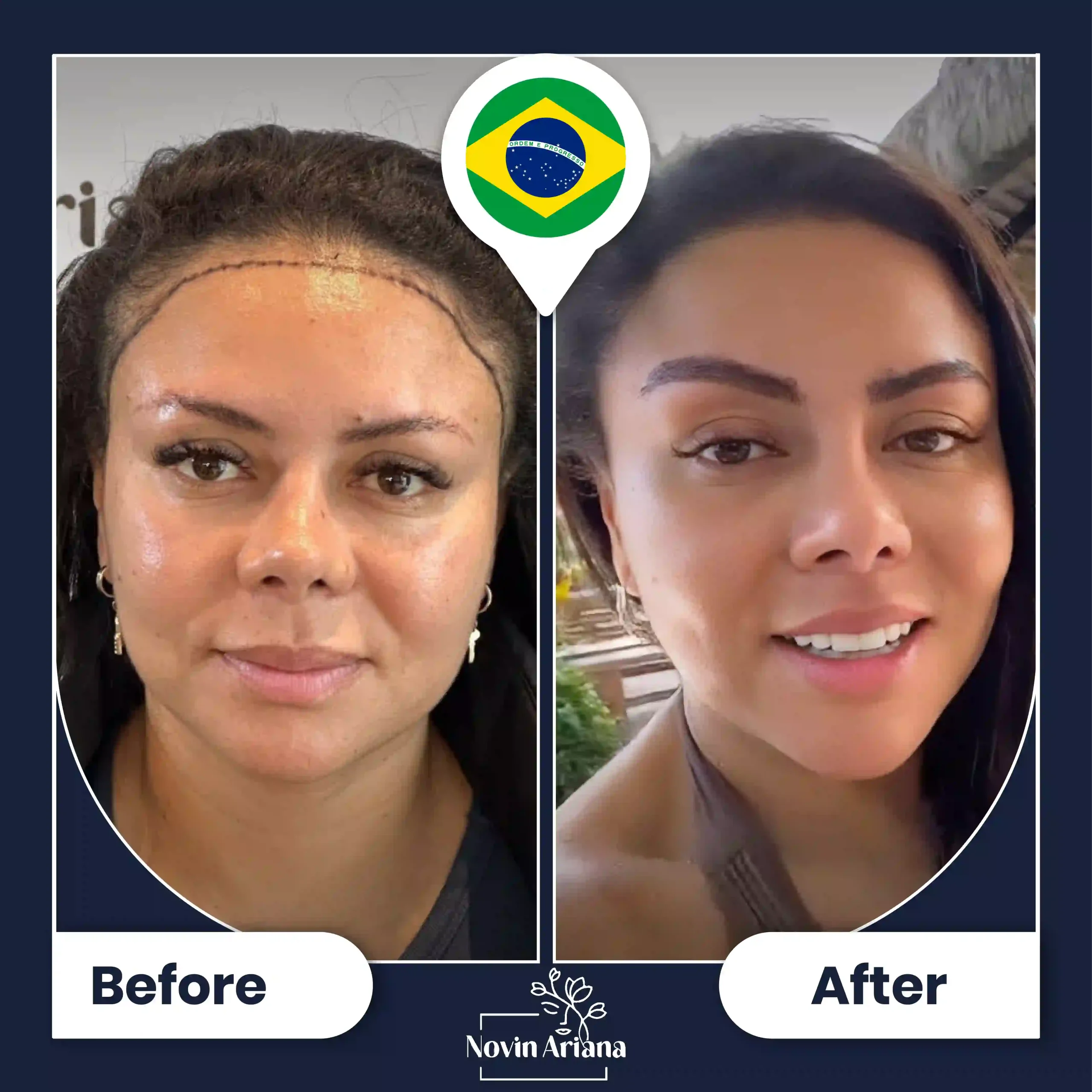
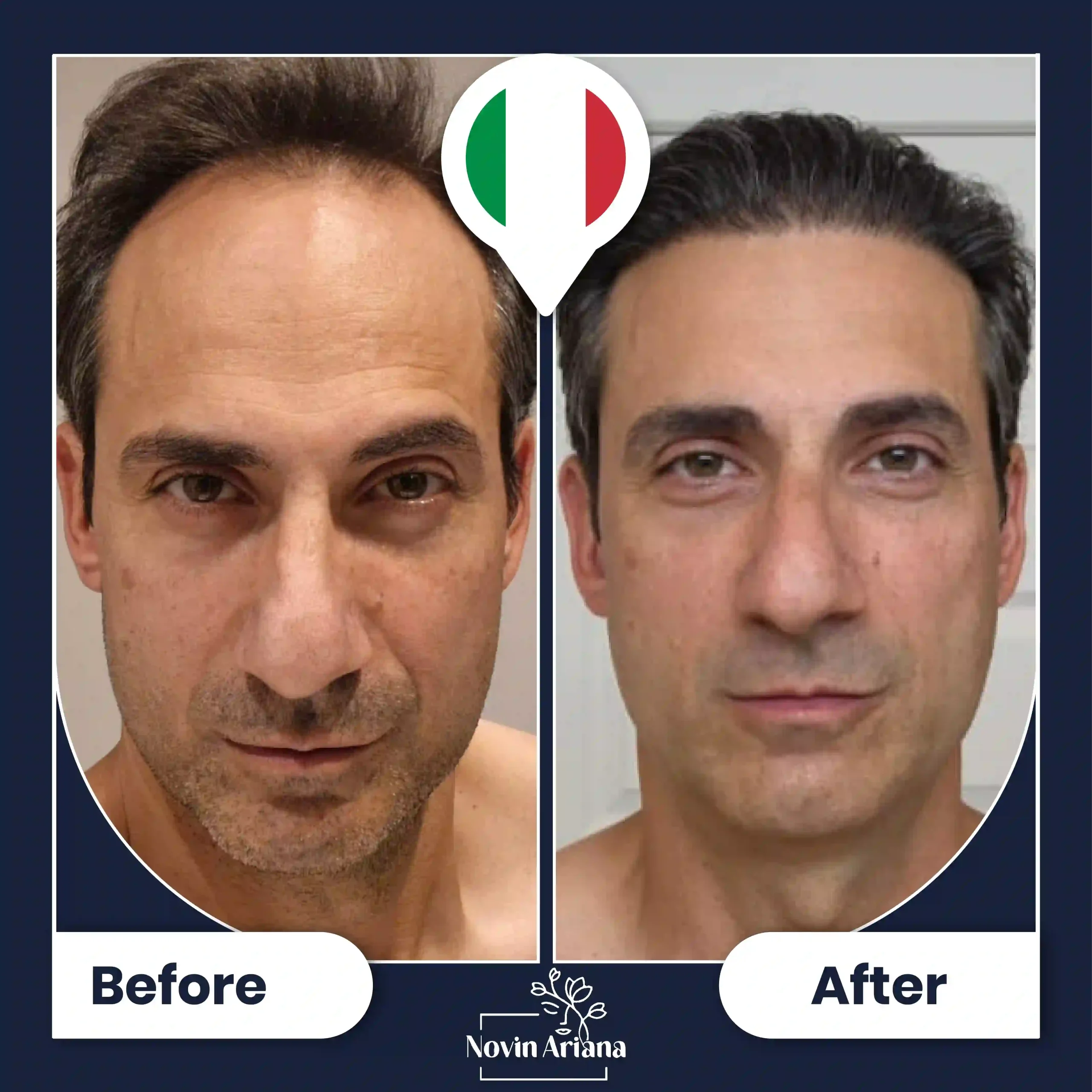
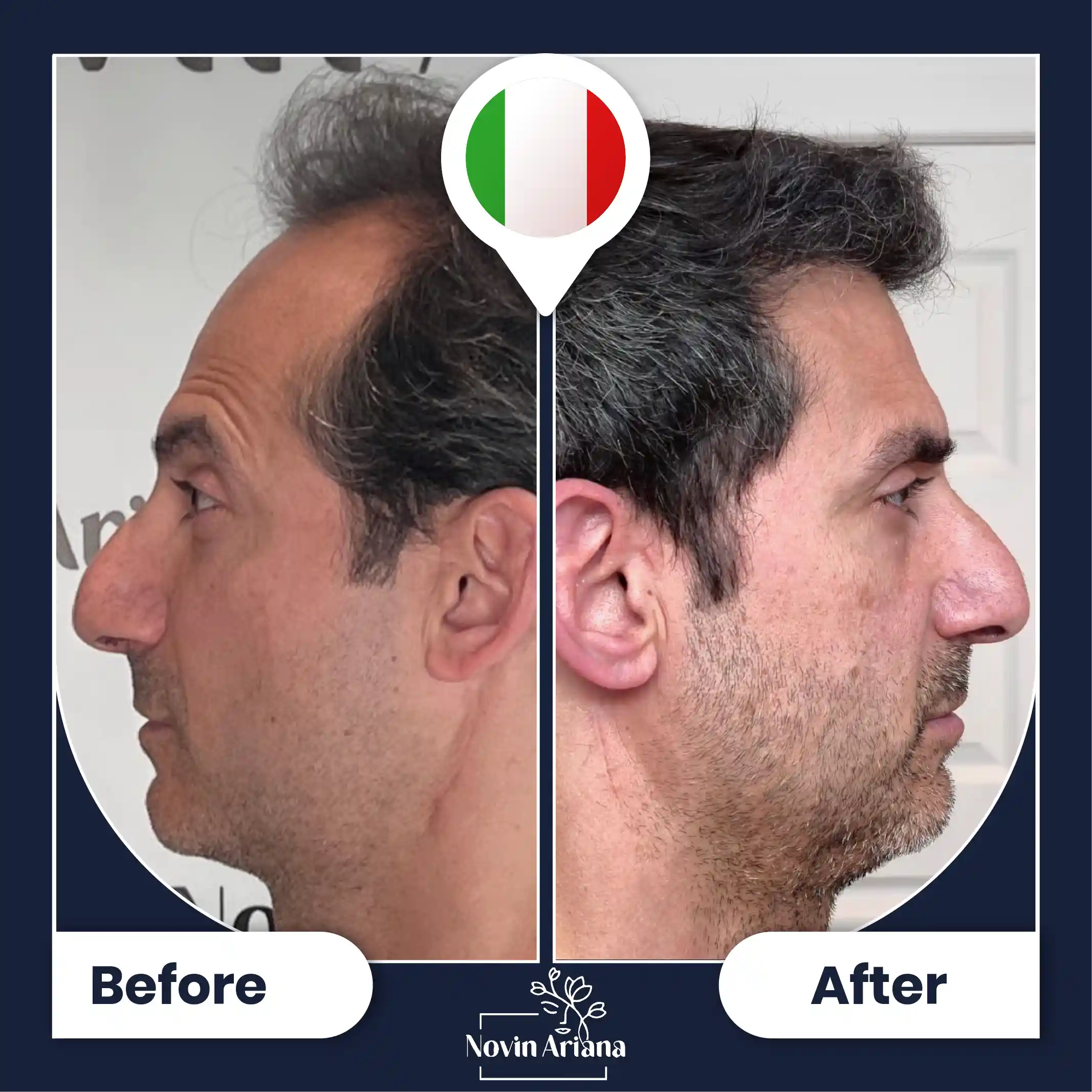
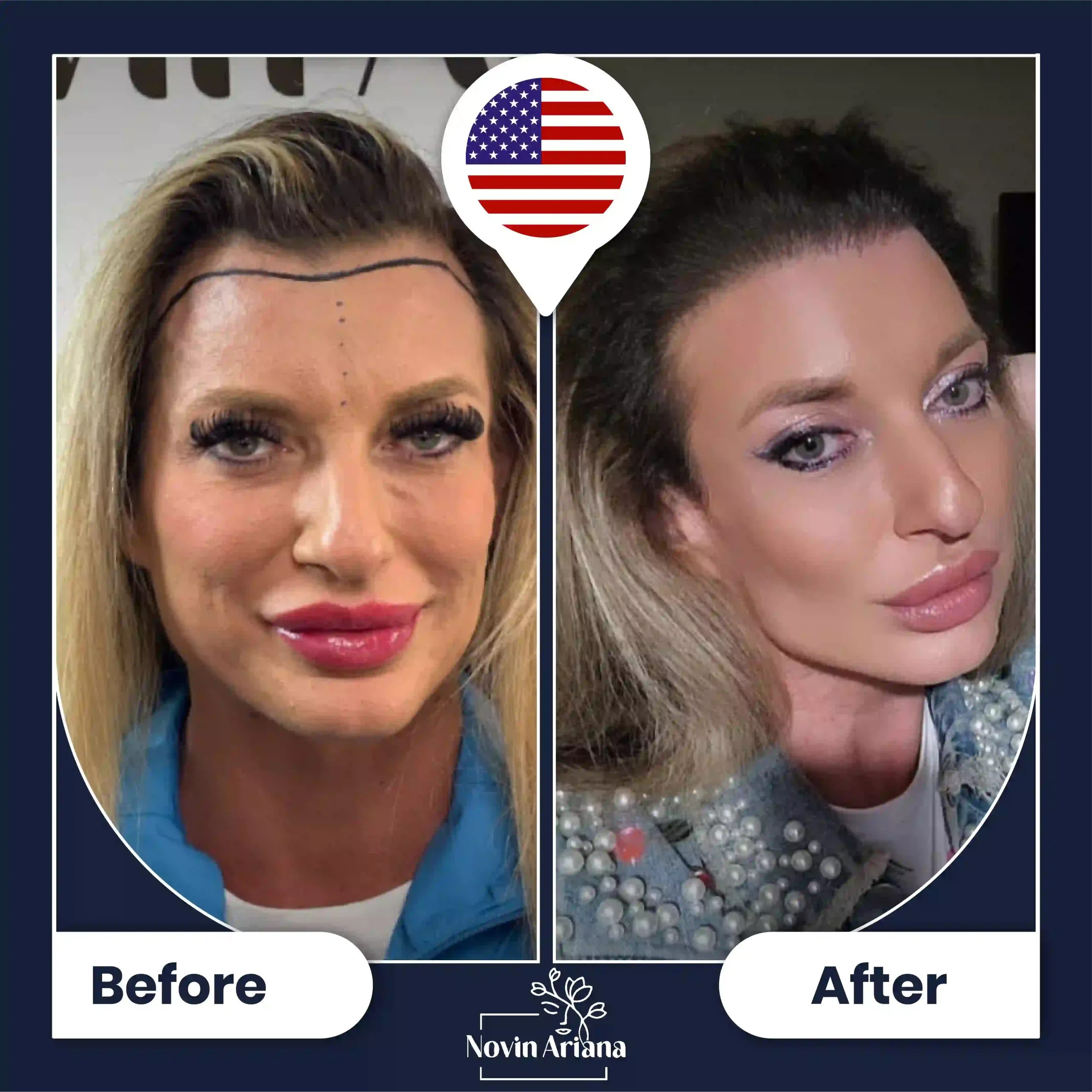
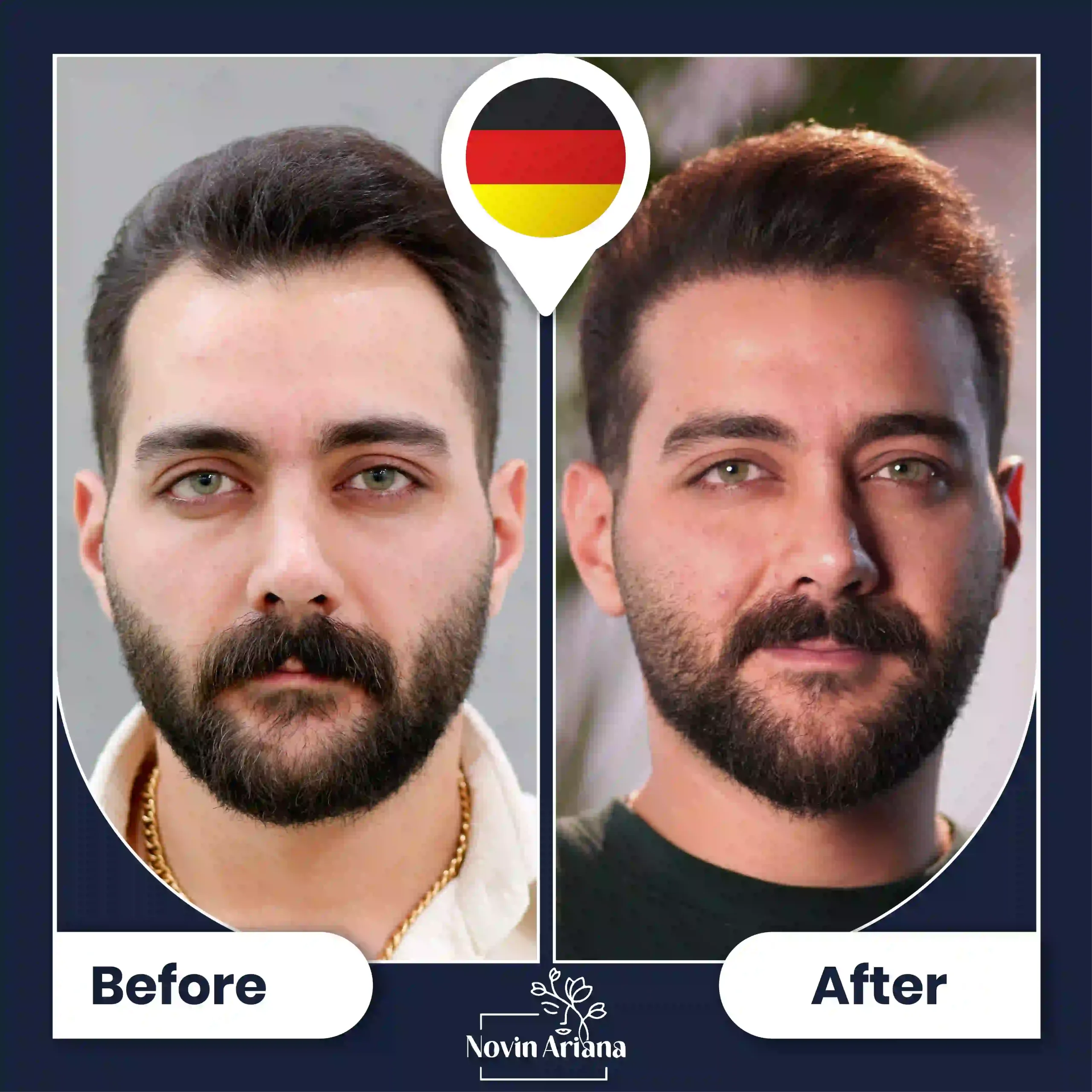
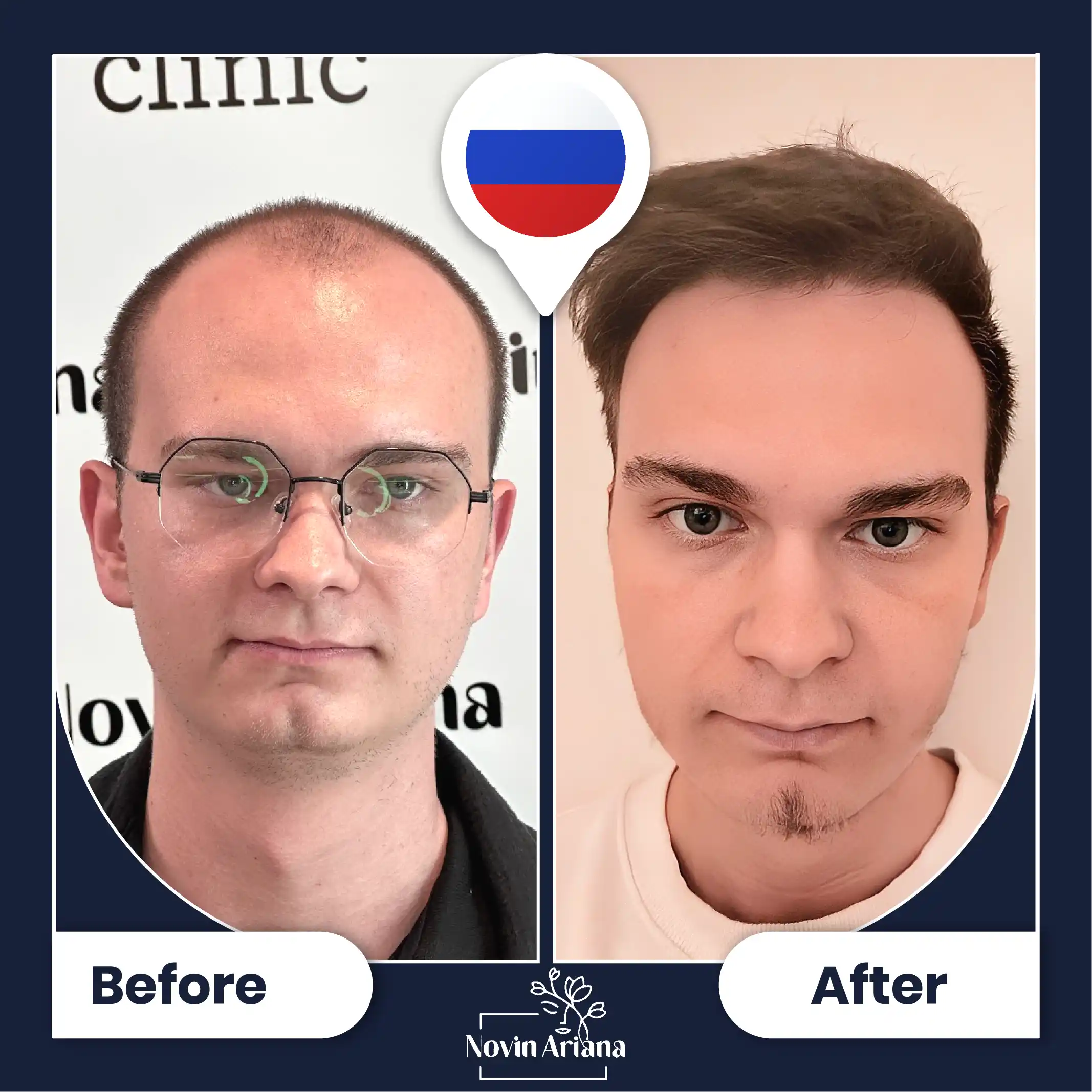
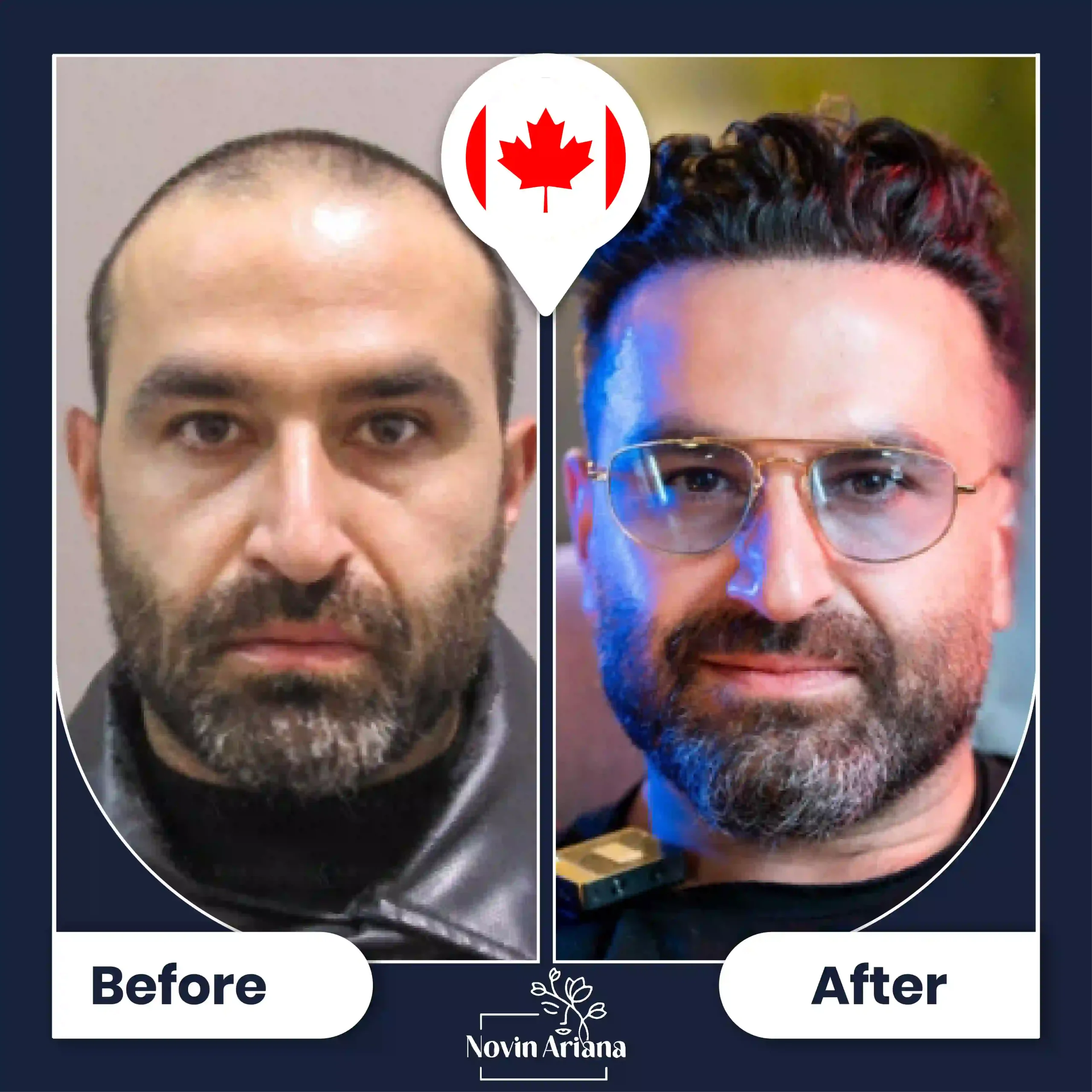
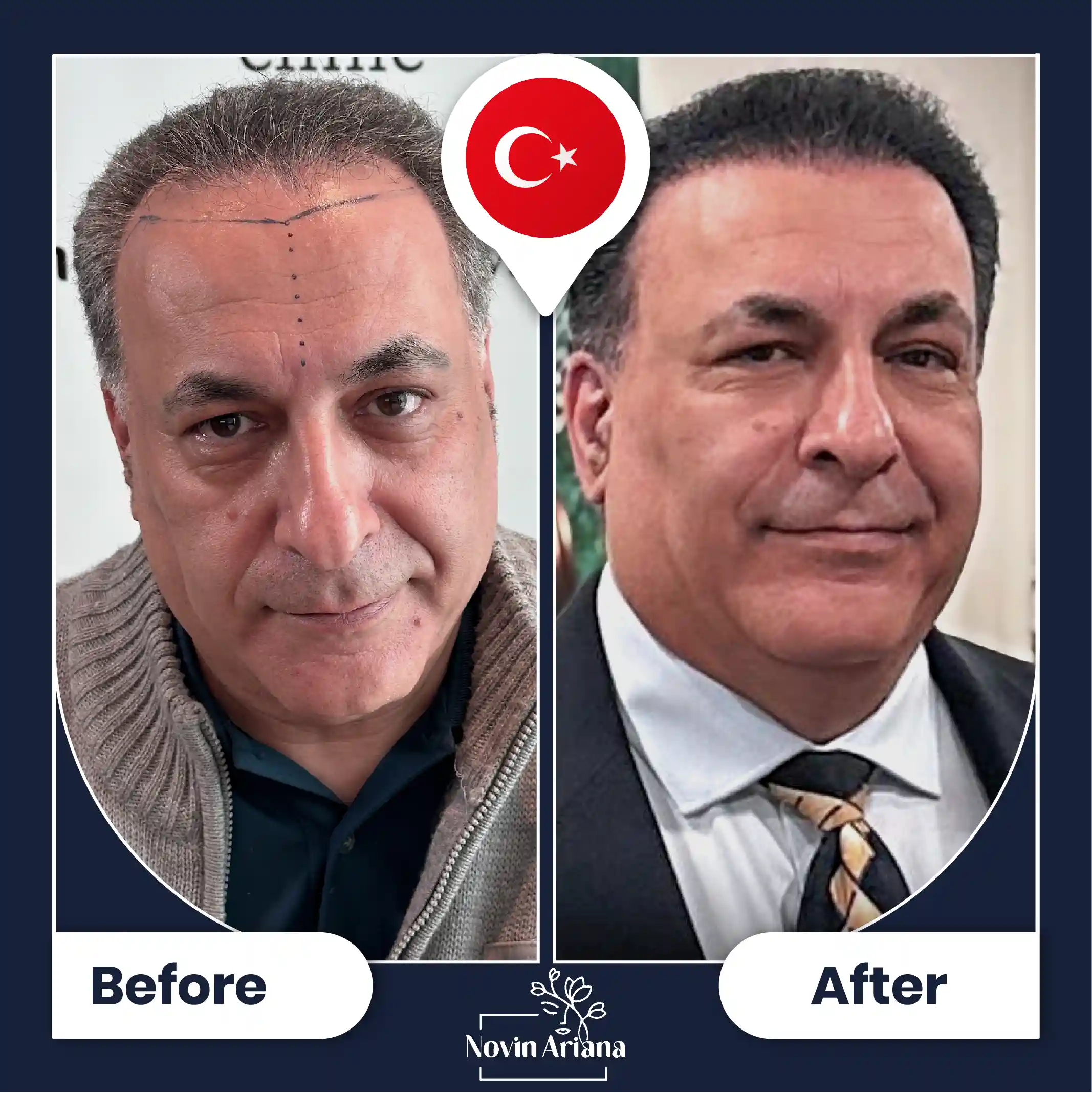
Months 2 to 4: early growth starts slowly
By the second or third month, some new hairs begin to emerge. They are often thin, soft, and uneven at first. Density is not the goal yet. Early growth is simply a sign that follicles are becoming active again.
This period can be frustrating because changes happen gradually. One side may seem ahead of the other. The hairline may look lighter than expected. Texture can be wiry or irregular. All of that can be normal.
Patients who expect dramatic transformation by month three often feel disappointed too early. Those who understand the biology behind the process tend to stay calmer. Hair grows in cycles, not on a schedule that matches a vacation calendar.
Ready to change how you look and feel?
Get your consultation now — your new self is waiting.
Months 5 to 7: the result becomes more visible
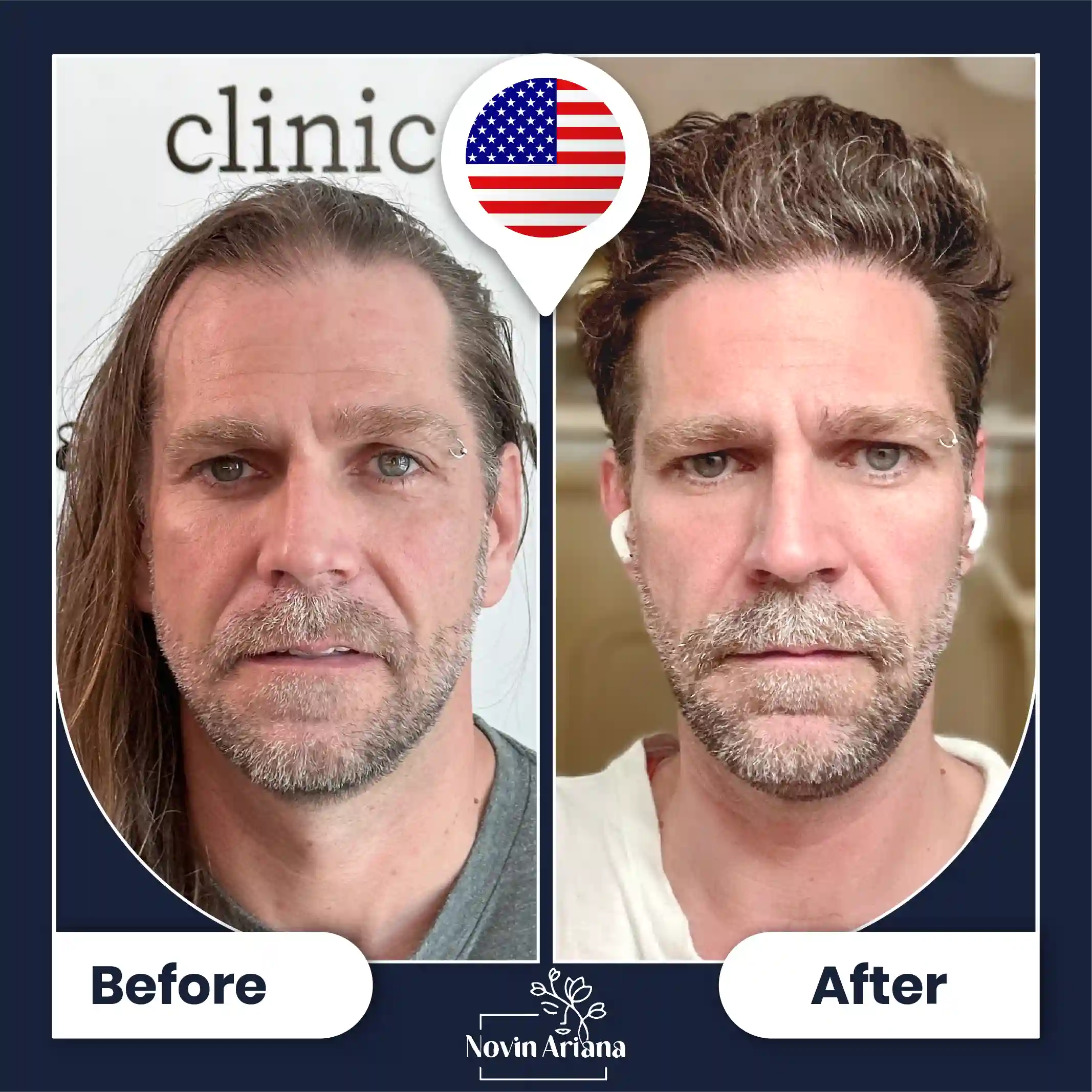
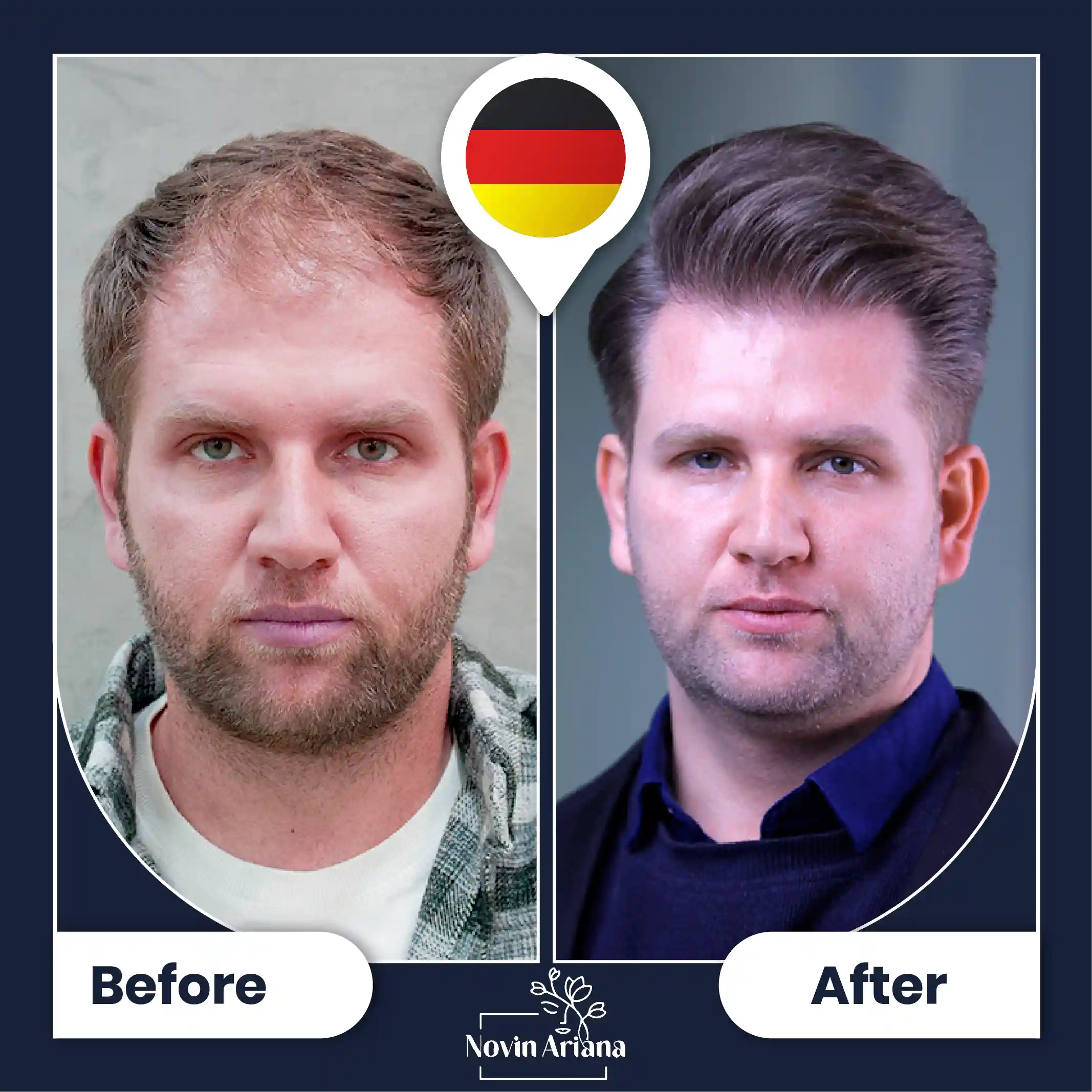
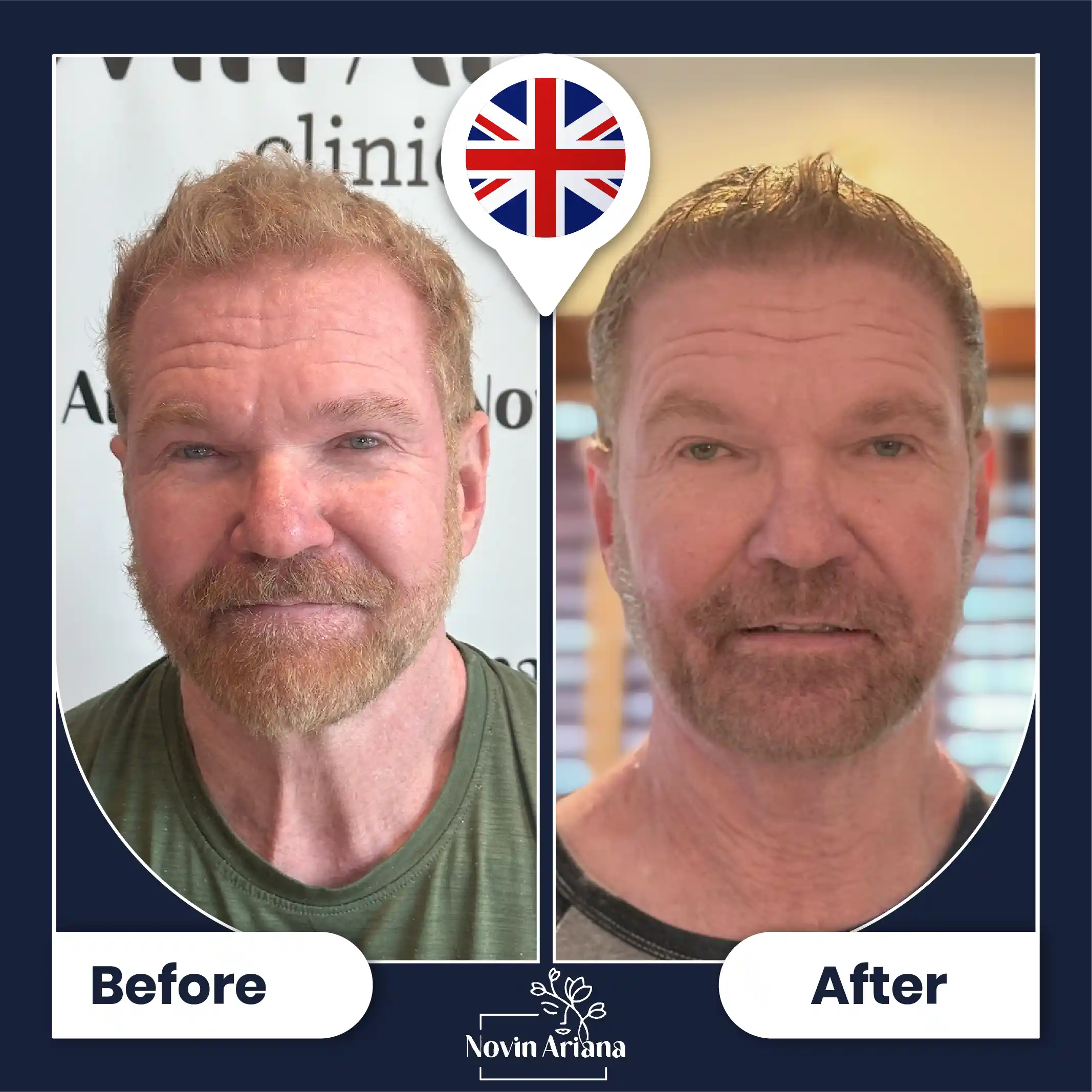
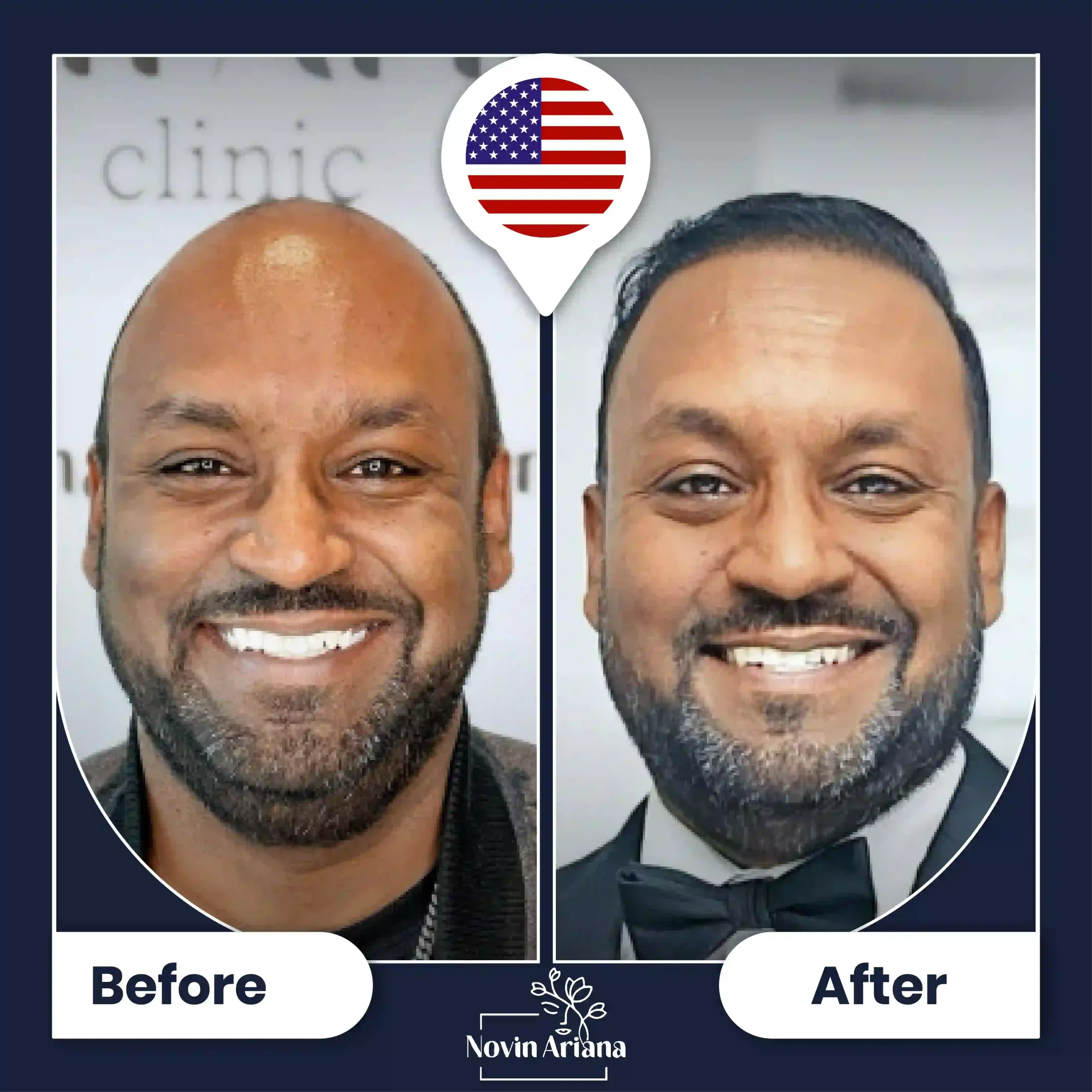
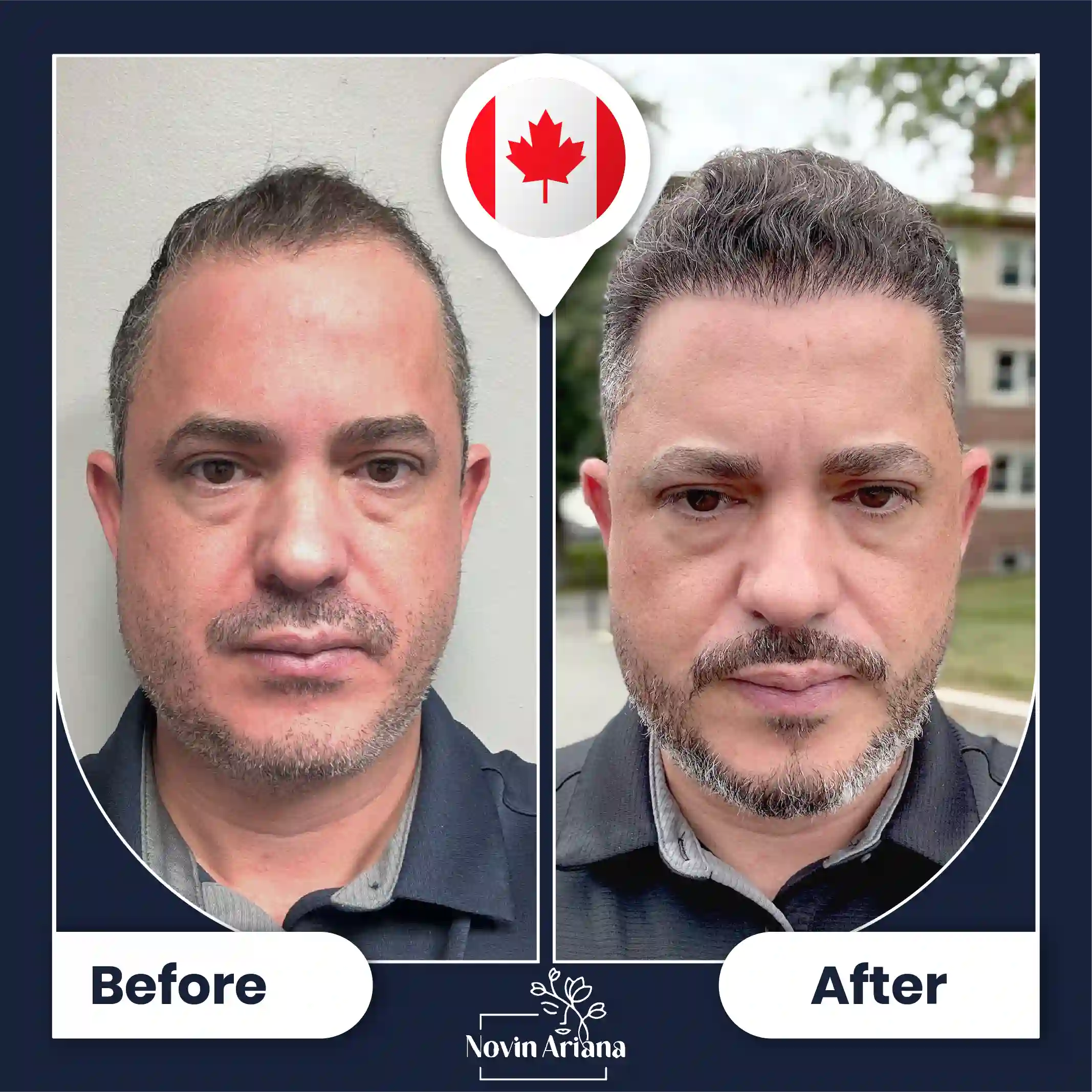
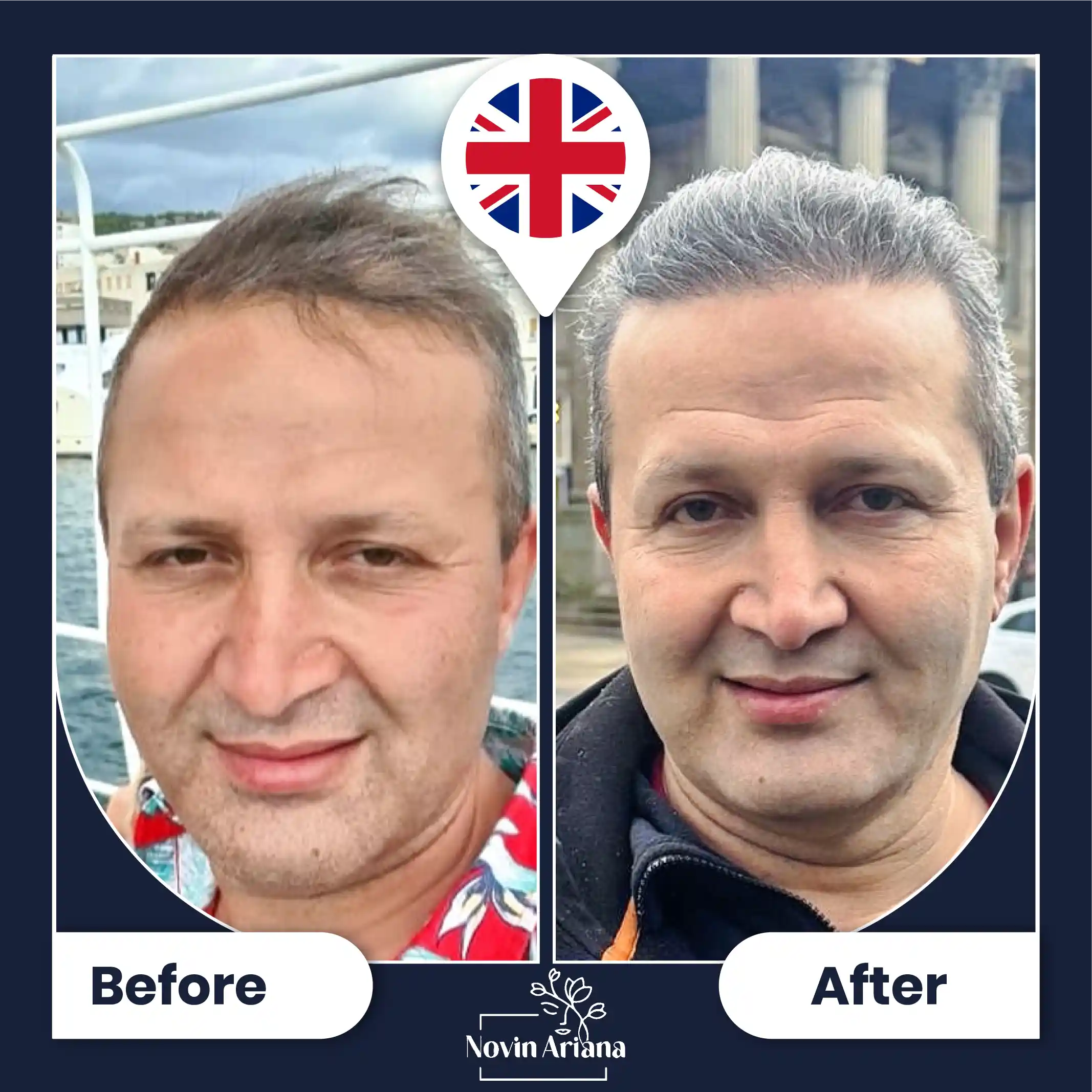
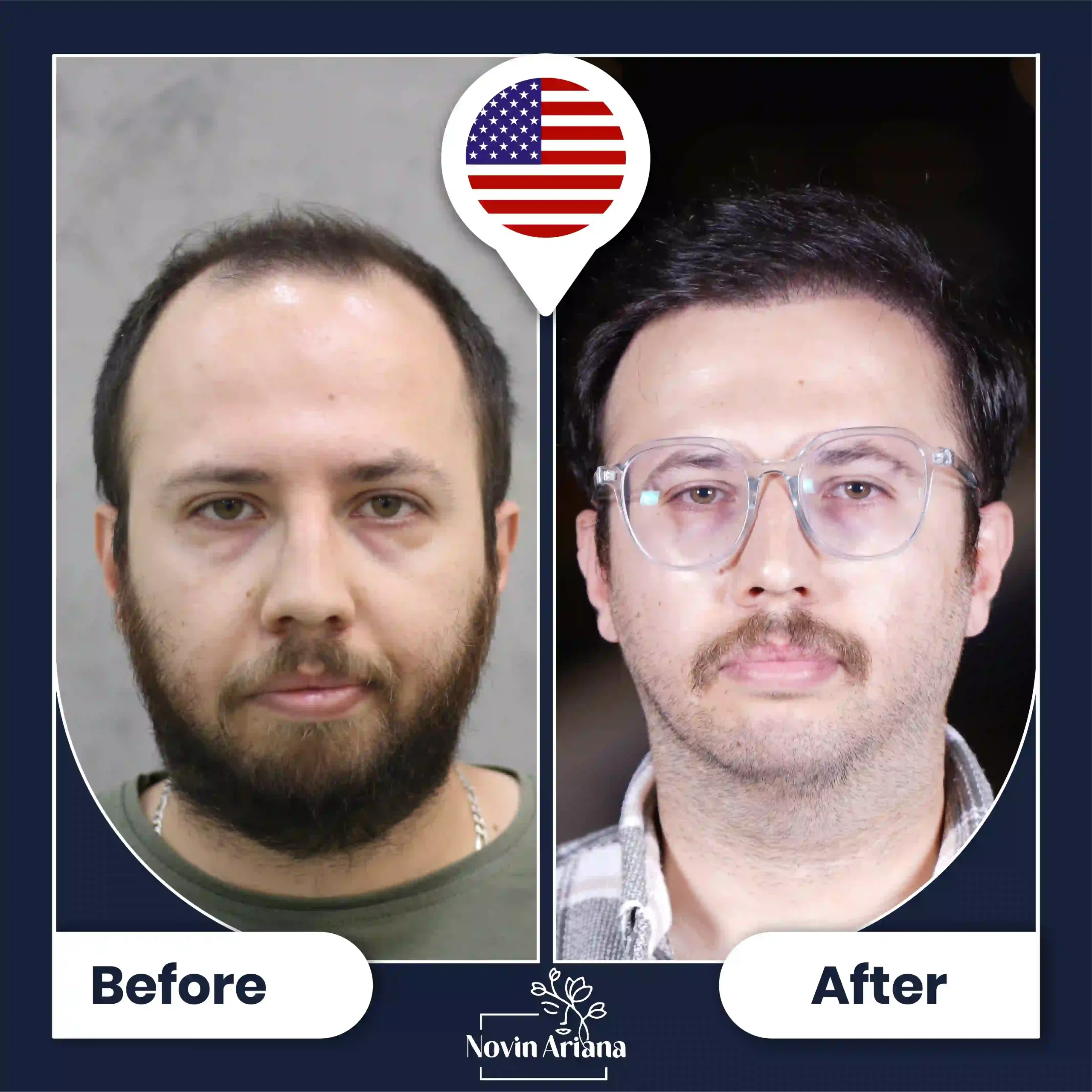
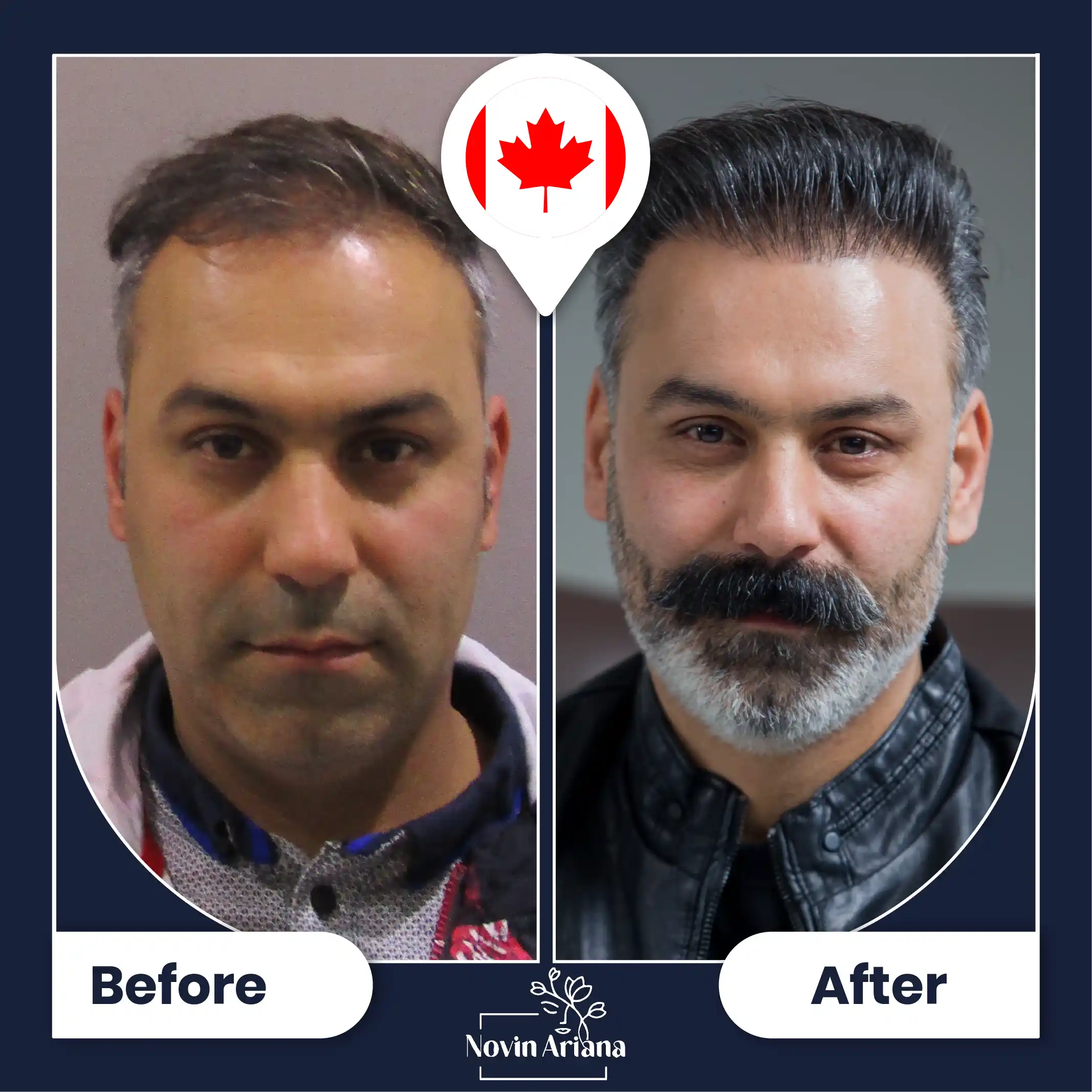
This is usually when patients begin to feel that the investment is turning into a visible result. More hairs push through, coverage improves, and the transplanted area starts to blend better with existing hair. Styling becomes easier, and the shape of the hairline becomes clearer.
That said, not everyone progresses at the same speed. Patients with larger sessions, slower healing, or naturally finer hair may still look early in the process. Others see strong growth by month six. It depends on scalp characteristics, genetics, aftercare consistency, and the quality of surgical planning.
A good result is not only about how many grafts were implanted. It is about where they were placed, how well they survived, and how naturally they mature over time.
Ready to change how you look and feel?
Get your consultation now — your new self is waiting.
Months 8 to 12: refinement and density
Between month eight and month twelve, the improvement is usually more about refinement than surprise. Hair becomes thicker, stronger, and more mature in texture. Density continues to develop, and the transplanted area often looks much more natural from conversational distance as well as under brighter lighting.
For many patients, month twelve is the milestone they focus on for final assessment. That is reasonable, but even then, subtle changes can continue, especially in crown work or larger procedures. Crown areas often take longer than frontal hairlines. This is one of the most common it depends factors in hair restoration.
If your transplant involved the front hairline only, your visible result may feel advanced earlier. If it included a large crown area, your full timeline may be slower. Neither is necessarily better or worse. They are simply different recovery patterns.
Ready to change how you look and feel?
Get your consultation now — your new self is waiting.
What can affect your DHI hair transplant recovery timeline?
The timeline is not fixed for every patient. Skin type, graft count, smoking status, scalp sensitivity, existing hair quality, and compliance with aftercare can all shift recovery speed. Even travel habits matter. A patient who rests, hydrates, avoids sun, and follows instructions carefully often has a smoother experience than someone who treats the procedure like a quick cosmetic errand.
Clinic quality also plays a major role. Experienced teams reduce unnecessary trauma, handle grafts carefully, and give clear post-op support. For international patients considering treatment in Istanbul, this is where premium coordination can be more than a luxury. It can help protect your outcome.
At Novin Ariana Health Clinic, that patient journey is designed to reduce friction from consultation through aftercare, which matters because confidence after surgery comes from support as much as from technique.
Ready to change how you look and feel?
Get your consultation now — your new self is waiting.
When should you be concerned?
Some redness, itching, shedding, and uneven early growth are normal. Severe pain, spreading redness, unusual discharge, fever, or sudden trauma to the grafts should be reported to your clinic immediately. The best aftercare systems make it easy to ask questions quickly, especially if you have already returned home.
This is one reason many medical travelers choose a provider with structured follow-up rather than just a procedure day. Recovery does not end when the flight home begins.
The best way to approach this process is with a long view. If you understand the dhi hair transplant recovery timeline before surgery, each phase feels less alarming and more predictable. The right team, the right plan, and the right expectations can make the months ahead feel less like waiting and more like watching your result take shape.