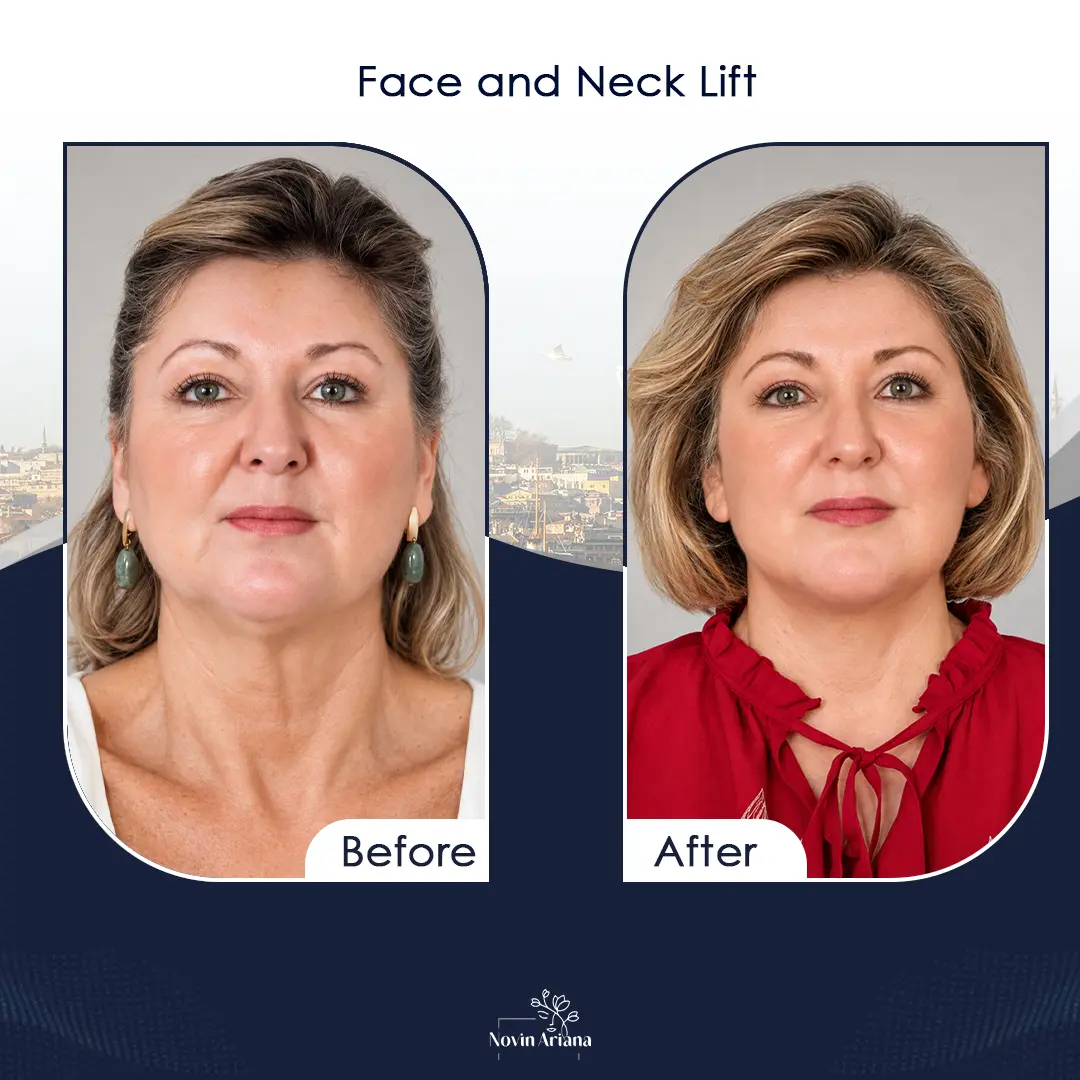
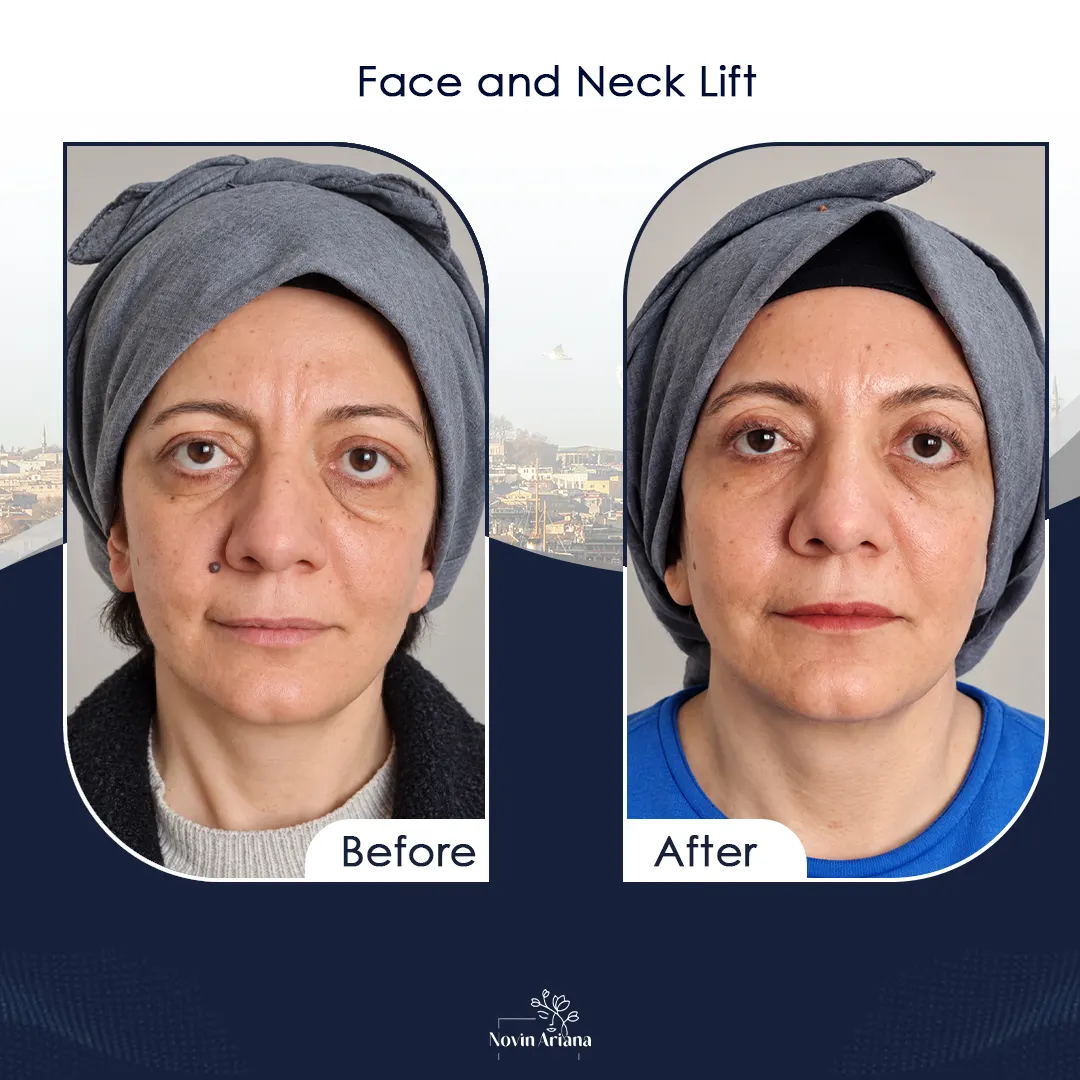
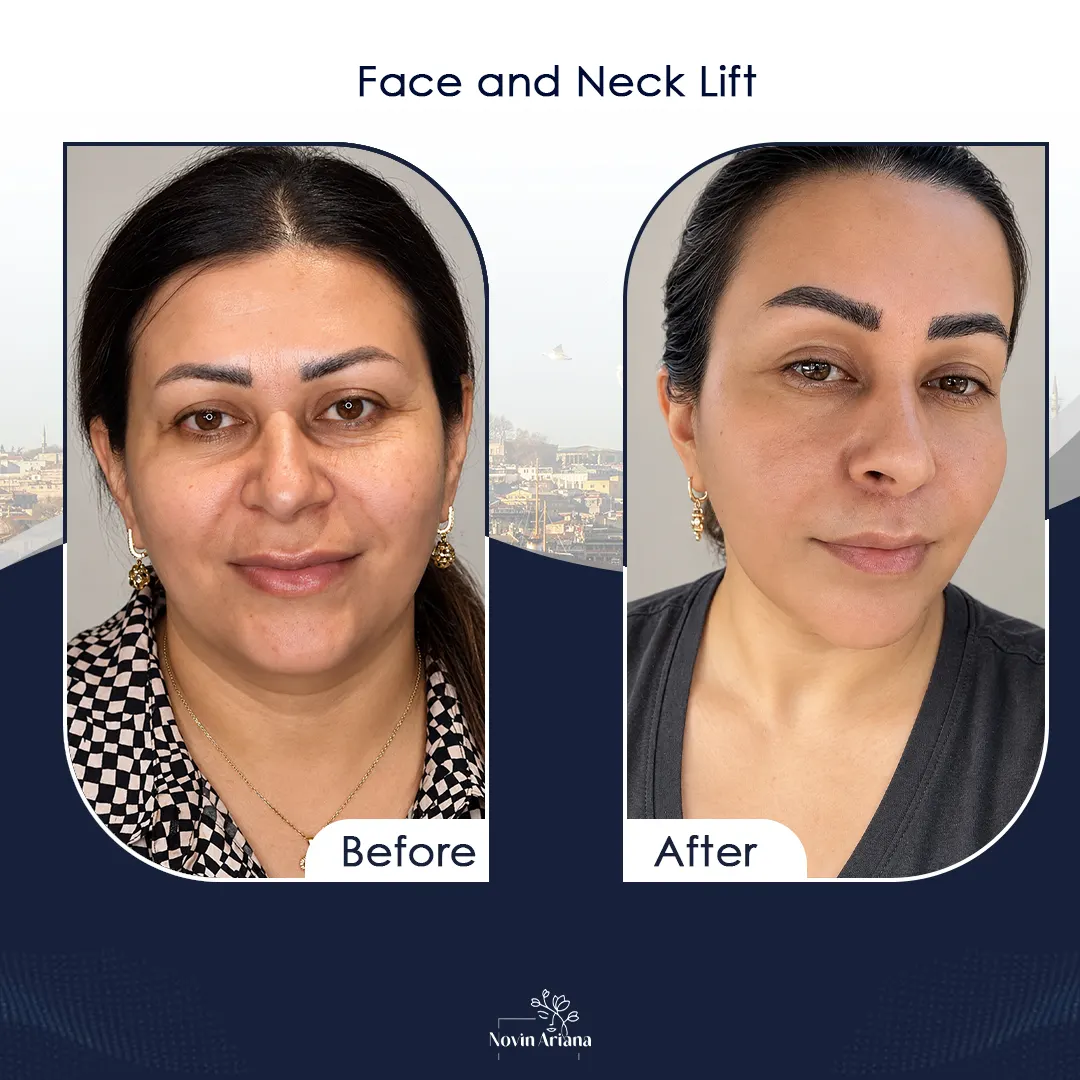
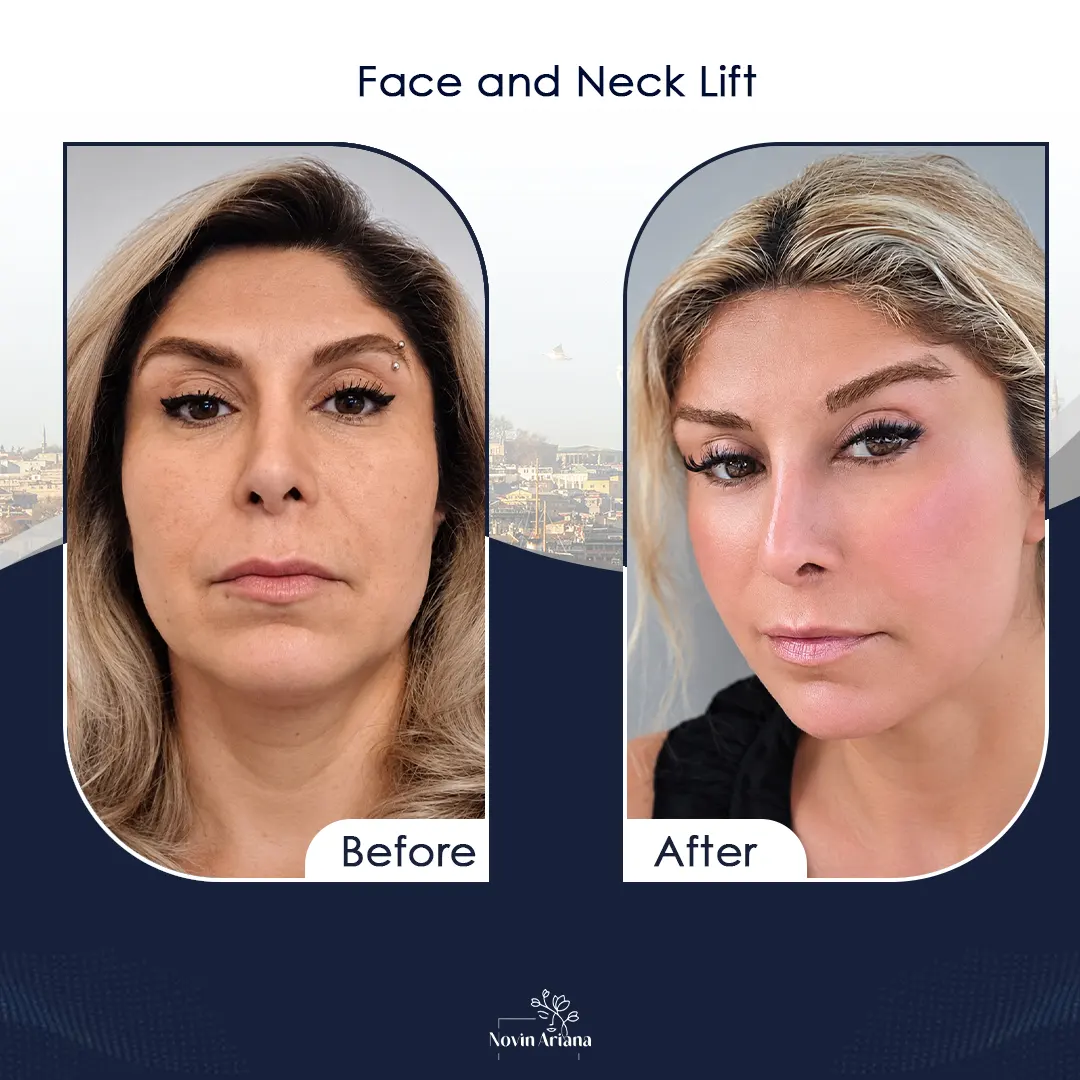
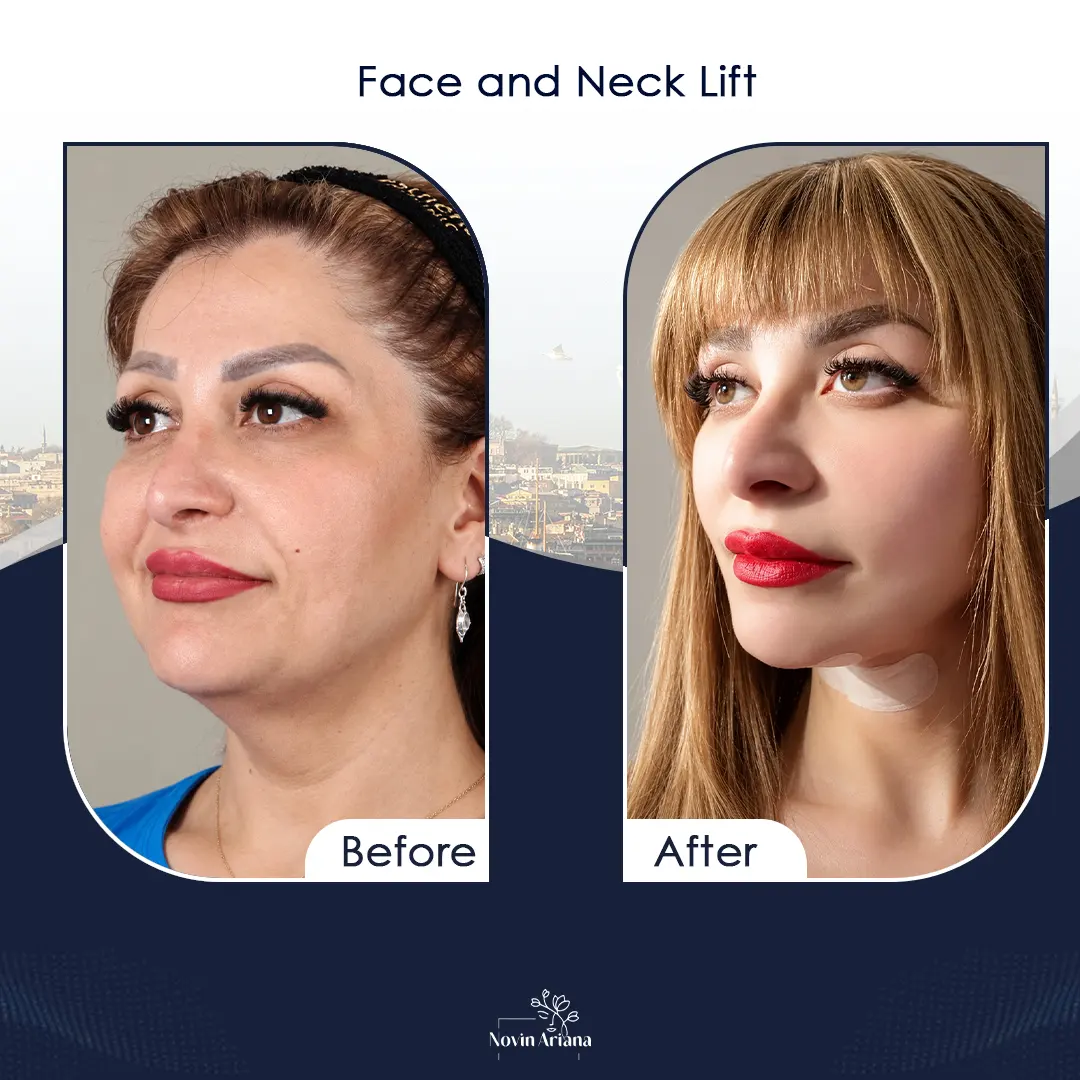
Natural, refreshed results by experienced surgeons in a JCI-accredited setting, at a fraction of European prices.
Fill in the form and our specialist will contact you within 24 hours.


Expert Care, Natural Results
At Novin Ariana, your face and neck lift is planned around your unique facial anatomy and aesthetic goals. Our experienced medical team focuses on precision, safety, and natural-looking results—helping you achieve a younger, refreshed appearance without looking overdone.
Premium Care, Better Value
Access high-quality face and neck lift surgery in Istanbul at a more competitive cost than in many European countries or the US. With transparent pricing and comprehensive treatment packages, you can focus on achieving a natural, refreshed appearance with confidence.
Complete Care, Stress-Free Journey
Enjoy a seamless medical journey with consultation, hotel accommodation, VIP transfers, treatment coordination, and post-operative follow-up. We take care of the details so you can focus on your recovery and results.
Trusted by International Patients
Patients from around the world choose Novin Ariana for their aesthetic journey in Istanbul. Our focus on personalized care, patient comfort, safety, and natural-looking results has helped us earn the trust of international patients.
One journey. Complete care. A naturally refreshed you. From your initial consultation to recovery and aftercare, our team coordinates every step of your medical journey in Istanbul.
A surgical plan tailored to your facial anatomy, skin laxity and aesthetic goals.
Your procedure is performed in a fully equipped hospital environment.
Required medical assessments and laboratory tests before surgery.
Essential hospital and operating-room services related to your treatment.
Professional anesthesia and medical monitoring throughout your procedure.
Comfortable accommodation arranged for your recovery in Istanbul.
Private transportation between the airport, hotel and hospital.
Prescribed medications and post-operative recovery guidance.
Dedicated assistance throughout your complete treatment journey.
A post-operative medical evaluation before your departure from Istanbul.
Our team remains available after you return home to support your recovery.
Send us your photos for an initial evaluation and receive a customized Face & Neck Lift treatment plan and quotation.
Flight tickets are not included. Final treatment recommendations, duration and pricing are determined after medical assessment.


Please contact us with any questions about Face & Neck Lift in Turkey or to receive a free consultation regarding your needs. Our team of highly trained specialists will provide you with all the information you need about the procedure, treatment options, and your medical journey.
The best facelift procedure depends on your age, skin condition, and desired results. There isn’t a one-size-fits-all answer, but here are the most popular options:
SMAS Facelift (Superficial Musculoaponeurotic System Lift)—Considered the gold standard, it tightens both the skin and underlying muscles for natural, long-lasting results. Best for people in their 40s–60s with moderate to severe sagging.
Deep Plane Facelift—Goes deeper than the SMAS technique, releasing ligaments and repositioning tissues for the most natural look. Known for creating dramatic yet subtle rejuvenation, especially around the mid-face and jawline.
Mini Facelift—A less invasive option that targets mild sagging in the cheeks and jawline. Best for younger patients (late 30s–40s) with early signs of aging. Recovery is quicker, but results are not as long-lasting as a complete facelift.
Mid-Facelift—Focuses on lifting the cheeks and under-eye area, ideal for patients with sagging in the mid-face but not in the neck or jawline.
Non-Surgical Facelift (Thread Lift, Therapy, Fillers)—Best for those with mild skin laxity who want subtle improvements without downtime. Results are temporary and usually last 1–2 years.
Aging is an inevitable process, but modern cosmetic surgery offers ways to mitigate its visible effects. Among these procedures, facelifts and neck lifts have become increasingly popular. However, the question remains: is a face and neck lift worth it? To answer this, it's essential to consider the advantages and disadvantages, potential outcomes, and personal expectations.
Understanding Face and Neck Lift Procedures Face
A facelift is a surgical procedure designed to reduce visible signs of facial aging. This involves tightening the skin, removing excess fat, and enhancing the underlying muscles to create a more youthful appearance. Similarly, a neck lift targets the jawline and neck, addressing issues such as sagging skin, excess fat, and muscle banding.
Combining these two procedures into a face and neck lift can provide comprehensive rejuvenation, addressing multiple areas of concern in a single surgery. This integrated approach often yields more harmonious and natural-looking results.
The Pros of Face and Neck Lift
One of the primary advantages of a face and neck lift is the significant improvement in appearance. These procedures can drastically reduce the signs of aging, such as wrinkles, sagging skin, and jowls. The results often include a smoother, tighter skin texture and a more defined jawline and neck, which can boost self-esteem and confidence.
Another benefit is the longevity of the results. While non-surgical treatments require frequent touch-ups, a facelift procedure can last for many years, making it a more cost-effective option in the long run. Additionally, advancements in surgical techniques have made these procedures safer and less invasive, with reduced recovery times and minimal scarring.
The Cons of Face and Neck Lift
Despite the numerous benefits, there are also potential drawbacks to consider. The most significant downside is the surgical risk. Like any surgery, a face and neck lift carries risks such as infection, scarring, and adverse reactions to anesthesia. It's crucial to discuss these risks thoroughly with a qualified surgeon.
Another consideration is the cost. Facelift and neck-lift surgeries can be expensive and are typically not covered by insurance because they are considered elective procedures. Furthermore, the recovery period can be extensive, often requiring weeks off work and social activities. Swelling, bruising, and discomfort are common during this time, and the final results may not be visible for several months.
Additionally, while a face and neck lift can produce remarkable results, they are not a panacea for aging. The natural aging process will continue, and new wrinkles and sagging may develop over time. Maintaining results often requires a combination of good skincare, healthy lifestyle choices, and, if needed, additional procedures in the future.
Weighing the Pros and Cons
Deciding whether a face and neck lift is worth it ultimately depends on individual goals and circumstances. For those seeking a significant and long-lasting improvement in their appearance and who are willing to undergo surgery and the associated recovery, the benefits often outweigh the cons. However, it's essential to have realistic expectations and to consider both the physical and financial commitments involved.
Consulting with a board-certified plastic surgeon can provide valuable insights and help determine whether a facelift or neck lift is the right choice. They can offer a personalized assessment, discuss potential outcomes, and help navigate the pros and cons based on individual needs.
In conclusion, a face and neck lift can be a highly effective way to rejuvenate one’s appearance and combat the signs of aging. By carefully weighing the benefits and risks, individuals can make an informed decision that aligns with their aesthetic goals and lifestyle.
The newest facelift procedures focus on less invasive techniques, faster recovery, and more natural results. Some of the latest innovations include:
Deep Plane Facelift – While not brand new, it’s a modern refinement of traditional facelifts. It repositions deeper facial tissues and muscles rather than just tightening the skin, producing longer-lasting, more natural results.
MACS Lift (Minimal Access Cranial Suspension) – A short-scar facelift that lifts sagging cheeks and jowls with smaller incisions, reducing downtime and scarring. Ideal for patients with moderate sagging.
Liquid Facelift – Uses injectable fillers and Botox to lift and contour the face without surgery. Results are temporary (1–2 years) but provide a non-invasive alternative for younger patients or those hesitant about surgery.
Thread Lift – Uses dissolvable threads to lift and tighten skin. The threads also stimulate collagen production for gradual rejuvenation. Recovery is fast, and it’s minimally invasive, making it increasingly popular.
Skin Tightening with Energy-Based Devices – Non-surgical options like Therapy (ultrasound) or radio frequency facelifts stimulate collagen and lift the skin over time. These are ideal for early signs of aging or as a complement to surgical facelifts.
A facelift is primarily designed to lift and tighten sagging skin, reduce jowls, and smooth deep wrinkles—it is not a treatment for acne scars. While the procedure may slightly improve the appearance of very superficial scars due to skin tightening, it does not remove or significantly reduce acne scars, especially pitted or textured scars.
For acne scar treatment, dermatologists and cosmetic surgeons typically recommend:
Laser resurfacing (e.g., CO₂ or fractional lasers)
Microneedling with or without PRP (platelet-rich plasma)
Chemical peels, dermal
fillers for deep pitted scars Submission
or other minor surgical techniques
Deciding when to undergo a face and neck lift is a personal decision influenced by various factors. These procedures can effectively rejuvenate your appearance, but the ideal timing varies based on individual aging patterns and aesthetic goals. Understanding the nuances of aging can help determine the best age for a facelift.
Face at 30
Opting for a facelift at 30 may seem early, but it's becoming increasingly popular. For those with early signs of aging due to genetics or lifestyle factors, this can be a strategic move. Early intervention with less invasive techniques can help maintain a youthful appearance longer. Procedures at this age often involve minimal adjustments and can be combined with non-surgical treatments to enhance results. This proactive approach can stave off more significant signs of aging and reduce the need for extensive surgery later.
Face at 40
A facelift at 40 is more common and widely recommended. By this age, many individuals start to notice deeper wrinkles, sagging skin, and loss of elasticity. A face and neck lift at this stage can effectively address these issues, providing a refreshed, natural look. The procedure can tighten underlying muscles, remove excess skin, and redefine facial contours. The results are often more pronounced and satisfying, offering a significant boost in confidence and appearance.
Face at 60
Choosing a facelift at 60 is still highly effective. At this age, signs of aging are more pronounced, with deeper lines, pronounced sagging, and potential muscle laxity. The procedure can deliver dramatic improvements, rejuvenating the face and neck comprehensively. Although recovery may be slightly longer than in younger patients, outcomes are usually favorable. Patients often appear significantly younger, with smoother skin and more defined facial features.
Best Age for Face Lifting Determining
The best age for a facelift depends on individual circumstances. Generally, those in their 40s and 50s are ideal candidates, as they exhibit visible signs of aging that these procedures can effectively address. However, the decision should be based on personal goals, skin condition, and overall health. Consulting with a board-certified plastic surgeon can provide tailored advice and help set realistic expectations.
Factors to Consider
In conclusion, there is no one-size-fits-all answer to the best age for face lifting. Whether considering a facelift at 30, 40, or 60, the decision should be tailored to individual needs and goals. A thorough consultation with an experienced plastic surgeon can help you make an informed decision, ensuring natural, satisfying results.
The recovery process after a facelift varies from person to person, but understanding the general timeline can help manage expectations regarding when you'll start to look and feel like yourself again.
Early Days: 1 Week After Facelift
1 week after facelift, you can expect to have swelling and bruising, particularly around the surgical sites and possibly extending to the cheeks and eyes. This initial phase is when most patients experience the greatest discomfort and tightness as the skin adjusts to its new contours.
Progressing: 2 Weeks After Facelift By
2 weeks after the facelift, significant improvements in swelling and bruising should be noticeable. Many patients feel comfortable returning to work or resuming light activities, as the majority of sutures are typically removed around this time. However, some residual swelling may still persist, especially around the jawline and neck.
Settling In: 3 Weeks After Facelift Around
3 weeks after the facelift, most visible signs of surgery, such as bruising, should have subsided considerably. Your facial tissues continue to heal and settle into their new position, revealing more defined contours. However, some patients may still experience minor swelling, particularly in the lower face and neck.
Almost There: 4 Weeks After Facelift, Still Swollen?
At 4 weeks after a facelift, while you should see significant improvement, it's not uncommon to experience residual swelling, especially if you underwent a more extensive procedure. Patience is key as the final results continue to evolve over the coming weeks and months.
Long-Term Recovery: 1 Month After Facelift By
1 month after the facelift, most patients feel comfortable returning to their regular routines with minimal noticeable signs of surgery. Your scars will continue to fade and blend into your natural skin tone, aided by diligent scar care and sun protection.
Face Lift Recovery Day by Day, Understanding
the face lift recovery day by day allows you to anticipate milestones and take necessary precautions. Follow your surgeon's post-operative instructions closely, including elevation of the head, applying cold compresses, and avoiding strenuous activities to promote optimal healing.
Final Thoughts While
the immediate weeks post-surgery may involve some patience as swelling resolves, rest assured that the gradual improvement in your appearance will ultimately reveal a rejuvenated and refreshed look. Each individual heals at their own pace, so maintaining open communication with your surgeon throughout the process ensures you achieve the best possible results from your facelift procedure.
Many individuals seek to address signs of aging, particularly in the neck, without undergoing a complete facelift. This desire has led to advancements in cosmetic procedures targeting the neck, offering practical solutions for rejuvenation.
Understanding a Neck Lift Without a Facelift
A neck lift without a facelift is indeed possible and is designed to improve the appearance of the neck without addressing the entire face. This procedure focuses on correcting sagging skin, muscle laxity, and excess fat deposits in the neck, creating a more youthful, defined neck contour.
Techniques Used
Benefits of a Neck Lift Without a Facelift
Who Can Benefit?
Individuals who are bothered by visible signs of aging in the neck area but have relatively minimal concerns with their facial appearance may be ideal candidates for a neck lift without a facelift. This procedure is suitable for those with sagging skin, wrinkles, or prominent neck bands that contribute to an aged or less-defined neck profile.
Recovery and Results Recovery
A neck lift without a facelift is typically shorter compared to a combined procedure. Patients can expect some swelling and bruising initially, which gradually subsides over several weeks. Following the surgeon's post-operative care instructions is crucial to ensure optimal healing and results.
Consultation with a Specialist Considering
A neck lift without a facelift involves a thorough consultation with a board-certified plastic surgeon. During this consultation, the surgeon will assess the patient's neck anatomy, discuss goals and expectations, and recommend the most appropriate treatment plan. They will also explain the risks, benefits, and potential outcomes associated with the procedure.
In conclusion, opting for a neck lift without a facelift allows individuals to target aging concerns in the neck, achieving a more youthful, rejuvenated appearance with a focused approach. Consulting with a qualified professional ensures that patients receive personalized care and achieve satisfactory results.
Patients are typically advised to wait at least 7 to 10 days before flying after a neck lift. This allows adequate time for initial healing and reduces the likelihood of complications during travel. By this point, swelling and bruising have usually subsided enough to make air travel more comfortable and safer.
Considerations Before Flying
Planning to fly after a neck lift? It's crucial to consult your surgeon. They can assess your recovery progress and provide personalized advice based on your specific condition. Factors such as the extent of surgery, individual healing rate, and any potential complications will influence the timing of your travel plans.
Managing Comfort During Travel When
You do fly after a neck lift; take steps to ensure comfort and minimize stress on the surgical area. Consider bringing supportive neck pillows for added comfort during the flight. Stay hydrated and avoid alcohol, which can exacerbate swelling. Gentle neck exercises during the flight can also promote circulation and reduce stiffness.
Final Thoughts While
The desire to resume normal activities, including travel, is understandable after a neck lift. Patience during the initial recovery phase is crucial for optimal results. Following your surgeon's advice and allowing adequate face and neck lift recovery time ensures a smoother healing process and reduces the risk of complications. By planning and prioritizing your health, you can enjoy your travel plans with greater peace of mind post-surgery.